2AKFED422Bluetooth Headsets
The Art of Utility AB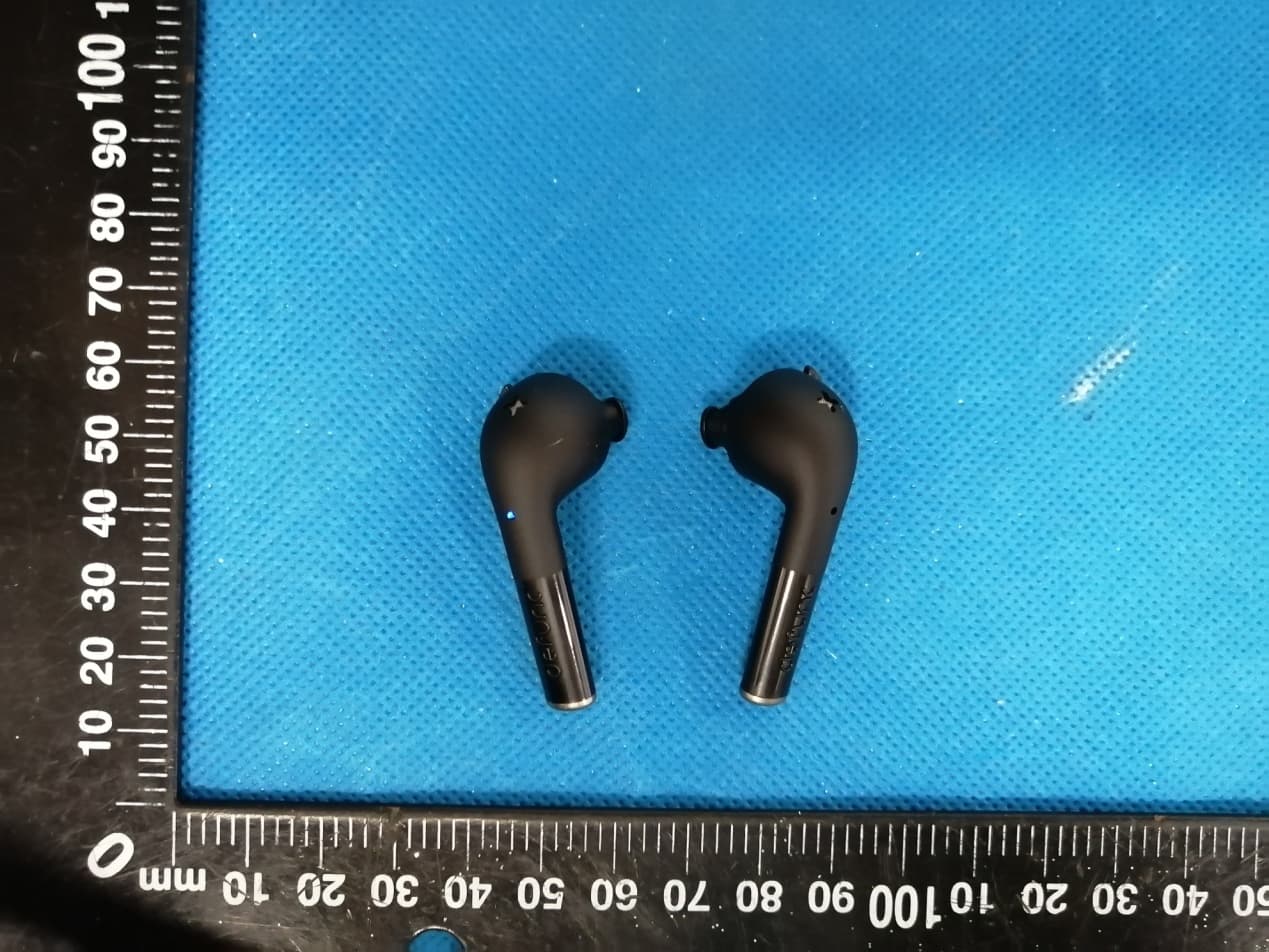
Click to zoom
Application Details
- Equipment Class
- DSS - Part 15 Spread Spectrum Transmitter
- Date of Grant
- May 31, 2020
- Application Purpose
- Original Equipment
- Date of Application
- May 31, 2020
- Equipment Note
- Bluetooth Headsets
- Frequency Range
- 2402.00000000 - 2480.00000000
- Company
- The Art of Utility AB
- Country
- Sweden
Documents & Files
Document Text
Text extracted from the exhibit documents filed with the FCC. Open a document above to read the original.
Users Manual
TRUE PLUS - User Manual Thank you for choosing the Defunc TRUE PLUS model. Read this manual to optimize your experience. Technical specifications Bluetooth® version: 5.0 Transmission frequency: 2.4 GHz Earbud battery: 45 mAh Charging case: 500 mAh Earbud recharges in charging case: 5-6 times Active playtime: ≈ 4-5h Standby time: ≈ 56 h Charging time: ≈ 1.5hrs Speaker dimension: Dia 12mm 16Ω±15% Speaker sensitivity: 115±3dB At 1kHz 0.179V Charging means: USB to Type C Power supply bin voltage: 5V Transmission frequency: 20hz-20khz Codex: AAC/SBC Rated Power for Earbuds: 3mV Rated power for Charging case: 2.25W Frequency band in which the product operates==2402~2480MHz Net weight: ≈ approx 70g What’s included Defunc True PLUS earbuds USB-C charging cable Charging case User manual x1 Thank you cardx1 Silicon tips:2pcs M sport size, 2pcs S sport size,2pcs hybrid size. Hall switch When open the charging case, the earbuds will automatically power on and pair to each other. Overview and controls Power on: Open the cap of the charging case for auto-power on. or touch the L & R earbuds for 3 seconds to power on the earbuds. Power off: Put the earbuds back in the charging case or touch either the right or left earbuds for 5 seconds Auto-power off: The earbud will turned off after 5 minutes in paired mode without connected device. Answer/end call: Double-click either the left or right earbud for pick up the phone calls or end the phone calls. Reject call: Press either the left or right earbuds for 2 seconds to reject the call. Play/pause: While listening to music, double-click the touch area of any earbud once for play&pause the music. Next track: While listening to music, press the right earbud for 2 seconds to enther into next song. Previous track: While listening to music, press the left earbud for 2 seconds to enther into next song. Voice assistant: Triple-click on the right earbud for active the Voice Assisstant, and triple-click on the right earbud again to close it. Volume increase: once-click on the right earbud Volume decrease: once-click on the left earbud Pairing Charge the earbuds fully before pairing it to you device for first time using. 1.Remove the earbuds from the charging case, the Earbuds will automatically power on and paired to each other. 2. When blue/red lights in the right earbud flashing alternatively, means earbuds are ready to be paired to your device. 3. Active Bluetooth function on your device and select Defunc TRUE PLUS in the Bluetooth list. Charging Charge earbuds: Put the earbuds back in charging case and close the cap. Charging: Solid red light on case. Charge case Connect it to the power supply with USB cable. Charging: Blue lights flashing Charging status: Each light equals 25% charged Charing Case and earbuds can be charged simultaneously. For support, visit www.defunc.com/troubleshooting FCC Warning Statement Changes or modifications not expressly approved by the party responsible for compliance could void the user’s authority to operate the equipment. This equipment has been tested and found to comply with the limits for a Class B digital device, pursuant to Part 15 of the FCC Rules. These limits are designed to provide reasonable protection against harmful interference in a residential installation. This equipment generates uses and can radiate radio frequency energy and, if not installed and used in accordance with the instructions, may cause harmful interference to radio communications. However, there is no guarantee that interference will not occur in a particular installation. If this equipment does cause harmful interference to radio or television reception, which can be determined by turning the equipment off and on, the user is encouraged to try to correct the interference by one or more of the following measures: ‐‐ Reorient or relocate the receiving antenna. ‐‐ Increase the separation between the equipment and receiver. ‐‐Connect the equipment into an outlet on a circuit different from that to which the receiver is connected. ‐‐ Consult the dealer or an experienced radio/TV technician for help. This device complies with part 15 of the FCC Rules. Operation is subject to the following two conditions: (1) This device may not cause harmful interference, and (2) this device must accept any interference received, including interference that may cause undesired operation.
Cover Letter(s)
The Art of Utility AB Agent Authorization Company: The Art of Utility AB Address: Upplandsgatan 7 111 23 Stockholm Sweden Product Name: Bluetooth Headsets Model Number(s ): Defunc TRUE PLUS Product Description: Bluetooth Headsets We authorize MiCOM Labs Inc., 575 Boulder Court, Pleasanton, California 94566, USA, to act on our behalf on all matters concerning the certification of above named equipment. We declare that MiCOM Labs Inc. is allowed to forward all information related to the approval and certification of equipment to the regulatory agencies as required and to discuss any issues concerning the approval application. Any and all acts carried out by MiCOM Labs on our behalf shall have the same effect as acts of our own. Signature: Date: May. 29, 2020 Name: Johan Wahlback Title: CEO Company: The Art of Utility AB
Cover Letter(s)
The Art of Utility AB Office of Engineering Technology Federal Communications Commission 7435 Oakland Mills Road Columbia, MD 21046 USA Date: May. 29, 2020 Subject; Request for Confidentiality FCC ID: 2AKFED422 To Whom It May Concern, Pursuant to the provisions of the Commission’s rules Title 47 Sections §0.457 and §0.459, we are requesting the Commission to withhold the following attachment(s) as confidential documents from public disclosure indefinitely. These documents contain detailed system and equipment descriptions and are considered as proprietary information in operation of the equipment. The public disclosure of these documents might be harmful to our company and would give competitors an unfair advantage in the market. Schematic Diagram Block Diagram Parts List Operational Description Tune-up Procedure It is our understanding that all measurement test reports, FCC ID label format and correspondence during the certification review process cannot be granted as confidential documents and this information will be available for public review once the grant of equipment authorization is issued. Sincerely, Signature: Name: Johan Wahlback Title: CEO
External Photos
Annex A External Photos Report No.: HK2005201134‐E Page 1 of 4 Report No.: HK2005201134‐E Page 2 of 4 Report No.: HK2005201134‐E Page 3 of 4 Report No.: HK2005201134‐E Page 4 of 4
ID Label/Location Info
FCC ID LABEL: Ca. 5mm x 10mm Include in manual: This device complies with part 15 of the FCC Rules. Operation is subject to the following two conditions: (1) This device may not cause harmful interference, and (2) this device must accept any interference received, including interference that may cause undesired operation. Label Location FCC ID: 2AKFED422
Internal Photos
Annex B Internal Photos Report No.: HK2005201134‐E Page 1 of 3 Report No.: HK2005201134‐E Page 2 of 3 BT Antenna Report No.: HK2005201134‐E Page 3 of 3
RF Exposure Info
FCC RF Exposure EUT Description: Bluetooth Headsets Model No.: Defunc TRUE PLUS FCC ID: 2AKFED422 1. Limits According to KDB 447498 D01 General RF Exposure Guidance v06 The 1‐g and 10‐g SAR test exclusion thresholds for 100 MHz to 6 GHz at test separation distances ≤50 mm are determined by: [(max power of channel, including tune‐up tolerance, mW)/(min. test separation distance, mm)]·[√ f(GHz)]≤3.0 for 1‐g SAR and ≤ 7.5 for 10‐g extremity SAR, Where: Result=P/D*√F F= the RF channel transmit frequency in GHz P=Maximum turn‐up power in mw D=Min. test separation distance in mm 2. Test Result of RF Exposure Evaluation BT Frequency (MHz) Output power (dBm) Tune Up Power (dBm) Max Tune Up power dBm/mW Min test separati on distance mm Result Limit (mW/cm 2 ) S A R Te s t Exclusion 2480 -1.25 -1±1 0/1.00 5 0.315 3.0 Pass Note: PK Output power= conducted power. Conducted power see the test report HK2005201134-E, antenna gain=0dBi Per KDB 447498 D01, when the minimum test separation distance is < 5 mm, a distance of 5 mm is applied to determine RF Exposure test exclusion. The test exclusion threshold is 0.315 which is<= 3, RF Exposure testing is not required. Note: Exclusion Thresholds Results=[(max. power of channel, including tune-up tolerance, mW)/(min. test separation distance, mm)] ·[√f (GHz)] f(GHz) is the RF channel transmit frequency in GHz Distance=5mm
Test Report
Page 1 of 47 Report No.: HK2005201134-E TEST REPORT FCC PART 15 SUBPART C 15.247 Test report On Behalf of The Art of Utility AB For Bluetooth Headsets Model No.: Defunc TRUE PLUS FCC ID: 2AKFED422 Prepared for : The Art of Utility AB Upplandsgatan 7, 111 23, Stockholm Sweden Prepared By : Shenzhen HUAK Testing Technology Co., Ltd. 1F, B2 Building, Junfeng Zhongcheng Zhizao Innovation Park, Fuhai Street, Bao'an District, Shenzhen City, China Date of Test: May. 20, 2020 ~ June. 01, 2020 Date of Report: June. 01, 2020 Report Number: HK2005201134-E Page 2 of 47 Report No.: HK2005201134-E TEST RESULT CERTIFICATION Applicant’s name ................. : The Art of Utility AB Address ................................. : Upplandsgatan 7, 111 23, Stockholm Sweden Manufacture's Name ............ : Topalong Lean Supply (H.K) Ltd Address ................................. : 1st Floor, No. 19, Fuyuan Road, Hetianxia Village, Shijie Town, Dongguan City, Guangdong Province, PRC. Product description Trade Mark: Defunc Product name ........................... : Bluetooth Headsets Model and/or type reference : Defunc TRUE PLUS Standards ............................. : 47 CFR FCC Part 15 Subpart C 15.247 This publication may be reproduced in whole or in part for non-commercial purposes as long as the Shenzhen HUAK Testing Technology Co., Ltd. is acknowledged as copyright owner and source of the material. Shenzhen HUAK Testing Technology Co., Ltd. takes no responsibility for and will not assume liability for damages resulting from the reader's interpretation of the reproduced material due to its placement and context. Date of Test ............................................ : Date (s) of performance of tests ............. : May. 20, 2020 ~ June. 01, 2020 Date of Issue ........................................... : June. 01, 2020 Test Result ............................................... : Pass Prepared by: Project Engineer Reviewed by: Project Supervisor Approved by: Technical Director Page 3 of 47 Report No.: HK2005201134-E Table of Contents Page 1. SUMMARY............................................................................................................................................................ 5 1.1. TEST STANDARDS ..................................................................................................................................................... 5 1.2. TEST DESCRIPTION ........................................................................................................................................................ 5 1.3. TEST FACILITY .............................................................................................................................................................. 6 1.4. STATEMENT OF THE MEASUREMENT UNCERTAINTY ............................................................................................................... 6 2. GENERAL INFORMATION ....................................................................................................................................... 7 2.1. ENVIRONMENTAL CONDITIONS ........................................................................................................................................ 7 2.2. GENERAL DESCRIPTION OF EUT ...................................................................................................................................... 7 2.3. DESCRIPTION OF TEST MODES AND TEST FREQUENCY .......................................................................................................... 8 2.4. EQUIPMENTS USED DURING THE TEST .............................................................................................................................. 9 2.5. RELATED SUBMITTAL(S) / GRANT (S) .............................................................................................................................. 10 2.6. MODIFICATIONS ......................................................................................................................................................... 10 2.7. DESCRIPTION OF TEST SETUP ................................................................................................................................ 10 3. TEST CONDITIONS AND RESULTS ......................................................................................................................... 11 3.1. CONDUCTED EMISSIONS TEST ....................................................................................................................................... 11 3.2. RADIATED EMISSIONS AND BAND EDGE .......................................................................................................................... 14 3.3. MAXIMUM PEAK CONDUCTED OUTPUT POWER ............................................................................................................... 25 3.4. 20DB BANDWIDTH ..................................................................................................................................................... 26 3.5. FREQUENCY SEPARATION ............................................................................................................................................. 30 3.6. NUMBER OF HOPPING FREQUENCY ................................................................................................................................. 32 3.7. TIME OF OCCUPANCY (DWELL TIME) .............................................................................................................................. 34 3.8. OUT‐OF‐BAND EMISSIONS ........................................................................................................................................... 38 3.9. PSEUDORANDOM FREQUENCY HOPPING SEQUENCE .......................................................................................................... 43 3.10. ANTENNA REQUIREMENT...............................................................................…
Text truncated - open the document above for the full version.
Test Setup Photos
Test Model:Defunc TRUE PLUS Radiated Emission Conducted Emission
Contact Information
Applicant
Johan Wahlback(CEO)
Technical Contact
Test Firm
Shenzhen HUAK Testing Technology Co., Ltd.Jason Zhou
[email protected]+86-755-23029901
Technical Specifications
| # | Rule Parts | Frequency Range | Power Output |
|---|---|---|---|
| 1 | 15C | 2.40 GHz - 2.48 GHz | 750.00 µW |
Other Applications from The Art of Utility AB

2AKFE-D4551
Dec 29, 2025Bluetooth Wireless Earphones(True Wireless Type)
Equipment Class
DSS - Part 15 Spread Spectrum Transmitter2AKFED200
Feb 04, 2024Bluetooth Speaker
Equipment Class
DTS - Digital Transmission System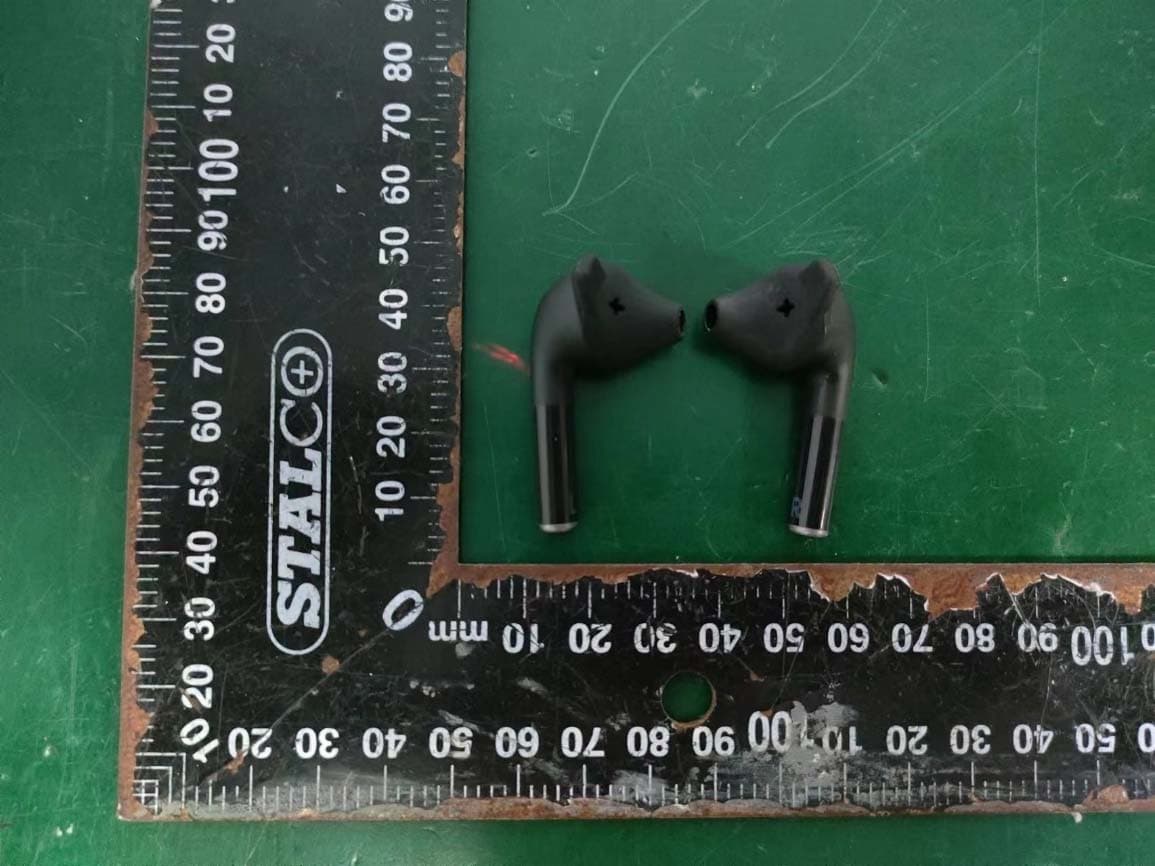
2AKFED42N
Dec 21, 2023Bluetooth Headset
Equipment Class
DSS - Part 15 Spread Spectrum Transmitter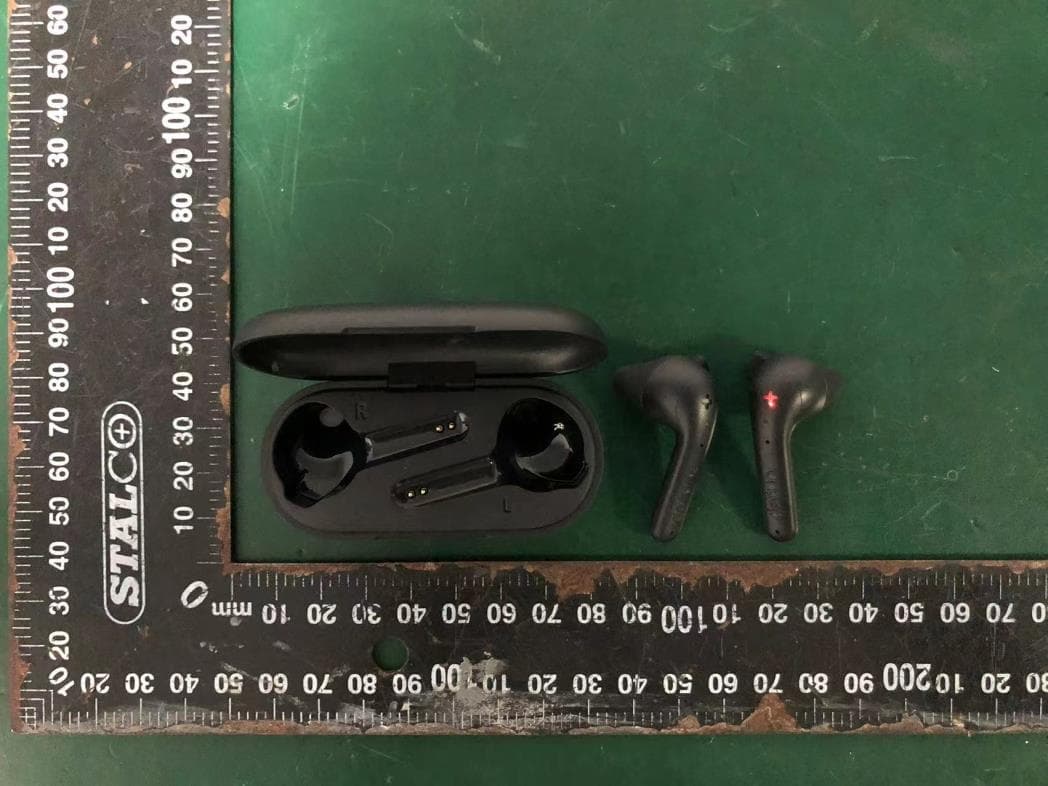
2AKFED42B
Nov 20, 2023Bluetooth Headset
Equipment Class
DTS - Digital Transmission System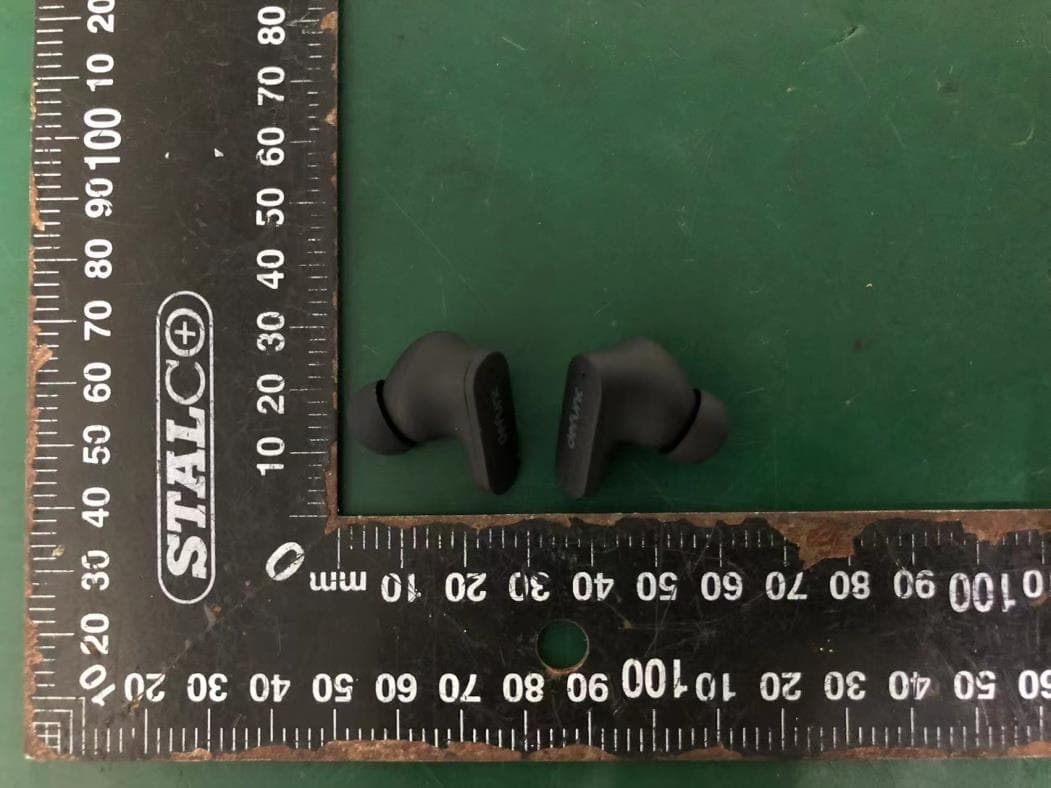
2AKFED435
Jul 16, 2023Bluetooth Headset
Equipment Class
DSS - Part 15 Spread Spectrum Transmitter