2ALS8-KS0001Ninebot KickScooter
Ninebot (Changzhou) Tech Co., Ltd.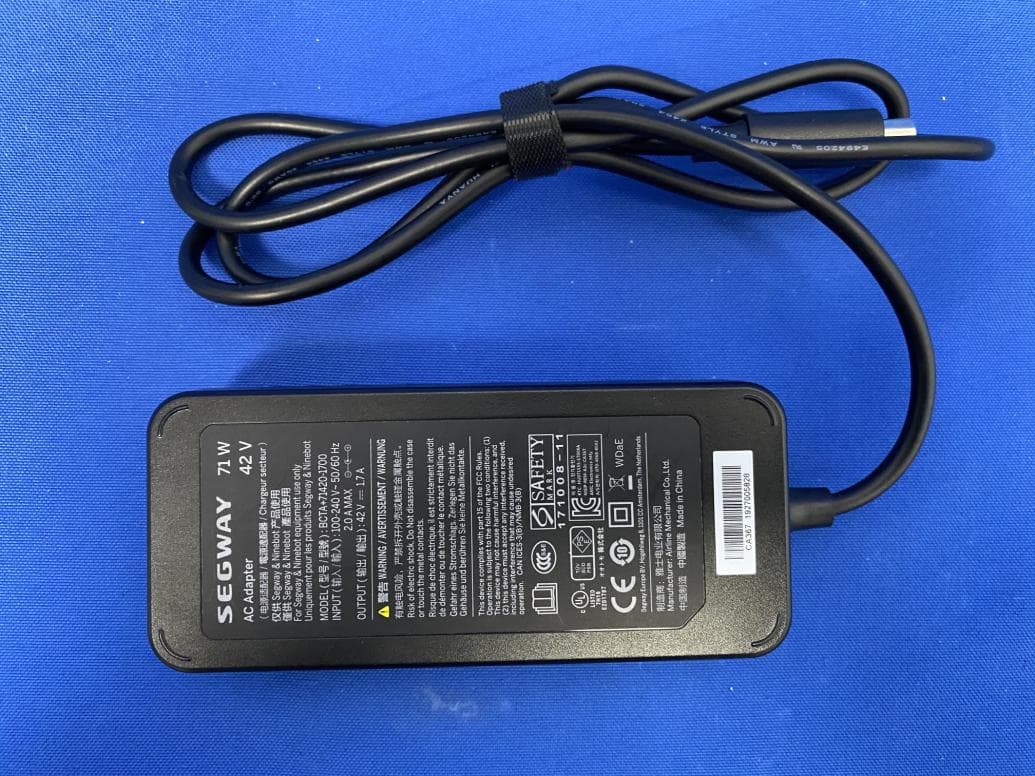
Click to zoom
Application Details
- Equipment Class
- DTS - Digital Transmission System
- Date of Grant
- Apr 29, 2020
- Application Purpose
- Original Equipment
- Date of Application
- Apr 29, 2020
- Equipment Note
- Ninebot KickScooter
- Frequency Range
- 2402.00000000 - 2480.00000000
- Country
- China
Documents & Files
Document Text
Text extracted from the exhibit documents filed with the FCC. Open a document above to read the original.
Users Manual
Ninebot KickScooter User Manual Original Instructions K014P0879-A0 www.segway.com Producent zastrzega sobie prawo do wprowadzania zmian w produkcie, aktualizacji oprogramowania i aktualizacji tej instrukcji obsługi w dowolnym momencie. Odwiedź stronę www.segway.com lub sprawdź aplikację, aby pobrać najnowsze materiały użytkownika. Musisz zainstalować aplikację, aktywować swojego KickScootera i uzyskać najnowsze aktualizacje i zasady bezpieczestwa. Thanks for choosing the Ninebot KickScooter (hereinafter referred to as KickScooter)! Your KickScooter is a fashionable transportation device with mobile app, allowing you to connect with other riders. Enjoy your ride and interact with riders worldwide! This manual is applicable to the following models: E22 series: E22 / E22D / E22E E25 series: E25A / E25D / E25E E45 series: E45 / E45D / E45E ContentsThanks for choosing the Ninebot KickScooter! 4 Assembling Your KickScooter 5 Installing a Second Battery Pack (optional) 1 Riding Safety 2 Packing List 3 Diagram 6 First Ride 7 Charging 8 Learning to Ride 9 Warnings 11 Maintenance 13 Certifications 12 Specifications 10 Folding and Carrying 14 Trademark and Legal Statement 15 Contacts 02 04 05 06 07 08 09 09 11 15 17 15 20 23 23 WARNING! Always use both electronic brake and foot brake for emergency stopping. Otherwise you risk falls and/or collisions from not achieving the max. braking capability. * The picture is for reference only. Please refer to the actual product for more details. 01 1 Riding Safety 1. The KickScooter is a recreational product. Before mastering riding skills, you need to practice. Neither Ninebot Inc. (means Ninebot (Beijing) Tech Co., Ltd. and its subsidiaries and affiliates) nor Segway Inc. is responsible for any injuries or damage caused by a rider's inexperience or failure to follow the instructions in this document. 2. Please understand that you can reduce the risk by following all the instructions and warnings in this manual, but you cannot eliminate all the risks. Remember that whenever you ride the KickScooter you risk injury from loss of control, collisions, and falls. When entering into public spaces always comply with the local laws and regulations. As with other vehicles, faster speeds require longer braking distance. Sudden braking on low traction surfaces could lead to wheel slip, or falls. Be cautious and always keep a safe distance between you and other people or vehicles when riding. Be alert and slow down when entering unfamiliar areas. 3. Always wear a helmet when riding. Use an approved bicycle or skateboard helmet that fits properly with the chin strap in place, and provides protection for the back of your head. 4. Do not attempt your first ride in any area where you might encounter children, pedestrians, pets, vehicles, bicycles, or other obstacles and potential hazards. 5. Respect pedestrians by always yielding the right of way. Pass on the left whenever possible. When approaching a pedestrian from the front, stay to the right and slow down. Avoid startling pedestrians. When approaching from behind, announce yourself and slow down to walking speed when passing. Please obey local traffic laws and regulations if situation is different. 6. In places without laws, comply with the safety guidelines outlined in this manual. Neither Ninebot Inc. nor Segway Inc. is responsible for any property damage, personal injury/death, accidents, or legal disputes caused by violations of the safety instructions. 7. Do not allow anyone to ride your KickScooter on his/her own unless they have carefully read this manual and followed the New Rider Tutorial in the App. The safety of new riders is your responsibility. Assist new riders until they are comfortable with the basic operation of the KickScooter. Make sure each new rider wears a helmet and other protective gear. 8. Before each ride check for loose fasteners and damaged components. If the KickScooter makes abnormal sounds or signals an alarm, immediately stop riding. Diagnose your KickScooter via the Segway-Ninebot App and call your dealer/distributor for service. 9. Be alert! Scan both far ahead and in front of your KickScooter — your eyes are your best tool for safely avoiding obstacles and low traction surfaces (including, but not limited to, wet ground, loose sand, loose gravel, and ice). 10. To reduce risk of injury, you must read and follow all “CAUTION” and “WARNING” notices in this document. Do not ride at an unsafe speed. Under no circumstance should you ride on roads with motor vehicles. The manufacturer recommends riders be 14+ years old. Always follow these safety instructions: A. People who should not ride the KickScooter include: i. Anyone under the influence of alcohol or drugs. ii. Anyone who suffers from disease that puts them at risk if they engage in strenuous physical activity. iii. Anyone who has problems with balance or with motor skills that would interfere with their ability to maintain balance. iv. Anyone whose weight is outside the stated limits (see Specifications). v. Pregnant women. B. Riders under the age of 18 years old should ride under adult supervision. C. Comply with local laws and regulations when riding this product. Do not ride where prohibited by local laws. D. To ride safely, you must be able to clearly see what is in front of you and you must be clearly visible to others. E. Do not ride in the snow, in the rain, or on roads which are wet, muddy, icy, or that are slippery for any reason. Do not ride over obstacles (sand, loose gravel, or sticks). Doing so could result in a loss of balance or traction and could cause a fall. 11. Do not attempt to charge your KickScooter if it, the charger, or the power outlet is wet. 12. As with any electronic device, use a surge protector when charging to help protect your KickScooter from damage due to power surges and voltage spikes. Only use the Segway supplied charger. Do not use a charger from any other different product models. 13. Use only Ni…
Text truncated - open the document above for the full version.
Cover Letter(s)
Confidentiality Request Letter Federal Communications Commission Authorization and Evaluation Division FCC ID: 2ALS8-KS0001 Confidentiality Request Pursuant to Sections 0.457 and 0.459 of the Commission’s Rules, we hereby request confidential treatment of information accompanying this application as outlined below: 1. Block Diagram 2. Schematics 3. Operational Description The above materials contain trade secrets and proprietary information not customarily released to the public. The public disclosure of these matters might be harmful to the applicant and provide unjustified benefits to its competitors. The applicant understands that pursuant to Rule 0.457, disclosure of this application and all accompanying documentation will not be made before the date of the Grant for this application. Sincerely, Name: Jinjun Ninebot (Changzhou) Tech Co., Ltd Date: 2020-04-28
Cover Letter(s)
Declaration of Authorization We Name: Ninebot (Changzhou) Tech Co., Ltd Address: 16F-17F, Block A, Building 3, Changwu Mid Road 18#, Wujin Dist., Changzhou, Jiangsu, China Declare that: Name Representative of agent: Marlin Chen Agent Company name: MRT Technology (Suzhou) Co., Ltd Address: D8 Building, Youxin Industrial Park, No.2 Tian'edang Rd., Wuzhong Economic Development Zone, City: Suzhou Country China is authorized to apply for Certification of the following product(s): Product: Ninebot KickScooter FCC ID: 2ALS8-KS0001 Brand: Ninebot Model: E45 Sincerely, Name: Jinjun Ninebot (Changzhou) Tech Co., Ltd Date: 2020-04-28
External Photos
Report No.: 2004TW0005-UE 1 of 5 EUT External Photo (1) EUT Photo (2) EUT Photo Report No.: 2004TW0005-UE (3) EUT Photo (4) EUT Photo Report No.: 2004TW0005-UE (5) EUT Photo (6) EUT Photo Report No.: 2004TW0005-UE (7) EUT Photo (8) EUT Photo Report No.: 2004TW0005-UE (9) EUT Photo (10) EUT Photo
Internal Photos
Report No.: 2004TW0005-UE 1 of 3 EUT Internal Photo (1) EUT Photo (2) EUT Photo Report No.: 2004TW0005-UE (3) EUT Photo (4) EUT Photo Report No.: 2004TW0005-UE (5) EUT Photo
RF Exposure Info
MRT Technology (Taiwan) Co., Ltd Report No.: 2004TW0005-U2 Phone: +886-3-3288388 Report Version: V01 Web: www.mrt-cert.com Issue Date: 04-23-2020 1 of 8 RF Exposure Evaluation Declaration FCC ID: 2ALS8-KS0001 Applicant: Ninebot (Changzhou) Tech Co., Ltd. Application Type: Certification Product: Ninebot KickScooter Model No.: E45 Brand Name: Ninebot FCC Classification: Digital Transmission System (DTS) Test Procedure(s): KDB 447498 D01v06 Reviewed By: ( Paddy Chen ) Approved By: (Chenz Ker) The test results relate only to the samples tested. The test results shown in the test report are traceable to the national/international standards through the calibration of the equipment and evaluated measurement uncertainty herein. The test report shall not be reproduced except in full without the written approval of MRT Technology (Taiwan) Co., Ltd. Report No.: 2004TW0005-U2 2 of 8 Revision History Report No. Version Description Issue Date Note 2004TW0005-U2 Rev. 01 Initial Report 04-23-2020 Valid Report No.: 2004TW0005-U2 3 of 8 General Information Applicant: Ninebot (Changzhou) Tech Co., Ltd. Applicant Address: 16F-17F, Block A, Building 3, Changwu Mid Road 18#, Wujin Dist., Changzhou, Jiangsu, China Manufacturer: Ninebot (Changzhou) Tech Co., Ltd. Manufacturer Address: 16F-17F, Block A, Building 3, Changwu Mid Road 18#, Wujin Dist., Changzhou, Jiangsu, China Test Site: MRT Technology (Taiwan) Co., Ltd Test Site Address: No. 38, Fuxing Second Rd., Guishan Dist., Taoyuan City 333, Taiwan (R.O.C) Test Facility / Accreditations Measurements were performed at MRT Laboratory located in Fuxing Rd., Taoyuan, Taiwan ( R.O.C ) MRT facility is a FCC registered (Reg. No. 153292 and 291082) test facility with the site description report on file and is designated by the FCC as an Accredited Test Firm. MRT facility is an IC registered (MRT Reg. No. 21723-1) test laboratory with the site description on file at Industry Canada. MRT Lab is accredited to ISO 17025 by the American Association for Laboratory Accreditation (TAF) under the American Association for Laboratory Accreditation Program (TAF Cert. No. 3261) in EMC, Telecommunications and Radio testing for FCC, Industry Taiwan, EU and TELEC Rules. Report No.: 2004TW0005-U2 4 of 8 1. PRODUCT INFORMATION 1.1. Equipment Description 1.2. Product Specification Subjective to this Report 1.3. Working Frequencies for this report Channel Frequency Channel Frequency Channel Frequency 00 2402 MHz 01 2404 MHz 02 2406 MHz 03 2408 MHz 04 2410 MHz 05 2412 MHz 06 2414 MHz 07 2416 MHz 08 2418 MHz 09 2420 MHz 10 2422 MHz 11 2424 MHz 12 2426 MHz 13 2428 MHz 14 2430 MHz 15 2432 MHz 16 2434 MHz 17 2436 MHz 18 2438 MHz 19 2440 MHz 20 2442 MHz 21 2444 MHz 22 2446 MHz 23 2448 MHz 24 2450 MHz 25 2452 MHz 26 2454 MHz 27 2456 MHz 28 2458 MHz 29 2460 MHz 30 2462 MHz 31 2464 MHz 32 2466 MHz 33 2468 MHz 34 2470 MHz 35 2472 MHz 36 2474 MHz 37 2476 MHz 38 2478 MHz 39 2480 MHz -- -- -- -- Product Name: Ninebot KickScooter Model No.: E45 Bluetooth Version: v4.1 (BLE Only) Accessory Model No.: BCTA+71420-1700 Input Power: 100 - 240V ~ 50/60Hz, Max. 2.0A Output Power: 42VDC 1.7A Frequency Range: 2402 ~ 2480 MHz Bluetooth Version: V4.1 (BLE Only) Data Rate: 1Mbps(GFSK) Antenna Type PCB Antenna Antenna Gain -1.26dBi Report No.: 2004TW0005-U2 5 of 8 2. RF Exposure Evaluation 2.1. Limits SAR Test Exclusion Thresholds for 100 MHz – 6 GHz and ≤ 50 mm Approximate SAR Test Exclusion Power Thresholds at Selected Frequencies and Test Separation Distances are illustrated in the following Table. The equation and threshold in Note 1 must be applied to determine SAR test exclusion. MHz 5 10 15 20 25 mm 150 39 77 116 155 194 SAR Test Exclusion Threshold (mW) 300 27 55 82 110 137 450 22 45 67 89 112 835 16 33 49 66 82 900 16 32 47 63 79 1500 12 24 37 49 61 1900 11 22 33 44 54 2450 10 19 29 38 48 3600 8 16 24 32 40 5200 7 13 20 26 33 5400 6 13 19 26 32 5800 6 12 19 25 31 MHz 30 35 40 45 50 mm 150 232 271 310 349 387 SAR Test Exclusion Threshold (mW) 300 164 192 219 246 274 450 134 157 179 201 224 835 98 115 131 148 164 900 95 111 126 142 158 1500 73 86 98 110 122 1900 65 76 87 98 109 2450 57 67 77 86 96 3600 47 55 63 71 79 5200 39 46 53 59 66 5400 39 45 52 58 65 5800 37 44 50 56 62 Note: The 1-g and 10-g SAR test exclusion thresholds for 100 MHz to 6 GHz at test separation distances ≤ 50 mm are determined by: Report No.: 2004TW0005-U2 6 of 8 [(max. power of channel, including tune-up tolerance, mW)/(min. test separation distance, mm)] * [√f(GHz)] ≤ 3.0 for 1-g SAR and ≤ 7.5 for 10-g extremity SAR, where f(GHz) is the RF channel transmit frequency in GHz Power and distance are rounded to the nearest mW and mm before calculation The result is rounded to one decimal place for comparison 3.0 and 7.5 are referred to as the numeric thresholds in the step 2 below The test exclusions are applicable only when the minimum test separation distance is ≤ 50 mm and for transmission frequencies between 100 MHz and 6 GHz. When the minimum test separation distance is < 5 mm, a distance of 5 mm according to 5) in section 4.1 is applied to determine SAR test exclusion. Report No.: 2004TW0005-U2 7 of 8 2.2. Test Result of RF Exposure Evaluation Product Ninebot KickScooter Test Item RF Exposure Evaluation Test Mode Frequency Band (MHz) Maximum output power to antenna (mW) SAR Test Exclusion Threshold (mW) BLE 2402 ~ 2480 0.7430 10 Per FCC KDB 447498 D01v06, the SAR exclusion threshold for distances<50mm is defined by the following equation: Based on the maximum conducted power of Bluetooth and the antenna to use separation distance, Bluetooth SAR was not required; [(0.7430mW/5)* √2.402] = 0.2303 < 3.0 Note: When the minimum test separation distance is < 5 mm, a distance of 5 mm is applied to determine SAR test exclusion. The End Report No.: 2004TW0005-U2 8 of 8 Appendix - EUT Photograph Refer to “2004TW0005-UE” file.
Test Report
MRT Technology (Taiwan) Co., Ltd Report No.: 2004TW0005-U1 Phone: +886-3-3288388 Report Version: V01 Web: www.mrt-cert.com Issue Date: 04-23-2020 1 of 59 FCC ID: 2ALS8-KS0001 IC: 22636-KS0001 APPLICANT: Ninebot (Changzhou) Tech Co., Ltd. Application Type: Certification Product: Ninebot KickScooter Model No.: E45 Brand Name: Ninebot FCC Classification: Digital Transmission System (DTS) FCC Rule Part(s): Part 15 Subpart C (Section 15.247) ISED Rule(s): RSS-247 Issue 2, RSS-GEN Issue 5 Test Procedure(s): ANSI C63.10-2013 Test Date: January 06 ~ April 14, 2020 MEASUREMENT REPORT FCC PART 15C / RSS-247 BLE Reviewed By: ( Paddy Chen ) Approved By: (Chenz Ker) The test results relate only to the samples tested. This equipment has been shown to be capable of compliance with the applicable technical standards as indicated in the measurement report and was tested in accordance with the measurement procedures specified in ANSI C63.10-2013. Test results reported herein relate only to the item(s) tested. The test report shall not be reproduced except in full without the written approval of MRT Technology (Taiwan) Co., Ltd. Report No.: 2004TW0005-U1 2 of 59 Revision History Report No. Version Description Issue Date Note 2004TW0005-U1 Rev. 01 Initial Report 04-23-2020 Valid Report No.: 2004TW0005-U1 3 of 59 CONTENTS Description Page 1. INTRODUCTION ........................................................................................................................ 6 1.1. Scope .............................................................................................................................. 6 1.2. MRT Test Location .......................................................................................................... 6 2. PRODUCT INFORMATION ........................................................................................................ 7 2.1. Equipment Description .................................................................................................... 7 2.2. Product Specification Subjective to this Report .............................................................. 7 2.3. Working Frequencies for this report ................................................................................ 7 2.4. Test Mode ....................................................................................................................... 8 2.5. Description of Test Software ........................................................................................... 8 2.6. Device Capabilities ......................................................................................................... 8 2.7. EMI Suppression Device(s)/Modifications ....................................................................... 8 2.8. Labeling Requirements ................................................................................................... 9 3. DESCRIPTION of TEST .......................................................................................................... 10 3.1. Evaluation Procedure .................................................................................................... 10 3.2. AC Line Conducted Emissions ..................................................................................... 10 3.3. Radiated Emissions ...................................................................................................... 11 4. ANTENNA REQUIREMENTS .................................................................................................. 12 5. TEST EQUIPMENT CALIBRATION DATE .............................................................................. 13 6. MEASUREMENT UNCERTAINTY ........................................................................................... 15 7. TEST RESULT ......................................................................................................................... 16 7.1. Summary ....................................................................................................................... 16 7.2. Occupied Bandwidth Measurement .............................................................................. 17 7.2.1. Test Limit ................................................................................................................... 17 7.2.2. Test Procedure used ................................................................................................. 17 7.2.3. Test Setting ............................................................................................................... 17 7.2.4. Test Setup ................................................................................................................. 18 7.2.5. Test Result ................................................................................................................ 19 7.3. Output Power Measurement ......................................................................................... 20 7.3.1. Test Limit ................................................................................................................... 20 7.3.2. Test Procedure Used ................................................................................................. 20 7.3.3. Test Setting ............................................................................................................... 20 7.3.4. Test Setup ................................................................................................................. 21 7.3.5. Test Result ................................................................................................................ 22 Report No.: 2004TW0005-U1 4 of 59 7.4. Power Spectral Density Measurement .......................................................................... 23 7.4.1. Test Limit ................................................................................................................... 23 7.4.2. Test Procedure Used ................................................…
Text truncated - open the document above for the full version.
Test Setup Photos
Report No.: 2004TW0005-UT 1 of 2 Test Setup Photo Description: Conducted Emission Test Setup Description: Radiated Emission Test Setup for Below 1GHz Report No.: 2004TW0005-UT Description: Radiated Emission Test Setup for Above 1GHz
Contact Information
Applicant
Jun Jin
Test Firm
MRT Technology (Taiwan) Co., LtdChenz Ker
Technical Specifications
| # | Rule Parts | Frequency Range | Power Output |
|---|---|---|---|
| 1 | 15C | 2.40 GHz - 2.48 GHz | 1.30 mW |
Other Applications from Ninebot (Changzhou) Tech Co., Ltd.
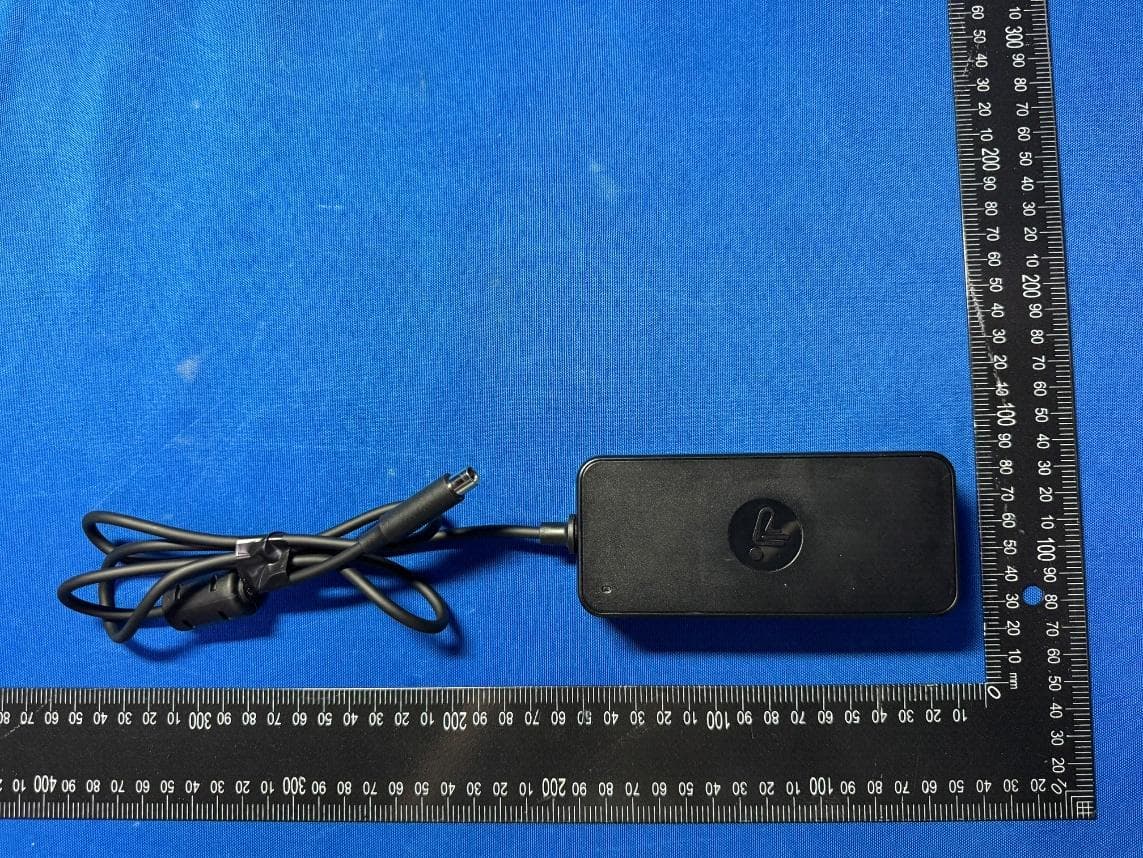
2ALS8-KS0022
May 29, 2026Segway eKickScooter Ninebot E3 Go
Equipment Class
DTS - Digital Transmission System2ALS8-OP0004
Mar 03, 2026Off-road NFC module
Equipment Class
DXX - Part 15 Low Power Communication Device Transmitter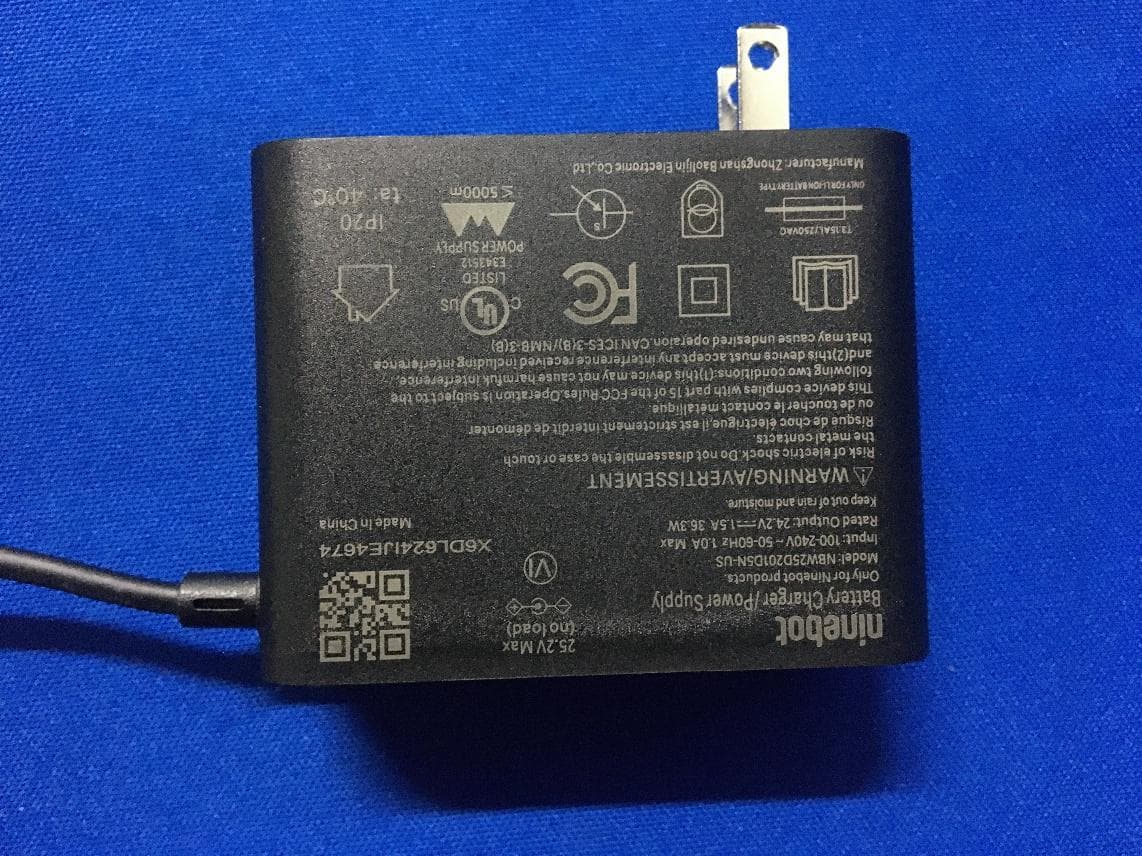
2ALS8-KS0020
Jan 02, 2025Ninebot eKickScooter E2 Plus II
Equipment Class
DTS - Digital Transmission System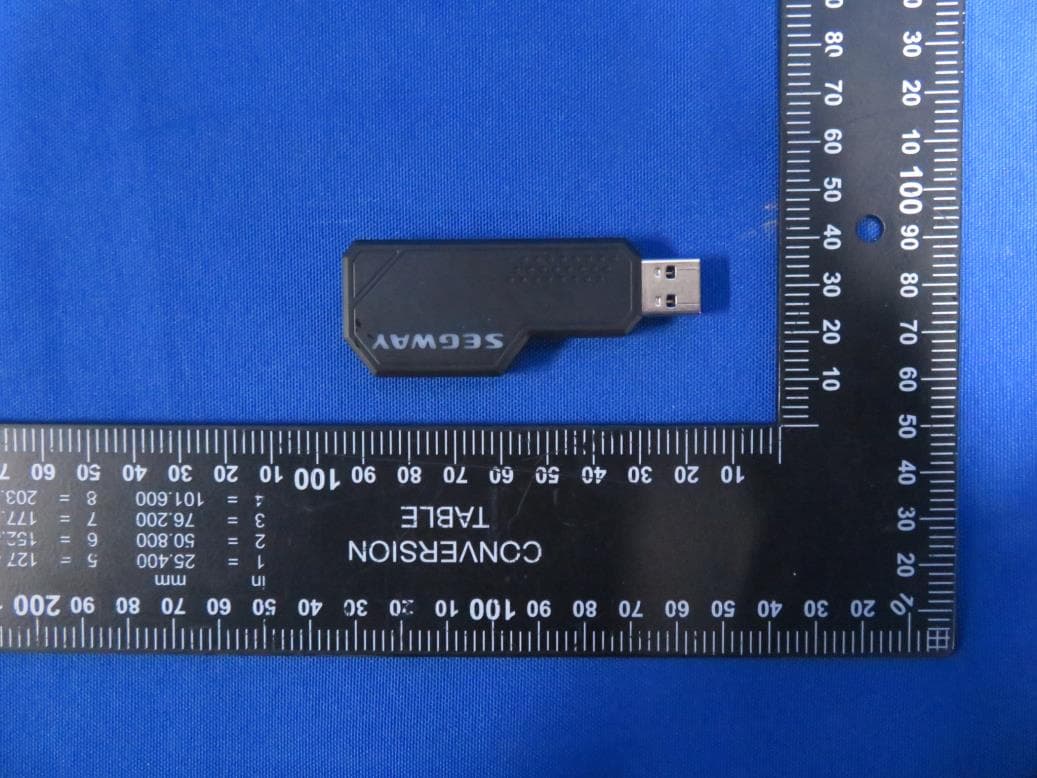
2ALS8-OP0003
Oct 25, 2023Segway USB Receiver
Equipment Class
DXX - Part 15 Low Power Communication Device Transmitter
2ALS8-OP0002
Oct 25, 2023Segway Gokart Game Kit
Equipment Class
DXX - Part 15 Low Power Communication Device Transmitter