2ALS8-KS0005Ninebot KickScooter
Ninebot (Changzhou) Tech Co., Ltd.Application Details
- Equipment Class
- DTS - Digital Transmission System
- Date of Grant
- Jan 05, 2021
- Application Purpose
- Original Equipment
- Date of Application
- Jan 05, 2021
- Equipment Note
- Ninebot KickScooter
- Frequency Range
- 2402.00000000 - 2480.00000000
- Country
- China
Documents & Files
Document Text
Text extracted from the exhibit documents filed with the FCC. Open a document above to read the original.
Users Manual
This product is certified to ANSI/CAN/UL-2272 by CSA. The battery complies with UN/DOT 38.3. Federal Communications Commission (FCC) Compliance Statement for USA This device complies with part 15 of the FCC rules. Operation is subject to the following two conditions: (1) This device may not cause harmful interference, and (2) this device must accept any interference received, including interference that may cause undesired operation. Any Changes or modifications not expressly approved by the party responsible for compliance could void the user's authority to operate the equipment. NOTE This equipment has been tested and found to comply with the limits for a Class B digital device, pursuant to part 15 of the FCC Rules. These limits are designed to provide reasonable protection against harmful interference in a residential installation. This equipment generates, uses and can radiate radio frequency energy and, if not installed and used in accordance with the instructions, may cause harmful interference to radio communications. However, there is no guarantee that interference will not occur in a particular installation. If this equipment does cause harmful interference to radio or television reception, which can be determined by turning the equipment off and on, the user is encouraged to try to correct the interference by one or more of the following measures: —Reorient or relocate the receiving antenna. —Increase the separation between the equipment and receiver. —Connect the equipment into an outlet on a circuit different from that to which the receiver is connected. —Consult the dealer or an experienced radio/TV technician for help. This equipment complies with FCC radiation exposure limits set forth for an uncontrolled environment. Cet équipement est conforme aux limites d'exposition aux radiations de la IC définies pour un environnement non contrôlé. Industry Canada (IC) Compliance Statement for Canada This device complies with Industry Canada license-exempt RSS standard (s). Operation is subject to the following two conditions: (1) this device may not cause interference, and (2) this device must accept any interference, including interference that may cause undesired operation of the device. Le présent appareil est conforme aux CNR d'Industrie Canada applicables aux appareils radio exempts de licence. L'exploitation est autorisée aux deux conditions suivantes: (1) l'appareil ne doit pas produire de brouillage, et (2) l'utilisateur de l'appareil doit accepter tout brouillage radioélectrique subi, même si le brouillage est susceptible d'en compromettre le fonctionnement. CAN ICES-3 (B)/NMB-3(B) Neither Segway Inc. nor Ninebot is responsible for any changes or modifications not expressly approved by Segway Inc. or Ninebot. Such modifications could void the user's authority to operate the equipment. Approx. 15.5 mph (25 km/h) Approx. 18.6 miles (30 km) Approx. 15% Asphalt/flat pavement; obstacles < 0.4 in (1 cm); gaps < 1.2 in (3 cm) 14–104°F (-10–40°C) 14–122°F (-10–50°C) IPX5 Approx. 5 h Approx. 45 × 18.9 × 45.7 in (1143 × 480 × 1160 mm) Approx. 45 × 18.9 × 19.5 in (1143 × 480 × 495 mm) Approx.XX lbs (XX kg) Diagram 1 Specifications 2 Certifications 3 EN 1 Ninebot KickScooter F25 / F30 / F40 Product Manual Manuel de Produit Manual del producto EN FR ES Dashboard & Power Button Bell Handlebar Electronic Throttle Snap Hook Dashboard & Power Button Safety Hook Brake Lever Headlight Stem Folding Mechanism Quick Release Lever Front Fork Front Fender Hub Motor Charging Port Footboard Buckle Rear Fender Rear Light Disc Brake Kickstand Battery Compartment Power Button: Press the button to turn the KickScooter on and press, and hold the button for 3 seconds to turn the scooter off. When the KickScooter is on, press the button to turn on/off the headlight and the rear light, and press twice to switch between the speed modes. Speedometer: Display the current speed of the scooter, as well as to display error codes. Speed Mode: Three modes available. Error: The wrench icon indicates that the scooter has detected an error. Temperature Indicator: The thermometer icon always on indicates that the battery temperature has reached 122°F (50°C) or is below 32°F (0°C). * At this point, the vehicle cannot accelerate normally and may not be charged. Do not use it until the temperature is lowered to normal range. Bluetooth: The icon indicates that the scooter has been successfully connected to the mobile device. Battery Level: The total battery level equals to 5 bars. * The battery power is very low when the first battery bar is red. Please charge your KickScooter immediately. Speedometer Bluetooth Headlight Temperature Indicator Speed Mode Error Display Battery Level Power Button Model Mode F25F30F40 9.3 mph (15 km/h) 15.5 mph (25 km/h) 15.5 mph (25 km/h) 9.3 mph (15 km/h) 15.5 mph (25 km/h) 15.5 mph (25 km/h) 9.3 mph (15 km/h) 18.6 mph (30 km/h) 18.6 mph (30 km/h) ECO (Energy saving mode) D (Standard mode) S (Sport mode) Product Rider Machine Battery Motors Charger Ninebot KickScooter F25 ItemParameter Name Model Length × Width × Height Folded: Length × Width × Height Net Weight Payload Recommended Age Required Height Max. Speed Typical Range [1] Max. Slope Traversable Terrain Operating Temperature Storage Temperature IP Rating Duration of Charging Nominal Voltage Max. Charging Voltage Charging Temperature Nominal Capacity Nominal Energy Battery Management System Output Power Input Voltage Max. Output Voltage Rated Output Brake Light Riding Modes Tire Pressure Tires 45 psi Hollow tires. Material: NR + SBR + SILICA. Size: 8 * 2.0. Without nozzle LED Rear Light Energy saving mode, Standard mode and Sport mode 0.07 kW, 70 W 100–240 V~ 42 V 41 V , 1.7 A Nominal Power0.3 kW, 300 W 36 V 42 V 32–104°F (0–40°C) 5100 mAh 183 Wh Over-heating, short circuit, over-current, over-discharge and over-charge protection Approx. 15.5 mph (25 km/h) Approx. 12.4 miles (20 km) Approx. 10% Asphalt/flat pavement; obstacles < 0.4 in…
Text truncated - open the document above for the full version.
Cover Letter(s)
Confidentiality Request Letter Federal Communications Commission Authorization and Evaluation Division FCC ID: 2ALS8-KS0005 Confidentiality Request Pursuant to Sections 0.457 and 0.459 of the Commission’s Rules, we hereby request confidential treatment of information accompanying this application as outlined below: 1. Block Diagram 2. Schematics 3. Operational Description The above materials contain trade secrets and proprietary information not customarily released to the public. The public disclosure of these matters might be harmful to the applicant and provide unjustified benefits to its competitors. The applicant understands that pursuant to Rule 0.457, disclosure of this application and all accompanying documentation will not be made before the date of the Grant for this application. Sincerely, Name: Jinjun Date: 2021-01-06
Cover Letter(s)
Declaration of Authorization We Name: Ninebot (Changzhou) Tech Co., Ltd. Address: 16F-17F, Block A, Building 3, Changwu Mid Road 18#, Wujin Dist., Changzhou, Jiangsu, China Declare that: Name Representative of agent: Robin Wu Agent Company name: MRT Technology (Suzhou) Co., Ltd Address: D8 Building, Youxin Industrial Park, No.2 Tian'edang Rd., Wuzhong Economic Development Zone, City: Suzhou Country China is authorized to apply for Certification of the following product(s): Product: Ninebot KickScooter FCC ID: 2ALS8-KS0005 Model: F40, F25, F30 Sincerely, Name: Jinjun Date: 2021-01-06
Cover Letter(s)
FCC ID: 2ALS8-KS0005 IC: 22636-KS0005 Declaration letter For our business issue and marketing requirement, we would like to list different model number as following: Model No.: F40, F25, F30 Model Difference: The model difference is that the motor power is different, the maximum speed is different, and the battery capacity is different, and all models have the same RF characteristics and PCB layout. _____________________ Name: Jinjun Ninebot (Changzhou) Tech Co., Ltd. Date: 2021-01-06
External Photos
Report No.: 2012RSU019-UE 1 of 6 EUT External Photograph (1) EUT Photo (2) EUT Photo Report No.: 2012RSU019-UE 2 of 6 (3) EUT Photo (4) EUT Photo Report No.: 2012RSU019-UE 3 of 6 (5) EUT Photo (6) EUT Photo Report No.: 2012RSU019-UE 4 of 6 (7) EUT Photo (8) EUT Photo Report No.: 2012RSU019-UE 5 of 6 (9) EUT Photo (Adapter #1 Label) (10) EUT Photo (Adapter #2 Label) Report No.: 2012RSU019-UE 6 of 6 (11) EUT Photo
Internal Photos
Report No.: 2012RSU019-UE 1 of 5 EUT Internal Photograph (1) EUT Photo (2) EUT Photo Report No.: 2012RSU019-UE 2 of 5 (3) EUT Photo (4) EUT Photo Report No.: 2012RSU019-UE 3 of 5 (5) EUT Photo (6) EUT Photo Report No.: 2012RSU019-UE 4 of 5 (7) EUT Photo (8) EUT Photo Report No.: 2012RSU019-UE 5 of 5 (9) EUT Photo
RF Exposure Info
MRT Technology (Suzhou) Co., Ltd Report No.: 2012RSU019-U2 Phone: +86-512-66308358 Report Version: V01 Web: www.mrt-cert.com Issue Date: 12-31-2020 1 of 10 RF Exposure Evaluation Declaration FCC ID: 2ALS8-KS0005 Applicant: Ninebot (Changzhou) Tech Co., Ltd. Application Type: Certification Product: Ninebot KickScooter Model No.: F40 Serial Model No.: F25, F30 Brand Name: Ninebot FCC Rule(s): FCC Part 2.1091 KDB 447498 D01 General RF Exposure Guidance v06 Reviewed By: Vincent Yu Approved By: Robin Wu The test results relate only to the samples tested. The test results shown in the test report are traceable to the national/international standards through the calibration of the equipment and evaluated measurement uncertainty herein. The test report shall not be reproduced except in full without the written approval of MRT Technology (Suzhou) Co., Ltd. Report No.: 2012RSU019-U2 2 of 10 Revision History Report No. Version Description Issue Date Note 2012RSU019-U2 Rev. 01 Initial Report 12-31-2020 Valid Report No.: 2012RSU019-U2 3 of 10 CONTENTS Description Page 1. General Information ................................................................................................... 4 1.1. Applicant ................................................................................................................... 4 1.2. Manufacturer ............................................................................................................ 4 1.3. Testing Facility ......................................................................................................... 4 2. Product Information ................................................................................................... 5 2.1. Equipment Description ........................................................................................... 5 2.2. Product Specification Subjective to this report ................................................... 5 2.3. Working Frequencies for this report ..................................................................... 6 3. RF Exposure Evaluation ............................................................................................ 7 3.1. Limits ......................................................................................................................... 7 3.2. Test Procedure ......................................................................................................... 8 3.3. Test Result of RF Exposure Evaluation ............................................................... 9 Appendix - EUT Photograph ...........................................................................................10 Report No.: 2012RSU019-U2 4 of 10 1. General Information 1.1. Applicant Ninebot (Changzhou) Tech Co., Ltd. 16F-17F, Block A, Building 3, Changwu Mid Road 18#, Wujin Dist., Changzhou, Jiangsu, China 1.2. Manufacturer Ninebot (Changzhou) Tech Co., Ltd. 16F-17F, Block A, Building 3, Changwu Mid Road 18#, Wujin Dist., Changzhou, Jiangsu, China 1.3. Testing Facility Test Site – MRT Suzhou Laboratory Laboratory Location (Suzhou - Wuzhong) D8 Building, No.2 Tian’edang Rd., Wuzhong Economic Development Zone, Suzhou, China Laboratory Location (Suzhou - SIP) 4b Building, Liando U Valley, No.200 Xingpu Rd., Shengpu Town, Suzhou Industrial Park, China Laboratory Accreditations A2LA: 3628.01 CNAS: L10551 FCC: CN1166 ISED: CN0001 VCCI: R-20025, G-20034, C-20020, T-20020 Test Site – MRT Shenzhen Laboratory Laboratory Location (Shenzhen) 1G, Building A, Junxiangda Building, Zhongshanyuan Road West, Nanshan District, Shenzhen, China Laboratory Accreditations A2LA: 3628.02 CNAS: L10551 FCC: CN1284 ISED: CN0105 Test Site – MRT Taiwan Laboratory Laboratory Location (Taiwan) No. 38, Fuxing 2nd Rd., Guishan Dist., Taoyuan City 333, Taiwan (R.O.C.) Laboratory Accreditations TAF: L3261-190725 FCC: 291082, TW3261 ISED: TW3261 Report No.: 2012RSU019-U2 5 of 10 2. Product Information 2.1. Equipment Description Note: The model difference is that the motor power is different, the maximum speed is different, and the battery capacity is different, and all models have the same RF characteristics and we choose Model No.: F40 for all test. 2.2. Product Specification Subjective to this report Note: Above information is declared by manufacturer. Product Name Ninebot KickScooter Model No. F40 Serial Model No. F25, F30 Brand Name Ninebot Bluetooth Version v4.1 (BLE Only) S/N M56K520B710036 Accessories Adapter #1 Model No.: NBW41D001D7D Input Power: 100 - 240V ~ 50/60Hz, Max. 2.0A Output Power: 41VDC 1.7A Manufacturer: Powerland Technology Inc. Adapter #2 Model No.: NBW41D001D7D Input Power: 100 - 240V ~ 50/60Hz, Max. 2.0A Output Power: 41VDC 1.7A Manufacturer: WEIHAI HITAI ELECTRONICS CO., LTD Frequency Range 2402 ~ 2480MHz Data Rate 1Mbps Modulation GFSK Antenna Type PCB Antenna Antenna Gain -1.26dBi Report No.: 2012RSU019-U2 6 of 10 2.3. Working Frequencies for this report Channel Frequency Channel Frequency Channel Frequency 00 2402 MHz 01 2404 MHz 02 2406 MHz 03 2408 MHz 04 2410 MHz 05 2412 MHz 06 2414 MHz 07 2416 MHz 08 2418 MHz 09 2420 MHz 10 2422 MHz 11 2424 MHz 12 2426 MHz 13 2428 MHz 14 2430 MHz 15 2432 MHz 16 2434 MHz 17 2436 MHz 18 2438 MHz 19 2440 MHz 20 2442 MHz 21 2444 MHz 22 2446 MHz 23 2448 MHz 24 2450 MHz 25 2452 MHz 26 2454 MHz 27 2456 MHz 28 2458 MHz 29 2460 MHz 30 2462 MHz 31 2464 MHz 32 2466 MHz 33 2468 MHz 34 2470 MHz 35 2472 MHz 36 2474 MHz 37 2476 MHz 38 2478 MHz 39 2480 MHz -- -- -- -- Report No.: 2012RSU019-U2 7 of 10 3. RF Exposure Evaluation 3.1. Limits SAR Test Exclusion Thresholds for 100 MHz – 6 GHz and ≤ 50 mm Approximate SAR Test Exclusion Power Thresholds at Selected Frequencies and Test Separation Distances are illustrated in the following Table. The equation and threshold in Note 1 must be applied to determine SAR test exclusion. MHz 5 10 15 20 25 mm 150 39 77 116 155 194 SAR Test Exclusion Threshold (mW) 300 27 55 82 110 137 450 22 45 67 89 112 835 16 33 49 66 82 900 16 3…
Text truncated - open the document above for the full version.
Test Report
MRT Technology (Suzhou) Co., Ltd Report No.: 2012RSU019-U1 Phone: +86-512-66308358 Report Version: V01 Web: www.mrt-cert.com Issue Date: 12-31-2020 1 of 55 FCC ID: 2ALS8-KS0005 IC 22636-KS0005 Applicant: Ninebot (Changzhou) Tech Co., Ltd. Application Type: Certification Product: Ninebot KickScooter Model No.: F40 Serial Model No.: F25, F30 Brand Name: Ninebot FCC Classification: Digital Transmission System (DTS) FCC Rule Part(s): Part 15 Subpart C (Section 15.247) ISED Rule Part(s): RSS-247 Issue 2, RSS-GEN Issue 5 Test Procedure(s): ANSI C63.10-2013, KDB 558074 D01v05 Test Date: December 08 ~ 18, 2020 Reviewed By: Vincent Yu Approved By: Robin Wu MEASUREMENT REPORT FCC PART 15.247 / RSS-247 Bluetooth LE The test results relate only to the samples tested. This equipment has been shown to be capable of compliance with the applicable technical standards as indicated in the measurement report and was tested in accordance with the measurement procedures specified in ANSI C63.10-2013. Test results reported herein relate only to the item(s) tested. The test report shall not be reproduced except in full without the written approval of MRT Technology (Suzhou) Co., Ltd. Report No.: 2012RSU019-U1 2 of 55 Revision History Report No. Version Description Issue Date Note 2012RSU019-U1 Rev. 01 Initial Report 12-31-2020 Valid Report No.: 2012RSU019-U1 3 of 55 CONTENTS Description Page 1. GENERAL INFORMATION ........................................................................................................ 5 1.1. Applicant .......................................................................................................................... 5 1.2. Manufacturer ................................................................................................................... 5 1.3. Testing Facility ................................................................................................................ 5 2. PRODUCT INFORMATION ........................................................................................................ 6 2.1. Feature of Equipment under Test .................................................................................... 6 2.2. Product Specification Subjective to this report ................................................................ 6 2.3. Working Frequencies for this report ................................................................................ 7 2.4. Test Mode ....................................................................................................................... 7 2.5. Test Environment Condition ............................................................................................ 7 2.6. Test Software .................................................................................................................. 7 2.7. Description of Test Configuration .................................................................................... 8 2.8. Test System Details ........................................................................................................ 8 2.9. Duty Cycle ....................................................................................................................... 9 3. ANTENNA REQUIREMENTS .................................................................................................. 10 4. TEST EQUIPMENT CALIBRATION DATE .............................................................................. 11 5. MEASUREMENT UNCERTAINTY ........................................................................................... 13 6. TEST RESULT ......................................................................................................................... 14 6.1. Summary ....................................................................................................................... 14 6.2. Occupied Bandwidth Measurement .............................................................................. 15 6.2.1. Test Limit ................................................................................................................... 15 6.2.2. Test Procedure used ................................................................................................. 15 6.2.3. Test Setting ................................................................................................................ 15 6.2.4. Test Setup ................................................................................................................. 16 6.2.5. Test Result ................................................................................................................. 17 6.3. Output Power Measurement ......................................................................................... 19 6.3.1. Test Limit ................................................................................................................... 19 6.3.2. Test Procedure Used ................................................................................................. 19 6.3.3. Test Setting ................................................................................................................ 19 6.3.4. Test Setup ................................................................................................................. 20 6.3.5. Test Result of Output Power ...................................................................................... 21 6.4. Power Spectral Density Measurement .......................................................................... 22 6.4.1. Test Limit ................................................................................................................... 22 6.4.2. Test Procedure Used ................................................................................................. 22 Report No.: 2012RSU019-U1 4 of 55 6.4.3. Test Setting ................................................................................................................ 22 6.4…
Text truncated - open the document above for the full version.
Test Setup Photos
Report No.: 2012RSU019-UT 1 of 2 FCC Part 15C Test Setup Photograph Description: Front View of Conducted Emission Test Setup for Power Port Description: Back View of Conducted Emission Test Setup for Power Port Report No.: 2012RSU019-UT Description: Radiated Emission Test Setup for below 1GHz Description: Radiated Emission Test Setup for above 1GHz
Contact Information
Applicant
Jun Jin
Test Firm
MRT Technology (Suzhou) Co., Ltd.Mr. Marlin Chen
[email protected]+86-512-66308358
Technical Specifications
| # | Rule Parts | Frequency Range | Power Output |
|---|---|---|---|
| 1 | 15C | 2.40 GHz - 2.48 GHz | 1.90 mW |
Other Applications from Ninebot (Changzhou) Tech Co., Ltd.
2ALS8-KS0022
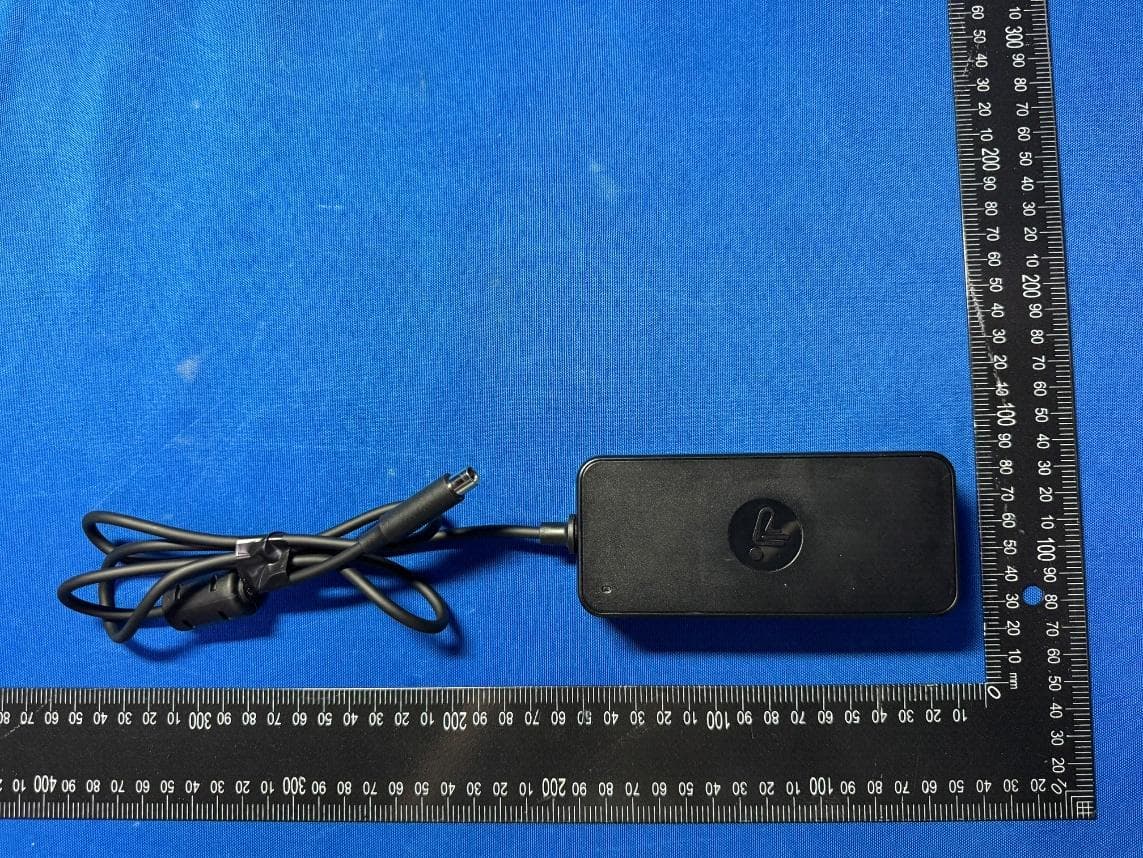
May 29, 2026Segway eKickScooter Ninebot E3 Go
Equipment Class
DTS - Digital Transmission System2ALS8-OP0004
Mar 03, 2026Off-road NFC module
Equipment Class
DXX - Part 15 Low Power Communication Device Transmitter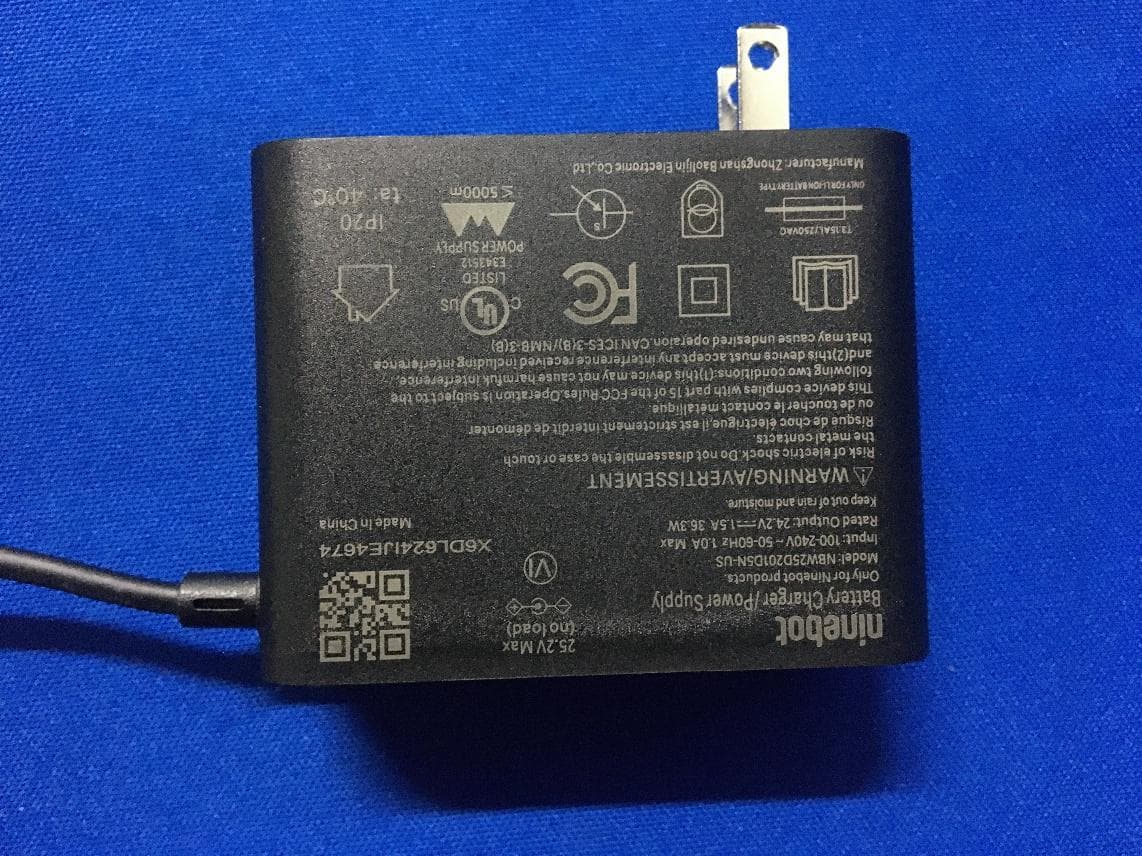
2ALS8-KS0020
Jan 02, 2025Ninebot eKickScooter E2 Plus II
Equipment Class
DTS - Digital Transmission System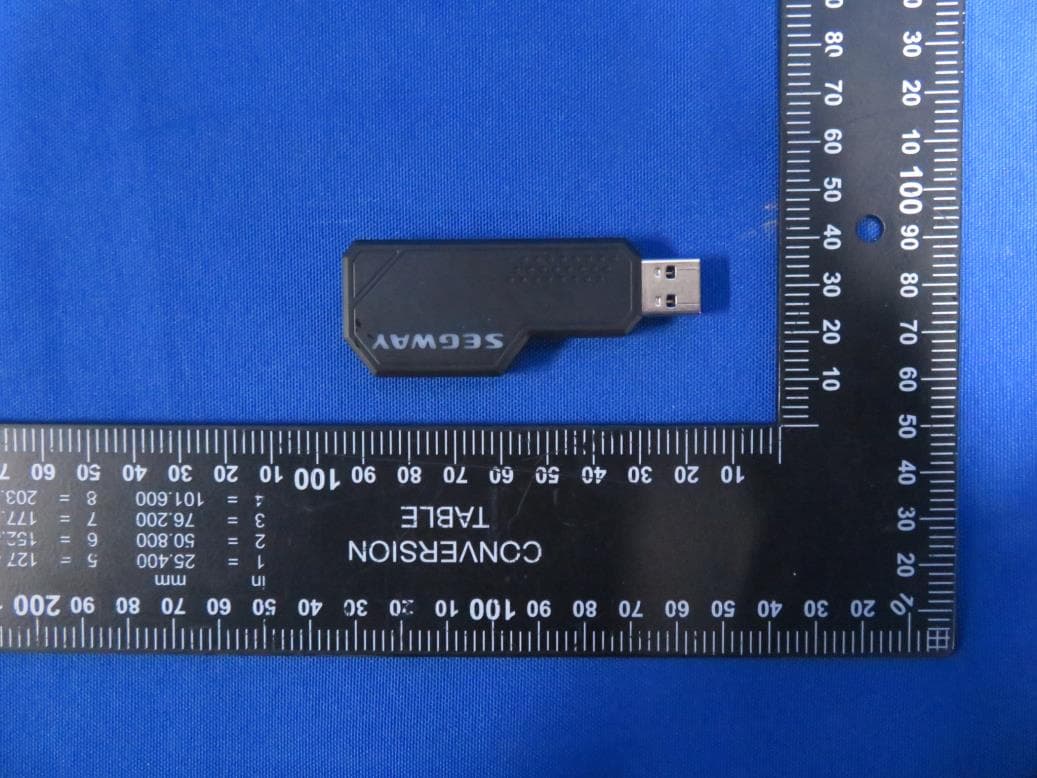
2ALS8-OP0003
Oct 25, 2023Segway USB Receiver
Equipment Class
DXX - Part 15 Low Power Communication Device Transmitter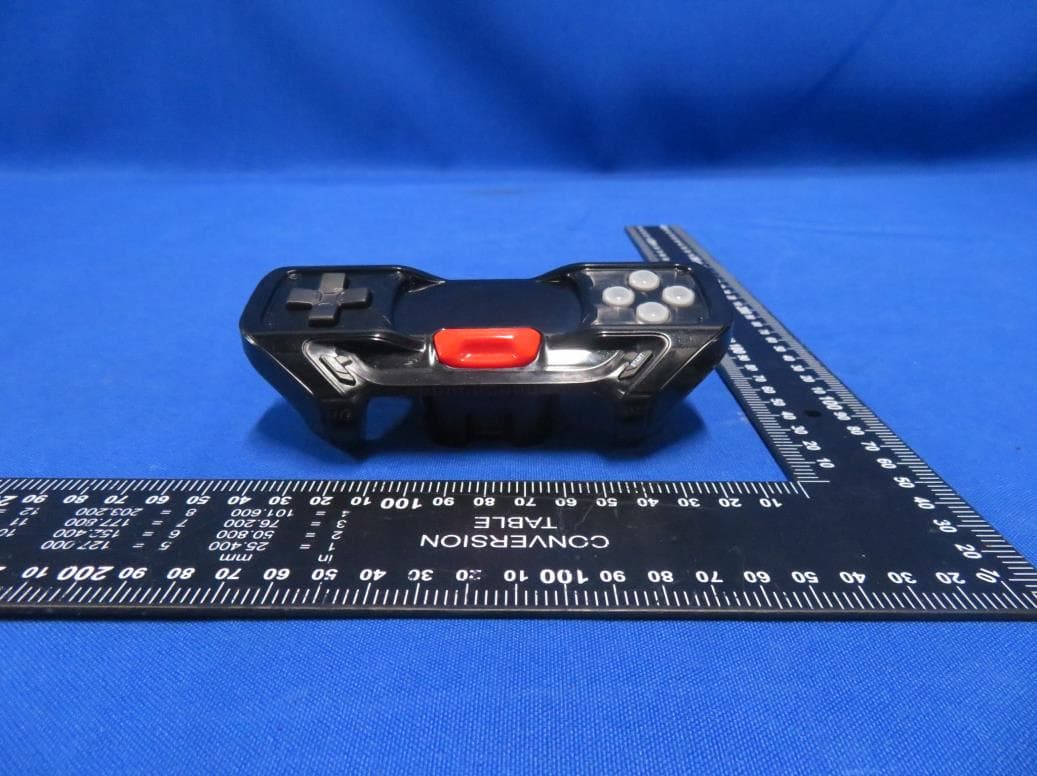
2ALS8-OP0002
Oct 25, 2023Segway Gokart Game Kit
Equipment Class
DXX - Part 15 Low Power Communication Device Transmitter