A98-N905IMYUHPCS GSM Phone with RFID
NEC Corporation of America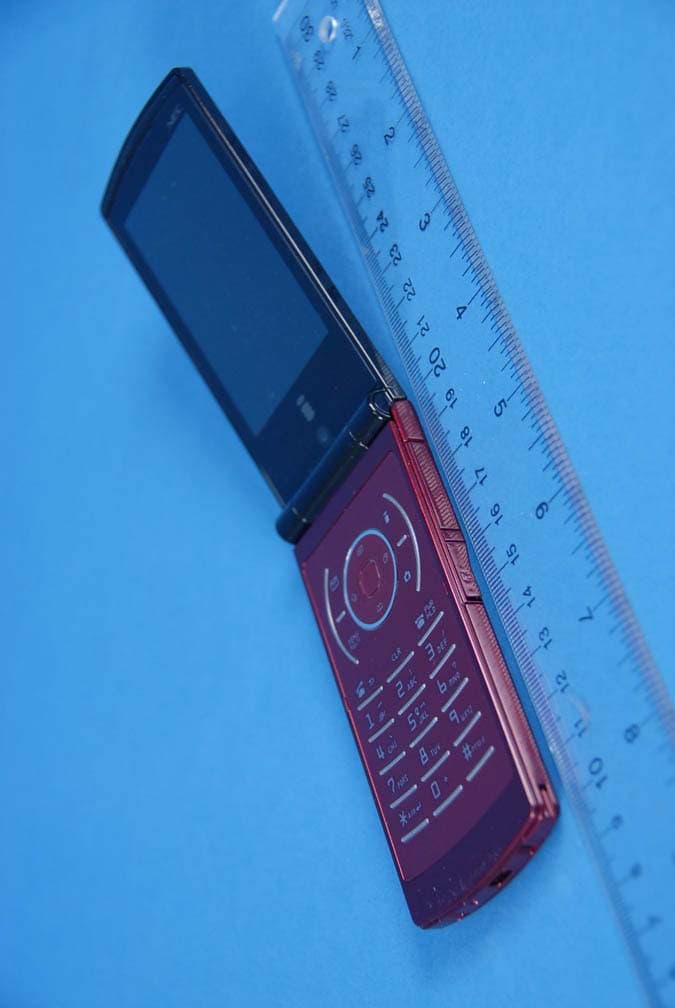
Click to zoom
Application Details
- Equipment Class
- DXX - Part 15 Low Power Communication Device Transmitter
- Date of Grant
- Apr 14, 2008
- Application Purpose
- Original Equipment
- Date of Application
- Apr 14, 2008
- Equipment Note
- PCS GSM Phone with RFID
- Frequency Range
- 13.56000000 - 13.56000000
- Company
- NEC Corporation of America
- Country
- United States
Documents & Files
Document Text
Text extracted from the exhibit documents filed with the FCC. Open a document above to read the original.
Users Manual
357 Appendix/External Devices/Troubleshooting Specific Absorption Rate of Mobile Phones, etc. Specific Absorption Rate (SAR) This model phone N905iμ meets the MIC’s *1 technical regulation for exposure to radio waves. The technical regulation established permitted levels of radio frequency energy, based on standards that were developed by independent scientific organizations through periodic and thorough evaluation of scientific studies. The regulation employs a unit of measurement known as the Specific Absorption Rate, or SAR. The SAR limit is 2 watts/kilogram (W/kg) *2 averaged over ten grams of tissue. The limit includes a substantial safety margin designed to assure the safety of all persons, regardless of age and health. The value of the limit is equal to the international guidelines recommended by ICNIRP *3 . All phone models should be confirmed to comply with the regulation, before they are available for sale to the public. The highest SAR value for this model phone N905iμ is 0.78 W/kg. It was taken by the Telecom Engineering Center (TELEC), a Registered Certification Agency on the Radio Law. The test for SAR was conducted in accordance with the MIC testing procedure using standard operating positions with the phone transmitting at its highest permitted power level in all tested frequency bands. While there may be differences between the SAR levels of various phones and at various positions, they all meet the MIC’s technical regulation. Although the SAR is determined at the highest certified power level, the actual SAR of the phone during operation can be well below the maximum value. For further information about SAR, please visit the following websites: Radio Frequency (RF) Signals THIS MODEL PHONE MEETS THE U.S. GOVERNMENT'S REQUIREMENTS FOR EXPOSURE TO RADIO WAVES. Your wireless phone contains a radio transmitter and receiver. Your phone is designed and manufactured not to exceed the emission limits for exposure to radio frequency (RF) energy set by the Federal Communications Commission of the U.S. Government. These limits are part of comprehensive guidelines and establish permitted levels of RF energy for the general population. The guidelines are based on standards that were developed by independent scientific organizations through periodic and thorough evaluation of scientific studies. World Health Organization (WHO): http://www.who.int/peh-emf/ ICNIRP: http://www.icnirp.de/ MIC: http://www.tele.soumu.go.jp/e/ele/body/index.htm TELEC: http://www.telec.or.jp/ENG/Index_e.htm NTT DoCoMo: http://www.nttdocomo.co.jp/english/product/ NEC: http://www.n-keitai.com/lineup/ (in Japanese only) Association of Radio Industries and Businesses: http://www.arib-emf.org/index.html (in Japanese only) *1Ministry of Internet Affairs and Communications *2The technical regulation is provided in Article 14-2 of the Ministry Ordinance Regulating Radio Equipment. *3International Commission on Non-lonizing Radiation Protection 358 Appendix/External Devices/Troubleshooting The exposure standard for wireless mobile phones employs a unit of measurement known as the Specific Absorption Rate (SAR). The SAR limit set by the FCC is 1.6 W/kg.* Tests for SAR are conducted using standard operating positions accepted by the FCC with the phone transmitting at its highest certified power level in all tested frequency bands. Although the SAR is determined at the highest certified power level, the actual SAR level of the phone while operating can be well below the maximum value. This is because the phone is designed to operate at multiple power levels so as to use only the power required to reach the network. In general, the closer you are to a wireless base station antenna, the lower the output. Before a phone model is available for sale to the public, it must be tested and certified to the FCC that it does not exceed the limit established by the U.S. government-adopted requirement for safe exposure. The tests are performed on position and locations (for example, at the ear and worn on the body) as required by FCC for each model. The highest SAR value for this model phone as reported to the FCC when tested for use at the ear is 0.78W/kg, and when worn on the body, is 0.288 W/kg. (Body-worn measurements differ among phone models, depending upon available accessories and FCC requirements). While there may be differences between the SAR levels of various phones and at various positions, they all meet the U.S. government requirement. The FCC has granted an Equipment Authorization for this model phone with all reported SAR levels evaluated as in compliance with the FCC RF exposure guidelines. SAR information on this model phone is on file with the FCC and can be found under the Display Grant section at https:// gullfoss2.fcc.gov/oetcf/eas/reports/GenericSearch.cfm after search on FCC ID A98-N905IMYUH. For body worn operation, this phone has been tested and meets the FCC RF exposure guidelines when used with an accessory designated for this product or when used with an accessory that contains no metal and that positions the handset a minimum of 1.5 cm from the body. FCC Regulations This mobile phone complies with part 15 of the FCC Rules. Operation is subject to the following two conditions: (1) This device may not cause harmful interference, and (2) this device must accept any interference received, including interference that may cause undesired operation. This mobile phone has been tested and found to comply with the limits for a Class B digital device, pursuant to Part 15 of the FCC Rules. These limits are designed to provide reasonable protection against harmful interference in a residential installation. This equipment generates, uses and can radiate radio frequency energy and, if not installed and used in accordance with the instructions, may cause harmful interference to radio communications. However, there is no guarantee that interference will not occur in a particular installation; if this equipment does cau…
Text truncated - open the document above for the full version.
External Photos
Reviewed by: COMPANY NAME: NEC CORPORATION OF AMERICA Quality Manager Test Date(s): EUT Type: FCC ID: A98-N905IMYUH August 17, 2007 PCS GSM/GPRS Phone Page 1 of 5 EXTERNAL PHOTOGRAPHS Reviewed by: COMPANY NAME: NEC CORPORATION OF AMERICA Quality Manager Test Date(s): EUT Type: FCC ID: A98-N905IMYUH August 17, 2007 PCS GSM/GPRS Phone Page 2 of 5 Reviewed by: COMPANY NAME: NEC CORPORATION OF AMERICA Quality Manager Test Date(s): EUT Type: FCC ID: A98-N905IMYUH August 17, 2007 PCS GSM/GPRS Phone Page 3 of 5 Reviewed by: COMPANY NAME: NEC CORPORATION OF AMERICA Quality Manager Test Date(s): EUT Type: FCC ID: A98-N905IMYUH August 17, 2007 PCS GSM/GPRS Phone Page 4 of 5 Reviewed by: COMPANY NAME: NEC CORPORATION OF AMERICA Quality Manager Test Date(s): EUT Type: FCC ID: A98-N905IMYUH August 17, 2007 PCS GSM/GPRS Phone Page 5 of 5
ID Label/Location Info
FCCID Label Placement Rear View Without Battery Pack Please see a separate file for detailed drawing of a label N905iμH:IMEI Label Layout
Internal Photos
NEC FCC ID: A98-N905IMYUH EUT Photographs © 2008 PCTEST Lab. PCS GSM/GPRS Phone Model: N905iμH NEC FCC ID: A98-N905IMYUH EUT Photographs © 2008 PCTEST Lab. PCS GSM/GPRS Phone Model: N905iμH NEC FCC ID: A98-N905IMYUH EUT Photographs © 2008 PCTEST Lab. PCS GSM/GPRS Phone Model: N905iμH NEC FCC ID: A98-N905IMYUH EUT Photographs © 2008 PCTEST Lab. PCS GSM/GPRS Phone Model: N905iμH NEC FCC ID: A98-N905IMYUH EUT Photographs © 2008 PCTEST Lab. PCS GSM/GPRS Phone Model: N905iμH
Test Report
Reviewed by: FCC ID: A98-N905IMYUH FCC Pt. 15.225 MEASUREMENT REPORT Quality Manager Test Report S/N: Test Dates: EUT Type: 0804080448.A98 August 21, 2007 RFID Transmitter Page 1 of 21 © 2008 PCTEST Engineering Laboratory, Inc. REV 1.0FMT 05/14/07 Applicant Name: Date of Testing: NEC Corporation of America August 21, 2007 Radio Communications System Division Test Site/Location: 6535 N State Highway 161 PCTEST Lab, Columbia, MD, USA Irving, Tx 75039 USA Test Report Serial No.: 0804080448.A98 FCC ID: A98-N905IMYUH APPLICANT: NEC Corporation of America Model(s): N905iμH EUT Type: RFID Transmitter built-in PCS GSM/GPRS Mobile Phone Frequency: 13.56MHz FCC Classification: Low Power Communication Device Transmitter (DXX) FCC Rule Part(s): FCC Part 15 Subpart C (15.225) The device bearing the FCC Identifier specified above has been shown to comply with the applicable technical standards as indicated in the measurement report and has been tested in accordance with the measurement procedures specified in ANSI C63.4-2003 (See Test Report). These measurements were performed with no deviation from the standards. This FCC ID: A98-N905IMYUH is electrically identical to the previously certified FCC ID: A98-FOMA-N905IMYU. I authorize and attest to the accuracy of data. All measurements reported herein were performed by me or were made under my supervision and are correct to the best of my knowledge and belief. I assume full responsibility for the completeness of these measurements and vouch for the qualifications of all persons taking them. NVLAP accreditation does not constitute any product endorsement by NVLAP or any agency of the United States Government. PCTEST certifies that no party to this application has been denied the FCC benefits pursuant to Section 5301 of the Anti-Drug Abuse Act of 1988, 21 U.S.C. 862. PCTEST ENGINEERING LABORATORY, INC. 6660-B Dobbin Road, Columbia, MD 21045 USA Tel. 410.290.6652 / Fax 410.290.6554 http://www.pctestlab.com CERTIFICATE OF COMPLIANCE FCC Part 15.225 Certification Reviewed by: FCC ID: A98-N905IMYUH FCC Pt. 15.225 MEASUREMENT REPORT Quality Manager Test Report S/N: Test Dates: EUT Type: 0804080448.A98 August 21, 2007 RFID Transmitter Page 2 of 21 © 2008 PCTEST Engineering Laboratory, Inc. REV 1.0FMT 05/14/07 TABLE OF CONTENTS FCC Part 15.225 MEASUREMENT REPORT...............................................................................3 1.0 INTRODUCTION ..............................................................................................................................4 1.1 SCOPE .................................................................................................................................................. 4 1.2 PCTEST TEST LOCATION ................................................................................................................... 4 2.0 PRODUCT INFORMATION..............................................................................................................5 2.1 EQUIPMENT DESCRIPTION ................................................................................................................ 5 2.2 OPERATION MODE.............................................................................................................................. 5 2.3 EMI SUPPRESSION DEVICE(S)/MODIFICATIONS ............................................................................. 5 2.4 LABELING REQUIREMENTS ............................................................................................................... 5 3.0 DESCRIPTION OF TEST.................................................................................................................6 3.1 EVALUATION PROCEDURE................................................................................................................ 6 3.2 CONDUCTED EMISSIONS ................................................................................................................... 6 3.3 RADIATED EMISSIONS........................................................................................................................ 7 4.0 ANTENNA REQUIREMENTS ..........................................................................................................8 5.0 SAMPLE CALCULATIONS ..............................................................................................................9 5.1 CONDUCTED EMISSION MEASUREMENT SAMPLE CALCULATION ............................................... 9 5.2 RADIATED EMISSION MEASUREMENT SAMPLE CALCULATION.................................................... 9 6.0 TEST EQUIPMENT CALIBRATION DATA ....................................................................................10 7.0 ENVIRONMENTAL CONDITIONS .................................................................................................11 8.0 TEST DATA ....................................................................................................................................12 8.1 SUMMARY .......................................................................................................................................... 12 8.2 20DB BANDWIDTH MEASUREMENT ................................................................................................ 13 8.3 IN-BAND RADIATED SPURIOUS EMISSION MEASUREMENTS...................................................... 14 8.4 RADIATED SPURIOUS EMISSION MEASUREMENTS, OUT-OF-BAND .......................................... 15 RADIATED SPURIOUS EMISSION MEASUREMENTS, OUT-OF-BAND (CONT’D).................................... 16 8.5 LINE CONDUCTED MEASUREMENT DATA ..................................................................................... 17 8.6 FREQUENCY STABILITY TEST DATA............................................................................................... 19 9.0 CONCLUSION................................................................................................................................21 Reviewed by:…
Text truncated - open the document above for the full version.
Test Setup Photos
Reviewed by: COMPANY NAME:NEC CORPORATION OF AMERICA Quality Manager Test Date(s): EUT Type: FCC ID: A98-N905IMYUH August 17, 2007 PCS GSM/GPRS Phone Page 1 of 2 TEST SETUP PHOTOGRAPHS Reviewed by: COMPANY NAME:NEC CORPORATION OF AMERICA Quality Manager Test Date(s): EUT Type: FCC ID: A98-N905IMYUH August 17, 2007 PCS GSM/GPRS Phone Page 2 of 2
Contact Information
Applicant
Sanjay Wadhwa(Senior Manager)
Technical Contact
PCTEST Engineering Laboratory, Inc.Randy Ortanez
[email protected]410-290-6652
6660-B Dobbin Road · Columbia, Maryland · United States
Test Firm
PCTEST Engineering Laboratory, Inc.Randy Ortanez
Technical Specifications
| # | Rule Parts | Frequency Range | Power Output | Tolerance |
|---|---|---|---|---|
| 1 | 15C | 13.56 MHz - 13.56 MHz | - | 0.0100000000 % |
Other Applications from NEC Corporation of America

A98-MDD1075
Oct 16, 2013Cellular WCDMA and PCS GSM Phone with RFID
Equipment Class
JBP - Part 15 Class B Computing Device Peripheral
A98-MER7671
Jun 09, 2013Cellular WCDMA and PCS GSM Phone with WLAN and RFID
Equipment Class
DTS - Digital Transmission System
A98-HDN2538
Apr 24, 2013Cellular/ PCS GSM and Cellular WCDMA Phone with WLAN, Bluetooth and RFID
Equipment Class
DSS - Part 15 Spread Spectrum Transmitter
A98-FQM6833
Feb 17, 2013Digital Portable Cellular Telephone
Equipment Class
JBP - Part 15 Class B Computing Device Peripheral
A98-RSZ3446
Jan 01, 2013GSM/EGPRS/WCDMA/LTE MOBILE PHONE
Equipment Class
DSS - Part 15 Spread Spectrum Transmitter