CASTPJHGBPortable Transceiver
Tait International Limited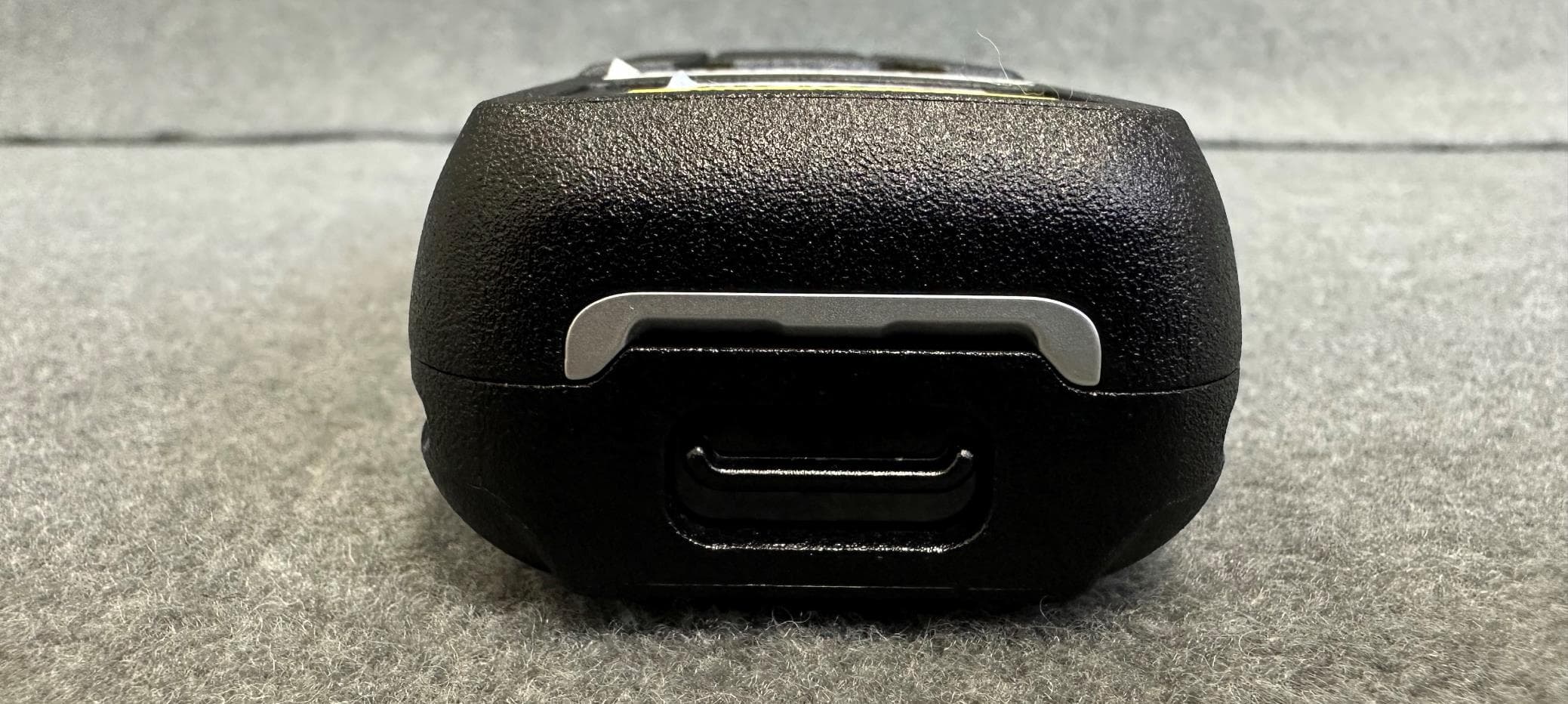
Click to zoom
Application Details
- Equipment Class
- TNF - Licensed Non-Broadcast Transmitter Held to Face
- Date of Grant
- Jan 15, 2026
- Application Purpose
- Original Equipment
- Equipment Note
- Portable Transceiver
- Frequency Range
- 406.10000000 - 480.00000000
- Company
- Tait International Limited
- Country
- New Zealand
Documents & Files
Document Text
Text extracted from the exhibit documents filed with the FCC. Open a document above to read the original.
Users Manual
Important Safety Information Caution For safe operation, storage and maintenance information, read all included safety documentation. Use only Tait approved accessories and software. Getting Started Attaching the Antenna Before using the radio, screw the antenna clockwise into the antenna connector. Charging the Battery Before using the battery for the first time, it must be charged. Follow the instruc- tions included with the Tait charger. When the battery is low, recharge or replace it as soon as possible. Avoid allowing a battery to fully discharge as this will shorten its service life. Attaching/Removing the Battery l Slide the battery into the back of the radio until it clicks into position. l To remove the battery, push up the catch on base of the battery and slide the battery out of the back of the radio. Tait Accessories Accessories 1 Product Codes AntennasT03-00420-xxxx 2 Batteries T03-00430-AAAA Chargers TOPEN2-CH-0x 1 Consult your Tait dealer regarding attachment or use of any additional accessories. 2 Select the appropriate antenna that operates on your licensed frequency. Frequencies and Output Power Radios are operable in the following frequency ranges, up to the stated trans- mission power. Frequencies and power level may be further restricted by radio model or configuration: Wichtige Sicherheitshinweise Achtung! Für Informationen zum sicheren Betrieb, zur Lagerung und zur Wartung alle beiliegenden Sicherheitshinweise lesen. Nur von Tait zugelassenes Zubehör und Software verwenden. Erste Schritte Antenne anschließen Vor dem Verwenden des Funkgeräts Antenne im Uhrzeigersinn in den Antennen- anschluss schrauben. Laden des Akkus Vor der ersten Verwendung des Akkus muss dieser aufgeladen werden. Befolgen Sie die Anweisungen, die dem Tait-Ladegerät beiliegen. Wenn der Akku schwach ist, laden Sie ihn so schnell wie möglich auf oder ersetzen Sie ihn. Vermeiden Sie eine vollständige Entladung der Batterie, da dies ihre Lebensdauer verkürzt. Anbringen/Entfernen des Akkus l Schieben Sie die Batterie in die Rückseite des Radios, bis sie einrastet. l Zum Entfernen der Batterie drücken Sie die Verriegelung an der Unterseite der Batterie nach oben und schieben die Batterie nach hinten aus dem Radio. Tait-Zubehör Zubehör 1 Produktcodes AntennenT03-00420-xxxx 2 AkkusT03-00430-AAAA LadegeräteTOPEN2-CH-0x 1 Bitte wenden Sie sich bezüglich der Anbringung oder Verwendung von zusätzlichem Zubehör an Ihren Tait-Händler. 2 Geeignete Antenne wählen, die auf Ihrer zugelassenen Frequenz arbeitet. Frequenzen und Ausgangsleistung Die Funkgeräte können in den folgenden Frequenzbereichen bis zur angegebenen Sendeleistung Frequenzen und Leistungspegel können je nach Funkgerätmodell oder -konfiguration weiter eingeschränkt sein: Información de seguridad importante Precaución: Para obtener información de mantenimiento, almacenamiento y manejo seguro, lea toda la documentación de seguridad incluida. Utilice exclusivamente software y accesorios aprobados por Tait. Introducción Colocación de la antena Antes de utilizar la radio, enrosque la antena en el conector de antena en el sentido de las agujas del reloj. Carga de la batería Antes de utilizar el dispositivo, deberá cargarse. Siga las instrucciones incluidas con el cargador Tait. Cuando la batería está baja, recárguela o reemplácela lo antes posible. No deje que la batería del radio se descargue completamente cada vez que se use, o se reducirá su vida útil. Cómo colocar/quitar la batería l Deslice la batería en la parte posterior de la radio hasta que encaje en su posi- ción. l Para quitar la batería, empuje hacia arriba el pestillo en la base de la batería y deslícela hacia afuera de la parte posterior de la radio. Accesorios Tait Accesorios 1 Código de producto AntenasT03-00420-xxxx 2 BateríasT03-00430-AAAA CargadoresTOPEN2-CH-0x 1 Consulte a su distribuidor Tait sobre la conexión o el uso de cualquier accesorio adicional. 2 Seleccione la antena adecuada que opera en su frecuencia licenciada. Frecuencias y potencia de salida Las radios operan en los siguientes rangos de frecuencia, hasta la potencia de transmisión indicada. El modelo o la configuración de radio pueden restringir aún más las frecuencias y el nivel de potencia: This document provides basic operating instructions for TAIT TO2-P series portables. For full operating instructions and further information see our website linked below: Dieses Dokument enthält grundlegende Bedienungsanweisungen für die tragbaren Geräte der TAIT TO2-P-Serie. Eine vollständige Bedienungsanleitung und weitere Informationen finden Sie auf unserer unten verlinkten Website: Este documento proporciona instrucciones básicas de funcionamiento para los portátiles de la serie TAIT TO2-P. Para obtener instrucciones de funcionamiento completas y más información, consulte nuestro sitio web vinculado a continuación: Ce document fournit des instructions d'utilisation de base pour les ordinateurs port- ables de la série TAIT TO2-P. Pour obtenir des instructions d’utilisation complètes et de plus amples informations, consultez notre site Web lié ci-dessous : Este documento fornece instruções básicas de operação para os rádios portáteis da série TAIT TO2-P. Para obter instruções operacionais completas e mais inform- ações, consulte nosso site no link abaixo: TO2-P https://partnerinfo.taitradio.com/technical-documentation#DMR TO2-P Informations importantes en matière de sécurité Attention ! Pour une utilisation, un stockage et un entretien en toute sécurité, lisez toute la documentation de sécurité incluse. N'utiliser que des accessoires et des logiciels approuvés par Tait. Démarrage Fixation de l'antenne Avant d’utiliser la radio, vissez l’antenne dans le sens des aiguilles d’une montre dans le connecteur d’antenne. Chargement de la batterie Avant d'utiliser la batterie pour la première fois, il doit être chargée. Suivez les instructions fournies avec le chargeur Tait. Lorsque la batterie est faible, rechargez- la ou remplacez-la …
Text truncated - open the document above for the full version.
Users Manual
XXX-xxxxx-xx-Issue01-DRAFT TO2-PTaitOpen2PortableRadio UserManual Note:Initialdraft,treatcontentasplaceholderinformationuntilfinalmenustructureandall possiblefeaturesareverified. Contents Contents2 Contact Information6 Preface7 Scope of Manual7 Alerts7 Associated Documentation7 Publication Record8 1 For Your Safety9 1.1 Radio Frequency Exposure Information9 1.1.1 Using this radio9 1.1.2 Controlling your exposure to RF energy9 1.1.3 Compliance with RF energy exposure standards10 Conformité aux normes d’exposition à l’énergie RF10 1.2 Radio Frequency Emissions Limits in the USA11 1.3 Radio Frequency Emissions Limits in Canada11 1.4 USA Public Safety Bands (764–776 MHz and 794–806 MHz)11 1.5 EMC Regulatory Compliance in Australia12 1.6 Frequency Band Reserved for Distress Beacons12 1.7 Health, Safety and Electromagnetic Compatibility in Europe12 1.7.1 Intended purpose of product12 1.7.2 Restrictions12 1.7.3 Declaration of conformity12 1.8 Interference with Electronic Devices13 1.9 Potentially Explosive Atmospheres and Blasting Areas13 1.10 Radio Installation and Operation in Vehicles14 1.11 Vehicle Charger Installation and Operation14 1.12 Multicharger Safety Information14 1.13 Electromagnetic Compatibility in European Vehicles14 1.14 Unapproved Modifications or Changes to Radio15 TO2-PUserManual TaitInternationalLtd-Issue01-DRAFT 2 1.14.1 Attaching of labels15 1.15 Use of Lithium-ion Batteries15 1.16 Short-circuiting Battery Contacts15 2 Before Using Your Radio16 2.1 For Your Safety - Battery Warning16 2.2 Attaching Labels to the Radio or Battery16 2.2.1 Attaching a label to the radio16 2.3 Charging the Battery Before First Use17 2.4 Attaching or Removing the Battery17 2.5 Attaching or Removing the Antenna18 2.6 Attaching or Removing the Belt Clip18 2.7 Installing an Audio Accessory18 3 Radio Controls and Indicators19 3.1 Radio Display Icons20 3.2 Status Indicators21 3.3 Low Battery Warning21 4 Radio Operation22 4.1 Powering On and Off22 4.2 Navigating the Menus22 4.3 Adjusting the Volume22 4.4 Selecting Channels, Zones and Talkgroups23 4.4.1 Selecting a Channel23 4.4.2 Selecting a Zone23 4.4.3 Selecting a Talkgroup23 4.5 Selecting a Scan or Voting Group24 4.5.1 Suspending a channel from a voting group24 4.6 Using the PTT Key25 4.7 Making a Call25 4.7.1 Making a call using preset channels and talkgroups25 4.7.2 Making an individual call26 4.7.3 Limiting call time26 4.8 Making an Emergency Call26 TO2-PUserManual TaitInternationalLtd-Issue01-DRAFT 3 4.9 Receiving a Call27 4.10 Call Alert27 4.11 Radio Monitor28 4.12 Sending and Receiving Status Messages28 4.13 Checking the Queue29 4.14 Radio Inhibit30 4.15 Location Services30 5 Using a Bluetooth Device31 5.1 Bluetooth Device Compatibility with Tait Radios31 5.2 Wearing the Bluetooth Device31 5.3 Pairing and Disconnecting a Device31 5.4 Managing Your Devices32 5.5 Disconnecting a Device32 5.6 Reconnecting a Device32 5.7 Changing the way your Device Reconnects33 6 Analog Channel Operating Features34 6.1 Setting the Radio's Status34 6.2 Monitor and Squelch Override34 6.3 Repeater Talkaround35 7 DMR Channel Operating Features36 7.1 Making a Preset Call36 7.2 Text Messaging36 7.2.1 Sending a text message36 7.2.2 Receiving a text message36 8 Encryption37 8.1 Encrypting Outgoing Calls37 8.1.1 Turning outgoing call encryption on or off37 8.2 Making an Encrypted Call37 8.3 Receiving Encrypted Calls38 8.4 Removing Encryption Keys from the Radio38 TO2-PUserManual TaitInternationalLtd-Issue01-DRAFT 4 9 Customization Settings39 9.1 Audible Alert Options39 9.1.1 Changing to Silent Operation39 9.1.2 Changing the Volume of all Audible Indicators39 9.1.3 Changing the Volume of Keypress Tones39 9.2 Display Settings39 10 Charging and Caring for Batteries40 10.1 Before Using the Charger40 10.2 Charger Status Indicators41 10.3 Charging Temperatures41 10.4 Leaving the Battery on Charge41 10.5 Charging the Battery42 10.6 Storing Batteries42 10.7 Disposing of Batteries42 11 Troubleshooting43 12 General Care44 12.1 Cleaning the Radio44 12.1.1 Cleaning the battery contacts44 Simplified Declaration of Conformity45 TO2-PUserManual TaitInternationalLtd-Issue01-DRAFT 5 Tait Communications Corporate Head Office Tait International Limited P.O. Box 1645 Christchurch New Zealand Imported into the EU by: Tait Communications GmbH Strozzigasse 10/14 Vienna 1080 Austria Imported into the UK by: Tait Europe Limited Unit A, Buckingway Business Park Anderson Road Swavesey Cambridge, CB24 4UQ United Kingdom For the address and telephone number of regional offices, refer to our website: www.taitcommunications.com Copyright and Trademarks All information contained in this document is the property of Tait International Limited. All rights reserved. This document may not, in whole or in part, be copied, photocopied, reproduced, translated, stored, or reduced to any electronic medium or machine-readable form, without prior written permission from Tait International Limited. The word TAIT, TAITNET and the TAIT logo are trademarks of Tait International Limited. All trade names referenced are the service mark, trademark or registered trademark of the respective manufacturers. By using a Tait product you are agreeing to be bound by the terms of the Tait Software Licence Agreement. Please read the Tait Software Licence Agreement carefully before using this Tait product. If you do not agree to the terms of the Tait Software Licence Agreement, do not use the Tait Product. The full agreement is available at www.taitcommunications.com/our-resources/legal#Tait_ Software_Licence_Agreement Disclaimer There are no warranties extended or granted by this document. Tait International Limited accepts no responsibility for damage arising from use of the information contained in the document or of the equipment and software it describes. It is the responsibility of the user to ensure that use of such information, equipment and software complies with the laws, rules and regulations of the applicable jurisdic…
Text truncated - open the document above for the full version.
Users Manual
DRAFT PortableRadios TP9000Series TP3000Series TO2- P 401-00153-Issue 1DRAFT -DRAFT www.taitcommunications.com Contact Information Tait Communications Corporate Head Office Tai t In tern ati on al Li m i ted P.O. Box 1645 Chri stchurch New Zealan d Im ported i n to the EU by: Tai t Com m un i cati on s Gm bH Strozzi gasse 10/ 14 1080 Wi en Austri a Im ported i n to the UK by: Tai t Europe Li m i ted Un i t A, Buck i n gw ay Busi n ess Park An derson Road, Sw avesey Cam bri dge, CB24 4UQ Un i ted Ki n gdom For the address an d telephon e n um ber of regi on al offi ces, refer to our w ebsi te: w w w .tai tcom m un i cati on s.com . Copyright and Trademarks All i n form ati on con tai n ed i n thi s doc- um en t i s the property of Tai t In ter- n ati on al Li m i ted. All ri ghts reserved. Thi s docum en t m ay n ot, i n w hole or i n part, be copi ed, photocopi ed, reproduced, tran slated, stored, or reduced to an y electron i c m edi um or m achi n e-readable form , w i thout pri or w ri tten perm i ssi on from Tai t In tern ati on al Li m i ted. The w ord TAIT, TAITNET an d the TAIT logo are tradem ark s of Tai t In ter- n ati on al Li m i ted. All trade n am es referen ced are the ser- vi ce m ark , tradem ark or regi stered tradem ark of the respecti ve m an - ufacturers. By usi n g a Tai t product you are agree- i n g to be boun d by the term s of the Tai t Softw are Li cen ce Agreem en t. Please read the Tai t Softw are Li cen ce Agree- m en t carefully before usi n g thi s Tai t product. If you do n ot agree to the term s of the Tai t Softw are Li cen ce Agreem en t, do n ot use the Tai t Product. The full agreem en t i s avai lable at w w w .- tai tcom m un i cati on s.com / our- resources/ legal#Tai t_Softw are_Li cen ce_ Agreem en t Disclaimer There are n o w arran ti es ex ten ded or gran ted by thi s docum en t. Tai t In ter- n ati on al Li m i ted accepts n o respon s- i bi li ty for dam age ari si n g from use of the i n form ati on con tai n ed i n the doc- um en t or of the equi pm en t an d soft- w are i t descri bes. It i s the respon si bi li ty of the user to en sure that use of such i n form ati on , equi pm en t an d softw are com pli es w i th the law s, rules an d reg- ulati on s of the appli cable juri sdi cti on s. Updates of Manual and Equipment In the i n terests of i m provi n g the per- form an ce, reli abi li ty or servi ci n g of the equi pm en t, Tai t In tern ati on al Li m i ted reserves the ri ght to update the equi p- m en t or thi s docum en t or both w i thout pri or n oti ce. Intellectual Property Rights Thi s product m ay be protected by on e or m ore paten ts or desi gn s of Tai t In ter- n ati on al Li m i ted together w i th thei r i n tern ati on al equi -valen ts, pen di n g pat- en t or desi gn appli cati on s, an d regi stered trade m ark s, for a com plete li st please check w w w .- tai tcom m un i cati on s.com / our- resources/ legal#In tellectual_Property The AM BE+2™ voi ce codi n g Techn ology em bodi ed i n thi s product i s protected by i n tellectual property ri ghts i n cludi n g paten t ri ghts, copyri ghts an d trade secrets of Di gi tal Voi ce System s, In c. Thi s voi ce codi n g Techn ology i s li cen sed solely for use w i thi n thi s Com - m un i cati on s Equi pm en t. The user of thi s Techn ology i s ex pli ci tly prohi bi ted from attem pti n g to decom pi le, reverse en gi n eer, or di sassem ble the Object Code, or i n an y other w ay con vert the Object Code i n to a hum an -readable form . Environmental Responsibilities Tai t In tern ati on al Li m i ted i s an en vi ron m en tally respon si ble com pan y w hi ch supports w aste m i n i m i zati on , m ateri al recovery an d restri cti on s i n the use of hazardous m ateri als. The European Un i on ’s Waste Electri cal an d Electron i c Equi pm en t (WEEE) Di r- ecti ve an d UK WEEE Regulati on 2013 requi res that thi s product be di sposed of separately from the gen eral w aste stream w hen i ts servi ce li fe i s over. For m ore i n form ati on about how to di spose of your un w an ted Tai t product, vi si t the Tai t WEEE w ebsi te at w w w .- tai tcom m un i cati on s.com / our-resources/ - com pli an ce#WEEE. Please be en vi ron m en tally respon si ble an d di s- pose through the ori gi n al suppli er, or con tact Tai t In tern ati on al Li m i ted. Tai t w i ll com ply w i th en vi ron m en tal requi rem en ts i n other m ark ets as they are i n troduced. Enquiries and Comments If you have an y en qui ri es regardi n g thi s docum en t, or an y com m en ts, sug- gesti on s an d n oti fi cati on s of errors, please con tact your regi on al Tai t offi ce. Safety and Compliance Information Important: Read carefully before use. Keep for future reference. For the latest user documentation, visit https://partnerinfo.taitradio.com. Warning Unless the radio is specifically certified for use in a potentially explosive atmosphere, turn off the radio before entering such an atmosphere. An explosion could cause serious injury or death. Examples of potentially explosive atmospheres include filling stations, and any environment where there are flammable liquids, gases, or dusts. Warning Turn off the radio before approaching blasting caps, a blasting area, or any area where you are instructed to turn off a two-way radio. Obey all signs and instructions. Interference with blasting operations could cause serious injury or death. Warning A damaged Li-ion battery can cause an explosion or fire, and can result in personal injury and/or property damage. To prevent personal injury and/or damage to property, read the safety information supplied with the battery and charger. Warning Do not short-circuit the battery contacts, neither intentionally nor accidentally, e.g. by placing the battery with conductive materials such as keys or jewelry inside a pocket or container. Short-circuiting the battery contacts can heat up the conductive material and cause personal injury and/or damage…
Text truncated - open the document above for the full version.
RF Exposure Info
FCC SAR TEST REPORT Applicant: Tait International Limited Address: 245 Wooldridge Road, Harewood, Christchurch, New Zealand P r o d u c t N a m e : TO2-P Portable Radio FCC ID: CASTPJHGB Standard(s): 47 CFR Part 2(2.1093) Report Number: 2502Y25205E-20A Report Date: 2025/11/05 The above device has been tested and found compliant with the requirement of the relevant standards by Bay Area Compliance Laboratories Corp. (Dongguan). Reviewed By: Mark Dong Approved By: Brave Lu Title: SAR Engineer Title: SAR Supervisor Bay Area Compliance Laboratories Corp. (Dongguan) No.12, Pulong East 1 st Road, Tangxia Town, Dongguan, Guangdong, China Tel: +86-769-86858888 Fax: +86-769-86858891 www.baclcorp.com.cn Note: The information marked ▲ is provided by the applicant, the laboratory is not responsible for its authenticity and this information can affect the validity of the result in the test report. Unless otherwise stated the results shown in this test report refer only to the sample(s) tested. This report cannot be reproduced except in full, without prior written approval of the Company. This report is valid only with a valid digital signature. The digital signature may be available only under the Adobe software above version 7.0. This report may contain data that are not covered by the accreditation scope and shall be marked with ★.This report must not be used by the client to claim product certification, approval, or endorsement by NVLAP, NIST, or any agency of the U.S. Government. Each test item follows the test standard(s) without deviation. Bay Area Compliance Laboratories Corp. (Dongguan) Report No.: 2502Y25205E-20A Report Template Version: FCC SAR-V1.0 2 of 50 SAR TEST RESULTS SUMMARY Mode Max. SAR Level(s) Reported(W/kg) Limit PTT(400-480MHz) 1g Head SAR(Face Up) 2.59 8.0 (W/kg) 1g Body SAR(Body Back)5.36 Applicable Standards FCC 47 CFR part 2.1093 Radiofrequency radiation exposure evaluation: portable devices IEEE1528:2013 IEEE Recommended Practice for Determining the Peak Spatial-Average Specific Absorption Rate (SAR) in the Human Head from Wireless Communications Devices: Measurement Techniques RF Exposure Procedures: TCB Workshop April 2019 KDB procedures KDB 447498 D01 General RF Exposure Guidance v06 KDB 865664 D01 SAR Measurement 100 MHz to 6 GHz v01r04 KDB 865664 D02 RF Exposure Reporting v01r02 KDB 643646 D01 SAR Test for PTT Radios v01r03 Note: This wireless device has been shown to be capable of compliance for localized specific absorption rate (SAR) for Occupational /Controlled Exposure limits specified in FCC 47 CFR part 2.1093 and has been tested in accordance with the measurement procedures specified in IEEE 1528-2013 and RF exposure KDB procedures. The results and statements contained in this report pertain only to the device(s) evaluated. Bay Area Compliance Laboratories Corp. (Dongguan) Report No.: 2502Y25205E-20A Report Template Version: FCC SAR-V1.0 3 of 50 TABLE OF CONTENTS DOCUMENT REVISION HISTORY ......................................................................................................................... 4 1.GENERAL INFORMATION .................................................................................................................................... 5 1.1 PRODUCT DESCRIPTION FOR EQUIPMENT UNDER TEST (EUT) .............................................................................. 5 1.2 ANTENNA INFORMATION DETAIL▲ ....................................................................................................................... 5 1.3 ACCESSORY INFORMATION LIST▲ ........................................................................................................................ 5 2.REFERENCE, STANDARDS, AND GUIDELINES ............................................................................................... 6 2.1 SAR LIMITS ........................................................................................................................................................... 6 2.2 TEST FACILITY ....................................................................................................................................................... 7 3.DESCRIPTION OF TEST SYSTEM ....................................................................................................................... 8 4. EQUIPMENT LIST AND CALIBRATION ......................................................................................................... 13 4.1 EQUIPMENTS LIST & CALIBRATION INFORMATION .............................................................................................. 13 5. SAR MEASUREMENT SYSTEM VERIFICATION .......................................................................................... 14 5.1 LIQUID VERIFICATION .......................................................................................................................................... 14 5.2 SYSTEM ACCURACY VERIFICATION ..................................................................................................................... 15 5.3 SAR SYSTEM VALIDATION DATA ............................................................................................................... 16 6. EUT TEST STRATEGY AND METHODOLOGY ............................................................................................. 17 6.1 TEST POSITIONS FOR FRONT-OF-FACE CONFIGURATIONS ..................................................................................... 17 6.2 TEST POSITIONS FOR BODY-WORN AND OTHER CONFIGURATIONS ........................................................................ 18 6.3 TEST DISTANCE FOR SAR EVALUATION .............................................................................................................. 18 6.4 SAR EVALUATION PROCEDURE ........................................................................................................................... 19 7. CONDUCTED OUTPUT POWER MEASUREMENT ................................…
Text truncated - open the document above for the full version.
RF Exposure Info
Report No.: 2502Y25205E-20A Page 1 of 32 APPENDIX B - SAR PLOTS FULL DATA Test Plot 1#:FM 12.5kHz 416.0075MHz Face Up DUT: TO2-P Portable Radio; Type: T03-00401-GAAA; Serial: 3C92-1 Communication System: UID 0, FM (0); Frequency: 416.007 MHz;Duty Cycle: 1:1 Medium parameters used: f = 416.007 MHz; σ = 0.847 S/m; ε r = 44.689; ρ = 1000 kg/m 3 Phantom section: Flat Section DASY5 Configuration: Probe: ES3DV2 - SN3019; ConvF(6.76, 6.76, 6.76) @ 416.007 MHz; Calibrated: 2025/1/30 Sensor-Surface: 3mm (Mechanical Surface Detection) Electronics: DAE4 Sn772; Calibrated: 2025/2/17 Phantom: ELI v8.0; Type: QDOVA004AA; Serial: 2051 Measurement SW: DASY52, Version 52.10 (4); SEMCAD X Version 14.6.14 (7501) Face Up/416.0075MHz/Area Scan (7x18x1): Measurement grid: dx=15mm, dy=15mm Maximum value of SAR (measured) = 5.69 W/kg Face Up/416.0075MHz/Zoom Scan (5x5x7)/Cube 0: Measurement grid: dx=8mm, dy=8mm, dz=5mm Reference Value = 79.07 V/m; Power Drift = -0.12 dB Peak SAR (extrapolated) = 6.87 W/kg SAR(1 g) = 4.87 W/kg; SAR(10 g) = 3.49 W/kg Smallest distance from peaks to all points 3 dB below: Larger than measurement grid (> 16 mm) Ratio of SAR at M2 to SAR at M1 = 70.9% Maximum value of SAR (measured) = 5.52 W/kg 0 dB = 5.52 W/kg = 7.42 dBW/kg Report No.: 2502Y25205E-20A Page 2 of 32 Test Plot 2#: FM 25kHz 416.0075MHz Face Up DUT: TO2-P Portable Radio; Type: T03-00401-GAAA; Serial: 3C92-1 Communication System: UID 0, FM (0); Frequency: 416.007 MHz;Duty Cycle: 1:1 Medium parameters used: f = 416.007 MHz; σ = 0.847 S/m; ε r = 44.689; ρ = 1000 kg/m 3 Phantom section: Flat Section DASY5 Configuration: Probe: ES3DV2 - SN3019; ConvF(6.76, 6.76, 6.76) @ 416.007 MHz; Calibrated: 2025/1/30 Sensor-Surface: 3mm (Mechanical Surface Detection) Electronics: DAE4 Sn772; Calibrated: 2025/2/17 Phantom: ELI v8.0; Type: QDOVA004AA; Serial: 2051 Measurement SW: DASY52, Version 52.10 (4); SEMCAD X Version 14.6.14 (7501) Face Up/416.0075MHz/Area Scan (7x18x1): Measurement grid: dx=15mm, dy=15mm Maximum value of SAR (measured) = 5.31 W/kg Face Up/416.0075MHz/Zoom Scan (5x5x7)/Cube 0: Measurement grid: dx=8mm, dy=8mm, dz=5mm Reference Value = 72.69 V/m; Power Drift = -0.10 dB Peak SAR (extrapolated) = 6.43 W/kg SAR(1 g) = 4.59 W/kg; SAR(10 g) = 3.31 W/kg Smallest distance from peaks to all points 3 dB below: Larger than measurement grid (> 16 mm) Ratio of SAR at M2 to SAR at M1 = 70.8% Maximum value of SAR (measured) = 5.19 W/kg 0 dB = 5.19 W/kg = 7.15 dBW/kg Report No.: 2502Y25205E-20A Page 3 of 32 Test Plot 3#: 4FSK 12.5kHz 416.0075MHz Face Up DUT: TO2-P Portable Radio; Type: T03-00401-GAAA; Serial: 3C92-1 Communication System: UID 0, 4FSK (0); Frequency: 416.007 MHz;Duty Cycle: 1:2 Medium parameters used: f = 416.007 MHz; σ = 0.847 S/m; ε r = 44.689; ρ = 1000 kg/m 3 Phantom section: Flat Section DASY5 Configuration: Probe: ES3DV2 - SN3019; ConvF(6.76, 6.76, 6.76) @ 416.007 MHz; Calibrated: 2025/1/30 Sensor-Surface: 3mm (Mechanical Surface Detection) Electronics: DAE4 Sn772; Calibrated: 2025/2/17 Phantom: ELI v8.0; Type: QDOVA004AA; Serial: 2051 Measurement SW: DASY52, Version 52.10 (4); SEMCAD X Version 14.6.14 (7501) Face Up/416.0075MHz/Area Scan (7x18x1): Measurement grid: dx=15mm, dy=15mm Maximum value of SAR (measured) = 2.61 W/kg Face Up/416.0075MHz/Zoom Scan (5x5x7)/Cube 0: Measurement grid: dx=8mm, dy=8mm, dz=5mm Reference Value = 50.67 V/m; Power Drift = -0.13 dB Peak SAR (extrapolated) = 3.25 W/kg SAR(1 g) = 2.25 W/kg; SAR(10 g) = 1.63 W/kg Smallest distance from peaks to all points 3 dB below: Larger than measurement grid (> 16 mm) Ratio of SAR at M2 to SAR at M1 = 66% Maximum value of SAR (measured) = 2.63 W/kg 0 dB = 2.63 W/kg = 4.20 dBW/kg Report No.: 2502Y25205E-20A Page 4 of 32 Test Plot 4#: FM 12.5kHz 400.0125MHz Body Back With Belt Clip DUT: TO2-P Portable Radio; Type: T03-00401-GAAA; Serial: 3C92-1 Communication System: UID 0, FM (0); Frequency: 400.012 MHz;Duty Cycle: 1:1 Medium parameters used: f = 400.012 MHz; σ = 0.829 S/m; ε r = 44.744; ρ = 1000 kg/m 3 Phantom section: Flat Section DASY5 Configuration: Probe: ES3DV2 - SN3019; ConvF(6.76, 6.76, 6.76) @ 400.012 MHz; Calibrated: 2025/1/30 Sensor-Surface: 3mm (Mechanical Surface Detection) Electronics: DAE4 Sn772; Calibrated: 2025/2/17 Phantom: ELI v8.0; Type: QDOVA004AA; Serial: 2051 Measurement SW: DASY52, Version 52.10 (4); SEMCAD X Version 14.6.14 (7501) Body Back With Belt Clip/400.0125MHz/Area Scan (7x18x1): Measurement grid: dx=15mm, dy=15mm Maximum value of SAR (measured) = 9.05 W/kg Body Back With Belt Clip/400.0125MHz/Zoom Scan (6x6x7)/Cube 0: Measurement grid: dx=8mm, dy=8mm, dz=5mm Reference Value = 101.8 V/m; Power Drift = -0.11 dB Peak SAR (extrapolated) = 11.3 W/kg SAR(1 g) = 7.82 W/kg; SAR(10 g) = 5.46 W/kg Smallest distance from peaks to all points 3 dB below: Larger than measurement grid (> 20 mm) Ratio of SAR at M2 to SAR at M1 = 69.2% Maximum value of SAR (measured) = 8.87 W/kg 0 dB = 8.87 W/kg = 9.48 dBW/kg Report No.: 2502Y25205E-20A Page 5 of 32 Test Plot 5#: FM 12.5kHz 416.0075MHz Body Back With Belt Clip DUT: TO2-P Portable Radio; Type: T03-00401-GAAA; Serial: 3C92-1 Communication System: UID 0, FM (0); Frequency: 416.007 MHz;Duty Cycle: 1:1 Medium parameters used: f = 416.007 MHz; σ = 0.847 S/m; ε r = 44.689; ρ = 1000 kg/m 3 Phantom section: Flat Section DASY5 Configuration: Probe: ES3DV2 - SN3019; ConvF(6.76, 6.76, 6.76) @ 416.007 MHz; Calibrated: 2025/1/30 Sensor-Surface: 3mm (Mechanical Surface Detection) Electronics: DAE4 Sn772; Calibrated: 2025/2/17 Phantom: ELI v8.0; Type: QDOVA004AA; Serial: 2051 Measurement SW: DASY52, Version 52.10 (4); SEMCAD X Version 14.6.14 (7501) Body Back With Belt Clip/416.0075MHz/Area Scan (7x18x1): Measurement grid: dx=15mm, dy=15mm Maximum value of SAR (measured) = 9.64 W/kg Body Back With Belt Clip/416.0075MHz/Zoom Scan (6x6x7)/Cube 0: Measurement grid: dx=8mm, dy=8mm, dz=5mm Reference Value = 103.9 V/m; Power Drift = -0.17 dB Peak SAR (extra…
Text truncated - open the document above for the full version.
Contact Information
Applicant
Linda White(Standards and Regulatory Manager)
[email protected]Fax: n
Technical Contact
Tait North AmericaMark Reeves
1315 W Sam Houston Parkway N, Suite 140 · Houston, 77043 · United States
Test Firm
Tait International LimitedDavid Jackson
Technical Specifications
| # | Rule Parts | Frequency Range | Power Output | Emission | Tolerance |
|---|---|---|---|---|---|
| 1 | 22,9 | 406.1 MHz - 480 MHz | 4 W | 11K0F3E | 0.5ppm |
| 2 | 22,9 | 406.1 MHz - 480 MHz | 4 W | 16K0F3E | 0.5ppm |
| 3 | 22,9 | 406.1 MHz - 480 MHz | 4 W | 8K00FXW | 0.5ppm |
| 4 | 22,9 | 406.1 MHz - 480 MHz | 4 W | 8K00FXD | 0.5ppm |
Other Applications from Tait International Limited
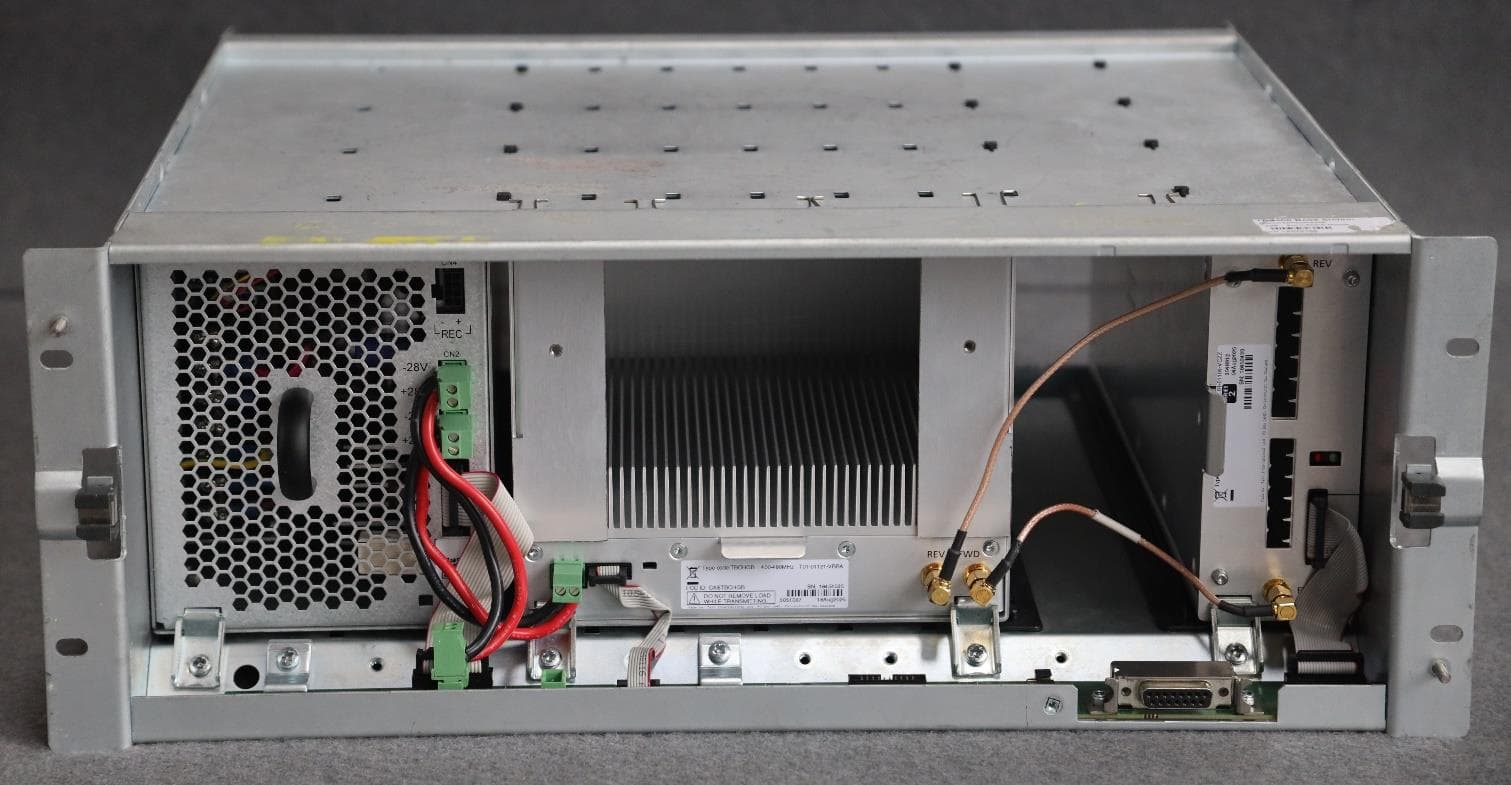
CASTBCHGB
May 12, 2026Base Station Transceiver
Equipment Class
TNB - Licensed Non-Broadcast Station Transmitter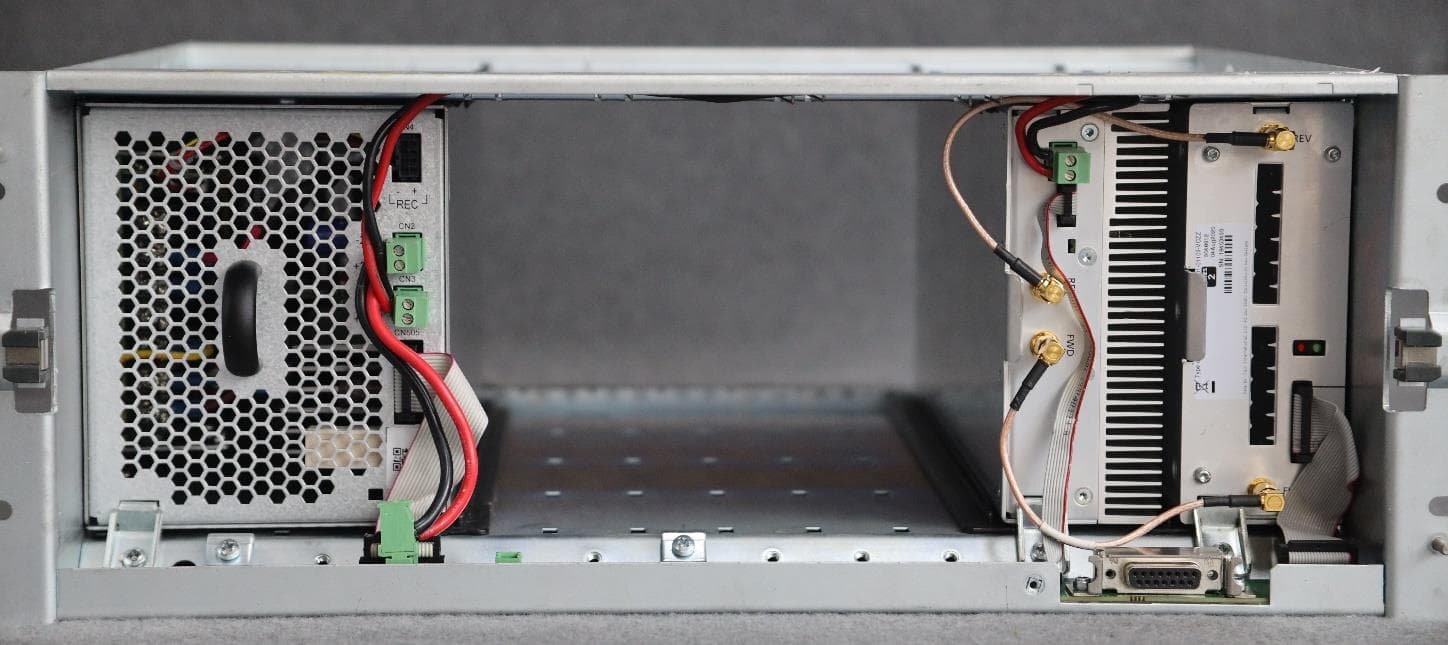
CASTBCHGA
May 12, 2026Base Station Transceiver
Equipment Class
TNB - Licensed Non-Broadcast Station Transmitter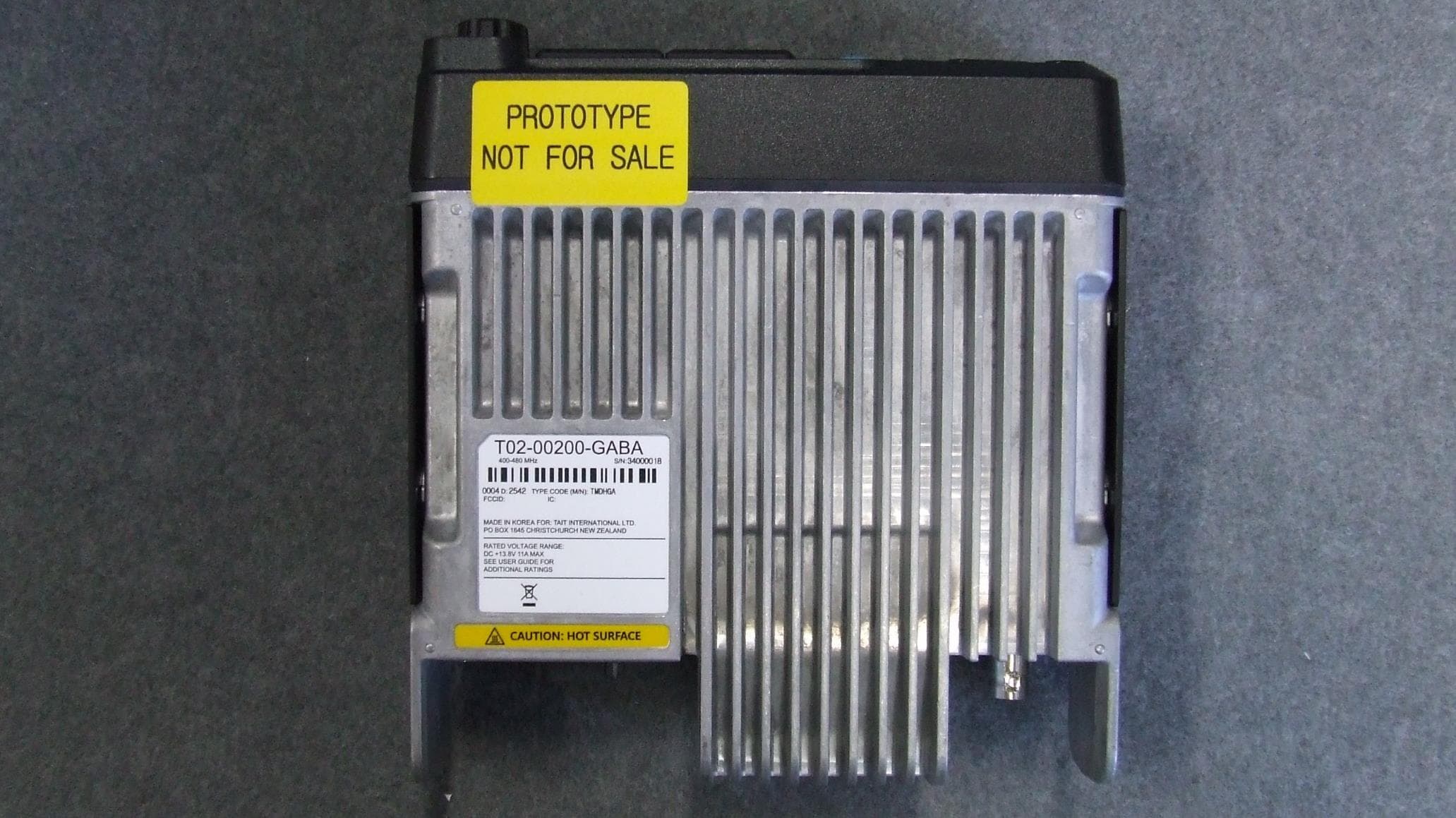
CASTMDHGA
Feb 04, 2026Mobile Transceiver
Equipment Class
TNB - Licensed Non-Broadcast Station Transmitter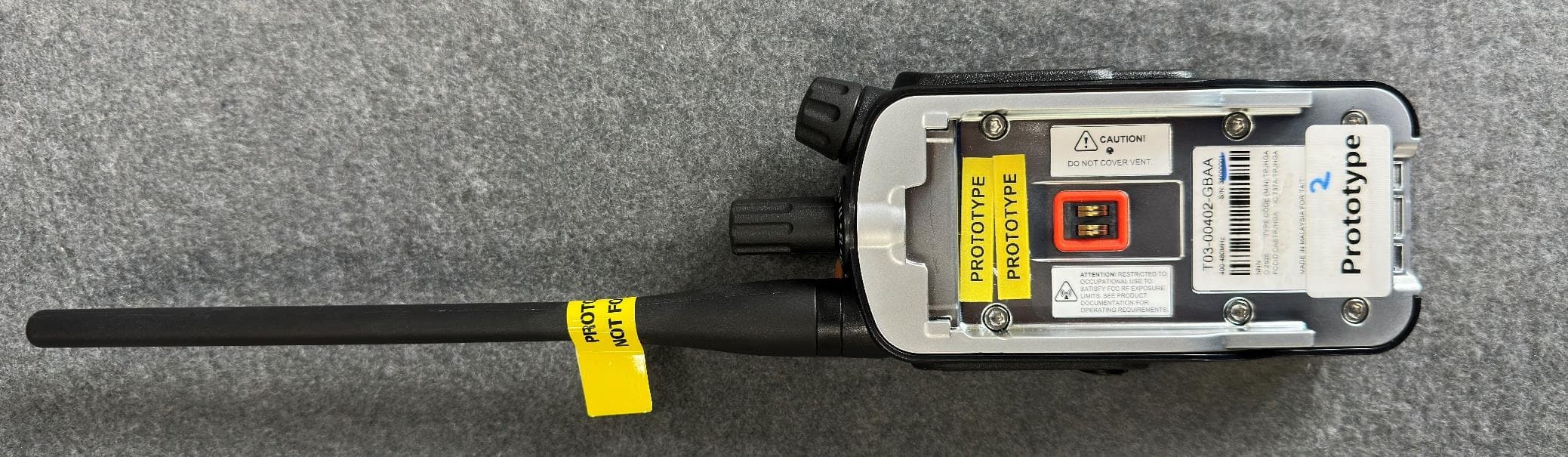
CASTPJHGA
Jan 15, 2026Portable Transceiver
Equipment Class
DSS - Part 15 Spread Spectrum Transmitter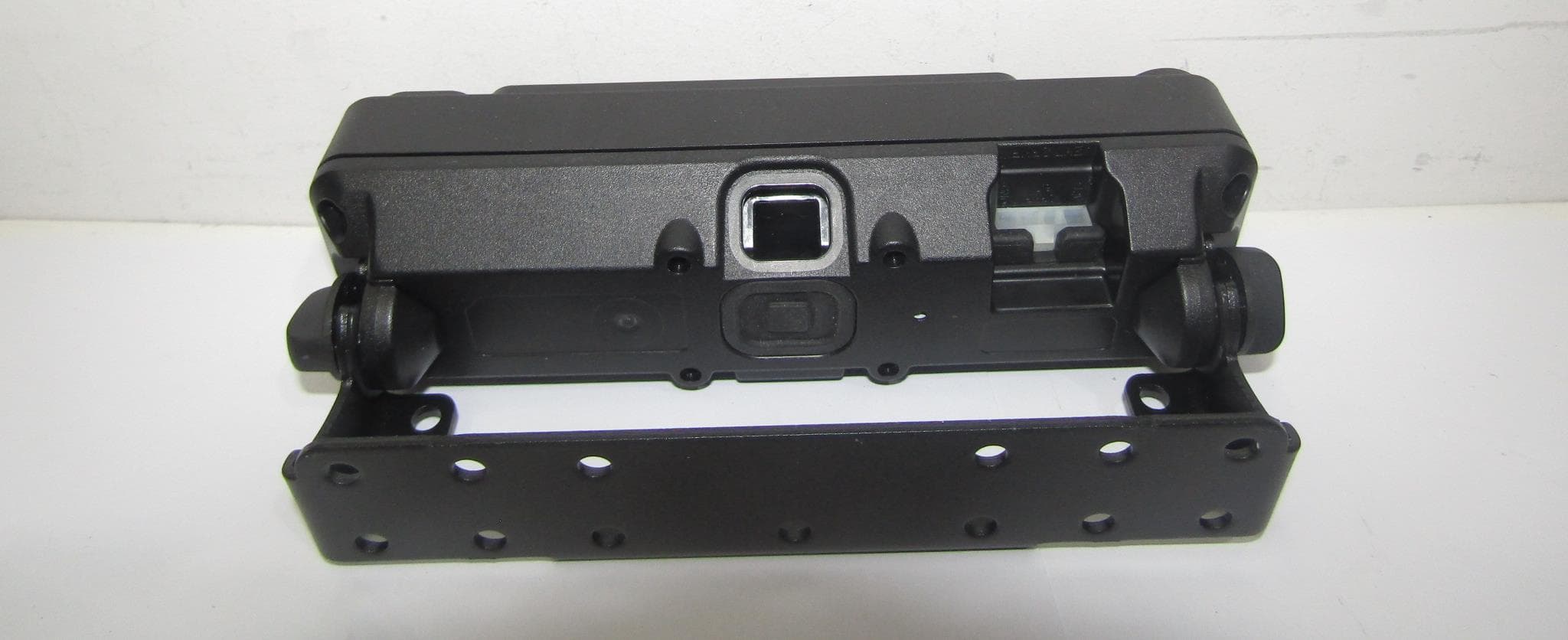
CASTAHP2A
Dec 10, 2025Mobile Accessory
Equipment Class
DTS - Digital Transmission System