EOA-24GENMACROGenesis AI
Starkey Laboratories Inc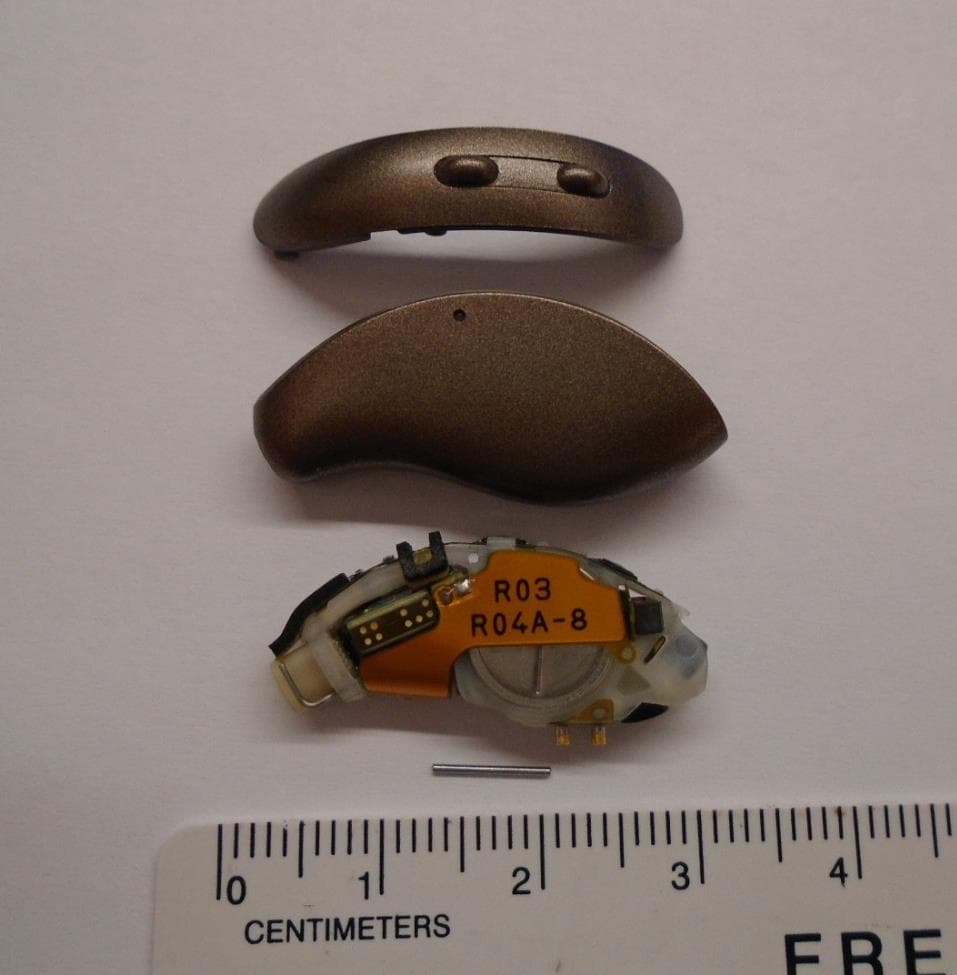
Click to zoom
Application Details
- Equipment Class
- DTS - Digital Transmission System
- Date of Grant
- Apr 24, 2022
- Application Purpose
- Original Equipment
- Date of Application
- Apr 24, 2022
- Equipment Note
- Genesis AI
- Frequency Range
- 2402.00000000 - 2480.00000000
- Company
- Starkey Laboratories Inc
- Country
- United States
Documents & Files
Document Text
Text extracted from the exhibit documents filed with the FCC. Open a document above to read the original.
Users Manual
Galaxy Standard Products Operations Manual RIC (Receive-In-Canal) Rechargeable mRIC (Micro Receive-In-Canal) Rechargeable INTRODUCTION TO YOUR STARKEY HEARING AID Hearing aid models covered in this user guide: RIC RT (include image) mRIC R (include image) Charging accessories covered in this user guide: StarLink Mini Charger (include image) StarLink Premium Mini Charger* (include image) StarLink Charger (include image) *The Premium Charger contains an on-board, non-removable, rechargeable lithium-ion battery. This charger is available as a portable charger for standard-style rechargeable hearing aids. TABLE OF CONTENTS (header) Overview Genesis RIC RT Genesis mRIC R StarLink Mini Charger StarLink Premium Mini Charger StarLink Charger Preparation Charging Your Hearing Aids StarLink and Starlink Mini Charger StarLink Premium Mini Charger Charging Your Charger StarLink Premium Mini Charger Hearing Aid Insertion and Removal Operation Power On & Off Auto On/Off User Controls Telephone Use Mobile Phone Use Pairing with an iOS Device Pairing with an Android Device Accessories Hearing Aid Care Hearing Aid Charger Care Service and Repair Troubleshooting Guide Tips for Better Communication Regulatory Information Safety Information FDA Information FCC Information RIC RT Overview (header) Features, Controls, and Identification 1. Hearing Aid 2. Cable 3. Receiver 4. Microphones 5. Rocker Switch 6. Location of left/right side hearing aid indicator Red is for Right Ear / Blue is for Left Ear 7. Retention Lock 8. Location of manufacturer’s name and model name 9. Location of left/right side receiver indicator 10. Charging contacts 11. Location of serial number 12. Instant fit earbud 13. Custom earmold (optional) 14. RIC custom power earmold (optional) FIGURE 1 RIC-RT mRIC Overview (header) Features, Controls, and Identification 1. Hearing Aid 2. Cable 3. Receiver 4. Microphones 5. Switch 6. Location of left/right side hearing aid indicator Red is for Right Ear / Blue is for Left Ear 7. Retention Lock 8. Location of manufacturer’s name and model name 9. Location of left/right side receiver indicator 10. Charging contacts 11. Location of serial number 12. Instant fit earbud 13. Custom earmold (optional) 14. mRIC custom power earmold (optional) FIGURE 2 MRIC-R StarLink Mini Charger Overview* (header) Features, Controls, and Identification 1. Cleaning brush 2. Earbud/earmold reservoir 3. Charging ports 4. Hearing aid charging LEDs 5. USB-C port *StarLink Mini Charger requires external power source (i.e. wall outlet) to charger hearing aids. StarLink Premium Mini Charger Overview (header) Features, Controls, and Identification 1. Cleaning brush 2. Earbud/earmold reservoir 3. Charging ports 4. Hearing aid charging LEDs 5. USB-C port StarLink Charger Overview* (header) Features, Controls, and Identification 1. Cleaning brush 2. Earbud/earmold reservoir 3. Charging ports 4. Hearing aid charging LEDs 5. USB-C port *StarLink Charger requires external power source (i.e. wall outlet) to charge hearing aids. Preparation (header) Charging Your Hearing Aids – StarLink and StarLink Mini Charger • An indicator will sound when the battery voltage in your hearing aids is low. You have approximately 30 minutes* of battery life remaining. o An indicator may also sound just before the battery stops working. • Place your hearing aids in the charging port with the earbuds resting inside the reservoir. • Your hearing aids will turn off automatically and begin to charge: o StarLink and StarLink Mini Charger must be connected to an external power source (i.e. wall outlet) • Your hearing aids will automatically power on when removed from the charger. • Various fault states can result in LED blinking scenarios. Remove hearing aids from charger, wait until LED turns off and reinsert aids. If fault state continues, reach out to your hearing professional. • Charing occurs whether the charger lid is open or closed. • Your hearing aids will be completely charged in under 3 ½ hours. • It is safe to keep your hearing aids in the charger after they are fully charged and any time you are not wearing them. • If you will not be wearing your hearing aids for an extended period of time (i.e. weeks): o Remove the USB-C from the charger and/or external power source (i.e. wall outlet) OR o Remove the hearing aids from the charger and turn them off (i.e. press and hold the switch for 3 seconds or consult with your hearing professional regarding your hearing aid controls) OR o Place the hearing aids in the charger reservoir for storage. ▪ Do not place the hearing aids back on the charging ports. *Actual time between low battery indicator and shut down will vary depending on environmental noise levels and your use of the product. Number of Solid White Lights HA Battery Level • 25% < X < 50% •• 50% < X < 75% ••• 75% < X < 100% •••• 100% Preparation (header) Charging Your Hearing Aids – StarLink Premium Mini Charger • An indicator will sound when the battery voltage in your hearing aids is low. You have approximately 30 minutes* of battery life remaining. o An indicator may also sound just before the battery stops working. • Place your hearing aids in the charging port with the earbuds resting inside the reservoir. • Your hearing aids will turn off automatically and begin to charge: o StarLink Premium Mini Charger’s onboard battery must be charger, otherwise charger must be connected to an external power source (i.e. wall outlet). • Your hearing aids will automatically power on when removed from the charger. • Various fault states can result in LED blinking scenarios. Remove hearing aids from charger, wait until LED turns off and reinsert aids. If fault state continues, reach out to your hearing professional. • Charing occurs whether the charger lid is open or closed. • Your hearing aids will be completely charged in under 3 ½ hours. • It is safe to keep your hearing aids in the charger after they are fully charged and any time you are not wea…
Text truncated - open the document above for the full version.
External Photos
Genesis AI RIC RT external photos left side right side and bottom left side, bottom, and top right side, bottom and top top and left side top, bottom and right side
ID Label/Location Info
48 | Regulatory Information Regulatory Information | 49 The Starlink Charger has been tested to, and has passed, the following emissions and immunity tests: • IEC 60601-1-2 radiated and conducted emissions requirements for a Group 1 Class B device as stated in CISPR 11. • Harmonic distortion and voltage fluctuations affecting the power input source as stated in Table 2 of IEC 60601-1-2. • RF radiated immunity at a field level of 10 V/m between 80 MHz and 2.7 GHz as well as higher field levels from communications devices as stated in Table 9 of IEC 60601-1-2. • Immunity to power frequency magnetic fields at a field level of 30 A/m and proximity magnetic fields as stated in Table 11 of IEC 60601-1-2. • Immunity to ESD levels of +/- 8 kV conducted discharge and +/- 15 kV air discharge. • Immunity to Electrical fast transients on the power input at a level of +/- 2 kV at a 100 Hz repetition rate. • Immunity to Surges on the power input of +/- 1 kV line to line. • Immunity to conducted disturbances induced by RF fields on the power input as stated in Table 6 of IEC 60601-1-2. • Immunity to voltage dips and interruptions on the power input as stated in Table 6 of IEC 60601-1-2. WIRELESS NOTICES Genesis RIC RT FCC ID: EOA-24GENMACRO IC: 6903A-24GENMACRO (GENESIS RIC RT, ARC NXG RIC RT, NUEAR NXG RIC RT, MICROTECH NXG RIC RT, AGXS GENESIS RIC RT) Genesis MRIC FCC ID: EOA-24GENMICRO IC 6903A-24GENMICRO (GENESIS DRIC R, ARC NXG MRIC R, NUEAR NXG MRIC R, MICROTECH NXG MRIC R, AGXS GENESIS MRIC R) FCC NOTICE This hearing aid and Starlink Charger complies with part 15 of the FCC rules and with ISED Canada license-exempt RSS standards. Operation is subject to the following two conditions: (1) This device may not cause harmful interference, and (2) this device must accept any interference received, including interference that may cause undesired operation of the device. Note: The manufacturer is not responsible for any radio or TV interference caused by unauthorized modifications to this equipment. Such modifications could void the user’s authority to operate the equipment. Cet appareil est conforme à la partie 15 des règlements de la FCC ainsi qu’aux cahiers des charges sur les normes radioélectriques relativement aux appareils exempts de licence d’ISDE Canada. Son fonctionnement est assujetti aux deux conditions suivantes : (1) cet appareil ne doit pas causer d’interférence nuisible, et (2) cet appareil doit accepter toute interférence reçue, y compris celles pouvant générer un fonctionnement indésirable. Remarque : Le fabricant n’est responsable d’aucune interférence radiophonique ou télévisuelle qui pourrait se produire si des modifications non autorisées sont effectuées sur cet équipement. De telles modifications risquent d’annuler le droit de l’utilisateur à se servir de cet équipement. EU NOTICE Hereby, Starkey Hearing Technologies declares that the RIC is in compliance with the essential requirements and other relevant provisions of Directive 2014/53/EU. A copy of the Declaration of Conformity can be obtained from the address below or from docs..starkeyhearingtechnologies.com Starkey Hearing Technologies 6700 Washington Ave. South Eden Prairie, MN 55344 USA Starkey Laboratories (Germany) G.m.b.H Weg beim Jäger 218-222 22335 Hamburg Germany Class II Device Waste from electronic equipment must be handled according to local regulations Consult Operations Manual INSTRUCTIONS FOR DISPOSAL OF OLD ELECTRONICS Starkey Hearing Technologies encourages, the EU requires, and your local community laws may require, that your hearing aids and charger be disposed of via your local electronics recycling/disposal process. The instructions below are provided for the benefit of disposal/recycling personnel. Please include this manual when disposing of your hearing aids and/or charger. FOR DISPOSAL/RECYCLING PERSONNEL ONLY These products contain Lithium Ion Polymer batteries. For instructions on removing the battery from the hearing aids, please visit docs.starkeyhearingtechnologies.com. To remove the battery from the Starlink Charger: • Remove the four skid pads on the bottom of the charger base to access fasteners. • Remove fasteners using a Phillips head screwdriver. • Disassemble the charger base from the bezel to expose the battery cell. • Cut the THREE battery wire leads ONE AT A TIME close to the battery cell to avoid shorting. • Pry battery from base using a wide flat blade making sure not to puncture the battery cell
Internal Photos
Genesis AI RIC RT internal photos left side showing top and bottom right side showing top and bottom top, showing NFMI antenna unfolded 2.4 GHz antenna flex circuit front flex circuit back
Operational Description
Genesis Macro RIC Antenna Description The Genesis Macro RIC has two separate antennas, one for the 2.4 – 2.485 GHz Bluetooth radio and a second for the 10.281 MHz NFMI radio 2.4 GHz Bluetooth Antenna The Bluetooth 2.4 GHz antenna is a printed flexible bowtie with a strap connecting the two arms that conforms to the shape of the hearing aid. The antenna is constructed on a polyimide flexible circuit. The flexible circuit uses 1 ounce copper (1.4 mil). The peak gain of the antenna in the assembled DUT is -5.9 dBi. unfolded antenna Right side Left side Folded 2.4 GHz antenna assembled into hearing aid. 10.281 MHz NFMI antenna The 10.281 MHz NFMI antenna is a coil wrapped on a ferrite core Figure 2 NFMI Antenna The NFMI antenna coil is a cylinder of nominal radius 1.125 mm and length 4.2 mm. There are 21 turns going down the coil, and 3 turns coming back, which are needed because the wire feed is only along one end of the coil.
RF Exposure Info
This report must not be used to claim product certification, approval, or endorsement by A2LA or any agency of the U.S. Government. This Report shall not be reproduced, except in full without written approval of the laboratory. Starkey Laboratories, Inc. Genesis 2.4 GHz NFMI Macro RIC-R #2996 FCC 2.1091:2022 Bluetooth LE NFMI Report: STAK0251.9, Issue Date: April 22, 2022 CERTIFICATE OF EVALUATION 2018-09-14 Product compliance is the responsibility of the client; therefore, the tests and equipment modes of operation represented in this report were agreed upon by the client, prior to testing. The results of this test pertain only to the sample(s) tested. The specific description is noted in each of the individual sections of the test report supporting this certificate of test. This report reflects only those tests from the referenced standards shown in the certificate of test. It does not include inspection or verification of labels, identification, marking or user information. As indicated in the Statement of Work sent with the quotation, Element’s standard process is to always use the latest published version of the test methods even when earlier versions are cited in the test specification. Issuance of a purchase order was de facto acceptance of this approach. Otherwise, the client would have advised Element in writing of the specific version of the test methods they wanted applied to the subject testing Last Date of Evaluation: April 21, 2022 Starkey Laboratories, Inc. EUT: Genesis 2.4 GHz NFMI Macro RIC-R #2996 RF Exposure Evaluation Standards Specification Method FCC 2.1091:2022 FCC 447498 D01 General RF Exposure Guidance v06 Results Method Clause Description Applied Results Comments 4.3.1 SAR Test Exclusion Yes Pass None 4.3.2 Simultaneous Transmission SAR Test Exclusion Yes Pass None Deviations From Evaluation Standards None Approved By: Donald Facteau, Process Architect Report No. STAK0251.92/13 REVISION HISTORY 2018.07.17 Revision Number Description Date (yyyy-mm-dd) Page Number 00 None Report No. STAK0251.93/13 ACCREDITATIONS AND AUTHORIZATIONS 2021.09.01 United States FCC - Designated by the FCC as a Telecommunications Certification Body (TCB). Certification chambers, Open Area Test Sites, and conducted measurement facilities are listed with the FCC. A2LA - Each laboratory is accredited by A2LA to ISO / IEC 17025, and as a product certifier to ISO / IEC 17065 which allows Element to certify transmitters to FCC and IC specifications. Canada ISED - Recognized by Innovation, Science and Economic Development Canada as a Certification Body (CB) and as a CAB for the acceptance of test data. European Union European Commission – Recognized as an EU Notified Body validated for the EMCD and RED Directives. United Kingdom BEIS – Recognized by the UK as an Approved Body under the UK Radio Equipment and UK EMC Regulations. Australia/New Zealand ACMA - Recognized by ACMA as a CAB for the acceptance of test data. Korea MSIT / RRA - Recognized by KCC’s RRA as a CAB for the acceptance of test data. Japan VCCI - Associate Member of the VCCI. Conducted and radiated measurement facilities are registered. Taiwan BSMI – Recognized by BSMI as a CAB for the acceptance of test data. NCC - Recognized by NCC as a CAB for the acceptance of test data. Singapore IDA – Recognized by IDA as a CAB for the acceptance of test data. Israel MOC – Recognized by MOC as a CAB for the acceptance of test data. Hong Kong OFCA – Recognized by OFCA as a CAB for the acceptance of test data. Vietnam MIC – Recognized by MIC as a CAB for the acceptance of test data. SCOPE For details on the Scopes of our Accreditations, please visit: California Minnesota Oregon Texas Washington Report No. STAK0251.94/13 FACILITIES 2020.12.15 California Labs OC01-17 41 Tesla Irvine, CA 92618 (949) 861-8918 Minnesota Labs MN01-11 9349 W Broadway Ave. Brooklyn Park, MN 55445 (612)-638-5136 Oregon Labs EV01-12 6775 NE Evergreen Pkwy #400 Hillsboro, OR 97124 (503) 844-4066 Texas Labs TX01-09 3801 E Plano Pkwy Plano, TX 75074 (469) 304-5255 Washington Labs NC01-05 19201 120 th Ave NE Bothell, WA 98011 (425)984-6600 A2LA Lab Code: 3310.04 Lab Code: 3310.05 Lab Code: 3310.02 Lab Code: 3310.03 Lab Code: 3310.06 Innovation, Science and Economic Development Canada 2834B-1, 2834B-3 2834E-1, 2834E-3 2834D-1 2834G-1 2834F-1 BSMI SL2-IN-E-1154R SL2-IN-E-1152R SL2-IN-E-1017 SL2-IN-E-1158R SL2-IN-E-1153R VCCI A-0029 A-0109 A-0108 A-0201 A-0110 Recognized Phase I CAB for ISED, ACMA, BSMI, IDA, KCC/RRA, MIC, MOC, NCC, OFCA US0158 US0175 US0017 US0191 US0157 Report No. STAK0251.95/13 PRODUCT DESCRIPTION 2018-07-17 Client and Equipment Under Evaluation Information Company Name: Starkey Laboratories, Inc. Address: 6600 Washington Ave S City, State, Zip: Eden Prairie, MN 55344-3404 Evaluation Requested By: Bill Mitchell EUT: Genesis 2.4 GHz NFMI Macro RIC-R #2996 Date of Evaluation: April 21, 2022 Information Provided by the Party Requesting the Evaluation Functional Description of the Equipment: Wireless hearing aid for use by the hearing-impaired. Two Radios: OnSemi RSL-10 Bluetooth Low Energy (2.4 - 2.4835 GHz) for communication with smartphones and wireless accessories NXP NXH 2281 NFMI (10.281 MHz) for communication with the other hearing aid of a binaural pair. Uses H- field magnetic induction. Objective: To demonstrate compliance with FCC RF exposure requirements for 2.1093 portable devices. Report No. STAK0251.96/13 RF Exposure Condition 2018-07-17 The following RF Exposure conditions were used for the assessment documented in this report: Intended Use Portable Location on Body (if applicable) Head/Torso How is the Device Used The equipment is used at a distance less than 20 cm from the user and is a hearing aid that is inserted into the ear canal. Radios Contained in the Same Host Device Bluetooth LE NFMI Simultaneous Transmitting Radios Bluetooth LE, NFMI Body Worn Accessories N/A Environment General Population/Uncontrolled Exposure Report No. STAK0251.9…
Text truncated - open the document above for the full version.
Test Report
This report must not be used to claim product certification, approval, or endorsement by A2LA or any agency of the U.S. Government. This Report shall not be reproduced, except in full without written approval of the laboratory. Starkey Laboratories, Inc. Genesis macro RIC (BLE and NFMI) FCC 15.209:2021 Inductive Radio Report: STAK0251.5 Rev. 1, Issue Date: March 22, 2022 CERTIFICATE OF TEST 2018-09-14 Product compliance is the responsibility of the client; therefore, the tests and equipment modes of operation represented in this report were agreed upon by the client, prior to testing. The results of this test pertain only to the sample(s) tested. The specific description is noted in each of the individual sections of the test report supporting this certificate of test. This report reflects only those tests from the referenced standards shown in the certificate of test. It does not include inspection or verification of labels, identification, marking or user information. As indicated in the Statement of Work sent with the quotation, Element’s standard process is to always use the latest published version of the test methods even when earlier versions are cited in the test specification. Issuance of a purchase order was de facto acceptance of this approach. Otherwise, the client would have advised Element in writing of the specific version of the test methods they wanted applied to the subject testing. Last Date of Test: October 29, 2021 Starkey Laboratories, Inc. EUT: Genesis macro RIC (BLE and NFMI) Radio Equipment Testing Standards Specification Method FCC 15.209:2021 ANSI C63.10:2013 Results Method Clause Test Description Applied Results Comments 6.2 Powerline Conducted Emissions No N/A Not required for a battery powered EUT. 6.4 Field Strength of Fundamental Yes Pass 6.4, 6.5 Spurious Radiated Emissions Yes Pass Deviations From Test Standards None Approved By: Eric Brandon, Department Manager Report No. STAK0251.5 Rev. 12/21 REVISION HISTORY 2018.07.17 Revision Number Description Date (yyyy-mm-dd) Page Number 01 Put in the new "Test Setup Block Diagrams" module that contains the correct sample calculations and removed the sample calculations from this module. 2022-03-22 14-16, 17-20 Report No. STAK0251.5 Rev. 13/21 ACCREDITATIONS AND AUTHORIZATIONS 2021.09.01 United States FCC - Designated by the FCC as a Telecommunications Certification Body (TCB). Certification chambers, Open Area Test Sites, and conducted measurement facilities are listed with the FCC. A2LA - Each laboratory is accredited by A2LA to ISO / IEC 17025, and as a product certifier to ISO / IEC 17065 which allows Element to certify transmitters to FCC and IC specifications. Canada ISED - Recognized by Innovation, Science and Economic Development Canada as a Certification Body (CB) and as a CAB for the acceptance of test data. European Union European Commission – Recognized as an EU Notified Body validated for the EMCD and RED Directives. United Kingdom BEIS – Recognized by the UK as an Approved Body under the UK Radio Equipment and UK EMC Regulations. Australia/New Zealand ACMA - Recognized by ACMA as a CAB for the acceptance of test data. Korea MSIT / RRA - Recognized by KCC’s RRA as a CAB for the acceptance of test data. Japan VCCI - Associate Member of the VCCI. Conducted and radiated measurement facilities are registered. Taiwan BSMI – Recognized by BSMI as a CAB for the acceptance of test data. NCC - Recognized by NCC as a CAB for the acceptance of test data. Singapore IDA – Recognized by IDA as a CAB for the acceptance of test data. Israel MOC – Recognized by MOC as a CAB for the acceptance of test data. Hong Kong OFCA – Recognized by OFCA as a CAB for the acceptance of test data. Vietnam MIC – Recognized by MIC as a CAB for the acceptance of test data. SCOPE For details on the Scopes of our Accreditations, please visit: California Minnesota Oregon Texas Washington Report No. STAK0251.5 Rev. 14/21 FACILITIES 2020.12.15 California Labs OC01-17 41 Tesla Irvine, CA 92618 (949) 861-8918 Minnesota Labs MN01-11 9349 W Broadway Ave. Brooklyn Park, MN 55445 (612)-638-5136 Oregon Labs EV01-12 6775 NE Evergreen Pkwy #400 Hillsboro, OR 97124 (503) 844-4066 Texas Labs TX01-09 3801 E Plano Pkwy Plano, TX 75074 (469) 304-5255 Washington Labs NC01-05 19201 120 th Ave NE Bothell, WA 98011 (425)984-6600 A2LA Lab Code: 3310.04 Lab Code: 3310.05 Lab Code: 3310.02 Lab Code: 3310.03 Lab Code: 3310.06 Innovation, Science and Economic Development Canada 2834B-1, 2834B-3 2834E-1, 2834E-3 2834D-1 2834G-1 2834F-1 BSMI SL2-IN-E-1154R SL2-IN-E-1152R SL2-IN-E-1017 SL2-IN-E-1158R SL2-IN-E-1153R VCCI A-0029 A-0109 A-0108 A-0201 A-0110 Recognized Phase I CAB for ISED, ACMA, BSMI, IDA, KCC/RRA, MIC, MOC, NCC, OFCA US0158 US0175 US0017 US0191 US0157 Report No. STAK0251.5 Rev. 15/21 MEASUREMENT UNCERTAINTY TMU.2015.07.10 Measurement Uncertainty When a measurement is made, the result will be different from the true or theoretically correct value. The difference is the result of tolerances in the measurement system that cannot be completely eliminated. To the extent that technology allows us, it has been our aim to minimize this error. Measurement uncertainty is a statistical expression of measurement error qualified by a probability distribution. A measurement uncertainty estimation has been performed for each test per our internal quality document QM205.4.6. The estimation is used to compare the measured result with its "true" or theoretically correct value. The expanded measurement uncertainty (K=2) can be found in the table below. A lab specific value may also be found in the applicable test description section. Our measurement data meets or exceeds the measurement uncertainty requirements of the applicable specification; therefore, the test data can be compared directly to the specification limit to determine compliance. The calculations for estimating measurement uncertainty are based upon ETSI TR 100 028 (or CISPR 16-4-2 as applicable), and are…
Text truncated - open the document above for the full version.
Test Report
This report must not be used to claim product certification, approval, or endorsement by A2LA or any agency of the U.S. Government. This Report shall not be reproduced, except in full without written approval of the laboratory. Starkey Laboratories, Inc. Genesis macro RIC (BLE and NFMI) FCC 15.247:2021 FCC 15.247:2022 Bluetooth Low Energy (DTS) Radio Report: STAK0251.1 Rev. 2, Issue Date: April 8, 2022 CERTIFICATE OF TEST 2018-09-14 Product compliance is the responsibility of the client; therefore, the tests and equipment modes of operation represented in this report were agreed upon by the client, prior to testing. The results of this test pertain only to the sample(s) tested. The specific description is noted in each of the individual sections of the test report supporting this certificate of test. This report reflects only those tests from the referenced standards shown in the certificate of test. It does not include inspection or verification of labels, identification, marking or user information. As indicated in the Statement of Work sent with the quotation, Element’s standard process is to always use the latest published version of the test methods even when earlier versions are cited in the test specification. Issuance of a purchase order was de facto acceptance of this approach. Otherwise, the client would have advised Element in writing of the specific version of the test methods they wanted applied to the subject testing. Last Date of Test: March 28, 2022 Starkey Laboratories, Inc. EUT: Genesis macro RIC (BLE and NFMI) Radio Equipment Testing Standards Specification Method FCC 15.247:2021 ANSI C63.10:2013, KDB 558074 FCC 15.247:2022 Results Method Clause Test Description Applied Results Comments 6.2 Powerline Conducted Emissions No N/A Not required for a battery powered EUT. 11.6 Duty Cycle Yes N/A 11.8.2 Occupied Bandwidth Yes Pass 11.9.1.1 Output Power Yes Pass 11.9.1.1 Equivalent Isotropic Radiated Power Yes Pass 11.10.2 Power Spectral Density Yes Pass 11.11 Band Edge Compliance Yes Pass 11.11 Spurious Conducted Emissions Yes Pass 11.12.1, 11.13.2, 6.5, 6.6 Spurious Radiated Emissions Yes Pass Deviations From Test Standards None Approved By: Eric Brandon, Department Manager Report No. STAK0251.1 Rev. 22/70 REVISION HISTORY 2018.07.17 Revision Number Description Date (yyyy-mm-dd) Page Number 01 Updated Antenna Gains type and frequency range 2022-04-06 11 Updated Test Description 2022-04-06 14, 63 Retested DTS Bandwidth, Output Power 2022-04-06 28-38 02 Updated block diagrams 2022-04-07 7-9 Expanded the SRE comments to clarify how the applied DCCF was calculated. 2022-04-08 65-69 Report No. STAK0251.1 Rev. 23/70 ACCREDITATIONS AND AUTHORIZATIONS 2021.09.01 United States FCC - Designated by the FCC as a Telecommunications Certification Body (TCB). Certification chambers, Open Area Test Sites, and conducted measurement facilities are listed with the FCC. A2LA - Each laboratory is accredited by A2LA to ISO / IEC 17025, and as a product certifier to ISO / IEC 17065 which allows Element to certify transmitters to FCC and IC specifications. Canada ISED - Recognized by Innovation, Science and Economic Development Canada as a Certification Body (CB) and as a CAB for the acceptance of test data. European Union European Commission – Recognized as an EU Notified Body validated for the EMCD and RED Directives. United Kingdom BEIS – Recognized by the UK as an Approved Body under the UK Radio Equipment and UK EMC Regulations. Australia/New Zealand ACMA - Recognized by ACMA as a CAB for the acceptance of test data. Korea MSIT / RRA - Recognized by KCC’s RRA as a CAB for the acceptance of test data. Japan VCCI - Associate Member of the VCCI. Conducted and radiated measurement facilities are registered. Taiwan BSMI – Recognized by BSMI as a CAB for the acceptance of test data. NCC - Recognized by NCC as a CAB for the acceptance of test data. Singapore IDA – Recognized by IDA as a CAB for the acceptance of test data. Israel MOC – Recognized by MOC as a CAB for the acceptance of test data. Hong Kong OFCA – Recognized by OFCA as a CAB for the acceptance of test data. Vietnam MIC – Recognized by MIC as a CAB for the acceptance of test data. SCOPE For details on the Scopes of our Accreditations, please visit: California Minnesota Oregon Texas Washington Report No. STAK0251.1 Rev. 24/70 FACILITIES 2020.12.15 California Labs OC01-17 41 Tesla Irvine, CA 92618 (949) 861-8918 Minnesota Labs MN01-11 9349 W Broadway Ave. Brooklyn Park, MN 55445 (612)-638-5136 Oregon Labs EV01-12 6775 NE Evergreen Pkwy #400 Hillsboro, OR 97124 (503) 844-4066 Texas Labs TX01-09 3801 E Plano Pkwy Plano, TX 75074 (469) 304-5255 Washington Labs NC01-05 19201 120 th Ave NE Bothell, WA 98011 (425)984-6600 A2LA Lab Code: 3310.04 Lab Code: 3310.05 Lab Code: 3310.02 Lab Code: 3310.03 Lab Code: 3310.06 Innovation, Science and Economic Development Canada 2834B-1, 2834B-3 2834E-1, 2834E-3 2834D-1 2834G-1 2834F-1 BSMI SL2-IN-E-1154R SL2-IN-E-1152R SL2-IN-E-1017 SL2-IN-E-1158R SL2-IN-E-1153R VCCI A-0029 A-0109 A-0108 A-0201 A-0110 Recognized Phase I CAB for ISED, ACMA, BSMI, IDA, KCC/RRA, MIC, MOC, NCC, OFCA US0158 US0175 US0017 US0191 US0157 Report No. STAK0251.1 Rev. 25/70 MEASUREMENT UNCERTAINTY TMU.2015.07.10 Measurement Uncertainty When a measurement is made, the result will be different from the true or theoretically correct value. The difference is the result of tolerances in the measurement system that cannot be completely eliminated. To the extent that technology allows us, it has been our aim to minimize this error. Measurement uncertainty is a statistical expression of measurement error qualified by a probability distribution. A measurement uncertainty estimation has been performed for each test per our internal quality document QM205.4.6. The estimation is used to compare the measured result with its "true" or theoretically correct value. The expanded measurement uncertainty (K=2) can be found in the table below. A lab speci…
Text truncated - open the document above for the full version.
Test Setup Photos
FIELD STRENGTH OF FUNDAMENTAL photo PSA-ESCI 2021.03.17.0 photos PSA-ESCI 2021.03.17.0 SE 001.jpg SE 003.jpg 3 FIELD STRENGTH OF FUNDAMENTAL photo PSA-ESCI 2021.03.17.0 photos PSA-ESCI 2021.03.17.0 SE 004.jpg SE 005.jpg 5 SPURIOUS…
Text truncated - open the document above for the full version.
Contact Information
Applicant
William John Mitchell(Principal Regulatory Affairs Engineer)
Test Firm
Element Materials Technology Minneapolis - BrooklyRenee Walker
[email protected]503 844 4066
Technical Specifications
| # | Rule Parts | Frequency Range | Power Output |
|---|---|---|---|
| 1 | 15C | 2.40 GHz - 2.48 GHz | 900.00 µW |
Other Applications from Starkey Laboratories Inc
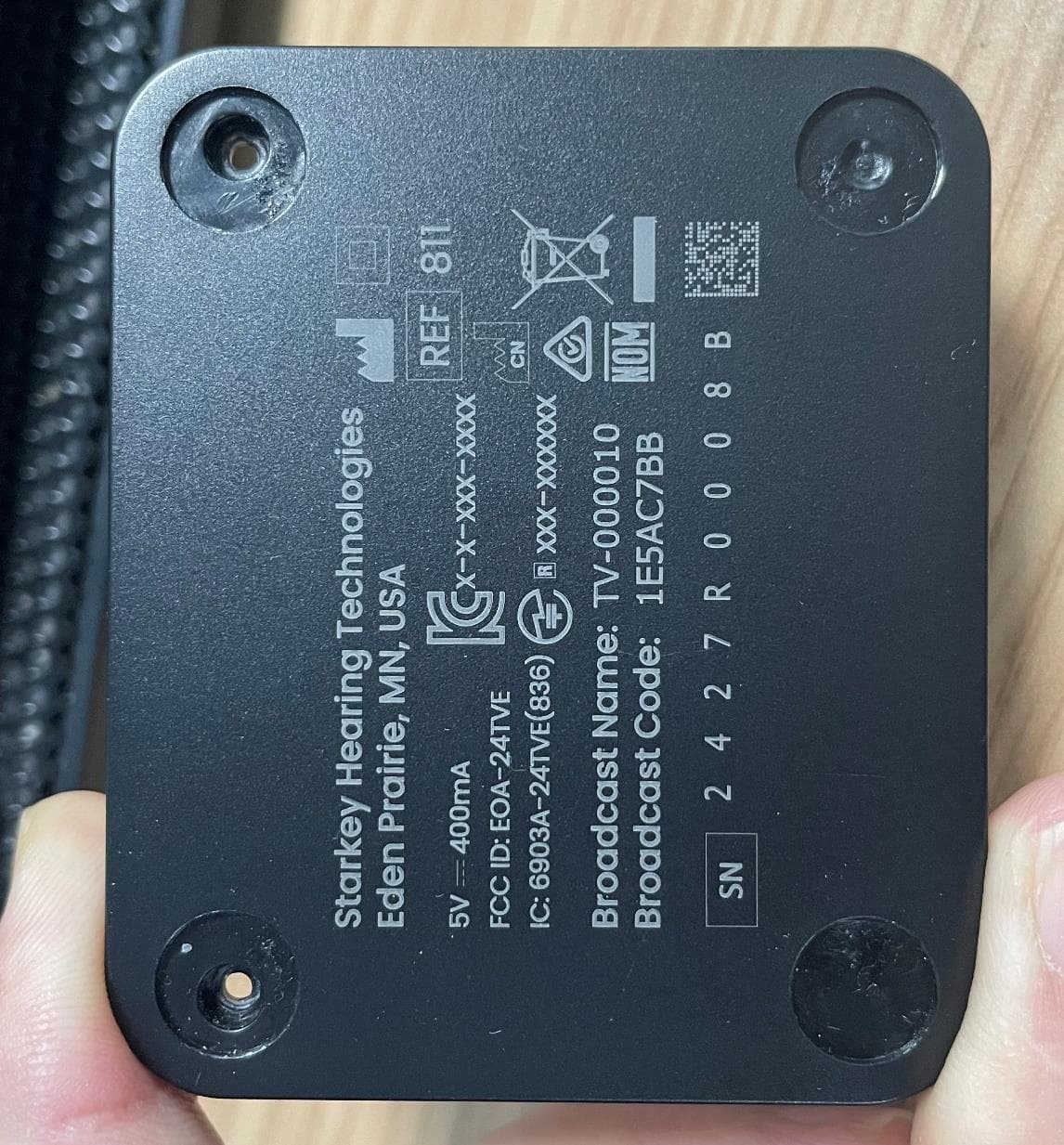
EOA-24TVE
Aug 18, 2024Starlink Edge TV
Equipment Class
DTS - Digital Transmission System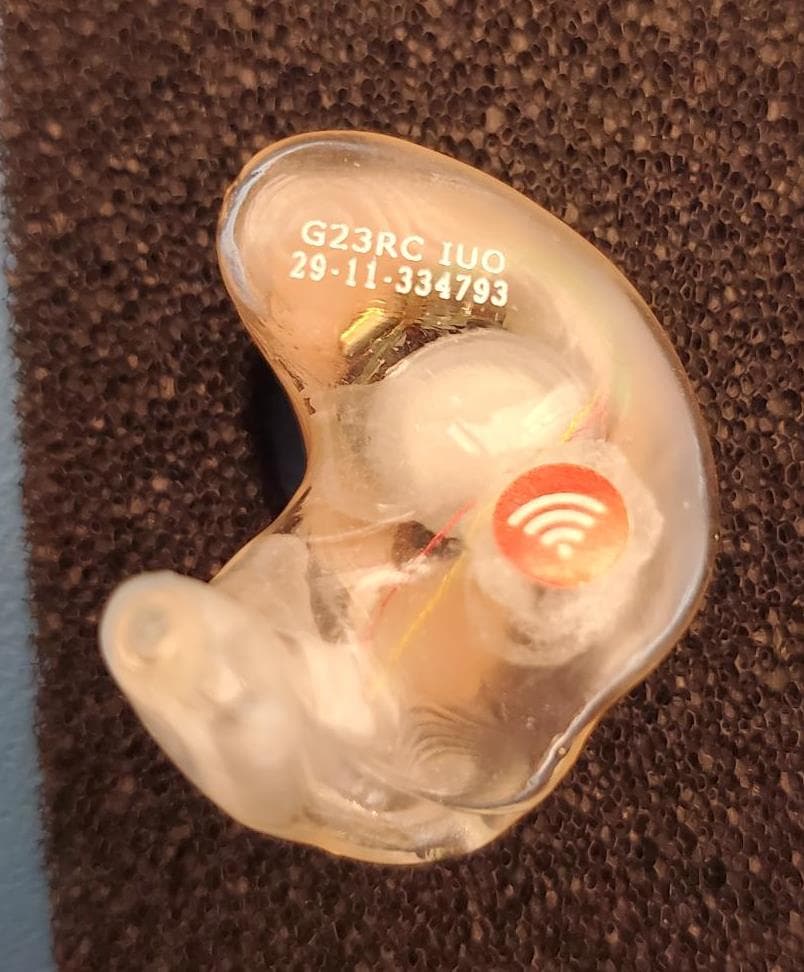
EOA-24EDGITERCH
Jul 17, 2024Edge AI ITE right
Equipment Class
DTS - Digital Transmission System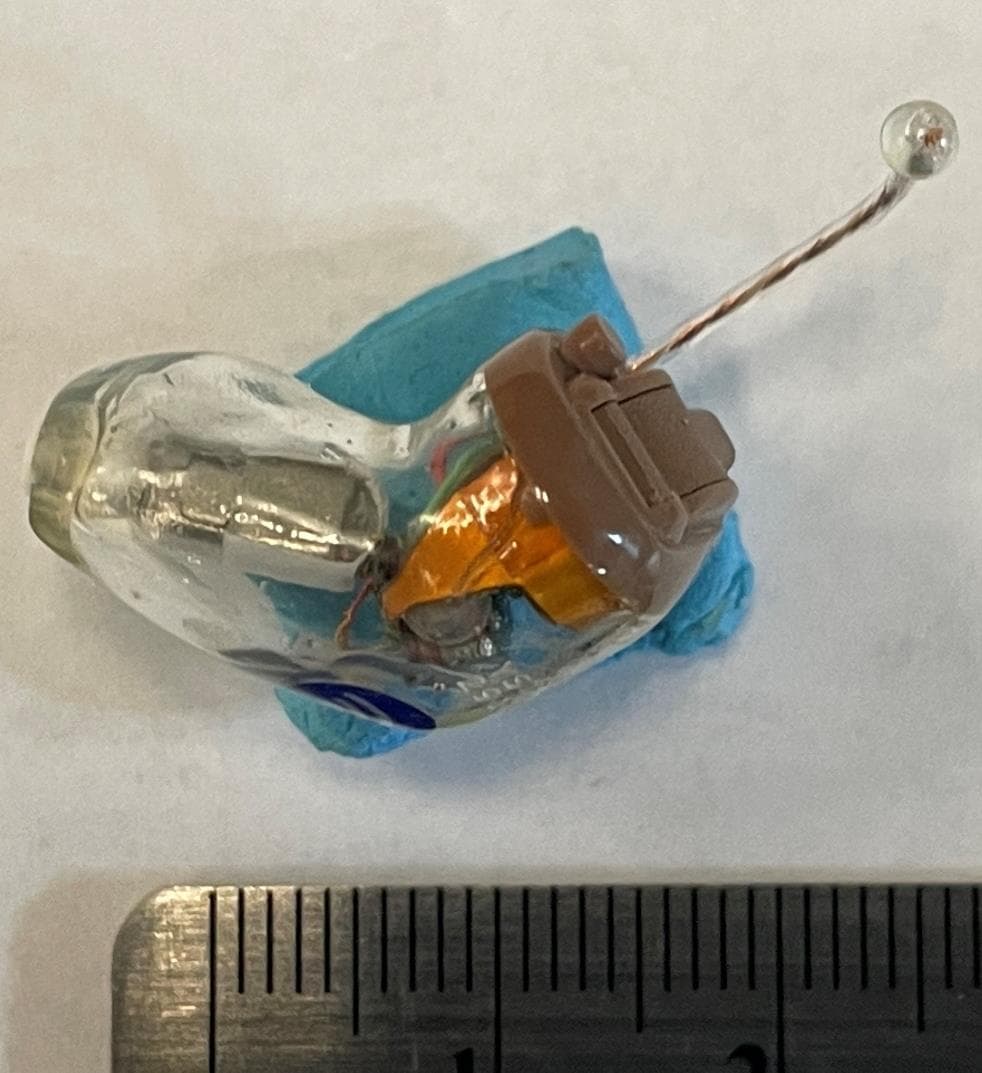
EOA-24EDGCIC
Jul 17, 2024Edge AI CIC
Equipment Class
DTS - Digital Transmission System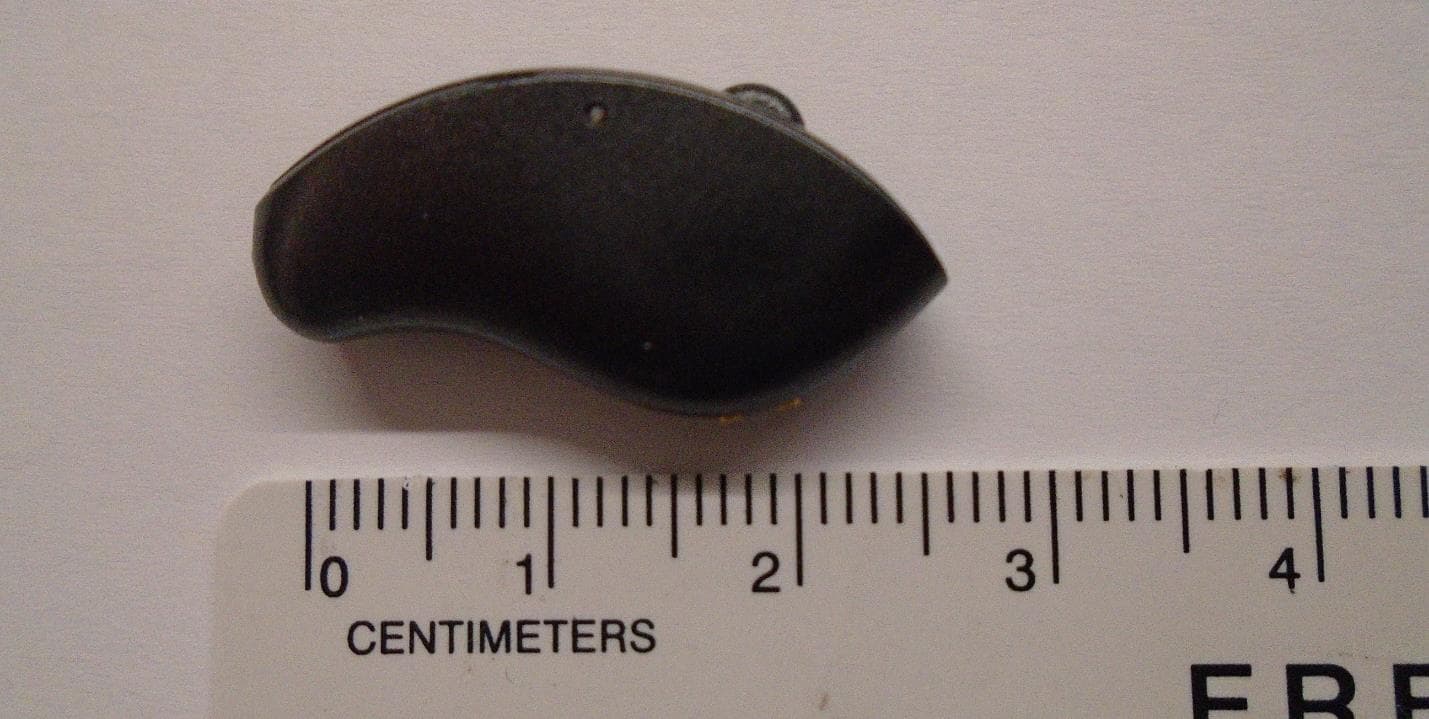
EOA-24EDGMRIC
Jul 17, 2024Edge AI mRIC R
Equipment Class
DTS - Digital Transmission System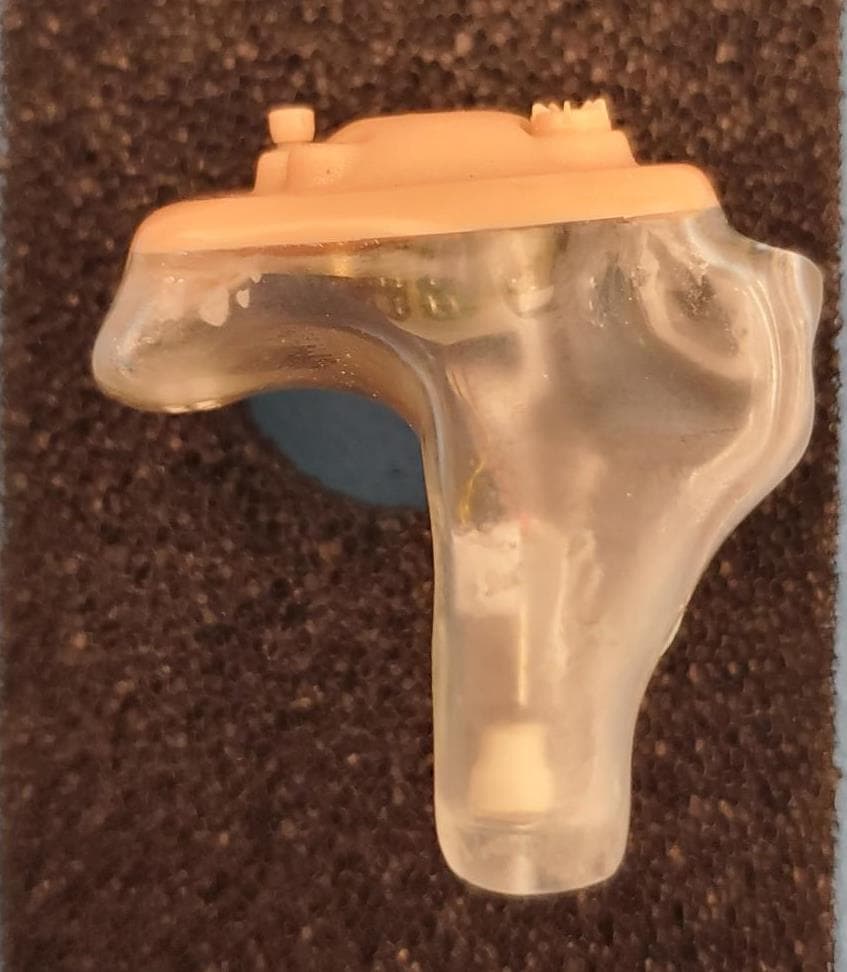
EOA-24EDGITELCH
Jul 17, 2024Edge AI ITE left
Equipment Class
DTS - Digital Transmission System