GMLNPD-1GWSingle band Dual Mode Cellular Telephone
Microsoft Corporation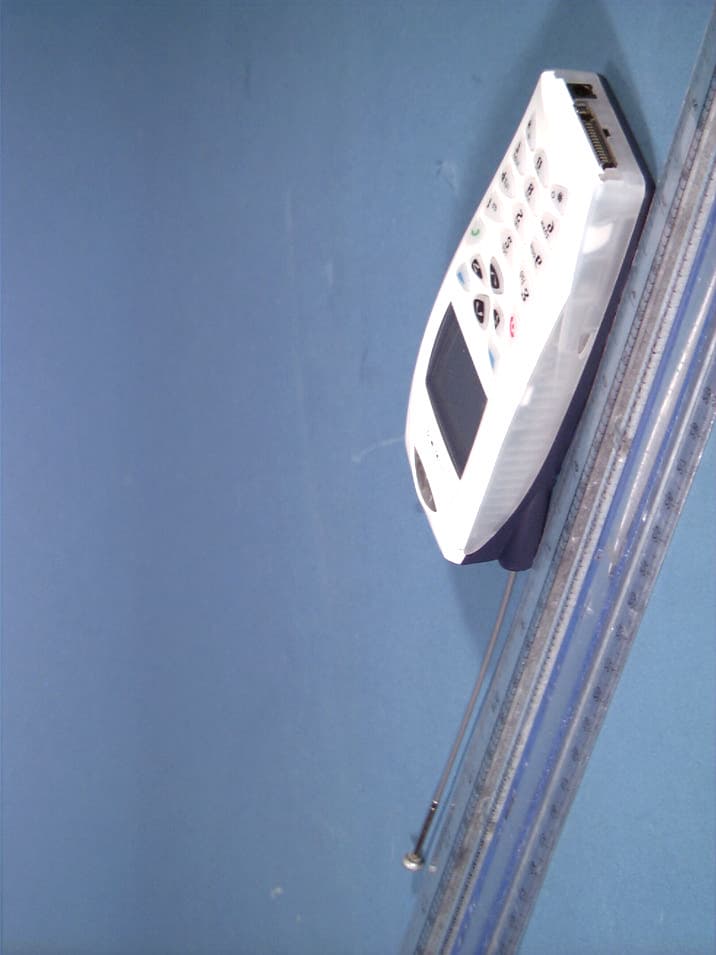
Click to zoom
Application Details
- Equipment Class
- TNE - Licensed Non-Broadcast Transmitter Held to Ear
- Date of Grant
- Sep 26, 2002
- Application Purpose
- Original Equipment
- Date of Application
- Sep 26, 2002
- Equipment Note
- Single band Dual Mode Cellular Telephone
- Frequency Range
- 824.70000000 - 848.31000000
- Company
- Microsoft Corporation
- Country
- United States
Documents & Files
Document Text
Text extracted from the exhibit documents filed with the FCC. Open a document above to read the original.
Users Manual
Nokia 3580 User Guide What information is needed? NumbersWhere is the number? My number Wireless service provider Voice mail number Wireless service provider Wireless provider’s number Wireless service provider Provider’s customer care Wireless service provider Model number Nokia 3580See “About your phone” on page 12. Phone type GMLNPD-1GWBack of title page Electronic serial number (ESN) See “Have the right information available” on page 10. The wireless phone described in this guide is approved for use in CDMA networks. LEGAL INFORMATION Part No.9354989, Issue No. 1 Copyright ©2002 Nokia. All rights reserved. Nokia, Nokia Connecting People, Nokia 3580, and the Nokia Original Accessories logos, Snake II, Kart Racing, Space Impact II, and Bumper are trademarks or registered trademarks of Nokia Corporation. All other product and company names mentioned herein may be trademarks or tradenames of their respective owners. Printed in Canada 8/2002 US Patent No 5818437 and other pending patents. T9 text input software Copyright ©1999-2002. Tegic Communications, Inc. All rights reserved. Includes RSA BSAFE cryptographic or security protocol software from RSA Security. Java is a trademark of Sun Microsystems, Inc. The information in this user guide was written for the Nokia 3580 phone. Nokia operates a policy of on-going development. Nokia reserves the right to make changes and improvements to any of the products described in this document without prior notice. UNDER NO CIRCUMSTANCES SHALL NOKIA BE RESPONSIBLE FOR ANY LOSS OF DATA OR INCOME OR ANY SPECIAL, INCIDENTAL, AND CONSEQUENTIAL OR INDIRECT DAMAGES HOWSOEVER CAUSED. THE CONTENTS OF THIS DOCUMENT ARE PROVIDED “AS IS.” EXCEPT AS REQUIRED BY APPLICABLE LAW, NO WARRANTIES OF ANY KIND, EITHER EXPRESS OR IMPLIED, INCLUDING, BUT NOT LIMITED TO, THE IMPLIED WARRANTIES OF MERCHANTABILITY AND FITNESS FOR A PARTICULAR PURPOSE, ARE MADE IN RELATION TO THE ACCURACY AND RELIABILITY OR CONTENTS OF THIS DOCUMENT. NOKIA RESERVES THE RIGHT TO REVISE THIS DOCUMENT OR WITHDRAW IT AT ANY TIME WITHOUT PRIOR NOTICE. EXPORT CONTROLS This product contains commodities, technology or software exported from the United States in accordance with the Export Administration regulations. Diversion contrary to U.S. law is prohibited. FCC/INDUSTRY CANADA NOTICE Your phone may cause TV or radio interference (for example, when using a telephone in close proximity to receiving equipment). The FCC or Industry Canada can require you to stop using your telephone if such interference cannot be eliminated. If you require assistance, contact your local service facility. This device complies with part 15 of the FCC rules. Operation is subject to the condition that this device does not cause harmful interference. The term “IC:” before the certification/registration number only signifies that Industry Canada technical specifications were met. Table of Contents 1 For your safety. . . . . . . . . . . . . . . . . . . . . . . . . . . . . . . . 1 Quick guide . . . . . . . . . . . . . . . . . . . . . . . . . . . . . . . . . . 3 Menu shortcuts . . . . . . . . . . . . . . . . . . . . . . . . . . . . . . . 4 2 Welcome . . . . . . . . . . . . . . . . . . . . . . . . . . . . . . . . . . . . 5 Get the most out of this guide. . . . . . . . . . . . . . . . . . . 5 Understand wireless network services. . . . . . . . . . . . . 7 Learn about accessibility solutions . . . . . . . . . . . . . . . 8 Contact Nokia . . . . . . . . . . . . . . . . . . . . . . . . . . . . . . . . 9 Register your phone . . . . . . . . . . . . . . . . . . . . . . . . . . 11 E-newsletters. . . . . . . . . . . . . . . . . . . . . . . . . . . . . . . . 11 Contact your service provider . . . . . . . . . . . . . . . . . . 11 3 About your phone . . . . . . . . . . . . . . . . . . . . . . . . . . . .12 About the antennas . . . . . . . . . . . . . . . . . . . . . . . . . .13 About the battery . . . . . . . . . . . . . . . . . . . . . . . . . . . .14 Switch your phone on or off . . . . . . . . . . . . . . . . . . .17 Check the Start screen . . . . . . . . . . . . . . . . . . . . . . . .17 Learn about the keys. . . . . . . . . . . . . . . . . . . . . . . . . .18 Make and answer calls . . . . . . . . . . . . . . . . . . . . . . . .20 Review phone symbols . . . . . . . . . . . . . . . . . . . . . . . . 21 Memory use . . . . . . . . . . . . . . . . . . . . . . . . . . . . . . . . .22 Use the selection keys. . . . . . . . . . . . . . . . . . . . . . . . .23 View your phone’s help system . . . . . . . . . . . . . . . . .23 Browse phone menus . . . . . . . . . . . . . . . . . . . . . . . . .24 [ ii ]9/11/02 Menu and menu shortcuts. . . . . . . . . . . . . . . . . . . . . 26 Phone book menu . . . . . . . . . . . . . . . . . . . . . . . . . . . . 34 4 Phone setup . . . . . . . . . . . . . . . . . . . . . . . . . . . . . . . . 35 Learn about your headset . . . . . . . . . . . . . . . . . . . . . 35 5 Text entry . . . . . . . . . . . . . . . . . . . . . . . . . . . . . . . . . . 37 Enter letters and numbers . . . . . . . . . . . . . . . . . . . . . 37 Write using ABC and 123 modes . . . . . . . . . . . . . . . 38 Write with predictive text . . . . . . . . . . . . . . . . . . . . . 41 Tips for predictive text . . . . . . . . . . . . . . . . . . . . . . . . 44 6 Phone book . . . . . . . . . . . . . . . . . . . . . . . . . . . . . . . . . 46 Saving names and numbers . . . . . . . . . . . . . . . . . . . . 46 Recall names and numbers . . . . . . . . . . . . . . . . . . . . 47 Use phone book menus . . . . . . . . . . . . . . . . . . . . . . . 47 Edit a name or number . . . . . . . . . . . . . . . . . . . . . . . 48 Add a number to a phone book entry . . . . . . . . . . . . 49 Delete stored names and numbers . . . . . . . . . . . . . . 51 Add other information to a phone book entry . . . . . 51 Use caller groups . . . . . . . . . . . . . . . . . . . . . . . . . . . . 52 Check memory status . . . . . . . . . . . . . . . . . . . . . . . . . 53 7 Call log . …
Text truncated - open the document above for the full version.
Cover Letter(s)
American Telecommunications Certification Body Inc. 6731 Whittier Ave, McLean, VA 22101 August 28, 2002 RE: FCC ID: GMLNPD1GW Attention: Albert Ho I have a few comments on this Application. 1 Power for transmitter testing and SAR must be within 0.3dB of each other. The power listed in the report is ERP at 27.733 for AMPS mode and 26.883 for CDMA. The power listed in the SAR report is 26dBm. IF there is a difference of power between the two, the SAR is to have the higher level. Please test the device at a level that is within 0.3dB of the measured value in the test report. Alternately, please explain why the variation is so large, i.e. ERP over conducted power – in which case you should provide the conducted power for the transmitter test report.) 2 No users manual has been provided. Please provide the users manual with the appropriate statements etc. Dennis Ward mailto:[email protected] The items indicated above must be submitted before processing can continue on the above referenced application. Failure to provide the requested information may result in application termination. Correspondence should be considered part of the permanent submission and may be viewed from the Internet after a Grant of Equipment Authorization is issued. Please do not respond to this correspondence using the email reply button. In order for your response to be processed expeditiously, you must submit your documents through the AmericanTCB.com website. Also, please note that partial responses increase processing time and should not be submitted. Any questions about the content of this correspondence should be directed to the sender.
Cover Letter(s)
RESPONSES FOR FCC APPLICATION 1 (1) Nokia Mobile Phones – San Diego Klaus Kettunen September 24, 2002 September 24, 2002 American Telecommunications Certification Body, Inc. 6731 Whittier Avenue McLean, VA 22101 Re: Nokia Mobile Phones FCC ID: GMLNPD-1GW Dear Mr. Ward, Following are our responses to your request dated August 28, 2002: (1) CDMA power levels (conducted) in GMLNPD-1GW SAR report are erroneously the same as AMPS power levels. For CDMA, the correct power levels measured during SAR measurements are: CH 1013 = 25.0 dBm CH 384 = 25.0 dBm CH 777 = 25.0 dBm. ERP does not indicate total power radiated by the handset. Difference between conducted power level and ERP is the same as difference of gain between dipole and handset. ERP can be higher than conducted power. (2) The missing user guide with appropriate statements has been uploaded to American TCB website. We hope that the above responses are sufficient to continue with the review of this application and the grant of this application. Sincerely, Klaus Kettunen, PCO Nokia Mobile Phones, San Diego
Cover Letter(s)
From: ext Dennis Ward [mailto:[email protected]] Sent: Tuesday, September 24, 2002 5:19 PM To: Sd Certification (RES/SanDiego); Bill Graff Cc: Ho Albert (NMP/SanDiego); [email protected]; Kettunen Klaus (NMP/SanDiego); Washington Mary (NMP/SanDiego) Subject: Re: GMLNPD1GW request for info HI Mary I got the response to the ATCB request for information, however, it does not solve the problem. The FCC has stated that the power level between the SAR report and the EMC report must be within 5% and if there is a difference the higher power must be in the SAR. The EMC report from PCTest is an ERP measurement. They did not make conducted power measurements. The power in the SAR is conducted measurements. They did not make ERP measurements. There must be a correlation of some kind between the reports. This can be by either ERP to ERP or conducted power to conducted power, but there must be a correlation none the less. The options are that Nokia can either have PCTest do a conducted power measurement and provide the results for comparison with the SAR report, or the SAR report can provide the results of an ERP measurement. Either way, correlation between like power measurements between SAR and EMC must be within 5% of each other. I will even accept an ERP calculation if it is within 5% of PC Tests ERP. But in order to do that you have to know the precise gain of the antenna used on the product as referenced to a dipole and hope that PC Tests dipole substitution measurement was truly accurate (i.e. measurement uncertainties). The FCC is very adamant about the issue of SAR power and EMC power being close. Sorry. I have however, reviewed the application and I am ready to issue the grant as soon as I get some kind of power correlation between EMC and SAR reports. Thanks Dennis [email protected] wrote: > Hi Dennis, > We have the user guide ready for upload to American TCB website. But, we are still working on Item 1 (power levels). We will upload our responses to your request when we have an answer for item 1. > > Best Regards, > Mary Washington > > -----Original Message----- > From: Ho Albert (NMP/SanDiego) > Sent: Wednesday, September 04, 2002 1:26 PM > To: '[email protected]' > Cc: Kettunen Klaus (NMP/SanDiego); Washington Mary (NMP/SanDiego) > Subject: RE: GMLNPD1GW request for info > > Hi Dennis, > > We are working on your request and will response soon. > > Regards, Albert > > -----Original Message----- > From: ext Dennis Ward [mailto:[email protected]] > Sent: Wednesday, September 04, 2002 1:07 PM > To: Ho Albert (NMP/SanDiego) > Subject: Re: GMLNPD1GW request for info > > HI Albert > Have you been able to address the requests for information yet? > thanks > Dennis > > Dennis Ward wrote: > > > oooooooppppppppssssss > > my mistake > > the ID is GMLNPD1GW > > please see attached request. > > > > Dennis Ward wrote: > > > > > Hi Albert > > > attached is a request for information on the above application. > > > > > > Thanks > > > Dennis Ward > > > [email protected] > > > > > > ------------------------------------------------------------------------ > > > Name: 8-28-02 GMLNPW-1PA request for info.PDF > > > 8-28-02 GMLNPW-1PA request for info.PDF Type: Acrobat (application/pdf) > > > Encoding: base64 > > > > ------------------------------------------------------------------------ > > Name: 8-28-02 GMLNPD1GW request for info.PDF > > 8-28-02 GMLNPD1GW request for info.PDF Type: Acrobat (application/pdf) > > Encoding: base64
External Photos
© 2002 PCTEST Lab FCC ID: GMLNPD-1GW (Model: 3580) NOKIA Dual-Mode Cellular Phone (AMPS/CDMA) © 2002 PCTEST Lab FCC ID: GMLNPD-1GW (Model: 3580) NOKIA Dual-Mode Cellular Phone (AMPS/CDMA) © 2002 PCTEST Lab FCC ID: GMLNPD-1GW (Model: 3580) NOKIA Dual-Mode Cellular Phone (AMPS/CDMA) © 2002 PCTEST Lab FCC ID: GMLNPD-1GW (Model: 3580) NOKIA Dual-Mode Cellular Phone (AMPS/CDMA)
ID Label/Location Info
Type: NPD-1AW Model: 3580 ANATEL: FCC ID: GMLNPD-1GW IC: ESN: 1234567891234567891 ESN HEX: 123456789123 Code: 12345678MYDDFL See User Manual for Patent Numbers MADE IN KOREA DMD10223 0.1 AYAMAZAK29JUL02 HDBA2 3580 Type Label on D-0Cover
ID Label/Location Info
NOTE: Artwork pictures are only examples; in production the correct data is read from transceiver/production database. To be printed in NMP production using Thermal Transfer Printer 600dpi and Thermal Transfer Ribbon 5095 NMP code 9730000 color black. 2 1 HDBA2 Type Label DMP06193 0.1 1.0 1.1 2.0 A3 2:1 ------- awhittem 021502 awhittem 022802 awhittem 051002 awhittem 060402 62834 rheald 022802 rheald 051002 rheald 060402 awhittem 021502 Blank Type Label Roll DMD082739381221 1 Printing Files See Table for Printing Files - - - - - 1 11 MODEL 3585 661X-NPD1AW 661X-NPD1GW 661X-NPD1FW 3580 3570 TYPE NPD-1AW NPD-1GW NPD-1FW FCC IDIC GMLNPD-1AW GMLNPD-1GW GMLNPD-1FW wctia3.pcx WITH CTIA LOGO (300dpi) WITH CTIA LOGO (600dpi) WITHOUT CTIA LOGO (300dpi) WITHOUT CTIA LOGO (600dpi) PROTO (300dpi) PROTO (600dpi) woctia3.pcx woctia6.pcx proto3.pcx proto6.pcx wctia6.pcx PRINTING FILEDESCRIPTION JANUARY FEBRUARY MARCH APRIL MAY JUNE JULY AUGUST SEPTEMBER OCTOBER NOVEMBER DECEMBER A B C D E F G H I J K L MEXICO BRAZIL A...Z A...Z A...Z 01 ... 31 R G 2001 I 2002 J 2003 K 2004 L 2005 M MONTH (M) LETTERDATE (DD) FACTORY (F) LETTER LINE (L) LETTER YEAR (Y) KOREA M Printing File Generic With CTIA Logo Scale 1:1 Printing File Generic Without CTIA Logo Scale 1:1 Printing File Proto Scale 1:1 PROTO B Type: Model: HW ID: FCC ID: PSN: ESN: Code: PROPERTY OF NOKIA Type: Model: ANATEL: FCC ID: IC: ESN: ESN HEX: Code: Type: Model: ANATEL: FCC ID: IC: ESN: ESN HEX: Code: Sample Label 1 Factory - Manaus Sales - LSA Scale 1:1 Type: NPD-1AW Model: 3585 ANATEL: 049099-AMS1234 FCC ID: GMLNPD-1AW IC: 661X-NPD1AW ESN: 1234567891234567891 ESN HEX: 123456789123 Code: 12345678MYDDFL Ver Manual de Usuario para Números de Patentes INDUSTRIA BRAZILEIRA / HECHO EN BRAZIL Sample Proto Label Scale 1:1 PROTO B1.2 Type: NPD-1AW Model: 3585 HW ID: 1234 FCC ID: GMLNPD-1AW PSN: XX123456 ESN: 1234567891234567891 Code: 12345678MYDDFL PROPERTY OF NOKIA MADE IN KOREA Sample Label 2 Factory - TMC Sales - USA, APAC, Europe, Canada, India Scale 1:1 Type: NPD-1AW Model: 3585 ANATEL: 049099-AMS1234 FCC ID: GMLNPD-1AW IC: 661X-NPD1AW ESN: 1234567891234567891 ESN HEX: 123456789123 Code: 12345678MYDDFL See User Manual for Patent Numbers MADE IN KOREA Sample Label 3 Factory - Manaus Sales - Brazil Scale 1:1 Type: NPD-1AW Model: 3585 ANATEL: 049099-AMS1234 FCC ID: GMLNPD-1AW IC: 661X-NPD1AW ESN: 1234567891234567891 ESN HEX: 123456789123 Code: 12345678MYDDFL Ver Manual do Usuário para Números de Patentes Produzido no Pólo Indústrial de Manaus INDUSTRIA BRAZILEIRA Sample Layout 2:1 Type: NPD-1AW Model: 3585 ANATEL: 049099-AMS1234 FCC ID: GMLNPD-1AW IC: 661X-NPD1AW ESN: 1234567891234567891 ESN HEX: 123456789123 Code: 12345678MYDDFL See User Manual for Patent Numbers MADE IN KOREA Date Code (See Table Below) 1.5 0.2 Typical Minimum Clearance to Label Outline Boxes Represent Bar Codes (Type 128C) Data Matrix (IMEI Number, EESN Number, Product Code, Data and Factory) CTIA Marking To Be Added After CTIA Approval See Table Below for Types and Models
Internal Photos
© 2002 PCTEST Lab FCC ID: GMLNPD-1GW (Model: 3580) NOKIA Dual-Mode Cellular Phone (AMPS/CDMA) © 2002 PCTEST Lab FCC ID: GMLNPD-1GW (Model: 3580) NOKIA Dual-Mode Cellular Phone (AMPS/CDMA) © 2002 PCTEST Lab FCC ID: GMLNPD-1GW (Model: 3580) NOKIA Dual-Mode Cellular Phone (AMPS/CDMA) © 2002 PCTEST Lab FCC ID: GMLNPD-1GW (Model: 3580) NOKIA Dual-Mode Cellular Phone (AMPS/CDMA) © 2002 PCTEST Lab FCC ID: GMLNPD-1GW (Model: 3580) NOKIA Dual-Mode Cellular Phone (AMPS/CDMA) © 2002 PCTEST Lab FCC ID: GMLNPD-1GW (Model: 3580) NOKIA Dual-Mode Cellular Phone (AMPS/CDMA) © 2002 PCTEST Lab FCC ID: GMLNPD-1GW (Model: 3580) NOKIA Dual-Mode Cellular Phone (AMPS/CDMA) © 2002 PCTEST Lab FCC ID: GMLNPD-1GW (Model: 3580) NOKIA Dual-Mode Cellular Phone (AMPS/CDMA) © 2002 PCTEST Lab FCC ID: GMLNPD-1GW (Model: 3580) NOKIA Dual-Mode Cellular Phone (AMPS/CDMA) © 2002 PCTEST Lab FCC ID: GMLNPD-1GW (Model: 3580) NOKIA Dual-Mode Cellular Phone (AMPS/CDMA) © 2002 PCTEST Lab FCC ID: GMLNPD-1GW (Model: 3580) NOKIA Dual-Mode Cellular Phone (AMPS/CDMA)
RF Exposure Info
TCC FCC ID: GMLNPD-1GW Test & Certification Center (TCC) - Dallas Test Report #: 02-RF-0066.001 Accredited Laboratory Certificate Number: 1819-01 SAR Compliance Test Report 2 (19) © 2002 Nokia Mobile Phones CONTENTS 1. QUALITY SYSTEM...................................................................................................................................................................... 3 2. SUMMARY FOR SAR TEST REPORT ...................................................................................................................................... 4 2.1 MAXIMUM RESULTS FOUND DURING SAR EVALUATION...........................................................................................................................4 3. DESCRIPTION OF TESTED DEVICE ......................................................................................................................................... 5 3.1 PICTURE OF PHONE....................................................................................................................................................................................5 3.2 DESCRIPTION OF THE ANTENNA..................................................................................................................................................................6 3.3 BATTERY OPTIONS......................................................................................................................................................................................6 3.4 BODY WORN ACCESSORIES.......................................................................................................................................................................6 4. TEST CONDITIONS .................................................................................................................................................................... 6 4.1 A MBIENT C ONDITIONS ...............................................................................................................................................................................6 4.2 RF CHARACTERISTICS OF THE TEST SITE......................................................................................................................................................6 4.3 TEST SIGNAL, FREQUENCIES, AND OUTPUT POWER...................................................................................................................................6 5. DESCRIPTION OF THE TEST EQUIPMENT............................................................................................................................. 7 5.1 SYSTEM ACCURACY VERIFICATION.............................................................................................................................................................8 5.2 TISSUE SIMULANTS.....................................................................................................................................................................................8 5.3 PHANTOMS.............................................................................................................................................................................................. 10 5.4 ISOTROPIC E-FIELD PROBE ET3DV6 ...................................................................................................................................................... 10 6. DESCRIPTION OF THE TEST PROCEDURE ..........................................................................................................................11 6.1 TEST POSITIONS....................................................................................................................................................................................... 11 6.2 SCAN PROCEDURES................................................................................................................................................................................. 13 6.3 SAR AVERAGING METHODS................................................................................................................................................................... 13 7. MEASUREMENT UNCERTAINTY ..........................................................................................................................................14 7.1 DESCRIPTION OF INDIVIDUAL MEASUREMENT UNCERTAINTY................................................................................................................. 14 8. RESULTS....................................................................................................................................................................................15 8.1 HEAD CONFIGURATION........................................................................................................................................................................... 15 8.2 BODY WORN CONFIGURATION................................................................................................................................................................ 17 APPENDIX A: SCOPE OF ACCREDITATION FOR A2LA APPENDIX B: VALIDATION TEST PRINTOUTS APPENDIX C: SAR DISTRIBUTION PRINTOUTS APPENDIX D: CALIBRATION CERTIFICATE(S) TCC FCC ID: GMLNPD-1GW Test & Certification Center (TCC) - Dallas Test Report #: 02-RF-0066.001 Accredited Laboratory Certificate Number: 1819-01 SAR Compliance Test Report 3 (19) © 2002 Nokia Mobile Phones 1. QUALITY SYSTEM The quality system in place for TCC-Dallas conforms to ISO/IEC 17025 and has been audited to the standard by A2LA (American Association of Laboratory Accreditation). Appendix D of this report contains the scope of accreditation for A2LA. TCC – Dallas has also been audited using the ISO 9000 Quality System, as part of Nokia Mobile Phones, Inc., by ABS (American Bureau of Shipping) Quality Evaluations Inc. TCC-Dallas is a recognized laboratory with the Federal Communications Commission in filing applications for Cer…
Text truncated - open the document above for the full version.
RF Exposure Info
APPENDIX D: CALIBRATION CERTIFICATE(S) Probe ET3DV6 SN:1505 Manufactured:October 24, 1999 Last calibration:November 16, 2001 Recalibrated:May 22, 2002 Calibrated for System DASY3 Page 1 of 9 DASY3 - Parameters of Probe: ET3DV6 SN:1505 Sensitivity in Free SpaceDiode Compression NormX1.75 μV/(V/m) 2 DCP X94mV NormY1.61 μV/(V/m) 2 DCP Y94mV NormZ1.64 μV/(V/m) 2 DCP Z94mV Sensitivity in Tissue Simulating Liquid Head835MHz ε r = 41.5 ± 5% σ = 0.90 ± 5% mho/m ConvF X6.8 ± 8.9% (k=2)Boundary effect: ConvF Y 6.8 ± 8.9% (k=2)Alpha0.37 ConvF Z6.8 ± 8.9% (k=2)Depth2.57 Head1880MHz ε r = 40.0 ± 5% σ = 1.40 ± 5% mho/m ConvF X5.7 ± 8.9% (k=2)Boundary effect: ConvF Y 5.7 ± 8.9% (k=2)Alpha0.58 ConvF Z5.7 ± 8.9% (k=2)Depth2.29 Boundary Effect Head835MHzTypical SAR gradient: 5 % per mm Probe Tip to Boundary1 mm2 mm SAR be [%] Without Correction Algorithm 10.15.7 SAR be [%] With Correction Algorithm 0.40.6 Head1880MHzTypical SAR gradient: 10 % per mm Probe Tip to Boundary1 mm2 mm SAR be [%] Without Correction Algorithm 12.88.3 SAR be [%] With Correction Algorithm 0.20.3 Sensor Offset Probe Tip to Sensor Center2.7mm Optical Surface Detection 1.5 ± 0.2mm Page 2 of 9 Receiving Pattern (φ), θ = 0° f = 30 MHz, TEM cell ifi110 0 10 20 30 40 50 60 70 80 90 100 110 120 130 140 150 160 170 180 190 200 210 220 230 240 250 260 270 280 290 300 310 320 330 340 350 XYZTot f = 100 MHz, TEM cell ifi110 0 10 20 30 40 50 60 70 80 90 100 110 120 130 140 150 160 170 180 190 200 210 220 230 240 250 260 270 280 290 300 310 320 330 340 350 XYZTot f = 300 MHz, TEM cell ifi110 0 10 20 30 40 50 60 70 80 90 100 110 120 130 140 150 160 170 180 190 200 210 220 230 240 250 260 270 280 290 300 310 320 330 340 350 XYZTot f = 900 MHz, TEM cell ifi110 0 10 20 30 40 50 60 70 80 90 100 110 120 130 140 150 160 170 180 190 200 210 220 230 240 250 260 270 280 290 300 310 320 330 340 350 XYZTot Page 3 of 9 Isotropy Error (φ), θ = 0° -1.00 -0.80 -0.60 -0.40 -0.20 0.00 0.20 0.40 0.60 0.80 1.00 060120180240300360 error[dB] 30 MHz 100 MHz 300 MHz 900 MHz 1800 MHz 2500 MHz f = 1800 MHz, WG R22 0 10 20 30 40 50 60 70 80 90 100 110 120 130 140 150 160 170 180 190 200 210 220 230 240 250 260 270 280 290 300 310 320 330 340 350 XYZTot f = 2500 MHz, WG R22 0 10 20 30 40 50 60 70 80 90 100 110 120 130 140 150 160 170 180 190 200 210 220 230 240 250 260 270 280 290 300 310 320 330 340 350 XYZTot Page 4 of 9 Frequency Response of E-Field ( TEM-Cell:ifi110, Waveguide R22) 0.50 0.60 0.70 0.80 0.90 1.00 1.10 1.20 1.30 1.40 1.50 050010001500200025003000 f [MHz] frequency response TEMR22 Page 5 of 9 Dynamic Range f(SAR brain ) ( Waveguide R22 ) ET3DV6 SN:1505May 22, 2002 1.E+0 1.E+1 1.E+2 1.E+3 1.E+4 1.E+5 1.E+6 1.E+7 0.00010.0010.010.11.10.100. mW/cm 3 μ V not compensatedcompensated -2.0 -1.0 0.0 1.0 0.0010.010.1110100 mW/cm 3 errror[dB] Page 6 of 9 Conversion Factor Assessment Head835MHz ε r = 41.5 ± 5% σ = 0.90 ± 5% mho/m ConvF X 6.8 ± 8.9% (k=2)Boundary effect: ConvF Y 6.8 ± 8.9% (k=2)Alpha0.37 ConvF Z6.8 ± 8.9% (k=2)Depth2.57 Head1880MHz ε r = 40.0 ± 5% σ = 1.40 ± 5% mho/m ConvF X 5.7 ± 8.9% (k=2)Boundary effect: ConvF Y 5.7 ± 8.9% (k=2)Alpha0.58 ConvF Z5.7 ± 8.9% (k=2)Depth2.29 f = 835 MHz, WG R9 (head) 0.00 0.10 0.20 0.30 0.40 0.50 0.60 0.70 0.80 0204060 z[mm] SAR[mW/cm 3 ] / W AnalyticalMeasuremets f = 1880 MHz, WG R22 (head) 0.00 0.50 1.00 1.50 2.00 2.50 3.00 3.50 4.00 4.50 0204060 z[mm] SAR[mW/cm 3 ] / W AnalyticalMeasuremets Page 7 of 9 Conversion Factor Assessment Body835MHz ε r = 55.2 ± 5% σ = 0.97 ± 5% mho/m ConvF X 6.6 ± 8.9% (k=2)Boundary effect: ConvF Y 6.6 ± 8.9% (k=2)Alpha0.42 ConvF Z6.6 ± 8.9% (k=2)Depth2.39 Body1880MHz ε r = 53.3 ± 5% σ = 1.52 ± 5% mho/m ConvF X 5.2 ± 8.9% (k=2)Boundary effect: ConvF Y 5.2 ± 8.9% (k=2)Alpha0.74 ConvF Z5.2 ± 8.9% (k=2)Depth2.09 f = 835 MHz, WG R9 (body) 0.00 0.10 0.20 0.30 0.40 0.50 0.60 0.70 0.80 0204060 z[mm] SAR[mW/cm 3 ] / W AnalyticalMeasuremets f = 1880 MHz, WG R22 (body) 0.00 0.50 1.00 1.50 2.00 2.50 3.00 3.50 4.00 4.50 0204060 z[mm] SAR[mW/cm 3 ] / W AnalyticalMeasuremets Page 8 of 9 Deviation from Isotropy in HSL Error (θ,φ), f = 900 MHz 0 40 80 120 160 200 240 280 320 0 10 20 30 40 50 60 -1.00 -0.80 -0.60 -0.40 -0.20 0.00 0.20 0.40 0.60 0.80 1.00 Error [dB] θ φ -1.00--0.80-0.80--0.60-0.60--0.40-0.40--0.20-0.20-0.00 0.00-0.200.20-0.400.40-0.600.60-0.800.80-1.00 Page 9 of 9
Test Report
PCTEST PT. 22REPORT FCC CERTIFICATION Reviewed By: Quality Manager Test Report S/N: 22.220710354.GML Test Dates: July 11-12, 2002 Phone Type: Dual-Mode FCC ID: GMLNPD-1GW Page 1 of 23 © 2002 PCTEST ENGINEERING LABORATORY, INC. PCTEST Engineering Laboratory, Inc. 6660-B Dobbin Road • Columbia, MD 21045 • U.S.A. TEL (410) 290-6652 • FAX (410) 290-6654 http://www.pctestlab.com CERTIFICATE OF COMPLIANCE FCC Part 22 Certification NOKIA MOBILE PHONES INC. Dates of Tests: July 11-12, 2002 12278 Scripps Summit Drive Test Report S/N: 22.220710354.GML San Diego, CA 92131 Test Site: PCTEST Lab, Columbia MD Attn: Dan Laramie, Senior EMC Engineer FCC ID GMLNPD-1GW APPLICANT NOKIA MOBILE PHONES INC. Classification: Non-Broadcast Transmitter held to ear (TNE) FCC Rule Part(s): §22(H), §22.901(d), §2 EUT Type: Dual-Mode Cellular Phone (AMPS/CDMA) Model: 3580 Tx Frequency Range: 824.04MHz — 848.97MHz (AMPS) / 824.70 — 848.31MHz (CDMA) Rx Frequency Range: 869.04MHz — 893.97MHz (AMPS) / 869.70 — 893.31MHz (CDMA) Max. RF Output Power: 0.593 W ERP AMPS (27.733 dBm) / 0.488 W ERP CDMA (26.883 dBm) Emission Designator(s): 40K0F8W / 40K0F1D (AMPS), 1M25F9W (CDMA) This equipment has been shown to be capable of compliance with the applicable technical standards as indicated in the measurement report and was tested in accordance with the measurement procedures specified in §2.947. I attest to the accuracy of data. All measurements reported herein were performed by me or were made under my supervision and are correct to the best of my knowledge and belief. I assume full responsibility for the completeness of these measurements and vouch for the qualifications of all persons taking them. PCTEST certifies that no party to this application has been denied the FCC benefits pursuant to Section 5301 of the Anti-Drug Abuse Act of 1988, 21 U.S.C. 862. 220325204.BEJ PCTEST PT. 22REPORT FCC CERTIFICATION Reviewed By: Quality Manager Test Report S/N: 22.220710354.GML Test Dates: July 11-12, 2002 Phone Type: Dual-Mode FCC ID: GMLNPD-1GW Page 2 of 23 © 2002 PCTEST ENGINEERING LABORATORY, INC. TABLE OF CONTENTS 1.1 SCOPE 3 2.1 INTRODUCTION 4 3.1 DESCRIPTION OF TESTS 5-7 4.1 EFFECTIVE RADIATED POWER OUTPUT 8-19 5.1 RADIATED MEASUREMENTS 10-15 6.1 FREQUENCY STABILITY 16-29 7.1 PLOTS OF EMISSIONS 20 8.1 LIST OF TEST EQUIPMENT 21 9.1 SAMPLE CALCULATIONS 22 10.1 CONCLUSION 23 ATTACHMENT A: TEST PLOTS ATTACHMENT B: FCC ID LABEL / LOCATION ATTACHMENT C: TEST SETUP PHOTOGRAPHS ATTACHMENT D: EXTERNAL PHOTOGRAPHS ATTACHMENT E: INTERNAL PHOTOGRAPHS PCTEST PT. 22REPORT FCC CERTIFICATION Reviewed By: Quality Manager Test Report S/N: 22.220710354.GML Test Dates: July 11-12, 2002 Phone Type: Dual-Mode FCC ID: GMLNPD-1GW Page 3 of 23 © 2002 PCTEST ENGINEERING LABORATORY, INC. MEASURE…
Text truncated - open the document above for the full version.
Contact Information
Applicant
Hasnain Syed(Director, EMC, SI and RF Compliance)
Technical Contact
Nokia, Inc.Albert Ho
[email protected]+1-858-831-5888
12278 Scripps Summit Drive · San Diego, California · United States
Non-Technical Contact
Nokia, Inc.Klaus Kettunen
[email protected]+1-858-831-5888
Test Firm
PCTEST Engineering Laboratory, Inc.Randy Ortanez
Technical Specifications
| # | Rule Parts | Frequency Range | Power Output | Emission | Tolerance |
|---|---|---|---|---|---|
| 3 | 22.901(d) | 824.7 MHz - 848.31 MHz | 488.00 mW | 1M25F9W | 2.5 ppm |
Other Applications from Microsoft Corporation

GMLRM-88A
Apr 11, 2006GSM 850/900/1800/1900MHz Cellphone w/BT
Equipment Class
JBP - Part 15 Class B Computing Device Peripheral
GMLRM-88
Jan 19, 2006GSM 850/900/1800/1900MHz Cellphone w/BT
Equipment Class
DSS - Part 15 Spread Spectrum Transmitter
GMLNPM-10X
Oct 29, 2003Dual Band Mobile Phone
Equipment Class
PCE - PCS Licensed Transmitter held to ear
GMLRH-25
Sep 10, 2003Tri mode Dual Band Cellular Phone
Equipment Class
PCE - PCS Licensed Transmitter held to ear
GMLRH-42
Aug 27, 2003Nokia 2220 single band cellphone
Equipment Class
TNE - Licensed Non-Broadcast Transmitter Held to Ear