GMLRH-10Dual Mode CDMA Cellular Telephone
Microsoft Corporation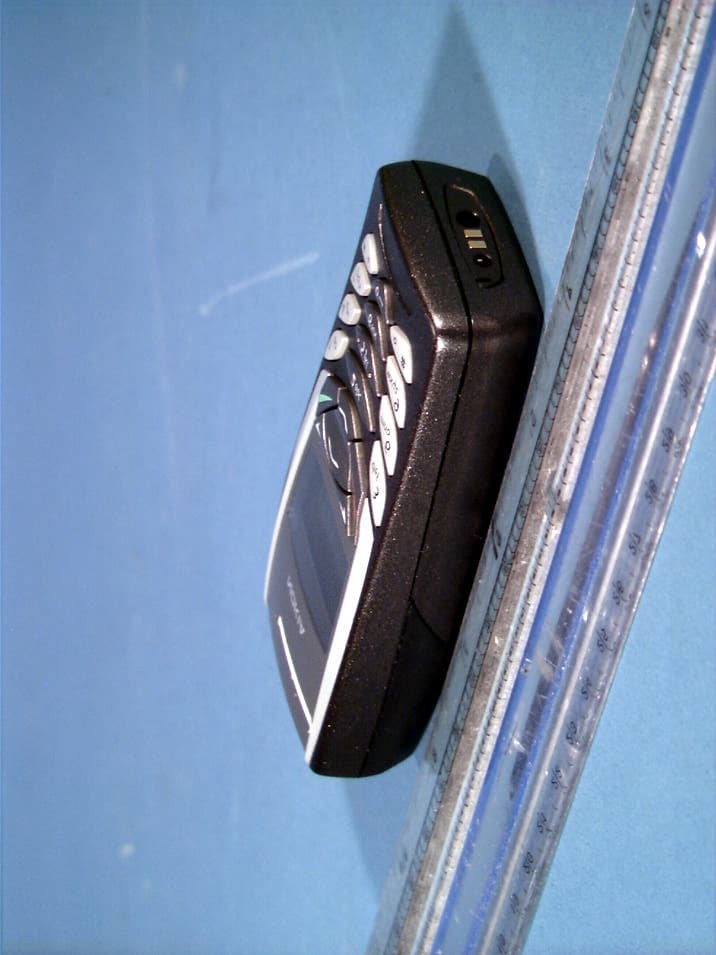
Click to zoom
Application Details
- Equipment Class
- TNE - Licensed Non-Broadcast Transmitter Held to Ear
- Date of Grant
- Aug 14, 2002
- Application Purpose
- Original Equipment
- Date of Application
- Aug 14, 2002
- Equipment Note
- Dual Mode CDMA Cellular Telephone
- Frequency Range
- 824.70000000 - 848.31000000
- Company
- Microsoft Corporation
- Country
- United States
Documents & Files
Document Text
Text extracted from the exhibit documents filed with the FCC. Open a document above to read the original.
Users Manual
DRAFT [ i ] Menu shortcuts . . . . . . . . . . . . . . . . . . . . . . . . . . . . . . . . . . . . . . . . . . . . . 4 1Welcome . . . . . . . . . . . . . . . . . . . . . . . . . . . . . . . . . . . . . . . . . . . . . 6 Get the most out of this guide. . . . . . . . . . . . . . . . . . . . . . . . . . . . . . . . . 6 Understand wireless network services. . . . . . . . . . . . . . . . . . . . . . . . . . . 8 Learn about Accessibility solutions . . . . . . . . . . . . . . . . . . . . . . . . . . . . . 9 Contact Nokia . . . . . . . . . . . . . . . . . . . . . . . . . . . . . . . . . . . . . . . . . . . . . 10 REGISTER YOUR PHONE . . . . . . . . . . . . . . . . . . . . . . . . . . . . . . . . . . . . .12 E-NEWSLETTERS . . . . . . . . . . . . . . . . . . . . . . . . . . . . . . . . . . . . . . . . . . .12 Contact your service provider . . . . . . . . . . . . . . . . . . . . . . . . . . . . . . . .12 2About your phone . . . . . . . . . . . . . . . . . . . . . . . . . . . . . . . . . . . . . 13 Your Nokia 8280 phone . . . . . . . . . . . . . . . . . . . . . . . . . . . . . . . . . . . . .13 About the antenna . . . . . . . . . . . . . . . . . . . . . . . . . . . . . . . . . . . . . . . . .14 About the battery . . . . . . . . . . . . . . . . . . . . . . . . . . . . . . . . . . . . . . . . . .14 Switch your phone on or off . . . . . . . . . . . . . . . . . . . . . . . . . . . . . . . . .17 Check the Start screen . . . . . . . . . . . . . . . . . . . . . . . . . . . . . . . . . . . . . .18 Learn about the keys. . . . . . . . . . . . . . . . . . . . . . . . . . . . . . . . . . . . . . . .18 Make and answer calls . . . . . . . . . . . . . . . . . . . . . . . . . . . . . . . . . . . . . . 21 Review phone symbols . . . . . . . . . . . . . . . . . . . . . . . . . . . . . . . . . . . . . .22 Use the selection keys . . . . . . . . . . . . . . . . . . . . . . . . . . . . . . . . . . . . . .23 View your phone’s help system . . . . . . . . . . . . . . . . . . . . . . . . . . . . . . .24 Browse phone menus . . . . . . . . . . . . . . . . . . . . . . . . . . . . . . . . . . . . . . .24 Menu and menu shortcuts . . . . . . . . . . . . . . . . . . . . . . . . . . . . . . . . . . .26 Phone book menu . . . . . . . . . . . . . . . . . . . . . . . . . . . . . . . . . . . . . . . . . .33 3Phone setup. . . . . . . . . . . . . . . . . . . . . . . . . . . . . . . . . . . . . . . . . . 35 Learn about your headset. . . . . . . . . . . . . . . . . . . . . . . . . . . . . . . . . . . .35 Adjust the volume . . . . . . . . . . . . . . . . . . . . . . . . . . . . . . . . . . . . . . . . . .36 Adjust screen contrast . . . . . . . . . . . . . . . . . . . . . . . . . . . . . . . . . . . . . .36 Lock keypad (Keyguard) . . . . . . . . . . . . . . . . . . . . . . . . . . . . . . . . . . . . .36 4Text entry . . . . . . . . . . . . . . . . . . . . . . . . . . . . . . . . . . . . . . . . . . . 37 Enter letters and numbers . . . . . . . . . . . . . . . . . . . . . . . . . . . . . . . . . . .37 Write using ABC and 123 modes . . . . . . . . . . . . . . . . . . . . . . . . . . . . . .38 Write with predictive text . . . . . . . . . . . . . . . . . . . . . . . . . . . . . . . . . . . 41 5Phone book . . . . . . . . . . . . . . . . . . . . . . . . . . . . . . . . . . . . . . . . . . 45 Saving names and numbers . . . . . . . . . . . . . . . . . . . . . . . . . . . . . . . . . .45 DRAFT [ ii ] Recall names and numbers . . . . . . . . . . . . . . . . . . . . . . . . . . . . . . . . . . 46 Use phone book menus . . . . . . . . . . . . . . . . . . . . . . . . . . . . . . . . . . . . . 46 Edit a name or number . . . . . . . . . . . . . . . . . . . . . . . . . . . . . . . . . . . . . 48 Add a number to a phone book entry . . . . . . . . . . . . . . . . . . . . . . . . . 48 Erase stored names and numbers. . . . . . . . . . . . . . . . . . . . . . . . . . . . . 50 Add other information to a phone book entry . . . . . . . . . . . . . . . . . . .51 Use caller groups . . . . . . . . . . . . . . . . . . . . . . . . . . . . . . . . . . . . . . . . . . .51 Check memory status . . . . . . . . . . . . . . . . . . . . . . . . . . . . . . . . . . . . . . 52 6Call log . . . . . . . . . . . . . . . . . . . . . . . . . . . . . . . . . . . . . . . . . . . . . 53 Check missed, received, or dialed calls . . . . . . . . . . . . . . . . . . . . . . . . 54 Clear call lists . . . . . . . . . . . . . . . . . . . . . . . . . . . . . . . . . . . . . . . . . . . . 55 Use call timers . . . . . . . . . . . . . . . . . . . . . . . . . . . . . . . . . . . . . . . . . . . . 56 Turn on a current call timer . . . . . . . . . . . . . . . . . . . . . . . . . . . . . . . . . 57 Clear call timers. . . . . . . . . . . . . . . . . . . . . . . . . . . . . . . . . . . . . . . . . . . 57 7Voice mailbox . . . . . . . . . . . . . . . . . . . . . . . . . . . . . . . . . . . . . . . . 58 Store your voice mailbox number . . . . . . . . . . . . . . . . . . . . . . . . . . . . 58 Set greetings . . . . . . . . . . . . . . . . . . . . . . . . . . . . . . . . . . . . . . . . . . . . . 58 Listen to your voice messages . . . . . . . . . . . . . . . . . . . . . . . . . . . . . . . 59 8Text messages . . . . . . . . . . . . . . . . . . . . . . . . . . . . . . . . . . . . . . . . 60 Write a text message . . . . . . . . . . . . . . . . . . . . . . . . . . . . . . . . . . . . . . 60 Use message templates. . . . . . . . . . . . . . . . . . . . . . . . . . . . . . . . . . . . . 63 Learn about e-mail text messages . . . . . . . . . . . . . . . . . . . . . . . . . . . . 64 Receive text messages . . . . . . . . . . . . . . . . . . . . . . . . . . . . . . . . . . . . . 65 Respond to a text message. . . . . . . . . . . . . . . . . . . . . . . . . . . . . . . . . . 65 Reply to a message . . . . . . . . . . . . . . . . . . . . . . . . . . . . . . . . . . . . . . . . 66 Erase messages . . . . . . . . . . . . . . . . . . . . . . . . . . . . . . . . . . . . . . . . . . . 67 Message settings . . . . . . . . . . . . . . . . .…
Text truncated - open the document above for the full version.
Cover Letter(s)
2-pager 7/19/2002 Kristin Wyman Diva 8280 Nokia Mobile Phones - confidential Fun Fashion with versatility through changeable covers, downloadable ringtones, and messaging! Unique Selling Points • Latest look and feel with color covers, material and design elements • Small and light to carry • 10 Personal ring tune slots Sales argumentation: • Only 88cc and 3.8 oz (estimation) • CDMA 800 and AMPS and 1X * Designed for Fashion • Unique and appealing design • User changeable front covers with colored lens for different lifestyle tonalities • Carefully selected color range • Appeals to a broad range of fashion conscious users * Lifestyle Personalization • Stylish user changeable Xpress-on colour covers and keymats. • Profiles allow adjustment of phone to your environment and lifestyle • Personal ringing tones identify the calling party • Animated menu graphics * Ergonomic Design • Small without sacrificing functionality, features and performance • Internal vibra and side volume keys • Internal Antenna * Ease of Use • User friendly soft key interface and consistent Nokia UI • Predictive text input for easier & faster message writing • Language support for English (British English), Spanish, Portugese, Hindi * Advanced Wireless Solutions • Openwave browser 4.1 enables access to online services 2-Pager Diva 7/19/2002 Kristin Wyman Diva Nokia Mobile Phones - con fidential TECHNICAL DATA DIMENSIONS • Volume: • Weight: with standard batttery (estimation):109.78g • Length : 107mm • Width: 47.7mm • Thickness: 22.1mm KEY FEATURES Display and Keypad • Illuminated graphical B/W display • Resolution 96x65 pixel support • Local language support • 6 control keys, number keys, power key and side volume keys • Two color key pad • White lighting for better viewing Hardware characteristics • Internal antenna • X-Press on covers • Ringing volume 105dB at 5cm • 1000 mAh Li-ion battery • Internal vibra alert • CDMA 800 • AMPS UI features • 500 Memory locations (names, numbers and E- Mail) • Profiles –as well as timed profiles • SMS (mobile terminated and originated) • Graphical CLI icons • Predictive text input for all the main languages • Vibra Shock for gaming • Games: Snake II, Space Impact, Pass ‘n Rush, Bumper and Racket • Calendar ACCESSORIES • BLB-3 1000 mAh Li-ion battery • ACP-7 Standard charger (in box) (U,E,AR) • ACP-8 Rapid Travel charger (U,E) • ACP-12 Hippo (Markus Aarnio) (UB and AR) • LCH-9 Cigarette Lighter Charger • HDC-5 Headset, with button 1 earpiece • HDE-2 Headset, No button • HDB-5 Boom Headset (coming after launch) • HDC-10 Retractable Headset (coming after launch) • PPH-1 Plug & play handsfree support • HFM-8 Microphone for PPH-1 • MBD-11 Mobile holder • LPS-3 Loopset • Car kit (PPH-1) CARK-141 Express • 3 Carrying cases • 4 X-Press-on color covers (Blue, Pink, Purple and Orange) POWER MANAGEMENT Battery Capacity (mAh) Talk time Standby Li-Ion BLB-3 1000 mAh ??? min digital * ??? hrs digital * ??? min analog * ??? hrs analog * * times to be verified CHARGING TIMES ACP-7 ACP-8 ACP-12 ??? hrs ??? hrs ??? hrs In case this document is used as a source for creating printed material, please contact the document owner Kristin Wyman for latest vesion.
Cover Letter(s)
Federal Communications Commission DA 00-132 Before the Federal Communications Commission Washington, D.C. 20554 In the Matter of 911 Call Processing Modes ) ) ) WT Docket No. 99-328 ORDER Adopted: January 27, 2000 Released: January 28, 2000 By the Chief, Wireless Telecommunications Bureau: I. INTRODUCTION AND BACKGROUND 1. In its Second Report and Order in the Wireless E911 Rulemaking, CC Docket No. 94- 102, 1 the Commission adopted Section 22.921 of its rules, 47 C.F.R.§ 22.921. To help improve 911 call completion, this rule requires new analog wireless handsets, and multimode handsets when operating in analog mode, to be able to complete 911 calls to either analog carrier in an area, regardless of the programming of the handset for non-911 calls. The rule takes effect on February 13, 2000. 2 Further, the Commission approved three proposed 911 call processing modes, while stating general principles for other acceptable modes and encouraging the development of further improvements in 911 call completion, including the extension of improved calling methods to digital services. 3 The Commission delegated authority to the Wireless Telecommunications Bureau (Bureau) to consider and approve, deny, or approve with modification new or revised 911 call processing modes. 4 2. On October 27, 1999, Nokia, Inc. filed a letter with the Bureau requesting approval for an alternate 911 call completion method for Nokia’s multi-mode products, including both digital and analog transmission technologies. 5 Nokia describes its method as based on the Automatic A/B Roaming- Intelligent Retry (A/B-IR) method approved in the Second Report and Order, but going further to attempt call completion on all systems on which a handset is capable of operating, including both analog and digital modes. Specifically, Nokia states that its multi-mode handsets will be programmed with the capability to access all systems on which they have the capacity for operating. 6 When a 911 call is dialed, 1 Revision of the Commission’s Rules To Ensure Compatibility With Enhanced 911 Emergency Calling Systems, CC Docket No. 94-102, Second Report and Order, 14 FCC Rcd 10954 (1999). (Second Report and Order). 2 Id. at 10992. See also Revision of the Commission’s Rules To Ensure Compatibility With Enhanced 911 Emergency Calling Systems, CC Docket No. 94-102, Third Memorandum Opinion and Order, FCC 00-7, released January 13, 2000 (Third Memorandum Opinion and Order) at paras. 5-8. 3 Second Report and Order, 14 FCC Rcd at 10993. 4 Id. at 10993, 10995. 5 Letter from David Siddall, Counsel to Nokia, to Thomas Sugrue, Chief, Wireless Telecommunications Bureau, Oct. 27, 1999 (Nokia Request). 6 Nokia Request at 3. Federal Communications Commission DA 00-132 2 the Nokia handset will first attempt to complete the call with the “presently acquired system,” 7 i.e., the system the handset is currently using for non-emergency calls, whether this system is analog or digital. If the call cannot be completed with that system, the handset will next attempt to complete the call using the handset’s preferred roaming list (PRL). If the call cannot be completed on any of the preferred systems, the handset will attempt to complete the call on any and all additional systems on which it is capable of operating, analog or digital, regardless of the handset’s programmed preferences. 8 3. In a Public Notice in this docket, the Bureau sought comment on this proposal, in particular on whether the proposed method is consistent with the Commission’s rules and the principles set out by the Commission for 911 call processing modes. 9 Comments supporting the proposal were filed by AT&T, Cellular Telecommunications Industry Association (CTIA), and the National Emergency Number Association (NENA). The Wireless Consumer’s Alliance, Inc. (WCA) filed comments opposing the proposal, claiming that the Nokia proposal does not meet conditions adopted by the Commission to mitigate against “lock-in” of calls on the caller’s preferred carrier and delays in 911 call processing. 10 In response to the WCA comments and to Bureau staff requests, Nokia supplied additional information to justify approval of its proposed 911 call completion method. 11 On December 30, 1999, Nokia requested a deferral of the February 13, 2000 deadline for Nokia’s multi-mode handsets until four months after the Commission rules on its call completion proposal, to allow time to implement necessary changes in those handsets. 12 In response to Bureau staff requests, Nokia subsequently provided additional information to justify the requested extension. 13 II. DISCUSSION 4. Based on our review of the Nokia request and the record, we approve Nokia’s proposed 911 call completion method, subject to the same two conditions that the Commission imposed in the Second Report and Order to address lock-in concerns associated with the A/B-IR call completion method. 14 First, the handset must provide effective feedback to inform the user when 911 call processing is underway and has not finished, for example in the form of an audible tone or message in addition to a 7 Id., Attachment at 4. 8 Id at 3. 9 Public Notice, “Comments Sought on 911 Call Processing Method Proposed by Nokia,” DA 99-2508, released Nov.10, 1999. 10 WCA Comments in Opposition to the Nokia Application (WCA Comments). See also Letter from Carl Hilliard, WCA, to Magalie Roman Salas, Secretary, FCC, January 11, 2000 (WCA January 11 Ex parte Letter). 11 See Letter from David Siddall, Counsel to Nokia, to Magalie Roman Salas, Secretary, FCC, December 30, 2000 (Nokia December 30 Ex Parte Letter); Letter from David Siddall, Counsel to Nokia, to Magalie Roman Salas, Secretary, FCC, January 19, 2000 (Nokia January 19 Ex Parte Letter). 12 Letter from David Siddall, Counsel to Nokia, to Thomas Sugrue, Chief, Wireless Telecommunications Bureau, Dec. 30, 1999 (Nokia Waiver Letter) at 2. 13 See Letter from David Siddall, Counsel to Nokia, to Kris Monteith, Chief, Policy Divi…
Text truncated - open the document above for the full version.
External Photos
© 2002 PCTEST Lab NOKIA FCC ID: GMLRH-10 (Model: 8280) Dual-Mode Cellular Phone (AMPS/CDMA) © 2002 PCTEST Lab NOKIA FCC ID: GMLRH-10 (Model: 8280) Dual-Mode Cellular Phone (AMPS/CDMA) © 2002 PCTEST Lab NOKIA FCC ID: GMLRH-10 (Model: 8280) Dual-Mode Cellular Phone (AMPS/CDMA) © 2002 PCTEST Lab NOKIA FCC ID: GMLRH-10 (Model: 8280) Dual-Mode Cellular Phone (AMPS/CDMA) © 2002 PCTEST Lab NOKIA FCC ID: GMLRH-10 (Model: 8280) Dual-Mode Cellular Phone (AMPS/CDMA) © 2002 PCTEST Lab NOKIA FCC ID: GMLRH-10 (Model: 8280) Dual-Mode Cellular Phone (AMPS/CDMA)
ID Label/Location Info
2 1 HDB86 Type Label DMP06390 1.0 2.0 A3 2:1 -------- awhittem 042402 awhittem 061402 kwyman 042602 awhittem 042402 Printing File See Table for Printing File Continuous Sheet DMD05097 9380930 - - - - - 1 1 11 Layout 2:1 Printing File Proto Scale 1:1 NOTE: Artwork pictures are only examples; in production, the correct data is read from transceiver/production database. To be printed in NMP production using Thermal Transfer printer 600dpi and Thermal Transfer Ribbon 5095 NMP Code 9730000 color black. PRINTING FILEDESCRIPTION Generic Printing File (300dpi)print3.pcx Proto Printing File (600dpi)proto6.pcx Generic Printing File (600dpi) Sold in Brazil (300dpi) Sold in Brazil (600dpi) print6.pcx Proto Printing File (300dpi)proto3.pcx brazil3.pcx brazil6.pcx Reynosa MEXICO JANUARY FEBRUARY MARCH APRIL MAY JUNE JULY AUGUST SEPTEMBER OCTOBER NOVEMBER DECEMBER A B C D E F G H I J K L A...Z A...Z A...Z 01 ... 31 R 2001 I 2002 J 2003 K 2004 L 2005 M MONTH (M) LETTERDATE (DD) FACTORY (F) LETTER LINE (L) LETTER YEAR (Y) FW Alliance USA T See User Manual for Patent Numbers FCC ID: GMLRH-10 ANATEL: 049099-AMS1234 Model: 8280 Type: RH-10 ESN HEX: 123456789123 ESN: 1234567891234567891 Code: 12345678MYDDFL MADE IN BRAZIL Date Code (See Table Below) 1.5 0.2 Typical Minimum Clearance to Label Outline Boxes Represent Bar Codes (Type 128B/C) All Text is Arial, Font Size 4 Anatel Logo (Required for Phones Sold in Brazil Only) See User Manual for Patent Numbers FCC ID: GMLRH-10 ANATEL: 049099-AMS1234 Model: 8280 Type: RH-10 ESN HEX: 123456789123 ESN: 1234567891234567891 Code: 12345678MYDDFL MADE IN BRAZIL Ver Manual de Usuario para Números de Patentes FCC ID: GMLRH-10 ANATEL: 049099-AMS1234 Model: 8280 Type: RH-10 ESN HEX: 123456789123 ESN: 1234567891234567891 Code: 12345678MYDDFL INDÚSTRIA BRASILEIRA / HECHO EN BRASIL Sample Label 1 Factory - Manaus, Sales - LSA Scale 1:1 Sample Label 3 Factory - Manaus, Sales - India Scale 1:1 Sample Proto Label Scale 1:1 PROPERTY OF NOKIA MADE IN USA FCC ID: GMLRH-10 HW ID: 1234 Model: 8280 Type: RH-10 PSN: XX123456 ESN: 1234567891234567891 Code: 12345678MYDDFL PROTO B3.0 Printing File BRAZIL Scale 1:1 Printing File Generic Scale 1:1 FCC ID: ANATEL: Model: 8280 Type: RH-10 ESN HEX: ESN: Code: PROPERTY OF NOKIA MADE IN USA FCC ID: HW ID: Model: 8280 Type: RH-10 PSN: ESN: Code: PROTO B Sample Label 2 Factory - Manaus, Sales - Brazil Scale 1:1 FCC ID: GMLRH-10 ANATEL: 049099-AMS1234 Modelo: 8280 Tipo: RH-10 ESN HEX: 123456789123 ESN: 1234567891234567891 Código: 12345678MYDDFL INDÚSTRIA BRASILEIRA Ver Manual do Usuário para Números de Patentes PRODUZIDO NO PÓLO INDUSTRIAL DE MANAUS FCC ID: ANATEL: Modelo: 8280 Tipo: RH-10 ESN HEX: ESN: Código:
ID Label/Location Info
© 2002 PCTEST Lab FCC ID SAMPLE LABEL & LOCATION LABELLING REQUIREMENTS PER §§ 2.925 The Label shown shall be permanently affixed at a conspicuous location on the device and be readily visible to the user at the time of purchase. (SEE NEXT PAGE)
ID Label/Location Info
Material Sheet 1 of 1 Original Scale Original Size A4 1:1 NMP Code Item Name Document Number Doc. Vers. Name / Date Change Ref. Approved / Date Original Designer FUNCTIONAL CHARACTERISTICS KEY MAIN FUNCTIONAL CHARACTERISTIC MAIN FUNCTIONAL CHARACTERISTIC ( Proof of Process Capability Required ) Copyright c Nokia Mobile Phones. All rights reserved THIS DRAWING IS PROTECTED BY COPYRIGHT AS AN UNPUBLISHED WORK UNAUTHORIZED REPRODUCTION OF THIS DRAWING IS NOT PERMITTED THIS DRAWING CONTAINS PROPRIETARY AND CONFIDENTIAL INFORMATION This document is the property of Nokia Mobile Phones HDB86 Type Label On B-Cover 0.1 awhittem 070502 awhittem 070502 ------ ------ FCC ID: GMLRH-10 ANATEL: 049099-AMS1234 Modelo: 8280 Tipo: RH-10 ESN HEX: 123456789123 ESN: 1234567891234567891 Código: 12345678MYDDFL INDÚSTRIA BRASILEIRA Ver Manual do Usuário para Números de Patentes PRODUZIDO NO PÓLO INDUSTRIAL DE MANAUS
Internal Photos
© 2002 PCTEST Lab NOKIA FCC ID: GMLRH-10 (Model: 8280) Dual-Mode Cellular Phone (AMPS/CDMA) © 2002 PCTEST Lab NOKIA FCC ID: GMLRH-10 (Model: 8280) Dual-Mode Cellular Phone (AMPS/CDMA) © 2002 PCTEST Lab NOKIA FCC ID: GMLRH-10 (Model: 8280) Dual-Mode Cellular Phone (AMPS/CDMA) © 2002 PCTEST Lab NOKIA FCC ID: GMLRH-10 (Model: 8280) Dual-Mode Cellular Phone (AMPS/CDMA) © 2002 PCTEST Lab NOKIA FCC ID: GMLRH-10 (Model: 8280) Dual-Mode Cellular Phone (AMPS/CDMA) © 2002 PCTEST Lab NOKIA FCC ID: GMLRH-10 (Model: 8280) Dual-Mode Cellular Phone (AMPS/CDMA) © 2002 PCTEST Lab NOKIA FCC ID: GMLRH-10 (Model: 8280) Dual-Mode Cellular Phone (AMPS/CDMA) © 2002 PCTEST Lab NOKIA FCC ID: GMLRH-10 (Model: 8280) Dual-Mode Cellular Phone (AMPS/CDMA) © 2002 PCTEST Lab NOKIA FCC ID: GMLRH-10 (Model: 8280) Dual-Mode Cellular Phone (AMPS/CDMA)
RF Exposure Info
DRAFT [ 133 ] 15 off before you can make an emergency call. Consult this user guide and your local cellular service provider. •When making an emergency call, remember to give all the necessary information as accurately as possible. Remember that your wireless phone may be the only means of communication at the scene of an accident - do not end the call until given permission to do so. • CERTIFICATION INFORMATION (SAR) THIS MODEL PHONE MEETS THE GOVERNMENT'S REQUIREMENTS FOR EXPOSURE TO RADIO WAVES. Your wireless phone is a radio transmitter and receiver. It is designed and manufactured not to exceed the emission limits for exposure to radio frequency (RF) energy set by the Federal Communications Commission of the U.S. Government. These limits are part of comprehensive guidelines and establish permitted levels of RF energy for the general population. The guidelines are based on standards that were developed by independent scientific organizations through periodic and thorough evaluation of scientific studies. The standards include a substantial safety margin designed to assure the safety of all persons, regardless of age and health. The exposure standard for wireless mobile phones employs a unit of measurement known as the Specific Absorption Rate, or SAR. The SAR limit set by the FCC is 1.6W/kg.* Tests for SAR are conducted using standard operating positions accepted by the FCC with the phone transmitting at its highest certified power level in all tested frequency bands. Although the SAR is determined at the highest certified power level, the actual SAR level of the phone while operating can be well below the maximum value. This is because the phone is designed to operate at multiple power levels so as to use only the power required to reach the network. In general, the closer you are to a wireless base station antenna, the lower the power output. DRAFT [ 134 ] 1 Before a phone model is available for sale to the public, it must be tested and certified to the FCC that it does not exceed the limit established by the government-adopted requirement for safe exposure. The tests are performed in positions and locations (for example, at the ear and worn on the body) as required by the FCC for each model. The highest SAR value for this model phone as reported to the FCC when tested for use at the ear is 1.20 W/kg and when worn on the body, as described in this user guide, is 1.24 W/kg. (Body-worn measurements differ among phone models, depending upon available accessories and FCC requirements). While there may be differences between the SAR levels of various phones and at various positions, they all meet the government requirement. The FCC has granted an Equipment Authorization for this model phone with all reported SAR levels evaluated as in compliance with the FCC RF exposure guidelines. SAR information on this model phone is on file with the FCC and can be found under the Display Grant section of http://www.fcc.gov/oet/fccid after searching on FCC ID GMLRH-10. For body worn operation, this phone has been tested and meets the FCC RF exposure guidelines for use with an accessory that contains no metal and that positions the handset a minimum of 5/8 inch (1.5 cm) from the body. Use of other accessories may not ensure compliance with FCC RF exposure guidelines. If you do not use a body worn accessory, and are not holding the phone at the ear, position the handset a minimum of 5/8 inch (1.5 cm) from your body when the phone is switched on. *In the United States and Canada, the SAR limit for mobile phones used by the public is 1.6 watts/kilogram (W/kg) averaged over one gram of tissue. The standard incorporates a substantial margin of safety to give additional protection for the public and to account for any variations in measurements. SAR values may vary depending on national reporting requirements and the network band. For SAR information in other regions please look under product information at: http://www.nokia.com.
RF Exposure Info
TCC Copenhagen Reg. Nr. 416 ___________________________________________________________________________________________ ___________________________________________________________________________________________ Copyright TCC Cph, Nokia Danmark A/S, Frederikskaj, DK-1790 Copenhagen V, Denmark Tel. +4533292929 Fax. +4533292001 2 (21) SAR Test Report (Template / version 1.0) Test Report no.: DTX04743-EN TCC CO Testreport Docman – Server: colns02m/Co1NMP/Nokia – Filename: nmp\DOCMAN\tcccodm.nsf CONTENTS 1.SUMMARY FOR SAR TEST REPORT.................................................................................................... 4 1.1 M AXIMUM R ESULTS F OUND DURING SAR E VALUATION .............................................................................. 4 1.1.1 H EAD C ONFIGURATION ..................................................................................................................... 4 1.1.2 B ODY W ORN C ONFIGURATION .......................................................................................................... 4 1.1.3 M EASUREMENT U NCERTAINTY .......................................................................................................... 4 2.DESCRIPTION OF THE DEVICE.............................................................................................................. 4 2.1 P ICTURE OF GMLRH-10 (NOKIA 8280) .................................................................................................. 5 2.2 D ESCRIPTION OF THE ANTENNA ................................................................................................................. 5 2.3 B ATTERY ................................................................................................................................................. 5 2.4 A CCESSORIES .......................................................................................................................................... 5 3.TEST CONDITIONS .................................................................................................................................. 6 3.1 T EMPERATURE AND H UMIDITY .................................................................................................................. 6 3.2 T EST SIGNAL , FREQUENCIES , AND OUTPUT POWER .................................................................................... 6 4.DESCRIPTION OF THE TEST EQUIPMENT ........................................................................................... 7 4.1 M ANUFACTURER OF DASY3..................................................................................................................... 7 4.2 R OBOT .................................................................................................................................................... 7 4.3 I SOTROPIC E- FIELD PROBE ET3DV6R ...................................................................................................... 8 4.4 D EVICE HOLDER ....................................................................................................................................... 8 4.5 D IPOLE ANTENNAS FOR VALIDATION .......................................................................................................... 8 4.6 P HANTOM ................................................................................................................................................ 9 4.7 L IQUID DEPTH .......................................................................................................................................... 9 4.8 C ALIBRATION AND VALIDATION PROCEDURES ........................................................................................... 10 4.9 S YNTHETIC HEAD TISSUE SIMULATING LIQUID PARAMETERS , MEASURED VALUES : ...................................... 11 4.10S YNTHETIC MUSCLE TISSUE SIMULATING LIQUID PARAMETERS , MEASURED VALUES : .............................. 11 4.11S YNTHETIC TISSUE SIMULATING LIQUID RECIPES .................................................................................. 11 4.11.1835 MH Z ................................................................................................................................... 11 5.DESCRIPTION OF THE TEST PROCEDURE........................................................................................ 12 5.1 T EST POSITIONS ..................................................................................................................................... 12 5.1.1 C HEEK /T OUCH P OSITION ................................................................................................................ 12 5.1.2 E AR /T ILTED P OSITION .................................................................................................................... 13 5.1.3 P HOTOS OF SETUP ......................................................................................................................... 13 5.1.4 B ODY W ORN C ONFIGURATION ........................................................................................................ 14 5.2 S CAN P ROCEDURE ................................................................................................................................. 15 5.3 SAR AVERAGING METHODS .................................................................................................................... 15 6.MEASUREMENT UNCERTAINTY.......................................................................................................... 16 6.1 D ESCRIPTION OF MEASUREMENT UNCERTAINTY .…
Text truncated - open the document above for the full version.
Contact Information
Applicant
Hasnain Syed(Director, EMC, SI and RF Compliance)
Technical Contact
Nokia, Inc.Jerry Goertz
[email protected]858 831 4693
12278 Scripps Summitt Drive · San Diego, California · United States
Non-Technical Contact
Nokia, Inc.Klaus Kettunen
[email protected]858 831 4693
Technical Specifications
| # | Rule Parts | Frequency Range | Power Output | Emission | Tolerance |
|---|---|---|---|---|---|
| 3 | 22.901(d),22.901(d) | 824.7 MHz - 848.31 MHz | 337.00 mW | 1M25F9W | 300 Hz |
Other Applications from Microsoft Corporation

GMLRM-88A
Apr 11, 2006GSM 850/900/1800/1900MHz Cellphone w/BT
Equipment Class
JBP - Part 15 Class B Computing Device Peripheral
GMLRM-88
Jan 19, 2006GSM 850/900/1800/1900MHz Cellphone w/BT
Equipment Class
DSS - Part 15 Spread Spectrum Transmitter
GMLNPM-10X
Oct 29, 2003Dual Band Mobile Phone
Equipment Class
PCE - PCS Licensed Transmitter held to ear
GMLRH-25
Sep 10, 2003Tri mode Dual Band Cellular Phone
Equipment Class
PCE - PCS Licensed Transmitter held to ear
GMLRH-42
Aug 27, 2003Nokia 2220 single band cellphone
Equipment Class
TNE - Licensed Non-Broadcast Transmitter Held to Ear