GSS-VS14145Tablet PC
ViewSonic Corporation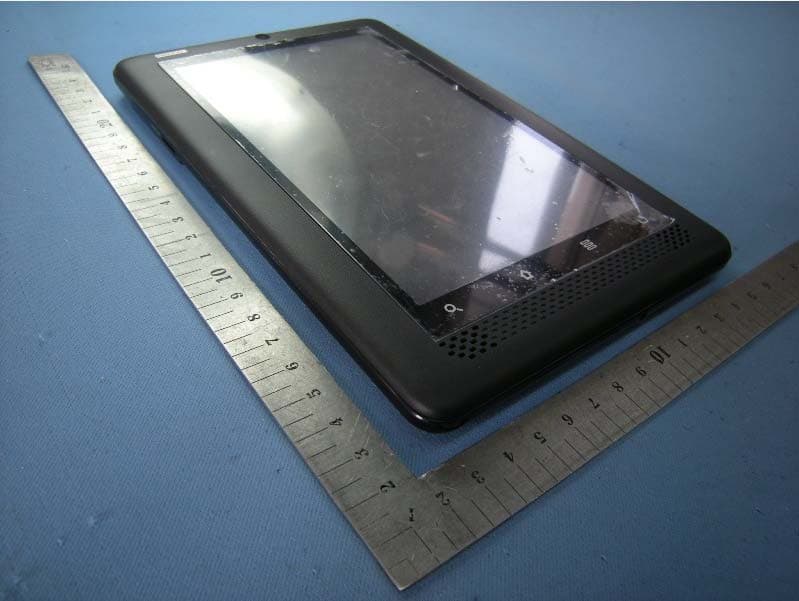
Click to zoom
Application Details
- Equipment Class
- DSS - Part 15 Spread Spectrum Transmitter
- Date of Grant
- Mar 31, 2011
- Application Purpose
- Original Equipment
- Date of Application
- Mar 31, 2011
- Equipment Note
- Tablet PC
- Frequency Range
- 2402.00000000 - 2480.00000000
- Company
- ViewSonic Corporation
- Country
- United States
Documents & Files
Document Text
Text extracted from the exhibit documents filed with the FCC. Open a document above to read the original.
Users Manual
Compliance Information Notice for the USA Federal Communication Commission (FCC) Radiation Exposure Statement This device complies with part 15 of FCC Rules. Operation is subject to the following two conditions: (1) this device may not cause harmful interference, and (2) this device must accept any interference received, including interference that may cause undesired operation. This equipment has been tested and found to comply with the limits for a Class B digital device, pursuant to part 15 of the FCC Rules. These limits are designed to provide reasonable protection against harmful interference in a residential installation. This equipment generates, uses, and can radiate radio frequency energy, and if not installed and used in accordance with the instructions, may cause harmful interference to radio communications. However, there is no guarantee that interference will not occur in a particular installation. If this equipment does cause harmful interference to radio or television reception, which can be determined by turning the equipment off and on, the user is encouraged to try to correct the interference by one or more of the following measures: Reorient or relocate the receiving antenna. Increase the separation between the equipment and receiver. Connect the equipment into an outlet on a circuit different from that to which the receiver is connected. Consult the dealer or an experienced radio/TV technician for help. Warning: You are cautioned that changes or modifications not expressly approved by the party responsible for compliance could void your authority to operate the equipment. For Canada This Class B digital apparatus complies with Canadian ICES-003. Cet appareil numérique de la classe B est conforme à la norme NMB-003 du Canada. This equipment complies with FCC radiation exposure limits set forth for an uncontrolled environment. This transmitter must not be co-located or operating in conjunction with any other antenna or transmitter. For body operation, ViewBook 730 (FCC ID: GSS-VS14145) has been tested and meets the FCC RF exposure guidelines when used directly against the body. Specific Absorption Rate, or SAR is a measurement of radio frequency energy. The FCC permits a maximum SAR value of 1.6 mW/g. The highest SAR value for this product when used on the body, as described in this user's guide, is 1.070W/1KG Industry Canada Notice This wireless module device complies with Canadian RSS-210.To prevent radio interference to the licensed service, this device is intended to be operated indoors and away from windows to provide maximum shielding. Equipment (or its transmitting antenna) that is installed outdoors is subject to licensing. The installer of this radio equipment must ensure that the antenna is located 1 or pointed such that it does not emit RF field in excess of Health Canada limits for the general population; consult Safety Code 6, obtainable from Health Canada’s web site www.hc-sc.gc.ca/rpb. 2 For European Count ries The device complies with the EMC Directive 2004/108/EC and Low Voltage Directive 2006/95/EC. Following information is only for EU-member states: The mark shown to the right is in compliance with the Waste Electrical and Electronic Equipment Directive 2002/96/EC (WEEE). The mark indicates the requirement NOT to dispose the equipment as unsorted municipal waste, but use the return and collection systems according to local law. If the batteries, accumulators and button cells included with this equipment, display the chemical symbol Hg, Cd, or Pb, then it means that the battery has a heavy metal content of more than 0.0005% Mercury or more than, 0.002% Cadmium, or more than 0.004% Lead. R&TT E Compliance Statement This wireless module device complies with the Essential Requirements of the R&TTE Directive of the European Union (1999/5/EC). This equipment meets the following conformance standards: ETSI EN 300 328 EN 301 489-01 EN 301 489-17 EN 62311 EMI/EMC : ETSI EN 301 489-1 V1.8.1:2008 ETSI EN 301 489-17 V2.1.1:2009 EN 55022:2006+A1:2007 EN 55024:1998+A1:2001+A2:2003 EN 61000-3-2:2006+A1:2009+A2:2009 EN 61000-3-3:2008 Safety : EN 60950-1:2006+A11:2009(EN 50332-2:2003) Bluetooth: ETSI EN300 328 V1.7.1:2006 3 Wireless LAN ETSI EN300 328 V1.7.1:2006 SAR : EN 50360: 2001 EN 50361: 2001 EN 62209-1: 2006 Earphones When a conductive apparatus such as earphones, is used in close proximity with a CRT television or CRT monitor, the latter may emit an electrostatic discharge. This electrostatic discharge can be felt as a static shock. While this static shock is usually harmless, it is good practice to avoid close contact with CRT devices when using earphones. Do not listen to audio on your ear buds or headphones at high volume for prolonged periods of time as hearing loss may result.. Do not listen to your audio device at high volume when driving, cycling or crossing the road, especially in heavy traffic, or in any other traffic condition where such use will hinder safe travel on the roads. We recommend that consumers be extremely cautious when using this device on the road. Embedded Battery Do not attempt to remove the embedded battery. The product must be disposed of according to local environmental regulations. To replace the battery, return your product to your regional support office. Do not expose to excessive heat such as sunlight, fire or the like. CAUTION: Risk of explosion if battery is replaced by incorrect types. Wireless LAN Device Switch off the device where it is prohibited, or when its use may cause danger or interference, such as when inside an aircraft, in hospitals, or near refueling stations. Bluetooth Product 4 The short wave radio frequency signals of a Bluetooth device may impair the operation of other electronic and medical devices. Switch off the device where it is prohibited. Do not use the device in medical facilities, aircraft, refueling points, close to automatic doors, automatic fire ala…
Text truncated - open the document above for the full version.
Cover Letter(s)
March 18, 2011 __________________________ ______________________ Jerry Wu, Compliance Manager Date ViewSonic Corporation
Cover Letter(s)
Date: Mar 11, 2011 FEDERAL COMMUNICATIONS COMMISSIONS Authorization and Evaluation Division 7435 Oakland Mills Road Columbia, MD 21046 Confidentiality Request Pursuant to Sections 0.457 and 0.459 of the Commission’s Rules, we, ViewSonic Corporation, hereby request confidential treatment of information accompanying this Application (FCC ID:GSS-VS14145) as outlined below: Exhibit Type Block Diagram, Schematics Operational Description Parts List The above materials contain trade secrets and proprietary information not customarily released to the public. The public disclosure of these matters might be harmful to us, ViewSonic Corporation, and provide unjustified benefits to its competitors. We, ViewSonic Corporation, understand that pursuant to Rule 0.457, disclosure of this Application (FCC ID: GSS-VS14145) and all accompanying documentation will not be made before the date of the for this application.
Cover Letter(s)
March 18, 2011 __________________________ ______________________ Jerry Wu, Compliance Manager Date ViewSonic Corporation
External Photos
PHOTOGRAPH OF THE EUT outside of the EUT
ID Label/Location Info
PRINTING SPECIFICATION PANTONE COOLGRAY 8CPANTONE WHITEPANTONE COOLGRAY 5CPANTONE 185 CPANTONE BLACK C 0.4 1.9 4.3 C/L C/L C/L 1.8 2.2 1.4 3.2 52.8 mm C/L 5.0 1.2 5.0 2.0
Internal Photos
PHOTOGRAPH OF THE EUT Inside of the EUT
Test Report
Page 1 of 44 47 CFR PART 15 C - BLUETOOTH TEST REPORT of ViewBook 730 Brand Name: ViewSonic Model Name: VS14145 Report No.: SH11030006B01 FCC ID: GSS-VS14145 IC: 4280A-VS14145 prepared for ViewSonic Corporation 381 Brea Canyon Road Walnut, CA 91789, USA prepared by Shenzhen Electronic Product Quality Testing Center Morlab Laboratory 3/F, Electronic Testing Building, Shahe Road, Xili, Nanshan District, Shenzhen, 518055 P. R. China Tel: +86 755 86130398 Fax: +86 755 86130218 NOTE: This test report can be duplicated completely for the legal use with the approval of the applicant; it shall not be reproduced except in full, without the written approval of Shenzhen Electronic Product Quality Testing Center Morlab Laboratory. Any objections should be raised to us within thirty workdays since the date of issue. Report No: SH11030006B01 Page 2 of 44 TABLE OF CONTENTS 1. TEST CERTIFICATION ........................................................................................................... 4 2. GENERAL INFORMATION .................................................................................................... 5 2.1 EUT Description ......................................................................................................................... 5 2.2 Test Standards and Results ........................................................................................................ 7 2.3 Facilities and Accreditations ...................................................................................................... 7 2.3.1 Facilities .................................................................................................................................... 7 2.3.2 Test Environment Conditions .................................................................................................... 8 2.4 EUT Setup and Operating Conditions ...................................................................................... 8 3. 47 CFR PART 15C&RSS 210 REQUIREMENTS .................................................................. 9 3.1 Number of Hopping Frequency ................................................................................................. 9 3.1.1 Requirement .............................................................................................................................. 9 3.1.2 Test Description ........................................................................................................................ 9 3.1.3 Test Result ................................................................................................................................. 9 3.2 Peak Output Power .................................................................................................................. 11 3.2.1 Requirement ............................................................................................................................ 11 3.2.2 Test Description ...................................................................................................................... 11 3.2.3 Test Result ............................................................................................................................... 11 3.3 20dB Bandwidth ....................................................................................................................... 17 3.3.1 Definition ................................................................................................................................ 17 3.3.2 Test Description ...................................................................................................................... 17 3.3.3 Test Result ............................................................................................................................... 17 3.4 Carried Frequency Separation ................................................................................................ 23 3.4.1 Definition ................................................................................................................................ 23 3.4.2 Test Description ...................................................................................................................... 23 3.4.3 Test Result ............................................................................................................................... 23 3.5 Time of Occupancy (Dwell time) ............................................................................................. 24 3.5.1 Requirement ............................................................................................................................ 24 3.5.2 Test Description ...................................................................................................................... 24 3.5.3 Test Result ............................................................................................................................... 24 3.6 Conducted Spurious Emissions ............................................................................................... 27 3.6.1 Requirement ............................................................................................................................ 27 Report No: SH11030006B01 Page 3 of 44 3.6.2 Test Description ...................................................................................................................... 27 3.6.3 Test Result ............................................................................................................................... 27 3.7 Band Edge ................................................................................................................................. 31 3.7.1 Requirement ............................................................................................................................ 31 3.7.2 Test Description ..............................................................................................................…
Text truncated - open the document above for the full version.
Test Setup Photos
Test setup photo CE RE
Contact Information
Applicant
Nelson Chou(Sr. Compliance Manager)
Test Firm
Shanghai Morlab Communications Technology Co.,Ltdzhang jun
Technical Specifications
| # | Rule Parts | Frequency Range | Power Output |
|---|---|---|---|
| 1 | 15C | 2.40 GHz - 2.48 GHz | 1.00 mW |
Other Applications from ViewSonic Corporation
GSSVS20085
Jun 12, 2024PJ-WPD-800
Equipment Class
DTS - Digital Transmission System
GSS-VS19147
Apr 06, 2022VB-WIFI-005
Equipment Class
NII - Unlicensed National Information Infrastructure TX
GSS-VS18518
Mar 10, 2021Bluetooth Conference Cam
Equipment Class
DSS - Part 15 Spread Spectrum Transmitter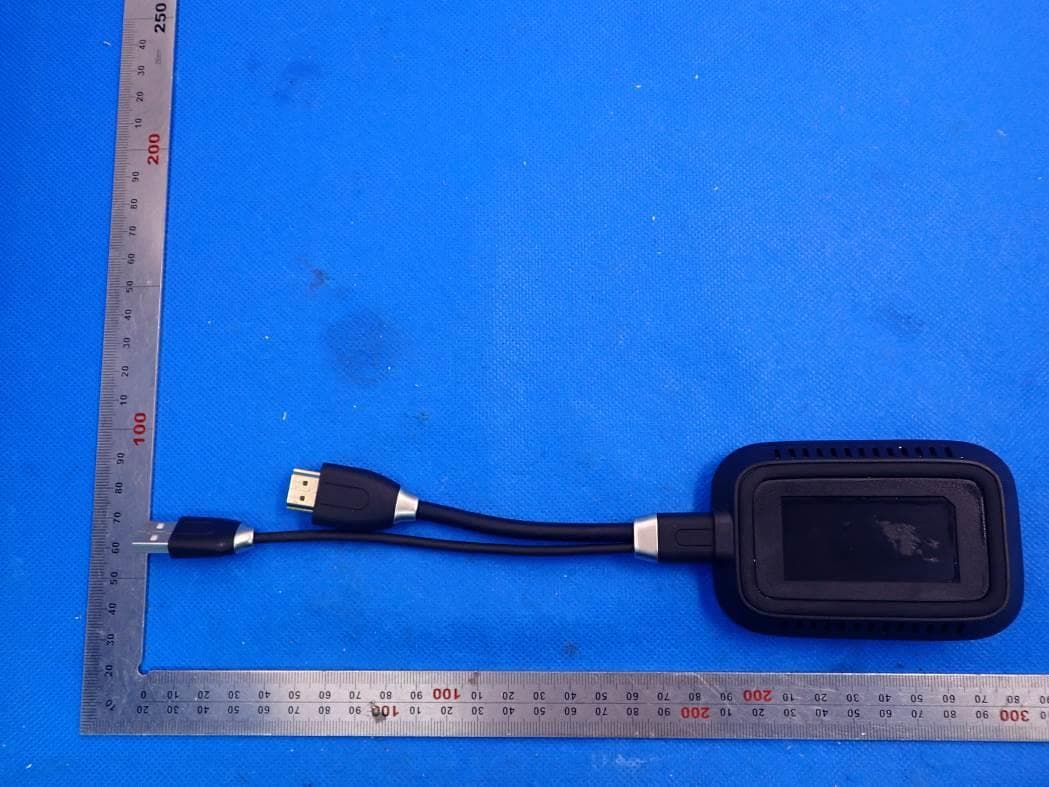
GSS-VS18189
Jan 24, 20212.4G & 5G WiFi ViewBoard Cast Button
Equipment Class
DTS - Digital Transmission System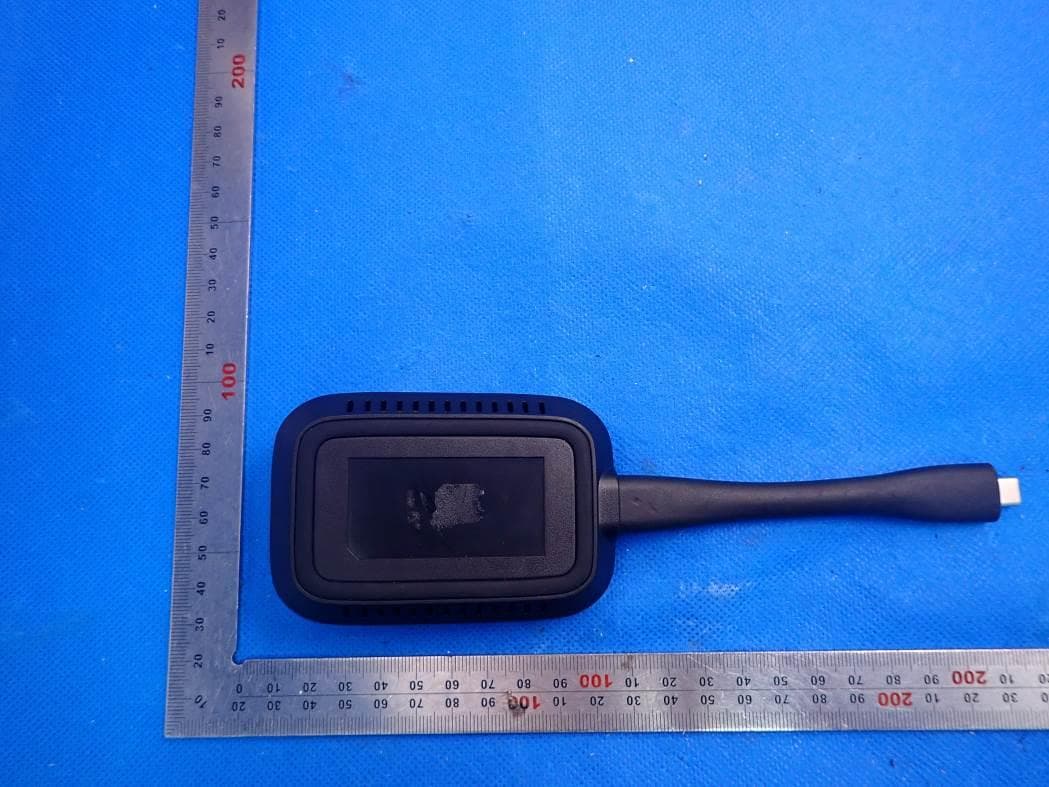
GSS-VS18188
Jan 19, 20212.4G & 5G WiFi ViewBoard Cast Button
Equipment Class
DTS - Digital Transmission System