HCQ3B6SSRL
Inovonics Wireless Corporation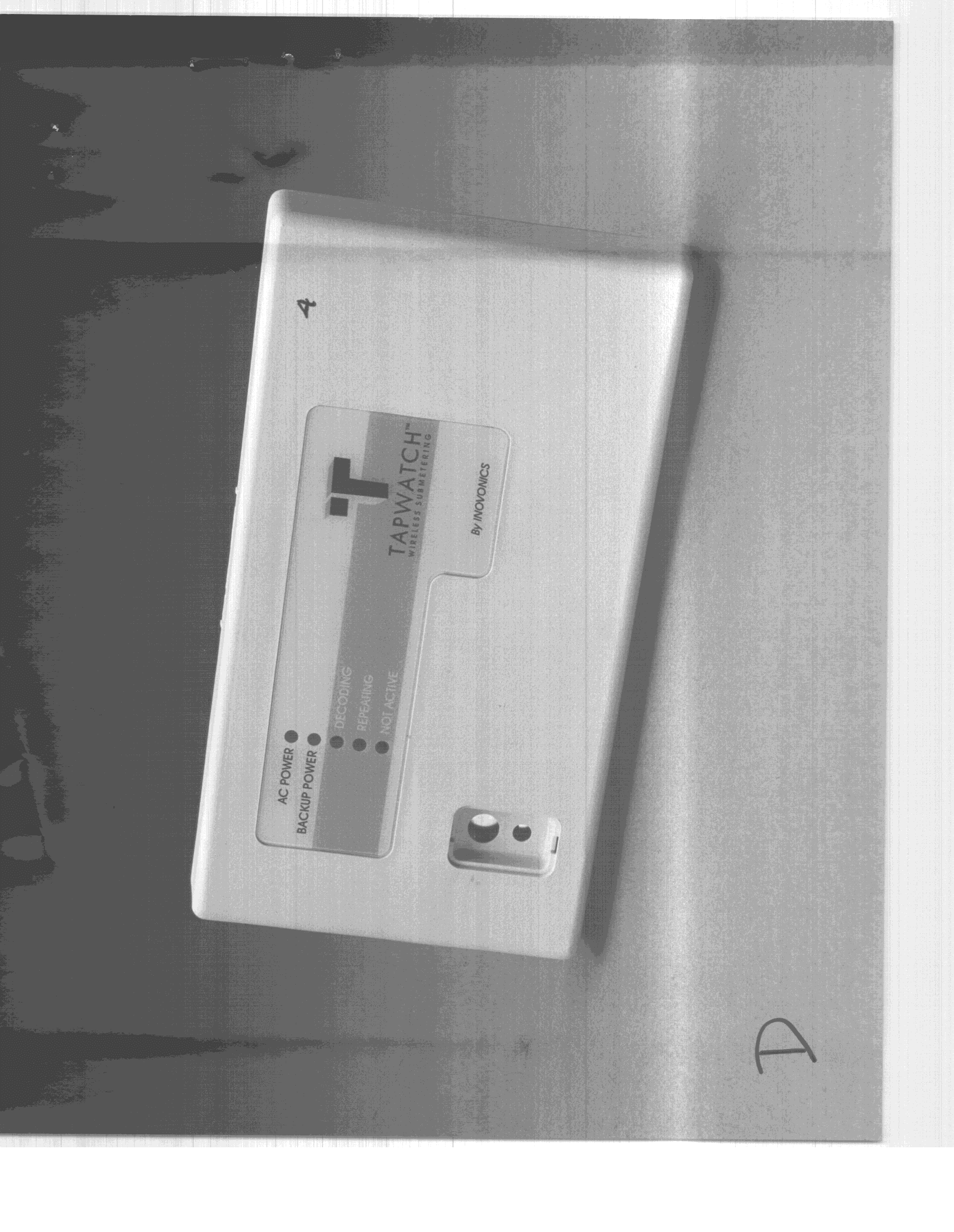
Click to zoom
Application Details
- Equipment Class
- DSS - Part 15 Spread Spectrum Transmitter
- Date of Grant
- Jun 08, 1999
- Application Purpose
- Original Equipment
- Date of Application
- Apr 19, 1999
- Frequency Range
- 906.00000000 - 920.00000000
- Country
- United States
Documents & Files
Document Text
Text extracted from the exhibit documents filed with the FCC. Open a document above to read the original.
Cover Letter(s)
June 8, 1999 Mr. Greg Czumak FCC Laboratories Authorization and Standards Division 7435 Oakland Mills Road Columbia, MD 21046 Subject:Revised Request for confidentiality, SSRL Transceiver FCC ID: HCQ3B6SSRL Dear Mr. Czumak: In response to the comment that test data contained in the test report pages can not be held confidential, please ignore the notation of “CONFIDENTIALITY AND PROPRIETARY” at the bottom of the pages of the test report. However, please maintain the pages marked as CONFIDENTIAL in the “Detailed Technical Description” section and the “Schematic” diagram in the non-public file. This Confidentiality is necessary to protect proprietary information contained within these sections of the application for Certification. Thank you for your help. Sincerely, Donald J. Hume President DJH/mlb
Operational Description
Correspondence Reference Number: 8013 FCC ID:HCQ3B6SSRL 731 Confirmation Number:EA94069 These notes are in response to the request for further information dated May 28, 1999. General The FA series transmitters and receivers are all similar in operation. The FA ( for “Frequency Agile” ) link was evolved over a period of time with the first certification granted in February, 1993 (HCQ3B6UTN). The one-way “FA” link and the design concept, around which the various transmitters and receivers have been designed, is described below: 1. The SSRL receiver (second IF) bandwidth is nominally 400 kHz. Both the receiver and transmitter employ a version of the standard FA series short message software which allows for acquisition, point ID, overhead information, and data within a single packet. The single packet transmission is made on one of the 25 pseudorandom frequencies. The receiver repeatedly scans the entire band of transmit frequencies plus a guard band both above and below the nominal transmit band. The receiver quickly acquires the transmitter, decodes the packet, and resumes the listen/acquisition process for other possible asynchronous transmissions . The next packet sent will be on the next frequency in the sequence. The receiver will acquire any transmitter on any of the possible transmit frequencies, utilizing each of the 25 channels, on average, equally. To accommodate future expansion of product capability into multi-packet message capability, the FA communication protocol contains a “type” byte designating the length and format of the message to follow. While the standard transmitters and receivers used in security and related applications are optimized for the shortest message and thus shortest on-the-air time, the format allows for future expansion into longer message formats. For extended length data transmissions requiring a multi-packet transmission format, the sequence step number would be sent with the each packet to allow the receiver to move to the next channel in the sequence. 2. While all of the transmitters operate with the same channel sequence, no coordination between transmitters is possible, so that each transmitter is random relative to other transmitters. Each of the channels is occupied, on average, equally. The receiver is able to acquire the transmitter on any of the channels in the sequence. The transmitters do, on occasion, occupy the same channel at the same time. Under these conditions, one or both of the packets may be lost. 3. Attached is a corrected confidentiality letter listing only the schematic and detailed technical description. We request that this response be added to the confidential information if possible.
Contact Information
Applicant
Jess Cobb(Manager of Program Mgmt)
Test Firm
Criterion Technology Corp.Lou Schornack
Technical Specifications
| # | Rule Parts | Frequency Range | Power Output | Tolerance |
|---|---|---|---|---|
| 1 | 15C | 906 MHz - 920 MHz | 20.00 mW | % |
Other Applications from Inovonics Wireless Corporation
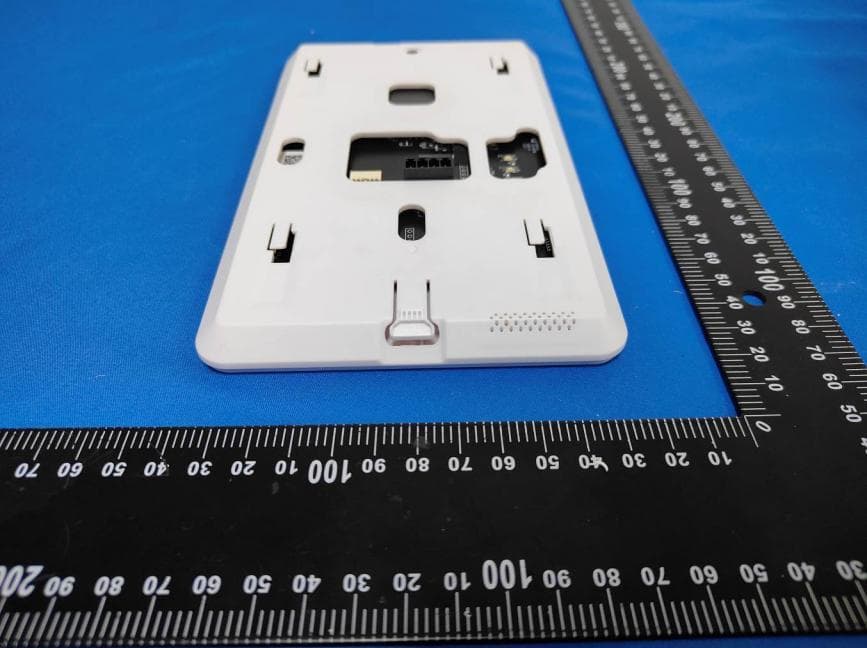
HCQ-IDTOUCH1
May 13, 2026Inovonics Wired Touchscreen Keypad
Equipment Class
DTS - Digital Transmission System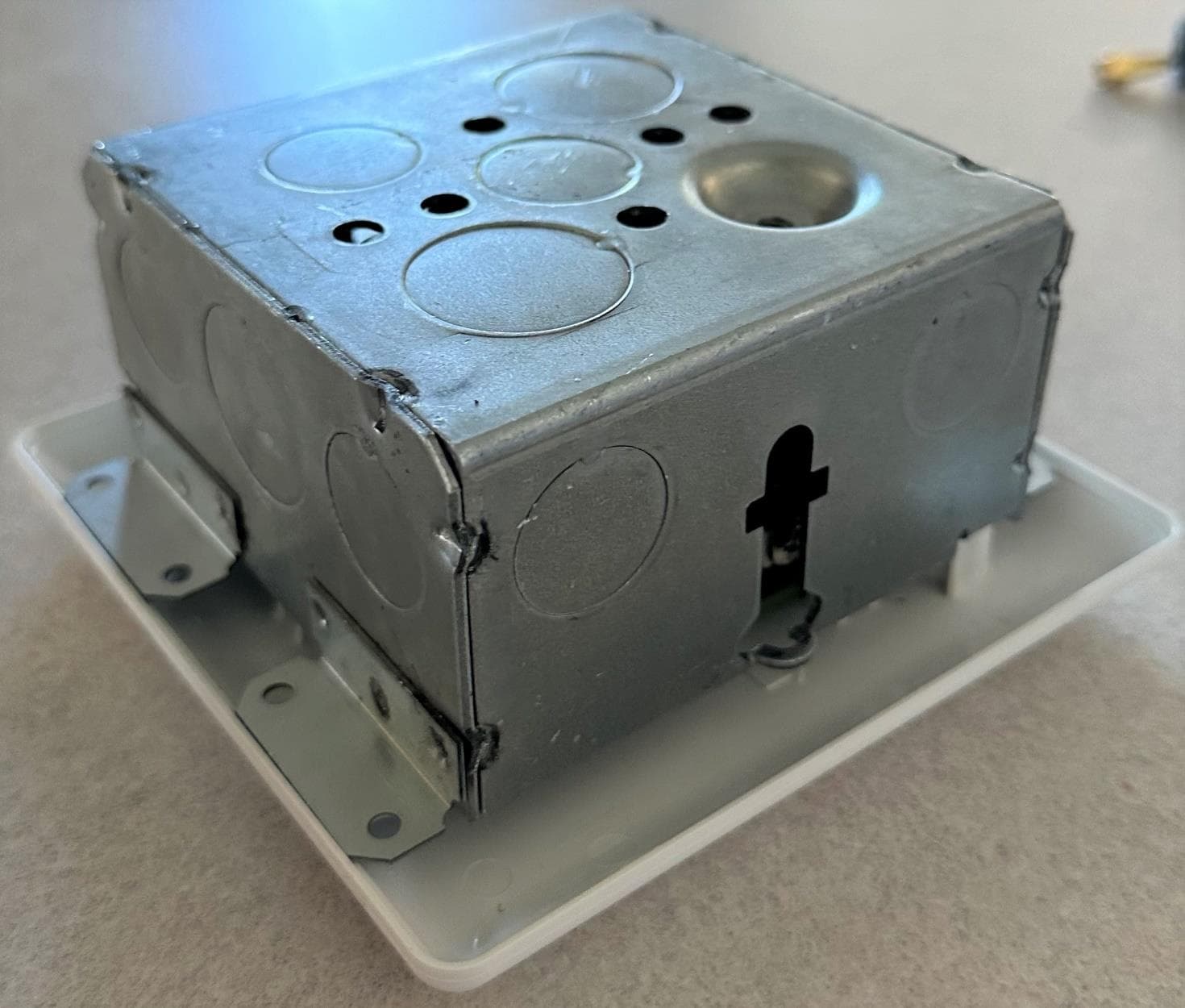
HCQBWA02
Aug 28, 2024Flush Mount Locator
Equipment Class
DSS - Part 15 Spread Spectrum Transmitter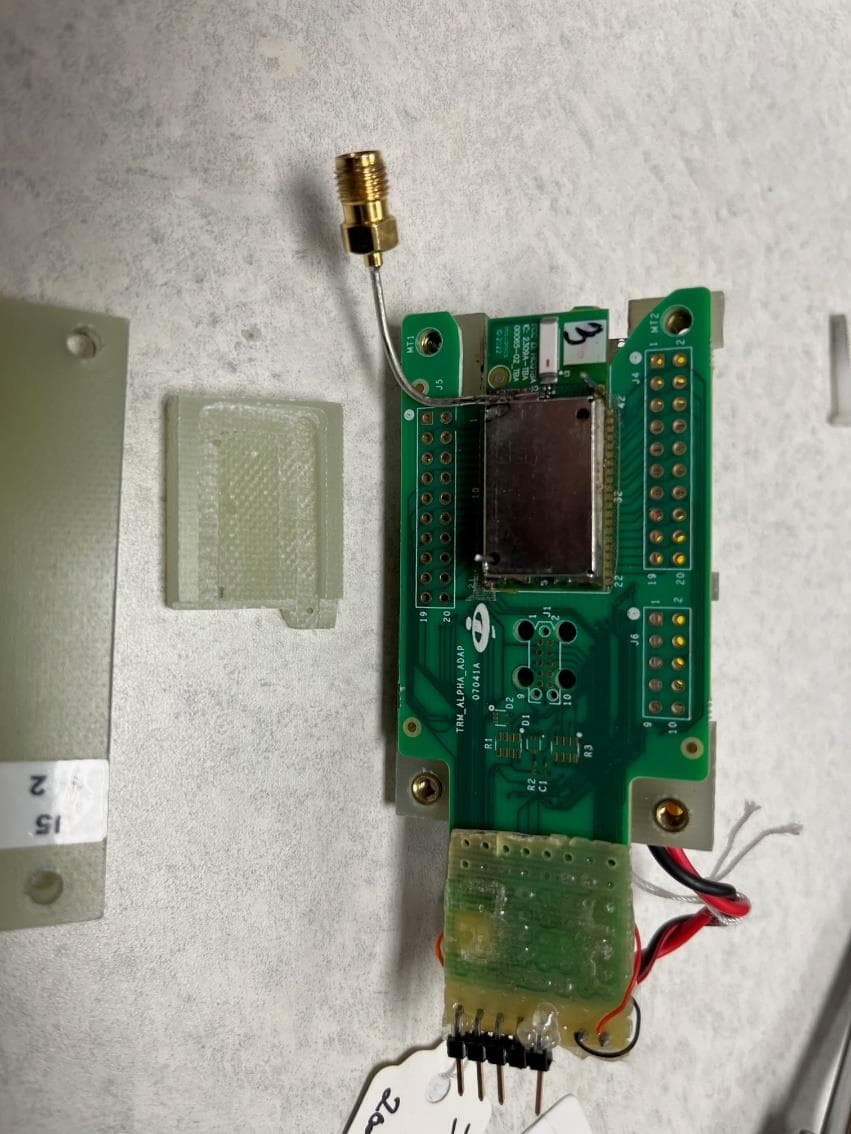
HCQTBA
Sep 21, 2022TBA Module
Equipment Class
DSS - Part 15 Spread Spectrum Transmitter
HCQPFA01
Jul 14, 2022Fall Detect Transmitter
Equipment Class
DSS - Part 15 Spread Spectrum Transmitter
HCQ3B6BRGSA
Sep 22, 2020Bluetooth to EchoStream Bridge
Equipment Class
DTS - Digital Transmission System