LC3817R191G01Universal Adapter Interface - UAI
Northrop Grumman Corporation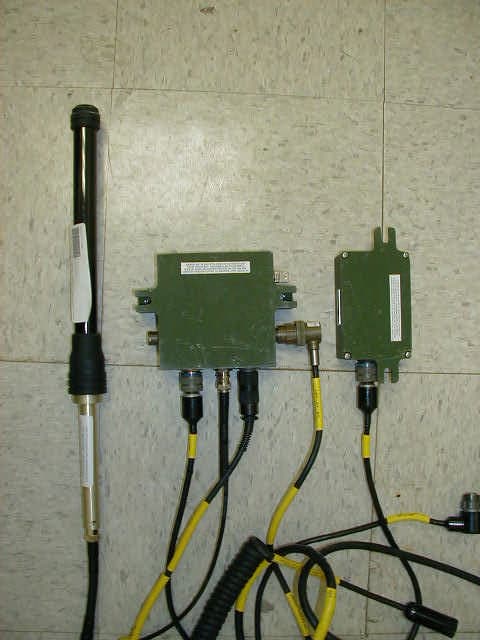
Click to zoom
Application Details
- Equipment Class
- DTS - Digital Transmission System
- Date of Grant
- Apr 15, 2003
- Application Purpose
- Original Equipment
- Date of Application
- Apr 15, 2003
- Equipment Note
- Universal Adapter Interface - UAI
- Frequency Range
- 2402.00000000 - 2480.00000000
- Company
- Northrop Grumman Corporation
- Country
- United States
Documents & Files
Document Text
Text extracted from the exhibit documents filed with the FCC. Open a document above to read the original.
Users Manual
M M o o u u n n t t e e d d W W a a r r r r i i o o r r S S o o l l d d i i e e r r S S y y s s t t e e m m C C o o r r d d l l e e s s s s C C o o m m m m u u n n i i c c a a t t i i o o n n s s C C o o r r d d l l e e s s s s C C o o m m m m u u n n i i c c a a t t i i o o n n s s S S y y s s t t e e m m ( ( C C C C S S ) ) U U S S E E R R O O V V E E R R V V I I E E W W M M o o u u n n t t e e d d W W a a r r r r i i o o r r C C o o r r d d l l e e s s s s C C o o m m m m u u n n i i c c a a t t i i o o n n s s S S y y s s t t e e m m ( ( C C C C S S ) ) • Add-on to existing VIS (Vehicle Intercom Set) • User stays connected to Intercom/Radio without being physically connected to vehicle by wire or cable • Retains all features of existing VIS equipment • User may move about vehicle un-tethered • User may completely dismount vehicle • Dismounted user can talk over Intercom/Radio up to 250 meters away from vehicle. • Two-way radio feature for multiple dismounted users. U U n n i i v v e e r r s s a a l l A A d d a a p p t t e e r r I I n n t t e e r r f f a a c c e e ( ( U U A A I I ) ) M M o o u u n n t t i i n n g g B B r r a a c c k k e e t t s s I I n n t t e e r r i i o o r r A A n n t t e e n n n n a a C C o o n n n n e e c c t t o o r r E E x x t t e e r r i i o o r r A A n n t t e e n n n n a a C C o o n n n n e e c c t t o o r r C C a a b b l l e e C C o o n n n n e e c c t t o o r r t t o o F F F F C C S S C C a a b b l l e e C C o o n n n n e e c c t t o o r r t t o o F F F F C C S S B B a a i i l l o o u u t t C C a a b b l l e e C C o o n n n n e e c c t t o o r r t t o o P P C C U U I I n n t t e e r r f f a a c c e e C C a a b b l l e e C C o o n n n n e e c c t t o o r r t t o o R R D D U U R R e e m m o o t t e e D D i i s s p p l l a a y y U U n n i i t t ( ( R R D D U U ) ) Display Keypad Mounting Brackets Interface Cable Connector (to UAI) P P e e r r s s o o n n a a l l C C o o m m m m u u n n i i c c a a t t i i o o n n s s U U n n i i t t ( ( P P C C U U ) ) Fully Assembled Disassembled Bailout connection to UAI Antenna connector Data connector Keypad Belt Clip Battery Pack Bailout connection to Headset Battery Release LED Display C C C C S S W W i i r r i i n n g g D D i i a a g g r r a a m m * * * for reference on ly / conn ec tor loca tion s a pp roximate UAI RDU PCU HEADSE T Bailout Connection – detach for remote u se FF CS PCU HEADSE T Bailout Connection – detach for remote u se GUNNER COMM ANDER / DRIVE R / SOLDIER FF CS R R D D U U K K e e y y p p a a d d & & D D i i s s p p l l a a y y P P P O O O W W W E E E R R R O O O N N N / / / O O O F F F F F F M M M O O O D D D E E E S S S E E E L L L E E E C C C T T T I I I N N N C C C R R R E E E M M M E E E N N N T T T D D D E E E C C C R R R E E E M M M E E E N N N T T T L L L E E E D D D D D D I I I S S S P P P L L L A A A Y Y Y RDU Display automatically goes blank after 5 seconds if no buttons are pressed. Press MODE SELECT button to restore display. R R D D U U M M O O D D E E S S P r ess t o s cr ol l through modes . 1 . B I T (Built-In T es t) Runs self-test and displays result. Will see ; press OR to run self- test. Automatically displays if passed, OR THRU if failed. NOTE: When powering-on, RDU automatically runs BIT & displays result. 2 . CH ANNE L Displays current channel: THRU . Press OR to change channel. 3 . VOL U ME Displays current volume: (softest) THRU (loudest). Press OR to increase/decrease volume. 4 . OPE R AT I NG MODE Displays current UAI operating mode: (Local) * OR (Broadcast) OR (Group) OR (Listening Silence). Press OR to change operating mode. * Default at power-up is Local mode 5 . AU DI O/DAT A Displays current setting: (audio) OR (data). Press OR to toggle setting. P P C C U U D D i i s s p p l l a a y y * * P P C C U U A A n n t t e e n n n n a a Display automatically goes blank after 5 seconds if no buttons are pressed. Press MODE SELECT button to restore display. C C C O O O N N N N N N E E E C C C T T T O O O R R R ( ( ( B B B N N N C C C T T T y y y p p p e e e ) ) ) To remove, twist connector counter- clockwise and pull off. To attach, push in and twist connector clockwise until locked. *Display shuts off when PCU is connected to bailout cable P P C C U U K K e e y y p p a a d d M M M O O O D D D E E E S S S E E E L L L E E E C C C T T T P P P O O O W W W E E E R R R O O O N N N / / / O O O F F F F F F D D D E E E C C C R R R E E E M M M E E E N N N T T T I I I N N N C C C R R R E E E M M M E E E N N N T T T NOTE: PCU Display automatically goes blank after 5 seconds if no buttons are pressed. Press MODE SELECT button to restore display. P P C C U U M M O O D D E E S S P r ess t o s cr ol l through modes . 1 . B I T (Built-In T es t) Runs self-test and displays result. Will see ; press OR to run self- test. Automatically displays if passed, OR THRU if failed. NOTE: When powering-on, PCU automatically runs BIT & displays result. 2 . CH ANNE L Displays current channel: THRU . Press OR to change channel. 3 . VOL U ME Displays current volume: (softest) THRU (loudest). Press OR to increase/decrease volume. 4 . AU DI O/DAT A Displays current setting: (audio) OR (data). Press OR to toggle setting. 5 . B ATTERY ST AT US Displays current battery charge level: (>10% charge remaining) THRU (>90% charge remaining). NOTE: If b0 is seen, battery has less than 10% charge remaining and PCU will automatically shut off after 1 minute of further use. If b_ or blinking F1 is seen, PCU is still attempting to sense charge level; may take up to 3 minutes when PCU is first powered-on. P P C C U U B B a a t t t t e e r r y y P P a a c c k k L L O O C C K K T T A A B B S S R R E E L L E E A A S S E E L L A A T T C C H H S S O O C C K K E E T T S S C C O O N N T T A A C C T T S S • F ully-charged bat t er y provides at leas t 4 hrs of remote us e • B attery does not us e char ge w hi l e P CU is connected t o cr ew s t at i on • Audi bl e al ar m is heard i n heads et when char ge dr ops below 20% ! AVOI D …
Text truncated - open the document above for the full version.
Users Manual
S S a a f f e e t t y y / / U U s s a a g g e e C C o o n n s s i i d d e e r r a a t t i i o o n n s s • • E E n n s s u u r r e e a a l l l l c c o o n n n n e e c c t t i i o o n n s s a a r r e e s s e e c c u u r r e e p p r r i i o o r r t t o o u u s s e e • • K K e e e e p p P P C C U U & & U U A A I I a a n n t t e e n n n n a a a a t t l l e e a a s s t t 2 2 0 0 c c m m ( ( 8 8 i i n n c c h h e e s s ) ) a a w w a a y y f f r r o o m m i i n n d d i i v v i i d d u u a a l l s s w w / / p p a a c c e e m m a a k k e e r r • • K K e e e e p p P P C C U U / / U U A A I I v v o o l l u u m m e e a a t t m m i i n n i i m m u u m m f f u u l l l l y y - - a a u u d d i i b b l l e e l l e e v v e e l l • • D D o o n n o o t t s s h h o o r r t t c c o o n n t t a a c c t t s s o o n n b b a a t t t t e e r r y y p p a a c c k k ; ; k k e e e e p p l l o o o o s s e e b b a a t t t t e e r r i i e e s s a a w w a a y y f f r r o o m m m m e e t t a a l l o o b b j j e e c c t t s s • C C e e a a s s e e u u s s e e o o f f C C C C S S i i m m m m e e d d i i a a t t e e l l y y u u p p o o n n e e r r r r a a t t i i c c o o r r u u n n e e x x p p e e c c t t e e d d v v e e h h i i c c l l e e b b e e h h a a v v i i o o r r . . ! S S a a f f e e t t y y / / U U s s a a g g e e C C o o n n s s i i d d e e r r a a t t i i o o n n s s (CONTINUED) • • A A l l l l c c r r i i t t i i c c a a l l v v o o i i c c e e c c o o m m m m u u n n i i c c a a t t i i o o n n s s h h o o u u l l d d b b e e r r e e p p e e a a t t e e d d b b a a c c k k t t o o o o r r i i g g i i n n a a t t o o r r • • C C h h a a n n g g e e s s o o f f s s e e t t t t i i n n g g / / m m o o d d e e m m a a y y r r e e s s u u l l t t i i n n b b r r i i e e f f l l o o s s s s o o f f c c o o m m m m u u n n i i c c a a t t i i o o n n ( ( 2 2 - - 4 4 s s e e c c ) ) - - - - a a l l l l o o w w P P C C U U d d i i s s p p l l a a y y t t o o b b l l a a n n k k b b e e f f o o r r e e t t r r a a n n s s m m i i t t t t i i n n g g • • R R e e m m o o v v i i n n g g b b a a i i l l o o u u t t c c a a b b l l e e f f o o r r r r e e m m o o t t e e u u s s e e m m a a y y r r e e s s u u l l t t i i n n 6 6 - - 8 8 s s e e c c l l o o s s s s o o f f c c o o m m m m . . • • C C C C S S V V O O X X i i s s l l e e s s s s s s e e n n s s i i t t i i v v e e t t h h a a n n w w i i r r e e d d V V I I C C - - 3 3 V V O O X X ; ; m m a a y y r r e e q q u u i i r r e e l l o o u u d d e e r r v v o o i i c c e e / / i i n n f f l l e e c c t t i i o o n n t t o o a a c c t t i i v v a a t t e e • • M M i i c c b b o o o o m m s s h h o o u u l l d d b b e e t t o o u u c c h h i i n n g g l l i i p p s s w w h h e e n n t t a a l l k k i i n n g g t t o o e e n n s s u u r r e e V V O O X X i i s s m m a a i i n n t t a a i i n n e e d d . . ! S S a a f f e e t t y y / / U U s s a a g g e e C C o o n n s s i i d d e e r r a a t t i i o o n n s s (CONTINUED) • • R R e e m m o o t t e e p p e e r r s s o o n n n n e e l l w w i i l l l l n n o o t t i i c c e e s s t t a a t t i i c c / / d d e e c c r r e e a a s s e e i i n n s s i i g g n n a a l l q q u u a a l l i i t t y y w w h h e e n n m m o o v v i i n n g g o o u u t t o o f f r r a a n n g g e e o o f f v v e e h h i i c c l l e e ( ( > > 2 2 5 5 0 0 m m ) ) . . • • I I f f c c o o m m m m . . i i s s l l o o s s t t d d u u e e t t o o m m o o v v i i n n g g o o u u t t o o f f r r a a n n g g e e , , u u s s e e r r m m a a y y h h a a v v e e t t o o m m o o v v e e c c o o m m p p l l e e t t e e l l y y b b a a c c k k w w i i t t h h i i n n r r a a n n g g e e o o f f v v e e h h i i c c l l e e t t o o r r e e c c o o v v e e r r c c o o m m m m . . • • W W h h e e n n o o p p e e r r a a t t i i n n g g r r e e m m o o t t e e l l y y , , l l o o s s s s o o f f P P C C U U P P o o w w e e r r w w i i l l l l r r e e s s u u l l t t i i n n l l o o s s s s o o f f H H e e a a d d s s e e t t f f u u n n c c t t i i o o n n s s ( ( A A N N R R a a n n d d a a u u d d i i o o p p a a s s s s - - t t h h r r o o u u g g h h ) ) • • P P C C U U p p o o w w e e r r m m u u s s t t b b e e r r e e c c y y c c l l e e d d i i f f h h e e a a d d s s e e t t b b e e c c o o m m e e s s d d i i s s c c o o n n n n e e c c t t e e d d f f r r o o m m P P C C U U • • U U A A I I p p o o w w e e r r m m u u s s t t b b e e r r e e c c y y c c l l e e d d i i s s t t u u r r r r e e t t p p o o w w e e r r i i s s r r e e s s e e t t • • M M a a x x i i m m u u m m s s i i m m u u l l t t a a n n e e o o u u s s r r e e m m o o t t e e t t a a l l k k e e r r s s = = 4 4 . . C C u u r r r r e e n n t t t t a a l l k k e e r r s s h h a a v v e e p p r r i i o o r r i i t t y y ! S S a a f f e e t t y y / / U U s s a a g g e e C C o o n n s s i i d d e e r r a a t t i i o o n n s s (CONTINUED) • • R R a a d d i i o o a a c c c c e e s s s s f f o o r r A A L L L L r r e e m m o o t t e e P P C C U U s s i i s s d d e e t t e e r r m m i i n n e e d d b b y y s s e e t t t t i i n n g g s s o o f f F F F F C C S S c c o o n n n n e e c c t t e e d d t t o o U U A A I I ( ( i i . . e e . . G G u u n n n n e e r r ’ ’ s s F F F F C C S S ) ) • • C C o o o o r r d d i i n n a a t t e e a a s s s s i i g g n n e e d d c c h h a a n n n n e e l l s s f f o o r r e e a a c c h h v v e e h h i i c c l l e e p p r r i i o o r r t t o o m m i i s s s s i i o o n n . . • • U U A A I I s s / / P P C C U U s s s s h h o o u u l l d d s s w w i i t t c c h h b b a a c c k k t t o o a a s s s s i i g g n n e e d d c c h h a a n n n n e e l l a a f f t t e e r r G G r r o o u u p p o o r r A A u u t t o o n n o o m m o o u u s s u u s s e e • • C C h h a a n n n n e e l l 6 6 4 4 i i s s r r e e s s e e r r v v e e d d f f o o r r t t e e s s t t u u s s e e • • W W h h e e n n p p o o w w e e r r i i n n g g - - o o n n u u n n i i t t , , s s e e l l f f t t e e …
Text truncated - open the document above for the full version.
ID Label/Location Info
FCC Label location on UAI FCC Label location on PCU FCC Label
ID Label/Location Info
FCC ID: LC3817R191G01 This device complies with Part 15 of the FCC Rules. Operation is subject to the following conditions: (1) this device may not cause harmful interference, and (2) this device must accept any interference that may cause undesired operation. FCC ID: LC3810R901G01 This device complies with Part 15 of the FCC Rules. Operation is subject to the following conditions: (1) this device may not cause harmful interference, and (2) this device must accept any interference that may cause undesired operation.
Test Report
Statements of compliance with 47CFR15.247 for the Northrop Grumman Cordless Communications System. 15.247 Operations within the 2400-2483.5 MHz Band 15.247 (a)(1) The CCS PCU and UAI operate in frequency hopping mode in compliance with 15.247 (a) (1) and have hopping channel carrier frequencies separated by 1 MHz. The system hops to channel frequencies at the system hopping rate of 5.12 mS and with frequencies selected from within a pseudorandomly ordered list of hopping frequencies (equivalent to that of the IEEE 802.11 frequency hopped system standard). Each frequency is used equally, on the average, by each transmitter within the system. When in broadcast mode (master-slave), the UAI sets the hop timing and the PCU synchronizes with the UAI. When in group mode (or when two PCU’s communicate without a UAI present), the first PCU essentially “mimics” a UAI , allowing another PCU to synch-up and allowing communications to occur. In either of these modes, the hopping pattern is unchanged, and the transmitter usage time is consistent within the calculations below. The CCS PCU and UAI receivers have input bandwidths that appropriately match that of the transmitted signal with a –3 dB bandwidth of 1 MHz plus/minus 0.05 MHz (as set by Intermediate Frequency fixed bandwidth filter). The CCS frequency hopping system uses 79 hopping frequencies, in 1 MHz steps, nominally from 2402 to 2480 MHz. The maximum 20 dB bandwidth of the transmitted signal is set to the channel spacing of 1 MHz. The transmitter/receiver units hop in synchronization with each other within the system. The average occupancy time of either the CCS UAI and/or the PCU on any frequency is less than 0.4 seconds within a 30 second period. The UAI will transmit only slightly more than 0.1 seconds on any frequency within a 30 second period, while the PCU will transmit approximately 0.16 seconds on any frequency within a 30 second period. See calculation below: Requirements Rationale Channels79 Seconds30 Allowable time (Seconds per Channel)0.379747 SystemTotals Frame Timing in mS (1 Frame per Channel Hop) 5.12 5.12 mS ...consisting of the following elements... Downlink Slot (one only)0.9580.958mS D1-D4 + U1 (unused) @ 100 uS each 0.1 0.5 mS Uplink Time Slot (three available) 1.054 3.162 mS Frame Gap (for hop) 0.5 0.5 mS Total Frame Time5.12mS Frames per Second195.3125 Frames UAIMaximum Transmit Time Calculation Downlink Slot (one only) 0.958 0.958 D1-D4 down link slots, 4 @ 100 uS each 0.1 0.4 Total UAI Transmit Time per frame1.358mS per Frame Total UAI Transmit Time mS per second265.2344 mS TX per Second Total UAI Transmit Time seconds per second0.265234 Sec. TX per Second Total UAI Transmit Time per 30 seconds7.957031 Sec. TX per 30 Seconds UAI TXTotal UAI Transmit Time per 30 seconds7.957031 Seconds per 30 seconds ChannelChannels79 TimeTotal dwell time per channel in seconds (30 sec. avg.)0.100722 Seconds UAI PCUMaximum Transmit Time Calculation Two Uplink Time Slots (max) 1.054 2.108 Max. Total PCU Transmit Time per frame2.108mS per Frame Max. Total PCU Transmit Time mS per second411.7188 mS TX per Second Max. Total PCU Transmit Time seconds per second0.411719 Sec. TX per Second Total Max. PCU Transmit Time per 30 seconds12.35156 Sec. TX per 30 Seconds PCU TXTotal UAI Transmit Time per 30 seconds12.35156 Seconds per 30 seconds ChannelChannels79 TimeTotal dwell time per channel in seconds (30 sec. avg.)0.156349 Seconds PCU 15.247 (g) The Cordless Communications System utilizes a frequency hopping system which continually hops across all channels within the hop set. It does not operate on only a partial frequency-set of hopping channels. No changes are necessary in the operational nature if continuous data is applied to the channel – the system operates in full channel set hopping mode continuously. 15.247 (h) The Cordless Communications System utilizes a frequency hopping system which does not have interference avoidance capability incorporated within it. It is not capable of recognizing interference on the channel and subsequently altering the hop pattern to avoid said interference.
Test Report
The Nation's First Licensed Nationally Recognized Testing Laboratory Conceil canadien des nomes Organisme de certification accedite Standards Council of Canada Accredited Certification Organization TM MET Laboratories, Inc. Safety Certification - EMI - Telecom Environmental Simulation 914 WEST PATAPSCO AVENUE !! BALTIMORE, MARYLAND 21230-3432 !! PHONE (410) 354-3300 !! FAX (410) 354-3313 April 24, 2003 Northrop Grumman Corporation, Electronic Systems 793 Elkridge Landing Road Linthicum, MD 21090 Reference:Cordless Communication System Universal Adapter Interface (UAI) FCC ID: LC3817R191G01 Dear Mr. Mark W. Gravel: Enclosed is the EMC Test Report for the Cordless Communication System Universal Adapter Interface (UAI). The Cordless Communication System Universal Adapter Interface (UAI) was tested to the requirements of the FCC Rules and Regulations, Section 15.247, of Title 47 of the CFR, for a Part 15 Transmitter. Thank you for using the testing services of MET Laboratories. If you have any questions regarding these results or if MET can be of further assistance to you, please feel free to contact me. We appreciate your business and look forward to working with you again soon. Kindest Regards, MET LABORATORIES, INC. Marianne T. Bosley Documentation Department Enclosures: (\Northrop Grumman Corp.\EMC13035B-FCC247.rpt) DOCTEM-23 Jan 02 Certificates and reports shall not be reproduced except in full, without the written permission of MET Laboratories, Inc. While use of the National Voluntary Laboratory Accreditation Program (NVLAP) letters or the NVLAP Logo in this report reflects the MET Accreditation under the NVLAP Program, these letters, logo, or Statements do not claim product endorsement by NVLAP or any Agency of the U.S. Government. Northrop Grumman Corp. Cordless Communication SystemUniversal Adapter Interface (UAI) FCC ID: LC3817R191G01 April 24, 2003 Electro-Magnetic Compatibility Test Report for the Northrop Grumman Corporation Cordless Communication System Universal Adapter Interface (UAI) Tested Under FCC Part 15 Subpart C Section 15.247 Title 47 of the CFR for Intentional Radiators MET REPORT: EMC13035B-FCC247 December 27, 2002 PREPARED FOR: Northrop Grumman Corporation, Electronic Systems 793 Elkridge Landing Road Linthicum, MD 21090 PREPARED BY: MET Laboratories, Inc. 914 West Patapsco Avenue Baltimore, Maryland 21230-3432 Copyright 2003, MET Laboratories, Inc. This report shall not be reproduced except in full, without the express written consent of MET Laboratories, Inc., nor shall this report, or any copy thereof be provided to a competitor of MET Laboratories, Inc. Northrop Grumman Corp. Cordless Communication SystemUniversal Adapter Interface (UAI) FCC ID: LC3817R191G01 April 24, 2003 MET Report: EMC13035B-FCC247Copyright 2003, MET Laboratories, Inc.Page i of v Electro-Magnetic Compatibility Test Report for the Northrop Grumman Corp. Cordless Communication System Universal Adapter Interface (UAI) Tested Under FCC Part 15 Subpart C Section 15.247 Title 47 of the CFR for Intentional Radiators MET REPORT: EMC13035B-FCC247 April 24, 2003 PREPARED FOR: Northrop Grumman Corporation 793 Elkridge Landing Road Linthicum, MD 21090 ______________________________________________________________ Liming XuMarianne T. Bosley Project EngineerReport Writer Engineering Statement: The measurements shown in this report were made in accordance with the procedures indicated, and the emissions from this equipment were found to be within the limits applicable. I assume full responsibility for the accuracy and completeness of these measurements, and for the qualifications of all persons taking them. It is further stated that upon the basis of the measurements made, the equipment tested is capable of operation in accordance with the requirements of Part 15, Section 15.247, of the FCC Rules under normal use and maintenance. ________________________________ Len Knight EMC Lab Manager Northrop Grumman Corp. Cordless Communication SystemUniversal Adapter Interface (UAI) FCC ID: LC3817R191G01 April 24, 2003 MET Report: EMC13035B-FCC247Copyright 2003, MET Laboratories, Inc.Page ii of v Table of Contents I. Executive Summary...........................................................................1 A.Purpose of Test.......................................................................2 B.Executive Summary....................................................................2 II. General.....................................................................................3 A.Test Site.............................................................................4 B.Description of Test Sample..............................................................4 C.General Test Setup....................................................................4 D.Mode of Operation....................................................................4 E.Modifications.........................................................................7 F.Disposition of Test Sample..............................................................7 III. Antenna Requirements.........................................................................8 IV. Emissions Requirements......................................................................10 A.Conducted Emissions.................................................................11 B.Radiated Emissions - General...........................................................12 V.Bandwidth & Channelization Requirements.......................................................15 VI. Peak Output Power Requirements...............................................................19 A.Peak Output Power (EIRP).............................................................20 B.RF Exposure Requirements.............................................................22 VII. Spurious Emissions - Radiated & RF Conducted - Requirements.......................................23 VIII. Hopping Capability Requirements...............…
Text truncated - open the document above for the full version.
Contact Information
Applicant
Rod Fremd
Test Firm
MET Laboratories, Inc.John Mason
Technical Specifications
| # | Rule Parts | Frequency Range | Power Output |
|---|---|---|---|
| 1 | 15C | 2.40 GHz - 2.48 GHz | 18.60 mW |
Other Applications from Northrop Grumman Corporation
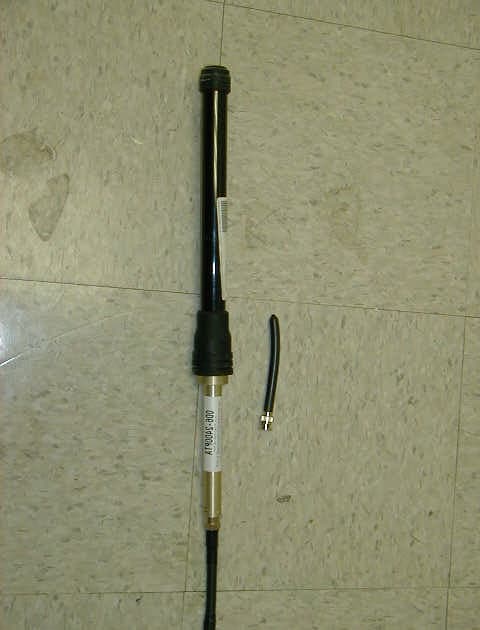
LC3810R901G01
Apr 15, 2003Personal Communication Unit - PCU
Equipment Class
DTS - Digital Transmission System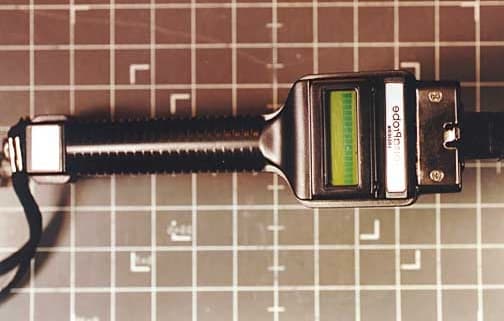
LC3VP
Jul 28, 2002Meter Reader, Versa Probe
Equipment Class
DXX - Part 15 Low Power Communication Device TransmitterLC3780R300
Jul 23, 1995TNB - Licensed Non-Broadcast Station Transmitter
Equipment Class
TNB - Licensed Non-Broadcast Station TransmitterLC3780R400
Jun 07, 1994TNB - Licensed Non-Broadcast Station Transmitter
Equipment Class
TNB - Licensed Non-Broadcast Station Transmitter