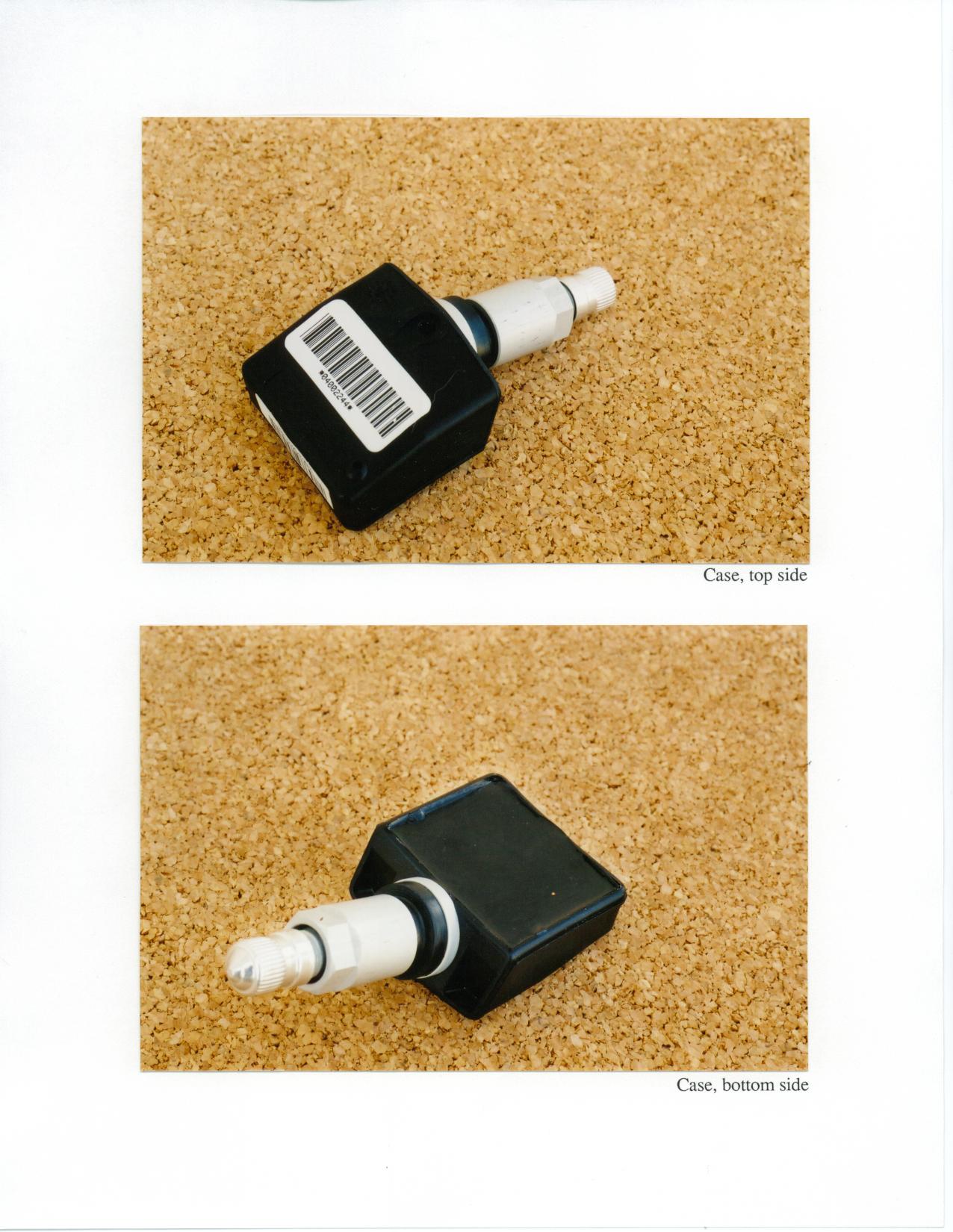
MRXTG224AM02Tire Pressure Monitoring Transmitter
Schrader Electronics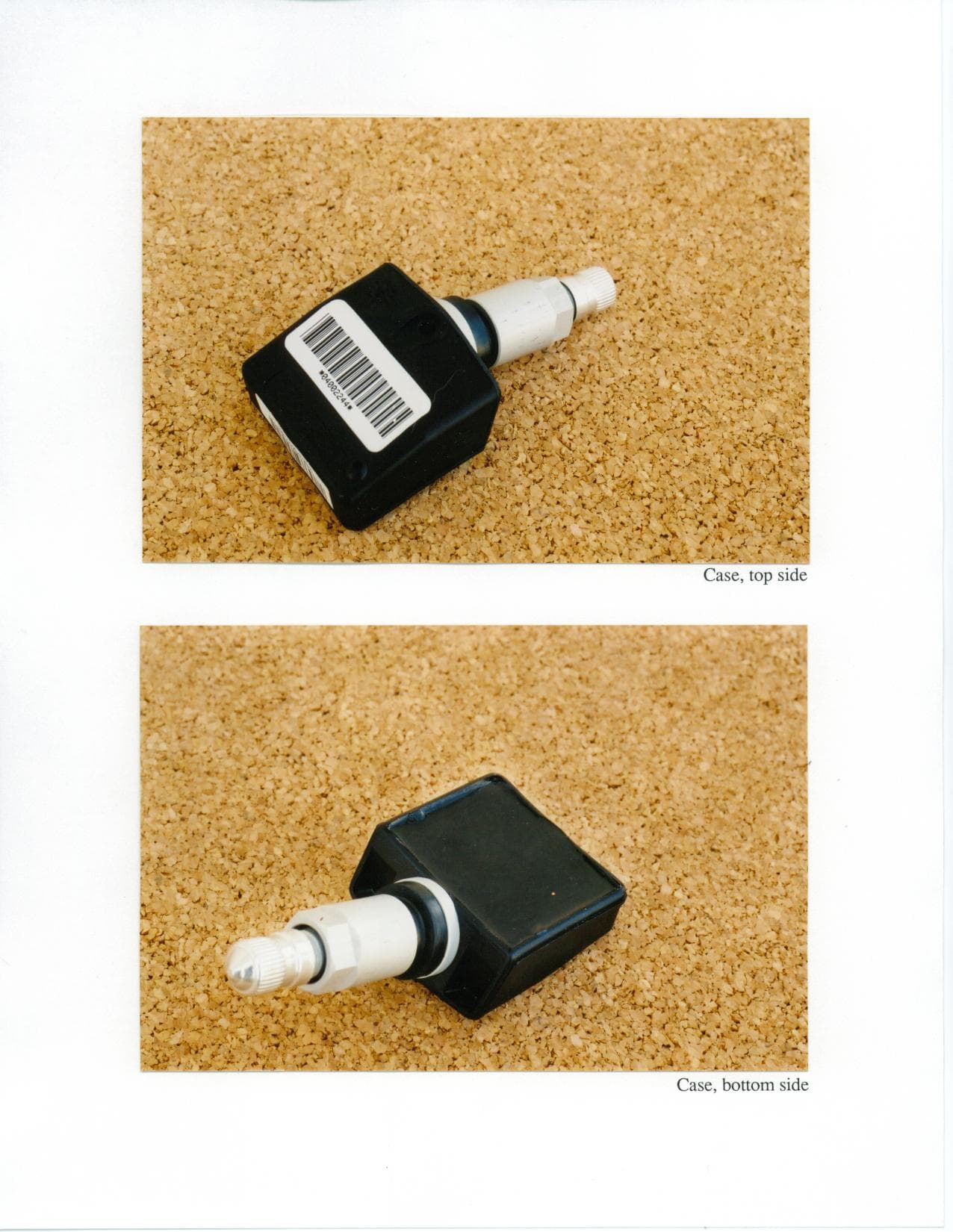
Click to zoom
Application Details
- Equipment Class
- DXX - Part 15 Low Power Communication Device Transmitter
- Date of Grant
- Mar 08, 2001
- Application Purpose
- Original Equipment
- Date of Application
- Mar 08, 2001
- Equipment Note
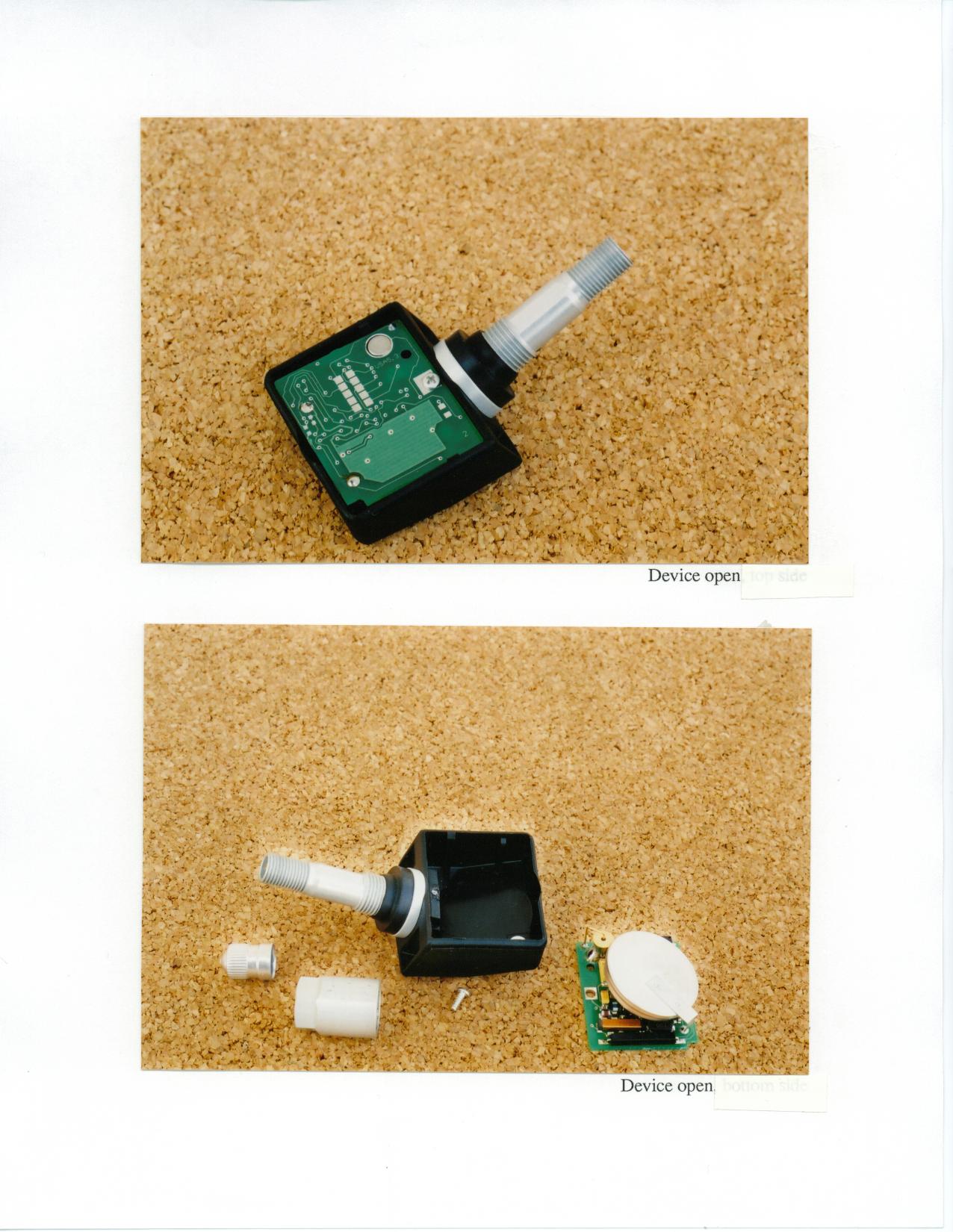
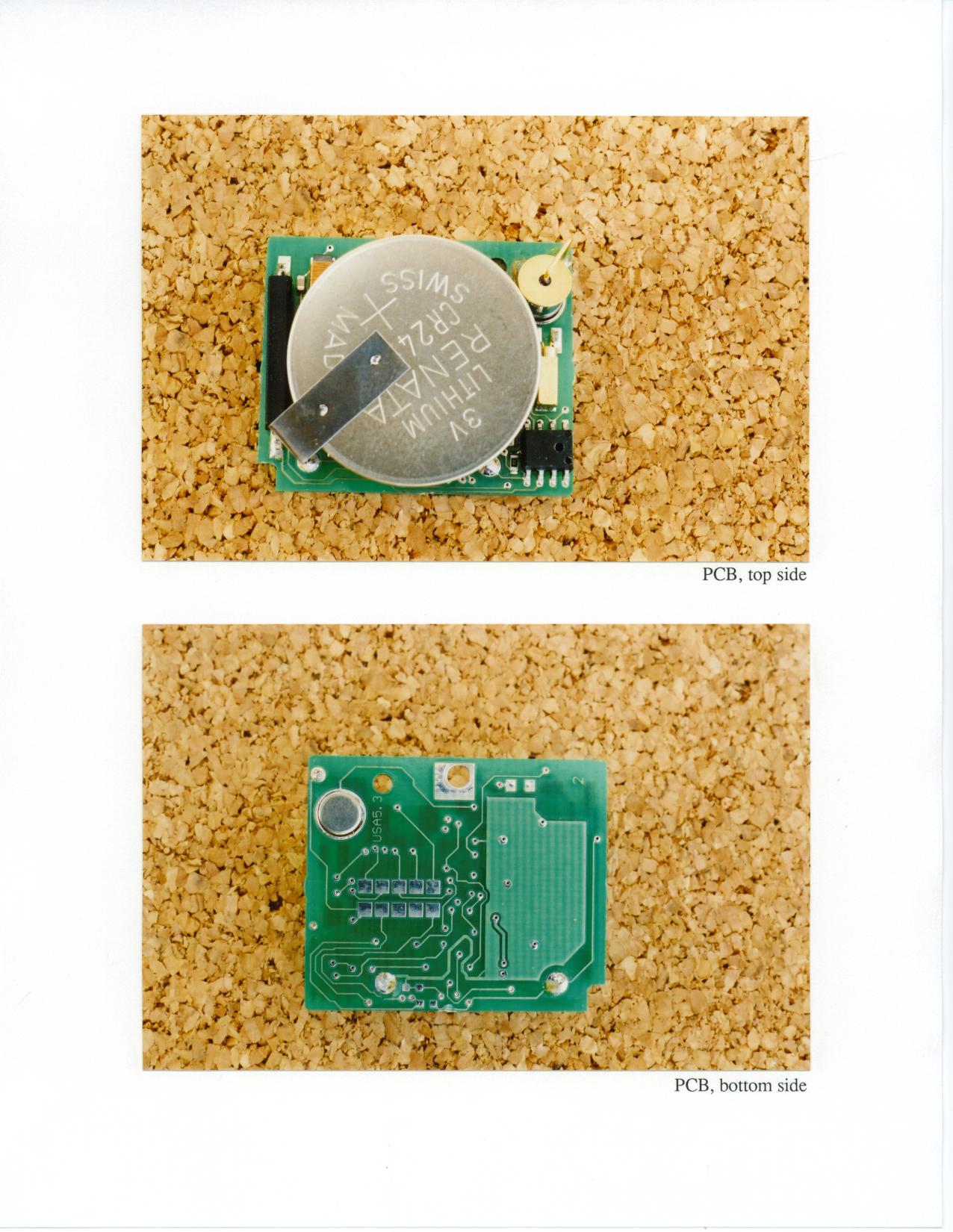
- Tire Pressure Monitoring Transmitter
- Frequency Range
- 433.90000000 - 433.90000000
- Company
- Schrader Electronics
- Country
- Ireland
Documents & Files
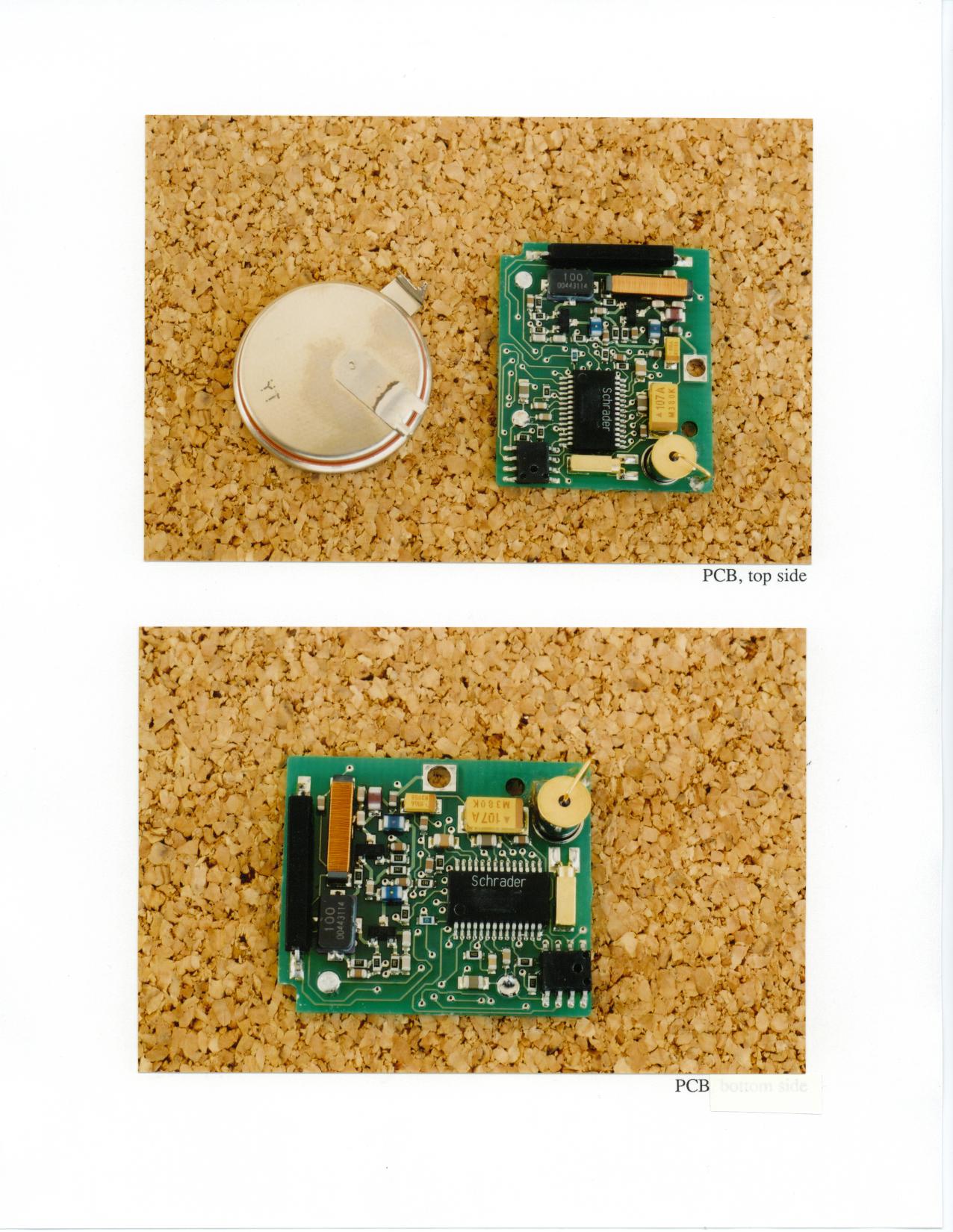
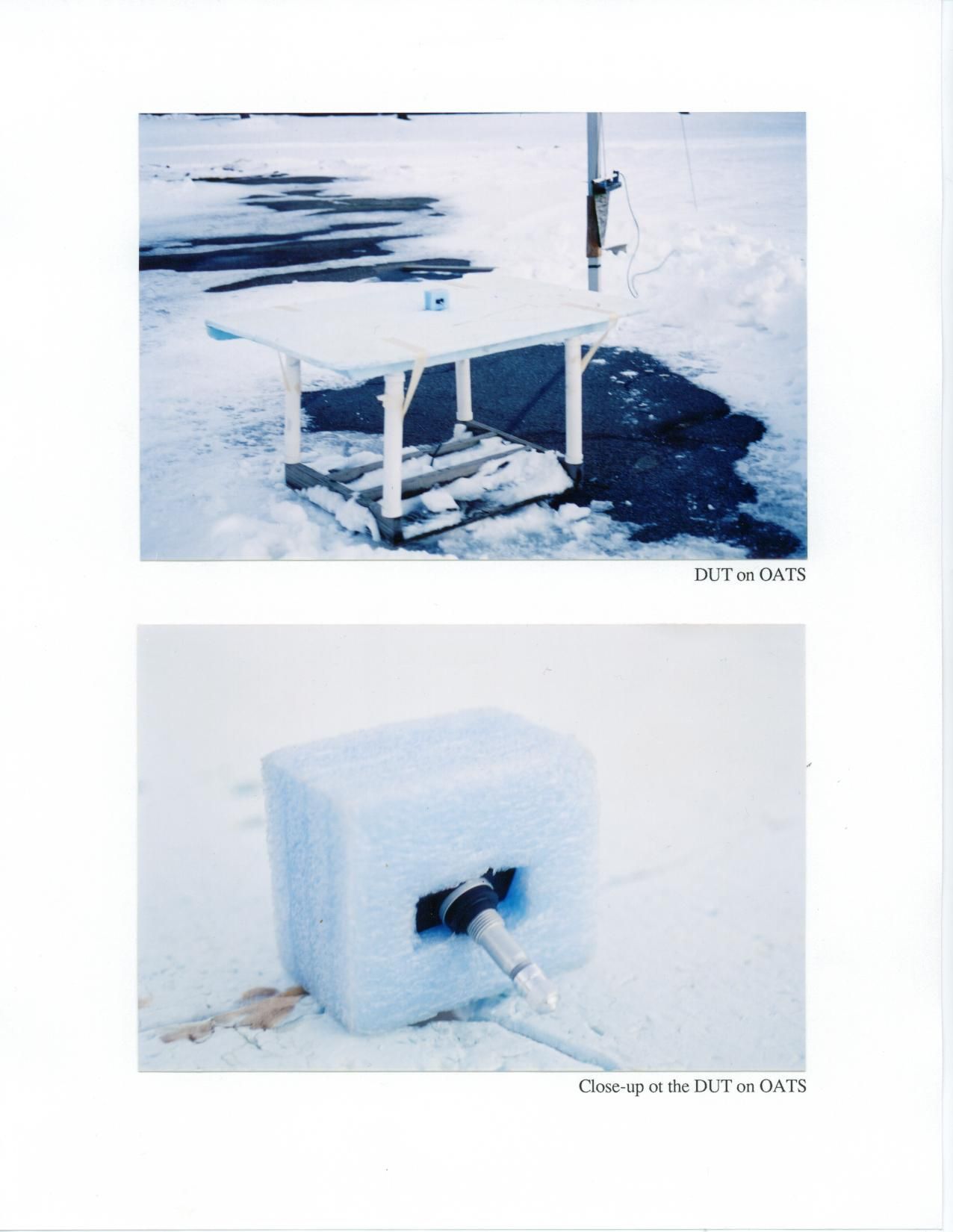
Document Text
Text extracted from the exhibit documents filed with the FCC. Open a document above to read the original.
Users Manual
Re: Certification for Schrader MRXTG224AM02 Transmitter Model: MRXTG224AM02 FCC ID: MRXTG224AM02 CANADA: to be provided by IC USER'S MANUAL INFORMATION (PRELIMINARY) The Vehicle User's Manual is in preparation. The following material will be contained in the manual: FCC ID: MRXTG224AM02 CANADA: to be provided by IC This device complies with Part 15 of the FCC Rules and with RSS-210 of Industry Canada. Operation is subject to the following two conditions: (1) This device may not cause harmful interference, and (2) This device must accept any interference received, including interference that may cause undesired operation. WARNING: Changes or modifications not expressively approved by the party responsible for compliance could void the user's authority to operate the equipment.
Operational Description
1. Introduction 1.1 Purpose The purpose of this specification, is to relay the main characteristics of the Schrader- Bridgeport International Incorporated (SBII) RTPMS transmitter. This information is important for the design of either a stand-alone receiver or integration with the vehicle’s Remote Keyless Entry (RKE) receiver. 1.2 Scope This document applies to all customers who will be designing the RTPMS into part of their vehicular monitoring system. Schrader Bridgeport will supply the tyre pressure transmitters. The receiver may also be supplied by SBII to form a complete “stand alone” system, or the vehicle manufacturer may decide on integration with the vehicle’s RKE receiver. This document does not intend to restrict or specify any hardware or software. The intent is only to relay the transmission format of the tyre pressure monitoring data, the data protocol, the functionality and the key points of the RTPMS transmitter. 1.3 Overview The system has been developed to monitor a vehicle's tyre pressures whilst driving or stationary. An electronic unit inside each tyre, (referred to as the RTPMS transmitter) mounted to the valve stem, periodically measures actual tyre pressure. By means of RF communication, this pressure information is transmitted to a receiver/decoder. The receiver is used to decode the incoming radio frequency signals, format the data, and transfer the data to the proper display locations within the vehicle as required by the customer/supplier. 1.4 Definition ASIC - Application Specific Integrated Circuit. Generally, a custom designed integrated circuit (IC) manufactured for a unique application for a specific customer. Bit- Acronym for binary digit. A unit of information that can be represented by either logic zero (0) or a logic one (1). Bit width- The time set for one unit of information (bit). Block- In this document, a block is referred to as a group of eight transmitted words or frames. Check sum- Usually several bits of a word that signify the authenticity or correctness of the information (data) being sent. The check sum is usually compared against a calculated value in binary form. Customer- The person or persons, who pay for the product and usually (but not necessarily) decide the requirements. Data Rate - The speed with which the data is transmitted or sent, usually in bits per second. Frame- One complete transmission of information. In this document, frame and word are used interchangeably and refer to the same thing. For this message, each frame contains one and only one message. A frame is delineated by the start of frame (SOF) mark. LF - Low Frequency 125 kHz. Low Battery Fault - A fault associated with a wheel transmitter, which indicates that a low battery function code has been sent. Low Pressure Threshold- Pressure level below which a low pressure alarm shall be generated by the receiver. Protocol- A set of conventions that govern the interaction of processes, devices, and other components within a system. Receiver- Device, supplied by the customer, which decodes the RTPMS data and then converts the data into information that can be used by the vehicular system. RF- Radio Frequency RTPMS- Remote Tire Pressure Monitoring System Supplier- The person, or persons, who produce a product for a customer. Start of Frame - The start of frame (SOF) mark is used to uniquely identify the start of a frame. Transmitter - The device that is mounted in the tyre that senses the tyre pressure and then sends the information via RF to the vehicle receiver. UHF - Ultra High Frequency ( 433.92 MHz ) Vehicle Trip - The period during which the roll switch is closed Word- A sequence of bits or characters that is stored, addressed, transmitted, and operated on as a unit within a given computer or processor. A sequence of bits or characters that has meaning and is considered an entity. Within this document, word and frame are used interchangeably. 2. Overall Description 2.1 Product Perspective 2.1.1 System Interface The RTPMS transmitter is one part of the RTPM System. The RTPMS requires an interface decoder (receiver). 2.1.2 Block Diagram See Appendix A “RTPMS Transmitter Block Diagram” 2.2 Product Functions 2.2.1 Major Functions The main functions, which the RTPMS transmitter has to perform, are: • Monitor and transmit tyre pressure. • Determination of a temperature compensated pressure value. • Inform the receiver of any low battery condition. • Determine if there are abnormal pressure variations in the wheel. 2.3 Constraints 2.3.1 ETSI 300/220 The 433.92 MHz version meets the requirements of the European Telecommunications Standard Institute 300/220 regulations. Individual country approvals need to be applied for. Division of cost to be negotiated. 2.3.2 FCC Regulations The 433.92 MHz version meets the requirements of the Federal Communications Commission regulations Part 15. The environmental conditions, including ESD (electrostatic discharge), EMC (electromagnetic compatibility), temperature, vibration etc. that the transmitter must be able to withstand are described in the “Schrader-Bridgeport RTPM Generic Validation Specification” document. 2.4 Assumptions and Dependencies 2.4.1 AM versus FM The standard Schrader Bridgeport RTPMS transmitter transmits using amplitude modulation (AM). An FM version can also be supplied. 2.4.2 Carrier Frequency In the USA, the transmission frequency is 433.92 MHz. 3. Specific Requirements 3.1 Functions 3.1.1 Operational Description The function of the receiver is to decode the information sent by the RTPMS transmitter and indicate the pressure to the end user. It is the responsibility of the customer to determine how the information is displayed to the end-user and what levels of warnings are given. SBII can however offer advice in this area. The display can be in the form of a display, bulbs, buzzer, or even voice synthesis to warn the driver of the abnormal pressures. Dependent on the state of the vehicle, the RTPMS transmitter wi…
Text truncated - open the document above for the full version.
Contact Information
Applicant
James Kyle
Technical Contact
University of Michigan / EECSValdis V Liepa
[email protected]734 483 4211
1301 Beal Avenue · Ann Arbor, Michigan · United States
Test Firm
University of MichiganValdis Liepa
Technical Specifications
| # | Rule Parts | Frequency Range | Power Output |
|---|---|---|---|
| 1 | 15C | 433.9 MHz - 433.9 MHz | - |
Other Applications from Schrader Electronics
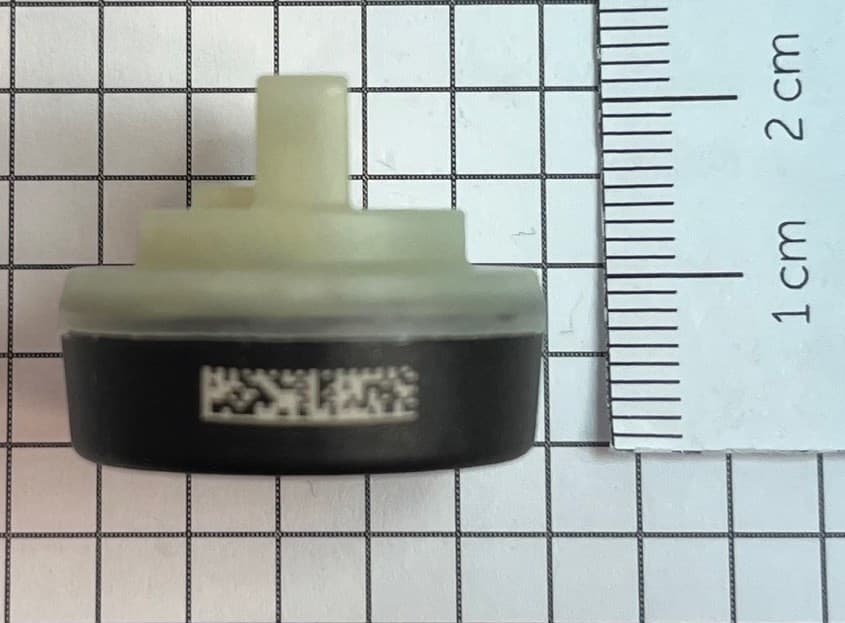
MRXFTMS01
Apr 17, 2024Tyre Pressure Monitor
Equipment Class
DSC - Part 15 Security/Remote Control Transmitter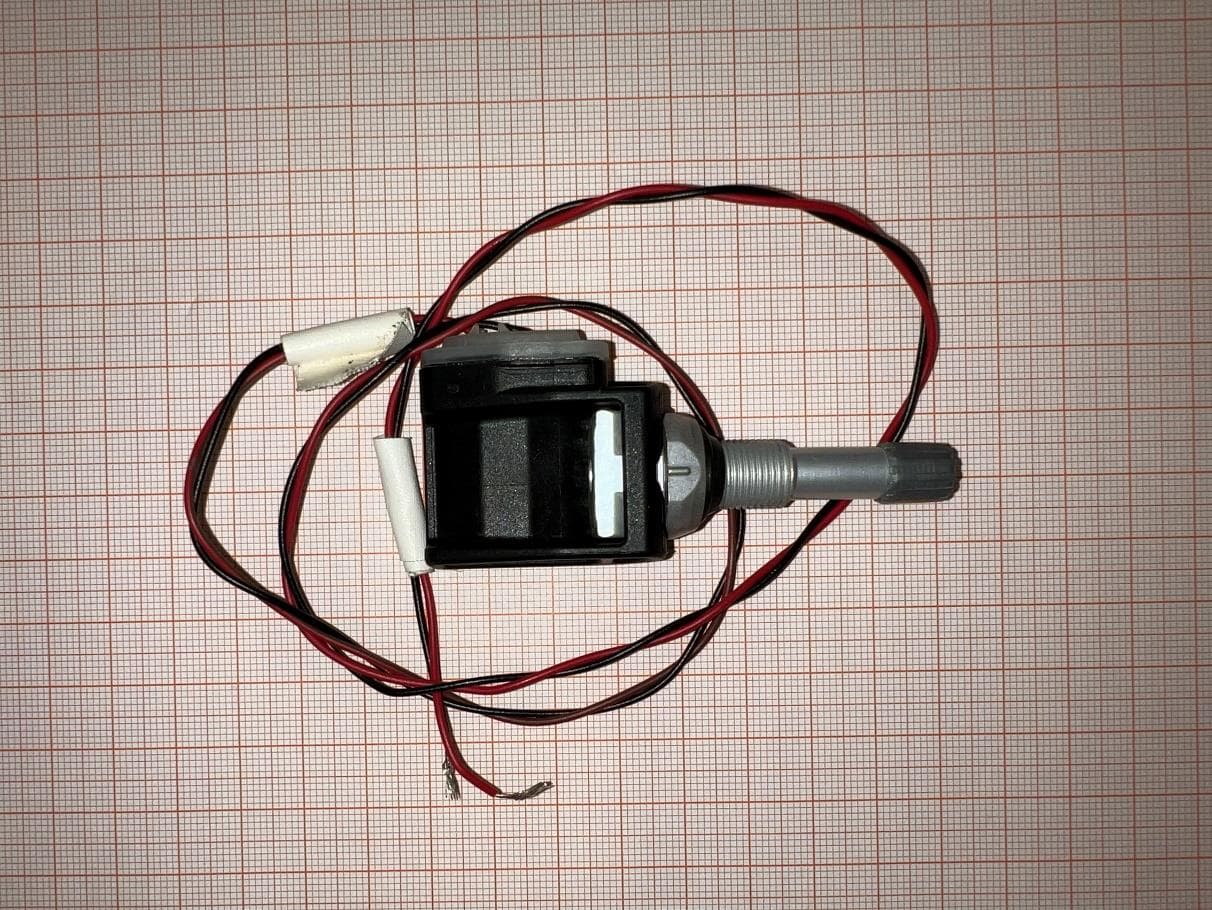
MRXBG6FD4
Jun 27, 2023Tyre Pressure Monitoring Sensor
Equipment Class
DSC - Part 15 Security/Remote Control Transmitter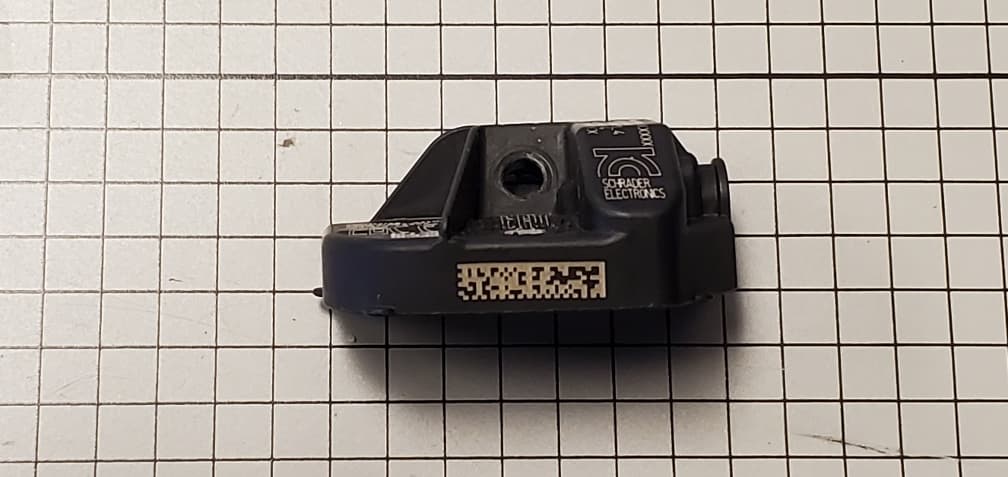
MRXBBFPL4
Mar 26, 2023TPMS Sensor
Equipment Class
DSC - Part 15 Security/Remote Control Transmitter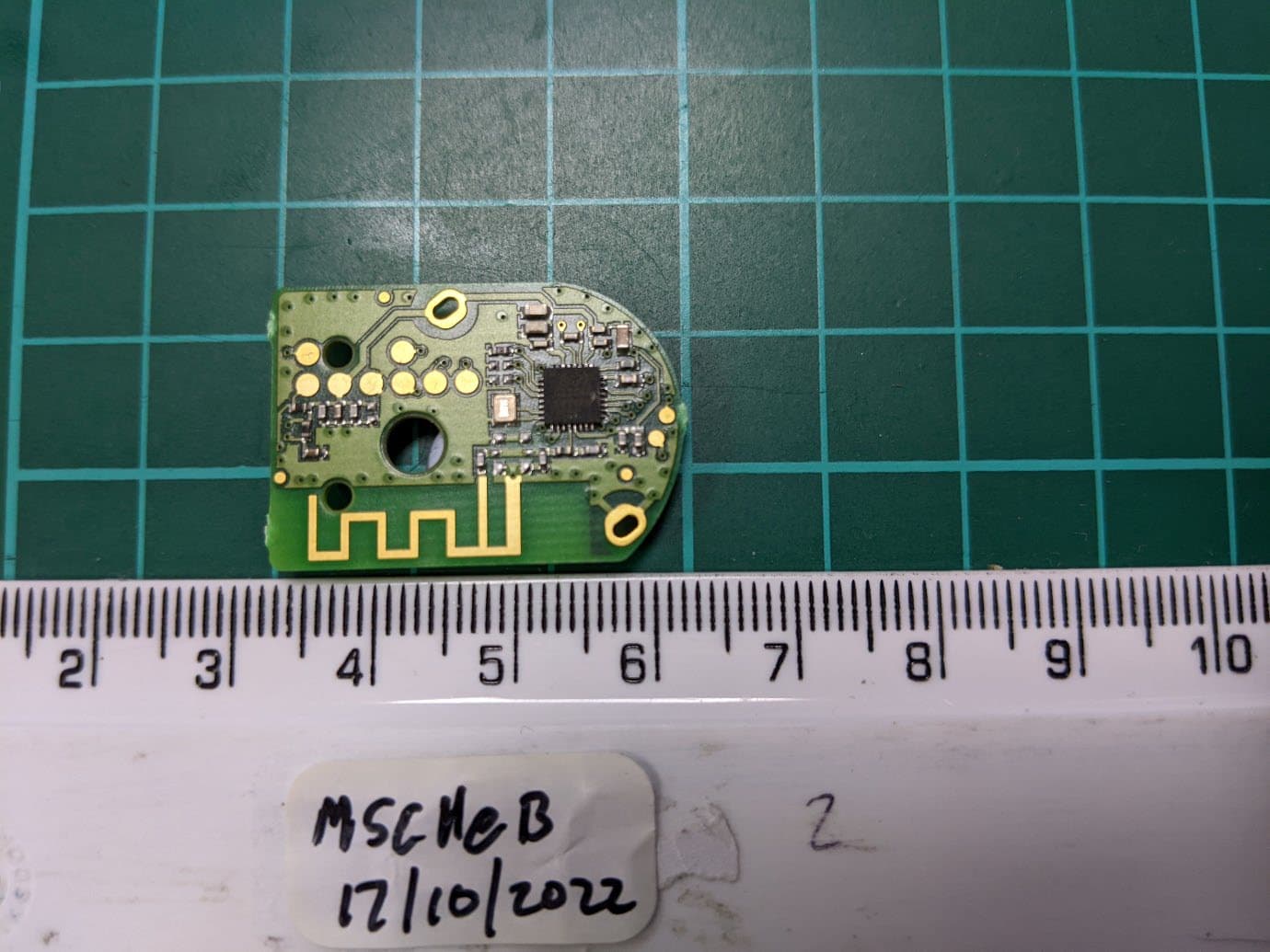
MRXSCHEB
Jan 25, 2023Tyre Pressure Monitoring System
Equipment Class
DTS - Digital Transmission System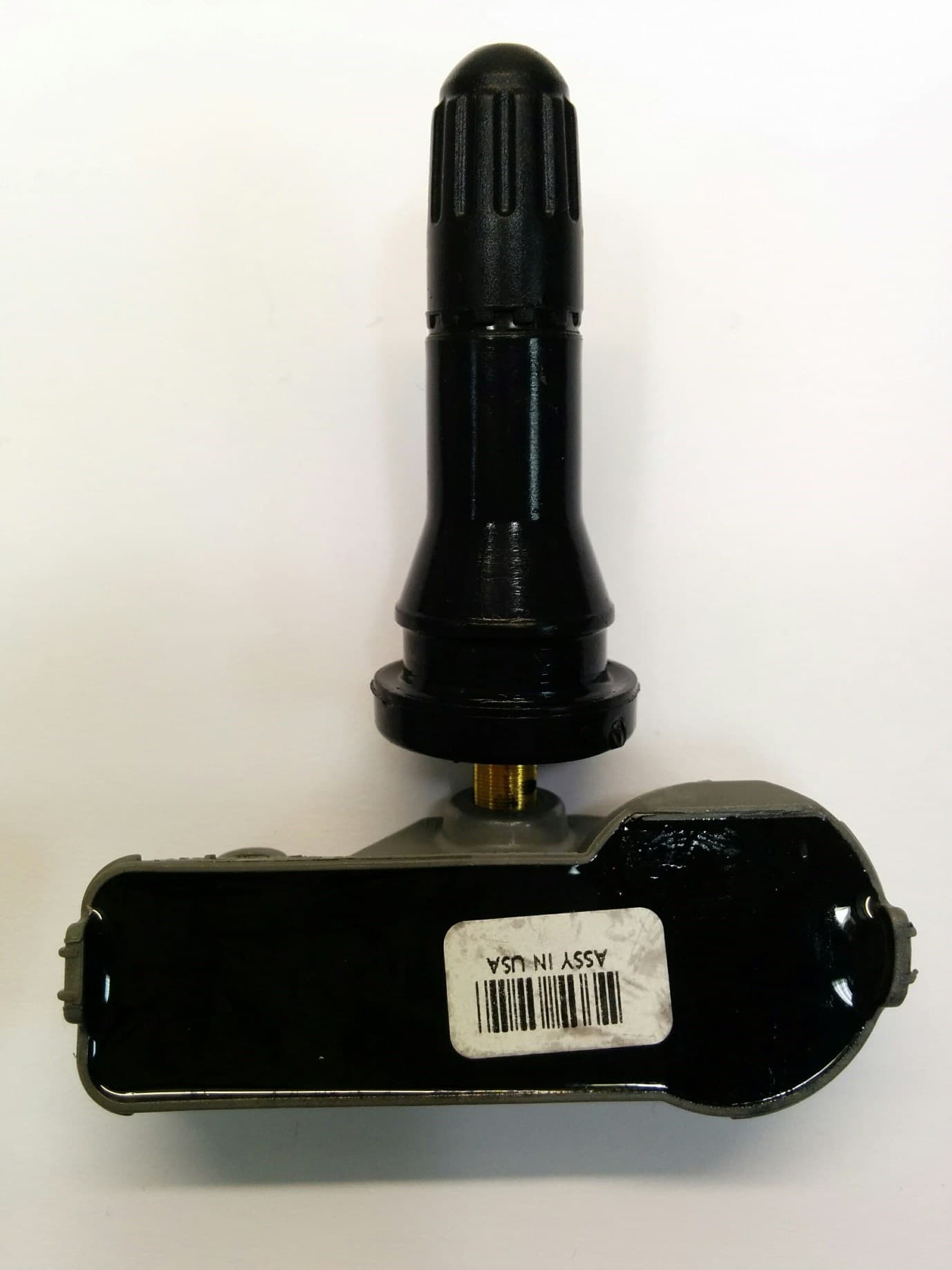
MRXFP4
Aug 30, 2022Tyre Pressure Monitor
Equipment Class
DSC - Part 15 Security/Remote Control Transmitter