PFTCW-1100APWireless LAN Access Point
Crewave Co., Ltd.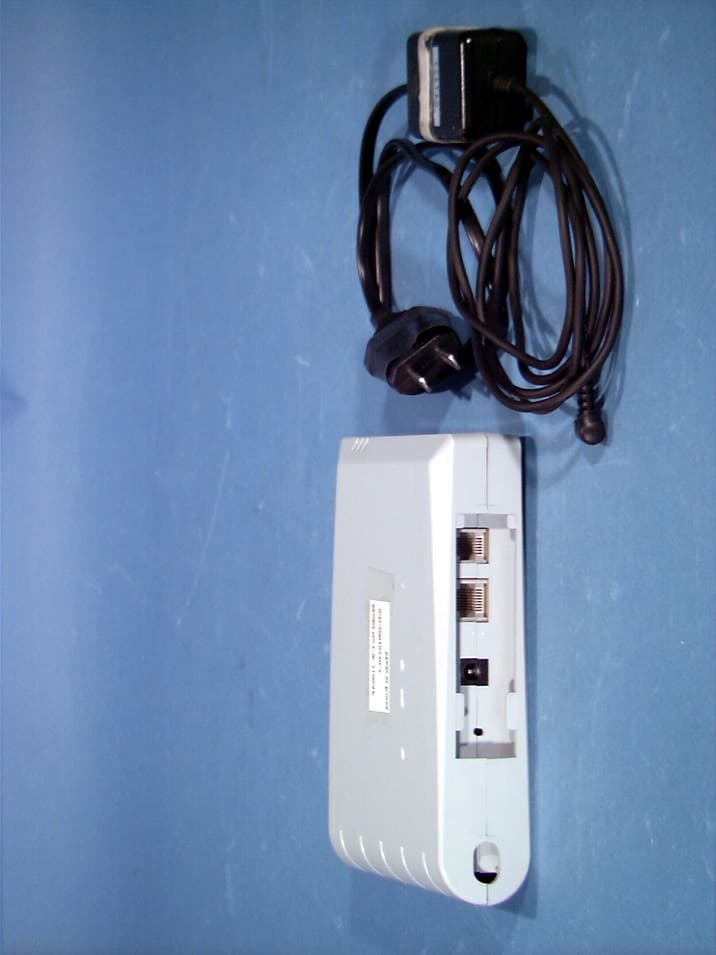
Click to zoom
Application Details
- Equipment Class
- DSS - Part 15 Spread Spectrum Transmitter
- Date of Grant
- Aug 28, 2001
- Application Purpose
- Original Equipment
- Date of Application
- Apr 05, 2001
- Equipment Note
- Wireless LAN Access Point
- Frequency Range
- 2413.00000000 - 2458.00000000
- Company
- Crewave Co., Ltd.
- Country
- South Korea
Documents & Files
Document Text
Text extracted from the exhibit documents filed with the FCC. Open a document above to read the original.
Users Manual
User ’ s Guide CW-1100AP Access Point We are always on-line : http://www.crewave.com Copyright c 2000 CREWAVE Co.,Ltd. All Rights Reserved CREWAVE Wireless LAN PC Card 2 NOTICE The User’s Guide described in this book is a licensed product of CREWAVE Co.,Ltd. l Microsoft MS-Windows and MS-DOS are trademarks of Microsoft Corporation. l Adobe Acrobat is a registered trademark of Adobe Systems Inc. All other brand and product names mentioned herein may be trademarks and/or registered trademarks of their respective companies. Note This documents was created by CREWAVE Co.,Ltd. CREWAVE shall not be liable for technical or editorial errors contained herein. The information in this document reserves the rights to change specifications without prior notice. http://www.crewave.com Copyright c 2000 CREWAVE Co.,Ltd. All rights reserved. CREWAVE Wireless LAN PC Card 3 CONTENTS Information of a WLAN - What is a Wireless LAN? ---------------------------- 4 - What is IEEE 802.11? ------------------------------ 4 - Which one should I use? --------------------------- 5 Introduction - About CREWAVE Wireless LAN ----------------------- 7 . Product Features ------------------------------- 7 Preparation l To optimize the performance of WLAN ----------------- 8 Installation --------------------------------------------10 AP Manager Utility ------------------------------------------- 11 l Composition of a screen --------------------------------1111 l Configuration Utility ------------------------------------1212 Limited Warranty ----------------------------------------- 15 CREWAVE Wireless LAN PC Card 4 INFORMATION Congratulations on your CREWAVE Wireless LAN Access Point purchase! If you want to install a networking system that is not only fast and powerful, but also easy to set up and simple to maintain, it is natural that you should choose a CREWAVE 11Mbps Wireless LAN Access Point. The CREWAVE 11Mbps Wireless LAN Access Point(this “AP”) is the wireless Access Point for the 802.11b compliant. This AP extends the range of your cabled Ethernet network(a wired Local Area Network), providing easy network access to mobile users and difficult to wire locations. So the AP can serve mobile wireless stations, roaming between various locations within a network area. Moreover, this AP provides excellent levels of security, robustness and roaming features required for your business. What is a Wireless LAN? A Wireless LAN provides the same functionality of a Wired LAN, but it eliminates the need to install networking cables and other networking equipment. Not only is a Wireless LAN easier to deploy, but it also allows for “roaming.” For example, an employee using a portable computer with a Wireless LAN PC Card, can roam from a conference room to an office without being disconnected from the network. What is IEEE 802.11? The IEEE 802.11 specification is a Wireless LAN standard developed by the IEEE(Institute of Electrical and Electronic Engineering) committee in order to specify an over an air interface between a wireless client and a base station or Access Point(AP), as well as among wireless clients. Like other IEEE 802 families, IEEE 802.11 specification addresses both Physical(PHY) layer and Media Access Control(MAC) layer. - IEEE 802.11 Physical(PHY) Layer At the PHY Layer, IEEE 802.11 defines three physical characteristics for WLAN : CREWAVE Wireless LAN PC Card 5 diffused infrared, direct sequence spread spectrum(DSSS), and frequency hopping spread spectrum(FHSS). While the infrared PHY operates at the baseband, the other two PHYs operate at the 2.4GHz ISM(Industrial, Scientific, and Medical)band, which can be used for operating Wireless LAN devices without the need of end-user licenses. In order for wireless devices to be interoperable, they have to be conforming to the same PHY standard. - Media Access Control(MAC) Layer The IEEE 802.11 MAC Layer is mainly concerned with the rules for accessing the wireless medium. There are two network architectures defined : Ad-hoc Network and Infrastructure Network. Which one should I use? - Ad-hoc Networking Also called “Peer-to-Peer” networking, this model is the easiest to deploy and is ideal for small offices. As a user on this type of network, you are able to share files with other employees, print to a shared office printer, and access the Internet via a shared modem. However, with Ad-hoc networking your computer is only able to communicate with other wireless computers that are within range and in your wireless workgroup. - Infrastructure Networking CREWAVE Wireless LAN PC Card 6 The key difference between a structured wireless network and an Ad-hoc wireless network is the addition of one extra element – an Access Point. Unlike “Peer-to-Peer” networking, where networked computers send data directly to each other, structured networked computers communicate with each other through a dedicated Access Point. All data transmitted between two computers, (clients) on the wireless network passes through the Access Point. Additionally, the Access Point on the wireless infrastructure network can provide access to an existing wired network. This link allows computers on the wireless network to access the wired network’s resources and tools, including Internet access, email delivery, file transfer, and printer sharing. * Roaming In an infrastructure network, this is when a wireless PC moves out of range of the previously connected Access Point and connects to a different Access Point. By physically spreading Access Points throughout the network environment, clients can always be connected regardless of where they are located or roam. INTRODUCTION CREWAVE Wireless LAN CREWAVE Wireless LAN PC Card 7 1. Development & Manufacturer : CREWAVE Co., Ltd. 2. Product: 11Mbps Wireless LAN Products(PCMCIA Card): CW-1100 Access Point : CW-1100AP 2.1 PCMCIA Features: - IEEE 802.11b Fully compliant - High-Speed Data Rate up to 11Mbps - Low Power Consumption -Seamless & real time connection 2.2 …
Text truncated - open the document above for the full version.
Users Manual
CREWAVE Wireless LAN PC Card 16 NOTICE CREWAVE’s responsibility under this, or any other warranty, implied or express, is limited to repair, replacement or refund, as set forth above. These remedies are the sole and exclusive remedies for any breach of warranty. All implied and express warranties are limited in duration to the limited warranty period. No warranties apply after that period. To obtain warranty service for your CREWAVE products, you may contact CREWAVE Authorized Service Provider, or you may contact CREWAVE.
Block Diagram
AT76510 802.3/802.11 Bridge Cotroller OSC 36MHZ HFA3861BIN B/B Processor HFA3783IN 748MHz I/Q Mo/DeModulator HFA3683AIN 2.4GHz RF/IF Converter HFA3983IN Power Amplifier LNA Module VCO 748MHZ VCO 2074MHZ BPF 2.450GHz TX RX T/R Switch ANTSEL Switch TX RX ANT1ANT1 TX/RX RX UPC2745 LNA RX TX DATA/CLK RX DATA/CLK Control Signal jGz z j TX I+/- TX Q+/- RX I+/- RX Q+/- S DATA/CLK {VyGj SAW FILTer 374M IF DET wGhGj {kl{ AGC_Control FLASH MEMORY AT49LV001N (128x8bit) SRAM AS7C34096 (512x8bit) MA0:16 MA0:17 MD0:7 MD0:15 hu{zls LQ80225 10/100M Ethernet PHY OSC 44MHZ X-TAL 12MHz MII Interface MAGNETIC Tx Rx RJ45 Rx Tx X-TAL 25MHz RJ45 USB Interface
Cover Letter(s)
July 11, 2001 Federal Communications Commission Equipment Approval Services 7435 Oakland Mills Road Columbia, MD 21046 Attn: Mr. Joe Dichoso SUBJECT: Crewave Co., Ltd. FCC ID: PFTCW-1100AP 731 Confirmation No.: EA100569 Correspondence Reference No.: 19402 Request for Tech. Info.: 5/23/01 Dear Joe: Transmitted herewith, on behalf of Crewave Co., Ltd. is an amendment provided in response to the request for technical information dated May 23, 2001. 1. Please find the attached specification sheet. 2. Please find the attached last page of the user’s manual. 3. The requested frequency range is from 2413 ~ 2458 MHz. 4. The data rates are 11, 5.5, 2, and 1 Mbps as indicated on the attached specification sheet. 5. Please find the attached processing gain data indicating the theoretical processing gain and the processing gain at the different data rates. 6. The power levels were measured using a peak power meter. 7. The antenna gain is 0 dBi. 8. Please find the attached measurement uncertainty discussion provided by the SAR measurement system manufacturer. 9. The 6 dB BW plots were inadvertently submitted please find the revised plots. We trust this information is sufficient for the immediate grant of this application. If you have any further questions, please do not hesitate to contact us. cc: Crewave Co., Ltd.
Cover Letter(s)
August 13, 2001 Federal Communications Commission Equipment Approval Services 7435 Oakland Mills Road Columbia, MD 21046 Attn: Mr. Joe Dichoso SUBJECT: Crewave Co., Ltd. FCC ID: PFTCW-1100AP 731 Confirmation No.: EA100569 Correspondence Reference No.: 20004 Request for Tech. Info.: 7/19/01 Dear Joe: Transmitted herewith, on behalf of Crewave Co., Ltd. is an amendment provided in response to the request for technical information dated July 19, 2001. 1. Please find the attached processing gain data. We trust this information is sufficient for the immediate grant of this application. If you have any further questions, please do not hesitate to contact us. cc: Crewave Co., Ltd.
External Photos
© 2001 PCTEST Lab Wireless LAN Access Point NVLAP Lab Code: 100431-0 CREWAVE FCC ID: PFTCW-1100AP © 2001 PCTEST Lab Wireless LAN Access Point NVLAP Lab Code: 100431-0 CREWAVE FCC ID: PFTCW-1100AP © 2001 PCTEST Lab Wireless LAN Access Point NVLAP Lab Code: 100431-0 CREWAVE FCC ID: PFTCW-1100AP © 2001 PCTEST Lab Wireless LAN Access Point NVLAP Lab Code: 100431-0 CREWAVE FCC ID: PFTCW-1100AP
ID Label/Location Info
© 2001 PCTEST Lab FCC ID SAMPLE LABEL & LOCATION LABELLING REQUIREMENTS PER §§ 2.925 & 15.19 The Label shown shall be permanently affixed at a conspicuous location on the device and be readily visible to the user at the time of purchase. (SEE NEXT PAGE) FCC ID: PFTCW-1100AP
Internal Photos
© 2001 PCTEST Lab Wireless LAN Access Point NVLAP Lab Code: 100431-0 CREWAVE FCC ID: PFTCW-1100AP © 2001 PCTEST Lab Wireless LAN Access Point NVLAP Lab Code: 100431-0 CREWAVE FCC ID: PFTCW-1100AP © 2001 PCTEST Lab Wireless LAN Access Point NVLAP Lab Code: 100431-0 CREWAVE FCC ID: PFTCW-1100AP © 2001 PCTEST Lab Wireless LAN Access Point NVLAP Lab Code: 100431-0 CREWAVE FCC ID: PFTCW-1100AP © 2001 PCTEST Lab Wireless LAN Access Point NVLAP Lab Code: 100431-0 CREWAVE FCC ID: PFTCW-1100AP © 2001 PCTEST Lab Wireless LAN Access Point NVLAP Lab Code: 100431-0 CREWAVE FCC ID: PFTCW-1100AP © 2001 PCTEST Lab Wireless LAN Access Point NVLAP Lab Code: 100431-0 CREWAVE FCC ID: PFTCW-1100AP
Operational Description
CREWAVE Wireless LAN PC Card 4 INFORMATION Congratulations on your CREWAVE Wireless LAN Access Point purchase! If you want to install a networking system that is not only fast and powerful, but also easy to set up and simple to maintain, it is natural that you should choose a CREWAVE 11Mbps Wireless LAN Access Point. The CREWAVE 11Mbps Wireless LAN Access Point(this “AP”) is the wireless Access Point for the 802.11b compliant. This AP extends the range of your cabled Ethernet network(a wired Local Area Network), providing easy network access to mobile users and difficult to wire locations. So the AP can serve mobile wireless stations, roaming between various locations within a network area. Moreover, this AP provides excellent levels of security, robustness and roaming features required for your business. What is a Wireless LAN? A Wireless LAN provides the same functionality of a Wired LAN, but it eliminates the need to install networking cables and other networking equipment. Not only is a Wireless LAN easier to deploy, but it also allows for “roaming.” For example, an employee using a portable computer with a Wireless LAN PC Card, can roam from a conference room to an office without being disconnected from the network. What is IEEE 802.11? The IEEE 802.11 specification is a Wireless LAN standard developed by the IEEE(Institute of Electrical and Electronic Engineering) committee in order to specify an over an air interface between a wireless client and a base station or Access Point(AP), as well as among wireless clients. Like other IEEE 802 families, IEEE 802.11 specification addresses both Physical(PHY) layer and Media Access Control(MAC) layer. - IEEE 802.11 Physical(PHY) Layer At the PHY Layer, IEEE 802.11 defines three physical characteristics for WLAN : CREWAVE Wireless LAN PC Card 5 diffused infrared, direct sequence spread spectrum(DSSS), and frequency hopping spread spectrum(FHSS). While the infrared PHY operates at the baseband, the other two PHYs operate at the 2.4GHz ISM(Industrial, Scientific, and Medical)band, which can be used for operating Wireless LAN devices without the need of end-user licenses. In order for wireless devices to be interoperable, they have to be conforming to the same PHY standard. - Media Access Control(MAC) Layer The IEEE 802.11 MAC Layer is mainly concerned with the rules for accessing the wireless medium. There are two network architectures defined : Ad-hoc Network and Infrastructure Network. Which one should I use? - Ad-hoc Networking Also called “Peer-to-Peer” networking, this model is the easiest to deploy and is ideal for small offices. As a user on this type of network, you are able to share files with other employees, print to a shared office printer, and access the Internet via a shared modem. However, with Ad-hoc networking your computer is only able to communicate with other wireless computers that are within range and in your wireless workgroup. - Infrastructure Networking CREWAVE Wireless LAN PC Card 6 The key difference between a structured wireless network and an Ad-hoc wireless network is the addition of one extra element – an Access Point. Unlike “Peer-to-Peer” networking, where networked computers send data directly to each other, structured networked computers communicate with each other through a dedicated Access Point. All data transmitted between two computers, (clients) on the wireless network passes through the Access Point. Additionally, the Access Point on the wireless infrastructure network can provide access to an existing wired network. This link allows computers on the wireless network to access the wired network’s resources and tools, including Internet access, email delivery, file transfer, and printer sharing. * Roaming In an infrastructure network, this is when a wireless PC moves out of range of the previously connected Access Point and connects to a different Access Point. By physically spreading Access Points throughout the network environment, clients can always be connected regardless of where they are located or roam. CREWAVE Wireless LAN PC Card 7 1. Development & Manufacturer : CREWAVE Co., Ltd. 2. Product: 11Mbps Wireless LAN Products(PCMCIA Card): CW-1100 Access Point : CW-1100AP 2.1 PCMCIA Features: - IEEE 802.11b Fully compliant - High-Speed Data Rate up to 11Mbps - Low Power Consumption -Seamless & real time connection 2.2 Access Point(AP) Features - Wired Network : Ethernet 10BaseT and 100BaseT - Configuration : SNMP / USB - Filtering : Ethernet Frame type filtering - Antenna Type : Reverse F-Type Antenna - Radio(Wireless) : Onboard IEEE802.11b Compliant Wireless LAN - LED Indicator : . Power (Red Color) . Wired Link Tx, Rx (Green Color) . Wireless Tx, Rx (Green Color) Specifications General DescriptionGeneral Description Model Name CREWAVE 11Mbps Wireless LAN Access Point (CW(CW--1100AP)1100AP) Standards IEEE802.11b Interface Type USB 1.1 12Mbps, 10Mbps Ethernet 2.400~2.4835GHz(Korea,USA,Canada,ETSI:13Channel) Frequency Band 2.400~2.497GHz(Japan) Wireless Network Architecture Direct Sequence Spread Spectrum (DSSS) IEEE 802.11 FeaturesIEEE 802.11 Features Data Rates 11, 5.5, 2 and 1 Mbps Antenna Reverse F-Type Antenna Gain 0 dBi Typical Operating Voltage 5VDC +/-0.5V Modulation Method CCK(11Mbps), DBPSK, DQPSK Power Consumption Max. 700mA Output Power Typical 15dBm(Max. 20dBm) Receiver Sensitivity -85dBm(Min:11Mbps), -92dBm(Min:2Mbps) Long/Short Preamble Support the long/short preamble Management FeaturesManagement Features Security 64bits WEP Encryption (Support up to 4 WEP Keys) Remote Configuration SNMP supported, AP Manager for Windows ME/2000/98/95 IP Auto Configuration Supports DHCP Client features Firmware Upgrade Upgrade via USB / Ethernet Interface support Local Configuration USB Environment Storage Temperature -25 °C to 70 °C (-13 °F to 158 °F) Humidity 95% (Max : Non-condensing) Open Space : 300m(1000feet) / Office : 40m(130feet) Coverage Area * The operating environment may affect coverage. …
Text truncated - open the document above for the full version.
Operational Description
Specifications General Description Model Name CREWAVE 11Mbps Wireless LAN Access Point (CW-1100AP) Standards IEEE802.11b Interface Type USB 1.1 12Mbps, 10Mbps Ethernet 2.400~2.4835GHz(Korea,USA,Canada,ETSI:13Channel) Frequency Band 2.400~2.497GHz(Japan) Wireless Network Architecture Direct Sequence Spread Spectrum (DSSS) IEEE 802.11 Features Data Rates 11, 5.5, 2 and 1 Mbps Antenna Reverse F-Type Antenna Operating Voltage 5VDC +/-0.5V Modulation Method CCK(11Mbps), DBPSK, DQPSK Power Consumption Max. 700mA Output Power Typical 15dBm(Max. 20dBm) Receiver Sensitivity -85dBm(Min:11Mbps), -92dBm(Min:2Mbps) Long/Short Preamble Support the long/short preamble Management Features Security 64bits WEP Encryption (Support up to 4 WEP Keys) Remote Configuration SNMP supported, AP Manager for Windows ME/2000/98/95 IP Auto Configuration Supports DHCP Client features Firmware Upgrade Upgrade via USB / Ethernet Interface support Local Configuration USB Environment Storage Temperature -25 ° C to 70 ° C (-13 ° F to 158 ° F) Humidity 95% (Max : Non-condensing) Open Space : 300m(1000feet) / Office : 40m(130feet) Coverage Area * The operating environment may affect coverage. Physical Features Power Adapter 100~230 VAC 50/60Hz to 5VDC 1A Wired Network Connection Type 10BaseT(RJ-45) Local Interface Type USB Dimension 165 x 110 x 35 mm Weight 500g LED Indicator Power (Red), Ethernet Lamp (Green), Wireless Lamp (Green)
RF Exposure Info
CREWAVE Model:CW-1100AP -- 2.4GHz DSSS Body SAR Generic Twin Phantom; Flat Section; Probe: ET3DV6 - SN1560 -- Probe Cal Date 20/02/01 Med. Parameters 2450 MHz Muscle: σ = 2.85 mho/m ε r = 52.2 ρ = 1.00 g/cm 3 ; Antenna Position -- Out; Crest Factor 1.0 SAR (1g): 0.104 mW/g, SAR (10g): 0.0563 mW/g CREWAVE Direct Sequence Spread Spectrum Model:CW-1100AP DSSS, 11Mbps Data Rate; Mid Channel [2413.5MHz] EIRP Power = 19.971dBm (0.093Watts); Spacing = Back of EUT Touching flat phantom Test Date -- 03-13-2001 SAR Tot [mW/g] 2.33E-2 6.99E-2 1.17E-1 1.63E-1 2.10E-1 PCTEST Engineering Laboratory, Inc.
RF Exposure Info
© 2001 PCTEST Lab Wireless LAN Access Point NVLAP Lab Code: 100431-0 CREWAVE FCC ID: PFTCW-1100AP © 2001 PCTEST Lab Wireless LAN Access Point NVLAP Lab Code: 100431-0 CREWAVE FCC ID: PFTCW-1100AP © 2001 PCTEST Lab Wireless LAN Access Point NVLAP Lab Code: 100431-0 CREWAVE FCC ID: PFTCW-1100AP
RF Exposure Info
© 2001 PCTEST Engineering Lab., Inc. PCTEST Engineering Laboratory, Inc. 66606660--B Dobbin Road B Dobbin Road •• Columbia, MD 21045 Columbia, MD 21045 •• U.S.A. U.S.A. TEL (410) 290TEL (410) 290--6652 6652 •• FAX (410) 290 FAX (410) 290--66546654 www.pctestlab.comwww.pctestlab.com CERTIFICATE OF COMPLIANCE (SAR EVALUATION) CREWAVE Co., Ltd. Dates of Tests: March 14-15, 2001 F7, Pureun Bldg. 28-1 Jamwon-dong, Seocho-gu Test Report S/N: SAR.210223103.PFT Seoul, KOREA 137-030 Test Site: PCTEST Lab, Columbia, MD USA Attn: Charlie Park FCC ID PFTCW-1100AP APPLICANT CREWAVE CO., LTD. EUT Type: Wireless LAN Access Point Tx Frequency: 2412 – 2483.5 MHz Max. RF Output Power 0.093 W EIRP (19.97 dBm) Trade Name/Model: CREWAVE CW-1100AP FCC Classification: Spread Spectrum Transceiver (DSS) Application Type: Certification FCC Rule Part(s): § 2.1093; ET Docket 96.326 Maximum SAR: 0.104 mW/g Body SAR This wireless portable device has been shown to be capable of compliance for localized specific absorption rate (SAR) for uncontrolled environment/general population exposure limits specified in ANSI/IEEE Std. C95.1-1992 and had been tested in accordance with the measurement procedures specified in ANSI/IEEE Std. C95.3-1992 (See Test Report). I attest to the accuracy of data. All measurements reported herein were performed by me or were made under my supervision and are correct to the best of my knowledge and belief. I assume full responsibility for the completeness of these measurements and vouch for the qualifications of all persons taking them. NVLAP accreditation does not constitute any product endorsement by NVLAP or any agency of the United States Government. PCTEST certifies that no party to this application has been denied the FCC benefits pursuant to Section 5301 of the Anti-Drug Abuse Act of 1988, 21 U.S.C. 862. 201019539.H9P SAR Measurement Report FCC Certification © 2001 PCTEST Lab i Table of Contents 1.1 SCOPE 1 2.1 INTRODUCTION / SAR DEFINITION 2 3.1 SAR MEASUREMENT SET-UP 3 4.1 E-FIELD PROBE SYSTEM 4 5.1 E-FIELD PROBE CALIBRATION PROCESS 5 5.3 DATA EXTRAPOLATION 6 6.1 PHANTOM, HOLDER & EQUIVALENT TISSUES 7 7.1 SYSTEM SPECIFICATIONS 8 8.1 MEASUREMENT PROCESS 9 9.1 TEST POSITION OF THE PHONE 10 10.1 BODY-WORN CONFIGURATION 11 11.1 ANSI/IEEE C95.1 RF EXPOSURE LIMITS 12 12.1 MEASUREMENT UNCERTAINTIES 13 13.1 TEST DATA SUMMARY 14 14.1 SAR TEST EQUIPMENT LIST 15 15.1 CONCLUSION 16 16.1 REFERENCES 17 ATTACHMENT A – SAR TEST PLOTS ATTACHMENT B – SAR TEST SETUP PHOTOGRAPHS ATTACHMENT C – DIPOLE VALIDATION ATTACHMENT D – PROBE CALIBRATION Test Report S/N: SAR.210223103.PFT SAR Measurement Report Test Dates: March 14-15, 2001 FCC Part 15.247 Certification © 2001 PCTEST Lab Wireless LAN Access Point 1 CREWAVE FCC ID: PFTCW-1100AP SAR MEASUREMENT REPORT 1.1 Scope Environmental evaluation measurements of specific absorption rate 1 (SAR) distributions in simulated human head and body tissues exposed to radiofrequency (RF) radiation from wireless portable devices for compliance with the rules and regulations of the U.S. Federal Communications Commission (FCC). 2 Company Name: CREWAVE CO., LTD. Address: F7, Pureun Bldg. 28-1 Jamwon-dong, Seocho-gu Seoul, KOREA 137-030 Attention: Charlie Park • EUT Type: Wireless LAN Access Point • Trade Name: CREWAVE • Model(s): CW-1100AP • FCC IDENTIFIER: PFTCW-1100AP • Tx/Rx Frequency: 2412 – 2483.5 MHz • Application Type: Certification • FCC Classification: Spread Spectrum Transceiver (DSS) • FCC Rule Part(s): § 2.1093, Docket 96-326 • Modulation(s): Direct Sequence System (DSS) • Max. Output Power: 0.093 W EIRP (19.97 dBm) • Date(s) of Tests: March 14-15, 2001 • Place of Tests: PCTEST Engineering Lab. Columbia, MD, U.S.A. • Report Serial No.: SAR.210223103.PFT 1 Specific Absorption Rate (SAR) is a measure of the rate of energy absorption due to exposure to an RF transmitting source (wireless portable device). 2 IEEE/ANSI Std. C95.1-1992 limits are used to determine compliance with FCC ET Docket 93-62. Fig. 1 SAR Test Setup Test Report S/N: SAR.210223103.PFT SAR Measurement Report Test Dates: March 14-15, 2001 FCC Part 15.247 Certification © 2001 PCTEST Lab Wireless LAN Access Point 2 CREWAVE FCC ID: PFTCW-1100AP 2.1 INTRODUCTION The FCC has adopted the guidelines for evaluating the environmental effects of radiofrequency radiation in ET Docket 93-62 on Aug. 6, 1996 to protect the public and workers from the potential hazards of RF emissions due to FCC-regulated portable devices.[1] The safety limits used for the environmental evaluation measurements are based on the criteria published by the American National Standards Institute (ANSI) for localized specific absorption rate (SAR) in IEEE/ANSI C95.1-1992 Standard for Safety Levels with Respect to Human Exposure to Radio Frequency Electromagnetic Fields, 3 kHz to 300 GHz. (c) 1992 by the Institute of Electrical and Electronics Engineers, Inc., New York, New York 10017.[2] The measurement procedure described in IEEE/ANSI C95.3-1992 Recommended Practice for the Measurement of Potentially Hazardous Electromagnetic Fields - RF and Microwave[3] is used for guidance in measuring SAR due to the RF radiation exposure from the Equipment Under Test (EUT). These criteria for SAR evaluation are similar to those recommended by the National Council on Radiation Protection and Measurements (NCRP) in Biological Effects and Exposure Criteria for Radiofrequency Electromagnetic Fields,” NCRP Report No. 86 (c) NCRP, 1986, Bethesda, MD 20814.[4] SAR is a measure of the rate of energy absorption due to exposure to an RF transmitting source. SAR values have been related to threshold levels for potential biological hazards. 2.2 SAR Definition Specific Absorption Rate (SAR) is defined as the time derivative (rate) of the incremental energy (dU) absorbed by (dissipated in) an incremental mass (dm) contained in a volume element (dV) of a given density (ρ). It is also defined as the rate of RF energy absorption per unit mass at a point in an absorbi…
Text truncated - open the document above for the full version.
RF Exposure Info
Probe ET3DV6 SN:1560 Manufactured:December 1, 2000 Calibrated:February 20, 2001 Calibrated for System DASY3 Page 1 of 8 ET3DV6 SN:1560 DASY3 - Parameters of Probe: ET3DV6 SN:1560 Sensitivity in Free SpaceDiode Compression NormX1.48 μV/(V/m) 2 DCP X98mV NormY1.51 μV/(V/m) 2 DCP Y98mV NormZ1.43 μV/(V/m) 2 DCP Z98mV Sensitivity in Tissue Simulating Liquid Head450MHz ε r =43.5 ± 5% σ = 0.87 ± 10% mho/m ConvF X7.17 extrapolatedBoundary effect: ConvF Y7.17 extrapolatedAlpha0.25 ConvF Z7.17 extrapolatedDepth3.21 Head900MHz ε r =42 ± 5% σ = 0.97 ± 10% mho/m ConvF X6.59 ± 7% (k=2)Boundary effect: ConvF Y6.59 ± 7% (k=2)Alpha0.32 ConvF Z6.59 ± 7% (k=2)Depth2.93 Head1500MHz ε r =40.4 ± 5% σ = 1.23 ± 10% mho/m ConvF X5.82 interpolatedBoundary effect: ConvF Y5.82 interpolatedAlpha0.41 ConvF Z5.82 interpolatedDepth2.55 Head1800MHz ε r =40 ± 5% σ = 1.40 ± 10% mho/m ConvF X5.43 ± 7% (k=2)Boundary effect: ConvF Y5.43 ± 7% (k=2)Alpha0.46 ConvF Z5.43 ± 7% (k=2)Depth2.36 Sensor Offset Probe Tip to Sensor Center2.7mm Optical Surface Detection2.0 ± 0.2mm Page 2 of 8 ET3DV6 SN:1560 Receiving Pattern (φ), θ = 0° f = 30 MHz, TEM cell ifi110 0 10 20 30 40 50 60 70 80 90 100 110 120 130 140 150 160 170 180 190 200 210 220 230 240 250 260 270 280 290 300 310 320 330 340 350 XYZTot f = 100 MHz, TEM cell ifi110 0 10 20 30 40 50 60 70 80 90 100 110 120 130 140 150 160 170 180 190 200 210 220 230 240 250 260 270 280 290 300 310 320 330 340 350 XYZTot f = 300 MHz, TEM cell ifi110 0 10 20 30 40 50 60 70 80 90 100 110 120 130 140 150 160 170 180 190 200 210 220 230 240 250 260 270 280 290 300 310 320 330 340 350 XYZTot f = 900 MHz, TEM cell ifi110 0 10 20 30 40 50 60 70 80 90 100 110 120 130 140 150 160 170 180 190 200 210 220 230 240 250 260 270 280 290 300 310 320 330 340 350 XYZTot Page 3 of 8 ET3DV6 SN:1560 Isotropy Error (φ), θ = 0° -1.00 -0.80 -0.60 -0.40 -0.20 0.00 0.20 0.40 0.60 0.80 1.00 060120180240300360 error[dB] 30 MHz 100 MHz 300 MHz 900 MHz 1800 MHz 2500 MHz f = 1800 MHz, WG R22 0 10 20 30 40 50 60 70 80 90 100 110 120 130 140 150 160 170 180 190 200 210 220 230 240 250 260 270 280 290 300 310 320 330 340 350 XYZTot f = 2500 MHz, WG R26 0 10 20 30 40 50 60 70 80 90 100 110 120 130 140 150 160 170 180 190 200 210 220 230 240 250 260 270 280 290 300 310 320 330 340 350 XYZTot Page 4 of 8 ET3DV6 SN:1560 Frequency Response of E-Field ( TEM-Cell:ifi110, Waveguide R22) 0.50 0.60 0.70 0.80 0.90 1.00 1.10 1.20 1.30 1.40 1.50 050010001500200025003000 f [MHz] frequency response TEMR22 Page 5 of 8 ET3DV6 SN:1560 Dynamic Range f(SAR brain ) ( TEM-Cell:ifi110 ) ET3DV6 SN:1560 1.E+0 1.E+1 1.E+2 1.E+3 1.E+4 1.E+5 1.E+6 1.E+7 0.00010.0010.010.11.10.100. mW/cm 3 μ V not compensatedcompensated -2.0 -1.0 0.0 1.0 0.0010.010.1110100 mW/cm 3 errror[dB] Page 6 of 8 Conversion Factor Assessment Head900MHz ε r =42 ± 5% σ = 0.97 ± 10% mho/m ConvF X6.59 ± 7% (k=2)Boundary effect: ConvF Y6.59 ± 7% (k=2)Alpha0.32 ConvF Z6.59 ± 7% (k=2)Depth2.93 Head1800MHz ε r =40 ± 5% σ = 1.40 ± 10% mho/m ConvF X5.43 ± 7% (k=2)Boundary effect: ConvF Y5.43 ± 7% (k=2)Alpha0.46 ConvF Z5.43 ± 7% (k=2)Depth2.36 ET3DV6 SN:1560 f = 900 MHz, WG R9 (head) 0.00 0.10 0.20 0.30 0.40 0.50 0.60 0.70 0.80 0.90 0204060 z[mm] SAR[mW/cm 3 ] / W AnalyticalMeasuremets f = 1800 MHz, WG R22 (head) 0.00 1.00 2.00 3.00 4.00 5.00 6.00 7.00 0204060 z[mm] SAR[mW/cm 3 ] / W AnalyticalMeasuremets Page 7 of 8 Deviation from Isotropy in HSL Error (θ,φ), f = 900 MHz 0 40 80 120 160 200 240 280 320 0 10 20 30 40 50 60 -1.00 -0.80 -0.60 -0.40 -0.20 0.00 0.20 0.40 0.60 0.80 1.00 Error [dB] θ φ -1.00--0.80-0.80--0.60-0.60--0.40-0.40--0.20-0.20-0.00 0.00-0.200.20-0.400.40-0.600.60-0.800.80-1.00 Page 8 of 8
RF Exposure Info
1900MHz Muscle Dipole Validation Generic Twin Phantom; Flat Section; Probe: ET3DV6 - SN1560 -- Probe Cal Date 20/02/01 Med. Parameters 1900 MHz Muscle: σ = 1.85 mho/m ε r = 54.2 ρ = 1.00 g/cm 3 ; Antenna Position -- Out; Crest Factor 1.0 SAR (1g): 10.8 mW/g, SAR (10g): 5.66 mW/g 1900MHz Muscle Dipole Validation (D1900V2 S/N: 502) Frequency: 1900 MHz; Antenna Input Power: 250 [mW] PCTEST Muscle Tissue Simulating Liquid SAR Tot [mW/g] 1.06E+0 3.17E+0 5.28E+0 7.39E+0 9.51E+0 PCTEST Engineering Laboratory, Inc.
Test Report
© 2001 PCTEST Engineering Lab., Inc. PCTEST Engineering Laboratory, Inc. 66606660--B Dobbin Road B Dobbin Road •• Columbia, MD 21045 Columbia, MD 21045 •• U.S.A. U.S.A. TEL (410) 290TEL (410) 290--6652 6652 •• FAX (410) 290 FAX (410) 290--66546654 http://www.pctestlab.comhttp://www.pctestlab.com CERTIFICATE OF COMPLIANCE CREWAVE Co., Ltd. Dates of Tests: March 14-15, 2001 F7, Pureun Bldg. 28-1 Jamwon-dong, Seocho-gu Test Report S/N: 15.210223102.PFT Seoul, KOREA 137-030 Test Site: PCTEST Lab, Columbia MD Attention: Charlie Park FCC ID PFTCW-1100AP APPLICANT CREWAVE Co., Ltd. FCC Rule Part(s): § 15.247; ANSI C-63.4 (1992) Classification: Spread Spectrum Transceiver (DSS) Method/System: Direct Sequence System Equipment Type: Wireless LAN Access Point Max Output Power: 0.093 Watts Frequency Range: 2412 – 2483.5 MHz Trade/Model No(s).: CREWAVE CW-1100AP This equipment has been shown to be capable of compliance with the appli…
Text truncated - open the document above for the full version.
Contact Information
Applicant
Min Jae Lee(R & D Director)
Technical Contact
PCTEST Engineering Laboratory, Inc.Randy Ortanez
[email protected]410-290-6652
6660-B Dobbin Road · Columbia, Maryland · United States
Non-Technical Contact
PCTEST Engineering Laboratory, Inc.Randy Ortanez
[email protected]410-290-6652
Test Firm
PCTEST Engineering Laboratory, Inc.Randy Ortanez
Technical Specifications
| # | Rule Parts | Frequency Range | Power Output |
|---|---|---|---|
| 1 | 15C | 2.41 GHz - 2.46 GHz | 93.00 mW |
Other Applications from Crewave Co., Ltd.
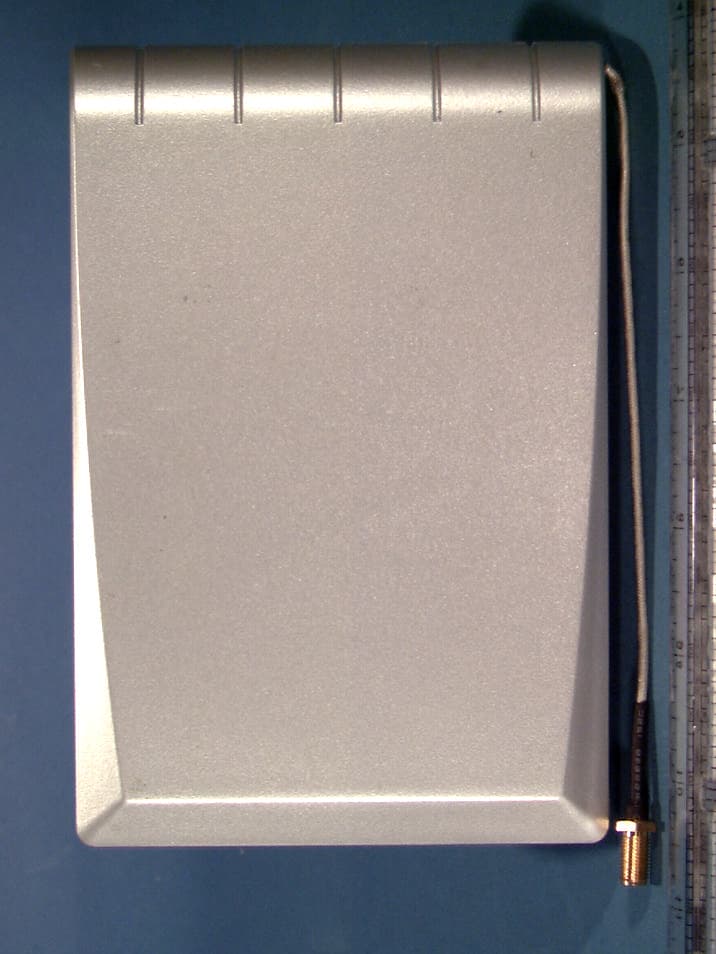
PFTCW-1100WLB
Dec 06, 2001Wireless LAN
Equipment Class
DSS - Part 15 Spread Spectrum Transmitter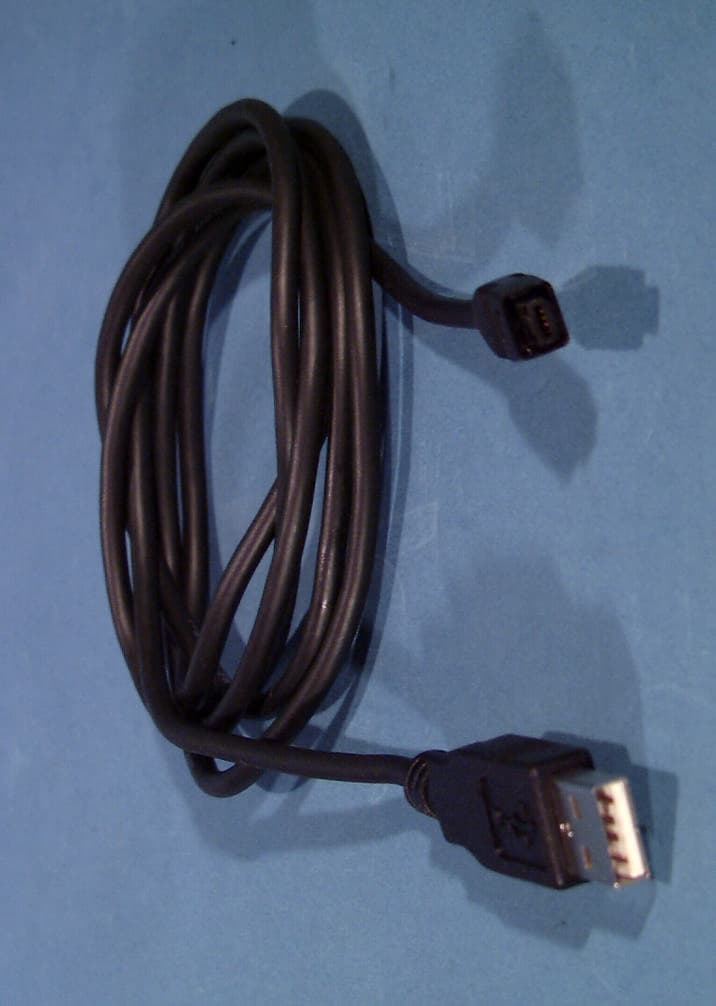
PFTCW-1100USB
Nov 27, 2001Wireless LAN USB
Equipment Class
DSS - Part 15 Spread Spectrum Transmitter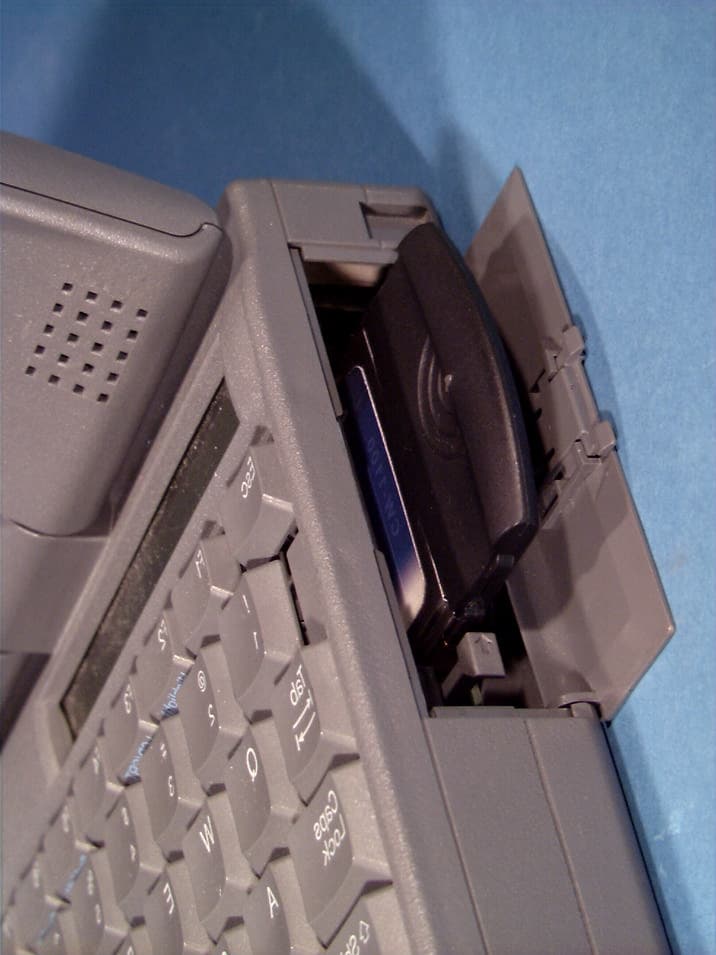
PFTCW-1100
Apr 22, 2001Wireless LAN Network Adapter Card (PCMCIA)
Equipment Class
DSS - Part 15 Spread Spectrum Transmitter