PPIRM-77GSM 850/ 1800/ 1900 PCS phone
Microsoft Corporation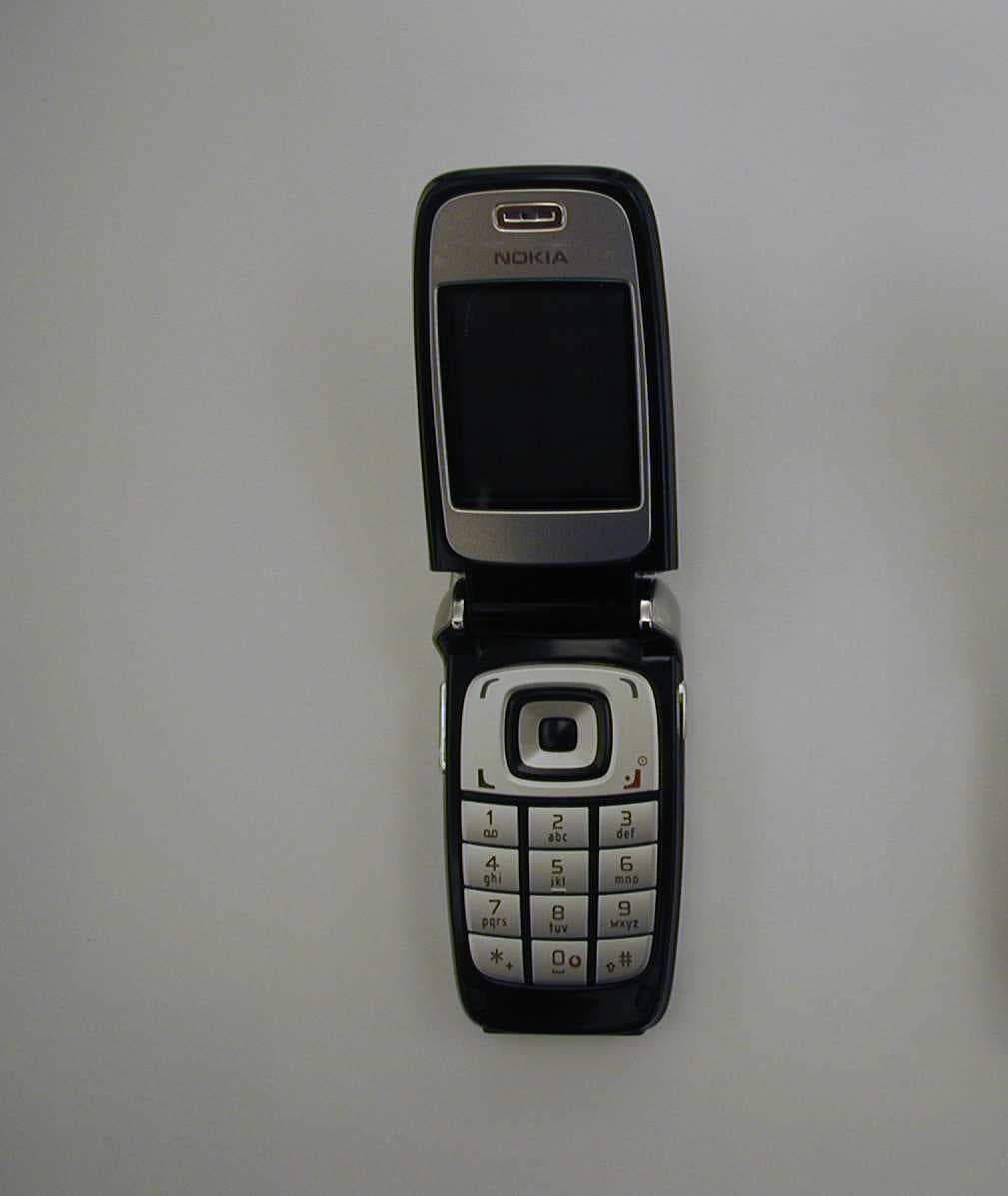
Click to zoom
Application Details
- Equipment Class
- PCE - PCS Licensed Transmitter held to ear
- Date of Grant
- Jun 14, 2005
- Application Purpose
- Original Equipment
- Date of Application
- Jun 14, 2005
- Equipment Note
- GSM 850/ 1800/ 1900 PCS phone
- Frequency Range
- 824.20000000 - 848.80000000
- Company
- Microsoft Corporation
- Country
- United States
Documents & Files
Document Text
Text extracted from the exhibit documents filed with the FCC. Open a document above to read the original.
Users Manual
Nokia 6101 and Nokia 6102 User Guide1Copyright © 2005 Nokia Nokia 6101 and Nokia 6102 User Guide 9240568 Issue 1 Issue 1te 6101_6102.ENv1_9240568_UG.fm Page 1 Tuesday, June 7, 2005 2:59 PM 2Copyright © 2005 Nokia DECLARATION OF CONFORMITY We, NOKIA CORPORATION declare under our sole responsibility that the products RM-76 and RM-77 are in conformity with the provisions of the following Council Directive:1999/5/EC. A copy of the Declaration of Conformity can be found at http://www.nokia.com/phones/declaration of conformity/ . LEGAL INFORMATION Part No. 9240568, Issue No. 1 Copyright © 2005 Nokia. All rights reserved. Reproduction, transfer, distribution or storage of part or all of the contents in this document in any form without the prior written permission of Nokia is prohibited. Nokia, Nokia Connecting People, Xpress-on, the Nokia Original Enhancements logo, and Pop-Port are trademarks or registered trademarks of Nokia Corporation. Other product and company names mentioned herein may be trademarks or tradenames of their respective owners. Nokia tune is a sound mark of Nokia Corporation. US Patent No 5818437 and other pending patents. T9 text input software Copyright (C) 1997-2005. Tegic Communications, Inc. All rights reserved. Includes RSA BSAFE cryptographic or security protocol software from RSA Security. Java is a trademark of Sun Microsystems, Inc. The information contained in this user guide was written for the Nokia 6101 and Nokia 6102 products. Nokia operates a policy of ongoing development. Nokia reserves the right to make changes to any of the products described in this document without prior notice. UNDER NO CIRCUMSTANCES SHALL NOKIA BE RESPONSIBLE FOR ANY LOSS OF DATA OR INCOME OR ANY SPECIAL, INCIDENTAL, AND CONSEQUENTIAL OR INDIRECT DAMAGES HOWSOEVER CAUSED. THE CONTENTS OF THIS DOCUMENT ARE PROVIDED "AS IS." EXCEPT AS REQUIRED BY APPLICABLE LAW, NO WARRANTIES OF ANY KIND, EITHER EXPRESS OR IMPLIED, INCLUDING, BUT NOT LIMITED TO, THE IMPLIED WARRANTIES OF MERCHANTABILITY AND FITNESS FOR A PARTICULAR PURPOSE, ARE MADE IN RELATION TO THE ACCURACY AND RELIABILITY OR CONTENTS OF THIS DOCUMENT. NOKIA RESERVES THE RIGHT TO REVISE THIS DOCUMENT OR WITHDRAW IT AT ANY TIME WITHOUT PRIOR NOTICE. 6101_6102.ENv1_9240568_UG.fm Page 2 Wednesday, June 8, 2005 1:36 PM Nokia 6101 and Nokia 6102 User Guide3Copyright © 2005 Nokia EXPORT CONTROLS This device may contain commodities, technology, or software subject to export laws and regulations from the U.S. and other countries. Diversion contrary to law is prohibited. FCC/INDUSTRY CANADA NOTICE Your device may cause TV or radio interference (for example, when using a telephone in close proximity to receiving equipment). The FCC or Industry Canada can require you to stop using your telephone if such interference cannot be eliminated. If you require assistance, contact your local service facility. This device complies with part 15 of the FCC rules. Operation is subject to the condition that this device does not cause harmful interference. 6101_6102.ENv1_9240568_UG.fm Page 3 Tuesday, June 7, 2005 2:59 PM Contents 4Copyright © 2005 Nokia Contents For your safety...................................................................................... 8 General information ........................................................................... 11 Overview of functions........................................................................................................ 11 Access codes......................................................................................................................... 11 Configuration settings service ........................................................................................ 12 Download content and applications ............................................................................. 12 Nokia support on the Web ............................................................................................... 12 1. Get started.................................................................................... 13 Open the fold............................................................................................................... 13 Install the SIM card and the battery .................................................................... 13 Charge the battery..................................................................................................... 14 Switch the phone on and off .................................................................................. 14 Normal operating position ...................................................................................... 15 2. Your phone ................................................................................... 16 Keys and parts............................................................................................................. 16 Standby mode ............................................................................................................. 17 Keypad lock (keyguard)............................................................................................. 19 3. Call functions ............................................................................... 20 Make a call................................................................................................................... 20 Answer or reject a call .............................................................................................. 20 Options during a call................................................................................................. 21 4. Write text ..................................................................................... 22 Settings ......................................................................................................................... 22 Predictive text input.................................................................................................. 22 Traditional text input…
Text truncated - open the document above for the full version.
Cover Letter(s)
American Telecommunications Certification Body Inc. 6731 Whittier Ave, McLean, VA 22101 June 14, 2005 RE: FCC ID: ATCB002498 Attention: Thomas Reitmayer I have a few comments on this Application. Please note that further comments may arise in response to answers provided to the questions below. 1. Please note that there are two reports that provide ERP values. One report is dated June 2005 while the other is dated May 2005. The report dated May 2005 (V8) states it is for a single band device (see page 2) but reports power for both the 800MHz and 1900MHz band. The report dated June 2005 (V7) states triple band. The letter stating the variants states that the only variant is color. Please explain and correct as necessary. Dennis Ward mailto:[email protected] The items indicated above must be submitted before processing can continue on the above referenced application. Failure to provide the requested information may result in application termination. Correspondence should be considered part of the permanent submission and may be viewed from the Internet after a Grant of Equipment Authorization is issued. Please do not respond to this correspondence using the email reply button. In order for your response to be processed expeditiously, you must submit your documents through the AmericanTCB.com website. Also, please note that partial responses increase processing time and should not be submitted. Any questions about the content of this correspondence should be directed to the sender.
Cover Letter(s)
June 15, 2005 RE: FCC ID: PPIRM-77_ATCB002498 Attention: Dennis Ward Following answer regarding your question of June 14, 2005: Answer Report with the document number “Cph_FCC_0522_01” providing ERP values for V8 in 850MHz band states wrong band configuration on page 2. Correct statement: The EUT is a triple band (GSM850/1800/1900) mobile phone with GPRS and EGPRS. Answers FCC ID: PPIRM-77 Applicant: Nokia Copyright © 2005 Nokia GmbH
External Photos
1 (4) NOKIA Mobile Phones R&D Ulm 2.5.2005 External Photos of FCC ID : PPIRM-77 Front view, flap closed 2 (4) NOKIA Mobile Phones R&D Ulm 2.5.2005 Front view, flap closed 3 (4) NOKIA Mobile Phones R&D Ulm 2.5.2005 Rear view. 4 (4) NOKIA Mobile Phones R&D Ulm 2.5.2005 Bottom view.
ID Label/Location Info
DOCUMENTTYPE 1 (1) NOKIA Mobile Phones R&D ULM 29.4.2005 POSITION OF AREAS FOR LABEL STICKERS PPIRM-77
Internal Photos
1 (6) NOKIA Mobile Phones R&D Ulm 2.5.2005 Internal Photos of FCC ID: PPIRM-77 Rear view, back cover removed. 2 (6) NOKIA Mobile Phones R&D Ulm 2.5.2005 Phone disassembled, front view 3 (6) NOKIA Mobile Phones R&D Ulm 2.5.2005 Phone disassembled, rear view 4 (6) NOKIA Mobile Phones R&D Ulm 2.5.2005 Engine Module Board, Flap Module Board, Antenna (Shielding assembled) 5 (6) NOKIA Mobile Phones R&D Ulm 2.5.2005 Engine Module Board (Shieldings disassembled) 6 (6) NOKIA Mobile Phones R&D Ulm 2.5.2005 Flap Module (Shieldings disassembled) Mini Display side (outer) Main Display side (inner)
RF Exposure Info
Nokia ____________________________________________________________________________ SAR Report Cph_SAR_0521_1 Applicant: Nokia Corporation Type: RM-77 Copyright © 2005 TCC Copenhagen 2/22 CONTENTS 1. SUMMARY OF SAR TEST REPORT............................................................................................................................................. 3 1.1 TEST DETAILS.............................................................................................................................................................................3 1.2 MAXIMUM RESULTS....................................................................................................................................................................3 1.2.1 Head Configuration........................................................................................................................................................ 3 1.2.2 Body Worn Configuration............................................................................................................................................ 3 1.2.3 Maximum Drift................................................................................................................................................................ 4 1.2.4 Measurement Uncertainty........................................................................................................................................... 4 2. DESCRIPTION OF THE DEVICE UNDER TEST........................................................................................................................... 5 2.1 PICTURE OF THE DEVICE..............................................................................................................................................................5 2.2 DESCRIPTION OF THE ANTENNA..................................................................................................................................................5 3. TEST CONDITIONS..................................................................................................................................................................... 6 3.1 TEMPERATURE AND HUMIDITY....................................................................................................................................................6 3.2 TEST SIGNAL, FREQUENCIES AND OUTPUT POWER......................................................................................................................6 4. DESCRIPTION OF THE TEST EQUIPMENT...............................................................................................................................6 4.1 MEASUREMENT SYSTEM AND COMPONENTS................................................................................................................................6 4.1.1 Isotropic E-field Probe 1786 and 1807.................................................................................................................... 7 4.2 PHANTOMS................................................................................................................................................................................8 4.3 TISSUE SIMULANTS....................................................................................................................................................................8 4.3.1 Tissue Simulant Recipes............................................................................................................................................... 9 4.3.2 System Checking............................................................................................................................................................. 9 4.3.3 Tissue Simulants used in the Measurements....................................................................................................... 11 5. DESCRIPTION OF THE TEST PROCEDURE............................................................................................................................. 12 5.1 DEVICE HOLDER....................................................................................................................................................................... 12 5.2 TEST POSITIONS...................................................................................................................................................................... 12 5.2.1 Against Phantom Head.............................................................................................................................................. 12 5.2.2 Body Worn Configuration......................................................................................................................................... 13 5.3 SCAN PROCEDURES.................................................................................................................................................................. 13 5.4 SAR AVERAGING METHODS..................................................................................................................................................... 14 6. MEASUREMENT UNCERTAINTY.............................................................................................................................................. 15 7. RESULTS.................................................................................................................................................................................... 16 APPENDIX A: SYSTEM CHECKING SCANS........................................................................................................................................ 19 APPENDIX B: MEASUREMENT SCANS.............................................................................................................................................. 20 APPENDIX C: RELEVANT PAGES FROM PROBE CALIBRATION REPORT(S)................................................................................ 21 APPENDIX D:…
Text truncated - open the document above for the full version.
Test Report
1. Summary for FCC Part 15B Compliance Test Report Date of receipt 15.4.2005 Testing completed 20.4.2005 The customer's contact person Thomas Reitmayer Test Plan referred to \EMC\TESTPLAN\ Notes - Document name T:\Projects\RM-77\results\emc\FCC\Tre_FCC_0516_05.doc 1.1. EUT and Accessory Information The EUT is a triple band (GSM850/1800/1900) mobile phone with GPRS and EGPRS. GSM bands are tested in idle mode. Product Type SN HW MV SW DUT GSM Phone RM-77 004400631794318 3800 - 3.03 40236 Battery BL-4C L425A10267970 - - - 40216 AC Charger AC-3 - 1.1 0.3 - 40239 Headset HS-23 - 0.6 0.4 0.2 40224 1.2. Summary of Test Results GSM 850: Section in CFR 47 Section in ICES-003 (RSS-132) Name of the test Result 15.107, a 5.3 AC powerline conducted emissions PASS 15.109, a 5.5 (6.6) Radiated emissions PASS GSM 1900: Section in CFR 47 Section in ICES-003 (RSS-133) Name of the test Result 15.107, a 5.3 AC powerline conducted emissions NP 15.109, a 5.5 (9) Radiated emissions PASS PASSED The EUT complies with the essential requirements in the standard. FAILED The EUT does not comply with the essential requirements in the standard. NP The test was not performed by the TCC Nokia Tampere Laboratory. FCC Part 15B Compliance Test Report / Template Version 1.0 T:\Projects\RM-77\results\emc\FCC\Tre_FCC_0516_05.doc Copyright © TCC Nokia 2 (10) TCC Nokia Tampere Laboratory P.O. Box 68 Sinitaival 5 FIN-33720 TAMPERE, FINLAND Tel. +358 (0) 7180 46800 Fax. +358 (0) 7180 46880 CONTENTS 1. Summary for FCC Part 15B Compliance Test Report..............................................2 1.1. EUT and Accessory Information............................................................................................2 1.2. Summary of Test Results.......................................................................................................2 2. AC powerline conducted emissions (FCC §15.107, ICES-003 section 5.3)......................4 2.1. Test setup..............................................................................................................................4 2.2. Test method and limit.............................................................................................................4 2.3. GSM 850 Test results............................................................................................................5 3. Radiated emissions (FCC §15.109, ICES-003 section 5.5, RSS-132 6.6, RSS-133 9).............6 3.1. Test setup..............................................................................................................................6 3.2. Test method and limit.............................................................................................................6 3.3. GSM 850 Test results............................................................................................................7 3.4. GSM 1900 Test results..........................................................................................................8 4. Test Equipment.........................................................................................................10 4.1. Conducted measurements...................................................................................................10 4.2. Radiated measurements......................................................................................................10 FCC Part 15B Compliance Test Report / Template Version 1.0 T:\Projects\RM-77\results\emc\FCC\Tre_FCC_0516_05.doc Copyright © TCC Nokia 3 (10) TCC Nokia Tampere Laboratory P.O. Box 68 Sinitaival 5 FIN-33720 TAMPERE, FINLAND Tel. +358 (0) 7180 46800 Fax. +358 (0) 7180 46880 2. AC powerline conducted emissions (FCC §15.107, ICES-003 section 5.3) EUT with DUT number RM-77 DUT 40236 Accessories with DUT numbers BL-4C DUT 40216, AC-3 DUT 40239, HS-23 DUT 40224 Operation Voltage V / Hz 115 / 60 Result PASS Remarks FM radio on Temp °C / Humidity RH % / Air Pressure kPa 19 / 50 / 101.4 Date of measurements 20.4.2005 Measured by Jari Jantunen 2.1. Test setup Receiver Pulse limiter LISN EUT 2.2. Test method and limit The measurement is made according to ANSI C63.4-2003 as follows: The EUT is placed on a wooden table 80 cm above the reference groundplane. The EUT is connected via LISN to a test power supply. The measurement results are obtained as described below: U [μV] = U RX + A CORRECTIONS Where U RX is receiver reading and A CORRECTIONS is combined correction factor including cable and pulse limiter attenuations. CISPR 22 Class B limits Frequency range / MHz Quasi peak limit / dBμV Average limit / dBμV 0.15 - 0.5 66 - 56 56 - 46 0.5 - 5 56 46 5 - 30 60 50 FCC Part 15B Compliance Test Report / Template Version 1.0 T:\Projects\RM-77\results\emc\FCC\Tre_FCC_0516_05.doc Copyright © TCC Nokia 4 (10) TCC Nokia Tampere Laboratory P.O. Box 68 Sinitaival 5 FIN-33720 TAMPERE, FINLAND Tel. +358 (0) 7180 46800 Fax. +358 (0) 7180 46880 2.3. GSM 850 Test results RX mode, channel 190 10 20 30 40 50 60 70 Level [dBμV] 150k300k500k1M2M3M5M7M10M30M Frequency [Hz] + + + + ++ Quasi peak (RBW: 9 kHz) Frequency / MHz Level / dBμV Line Result 0.153707 37.00 L1 PASS 0.213026 29.50 L1 PASS 0.580060 15.20 L1 PASS 0.765431 13.20 L1 PASS 0.950802 10.30 L1 PASS 1.017535 10.30 L1 PASS Average (RBW: 9 kHz) Frequency / MHz Level / dBμV Line Result 0.950802 5.00 L1 PASS 1.013828 5.60 L1 PASS 1.076854 3.60 N PASS 1.139880 6.40 L1 PASS 1.199198 6.40 L1 PASS 1.384569 6.60 L1 PASS FCC Part 15B Compliance Test Report / Template Version 1.0 T:\Projects\RM-77\results\emc\FCC\Tre_FCC_0516_05.doc Copyright © TCC Nokia 5 (10) TCC Nokia Tampere Laboratory P.O. Box 68 Sinitaival 5 FIN-33720 TAMPERE, FINLAND Tel. +358 (0) 7180 46800 Fax. +358 (0) 7180 46880 3. Radiated emissions (FCC §15.109, ICES-003 section 5.5, RSS-132 6.6, RSS-133 9) EUT with DUT number RM-77 DUT 40236 Accessories with DUT numbers BL-4C DUT 40216, AC-3 DUT 40239, HS-23 DUT 40224 Operation Voltage V / Hz 115 / 60 Result PASS Remarks FM radio on Temp °C / …
Text truncated - open the document above for the full version.
Contact Information
Applicant
Hasnain Syed(Director, EMC, SI, and RF Compliance)
Technical Contact
Technical Specifications
| # | Rule Parts | Frequency Range | Power Output | Emission | Tolerance |
|---|---|---|---|---|---|
| 4 | 22H | 824.2 MHz - 848.8 MHz | 617.00 mW | 300KG7W | 0.026 ppm |
Other Applications from Microsoft Corporation

PPIRM-884
Jul 24, 2012GSM/WCDMA cellular phone w/BT and WLAN
Equipment Class
PCE - PCS Licensed Transmitter held to ear
PPIRM-714
Mar 31, 2012GSM/WCDMA Cellular phone w/BT and WLAN
Equipment Class
DTS - Digital Transmission System
PPIRM-813
Nov 20, 2011GSM/WCDMA cellular phone w/BT and WLAN
Equipment Class
DSS - Part 15 Spread Spectrum Transmitter
PPIRM-800
Nov 15, 2011GSM cellular phone w/BT
Equipment Class
PCE - PCS Licensed Transmitter held to ear
PPIRM-781
Oct 10, 2011GSM/WCDMA cellular phone w/BT
Equipment Class
DSS - Part 15 Spread Spectrum Transmitter