R8HBTH-25BTWS EARBUDS
Shenzhen XinHuaMei Electronics Limited Company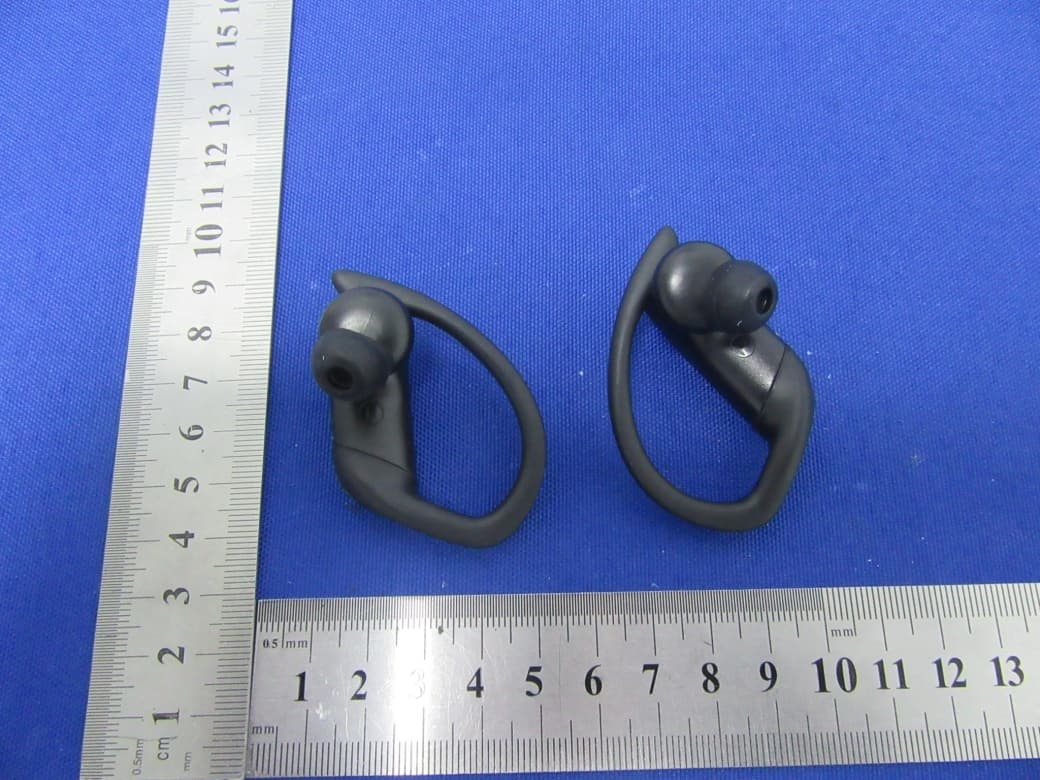
Click to zoom
Application Details
- Equipment Class
- DSS - Part 15 Spread Spectrum Transmitter
- Date of Grant
- Jan 05, 2021
- Application Purpose
- Original Equipment
- Date of Application
- Jan 05, 2021
- Equipment Note
- TWS EARBUDS
- Frequency Range
- 2402.00000000 - 2480.00000000
- Country
- China
Documents & Files
Document Text
Text extracted from the exhibit documents filed with the FCC. Open a document above to read the original.
Users Manual
-::F.Tiil .r.Tffi:ll::ltEir.rrr.1“I- ----' | 附 ... ⑩·巾…旧,,ma...·- TURN ON Meth。d 1: Take out the earbuds from cha咱ing臼盟,theea巾udswillturn on automatkally. The led indicator will flash red and blue. Method 2: Touch and hold the MF bu忱。n for 2-3 sec。nds TURNOFF Meth。d 1: Touch and hold the MF butt。n for 2-3 seconds to turn OFF the Earph。闸,theled ind旧to,will flash red rapidly then lights off. Method 2. Put bad< the earbuds into charging日阻,theea巾udsv圳IItern o仔aut。maticallyand start being charging. T可OS:lfthaoor甘、。newithout pain到ar:ymobile device, the bo由unitswill be turn o仔of国r5munltE去"。·阳伽ieblue也X>thd,a;tonc启恒beyor回10-12mand with。u, paced on, •=•4怡、abo协un怆S队圳be切om。俨fof核查r5mt1n忧- ⑥ meliili""'"''四川;,_ Take 。ut the both earbuds from charging臼目,it will aυto turn。n and auto paired with each other. Once paired, the led indicator will Hash red & blue quickly. T可"'If po•lng Is"'涅剧。oess代,,T。uchand h。d创1eMFbut饮�。nb。”1Eorph。ce αrn,,nn 5 secondsslrnuitane。"5'ytiU>heleO廿ldlcatorf旭9、副υeONE创作仔Then t,;rn en both un忧。gain.they执础Iautr: pa ring @… Activate the Bluetooth function。n y。urmobile devi阻,selectthe "TWS50 ” from the l,st of available Bluetooth devices Click ,t to pamng. 。neeearph。nepaired w,th mobile device, yoc w,11 hear a beep tone and the led indicator wm 。仔 .. 圃 ’ PLAYING MUSIC 四33 V2m e e 饥α nn 川 mlmM M W 阳时甲 叩呻 山ni坦 白。 盯MH N阶 Emd d』 um 副臼阳 山川 ,叫 “ Md 川恼 。 gn o川 n刚阳 mt or创 Ud 川 UOM b 叫 “咀nt rw w b DF M比 F”uM 川e A MMh hM h忏川 旧, iw t~t cf 响MMMN ut-E fl 刷刷叫回叫 “旧陪 肌n h 陀-kp t PM剖dH α出 比 tM30 h 阳山 mmmh SE M阳 hp s ’n st Ec e J咱 ‘-z a- -11 UU M mm皿 呻 d5u h 州UR a:川 bf w “ukk J町 阳 山阳且 国 啊h阴 阳川泪5田s’町Uw mMmm刷刷刷M P刷hUD创PR ANSWE刚END/REJECT A CALL Answer incoming call : Short Press(Touch) the MF button of eithec earphone. Reject Inc。而咱Call. Pressσouch) the MF button of either earphoce for 2 secoads aad release End a call Short P陀SS『ouch)the MF button of e抽erearphone after phone conve阻at1on VOICE ASSISTANT: Activated笛,evoice assistant : Sh。rtPress'Toud吵aroundl.S sec。nds。f either earph。neto activate the SI阳v。icea筒,stantfunct,。内,。nlyI。s system supported. 口。sethev。,ceassistant: After activated. short Press(Touch) around 1.5 seconds of either田rphoneto close the g阳voiceassistant function, only !OS町stemsupported z ATTENION I.Please kindly『eadthis user manual befo昭usingthe product careful!弘 and keep it for future reference. 2.Please charging the product batte『yfully when first use. 3.If do not u自由eproduct exceed 2 weeks, please charging ,t 4 Please only use the supplied cable to charging the product and四时何时 .. Common sense.get to know!。 adaptor. 5 If the earphone can not be paird with mobile phone. please check first if Q: Why just only one working’ The Se仔char宙cteristicsof true wir喧lessea由udsa few of earbuds tum the ea「phonewas ,n bluetoo由mode.,f the earphone unable pa,red with A: Put the ea由udsback to cha咱Ingcase,then幅幅outto check If It on at the first time.the left and right earbuds臼nnotpair automali国lly. 「nobilephone device. please tum off the earphone first ,then tum on 剖d is ste「eomode.if not please陪settheea「budsto settle this at this time.we need to reset these two ea『buds.Tumon the two make sure It ,s in bluetooth painng mode; If the mobile phone didn ’ t "'ponse, please reboot the mobHe phone; If the earphone d;dn' t reponse, problem earbuds again with 8-10 seconds,the both earbuds will be paired please陪bootthe earphone or陪仨ove『ydefault se忧ing Q The mobile shows田nnot connected with the earbuds, how lo automati由lly.(the币用ttime to pair.it needs a little longer time.But next CAUTION se忧tie? time.it will be pai陌dwith one second.after suα翠SS阳Iof painng,left • Do aot use the product at excess,ve volume levels or long t,me,自 A口eletingthe pairing name on your mobile and阻sear由thepairing earbud刷IIalternately伺ashby red and剧ueLED,if nat paired, the both damage to heanng may occur. name again to connect earbuds with陪dI blue LED flashing alterna剧y • Do aotcha『百,ngthe earphone with current exceed 2A, the battery might Q Why there is no voice with the music and phone国II? P.S When ope回国byhand.the surround of ea『buds田nnotwith the get damaged A: For android mobile, there is an icon on the right of酌epai「ing simllarwi『哩lessbluetooth products and the device must be in the state name,click it ar回国阳eltwo audio item then select again. 。f power-on.Or pairing unsuc国ssfully. For 105 mobile,而ndthese忧1nggeneral functio『 飞 clickit and you can RESET。PERATION see audio田llingmode.select automatic. If tt is aut回,aticitself. When the left and right ea『nudsa「eon the state of powe「-on.touchtwo change into anothe「optionfirst, then select the automatic again. If ea「buds t吨ether about B seconds,until the 陌dand blue LED flash still have not voi田,deletethe pairing name「·esear由againto alternately.then continue touch 2 seconds to the red/blue LED flash on pairing second time.Ihe用setis successful Q, Why is the vid臼,/gamesdelayed。 The earbuds on the s国teof charging.take out of two ea「budsand touch A Influenced by the environment.netwo「k,mobileedit code speed.will multi-function pad with 8 seconds until the red and blue LED flash lead to audio data any t「ansfe「delaysfrom mobile to ea由uds alternately.then continue to touch 2 seconds to the 『回/blueLE口flash Q: Why is the earbods stop/interrupted? on second time.the陪setIs successful A: De町,汗youare in a place with many Wi-Fi connec惚/4Gsignal/high power appl阳”悍,nte巾陪nce.mayocccr st,叩啊inter阳pts忧uation. Clear the pairing record please change a place and 「econnectagain to solve this problem ( if ea巾uds咀nnotc。nnectednorm副ly,回国四川withthis meth。d.) If pair回before.justsearch TWS 5.0 in bluetooth list.then gel into the setting • choose田n田lingor ignoring FCC Caution: This device complies with part 15 of the FCC Rules. Operation is subject to the following two conditions: (1) This device may not cause harmful interference, and (2) this device must accept any interference received, including interference that may cause undesired operation. Any Changes or modifications not expressly approved by the party responsible for com…
Text truncated - open the document above for the full version.
Cover Letter(s)
Shenzhen XinHuaMei Electronics Limited Company 2020.11.2 Eurofins MET Labs 914 West Patapsco Avenue Baltimore, MD 21230 RE: CONFIDENTIALITY REQUEST FOR EUT NAME: TWS EARBUDS Trademark: N/A FCC ID: R8HBTH-258 MODEL : BT-H258 To Whom It May Concern: This letter serves as an official request for confidentiality under sections 0.457 and 0.459 of CFR 47. We have requested that the - Block Diagram - Schematics - Operational Description required to be submitted with this application be permanently withheld from public review. The above materials contain trade secrets and proprietary information not customarily released to the public. The public disclosure of these materials may be harmful to the applicant and provide unjustified benefits to its competitors. Please contact me if there is any information you may need. Sincerely, Client’s signature: Client’s name / title : Linda Zou / Merchandiser Contact information / address: Bldg 5, Taifeng Industrial Park, No.10, Jianan Road, Shajing Sub-district, Baoan, District, Shenzhen, China
Cover Letter(s)
Shenzhen XinHuaMei Electronics Limited Company 2020.11.2 Eurofins MET Labs 914 West Patapsco Avenue Baltimore, MD 21230 RE: LETTER OF AGENT AUTHORIZATION To Whom It May Concern: We, the undersigned, hereby authorize Shenzhen BCTC Testing Co., Ltd to act on our behalf in all matters relating to application for equipment authorization, including the signing of all documents relating to these matters. We also hereby certify that no party to the application authorized hereunder is subject to the denial of benefits, including FCC benefits, pursuant to Section 5301 of the Anti-Drug Abuse Act of 1988, 21 U.S.C.853(a). This agreement expires one year from the current date. Sincerely, Client’s signature: Client’s name / title : Linda Zou / Merchandiser Contact information / address: Bldg 5, Taifeng Industrial Park, No.10, Jianan Road, Shajing Sub-district, Baoan, District, Shenzhen, China
External Photos
External Photos
ID Label/Location Info
10*5mm Label Location FCC ID: R8HBTH-258
Internal Photos
Internal Photos Antenna
RF Exposure Info
Shenzhen BCTC Testing Co., Ltd. FCC ID: R8HBTH-258 Portable device According to §15.247(e)(i) and §1.1307(b)(1), systems operating under the provisions of this section shall be operated in a manner that ensures that the public is not exposed to radio frequency energy level in excess of the Commission’s guidelines. According to KDB447498 D01 General RF Exposure Guidance V06 The 1-g SAR and 10-g SAR test exclusion thresholds for 100 MHz to 6 GHz at test separation distances ≤ 50 mm are determined by: [(max. power of channel, including tune-up tolerance, mW)/(min. test separation distance, mm)]·[√f(GHZ)] ≤ 3.0 for 1-g SAR and ≤ 7.5 for 10-g extremity SAR, where: • f(GHZ) is the RF channel transmit frequency in GHz • Power and distance are rounded to the nearest mW and mm before calculation • The result is rounded to one decimal place for comparison When the minimum test separation distance is < 5 mm, a distance of 5 mm is applied to determine SAR test exclusion. Modulation Channel Freq. (GHz) Conduct ed power (dBm) Conducte d power (mW) Tune-up power (dBm) Max tune-up power (dBm) Max tune-up power (mW) Distance (mm) Result calculatio n SAR Exclusion threshold SAR test exclusion GFSK2.441-6.280.24-6±1-5.000.32<50.098813.00YES Pi/4 DQPSK 2.441-5.5480.28-5±1-4.000.40<50.124403.00YES 8DPSK2.441-4.9390.32-5±1-4.000.40<50.124403.00YES Conclusion: For the max result : 0.12440<3.0, the SAR testing is not required.
Test Report
No.:BCTC/RF-EMC-005Page:1of71Edition:A.1 TEST REPORT Shenzhen BCTC Testing Co., Ltd. ReportNo.:BCTC2009001391E Applicant: ShenzhenXinHuaMeiElectronicsLimited Company ProductName:TWSEARBUDS Model/TypeRef.: BT-H258 TestedDate:Sep.15,2020toOct.20,2020 IssuedDate:Oct.21,2020 ReportNo.: BCTC2009001391E No.:BCTC/RF-EMC-005Page:2of71Edition:A.1 FCC ID: R8HBTH-258 The test report is effective only with both signature and specialized stamp.This result(s) shown in this report refer only to the sample(s) tested. Without written approval of Shenzhen BCTC Testing Co., Ltd, this report can’t be reproduced except in full.The tested sample(s) and the sample information are provided by the client. Product Name: TWS EARBUDS Trademark: N/A Model/Type Ref.: BT-H258 Prepared For: Shenzhen XinHuaMei Electronics Limited Company Address: Bldg 5, Taifeng Industrial Park, No.10, Jianan Road, Shajing Sub-district, Baoan District, Shenzhen, China Manufacturer: Shenzhen XinHuaMei Electronics Limited Company Address: Bldg 5, Taifeng Industrial Park, No.10, Jianan Road, Shajing Sub-district, Baoan District, Shenzhen, China Prepared By: Shenzhen BCTC Testing Co., Ltd. Address: 1-2F, East of B Building, Pengzhou Industrial, Fuyuan 1st Road, Qiaotou Community, Fuyong Street, Bao’an District, Shenzhen, China Sample Received Date: Sep. 15, 2020 Sample tested Date: Sep. 15, 2020 to Oct. 20, 2020 Issue Date: Oct. 21, 2020 Report No.: BCTC2009001391E Test Standards FCC Part15.247 ANSI C63.10-2013 Test Results PASS Remark: This is Bluetooth Classic radio test report. Tested by: Approved by: Eric Yang/Project Handler Zero Zhou/Reviewer ReportNo.: BCTC2009001391E No.:BCTC/RF-EMC-005Page:3of71Edition:A.1 TABLE OF CONTENT Test Report Declaration Page 1. VERSION ............................................................. 5 2. TEST SUMMARY ...................................................... 6 3. MEASUREMENT UNCERTAINTY........................................ 7 4. PRODUCT INFORMATION AND TEST SETUP ............................ 8 4.1 Product Information ..................................................... 8 4.2 Test Setup Configuration ................................................ 8 4.3 Support Equipment ..................................................... 9 4.4 Channel List ........................................................... 9 4.5 Test Mode ............................................................ 10 5. TEST FACILITY AND TEST INSTRUMENT USED ........................ 11 5.1 Test Facility ........................................................... 11 5.2 Test Instrument Used .................................................. 11 6. CONDUCTED EMISSIONS ............................................. 13 6.1 Block Diagram Of Test Setup ........................................... 13 6.2 Limit ................................................................. 13 6.3 Test procedure ........................................................ 13 6.4 EUT operating Conditions .............................................. 13 6.5 Test Result ........................................................... 14 7. RADIATED EMISSIONS ............................................... 16 7.1 Block Diagram Of Test Setup ........................................... 16 7.2 Limit ................................................................. 17 7.3 Test procedure ........................................................ 18 7.4 EUT operating Conditions .............................................. 19 7.5 Test Result ........................................................... 20 8. RADIATED BAND EMISSION MEASUREMENT AND RESTRICTED BANDS OF OPERATION .......................................................... 24 8.1 Block Diagram Of Test Setup ........................................... 24 8.2 Limit ................................................................. 24 8.3 Test procedure ........................................................ 25 8.4 EUT operating Conditions .............................................. 25 8.5 Test Result ........................................................... 26 9. CONDUCTED EMISSION .............................................. 27 9.1 Block Diagram Of Test Setup ........................................... 27 9.2 Limit ................................................................. 27 9.3 Test procedure ........................................................ 27 9.4 Test Result ........................................................... 28 10. 20 DB BANDWIDTH .................................................. 37 10.1 Block Diagram Of Test Setup .......................................... 37 10.2 Limit ................................................................ 37 10.3 Test procedure ....................................................... 37 10.4 Test Result .......................................................... 38 11. MAXIMUM PEAK OUTPUT POWER .................................... 43 ReportNo.: BCTC2009001391E No.:BCTC/RF-EMC-005Page:4of71Edition:A.1 11.1 Block Diagram Of Test Setup .......................................... 43 11.2 Limit ................................................................ 43 11.3 Test procedure ....................................................... 43 11.4 Test Result .......................................................... 44 12. HOPPING CHANNEL SEPARATION .................................... 49 12.1 Block Diagram Of Test Setup .......................................... 49 12.2 Limit ................................................................ 49 12.3 Test procedure ....................................................... 49 12.4 Test Result .......................................................... 50 13. NUMBER OF HOPPING FREQUENCY ..........…
Text truncated - open the document above for the full version.
Test Report
ReportNo.: BCTC2009001391E No.:BCTC/RF-EMC-005Page:36of71Edition:A.1 8DPSK Transmitting Band edge-right side 8DPSK Hopping Band edge-right side ReportNo.: BCTC2009001391E No.:BCTC/RF-EMC-005Page:37of71Edition:A.1 10. 20 DB BANDWIDTH 10.1 Block Diagram Of Test Setup 10.2 Limit N/A 10.3 Test procedure 1. Set RBW = 30kHz. 2. Set the video bandwidth (VBW) ≥ 3 x RBW. 3. Detector = Peak. 4. Trace mode = max hold. 5. Sweep = auto couple. 6. Allow the trace to stabilize. 7. Measure the maximum width of the emission that is constrained by the frequencies associated with the two outermost amplitude points (upper and lower frequencies) that are attenuated by 6 dB relative to the maximum level measured in the fundamental emission. . ReportNo.: BCTC2009001391E No.:BCTC/RF-EMC-005Page:38of71Edition:A.1 10.4 Test Result Temperature: 26°C Relative Humidity: 54% Test Voltage : DC 3.7V Remark N/A Modulation Test Channel Bandwidth(MHz) GFSK Low 0.888 GFSK Middle 0.885 GFSK High 0.883 Pi/4 DQPSK Low 1.243 Pi/4 DQPSK Middle 1.252 Pi/4 DQPSK High 1.251 8DPSK Low 1.222 8DPSK Middle 1.220 8DPSK High 1.223 Test plots GFSK Low Channel ReportNo.: BCTC2009001391E No.:BCTC/RF-EMC-005Page:39of71Edition:A.1 GFSK Middle Channel GFSK High Channel ReportNo.: BCTC2009001391E No.:BCTC/RF-EMC-005Page:40of71Edition:A.1 Pi/4 DQPSK Low Channel Pi/4 DQPSK Middle Channel ReportNo.: BCTC2009001391E No.:BCTC/RF-EMC-005Page:41of71Edition:A.1 Pi/4 DQPSK High Channel 8DPSK Low Channel ReportNo.: BCTC2009001391E No.:BCTC/RF-EMC-005Page:42of71Edition:A.1 8DPSK Middle Channel 8DPSK High Channel ReportNo.: BCTC2009001391E No.:BCTC/RF-EMC-005Page:43of71Edition:A.1 11. MAXIMUM PEAK OUTPUT POWER 11.1 Block Diagram Of Test Setup 11.2 Limit FCC Part15 (15.247) , Subpart C Section Test Item Limit Frequency Range (MHz) Result 15.247(b)(1) Peak Output Power 0.125 watt or 21dBm 2400-2483.5 PASS 11.3 Test procedure 1. Remove the antenna from the EUT and then connect a low RF cable from the antenna port to the spectrum. 2. Set the spectrum analyzer: RBW = 3MHz. VBW = 3MHz. Sweep = auto; Detector Function = Peak. 3. Keep the EUT in transmitting at lowest, medium and highest channel individually. Record the max value. ReportNo.: BCTC2009001391E No.:BCTC/RF-EMC-005Page:44of71Edition:A.1 11.4 Test Result Temperature: 26°C Relative Humidity: 54% Test Voltage : DC 3.7V Remark: N/A Modulation Test Channel Output Power (dBm) Limit (dBm) GFSK Low -6.393 21 GFSK Middle -6.282 21 GFSK High -6.647 21 Pi/4 DQPSK Low -5.667 21 Pi/4 DQPSK Middle -5.548 21 Pi/4 DQPSK High -5.945 21 8DPSK Low -5.025 21 8DPSK Middle -4.939 21 8DPSK High -5.252 21 Test plots GFSK Low Channel ReportNo.: BCTC2009001391E No.:BCTC/RF-EMC-005Page:45of71Edition:A.1 GFSK Middle Channel GFSK High Channel ReportNo.: BCTC2009001391E No.:BCTC/RF-EMC-005Page:46of71Edition:A.1 Pi/4 DQPSK Low Channel Pi/4 DQPSK Middle Channel ReportNo.: BCTC2009001391E No.:BCTC/RF-EMC-005Page:47of71Edition:A.1 Pi/4 DQPSK High Channel 8DPSK Low Channel ReportNo.: BCTC2009001391E No.:BCTC/RF-EMC-005Page:48of71Edition:A.1 8DPSK Middle Channel 8DPSK High Channel ReportNo.: BCTC2009001391E No.:BCTC/RF-EMC-005Page:49of71Edition:A.1 12. HOPPING CHANNEL SEPARATION 12.1 Block Diagram Of Test Setup 12.2 Limit Frequency hopping systems shall have hopping channel carrier frequencies separated by a minimum of 25 kHz or the 20 dB bandwidth of the hopping channel, whichever is greater. Alternatively, frequency hopping systems operating in the 2400-2483.5 MHz band may have hopping channel carrier frequencies that are separated by 25 kHz or two-thirds of the 20 dB bandwidth of the hopping channel, whichever is greater, provided the systems operate with an output power no greater than 0.125W. 12.3 Test procedure 1. Remove the antenna from the EUT and then connect a low RF cable from the antenna port to the spectrum. 2. Set the spectrum analyzer: RBW = 30kHz. VBW = 100kHz , Span = 2.0MHz. Sweep = auto; Detector Function = Peak. Trace = Max hold. 3. Allow the trace to stabilize. Use the marker-delta function to determine the separation between the peaks of the adjacent channels. The limit is specified in one of the subparagraphs of this Section Submit this plot. ReportNo.: BCTC2009001391E No.:BCTC/RF-EMC-005Page:50of71Edition:A.1 12.4 Test Result Modulation Test Channel Separation (MHz) Limit(MHz) Result GFSK Low 1.002 0.592 PASS GFSK Middle 1.012 0.590 PASS GFSK High 1.008 0.589 PASS Pi/4 DQPSK Low 0.994 0.829 PASS Pi/4 DQPSK Middle 0.990 0.835 PASS Pi/4 DQPSK High 0.996 0.834 PASS 8DPSK Low 1.014 0.815 PASS 8DPSK Middle 1.004 0.813 PASS 8DPSK High 0.992 0.815 PASS Test plots GFSK Low Channel ReportNo.: BCTC2009001391E No.:BCTC/RF-EMC-005Page:51of71Edition:A.1 GFSK Middle Channel GFSK High Channel ReportNo.: BCTC2009001391E No.:BCTC/RF-EMC-005Page:52of71Edition:A.1 Pi/4 DQPSK Low Channel Pi/4 DQPSK Middle Channel ReportNo.: BCTC2009001391E No.:BCTC/RF-EMC-005Page:53of71Edition:A.1 Pi/4 DQPSK High Channel 8DPSK Low Channel ReportNo.: BCTC2009001391E No.:BCTC/RF-EMC-005Page:54of71Edition:A.1 8DPSK Middle Channel 8DPSK Hig…
Text truncated - open the document above for the full version.
Test Report
ReportNo.: BCTC2009001391E No.:BCTC/RF-EMC-005Page:61of71Edition:A.1 Pi/4DQPSK DH1 Middle Channel Pi/4DQPSK DH3 Middle Channel ReportNo.: BCTC2009001391E No.:BCTC/RF-EMC-005Page:62of71Edition:A.1 Pi/4DQPSK DH5 Middle Channel 8DPSK DH1 Middle Channel ReportNo.: BCTC2009001391E No.:BCTC/RF-EMC-005Page:63of71Edition:A.1 8DPSK DH3 Middle Channel 8DPSK DH5 Middle Channel ReportNo.: BCTC2009001391E No.:BCTC/RF-EMC-005Page:64of71Edition:A.1 15. ANTENNA REQUIREMENT 15.1 Limit 15.203 requirement: For intentional device, according to 15.203: an intentional radiator shall be designed to ensure that no antenna other than that furnished by the responsible party shall be used with the device. 15.2 Test Result The EUT antenna is CHIP antenna, fulfill the requirement of this section. ReportNo.: BCTC2009001391E No.:BCTC/RF-EMC-005Page:65of71Edition:A.1 16. EUT PHOTOGRAPHS EUT Photo 1 EUT Photo 2 ReportNo.: BCTC2009001391E No.:BCTC/RF-EMC-005Page:66of71Edition:A.1 EUT Photo 3 EUT Photo 4 ReportNo.: BCTC2009001391E No.:BCTC/RF-EMC-005Page:67of71Edition:A.1 EUT Photo 5 ReportNo.: BCTC2009001391E No.:BCTC/RF-EMC-005Page:68of71Edition:A.1 17. EUT TEST SETUP PHOTOGRAPHS Conducted emissions ReportNo.: BCTC2009001391E No.:BCTC/RF-EMC-005Page:69of71Edition:A.1 Radiated Measurement Photos ReportNo.: BCTC2009001391E No.:BCTC/RF-EMC-005Page:70of71Edition:A.1 ReportNo.: BCTC2009001391E No.:BCTC/RF-EMC-005Page:71of71Edition:A.1 STATEMENT 1.Theequipmentlistsaretraceabletothenationalreferencestandards. 2.Thetestreportcannotbepartiallycopiedunlesspriorwrittenapprovalisissuedfromourlab. 3.Thetestreportisinvalidwithoutstampoflaboratory. 4.Thetestreportisinvalidwithoutsignatureofperson(s)testingandauthorizing. 5.ThetestprocessandtestresultisonlyrelatedtotheUnitUnderTest. 6.ThequalitysystemofourlaboratoryisinaccordancewithISO/IEC17025. 7.Ifthereisanyobjectiontoreport,theclientshouldinformissuinglaboratorywithin15days fromthedateofreceivingtestreport. Address: 1-2F,EastofBBuilding,PengzhouIndustrialPark,Fuyuan1stRoad,Qiaotou,FuyongStreet,Ba o'anDistrict,Shenzhen,Guangdong,China TEL:400-788-9558 P. C.:518103 FAX:0755-33229357 Website:http://www.bctc-lab.com E-Mail:[email protected] ※※※※※ END ※※※※※
Test Setup Photos
Conducted emissions Radiated Measurement Photos
Contact Information
Applicant
Linda Zou(Merchandiser)
Technical Contact
Shenzhen BCTC Testing Co., LTd.Alan Mei
[email protected]86-755-36882589
BCTC Bldg&1-2F, East of B Bldg,Pengzhou Industrial · Baoan Distict, Shenzhen · China
Test Firm
Shenzhen BCTC Testing Co., Ltd.Sally He
[email protected]15999690624
Technical Specifications
| # | Rule Parts | Frequency Range | Power Output |
|---|---|---|---|
| 1 | 15C | 2.40 GHz - 2.48 GHz | 300.00 µW |
Other Applications from Shenzhen XinHuaMei Electronics Limited Company
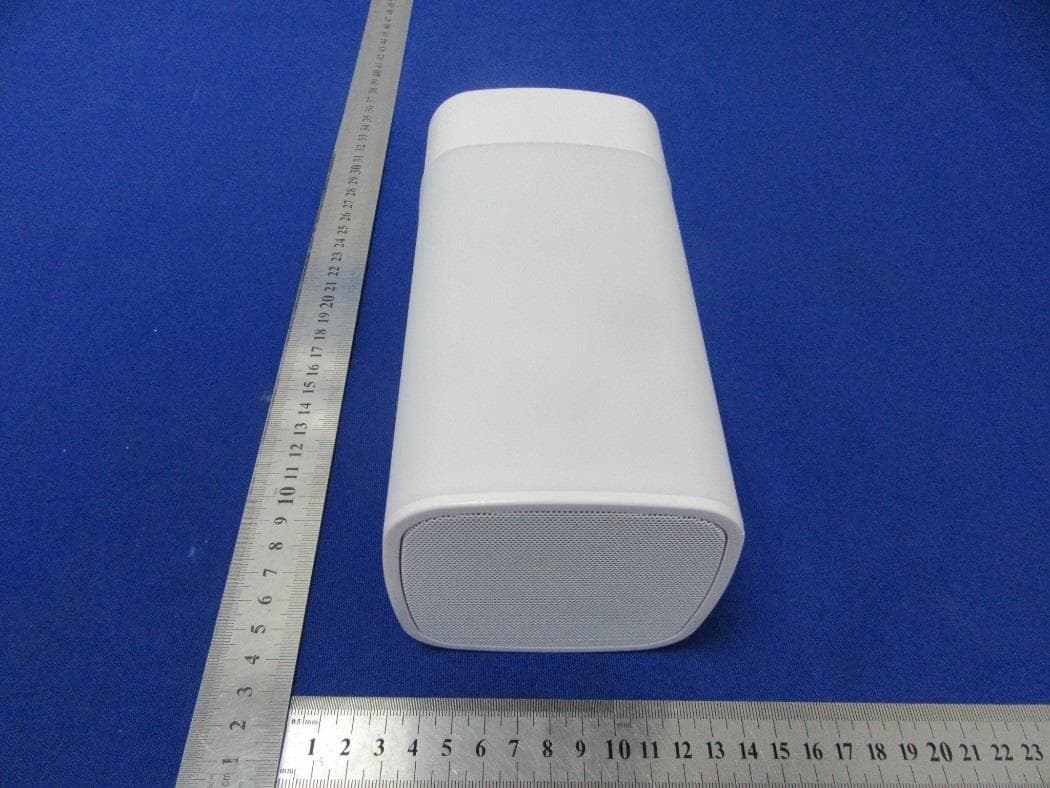
R8HBTS-715
Apr 27, 2021BTS-715
Equipment Class
DSS - Part 15 Spread Spectrum Transmitter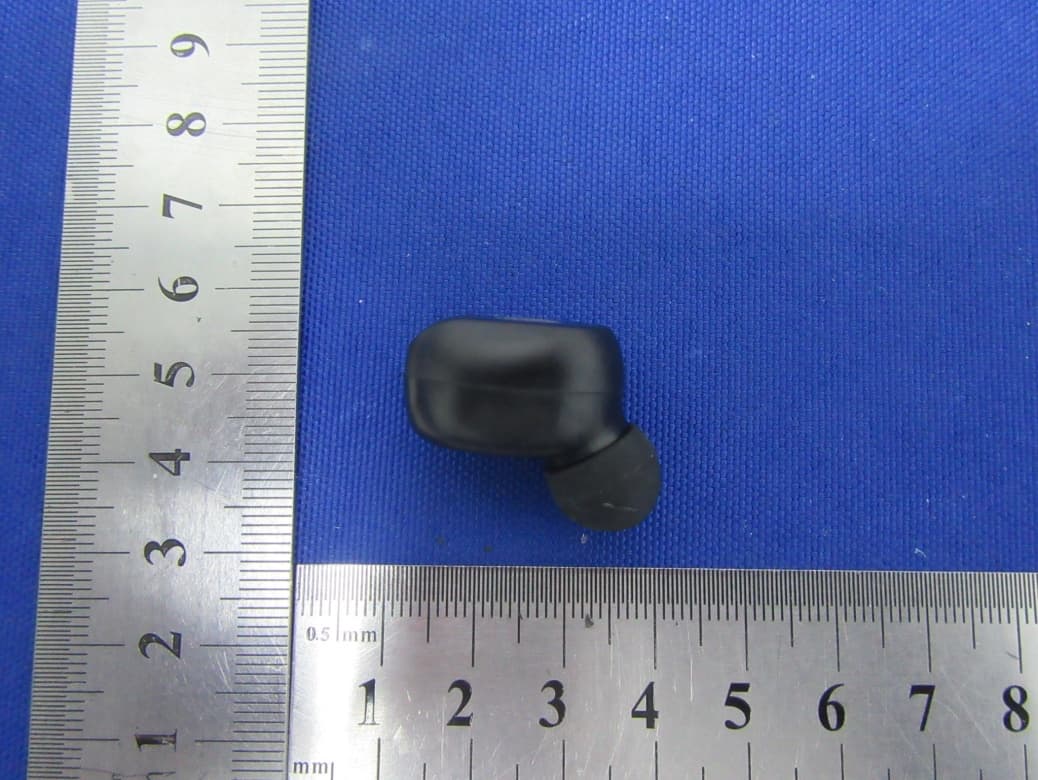
R8HF9-6
Jan 03, 2021TWS EARBUDS
Equipment Class
DSS - Part 15 Spread Spectrum Transmitter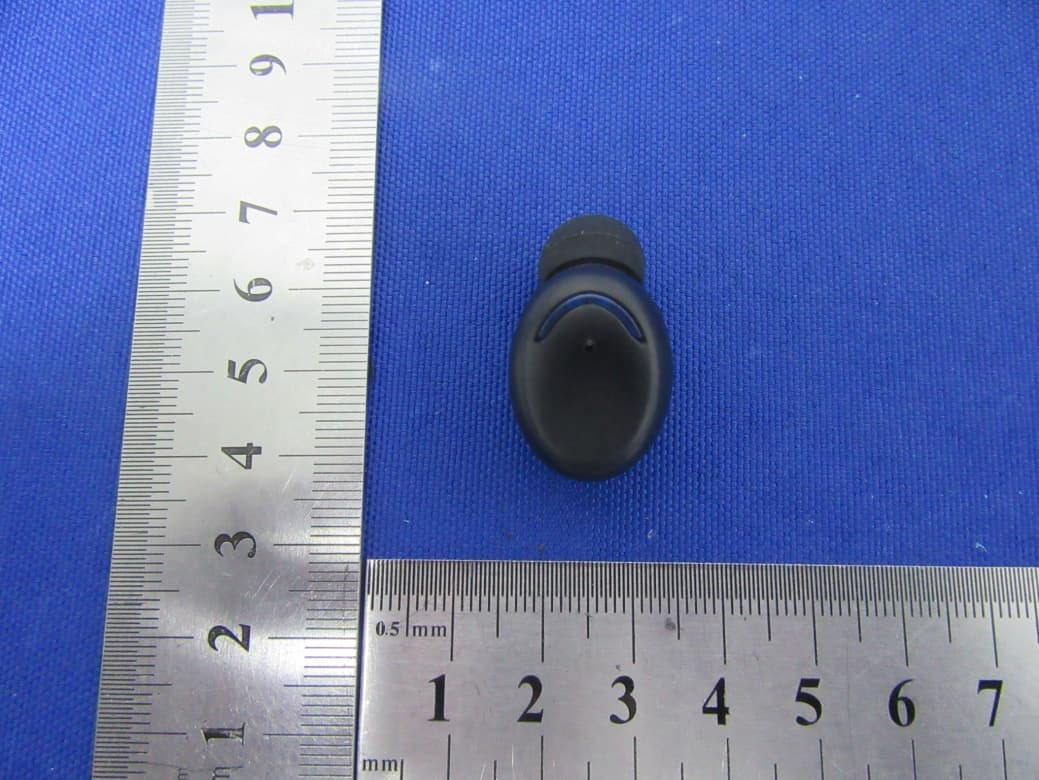
R8HF9-5
Jan 03, 2021TWS EARBUDS
Equipment Class
DSS - Part 15 Spread Spectrum Transmitter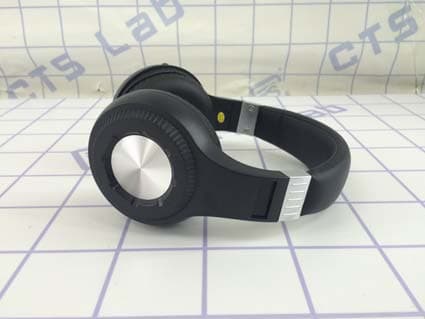
R8HBTH105
Jan 03, 2016Bluetooth Headphones
Equipment Class
DXX - Part 15 Low Power Communication Device Transmitter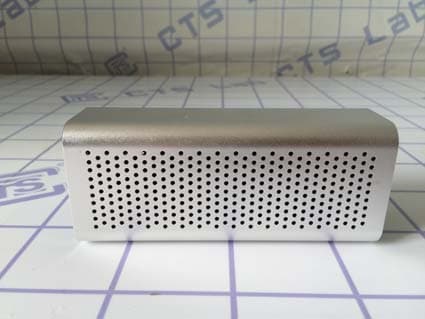
R8HYM-308
Nov 21, 2015Bluetooth Speaker
Equipment Class
DXX - Part 15 Low Power Communication Device Transmitter