RAD223GSM dual bands mobile phone
TCT Mobile Limited
Click to zoom
Application Details
- Equipment Class
- PCE - PCS Licensed Transmitter held to ear
- Date of Grant
- Jan 12, 2012
- Application Purpose
- Original Equipment
- Date of Application
- Jan 11, 2012
- Equipment Note
- GSM dual bands mobile phone
- Frequency Range
- 1850.20000000 - 1909.80000000
- Company
- TCT Mobile Limited
- Country
- China
Documents & Files
Document Text
Text extracted from the exhibit documents filed with the FCC. Open a document above to read the original.
Users Manual
1234567 131489101112 1 Your mobile .............. 1.1 Keys Navigation key Confirm an option (press the middle of the key) Send call Access call log (idle screen) Power on/off the handset (press and hold) End call Return to idle screen Left softkey Right softkey Dial the voicemail number (press and hold) From Idle screen - Press: input "0" - Press and hold: input the symbol “+/P/W” In Edit mode: - Press: input a space (words mode) input "0" (number mode) From Idle screen - Press: input "*" - Press and hold: Lock keypad In Edit mode: - Press: change input methods From Idle screen - Press: input "#" - Press and hold: activate/deactivate the vibrator In Edit mode: - Press: access the Symbols table From Idle screen - Press: dial ‘5’ - Press and hold: switch on/off the torch 1.2 Idle screen icons Battery charge level. Vibrate alert: your phone vibrates, but neither rings nor beeps. Headset connected. Call forwarding activated: your calls are forwarded. Alarm clock programmed. Voicemail message arrived. Unanswered calls. Roaming. Level of network reception. Silence mode: your phone neither rings, beeps nor vibrates. Message unread. Keypad locked. Ringtone alert. Vibrate and ringtone alert. 3 Calls .......................... 3.1 Making a call Dial the desired number then press the key to place the call. If you make a mistake, you can delete the incorrect digits by pressing the right softkey. To hang up the call, press the key. Making an emergency call If your phone is covered by the network, dial emergency number and press the key to make an emergency call. This works even without a SIM card and without typing the PIN code or unlocking the keypad. 3.2 Calling your voicemail (1) To access your voicemail, hold down the key. 3.3 Receiving a call When you receive an incoming call, press the key to talk and then hang up using the key. 3.4 Available functions during the call During a call, you can use your directory, text messages, etc. without hanging up or dropping the call. (1) Contact your network operator to check service availability. 8 Voice memo ......... 8.1 New record In this menu, you can record new voice memo, and press or to save it. 8.2 Memo list It contains all the voice memos you recorded before. Pressing "Options" softkey, you can Play/rename/delete it and also set it as a alarm melody. 8.3 Settings You can manage the voice memo in settings of audio quality. Quick Start Guide For more information about how to use the phone, please go to www.alcatelonetouch.com to download complete user manual (English version only). Also on our website you can find helpful FAQs (English version only). Prolonged exposure to music at full volume on the music player may damage the listener's hearing. Set your phone volume safely. Use only headphones recommended by TCT Mobile Limited and its affiliates. English - CJB24V1ALAAA 6 Call log ................ You can access your call memory by pressing from the idle screen, or press the key and select the icon from the menu. 7 FM Radio ............ Your phone is equipped with a radio (1) with RDS functionality. You can use the application as a traditional radio with saved channels or with parallel visual information related to the radio program on the display if you tune to stations that offer Visual Radio service. You can listen to it while running other applications. 4 Contacts ............. 4.1 Consulting your contacts To access the directory from the idle screen, press the key and select the icon from the menu. 4.2 Adding a contact Select the directory in which you wish to create a file, press the “Options” softkey, select “Add contact” then . 5 Messaging ........... 5.1 Create SMS From the main menu select “Messaging” to create text message. You can type a message, and you're also able to insert a pre-defined message from “Templates”. While writing a message, select “Options” to access all the messaging options. You can save your messages that you often send to “Drafts” . Specific letters (accent) will increase the size of the SMS, this may cause multiple SMS to be sent to your recipient. 2 Getting started ......... 2.1 Set-up Removing and installing the back cover Removing and installing the battery Inserting and removing the SIM card Place the SIM card with the chip facing downwards and slide it into its housing. Make sure that it is correctly inserted. To remove the card, push it and slide it out. 9 Settings ............... From the main menu, select the menu icon and select the function of your choice in order to customize your telephone: Phone settings, Call settings, Call control, Network, Security, Restore default set. 10 Games & Tools.................. 10.1 Games Your Alcatel phone includes a game. Select “Game settings”, it allows you to manage settings, in which you may set background audio and vibrate alert. 10.2 Alarm Your mobile phone has a built-in alarm clock with snooze feature. 10.3 Organizer Once you enter this menu, there is a monthly-view calendar for you to keep track of important appointments, etc. Days with events entered will be marked. 10.4 Calculator Hold down the key to get the decimal point. Confirm with the key or the left softkey. 10.5 Torch To light in darkness,you may activate “Torch” by below operations: In idle screen, press and hold key to activate the Torch light; press key or press and hold key to deactivate it. 11 Profiles ............... With this menu, you may personalize ringtones for different events and environments. 12 Services ............. Contact your network operator to check service availability. 13 Latin input mode ... To write messages, there are two writing methods: - Normal: this mode allows you to type a text by choosing a letter or a sequence of characters associated with a key. Press the key several times until the desired letter is highlighted. When you release the key the highlight character is inserted into the text. - Predictive with the Zi mode: this mode speeds up the writing of your text.Write …
Text truncated - open the document above for the full version.
Attestation Statements
Antenna details For one touch 228A RF antenna: Monopole GSM850 DCS1900 Gain -2.95dBi -2.5 dBi The location of the antennas (US) inside mobile phone is shown below: GSM Antenna FM Antenna
Cover Letter(s)
Declaration of USB Port One touch 228A, use a Micro-USB port in handset. This USB port support charging and headset, but don’t support data transmission function. Signature: Print name: 朱才军 Date: 2011-12-21 Company: TCT Mobile Limited
Cover Letter(s)
5F, E building, No. 232, Liang Jing Road ZhangJiang High-Tech Park, Pudong Area Shanghai, P.R. China. 201203 TEL: +86(0)21 61460666 FAX: +86(0)21 61460602 12/21/2011 Federal Communications Commission Office of Engineering and Technology Equipment Authorization Division 7345 Oakland Mills Road Columbia, Maryland 21046 Subject: Permanent Confidentiality request for FCC ID: RAD223 To Whom It May Concern, Pursuant to sections 0.457 and 0.459 of CFR 47, the applicant requests permanent confidential treatment of the following information accompanying this application: - Block Diagram - Schematics - Operational Description - BOM list/Tune-Up-Procedure The above materials contain trade secrets and proprietary information not customarily released to the public. The public disclosure of these matters might be harmful to the applicant and provide unjustified benefits to its competitors. Yours Sincerely, Zhizhou Gong Approval Team Leader TCT Mobile Limited
Cover Letter(s)
5F, E building, No. 232, Liang Jing Road ZhangJiang High-Tech Park, Pudong Area Shanghai, P.R. China. 201203 TEL: +86(0)21 61460666 FAX: +86(0)21 61460602 Date 2009-12-13 To: Federal Communications Commission, Authorization & Evaluation Division, 7345 Oakland Mills Road Columbia, MD 21046 And American Telecommunications Certification Body, Inc. 6731 Whittier Avenue Suite C110 McLean, VA 22101 To Whom It May Concern: TMC (Telecommunication Metrology Center of MIIT) is authorized to act on our behalf, until otherwise notified, for applications to American Telecommunications Certification Body, Inc. (ATCB). We certify that we are not subject to denial of federal benefits, which includes FCC benefits, pursuant to Section 5301 of the Anti-Drug Abuse Act of 1988, U.S.C. 862. Further, no party, as defined in 47 CFR1.2002 (b) to the application is subject to denial of federal benefits, that includes FCC benefits. Thank you. Regards, Gong Zhizhou Approval Team Leader TCT Mobile Limited
External Photos
External Photos: CCA23L0A10C2.jpg CCA23L0A10C4.jpg CCA23L0A15C2.jpg CCA23L0A15C4.jpg CDA3122005C2.JPG CDA3122002C2.JPG CDA3122002C1.JPG CDA3122005C1.JPG
ID Label/Location Info
label placement:
Internal Photos
Internal Photos:
RF Exposure Info
No.2011SAR00142 Page 1 of 118 ©Copyright. All rights reserved by TMC Beijing. SAR TEST REPORT No. 2011SAR00142 For TCT Mobile Limited GSM dual bands mobile phone Emma one touch 228A With Hardware Version: Proto Software Version: v420 FCCID: RAD223 Issued Date: 2012-01-10 No. DGA-PL-114/01-02 Note: The test results in this test report relate only to the devices specified in this report. This report shall not be reproduced except in full without the written approval of TMC Beijing. Test Laboratory: TMC Beijing, Telecommunication Metrology Center of MIIT No. 52, Huayuan Bei Road, Haidian District, Beijing, P. R. China 100191. Tel:+86(0)10-62304633-2079, Fax:+86(0)10-62304793 Email:[email protected]. www.emcite.com No.2011SAR00142 Page 2 of 118 TABLE OF CONTENT 1 TEST LABORATORY..................................................................................................................3 1.1 TESTING LOCATION........................................................................................................................................ 3 1.2 TESTING ENVIRONMENT................................................................................................................................. 3 1.3 PROJECT DATA............................................................................................................................................... 3 1.4 SIGNATURE..................................................................................................................................................... 3 2 CLIENT INFORMATION..............................................................................................................4 2.1 APPLICANT INFORMATION.............................................................................................................................. 4 2.2 MANUFACTURER INFORMATION..................................................................................................................... 4 3 EQUIPMENT UNDER TEST (EUT) AND ANCILLARY EQUIPMENT (AE) ................................5 3.1 ABOUT EUT ................................................................................................................................................... 5 3.2 INTERNAL IDENTIFICATION OF EUT USED DURING THE TEST.......................................................................... 5 3.3 INTERNAL IDENTIFICATION OF AE USED DURING THE TEST............................................................................. 5 4 CHARACTERISTICS OF THE TEST ..........................................................................................6 4.1 APPLICABLE LIMIT REGULATIONS.................................................................................................................. 6 4.2 APPLICABLE MEASUREMENT STANDARDS...................................................................................................... 6 5 OPERATIONAL CONDITIONS DURING TEST ..........................................................................7 5.1 SCHEMATIC TEST CONFIGURATION................................................................................................................. 7 5.2 SAR MEASUREMENT SET-UP.......................................................................................................................... 7 5.3 DASY4 E-FIELD PROBE SYSTEM..................................................................................................................... 8 5.4 E-FIELD PROBE CALIBRATION........................................................................................................................ 9 5.5 OTHER TEST EQUIPMENT............................................................................................................................. 10 5.6 EQUIVALENT TISSUES................................................................................................................................... 10 5.7 SYSTEM SPECIFICATIONS.............................................................................................................................. 11 6 CONDUCTED OUTPUT POWER MEASUREMENT.................................................................12 6.1 SUMMARY.................................................................................................................................................... 12 6.2 CONDUCTED POWER.................................................................................................................................... 12 7 TEST RESULTS ........................................................................................................................13 7.1 DIELECTRIC PERFORMANCE......................................................................................................................... 13 7.2 SYSTEM VALIDATION.................................................................................................................................... 13 7.3 EVALUATION OF MULTI-BATTERIES.............................................................................................................. 14 7.4 SUMMARY OF MEASUREMENT RESULTS....................................................................................................... 15 7.5 CONCLUSION................................................................................................................................................ 17 8 MEASUREMENT UNCERTAINTY ............................................................................................18 9 MAIN TEST INSTRUMENTS ....................................................................................................19 ANNEX A MEASUREMENT PROCESS....................................................................................20 ANNEX B TEST LAYOUT .........................................................................................................21 ANNEX C GRAPH RESULTS.................................................................................…
Text truncated - open the document above for the full version.
RF Exposure Info
Appendix A: SPEAG’s new calibration certifications Appendix B: SPEAG’s Evaluation report
Test Report
TEST REPORT No. 2012TAR008 for TCT Mobile Limited GSM dual bands mobile phone Model Name: Emma Marketing Name: one touch 228A FCC ID: RAD223 with Hardware Version: Proto Software Version: V420 Issued Date: Dec 28, 2011 Note: The test results in this test report relate only to the devices specified in this report. This report shall not be reproduced except in full without the written approval of TMC Beijing. Test Laboratory: DAR accreditation (DIN EN ISO/IEC 17025): No. DGA-PL-114/01-02 FCC 2.948 Listed: No.733176 IC O.A.T.S listed: No.6629A-1 TMC Beijing, Telecommunication Metrology Center of Ministry of Industry and Information Technology 3/F Shou Xiang Technology Building, No.51 Xueyuan Road, Hai Dian District, Beijing, P. R. China,100191. Tel:+86(0)10-62304633-2604, Fax:+86(0)10-62304793, Email:[email protected], web: www.emcite.com No.2012TAR008 Page2 of 59 CONTENTS 1. TEST LABORATORY ......................................................................................................................... 3 1.1. TESTING LOCATION .................................................................................................................... 3 1.2. TESTING ENVIRONMENT ........................................................................................................... 3 1.3. PROJECT DATA .............................................................................................................................. 3 1.4. SIGNATURE ..................................................................................................................................... 3 2. CLIENT INFORMATION ................................................................................................................... 4 2.1. APPLICANT INFORMATION ....................................................................................................... 4 2.2. MANUFACTURER INFORMATION ............................................................................................ 4 3. EQUIPMENT UNDER TEST (EUT) AND ANCILLARY EQUIPMENT (AE) ............................. 5 3.1. ABOUT EUT ..................................................................................................................................... 5 3.2. INTERNAL IDENTIFICATION OF EUT USED DURING THE TEST .................................... 5 3.3. INTERNAL IDENTIFICATION OF AE USED DURING THE TEST ....................................... 5 3.4. GENERAL DESCRIPTION ............................................................................................................ 6 4. REFERENCE DOCUMENTS ............................................................................................................. 7 4.1. REFERENCE DOCUMENTS FOR TESTING ............................................................................. 7 5. LABORATORY ENVIRONMENT ..................................................................................................... 8 6. SUMMARY OF TEST RESULTS ....................................................................................................... 9 7. TEST EQUIPMENTS UTILIZED .................................................................................................... 10 ANNEX A: MEASUREMENT RESULTS ................................................................................................. 11 A.1 OUTPUT POWER (§22.913(A)/§24.232(B)) ................................................................................ 11 A.2 EMISSION LIMT (§2.1051/§22.917§24.238) ............................................................................. 17 A.3 CONDUCTED EMISSION (§15.107§15.207) ............................................................................. 22 A.4 FREQUENCY STABILITY (§2.1055/§24.235) ........................................................................... 27 A.5 OCCUPIED BANDWIDTH (§2.1049(H)(I)) ................................................................................. 29 A.6 EMISSION BANDWIDTH (§22.917(B)/§24.238(B)) .................................................................. 33 A.7 BAND EDGE COMPLIANCE (§22.917(B)/§24.238(B)) ............................................................. 37 A.8 CONDUCTED SPURIOUS EMISSION (§2.1057/§22.917/§24.238) ........................................... 39 No.2012TAR008 Page3 of 59 1. Test Laboratory 1.1. Testing Location Company Name: TMC Beijing, Telecommunication Metrology Center of MIIT Address: 3/F Shou Xiang Technology Building, No.51 Xueyuan Road, Hai Dian District, Beijing, P. R. China Postal Code: 100191 Telephone: 00861062304633 Fax: 00861062304793 1.2. Testing Environment Normal Temperature: 15-35°C Relative Humidity: 20-75% 1.3. Project data Testing Start Date: Dec 26, 2011 Testing End Date: Dec 28, 2011 1.4. Signature Zi Xiaogang (Prepared this test report) Sun Xiangqian (Reviewed this test report) Lu Bingsong Deputy Director of the laboratory (Approved this test report) No.2012TAR008 Page4 of 59 2. Client Information 2.1. Applicant Information Company Name: TCT Mobile Limited Address /Post: 5F, E building, No. 232, Liang Jing Road ZhangJiang High-Tech Park, Pudong Area Shanghai, P.R. China. 201203 City: Shanghai Country: China Telephone: 0086-21-61460890 Fax: 0086-21-61460602 2.2. Manufacturer Information Company Name: TCT Mobile Limited Address /Post: 5F, E building, No. 232, Liang Jing Road ZhangJiang High-Tech Park, Pudong Area Shanghai, P.R. China. 201203 City: Shanghai Country: China Telephone: 0086-21-61460890 Fax: 0086-21-61460602 No.2012TAR008 Page5 of 59 3. Equipment Under Test (EUT) and Ancillary Equipment (AE) 3.1. About EUT Description GSM dual bands mobile phone Model Name Emma Marketing Name FCC ID one touch 228A RAD223 Frequency GSM 850MHz; PCS 1900MHz Antenna Internal Power supply Battery or Charger (AC Adaptor) Output power 29.91 dBm maximum ERP measured for PCS1900 Extreme vol. Limits 3.5VDC to 4.2VDC (nominal: 3.8VDC) Extreme temp. Tolerance -30°C to +50°C Note: Components list, please refer …
Text truncated - open the document above for the full version.
Test Setup Photos
One touch 228A FCC test setup photo 1. Radiated Spurious Emission 2. Conducted Emission
Contact Information
Applicant
Zhizhou Gong
Technical Contact
TMC Beijing, Telecommunication Metrology Center ofXue Zhen
[email protected]+86-62304633
No. 52, Huayuan Bei Road, Haidian District, · Beijing · China
Test Firm
TMC-Telecommunication Metrology Center of M.I.I.TChongwen Song
Technical Specifications
| # | Rule Parts | Frequency Range | Power Output | Emission | Tolerance |
|---|---|---|---|---|---|
| 2 | 24E | 1.85 GHz - 1.91 GHz | 979.50 mW | 300KGXW | 0.1 ppm |
Other Applications from TCT Mobile Limited
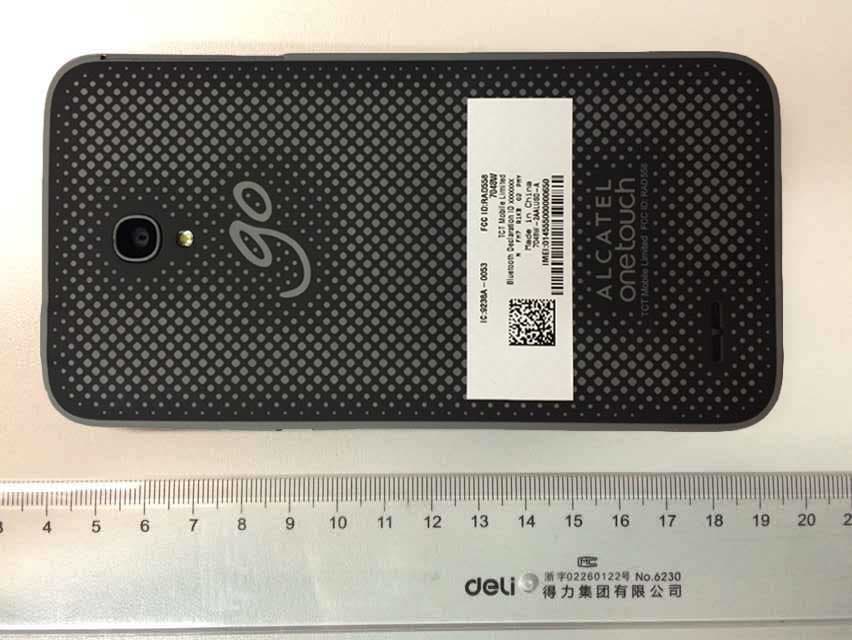
RAD558
Nov 15, 2015HSUPA/HSDPA/UMTS tribands / GSM quadbands/LTE 6-band mobile phone
Equipment Class
JBP - Part 15 Class B Computing Device Peripheral
RAD556
Sep 08, 2015CDMA 1X BC0/BC1/BC10 mobile phone
Equipment Class
PCE - PCS Licensed Transmitter held to ear
RAD552
Jun 20, 2015GSM Quadband / UMTS Triband mobile phone
Equipment Class
PCE - PCS Licensed Transmitter held to ear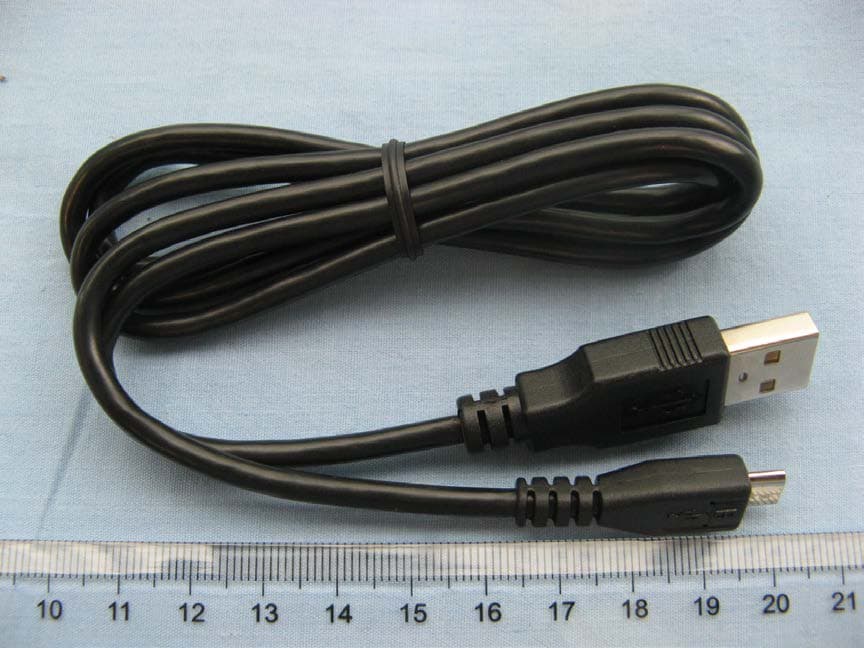
RAD550
Jun 06, 2015HSDPA/HSUPA/HSPA+/UMTS quad band /GSM quad band/LTE 4 band mobile phone
Equipment Class
DSS - Part 15 Spread Spectrum Transmitter
RAD549
May 13, 2015WCDMA tri band / GSM quad band Moblie phone with BT, Wi-Fi functionality.
Equipment Class
DSS - Part 15 Spread Spectrum Transmitter