RAD398HSUPA/HSDPA/UMTS Triband / GSM quadband mobile phone
TCT Mobile Limited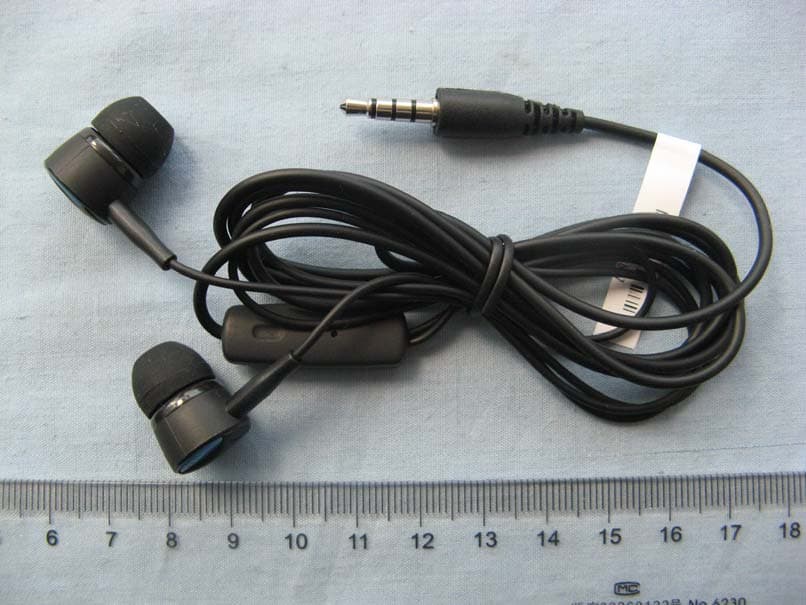
Click to zoom
Application Details
- Equipment Class
- NII - Unlicensed National Information Infrastructure TX
- Date of Grant
- Jan 22, 2014
- Application Purpose
- Original Equipment
- Date of Application
- Jan 22, 2014
- Equipment Note
- HSUPA/HSDPA/UMTS Triband / GSM quadband mobile phone
- Frequency Range
- 5500.00000000 - 5700.00000000
- Company
- TCT Mobile Limited
- Country
- China
Documents & Files
Document Text
Text extracted from the exhibit documents filed with the FCC. Open a document above to read the original.
Users Manual
1 English - CJB3391ALAAA Quick Start Guide Thank you for buying ALCATEL ONE TOUCH 8020A. We hope you will enjoy your high-quality mobile communication experience. For more information about how to use the cellphone, please go to www.alcatelonetouch.com to download the complete user manual. From the website you can also consult the FAQ, upgrade software, etc. 8020A 23 Table of contents 1 Your mobile ���������������������������������������������������������������������3 2 Text input ����������������������������������������������������������������������15 3 Phone call ����������������������������������������������������������������������16 4 People ����������������������������������������������������������������������������19 5 Messaging����������������������������������������������������������������������� 20 6 Email ������������������������������������������������������������������������������ 21 7 Getting connected ��������������������������������������������������������22 8 Find my location using GPS satellites �������������������������24 9 Data backup ������������������������������������������������������������������25 10 Factory data reset �������������������������������������������������������25 11 Applications & Internal storage ����������������������������������26 12 Making the most of your phone ����������������������������������27 Safety and use �������������������������������������������������������������������������29 General information ��������������������������������������������������������������36 TCT Mobile (US), Inc� Warranty ������������������������������������������37 Troubleshooting����������������������������������������������������������������������39 www.sar-tick.com This product meets applicable national SAR limits of 1.6 W/kg. The specific maximum SAR values can be found on page 33 of this user guide. When carrying the product or using it while worn on your body, either use an approved accessory such as a holster or otherwise maintain a distance of 15 mm from the body to ensure compliance with RF exposure requirements. Note that the product may be transmitting even if you are not making a phone call. 1 Your mobile ������������������ 1�1 Keys and connectors Headset connector micro-USB connector Back key Front camera Home key Menu key Touch screen The phone contains magnets which may interfere with other devices and items (such as credit cards, pacemakers, defibrillators, etc.). Please maintain at least 15 cm of separation between your phone and the devices/items mentioned above. PROTECT YOUR HEARING To prevent possible hearing damage, do not listen at high volume levels for long periods. Exercise caution when holding your device near your ear while the loudspeaker is in use. 45 Power key SIM card slot Volume key Camera Stylus Contact point Camera Flash/ Flashlight microSD card slot Menu key • Touch to access Settings options. • Touch and hold: Touch and hold to open a list of thumbnail images of applications you've worked with recently. Home key • While on any application or screen, touch to return to the Home screen. Back key • Touch to go back to the previous screen, or to close a dialog box, options menu, the notification panel, etc. • Touch and hold: Touch and hold to start dual screen. These keys are visible when the screen lights up. Power key • Press: Lock the screen/Light up the screen • Press and hold: Power on or generate a pop up menu providing more options, such as Restart, Airplane mode, etc. • Press and hold Power key and Volume down key to capture a screenshot. • Press to mute the ringtone when there’s an incoming call. Volume keys • In call mode, adjust the earpiece or headset volume. • In Music/Video/Streaming mode, adjust the media volume. • Mute the ringtone of an incoming call. • Press to light up the screen when it dims during a call. Contact point • Connect phone and Magic Flip Magic Flip (FC8020) and Magic Flip LED (LD8020) (1) After connecting Magic Flip to your mobile, the screen will lock when you close the cover and unlock when you lift the cover. When Magic Flip LED is connected, will show in the status bar and your mobile will remind you to go to Settings to set your LED display options. The LED display on the cover will then alert you to ongoing or missed events (Time, Music, Alarm, etc.). Press the power key to illuminate the LED display when it goes out. (1) Both Magic Flip (FC8020) and Magic Flip LED(LD8020) are optional. 67 1�2 Getting started 1�2�1 Set-up Inserting or removing the SIM card You must insert your SIM card to make phone calls. You do not need to power off your phone before inserting or removing the SIM card as this phone can support hot swap. Before you install or remove the SIM card, use a pin to press the small cavity until the SIM cassette pops out. Your phone only supports micro-SIM card. Do not attempt to insert other SIM types like mini and nano cards, otherwise you may damage your phone. Installing and removing the microSD card Insert the external microSD card into the slot with the gold contact facing down until it's locked. To remove the external microSD card, gently push it until it's unlocked. Installing SIM card Inserting or removing the stylus Charging the battery Connect the battery charger to your phone and mains socket respectively. Charging the battery by Magic Flip NRG (WR8020) and pad (1) Connect Magic Flip NRG to your phone and position the phone on the pad so that the cover touches it directly, enabling the phone to charge. If the cover touches the pad correctly, the pad's charging light will be on. Notifications of missed calls, events, SMS, etc. will display while your mobile is charging if you set the screen saver to Charging screensaver by going to Settings\Display\Screen saver\Charging screensaver. If the battery is very low, there will be no indication that power is being received until the charge is sufficient to show the charging status bar. To reduce power consumption and energy waste, on…
Text truncated - open the document above for the full version.
Cover Letter(s)
5F, C building, No. 232, Liang Jing Road ZhangJiang High-Tech Park, Pudong Area Shanghai, P.R. China. 201203 TEL: +86(0)21 61460666 FAX: +86(0)21 61460602 Date 2013-12-10 To: Federal Communications Commission, Authorization & Evaluation Division, 7345 Oakland Mills Road Columbia, MD 21046 And American Telecommunications Certification Body, Inc. 6731 Whittier Avenue Suite C110 McLean, VA 22101 To Whom It May Concern: TMC (Telecommunication Metrology Center of MIIT) is authorized to act on our behalf, until otherwise notified, for applications to American Telecommunications Certification Body, Inc. (ATCB). We certify that we are not subject to denial of federal benefits, which includes FCC benefits, pursuant to Section 5301 of the Anti-Drug Abuse Act of 1988, U.S.C. 862. Further, no party, as defined in 47 CFR1.2002 (b) to the application is subject to denial of federal benefits, that includes FCC benefits. Thank you. Regards, Gong Zhizhou Approval Team Leader TCT Mobile Limited
Cover Letter(s)
5F, C building, No. 232, Liang Jing Road ZhangJiang High-Tech Park, Pudong Area Shanghai, P.R. China. 201203 TEL: +86(0)21 61460666 FAX: +86(0)21 61460602 2014-01-08 Federal Communications Commission Office of Engineering and Technology Equipment Authorization Division 7345 Oakland Mills Road Columbia, Maryland 21046 Subject: Permanent Confidentiality request for FCC ID: RAD398 To Whom It May Concern, Pursuant to sections 0.457 and 0.459 of CFR 47, the applicant requests permanent confidential treatment of the following information accompanying this application: - Block Diagram - Schematics - Operational Description - BOM list The above materials contain trade secrets and proprietary information not customarily released to the public. The public disclosure of these matters might be harmful to the applicant and provide unjustified benefits to its competitors. Yours Sincerely, Zhizhou Gong Approval Team Leader TCT Mobile Limited
External Photos
EUT photograph Mobile Phone Mobile Phone Mobile Phone Mobile Phone Mobile Phone Mobile Phone Battery AE1 Battery AE1 Charger AE2 Label of Charger AE2 Headset AE3 Headset AE4 Headset AE5 Headset AE6 Data Cable AE7
Internal Photos
EUT Interior photograph Mobile Phone Mobile Phone Disassembly Mobile Phone Disassembly Mobile Phone Disassembly
RF Exposure Info
No.2013SAR00168 Page 1 of 167 ©Copyright. All rights reserved by TMC Beijing. SAR TEST REPORT No. 2013SAR00168 For TCT Mobile Limited HSUPA/HSDPA/UMTS Triband / GSM quadband mobile phone Mode Name: HERO Marketing Name: ONE TOUCH 8020A With Hardware Version: PIO Software Version: vBAM FCC ID: RAD398 Issued Date: 2014-01-15 Note: The test results in this test report relate only to the devices specified in this report. This report shall not be reproduced except in full without the written approval of TMC Beijing. Test Laboratory: TMC Beijing, Telecommunication Metrology Center of MIIT No. 52, Huayuan Bei Road, Haidian District, Beijing, P. R. China 100191. Tel:+86(0)10-62304633-2079, Fax:+86(0)10-62304633 Email:[email protected]. www.emcite.com No. 2013SAR00168 Page 2 of 167 Revision Version Report Number Revision Date Memo 2013SAR00168 00 2014-01-10 Initial creation of test report 2013SAR00168 01 2014-01-15 1. Add the description of ELI4 phantom in the section C4.5 on page 100. 2. Update the standard in section 5.2 on page 12. 3. Add the SAR plots for wireless charging cover in annex A. No. 2013SAR00168 Page 3 of 167 TABLE OF CONTENT 1 TEST LABORATORY ................................................................................................................. 5 1.1 TESTING LOCATION ........................................................................................................................................ 5 1.2 TESTING ENVIRONMENT ................................................................................................................................. 5 1.3 PROJECT DATA ............................................................................................................................................... 5 1.4 SIGNATURE ..................................................................................................................................................... 5 2 STATEMENT OF COMPLIANCE ................................................................................................ 6 3 CLIENT INFORMATION.............................................................................................................. 8 3.1 APPLICANT INFORMATION .............................................................................................................................. 8 3.2 MANUFACTURER INFORMATION ..................................................................................................................... 8 4 EQUIPMENT UNDER TEST (EUT) AND ANCILLARY EQUIPMENT (AE) ................................ 9 4.1 ABOUT EUT ................................................................................................................................................... 9 4.2 INTERNAL IDENTIFICATION OF EUT USED DURING THE TEST .......................................................................... 9 4.3 INTERNAL IDENTIFICATION OF AE USED DURING THE TEST ............................................................................. 9 4.4 ACCESSORY .................................................................................................................................................. 10 5 TEST METHODOLOGY ............................................................................................................ 12 5.1 APPLICABLE LIMIT REGULATIONS ................................................................................................................ 12 5.2 APPLICABLE MEASUREMENT STANDARDS .................................................................................................... 12 6 SPECIFIC ABSORPTION RATE (SAR) .................................................................................... 13 6.1 INTRODUCTION ............................................................................................................................................. 13 6.2 SAR DEFINITION .......................................................................................................................................... 13 7 TISSUE SIMULATING LIQUIDS ............................................................................................... 14 7.1 TARGETS FOR TISSUE SIMULATING LIQUID .................................................................................................... 14 7.2 DIELECTRIC PERFORMANCE ......................................................................................................................... 14 8 SYSTEM VERIFICATION .......................................................................................................... 19 8.1 SYSTEM SETUP ............................................................................................................................................. 19 8.2 SYSTEM VERIFICATION ................................................................................................................................. 20 9 MEASUREMENT PROCEDURES ............................................................................................ 21 9.1 TESTS TO BE PERFORMED ............................................................................................................................. 21 9.2 GENERAL MEASUREMENT PROCEDURE ........................................................................................................ 23 9.3 WCDMA MEASUREMENT PROCEDURES FOR SAR ...................................................................................... 24 9.4 BLUETOOTH & WI-FI MEASUREMENT PROCEDURES FOR SAR .................................................................... 25 9.5 POWER DRIFT ............................................................................................................................................... 25 10 AREA SCAN BASED 1-G SAR .............................................................................................. 26 10.1 REQUIREMENT OF KDB .............................................................................................…
Text truncated - open the document above for the full version.
RF Exposure Info
No. 2013SAR00168 Page 34 of 167 149(5745 MHz) 10.83 10.73 10.81 10.76 10.75 10.74 10.74 10.85 153(5765 MHz) 10.72 10.67 10.77 10.71 10.69 10.75 10.68 10.79 157(5785 MHz) 10.68 10.63 10.70 10.65 10.65 10.63 10.67 10.74 161(5805 MHz 11.11 11.08 11.16 11.10 11.07 11.08 11.09 11.15 165(5825 MHz) 11.16 11.11 11.17 11.67 11.61 11.14 11.13 11.20 802.11n(dBm)- HT40 (5G) Channel\data rate MCS0 MCS1 MCS2 MCS3 MCS4 MCS5 MCS6 MCS7 38(5190 MHz) 11.18 11.58 11.62 11.44 11.56 11.50 11.63 11.54 46(5230 MHz) 11.82 12.21 12.25 12.09 12.20 12.10 12.26 12.19 54(5270 MHz) 11.42 11.31 11.34 11.22 11.29 11.29 11.37 11.26 62(5310 MHz) 11.24 11.14 11.13 11.04 11.09 11.09 11.12 11.09 102(5510 MHz) 11.10 11.00 11.00 11.37 11.42 10.97 10.99 10.94 110(5550 MHz) 10.02 10.43 10.40 10.34 10.37 10.39 10.43 10.35 134(5670 MHz) 10.81 10.74 10.69 10.62 10.68 10.67 10.74 10.63 151(5755 MHz) 11.05 10.96 10.96 10.87 10.92 10.90 10.96 10.90 159(5795 MHz) 11.41 11.36 11.30 11.74 11.28 11.78 11.32 11.24 No. 2013SAR00168 Page 35 of 167 12 Simultaneous TX SAR Considerations 12.1 Introduction The following procedures adopted from “FCC SAR Considerations for Cell Phones with Multiple Transmitters” are applicable to handsets with built-in unlicensed transmitters such as 802.11 a/b/g and Bluetooth devices which may simultaneously transmit with the licensed transmitter. For this device, the BT and Wi-Fi can transmit simultaneous with other transmitters. 12.2 Transmit Antenna Separation Distances Picture 12.1 Antenna Locations 12.3 SAR Measurement Positions According to the KDB941225 D06 Hot Spot SAR v01, the edges with less than 2.5 cm distance to the antennas need to be tested for SAR. SAR measurement positions Mode Front Rear Left edge Right edge Top edge Bottom edge Main antenna Yes Yes Yes Yes No Yes WLAN Yes Yes Yes No Yes No No. 2013SAR00168 Page 36 of 167 12.4 Standalone SAR Test Exclusion Considerations Standalone 1-g head or body SAR evaluation by measurement or numerical simulation is not required when the corresponding SAR Exclusion Threshold condition, listed below, is satisfied. The 1-g SAR test exclusion threshold for 100 MHz to 6 GHz at test separation distances ≤ 50 mm are determined by: [(max. power of channel, including tune-up tolerance, mW) / (min. test separation distance, mm)] · [√f(GHz)] ≤ 3.0 for 1-g SAR, where f(GHz) is the RF channel transmit frequency in GHz Power and distance are rounded to the nearest mW and mm before calculation The result is rounded to one decimal place for comparison Table 12.1: Standalone SAR test exclusion considerations Band/Mode F(GHz) Position SAR test exclusion threshold (mW) RF output power SAR test exclusion dBm mW Bluetooth 2.441 Head 9.60 6.48 4.45 Ye s Body 19.20 6.48 4.45 Ye s 2.4GHz WLAN 802.11 b 2.45 Head 9.58 14.26 26.67 No Body 19.17 14.26 26.67 No WLAN 5GHz 5.2 Head 6.58 12.97 19.82 No Body 13.16 12.97 19.82 No 5.3 Head 6.52 12.12 16.29 No Body 13.03 12.12 16.29 No 5.6 Head 6.34 12.29 16.94 No Body 12.68 12.29 16.94 No 5.8 Head 6.23 12.53 17.91 No Body 12.46 12.53 17.91 No No. 2013SAR00168 Page 37 of 167 13 Evaluation of Simultaneous Table 13.1: The sum of reported SAR values for main antenna and WiFi Position GSM/WCDMA WiFi (DTS) Sum1 WiFi (UNII) Sum2 Maximum reported SAR value for Head Left hand, Touch cheek 0.31 0.09 0.40 0.19 0.50 Right hand, Touch cheek 0.22 0.21 0.43 0.23 0.45 Right hand, Tilt 15° 0.14 0.18 0.32 0.25 0.39 Maximum reported SAR value for Body Rear 10mm 1.27 0.16 1.43 0.15 1.42 Note1: Sum1 is GSM/WCDMA + WiFi (DTS). Sum2 is GSM/WCDMA + WiFi (UNII). Table 13.2: The sum of reported SAR values for main antenna and Bluetooth Position Main antenna BT* Sum Highest reported SAR value for Head Left hand, Touch cheek 0.31 0.21 0.52 Highest reported SAR value for Body Rear 10mm 1.27 0.10 1.37 BT* - Estimated SAR for Bluetooth (see the table 13.3) Table 13.3: Estimated SAR for Bluetooth Mode/Band F (GHz) Position Distance (mm) Upper limit of power * Estimated 1g (W/kg) dBm mW Bluetooth 2.441 Head 5 7 5.01 0.21 Bluetooth 2.441 Body 10 7 5.01 0.10 * - Maximum possible output power declared by manufacturer When standalone SAR test exclusion applies to an antenna that transmits simultaneously with other antennas, the standalone SAR must be estimated according to following to determine simultaneous transmission SAR test exclusion: (max. power of channel, including tune-up tolerance, mW)/(min. test separation distance, mm)]·[√f(GHz)/x] W/kg for test separation distances ≤ 50 mm; where x = 7.5 for 1-g SAR. When the minimum test separation distance is < 5 mm, a distance of 5 mm is applied to determine SAR test exclusion Conclusion: According to the above tables, the sum of reported SAR values is < 1.6W/kg. So the simultaneous transmission SAR with volume scans is not required. No. 2013SAR00168 Page 38 of 167 14 SAR Test Result It is determined by user manual for the distance between the EUT and the phantom bottom. The distance is 10mm and just applied to the condition of body worn accessory. It is performed for all SAR measurements with area scan based 1-g SAR estimation (Fast SAR). A zoom scan measurement is added when the estimated 1-g SAR is the highest measured SAR in each exposure configuration, wireless mode and frequency band combination or more than 1.2W/kg. The calculated SAR is obtained by the following formula: Reported SAR=Measured SAR×10 �P Target −P Measured � 10 ⁄ Where P Target is the power of manufacturing upper limit; P Measured is the measured power in chapter 11. Table 14.1: Duty Cycle AP ON Duty Cycle WCDMA1900 1:1 AP OFF Duty Cycle Speech for GSM850/1900 1:8.3 GPRS&EGPRS for GSM850/1900 1:4 WCDMA850/1900& WiFi 1:1 14.1 SAR results for Fast SAR According to the client request, we’ll perform the head measurement in all bands without the flip cover and retest on highest value point with the flip cover in each band. Then, repeat the measurement in the Body test. Table 14.2: SAR Values (GSM 850 MHz Band - Head) Ambient Temperature: 22.4 o C Liquid…
Text truncated - open the document above for the full version.
RF Exposure Info
No. 2013SAR00168 Page 67 of 167 WCDMA 850 Left Cheek Middle Date: 2013-12-20 Electronics: DAE4 Sn771 Medium: Head 850 MHz Medium parameters used (interpolated): f = 836.4 MHz; σ = 0.909 mho/m; εr = 42.042; ρ = 1000 kg/m 3 Ambient Temperature: 22.4 o C Liquid Temperature: 21.9 o C Communication System: WCDMA; Frequency: 836.4 MHz; Duty Cycle: 1:1 Probe: EX3DV4 - SN3846 ConvF(8.92, 8.92, 8.92) Cheek Middle/Area Scan (71x121x1): Interpolated grid: dx=1.000 mm, dy=1.000 mm Maximum value of SAR (interpolated) = 0.241 W/kg Cheek Middle/Zoom Scan (7x7x7)/Cube 0: Measurement grid: dx=5mm, dy=5mm, dz=5mm Reference Value = 5.266 V/m; Power Drift = 0.11 dB Peak SAR (extrapolated) = 0.284 W/kg SAR(1 g) = 0.228 W/kg; SAR(10 g) = 0.175 W/kg Maximum value of SAR (measured) = 0.235 W/kg Fig.5 WCDMA 850 CH4182 No. 2013SAR00168 Page 68 of 167 Fig. 5-1 Z-Scan at power reference point (WCDMA 850 CH4182) No. 2013SAR00168 Page 69 of 167 WCDMA 850 Left Cheek Middle with Flip cover 1 Date: 2013-12-20 Electronics: DAE4 Sn771 Medium: Head 850 MHz Medium parameters used (interpolated): f = 836.4 MHz; σ = 0.909 mho/m; εr = 42.042; ρ = 1000 kg/m 3 Ambient Temperature: 22.4 o C Liquid Temperature: 21.9 o C Communication System: WCDMA; Frequency: 836.4 MHz; Duty Cycle: 1:1 Probe: EX3DV4 - SN3846 ConvF(8.92, 8.92, 8.92) Cheek Middle/Area Scan (71x121x1): Interpolated grid: dx=1.000 mm, dy=1.000 mm Maximum value of SAR (interpolated) = 0.232 W/kg Cheek Middle/Zoom Scan (7x7x7)/Cube 0: Measurement grid: dx=5mm, dy=5mm, dz=5mm Reference Value = 5.243 V/m; Power Drift = 0.13 dB Peak SAR (extrapolated) = 0.275 W/kg SAR(1 g) = 0.206 W/kg; SAR(10 g) = 0.160 W/kg Maximum value of SAR (measured) = 0.226 W/kg Fig.5-2 WCDMA 850 CH4182 No. 2013SAR00168 Page 70 of 167 WCDMA 850 Body Rear Middle Date: 2013-12-20 Electronics: DAE4 Sn771 Medium: Body 850 MHz Medium parameters used (interpolated): f = 836.4 MHz; σ = 0.985 mho/m; εr = 55.591; ρ = 1000 kg/m 3 Ambient Temperature: 22.4 o C Liquid Temperature: 21.9 o C Communication System: WCDMA; Frequency: 836.4 MHz; Duty Cycle: 1:1 Probe: EX3DV4 - SN3846 ConvF(8.73, 8.73, 8.73) Rear Middle/Area Scan (71x121x1): Interpolated grid: dx=1.000 mm, dy=1.000 mm Maximum value of SAR (interpolated) = 0.547 W/kg Rear Middle/Zoom Scan (7x7x7)/Cube 0: Measurement grid: dx=5mm, dy=5mm, dz=5mm Reference Value = 21.417 V/m; Power Drift = -0.01 dB Peak SAR (extrapolated) = 0.670 W/kg SAR(1 g) = 0.528 W/kg; SAR(10 g) = 0.394 W/kg Maximum value of SAR (measured) = 0.552 W/kg Fig.6 WCDMA 850 CH4182 No. 2013SAR00168 Page 71 of 167 Fig. 6-1 Z-Scan at power reference point (WCDMA850 CH4182) No. 2013SAR00168 Page 72 of 167 WCDMA 850 Body Rear Middle with Flip cover 1 Date: 2013-12-20 Electronics: DAE4 Sn771 Medium: Body 850 MHz Medium parameters used (interpolated): f = 836.4 MHz; σ = 0.985 mho/m; εr = 55.591; ρ = 1000 kg/m 3 Ambient Temperature: 22.4 o C Liquid Temperature: 21.9 o C Communication System: WCDMA; Frequency: 836.4 MHz; Duty Cycle: 1:1 Probe: EX3DV4 - SN3846 ConvF(8.73, 8.73, 8.73) Rear Middle/Area Scan (71x121x1): Interpolated grid: dx=1.000 mm, dy=1.000 mm Maximum value of SAR (interpolated) = 0.538 W/kg Rear Middle/Zoom Scan (7x7x7)/Cube 0: Measurement grid: dx=5mm, dy=5mm, dz=5mm Reference Value = 19.119 V/m; Power Drift = 0.11 dB Peak SAR (extrapolated) = 0.661 W/kg SAR(1 g) = 0.497 W/kg; SAR(10 g) = 0.362 W/kg Maximum value of SAR (measured) = 0.543 W/kg Fig.6-2 WCDMA 850 CH4182 No. 2013SAR00168 Page 73 of 167 WCDMA 1900 Left Cheek High Date: 2013-12-21 Electronics: DAE4 Sn771 Medium: Head 1900 MHz Medium parameters used (interpolated): f = 1907.6 MHz; σ = 1.362 mho/m; εr = 39.679; ρ = 1000 kg/m 3 Ambient Temperature: 22.3 o C Liquid Temperature: 21.8 o C Communication System: WCDMA 1900 Frequency: 1907.6 MHz Duty Cycle: 1:1 Probe: EX3DV4 - SN3846 ConvF(7.57, 7.57, 7.57) Cheek High/Area Scan (71x121x1): Interpolated grid: dx=1.000 mm, dy=1.000 mm Maximum value of SAR (interpolated) = 0.129 W/kg Cheek High/Zoom Scan (7x7x7)/Cube 0: Measurement grid: dx=5mm, dy=5mm, dz=5mm Reference Value = 3.162 V/m; Power Drift = 0.16 dB Peak SAR (extrapolated) = 0.171 W/kg SAR(1 g) = 0.112 W/kg; SAR(10 g) = 0.073 W/kg Maximum value of SAR (measured) = 0.119 W/kg Fig.7 WCDMA1900 CH9538 No. 2013SAR00168 Page 74 of 167 Fig. 7-1 Z-Scan at power reference point (WCDMA1900 CH9538) No. 2013SAR00168 Page 75 of 167 WCDMA 1900 Left Cheek High with Flip cover 1 Date: 2013-12-21 Electronics: DAE4 Sn771 Medium: Head 1900 MHz Medium parameters used (interpolated): f = 1907.6 MHz; σ = 1.362 mho/m; εr = 39.679; ρ = 1000 kg/m 3 Ambient Temperature: 22.3 o C Liquid Temperature: 21.8 o C Communication System: WCDMA 1900 Frequency: 1907.6 MHz Duty Cycle: 1:1 Probe: EX3DV4 - SN3846 ConvF(7.57, 7.57, 7.57) Cheek High/Area Scan (71x121x1): Interpolated grid: dx=1.000 mm, dy=1.000 mm Maximum value of SAR (interpolated) = 0.104 W/kg Cheek High/Zoom Scan (7x7x7)/Cube 0: Measurement grid: dx=5mm, dy=5mm, dz=5mm Reference Value = 3.740 V/m; Power Drift = 0.19 dB Peak SAR (extrapolated) = 0.146 W/kg SAR(1 g) = 0.082 W/kg; SAR(10 g) = 0.049 W/kg Maximum value of SAR (measured) = 0.0940 W/kg Fig.7-2 WCDMA1900 CH9538 No. 2013SAR00168 Page 76 of 167 WCDMA 1900 Body Rear Low Date: 2013-12-21 Electronics: DAE4 Sn771 Medium: Body 1900 MHz Medium parameters used (interpolated): f = 1852.4 MHz; σ = 1.441 mho/m; εr = 50.901; ρ = 1000 kg/m 3 Ambient Temperature: 22.3 o C Liquid Temperature: 21.8 o C Communication System: WCDMA 1900 Frequency: 1852.4 MHz Duty Cycle: 1:1 Probe: EX3DV4 - SN3846 ConvF(7.03, 7.03, 7.03) Rear Low/Area Scan (71x121x1): Interpolated grid: dx=1.000 mm, dy=1.000 mm Maximum value of SAR (interpolated) = 1.19 W/kg Rear Low/Zoom Scan (7x7x7)/Cube 0: Measurement grid: dx=5mm, dy=5mm, dz=5mm Reference Value = 6.617 V/m; Power Drift = 0.07 dB Peak SAR (extrapolated) = 1.75 W/kg SAR(1 g) = 1.03 W/kg; SAR(10 g) = 0.542 W/kg Maximum value of SAR (measured) = 1.14 W/kg Fig.8 WCDMA1900 CH9262 No. 2013SAR00168 Page 77 of 167 Fig. 8-…
Text truncated - open the document above for the full version.
RF Exposure Info
No. 2013SAR00168 Page 100 of 167 5300MHz Date: 2013-12-23 Electronics: DAE4 Sn771 Medium: Body 5GHz Medium parameters used: f = 5300 MHz; σ = 5.198 mho/m; ε r = 48.01; ρ = 1000 kg/m 3 Ambient Temperature: 22.2 o C Liquid Temperature: 21.7 o C Communication System: CW Frequency: 5300 MHz Duty Cycle: 1:1 Probe: EX3DV4 - SN3846 ConvF(4.17, 4.17, 4.17) System Validation /Area Scan (91x91x1): Measurement grid: dx=10mm, dy=10mm Maximum value of SAR (interpolated) = 9.03 W/kg System Validation /Zoom Scan (8x8x8)/Cube 0: Measurement grid: dx=4mm, dy=4mm, dz=4mm Reference Value = 61.289 V/m; Power Drift = 0.10 dB Peak SAR (extrapolated) = 33.29 W/kg SAR(1 g) = 7.42 W/kg; SAR(10 g) = 2.09 W/kg Maximum value of SAR (measured) = 9.09 W/kg 0 dB = 9.03 W/kg = 19.11 dB W/kg Fig.B.10 validation 5300MHz 100mW No. 2013SAR00168 Page 101 of 167 5600MHz Date: 2013-12-24 Electronics: DAE4 Sn771 Medium: Head 5GHz Medium parameters used: f = 5600 MHz; σ = 5.115 mho/m; ε r = 35.83; ρ = 1000 kg/m 3 Ambient Temperature: 22.2 o C Liquid Temperature: 21.7 o C Communication System: CW Frequency: 5600 MHz Duty Cycle: 1:1 Probe: EX3DV4 - SN3846 ConvF(4.52, 4.52, 4.52) System Validation /Area Scan (91x91x1): Measurement grid: dx=10mm, dy=10mm Maximum value of SAR (interpolated) = 10.1 W/kg System Validation /Zoom Scan (8x8x8)/Cube 0: Measurement grid: dx=4mm, dy=4mm, dz=4mm Reference Value = 61.356 V/m; Power Drift = -0.07 dB Peak SAR (extrapolated) = 35.28 W/kg SAR(1 g) = 8.42 W/kg; SAR(10 g) = 2.38 W/kg Maximum value of SAR (measured) = 10.1 W/kg 0 dB = 10.1 W/kg = 20.09 dB W/kg Fig.B.11 validation 5600MHz 100mW No. 2013SAR00168 Page 102 of 167 5600MHz Date: 2013-12-24 Electronics: DAE4 Sn771 Medium: Body 5GHz Medium parameters used: f = 5600 MHz; σ = 5.674 mho/m; ε r = 47.36; ρ = 1000 kg/m 3 Ambient Temperature: 22.2 o C Liquid Temperature: 21.7 o C Communication System: CW Frequency: 5600 MHz Duty Cycle: 1:1 Probe: EX3DV4 - SN3846 ConvF(3.77, 3.77, 3.77) System Validation /Area Scan (91x91x1): Measurement grid: dx=10mm, dy=10mm Maximum value of SAR (interpolated) = 9.48 W/kg System Validation /Zoom Scan (8x8x8)/Cube 0: Measurement grid: dx=4mm, dy=4mm, dz=4mm Reference Value = 59.144 V/m; Power Drift = -0.05 dB Peak SAR (extrapolated) = 33.77 W/kg SAR(1 g) = 7.75 W/kg; SAR(10 g) = 2.14 W/kg Maximum value of SAR (measured) = 9.51 W/kg 0 dB = 9.48 W/kg = 19.54 dB W/kg Fig.B.12 validation 5600MHz 100mW No. 2013SAR00168 Page 103 of 167 5800MHz Date: 2013-12-24 Electronics: DAE4 Sn771 Medium: Head 5GHz Medium parameters used: f = 5800 MHz; σ = 5.378 mho/m; ε r = 35.39; ρ = 1000 kg/m 3 Ambient Temperature: 22.2 o C Liquid Temperature: 21.7 o C Communication System: CW Frequency: 5800 MHz Duty Cycle: 1:1 Probe: EX3DV4 - SN3846 ConvF(4.51, 4.51, 4.51) System Validation /Area Scan (91x91x1): Measurement grid: dx=10mm, dy=10mm Maximum value of SAR (interpolated) = 9.51 W/kg System Validation /Zoom Scan (8x8x8)/Cube 0: Measurement grid: dx=4mm, dy=4mm, dz=4mm Reference Value = 52.168 V/m; Power Drift = 0.08 dB Peak SAR (extrapolated) = 33.61 W/kg SAR(1 g) = 7.72 W/kg; SAR(10 g) = 2.19 W/kg Maximum value of SAR (measured) = 9.56 W/kg 0 dB = 9.51 W/kg = 19.56 dB W/kg Fig.B.13 validation 5800MHz 100mW No. 2013SAR00168 Page 104 of 167 5800MHz Date: 2013-12-24 Electronics: DAE4 Sn771 Medium: Body 5GHz Medium parameters used: f = 5800 MHz; σ = 6.003 mho/m; ε r = 46.92; ρ = 1000 kg/m 3 Ambient Temperature: 22.2 o C Liquid Temperature: 21.7 o C Communication System: CW Frequency: 5800 MHz Duty Cycle: 1:1 Probe: EX3DV4 - SN3846 ConvF(3.94, 3.94, 3.94) System Validation /Area Scan (91x91x1): Measurement grid: dx=10mm, dy=10mm Maximum value of SAR (interpolated) = 9.13 W/kg System Validation /Zoom Scan (8x8x8)/Cube 0: Measureme…
Text truncated - open the document above for the full version.
Contact Information
Applicant
Zhizhou Gong
Technical Contact
TMC Beijing, Telecomm. Metrology Center of MIITXue Zhen
[email protected]86-62304633
No. 52, Huayuan Bei Road, Haidian District · Beijing · China
Test Firm
TMC-Telecommunication Metrology Center of M.I.I.TChongwen Song
Technical Specifications
| # | Rule Parts | Frequency Range | Power Output |
|---|---|---|---|
| 3 | 15E | 5.50 GHz - 5.70 GHz | 13.20 mW |
Other Applications from TCT Mobile Limited
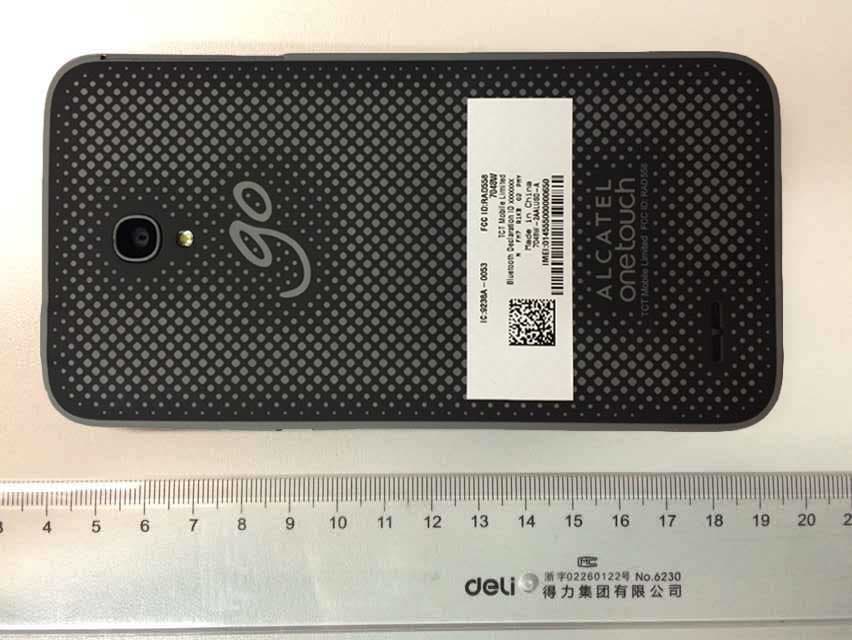
RAD558
Nov 15, 2015HSUPA/HSDPA/UMTS tribands / GSM quadbands/LTE 6-band mobile phone
Equipment Class
JBP - Part 15 Class B Computing Device Peripheral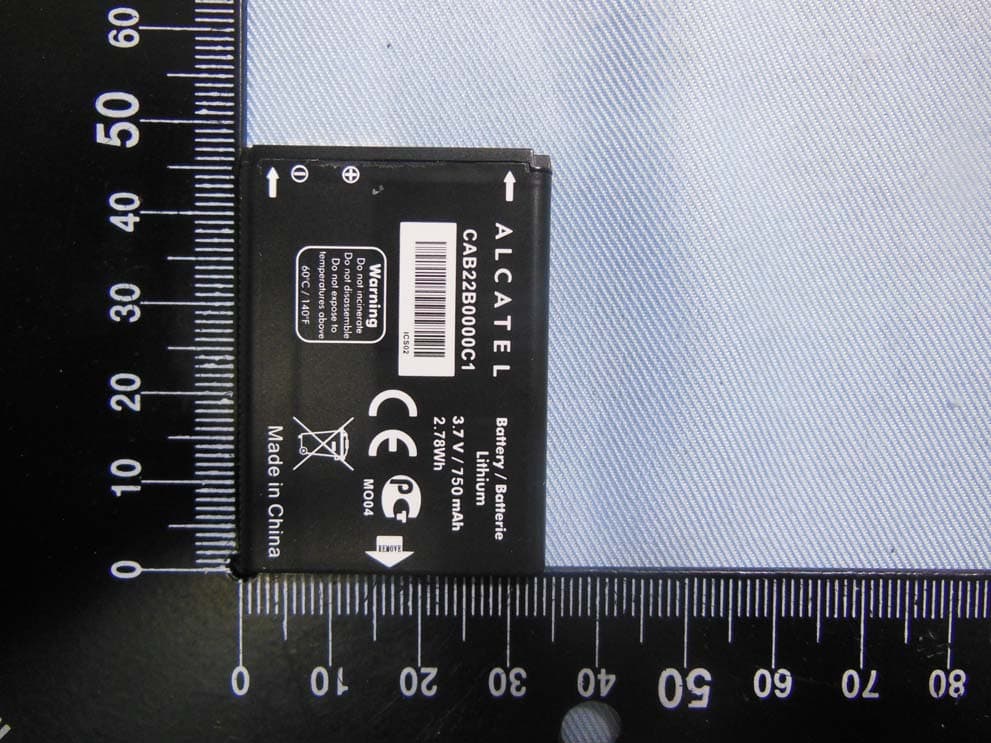
RAD556
Sep 08, 2015CDMA 1X BC0/BC1/BC10 mobile phone
Equipment Class
PCE - PCS Licensed Transmitter held to ear
RAD552
Jun 20, 2015GSM Quadband / UMTS Triband mobile phone
Equipment Class
PCE - PCS Licensed Transmitter held to ear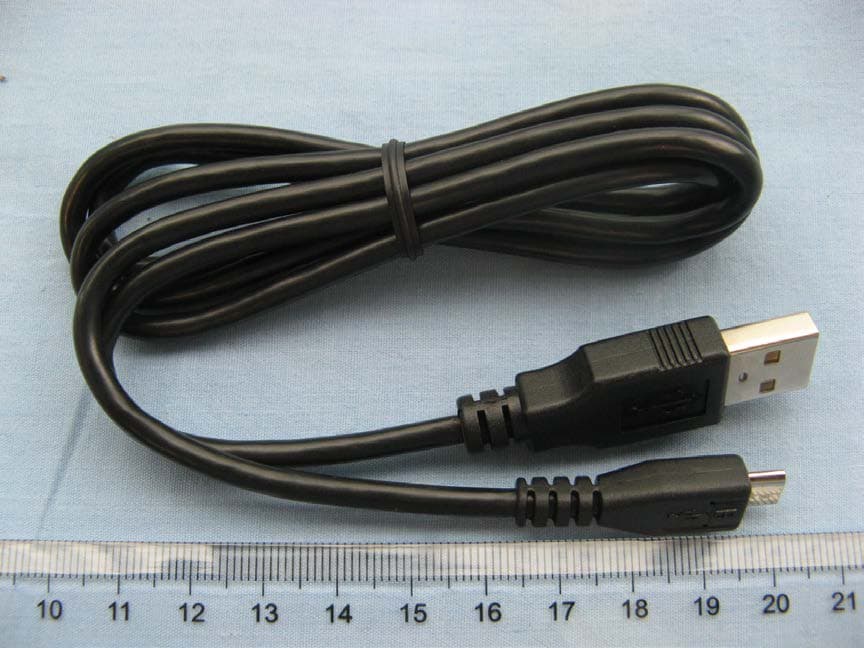
RAD550
Jun 06, 2015HSDPA/HSUPA/HSPA+/UMTS quad band /GSM quad band/LTE 4 band mobile phone
Equipment Class
DSS - Part 15 Spread Spectrum Transmitter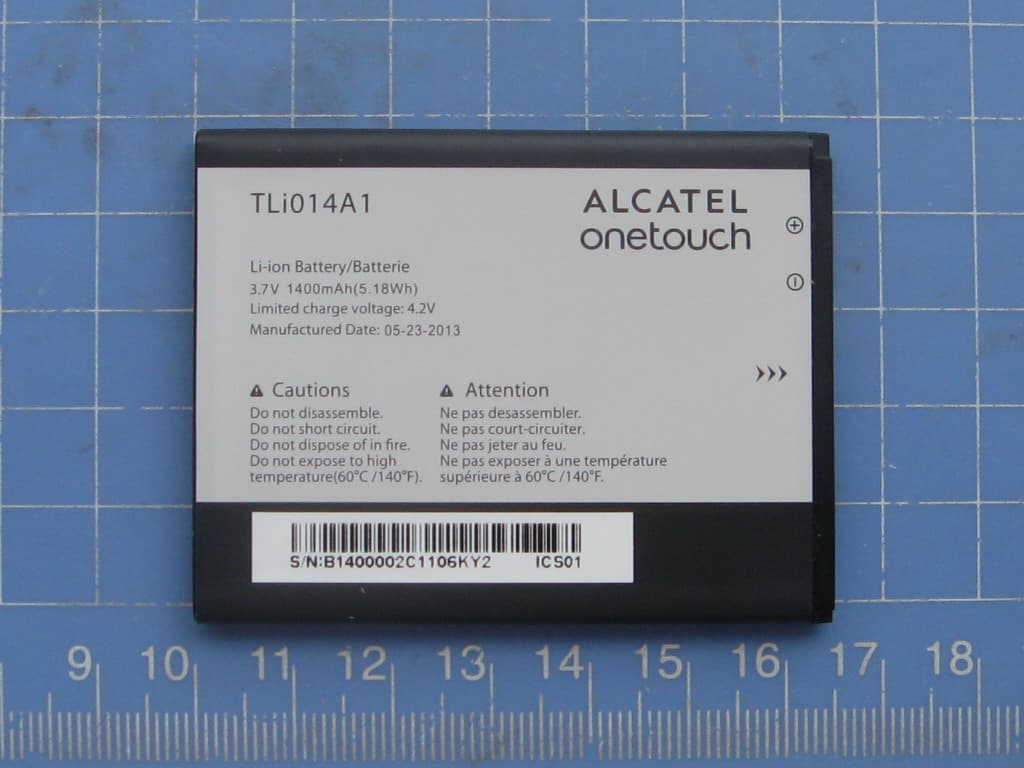
RAD549
May 13, 2015WCDMA tri band / GSM quad band Moblie phone with BT, Wi-Fi functionality.
Equipment Class
DSS - Part 15 Spread Spectrum Transmitter