S3BXNAV3500APortable GPS Navigation System
Carpoint Co., Ltd.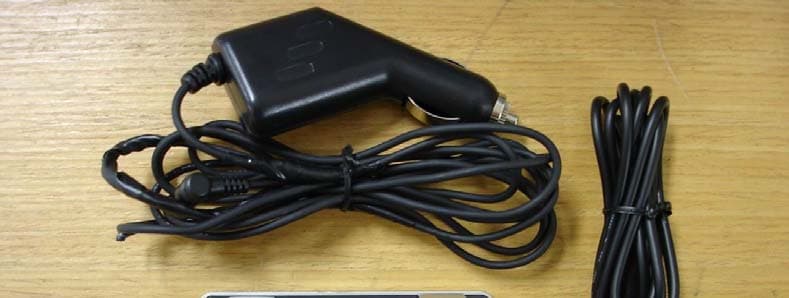
Click to zoom
Application Details
- Equipment Class
- JBP - Part 15 Class B Computing Device Peripheral
- Date of Grant
- Oct 16, 2005
- Application Purpose
- Original Equipment
- Date of Application
- Oct 16, 2005
- Equipment Note
- Portable GPS Navigation System
- Company
- Carpoint Co., Ltd.
- Country
- South Korea
Documents & Files
Document Text
Text extracted from the exhibit documents filed with the FCC. Open a document above to read the original.
Users Manual
Preface The XNAV3500P combines state-of-the-art turn-by-turn navigation with a built-in multimedia player. Before operating, take a few minutes to review the safety and operating instructions in this manual so you can quickly and safely become familiar with its many features. This Quick Start Guide explains the system functions, and provides details on: Safety information Control locations Setting up the unit Navigation functions Multimedia functions System preferences Please read this manual prior to operating your XNAV3500P. 1. Labeling Requirement (Section 15.19) This device complies with Part 15 of the FCC Rules. Operation is subject to the following two conditions: (1) this device may not cause harmful interference, and (2) this device must accept any interference received, including interference that may cause undesired operation. 2. Information to User (Section 15.21 and 15.105) CAUTION : Any changes or modifications in construction of this device which are not expressly approved by the party responsible for compliance could void the user's authority to operate the equipment. Note : This equipment has been tested and found to comply with the limits for a Class B digital device, pursuant to part 15 of the FCC Rules. These limits are designed to provide reasonable protection against harmful interference in a residential installation. This equipment generates, uses and can radiate radio frequency energy and, if not installed and used in accordance with the instructions, may cause harmful interference to radio communications. However, there is no guarantee that interference will not occur in a particular installation. If this equipment does cause harmful interference to radio or television reception, which can be determined by turning the equipment off and on, the user is encouraged to try to correct the interference by one or more of the following measures: - Reorient or relocate the receiving antenna. - Increase the separation between the equipment and receiver. - Connect the equipment into an outlet on a circuit different from that to which the receiver is connected. - Consult the dealer or an experienced radio/TV technician for help. 2 Safety Information and Precautions WARNING! PLEASE READ AND FOLLOW THE FOLLOWING SAFETY PRECAUTIONS. FAILURE TO FOLLOW THE INSTRUCTIONS BELOW MAY INCREASE YOUR RISK OF COLLISION AND PERSONAL INJURY. The warning screen is displayed each time the Navigation Icon is selected as a reminder to make use of the system’s navigational aids in a safe manner. Before using the XNAV3500P, read this entire manual. Make sure that you are familiar with the features and know how to operate the system. Proper use of the XNAV3500P includes the following guidelines: The navigation system is not a substitute for your personal judgment. The route suggestions should never supersede any local traffic regulation or your personal judgment and /or knowledge of safe driving practices. Prior to completing any maneuvers suggested by your navigation system (for example, a U-turn or a left turn), verify that you can legally and safely complete the maneuver. Do not follow route suggestions if they direct you to perform an unsafe or illegal maneuver, would place you in an unsafe situation, or would route you into an area that you consider unsafe. Glance at the screen only when necessary and safe to do so. Let the voice guide you. If prolonged viewing is necessary, pull off the road to a safe location. The database may not include all emergency service providers. Use your own best judgment and ask for directions in these situations. If the vehicle is in motion, only a passenger should program the unit. The driver should not program the unit unless the vehicle is parked in a safe location. The map database provides information on suggested routes without regard to factors that may affect your driving experience or the time required to arrive at your destination. For example, the system does not reflect road detours, closures or construction, some road characteristics (e.g., road surface, slope or grade, weight or height restrictions, etc.), temporary traffic congestion, weather conditions, and similar factors. 3 Introduction to your Navigation System As you travel, your navigation system functions as your co-pilot, providing turn-by-turn visual and voice assistance to direct you to your selected destination. Because the system knows where you are and where you want to go, it can quickly calculate step-by-step directions that provide a route to any destination available on the included navigation map. The map includes millions of roadway and mapping destinations, and preprogrammed point of interest (POI) locations in several different categories. Simply enter your desired destination into your navigation system, and its advanced intelligence does the rest. With your navigation system, if you deviate from the planned route, the navigation system will automatically recalculate the route to determine a new one from your current location. The navigation system uses Global Positioning System (GPS) satellites, and a digital roadway map database to calculate and display travel directions. The system’s GPS antenna receives signals from a constellation of 24 satellites orbiting the earth and uses the strongest of signals, to determine your position to within meters. The navigation system’s sophisticated software provides the highly accurate positioning necessary to provide real-time, accurate, turn-by-turn route guidance. Vehicle Position The navigation system’s computer considers vehicle speed and heading changes, together with longitude and latitude information, to accurately determine vehicle heading and position on a digital map. This information is relayed to you as you proceed to your selected destination through audible suggestions, turn symbols, and the on screen map. Signals from GPS satellites are used to determine the vehicle location. Three (good) or four (best) satellites must be r…
Text truncated - open the document above for the full version.
Cover Letter(s)
CARPOINT Co.,Ltd. 1340-6, Namgang Bld 7F, Seocho-dong Seocho-Ku, Seoul, 137-070, Korea October 13, 2005 Compliance Certification Services Certification Division 561F Monterey Road Morgan Hill, CA 95037 To whom it may concern: We, the undersigned, hereby authorize KTL, to act on our behalf in all manners relating to application for equipment authorization, including signing of all documents relating to these matters. Any and all acts carried out by KTL on our behalf shall have the same effect as acts of our own. We, the undersigned, hereby certify that we are not subject to a denial of federal benefits, that includes FCC benefits, pursuant to Section 5301 of the Anti-Drug Abuse Act of 1988, 21 U.S.C. 853(a). In authorizing KTL as our agent, we still recognize that we are responsible to: a) comply with the relevant provisions of the certification program; b) make all necessary arrangements for the conduct of the evaluation, including provision for examining documentation and access to all areas, records (including internal audit reports) and personnel for the purposes of evaluation (e.g. testing, inspection, assessment, surveillance, reassessment) and resolution of complaints; c) make claims regarding certification only in respect of the scope for which certification has been granted; d) do not use our product certification in such a manner as to bring the Certification Division into disrepute and not make any statement regarding our product certification which the Certification Division may consider misleading or unauthorized; e) upon suspension or cancellation of certification, discontinue use of all advertising matter that contains any reference thereto and return any certification documents as required by the Certification Division; f) use certification only to indicate the products are certified as being in conformity with specified standards; g) endeavor to ensure that no certificate or report nor any part thereof is used in a misleading manner; h) ensure that any reference to our product certification in communication media such as documents, brochures or advertising, complies with the requirements of the Certification Division; i) keep a record of all complaints made known to the us relating to the product’s compliance with requirements of the relevant standard and to make these records available to the Certification Division when requested; j) take appropriate action with respect to such complaints and any deficiencies found in products or services that affect compliance with the requirements for certification; k) document the actions taken. This authorization is valid until further written notice from the applicant. Sincerely Yours, Byung-Kwan, Kang, Signature Printed Title : Assistant Manager CARPOINT Co.,Ltd.
Cover Letter(s)
CARPOINT Co.,Ltd. 1340-6, Namgang Bld 7F, Seocho-dong Seocho-Ku, Seoul, 137-070, Korea Federal Communications Commission 7435 Oakland Mills Road Columbia, MD 21046 Gentlemen: This letter is to comply with Section 0.457(d)(2)(i) pertaining to confidential material CARPOINT Co.,Ltd. would like the following documents regarding this submission for FCC ID : S3BXNAV3500A to be kept confidential. 1. Block Diagram 2. Schematic Diagram The above material contains trade secrets or technical data, which would customarily be guarded from competitors. We do not want these documents to be accessible to the general public. Sincerely, Date 13th of October, 2005 Byung-Kwan, Kang, Signature Printed Title : Assistant Manager CARPOINT Co.,Ltd.
External Photos
Photographs (Outside) <Outside – Front> <Outside – Rear>
ID Label/Location Info
FCC Labeling
Internal Photos
Photographs (Outside) <Outside – Front> <Outside – Rear>
Test Report
KTL Korea Testing Laboratory Page 1 of 9 TEST REPORT This test report only responds to the tested sample and shall not be reproduced except in full without written approval of the Korea Testing Laboratory. Tested and reported by Reviewed by Bum-Jong Kim, Engineer Won-Seo Cho , Telecommunication Team Manager KOREA TESTING LABORATORY FG101-01-02-00 222-13, Guro-Dong Guro-Gu Seoul Korea 152-053 http://www.ktl.re.kr Ref. Report No. 05-341-038 Name and address of the applicant Carpoint Co., Ltd. 1340-6, Namgang Bld 7F, Seocho-dong Seocho-Ku, Seoul, 137-070, Korea Standard / Test regulation FCC Part 15, Subpart B Test result Pass Incoming date : September 27, 2005 Test item(s) ; Class B Computing Device Peripheral (Car Navigation) Model/type ref. ; XNAV3500 Manufacturer ; Carpoint Co., Ltd. 1340-6, Namgang Bld 7F, Seocho-dong Seocho-Ku, Seoul, 137-070, Korea Additional information ; -Required Authorization : Certification -FCC ID. : S3BXNAV3500A Test date : September 28, 2005 Issue date : September 30, 2005 Ref. Report No. 05 - 341 – 038 Page 2 of 13 Korea Testing Laboratory Telecommunication Team 222-13, Guro3-dong, Guro-gu, Seoul Korea 152-848 TABLE OF CONTENTS I. GENERAL INFORMATION 3 1. Applicant’s Name and Mailing Address 2. Manufacturer's Name and Mailing Address 3. Equipment Descriptions 4. Rules and Regulations 5. Measuring Procedure 6. Date of Measurement II. GENERAL REQUIREMENTS OF THE EUT 4 1. Labeling Requirement (Section 15.19) 2. Information to User (Sections 15.21and 15.105) 3. Special Accessories (Section 15.27) III. CONDUCTED EMISSION MEASUREMENT (Section 15.107) 6 1. Test Procedure 2. Photograph for the test configuration 3. Sample Calculation 4. Measurement Data IV. RADIATED EMISSION MEASUREMENT (Section 15.109) 10 1. Test Procedure 2. Photograph for the test configuration 3. Sample Calculation 4. Measurement Data V. TEST EQUIPMENTS USED FOR MEASUREMENT 13 Ref. Report No. 05 - 341 – 038 Page 3 of 13 Korea Testing Laboratory Telecommunication Team 222-13, Guro3-dong, Guro-gu, Seoul Korea 152-848 I. GENERAL INFORMATION 1. Applicant’s Name and : Carpoint Co.,Ltd. Mailing Address 1340-6, Namgang Bld 7F, Seocho-dong Seocho-Ku, Seoul, 137-070, Korea 2. Manufacturer's Name and : Carpoint Co.,Ltd. Mailing Address 1340-6, Namgang Bld 7F, Seocho-dong Seocho-Ku, Seoul, 137-070, Korea 3. Equipment Descriptions 3.1 Test Item : Car Navigation 3.2 Crystal used : 12 MHz, 32.768 KHz 3.3 I/O port : USB port 3.4 Power Supply : DC 12 V ( Car battery ) 3.5 Model name : XNAV3500A 4. Devices of Test System Device Model name Serial Number Manufacturer Personal Computer DPEP P500 7951/CJN20009 Compaq Monitor DP15L/S DP15HICN102768 Compaq Mouse M-S34 166861-001 Compaq Keyboard PR235BTWKO B13BBOT39I7045 Compaq Printer 2225C+ 3145S02416 Hewlett Packard Car Navigation XNAV3500A - CarPoint 5. Rules and Regulations : FCC Part 15, Subpart B 6. Measuring Procedure : ANSI C63.4-2003 7. Date of Measurement 7.1 Conducted Emission : Sep 28, 2005 7.2 Radiated Emission : Sep 29, 2005 Ref. Report No. 05 - 341 – 038 Page 4 of 13 Korea Testing Laboratory Telecommunication Team 222-13, Guro3-dong, Guro-gu, Seoul Korea 152-848 II. GENERAL REQUIREMENTS OF THE EUT 1. Labeling Requirement (Section 15.19) This device complies with Part 15 of the FCC Rules. Operation is subject to the following two conditions: (1) this device may not cause harmful interference, and (2) this device must accept any interference received, including interference that may cause undesired operation. 1.1 Location of Label : User’s guide manual 1.2 How Applied : Printed 2. Information to User (Section 15.21 and 15.105) The following or similar statements were provided in the manual for user instruction. Please refer page 1 of the attached manual for details. CAUTION : Any changes or modifications in construction of this device which are not expressly approved by the party responsible for compliance could void the user's authority to operate the equipment. Note : This equipment has been tested and found to comply with the limits for a Class B digital device, pursuant to part 15 of the FCC Rules. These limits are designed to provide reasonable protection against harmful interference in a residential installation. This equipment generates, uses and can radiate radio frequency energy and, if not installed and used in accordance with the instructions, may cause harmful interference to radio communications. However, there is no guarantee that interference will not occur in a particular installation. If this equipment does cause harmful interference to radio or television reception, which can be determined by turning the equipment off and on, the user is encouraged to try to correct the interference by one or more of the following measures: - Reorient or relocate the receiving antenna. - Increase the separation between the equipment and receiver. - Connect the equipment into an outlet on a circuit different from that to which the receiver is connected. - Consult the dealer or an experienced radio/TV technician for help. Ref. Report No. 05 - 341 – 038 Page 5 of 13 Korea Testing Laboratory Telecommunication Team 222-13, Guro3-dong, Guro-gu, Seoul Korea 152-848 3. Special Accessories (Section 15.27) 3.1 Were the special Accessories provided? [ ] yes, [ x ] no 3.2 If yes, details for the special accessories are as follows : 3.3 If yes, were the appropriate instructions provided on the first page of the text concerned with the device? [ ] yes, [ ] no 3.4 Are these accessories provided of the type which can be readily obtained from multiple retail outlets ? [ ] yes, [ ] no And therefore does the manual specify what additional components or accessories are required to used in order to comply with the Rules? [ ] yes, [ ] no Ref. Report No. 05 - 341 – 038 Page 6 of 13 Korea Testing Laboratory Telecommunication Team 222-13, Guro3-dong, Guro-gu, Seoul Korea 152-848 III . CONDUCTED EMISSION MEASUREMENT (Section 15.107) 1. Test Procedure Conducted emission measuremen…
Text truncated - open the document above for the full version.
Test Setup Photos
TEST Photographs < Radiated emission – Front > < Radiated emission – Rear > <Conducted emission – Front > < Conducted emission – Rear >
Contact Information
Applicant
Jasmine Y Shim(Senior Int'l Marketing Manager)
Test Firm
Korea Testing LaboratoryJeong-Min Kim
Technical Specifications
| # | Rule Parts | Frequency Range | Power Output |
|---|---|---|---|
| 1 | 15B | - | - |
Other Applications from Carpoint Co., Ltd.
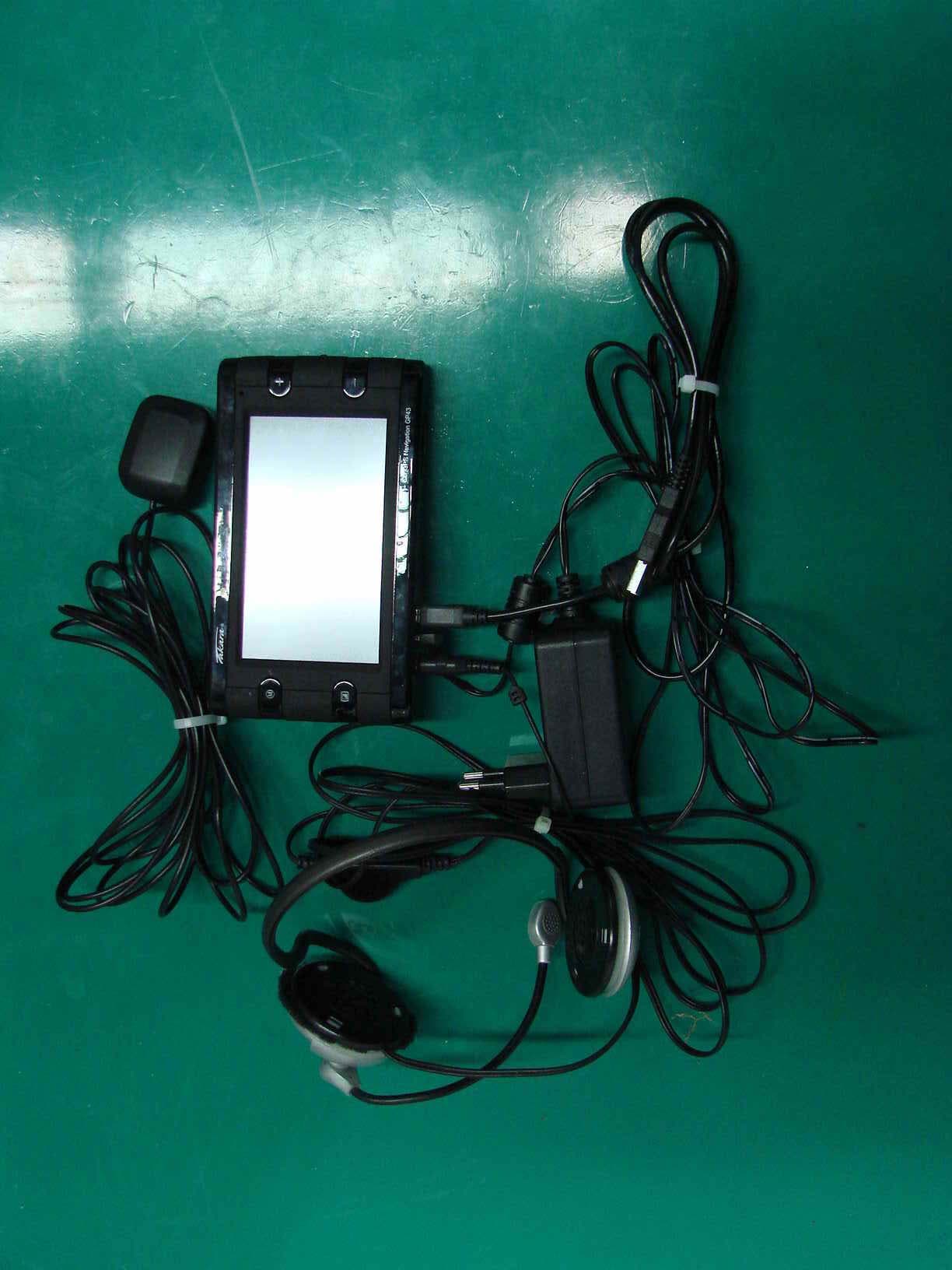
S3BV4050
Oct 23, 2007Portable GPS Navigation Device
Equipment Class
DSS - Part 15 Spread Spectrum Transmitter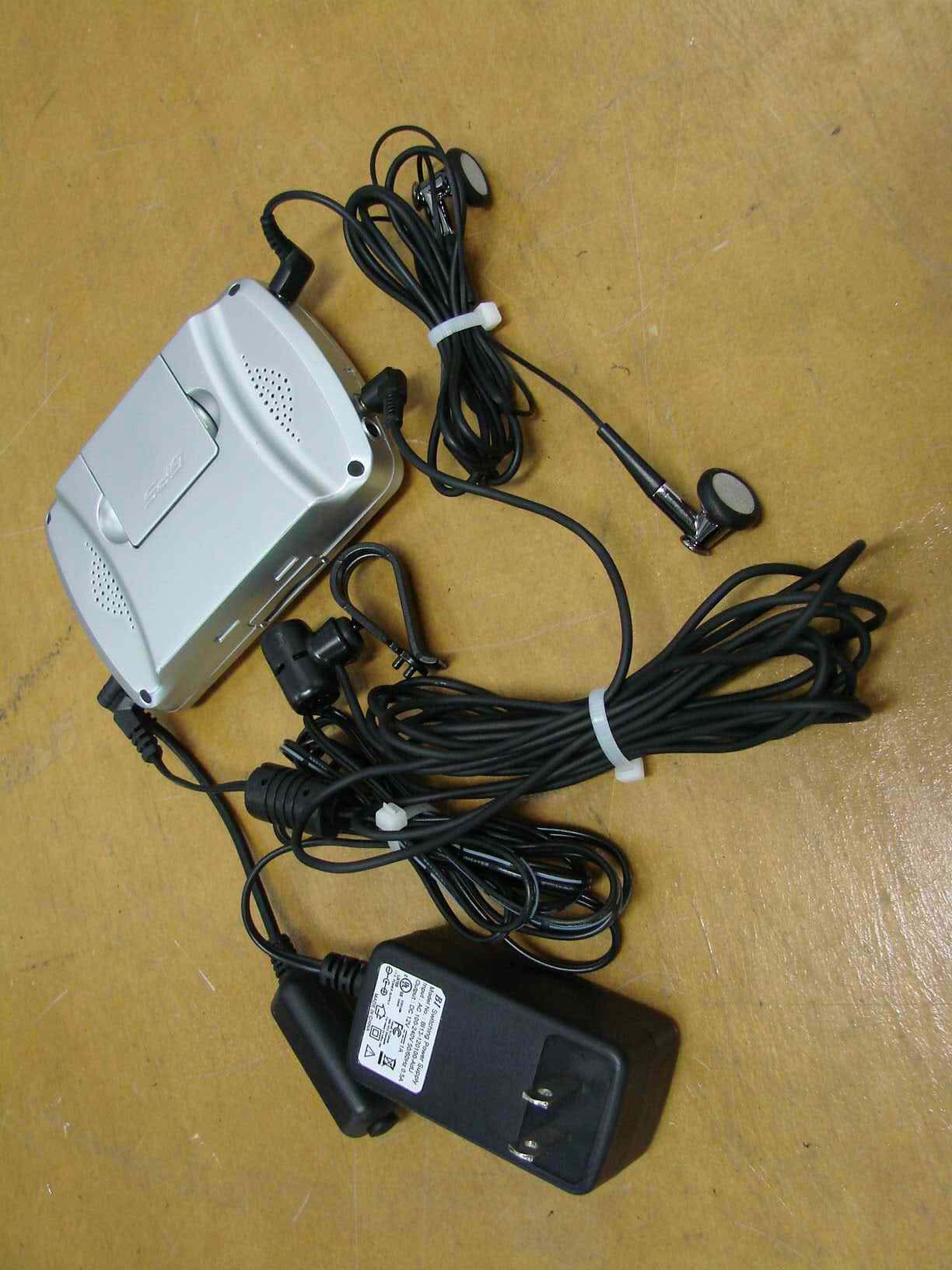
S3BNAV300-A1860I
Jun 18, 2007Portable GPS Navigation Device
Equipment Class
DSS - Part 15 Spread Spectrum Transmitter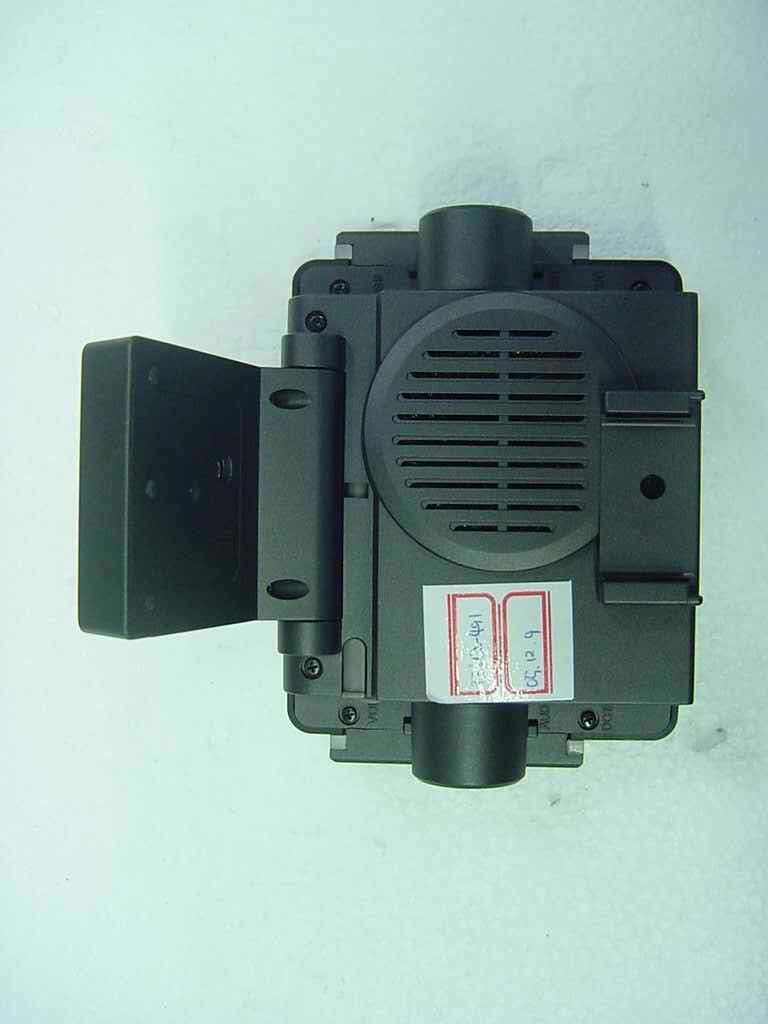
S3BX380
Jan 24, 2006Navigation
Equipment Class
JBP - Part 15 Class B Computing Device Peripheral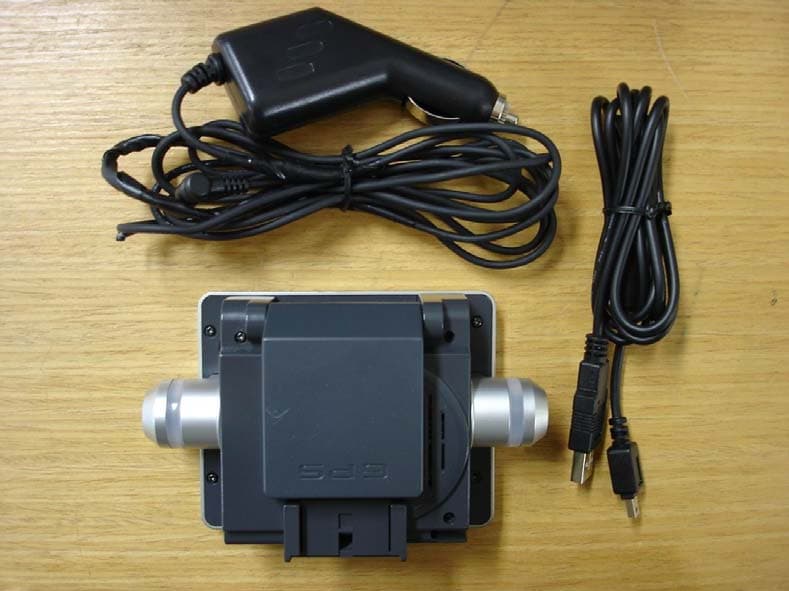
S3BXNAV3500P
Mar 24, 2005Car Navigation
Equipment Class
JBP - Part 15 Class B Computing Device Peripheral