UU5-03112102GBluetooth Car Kit
BlueDECT Technology Corp.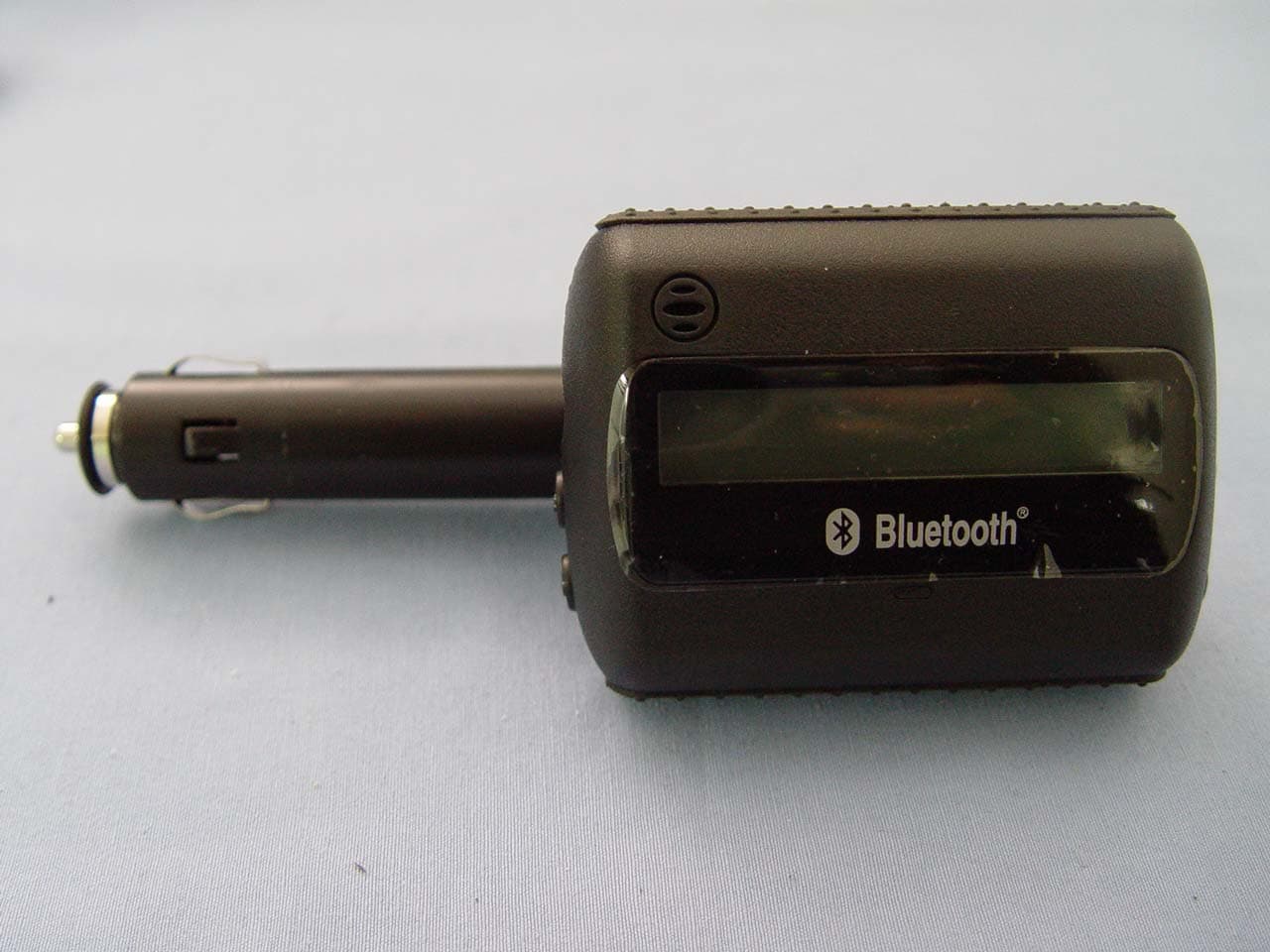
Click to zoom
Application Details
- Equipment Class
- DSS - Part 15 Spread Spectrum Transmitter
- Date of Grant
- May 14, 2007
- Application Purpose
- Original Equipment
- Date of Application
- May 14, 2007
- Equipment Note
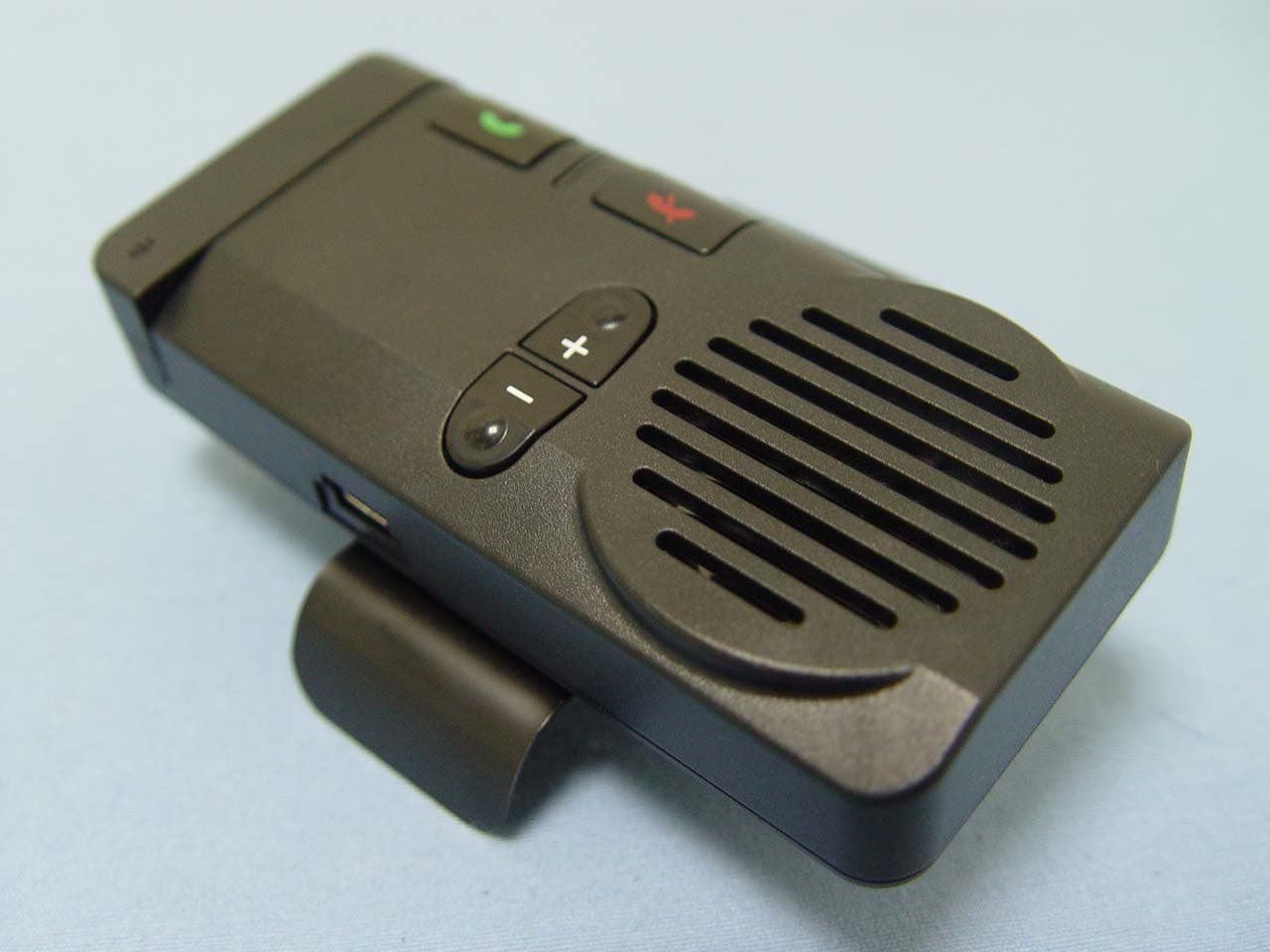
- Bluetooth Car Kit
- Frequency Range
- 2402.00000000 - 2480.00000000
- Company
- BlueDECT Technology Corp.
- Country
- Taiwan
Documents & Files
Document Text
Text extracted from the exhibit documents filed with the FCC. Open a document above to read the original.
Users Manual
Bluetooth® Hands-free Car Kit Best voice links you and me Ver. 06-01-16 Introduction This car kit is base on Bluetooth wireless technology connects to a compatible phone without wires. To enjoy its convenience, just plug it into the cigarette power jack, and pair with your mobile phone. You can easily answer your call and always keep your eyes on the road. The LCD display can show the caller ID on incoming call. So, you know who is calling without looking your phone. Its internal DSP automatically performs noise reduction and echo cancellation. You are assured of optimum audio quality. It has been designed for professional life style. It allows you to transfer the voice between it and your mobile phone, even during talking, for your privacy. Keys and Parts Overview LED indicator YES NO Vol (+) Vol (-) LCD Cigarette power adapter Operation 1. Power on 1. Plugs it into your car’s cigarette lighter. 2. LCD shows “Welcome” for 3 seconds, then show “Blue Voice”. I t means the power is on, and it stays at stand-by mode. 3. Blue LED flash once . 2. Pairing 1. Long press on “NO”, it enters pairing mode. 2. Active your bluetooth function on your mobile phone, and search for new device. Select Blue voice. 3. Enter the pin code “1234” on your phone, and then connect to your mobile phone. 4. Short press the “NO” bottom to escape from the pairing mode. 3. Operation 1. Answer ♦ During incoming call, the car kit rings, and the LCD will show the phone number or user name of the call. ♦ Press “YES” button to answer the call. 2. Reject an coming call ♦ During incoming call, press “NO” to reject 3. Terminate a call ♦ During active call, press “NO” to terminate. 4. Voice dialing: ♦ Active the voice function on your phone. ♦ In standby mode, long press “Vol(-) button”, wa i t fo r t h e t o n e , and say the name as you recorded on your phone. 5. Redial: During the standby mode, press and hold “Vol(+) button” to redial the last dialing number. 6. Voice transfer ♦ Press “Yes” to transfer voice between the CarKit and your phone, during an on-going call, for your privacy. ♦ This function is not guarantee with every phone. 7. Adjusting the Volume ♦ To increase the volume, press “Vol(+) button” in talking mode. ♦ To decrease the volume, press “Vol(-) button” in talking mode.- 8. Mute ♦ Press and hold “Vol(-) button” to enable Mic mute function in during an on-going call. ♦ Press and hold “Vol(+) button” to disable Mic mute function in during an on-going call. 9. Connection ♦ In any disconnected mode, short press YES to connect. ♦ In connection mode, long press NO to disconnect. Warning This equipment has been tested and found to comply with the limits for a class B digital device, pursuant to part 15 of the FCC rules. These limits are designed to provide to provide reasonable protection against harmful interference in a residential installation. This equipment generates, uses and can radiate radio frequency energy and, if not installed and used in accordance with the installation. , May cause harmful interference to radio communication. However, there is no guarantee that interference Will not occur in a particular installation. if this equipment does cause harmful interference to radio or television reception, which can be determined by turning the equipment off and on, the user is encouraged to try to correct the interference by one or more of the following measures: -Reorient or relocate the receiving antenna -Increase the separation between the equipment and receiver -Connect the equipment into an outlet on a circuit different from that to which the receiver is connected -Consult the dealer or an experienced radio / TV technician for help You are cautioned that changes or modifications not expressly approved by the party responsible for compliance could void your authority to operate the equipment. This device complies with part 15 of the FCC rules. Operation is subject to the following two conditions (1) This device may not cause harmful interference and (2) This device must accept any interference received, including interference that may cause undesired operation This transmitter must not be co-located or operating in conjunction with any other antenna or transmitter. 藍芽顯示器車用免持聽筒 產品介紹: 此藍芽車用免持聽筒使用了藍芽無線通訊技術,可無線連接到藍芽手機上。 產品設計顧慮到使用者之方便性,只要將此產品插入點煙器的接頭並和您的手機 配對,您就可以輕鬆接聽您的來電。 液晶顯示器可以在來電時顯示來電號碼,所以你不需要看手機就知道來電 者。內部聲音數位處理器(DSP)會自動消除回音和減低噪音,保持良好的聲音品 質。此藍芽車用免持聽筒是為專業人士設計,為保持通話隱密性,可以在通話中 自由的在手機和車用免持聽筒間作切換。 外觀說明: LCD LED顯示 YES NO 調高音量(v +) 降低音量(v - ) 充電頭 操作: 1. 開機: 1.將此藍芽車用免持聽筒插進你車上的點煙器 2.顯示屏會顯示”Welcome”三秒鐘,然後顯示"Blue - Voice"。即表示電源 開啟,保持待機狀態。 3.LED閃爍一次。 2. 配對: 1. 長按"NO",此藍芽車用免持聽筒進入配對模式 2. 啟動手機上的藍芽功能‧並操作手機搜尋新的藍芽裝置,選擇Blue - Voice。 3. 在手機輸入密碼”1234”,就會連結到手機。 4. 過程中可輕按"NO"就會離開配對模式。 3. 操作: 1. 接聽: 來電時車用免持聽筒會響,LCD會顯示來電號碼或是來電者名稱。 按"YES"鍵接聽電話。 2. 拒聽來電: 來電時按"NO"拒接來電。 3. 掛斷: 通話中按"NO"。 4. 語音撥號: 啟動您手機上的語音撥號功能 待機模式中,長按"V-“,等聽到嗶聲後,說出您記錄在手機上的 語音命令 5. 重撥: 在待機模式下,長按"V+"重撥上一通撥出電話。 6. 聲音移轉: 通話中按"YES "可以讓你在手機和車用免持聽筒間作切換。 7. 調整音量: 通話時按住降低音量按鈕來降低音量 通話時按住提高音量按鈕來提高音量 8. 靜音: 通話時長按住降低音量按鈕麥克風來進入靜音模式 通話時長按住提高音量按鈕麥克風來退出靜音模式 9. 連線: 在斷訊狀態下,短按” YES ”鍵,以連線通訊。 在連結狀態下,長按 “ NO “鍵,將會斷訊。
Cover Letter(s)
Date: 2007/5/14 Compliance Certification Services Certification Division 561F Monterey Road Morgan Hill, CA 95037 To whom it may concern: We, the undersigned, hereby authorize the Taiwan office of Compliance Engineering Services, Inc., d.b.a. Compliance Certification Services and hereafter referred to as CCS TW, to act on our behalf in all manners relating to application for equipment authorization, including signing of all documents relating to these matters. Any and all acts carried out by CCS TW on our behalf shall have the same effect as acts of our own. We, the undersigned, hereby certify that we are not subject to a denial of federal benefits, that includes FCC benefits, pursuant to Section 5301 of the Anti-Drug Abuse Act of 1988, 21 U.S.C. 853(a). In authorizing CCS TW as our agent, we still recognize that we are responsible to: a) Comply with the relevant provisions of the certification program; b) Make all necessary arrangements for the conduct of the evaluation, including provision for examining documentation and access to all areas, records (including internal audit reports) and personnel for the purposes of evaluation (e.g. testing, inspection, assessment, surveillance, reassessment) and resolution of complaints; c) Make claims regarding certification only in respect of the scope for which certification has been granted; d) Do not use our product certification in such a manner as to bring the Certification Division into disrepute and not make any statement regarding our product certification which the Certification Division may consider misleading or unauthorized; e) Upon suspension or cancellation of certification, discontinue use of all advertising matter that contains any reference thereto and return any certification documents as required by the Certification Division; f) Use certification only to indicate the products are certified as being in conformity with specified standards; g) Endeavor to ensure that no certificate or report nor any part thereof is used in a misleading manner; h) Ensure that any reference to our product certification in communication media such as documents, brochures or advertising, complies with the requirements of the Certification Division; i) Keep a record of all complaints made known to the us relating to the product compliance with requirements of the relevant standard and to make these records available to the Certification Division when requested; j) Take appropriate action with respect to such complaints and any deficiencies found in products or services that affect compliance with the requirements for certification; k) Document the actions taken. This authorization is valid until further written notice from the applicant. Sincerely Yours, REMARK: 1. This authorization letter will be sent along with your application when filing with the Certification Division. 2. Please follow the format and type it on company letterhead and send original to us.
Cover Letter(s)
May 14, 2007 Federal Communications Commission Authorization and Evaluation Division FCC ID: UU5-03112102G Confidentiality Request Pursuant to Sections 0.457 and 0.459 of the Commission’s Rules, the Applicant hereby requests confidential treatment of information accompanying this Application as outlined below: 1. Schematics 2. Operational Description 3. Block Diagram The above materials contain trade secrets and proprietary information not customarily released to the public. The public disclosure of these matters might be harmful to the Applicant and provide unjustified benefits to its competitors. The Applicant understands that pursuant to Rule 0.457, disclosure of this Application and all accompanying documentation will not be made before the date of the Grant for this application. Sincerely,
Cover Letter(s)
BlueDECT Technology Corp. May 14, 2007 Bluetooth Declaration Per FCC 15.247 Requirements 1 Output power and channel separation of a Bluetooth device in the different operating modes: The different operating modes (data-mode, acquisition-mode) of a Bluetooth device don’t influence the output power and the channel spacing. There is only one transmitter which is driven by identical input parameters concerning these two parameters. Only a different hopping sequence will be used. For this reason the check of these RF parameters in one op-mode is sufficient. 2 Frequency range of a Bluetooth device: Hereby we declare that the maximum frequency of this device is: 2402 – 2480 MHz. This is according the Bluetooth Core Specification V 1.0B (+ critical errata) for devices which will be operated in the USA. This was checked during the Bluetooth Qualification tests (Test Case: TRM/CA/04-E). Other frequency ranges ( e.g. for Spain, France, Japan) which are allowed according the Core Specification are not supported by this device. 3 Co-ordination of the hopping sequence in data mode to avoid simultaneous occupancy by multiple transmitters: Bluetooth units which want to communicate with other units must be organized in a structure called piconet. This piconet consist of max. 8 Bluetooth units. One unit is the master the other seven are the slaves. The master co-ordinates frequency occupation in this piconet for all units. As the master hop sequence is derived from it’s BD address which is unique for every Bluetooth device, additional masters intending to establish new piconets will always use different hop sequences. 4 Example of a hopping sequence in data mode: Example of a 79 hopping sequence in data mode: 40, 21, 44, 23, 42, 53, 46, 55, 48, 33, 52, 35, 50, 65, 54, 67, 56, 37, 60, 39, 58, 69, 62, 71, 64, 25, 68, 27, 66, 57, 70, 59, 72, 29, 76, 31, 74, 61, 78, 63, 01, 41, 05, 43, 03, 73, 07, 75, 09, 45, 13, 47, 11, 77, 15, 00, 64, 49, 66, 53, 68, 02, 70, 06, 01, 51, 03, 55, 05, 04 5 Equally average use of frequencies in data mode and behaviour for short transmissions: The generation of the hopping sequence in connection mode depends essentially on two input values: 1. LAP/UAP of the master of the connection 2. Internal master clock The LAP (lower address part) are the 24 LSB’s of the 48 BD_ADDRESS. The BD_ADDRESS is an unambiguous number of every Bluetooth unit. The UAP (upper address part) are the 24 MSB’s of the 48 BD_ADDRESS. The internal clock of a Bluetooth unit is derived from a free running clock which is never adjusted and is never turned off. For synchronisation with other units only offset are used. It has no relation to the time of the day. Its resolution is at least half the RX/TX slot length of 312.5 μs. The clock has a cycle of about one day (23h30). In most case it is implemented as 28 bit counter. For the deriving of the hopping sequence the entire LAP (24 bits), 4 LSB’s (4 bits) (Input 1) and the 27 MSB’s of the clock (Input 2) are used. With this input values different mathematical procedures (permutations, additions, XOR- operations) are performed to generate the sequence. This will be done at the beginning of every new transmission. Regarding short transmissions the Bluetooth system has the following behaviors: The first connection between the two devices is established, a hopping sequence was generated. For transmitting the wanted data the complete hopping sequence was not used. The connection ended. The second connection will be established. A new hopping sequence is generated. Due to the fact that the Bluetooth clock has a different value, because the period between the two transmission is longer (and it cannot be shorter) than the minimum resolution of the clock (312.5 μs). The hopping sequence will always differ from the first one. 6 Receiver input bandwidth and behaviors for repeated single or multiple packets: The input bandwidth of the receiver is 1 MHz. In every connection one Bluetooth device is the master and the other one is the slave. The master determines the hopping sequence (see chapter 5). The slave follows this sequence. Both devices shift between RX and TX time slot according to the clock of the master. Additionally the type of connection (e.g. single or multislot packet) is set up at the beginning of the connection. The master adapts its hopping frequency and its TX/RX timing according to the packet type of the connection. Also the slave of the connection will use these settings. Repeating of a packet has no influence on the hopping sequence. The hopping sequence generated by the master of the connection will be followed in any case. That means, a repeated packet will not be send on the same frequency, it is send on the next frequency of the hopping sequence. 7 Dwell time in data mode The dwell time of 0.3797s within a 30 second period in data mode is independent from the packet type (packet length). The calculation for a 30 second period is a follows: Dwell time = time slot length * hop rate / number of hopping channels *30s Example for a DH1 packet (with a maximum length of one time slot) Dwell time = 625 μs * 1600 1/s / 79 * 30s = 0.3797s (in a 30s period) For multislot packet the hopping is reduced according to the length of the packet. Example for a DH5 packet (with a maximum length of five time slots) Dwell time = 5 * 625 μs * 1600 * 1/5 *1/s / 79 * 30s = 0.3797s (in a 30s period) This is according the Bluetooth Core Specification V 1.0B (+ critical errata) for all Bluetooth devices. There for all Bluetooth devices comply with the FCC dwell time requirement in data mode. This was checked during the Bluetooth Qualification tests. The Dwell time in hybrid mode is measured and stated in the test report. 8 Channel Separation in hybrid mode The nominal channel spacing of the Bluetooth system is 1Mhz independent of the operating mode. The maximum “initial carrier frequency tolerance” which is allowed for Bluetooth is fcenter = 75 kHz. This was checked during the B…
Text truncated - open the document above for the full version.
External Photos
Compliance Certification Services Inc. Report No.: 61030004 Date of Issue: May 11, 2007 Page 1 Total Page: 8 Rev. 00 EXTERNAL PHOTOGRAPHS OF EUT Model: CK2503 Compliance Certification Services Inc. Report No.: 61030004 Date of Issue: May 11, 2007 Page 2 Total Page: 8 Rev. 00 Compliance Certification Services Inc. Report No.: 61030004 Date of Issue: May 11, 2007 Page 3 Total Page: 8 Rev. 00 Compliance Certification Services Inc. Report No.: 61030004 Date of Issue: May 11, 2007 Page 4 Total Page: 8 Rev. 00 Model: CK2102 Compliance Certification Services Inc. Report No.: 61030004 Date of Issue: May 11, 2007 Page 5 Total Page: 8 Rev. 00
Internal Photos
Compliance Certification Services Inc. Report No.: 61030004 Date of Issue: May 11, 2007 Page 6 Rev.00 INTERNAL PHOTOGRAPHS OF EUT Compliance Certification Services Inc. Report No.: 61030004 Date of Issue: May 11, 2007 Page 7 Rev.00 Compliance Certification Services Inc. Report No.: 61030004 Date of Issue: May 11, 2007 Page 8 Rev.00
Parts List/Tune Up Info
ACX Adv anced Ceram ic X Mark L W T a Dimensions 5.00.2 2.00.2 1.00.2 0.50.3 Application of AT5020 Series Multilayer Chip Antenna Features Monolithic SMD with small, low-profile and light-weight type. Wide bandwidth Applications Bluetooth/Wireless LAN/Home RF ISM band 2.4GHz applications Part Number AT 5020 - B 2R8 HAA ghfe dc c Type AT : Antenna d Dimensions ( L × W ) 5.0× 2.0 mm e Material Code B f Frequency Range 2R8=2800MHz g Specification Code HAA h Packaging T: Tape & Reel B: Bulk Terminal Configuration No. Terminal Name No. Terminal Name c Feeding Point d NC d c Dimensions and Recommended PC Board Pattern Unit : mm a W T L ACX Adv anced Ceram ic X Signal feed in 1mm 3.5mm 1.8nH 2.2pF 3.9pF 0.5mm 4.1mm 3.9mm 8.5mm 1.8mm *Line width should be designed to match 50Ω characteristic impedance, depending on PCB material and thickness. Typical Electrical Characteristics (T=25 o C) Test Board 11.5mm 53mm 7mm No Ground 10mm Antenna 21.5mm 60mm Matching Circuit Ground ACX Adv anced Ceram ic X Return Loss ACX Adv anced Ceram ic X Radiation Patterns XZ cut @2.45GHz Vertical Horizontal YZ cut @2.45GHz Vertical Horizontal XZ-V/XZ-H YZ-V/YZ-H XY cut @2.45GHz Vertical Horizontal Z 270 o 0 o X Y XY-cut scanning direction Y 270 o 0 o X Z XZ-cut scanning direction Y X 0 o 270 Z YZ-cut scanning direction 180 180 180 o XY-V/XY-H 90 o 90 o 90 o ACX Adv anced Ceram ic X Maximum & Average Gain (dBi) XY-V XY-H XZ-V XZ-H YZ-V YZ-H Maximum -12.04 -0.3 -5.21 -5.84 -7.83 -0.21 Average -17.22 -4.99 -10.01 -10.9 -10.51 -5.75 Advanced Ceramic X Corp. 16 Tzu Chiang Road, Hsinchu Industrial District Hsinchu Hsien 303, Taiwan TEL:886-3-5987008 FAX:886-3-5987001 E-mail: [email protected] http://www.acxc.com.tw
Test Report
Compliance Certification Services Inc. Report No.: 61030004-RP1 FCC ID: UU5-03112102G Date of Issue: May 11, 2007 Note: This report shall not be reproduced except in full, without the written approval of Compliance Certification Services Inc. This document may be altered or revised by Compliance Certification Services Inc. personnel only, and shall be noted in the revision section of the document. Page 1 Total Page: 45 Rev. 00 FCC 47 CFR PART 15 SUBPART C TEST REPORT For BLUETOOTH CAR KIT Trade Name: BlueDECT Model: CK2503, CK2102 Issued to BlueDECT Technology Corp. 10F-2, No. 2, Lane 258, Rueiguang Road, Neihu District, Taipei 114, R.O.C. Issued by Compliance Certification Services Inc. No. 81-1, Lane 210, Bade Rd. 2, Luchu Hsiang, Taoyuan Hsien, (338) Taiwan, R.O.C. http://www.ccsemc.com.tw [email protected] Compliance Certification Services Inc. Report No.: 61030004-RP1 FCC ID: UU5-03112102G Date of Issue: May 11, 2007 Page 2 Rev. 00 TABLE OF CONTENTS 1. TEST RESULT CERTIFICATION.....................................................................................................3 2. EUT DESCRIPTION...........................................................................................................................4 3. TEST METHODOLOGY....................................................................................................................5 3.1 EUT CONFIGURATION.....................................................................................................................5 3.2 EUT EXERCISE.................................................................................................................................5 3.3 GENERAL TEST PROCEDURES..........................................................................................................5 3.4 FCC PART 15.205 RESTRICTED BANDS OF OPERATIONS.....................................................6 3.5 DESCRIPTION OF TEST MODES........................................................................................................7 4. INSTRUMENT CALIBRATION........................................................................................................8 4.1 MEASURING INSTRUMENT CALIBRATION...................................................................................8 4.2 MEASUREMENT EQUIPMENT USED......................................................................................8 5. FACILITIES AND ACCREDITATIONS ...........................................................................................9 5.1 FACILITIES ......................................................................................................................................9 5.2 EQUIPMENT.....................................................................................................................................9 5.3 TABLE OF ACCREDITATIONS AND LISTINGS..................................................................................10 6. SETUP OF EQUIPMENT UNDER TEST........................................................................................11 6.1 SETUP CONFIGURATION OF EUT....................................................................................................11 6.2 SUPPORT EQUIPMENT ............................................................................................................11 7. FCC PART 15.247 REQUIREMENTS.............................................................................................12 7.1 PEAK POWER.................................................................................................................................12 7.2 BAND EDGES MEASUREMENT .............................................................................................13 7.3 PEAK POWER SPECTRAL DENSITY.................................................................................................18 7.4 FREQUENCY SEPARATION....................................................................................................21 7.5 NUMBER OF HOPPING FREQUENCY ...................................................................................23 7.6 TIME OF OCCUPANCY (DWELL TIME)................................................................................25 7.7 SPURIO US EMISSIONS .............................................................................................................32 7.8 POWERLINE CONDUCTED EMISSIONS............................................................................................42 APPENDIX I RADIO FREQUENCY EXPOSURE ................................................................................43 APPENDIX II PHOTOGRAPHS OF TEST SETUP ...............................................................................44 Compliance Certification Services Inc. Report No.: 61030004-RP1 FCC ID: UU5-03112102G Date of Issue: May 11, 2007 Page 4 Rev. 00 2. EUT DESCRIPTION Product BLUETOOTH CAR KIT Trade Name BlueDECT Model CK2503, CK2102 Model Discrepancy All the above models are identical except for the designation of model numbers and trade name. Please refer to the external photos for reference. Power Supply DC 12V Frequency Range 2402 ~ 2480 MHz Transmit Power 4.46 dBm Modulation Technique FHSS (GFSK) Transmit Data Rate 1Mbps Number of Channels 79 Channels Antenna Specification Gain: -0.21 dBi Antenna Designation Multilayer Chip Antenna Remark: 1. The sample selected for test was production product and was provided by manufacturer. 2. This submittal(s) (test report) is intended for FCC ID: UU5-03112102G filing to comply with Section 15.207, 15.209 and 15.247 of the FCC Part 15, Subpart C Rules. Compliance Certification Services Inc. Report No.: 61030004-RP1 FCC ID: UU5-03112102G Date of Issue: May 11, 2007 Page 5 Rev. 00 3. TEST METHODOLOGY The tests documented in this report were performed in accordance with ANSI C63.4 and FCC CFR 47 2.1046, 2.1047, 2.1049, 2.1051, 2.1053, 2.1055, 2.1057, 15.207, 15.209 and 15.247. 3.1 EUT CONFIGURATION The EUT config…
Text truncated - open the document above for the full version.
Test Setup Photos
Compliance Certification Services Inc. Report No.: 61030004-RP1 FCC ID: UU5-03112102G Date of Issue: May 11, 2007 Page 44 Rev. 00 APPENDIX II PHOTOGRAPHS OF TEST SETUP CONDUCTED EMISSION SETUP PHOTO Compliance Certification Services Inc. Report No.: 61030004-RP1 FCC ID: UU5-03112102G Date of Issue: May 11, 2007 Page 45 Rev. 00 RADIATED EMISSION SETUP PHOTOS
Contact Information
Applicant
Dexter Chen(Engineer)
Test Firm
Compliance Certification Services Inc.Kurt Chen
Technical Specifications
| # | Rule Parts | Frequency Range | Power Output |
|---|---|---|---|
| 1 | 15C | 2.40 GHz - 2.48 GHz | 2.80 mW |
Other Applications from BlueDECT Technology Corp.
UU5-03112109S
Aug 15, 2007BLUETOOTH CAR KIT
Equipment Class
DSS - Part 15 Spread Spectrum Transmitter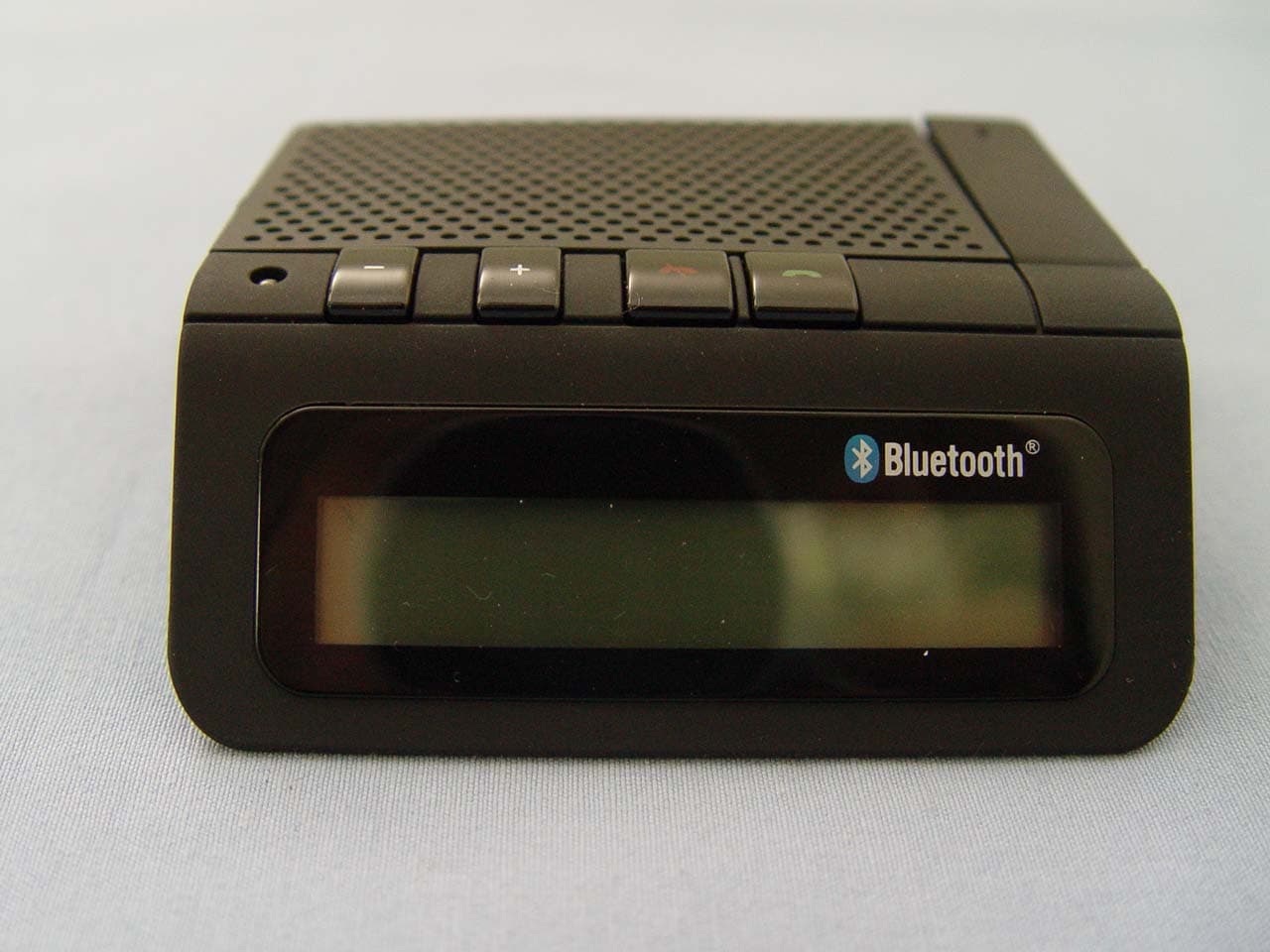
UU5-03112105S
Apr 29, 2007Car Kit
Equipment Class
DSS - Part 15 Spread Spectrum Transmitter