V65E6790PDA Phone
Kyocera Corporation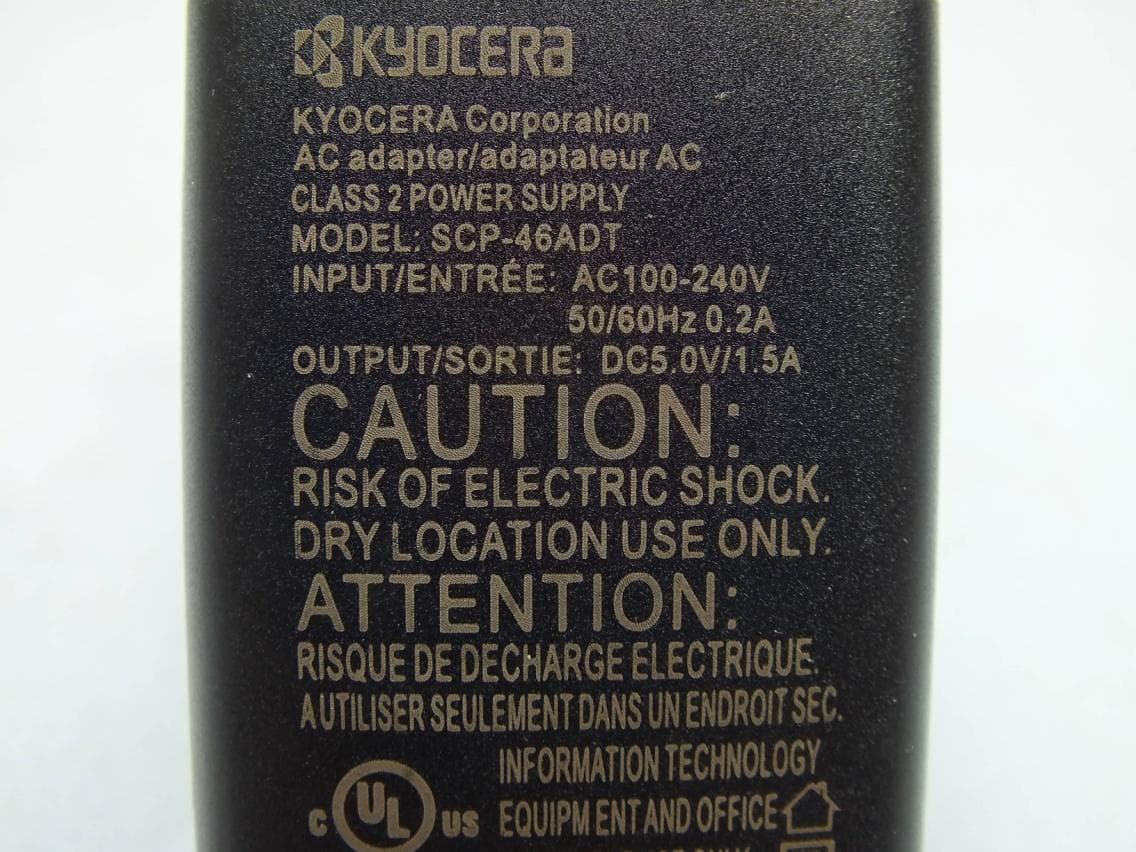
Click to zoom
Application Details
- Equipment Class
- DTS - Digital Transmission System
- Date of Grant
- Sep 29, 2015
- Application Purpose
- Original Equipment
- Date of Application
- Aug 19, 2015
- Equipment Note
- PDA Phone
- Frequency Range
- 2412.00000000 - 2462.00000000
- Company
- Kyocera Corporation
- Country
- United States
Documents & Files
Document Text
Text extracted from the exhibit documents filed with the FCC. Open a document above to read the original.
Users Manual
Safety & Warranty Information Important Safety Information1 This section contains important operational and safety information that will help you safely use your phone. Failure to read and follow the information provided in this section may result in serious bodily injury, death, or property damage. There are several simple guidelines to operating your phone properly and maintaining safe, satisfactory service. ●To maximize performance, do not touch the portions of your phone where the internal antennas are located while using the phone. ●Speak directly into the mouthpiece. ●Do not expose your phone to direct sunlight for extended periods of time (such as on the dashboard of a car). ●Although your phone is quite sturdy, it is a complex piece of equipment and can be broken. Avoid dropping, hitting, bending, or sitting on it. ●Any changes or modifications to your phone not expressly approved in this document could void your warranty for this equipment and void your authority to operate this equipment. Note:For the best care of your phone, only Kyocera-authorized personnel should service your phone and accessories. Failure to do so may be dangerous and void your warranty. Important Safety Information Para la versión en español, visite nuestro sitio web en http://www.kyoceramobile.com/support/phone/ y seleccione su teléfono. General Precautions 2Important Safety Information Do Not Rely on Your Phone for Emergency Calls Mobile phones operate using radio signals, which cannot guarantee connection in all conditions. Therefore you should never rely solely upon any mobile phone for essential communication (e.g., medical emergencies). Emergency calls may not be possible on all cellular networks or when certain network services or mobile phone features are in use. Check with your local service provider for details. Using Your Phone While Driving Talking on your phone while driving (or operating the phone without a hands-free device) is prohibited in some jurisdictions. Laws vary as to specific restrictions. Remember that safety always comes first. Following Safety Guidelines To operate your phone safely and efficiently, always follow any special regulations in a given area. Turn your phone off in areas where use is forbidden or when it may cause interference or danger. Medical Devices If you have a medical device, including an implantable medical device such as a pacemaker or defibrillator, consult your healthcare provider and the device manufacturer’s directions before using this mobile phone. Persons with implantable medical devices: ●Should always keep the mobile phone more than six (6) inches from the implantable medical device when the mobile phone is turned ON. ●Should not carry the mobile phone in the breast pocket. Maintaining Safe Use of and Access to Your Phone Important Safety Information3 ●Should use the ear opposite the implantable medical device to minimize the potential for interference. ●Should turn OFF the mobile phone immediately if you have any reason to suspect that interference is taking place. Using Your Phone Near Other Electronic Devices Most modern electronic equipment is shielded from radio frequency (RF) signals. However, RF signals from wireless phones may affect inadequately shielded electronic equipment. RF signals may affect improperly installed or inadequately shielded electronic operating systems or entertainment systems in motor vehicles. Check with the manufacturer or their representative to determine if these systems are adequately shielded from external RF signals. Also check with the manufacturer regarding any equipment that has been added to your vehicle. Consult the manufacturer of any personal medical devices, such as pacemakers and hearing aids, to determine if they are adequately shielded from external RF signals. Note:Always turn off the phone in healthcare facilities, and request permission before using the phone near medical equipment. Using Your Phone On Airplanes On airplanes, follow applicable airline regulations and always follow the flight crew’s instructions concerning the use of your phone. Turning Off Your Phone in Dangerous Areas To avoid interfering with blasting operations, turn your phone off when in a blasting area or in other areas with signs indicating two-way radios should be turned off. Construction crews often use remote-control RF devices to set off explosives. 4Important Safety Information Turn your phone off when you’re in any area that has a potentially explosive atmosphere. Although it’s rare, your phone and accessories could generate sparks. Sparks can cause an explosion or fire, resulting in bodily injury or even death. These areas are often, but not always, clearly marked. They include: ●Fueling areas such as gas stations. ●Below deck on boats. ●Fuel or chemical transfer or storage facilities. ●Areas where the air contains chemicals or particles such as grain, dust, or metal powders. ●Any other area where you would normally be advised to turn off your vehicle’s engine. Note:Never transport or store flammable gas, flammable liquids, or explosives in the compartment of your vehicle that contains your phone or accessories. Note:Your phone complies with the Standards for Hazardous Location Equipment. Refer to the following section ‘Using Your Phone in Hazardous Locations’ for details. Using Your Phone in Hazardous Locations Your phone complies with the Standards for Hazardous Location Equipment as a Nonincendive Electrical Equipment for use in a Class I, Division 2, Groups A, B, C & D with a Temperature Code of T4. Precautions ●Ensure that your phone is not exposed to the temperature outside the limits stated below. ▪Ambient Temperature: -4° F to 131° F (-20° C to 55° C) ▪Charging Temperature: 32° F to 122° F (0° C to 50° C) Important Safety Information5 ▪Storage Temperature: ▪Less than one month: -4° F to 140° F (-20° C to 60° C) ▪More than one month: -4° F to 113° F (-20° C to 45° C) ●Do not charge your phone in Division 2 hazardo…
Text truncated - open the document above for the full version.
Cover Letter(s)
KYOCERA Communications, Inc 9520 Towne Centre Drive, Suite #200 San Diego, 92121 Phone: 858-882-1400 FAX: 858-450-0134 Date: August 13, 2015 Declaration We, Kyocera Corporation, declare that the device, FCC ID: V65E6790, Model Name:E6790, does not support any non-US frequencies in any operational mode. The 2.4GHz part of this device only operates on channels 1~11. All non-US frequencies, U.S. channels 12 and 13, and Country Code selection are disabled through proprietary software and is not user changeable. Should you have any questions or comments regarding this matter, please do not hesitate to contact me. Sincerely yours, _____________________ Douglas Dunn Director of Regulatory Affairs
Cover Letter(s)
KYOCERA Communications, Inc 9520 Towne Centre Drive, Suite #200 San Diego, 92121 Phone: 858-882-1400 FAX: 858-450-0134 Date: August 13, 2015 To whom it may concern, Please be notified that I, Douglas Dunn, have designated Daniel Lee of Bureau Veritas Consumer Products Services (H.K.) Ltd., Taoyuan Branch (BV CPS Taoyuan Branch) of Taiwan as the person being responsible for this project and to sign the form 731 and other documentation. Any and all acts carried out by Daniel Lee of Bureau Veritas Consumer Products Services (H.K.) Ltd., Taoyuan Branch (BV CPS Taoyuan Branch) of Taiwan on the matters relating to all processes required in the FCC approval and any communication needed with the national authority, shall have the same legal authority as acts on our own behalf. As defined in 47 CFR Ch. 1.2002 (b), we further certify that neither the applicant nor any party to this application is subject to a denial to Federal benefits, including FCC benefits, pursuant to section 5301 of the Anti-Drug Abuse Act of 1998, 21 U.S.C. 835(a). This authorization is limited to the product of as following: FCC ID: V65E6790 If you have any acknowledgement and response, please send it to Daniel Lee of Bureau Veritas Consumer Products Services (H.K.) Ltd., Taoyuan Branch (BV CPS Taoyuan Branch) of Taiwan directly. Should you have any question or comment regarding this matter, please do not hesitate to contact me. Sincerely yours, Douglas Dunn Director of Regulatory Affairs Kyocera Communications, Inc.
Cover Letter(s)
KYOCERA Communications, Inc 9520 Towne Centre Drive, Suite #200 San Diego, 92121 Phone: 858-882-1400 FAX: 858-450-0134 Date: August 13, 2015 Federal Communications Commission Authorization and Evaluation Division 7345 Oakland Mills Road Columbia MD 21046 SUBJECT: FCC Application for FCC ID: V65E6790 To Whom It May Concern, We, Kyocera Corporation, hereby attest to the fact that we will apply the Declaration of Conformity procedure to the class B computer peripheral portion of this composite filing. Sincerely yours, Douglas Dunn Director of Regulatory Affairs Kyocera Communications, Inc.
Cover Letter(s)
KYOCERA Communications, Inc 9520 Towne Centre Drive, Suite #200 San Diego, 92121 Phone: 858-882-1400 FAX: 858-450-0134 Date: August 13, 2015 Federal Communications Commission 7345 Oakland Mills Road Columbia MD21046 Subject: Request for Confidentiality FCC ID: V65E6790 To Whom It May Concern, Pursuant to the provisions of Sections 0.457 and 0.459 of Commission’s rules (47CFR§§0.457, 0.459), we are requesting the Commission to withhold the following attachments as confidential document from public disclosure indefinitely. l Schematic Diagram l Block Diagram l Parts List l Tune-up Procedure l Operational Description The above mentioned documents contain detailed system and equipment descriptions that are considered to be proprietary information in the operation of the equipment. The public disclosure of above documents might be harmful to our company and would give competitors an unfair advantage in the market. In addition to the above mentioned documents, pursuant to Public Notice DA 04-1705 of the Commission’s policy, in order to comply with the marketing regulations in 47 CFT §2.803 and the importation rules in 47 CFR §2.1204, while ensuring that business sensitive information remains confidential until the actual marketing of newly authorized devices. We are requesting the commission to grant short-term confidentiality request on the following attachments until 180 days after the Grant Date of Equipment Authorizations. u External Photos u Internal Photos u Test Setup Photos u Users Manual It is our understanding that all measurement test reports, FCC ID label format and correspondence during certification review process cannot be granted as confidential documents and those information will be available for public review once the grant of equipment authorization is issued. Best regards, Douglas Dunn Director of Regulatory Affairs Kyocera Communications, Inc.
Cover Letter(s)
KYOCERA Communications, Inc 9520 Towne Centre Drive, Suite #200 San Diego, 92121 Phone: 858-882-1400 FAX: 858-450-0134 Date: August 13, 2015 Declaration To whom it may concern, E6790 is a WLAN/Bluetooth combination antenna with FCC ID: V65E6790. A WLAN/Bluetooth co-existence mechanism is employed to ensure that the WLAN and Bluetooth transmitters do not operate simultaneously. Though the user perceives that WLAN and Bluetooth can be used simultaneously, in reality, the WLAN and the Bluetooth are time-shared with no overlap in transmission. Please contact me should you have any questions. Sincerely yours, Douglas Dunn Director of Regulatory Affairs Kyocera Corporation c / o Kyocera Communications, Inc.
External Photos
Page 1 CONSTRUCTION PHOTOS OF EUT Page 2 Page 3
ID Label/Location Info
KYOCERA Communications, Inc 9520 Towne Centre Drive, Suite #200 San Diego, 92121 Phone: 858-882-1400 FAX: 858-450-0134 FCC ID: V65E6790 Label Information Label Location Rear of Phone Battery Compartment FCC Label KYOCERA Communications, Inc 9520 Towne Centre Drive, Suite #200 San Diego, 92121 Phone: 858-882-1400 FAX: 858-450-0134 FCC ID: V65E6790 FCC declaration statement Kyocera complies with FCC rules Part 2.925(d) that the label shall be permanently affixed to the equipment and shall be readily visible to the purchaser at the time of purchase: 1. This cellular phone has limited label space on the exterior of the unit. The FCC ID label is placed in the battery compartment. 2. The phone will be marketed without the battery installed. The user will see the label when the user installs the battery.
Internal Photos
Page 4 Page 5 Page 6 Page 7 Page 8 Page 9 Page 10 Page 11 Page 12 Page 13 Page 14 Page 15 Page 16 Page 17
RF Exposure Info
FCC SAR Test Report Report Format Version 5.0.0 Issued Date : Jul. 27, 2015 Report No. : SA15617C06-3 Appendix C. Calibration Certificate for Probe and Dipole The SPEAG calibration certificates are shown as follows.
RF Exposure Info
FCC SAR Test Report Report Format Version 5.0.0 Page No. : 1 of 61 Report No. : SA15617C06-3 Issued Date : Jul. 27, 2015 FCC SAR Test Report Report No. : SA15617C06-3 Applicant : Kyocera Corporation c/o Kyocera Communications, Inc. Address : 9520 Town Center Drive, Suite #200, San Diego, CA 92121 Product : PDA Phone FCC ID : V65E6790 Brand : Kyocera Model No. : E6790 Standards : FCC 47 CFR Part 2 (2.1093) / IEEE C95.1:1992 / IEEE 1528:2003 IEEE 1528a-2005 / KDB 865664 D01 v01r03 / KDB 865664 D02 v01r01 KDB 248227 D01 v02r01 / KDB 447498 D01 v05r02 / KDB 648474 D04 v01r02 KDB 941225 D01 v03 / KDB 941225 D05 v02r03 / KDB 941225 D06 v02 Sample Received Date : Jun. 17, 2015 Date of Testing : Jun. 18, 2015 ~ Jul. 23, 2015 CERTIFICATION: The above equipment have been tested by Bureau Veritas Consumer Products Services (H.K.) Ltd., Taoyuan Branch – Lin Kou Laboratories, and found compliance with the requirement of the above standards. The test record, data evaluation & Equipment Under Test (EUT) configurations represented herein are true and accurate accounts of the measurements of the sample’s SAR characteristics under the conditions specified in this report. It should not be reproduced except in full, without the written approval of our laboratory. The client should not use it to claim product certification, approval, or endorsement by TAF or any government agencies. Prepared By : Ivonne Wu / Supervisor Approved By : Gordon Lin / Assistant Manager This report is for your exclusive use. Any copying or replication of this report to or for any other person or entity, or use of our name or trademark, is permitted only with our prior written permission. This report sets forth our findings solely with respect to the test samples identified herein. The results set forth in this report are not indicative or representative of the quality or characteristics of the lot from which a test sample was taken or any similar or identical product unless specifically and expressly noted. Our report includes all of the tests requested by you and the results thereof based upon the information that you provided to us. You have 60 days from date of issuance of this report to notify us of any material error or omission caused by our negligence, provided, however, that such notice shall be in writing and shall specifically address the issue you wish to raise. A failure to raise such issue within the prescribed time shall constitute your unqualified acceptance of the completeness of this report, the tests conducted and the correctness of the report contents. Unless specific mention, the uncertainty of measurement has been explicitly taken into account to declare the compliance or non-compliance to the specification. FCC SAR Test Report Report Format Version 5.0.0 Page No. : 2 of 61 Report No. : SA15617C06-3 Issued Date : Jul. 27, 2015 Table of Contents Release Control Record ............................................................................................................................................................... 3 1. Summary of Maximum SAR Value ....................................................................................................................................... 4 2. Description of Equipment Under Test ................................................................................................................................. 5 3. SAR Measurement System ................................................................................................................................................... 6 3.1 Definition of Specific Absorption Rate (SAR) ............................................................................................................... 6 3.2 SPEAG DASY System ................................................................................................................................................. 6 3.2.1 Robot.................................................................................................................................................................. 7 3.2.2 Probes ................................................................................................................................................................ 8 3.2.3 Data Acquisition Electronics (DAE) .................................................................................................................... 8 3.2.4 Phantoms ........................................................................................................................................................... 9 3.2.5 Device Holder ................................................................................................................................................... 10 3.2.6 System Validation Dipoles ................................................................................................................................ 10 3.2.7 Tissue Simulating Liquids ................................................................................................................................. 11 3.3 SAR System Verification ............................................................................................................................................ 14 3.4 SAR Measurement Procedure ................................................................................................................................... 15 3.4.1 Area & Zoom Scan Procedure ......................................................................................................................... 15 3.4.2 Volume Scan Procedure................................................................................................................................... 15 3.4.3 Power Drift Monitoring ...................................................................................................................................... 16 3.4.4 Spatial Peak SAR Evaluation .................................................…
Text truncated - open the document above for the full version.
Test Report
Report No.: RF150617C06-7 1 of 50 Report Format Version 5.2.1 FCC TEST REPORT (15.247) REPORT NO.: RF150617C06-7 MODEL NO.: E6790 FCC ID: V65E6790 RECEIVED: Jun. 17, 2015 TESTED: Jun. 24, 2015 ~ Jul. 06, 2015 ISSUED: Jul. 14, 2015 APPLICANT: Kyocera Corporation c/o Kyocera Communications, Inc. ADDRESS: 9520 Town Center Drive, Suite #200, San Diego, CA 92121 ISSUED BY: Bureau Veritas Consumer Products Services (H.K.) Ltd., Taoyuan Branch LAB ADDRESS: No. 47-2, 14th Ling, Chia Pau Vil., Lin Kou Dist., New Taipei City, Taiwan ( R.O.C ) TEST LOCATION: No. 19, Hwa Ya 2nd Rd, Wen Hwa Vil., Kwei Shan Dist., Taoyuan City 333, Taiwan, R.O.C. This report is for your exclusive use. Any copying or replication of this report to or for any other person or entity, or use of our name or trademark, is permitted only with our prior written permission. This report sets forth our findings solely with respect to the test samples identified herein. The results set forth in this report are not indicative or representative of the quality or characteristics of the lot from which a test sample was taken or any similar or identical product unless specifically and expressly noted. Our report includes all of the tests requested by you and the results thereof based upon the information that you provided to us. You have 60 days from date of issuance of this report to notify us of any material error or omission caused by our negligence, provided, however, that such notice shall be in writing and shall specifically address the issue you wish to raise. A failure to raise such issue within the prescribed time shall constitute your unqualified acceptance of the completeness of this report, the tests conducted and the correctness of the report contents. Unless specific mention, the uncertainty of measurement has been explicitly taken into account to declare the compliance or non-compliance to the specification. This report should not be used by the client to claim product certification, approval, or endorsement by TAF or any government agencies. Report No.: RF150617C06-7 2 of 50 Report Format Version 5.2.1 TABLE OF CONTENTS RELEASE CONTROL RECORD ..............................................................................................................4 1. CERTIFICATION ..................................................................................................................................5 2. SUMMARY OF TEST RESULTS .........................................................................................................6 2.1 MEASUREMENT UNCERTAINTY...............................................................................................6 3. GENERAL INFORMATION ..................................................................................................................7 3.1 GENERAL DESCRIPTION OF EUT ............................................................................................7 3.2 DESCRIPTION OF TEST MODES ..............................................................................................8 3.2.1 TEST MODE APPLICABILITY AND TESTED CHANNEL DETAIL .................................9 3.3 DESCRIPTION OF SUPPORT UNITS ...................................................................................... 11 3.3.1 CONFIGURATION OF SYSTEM UNDER TEST .......................................................... 11 3.4 DUTY CYCLE TEST SIGNAL ................................................................................................... 12 3.5 GENERAL DESCRIPTION OF APPLIED STANDARDS .......................................................... 13 4. TEST TYPES AND RESULTS (FOR 2.4GHz BAND) ....................................................................... 14 4.1 RADIATED EMISSION AND BANDEDGE MEASUREMENT .................................................. 14 4.1.1 LIMITS OF RADIATED EMISSION AND BANDEDGE MEASUREMENT ................... 14 4.1.2 TEST INSTRUMENTS ................................................................................................. 15 4.1.3 TEST PROCEDURES ................................................................................................. 16 4.1.4 DEVIATION FROM TEST STANDARD ....................................................................... 16 4.1.5 TEST SETUP ............................................................................................................... 17 4.1.6 EUT OPERATING CONDITIONS ................................................................................ 17 4.1.7 TEST RESULTS........................................................................................................... 18 4.2 CONDUCTED EMISSION MEASUREMENT ........................................................................... 28 4.2.1 LIMITS OF CONDUCTED EMISSION MEASUREMENT ........................................... 28 4.2.2 TEST INSTRUMENTS ................................................................................................. 28 4.2.3 TEST PROCEDURES ................................................................................................. 29 4.2.4 DEVIATION FROM TEST STANDARD ....................................................................... 29 4.2.5 TEST SETUP ............................................................................................................... 30 4.2.6 EUT OPERATING CONDITIONS ................................................................................ 30 4.2.7 TEST RESULTS........................................................................................................... 31 4.3 6dB BANDWIDTH MEASUREMENT ....................................................................................... 33 4.3.1 LIMITS OF 6dB BANDWIDTH MEASUREMENT ........................................................ 33 4.3.2 TEST SETUP ............................................................................................................... 33 4.3.3 TEST INSTRUMENTS ...................................…
Text truncated - open the document above for the full version.
Test Report
Report No.: RF150617C06-6 1 of 36 Report Format Version 5.1.0 FCC TEST REPORT REPORT NO.: RF150617C06-6 MODEL NO.: E6790 FCC ID: V65E6790 RECEIVED: Jun. 17, 2015 TESTED: Jun. 24, 2015 ~ Jul. 06, 2015 ISSUED: Jul. 14, 2015 APPLICANT: Kyocera Corporation c/o Kyocera Communications, Inc. ADDRESS: 9520 Town Center Drive, Suite #200, San Diego, CA 92121 ISSUED BY: Bureau Veritas Consumer Products Services (H.K.) Ltd., Taoyuan Branch LAB ADDRESS: No. 47-2, 14th Ling, Chia Pau Vil., Lin Kou Dist., New Taipei City, Taiwan ( R.O.C ) TEST LOCATION: No. 19, Hwa Ya 2nd Rd, Wen Hwa Vil., Kwei Shan Dist., Taoyuan City 333, Taiwan, R.O.C. This report is for your exclusive use. Any copying or replication of this report to or for any other person or entity, or use of our name or trademark, is permitted only with our prior written permission. This report sets forth our findings solely with respect to the test samples identified herein. The results set forth in this report are not indicative or representative of the quality or characteristics of the lot from which a test sample was taken or any similar or identical product unless specifically and expressly noted. Our report includes all of the tests requested by you and the results thereof based upon the information that you provided to us. You have 60 days from date of issuance of this report to notify us of any material error or omission caused by our negligence, provided, however, that such notice shall be in writing and shall specifically address the issue you wish to raise. A failure to raise such issue within the prescribed time shall constitute your unqualified acceptance of the completeness of this report, the tests conducted and the correctness of the report contents. Unless specific mention, the uncertainty of measurement has been explicitly taken into account to declare the compliance or non-compliance to the specification. This report should not be used by the client to claim product certification, approval, or endorsement by TAF or any government agencies. Report No.: RF150617C06-6 2 of 36 Report Format Version 5.1.0 TABLE OF CONTENTS RELEASE CONTROL RECORD ..............................................................................................................4 1. CERTIFICATION ..................................................................................................................................5 2. SUMMARY OF TEST RESULTS .........................................................................................................6 2.1 MEASUREMENT UNCERTAINTY...............................................................................................6 3. GENERAL INFORMATION ..................................................................................................................7 3.1 GENERAL DESCRIPTION OF EUT ............................................................................................7 3.2 DESCRIPTION OF TEST MODES ..............................................................................................8 3.2.1 TEST MODE APPLICABILITY AND TESTED CHANNEL DETAIL .................................9 3.3 DESCRIPTION OF SUPPORT UNITS ...................................................................................... 11 3.3.1 CONFIGURATION OF SYSTEM UNDER TEST .......................................................... 11 3.4 GENERAL DESCRIPTION OF APPLIED STANDARDS .......................................................... 12 4. TEST TYPES AND RESULTS (FOR BLUETOOTH LE 4.0) ............................................................. 13 4.1 RADIATED EMISSION AND BANDEDGE MEASUREMENT .................................................. 13 4.1.1 LIMITS OF RADIATED EMISSION AND BANDEDGE MEASUREMENT ................... 13 4.1.2 TEST INSTRUMENTS ................................................................................................. 14 4.1.3 TEST PROCEDURES ................................................................................................. 15 4.1.4 DEVIATION FROM TEST STANDARD ....................................................................... 15 4.1.5 TEST SETUP ............................................................................................................... 16 4.1.6 EUT OPERATING CONDITIONS ................................................................................ 16 4.1.7 TEST RESULTS........................................................................................................... 17 4.2 CONDUCTED EMISSION MEASUREMENT ........................................................................... 21 4.2.1 LIMITS OF CONDUCTED EMISSION MEASUREMENT ........................................... 21 4.2.2 T EST INSTRUMENTS ................................................................................................ 21 4.2.3 TEST PROCEDURES ................................................................................................. 22 4.2.4 DEVIATION FROM TEST STANDARD ....................................................................... 22 4.2.5 TEST SETUP ............................................................................................................... 22 4.2.6 EUT OPERATING CONDITIONS ................................................................................ 22 4.2.7 TEST RESULTS.......................................................................................…
Text truncated - open the document above for the full version.
Contact Information
Applicant
Thuy To(Regulatory Affairs Manager)
Test Firm
Bureau Veritas CPS (H.K.) Ltd., Taoyuan BranchRichard Chen
Technical Specifications
| # | Rule Parts | Frequency Range | Power Output |
|---|---|---|---|
| 2 | 15C | 2.41 GHz - 2.46 GHz | 196.00 mW |
Other Applications from Kyocera Corporation
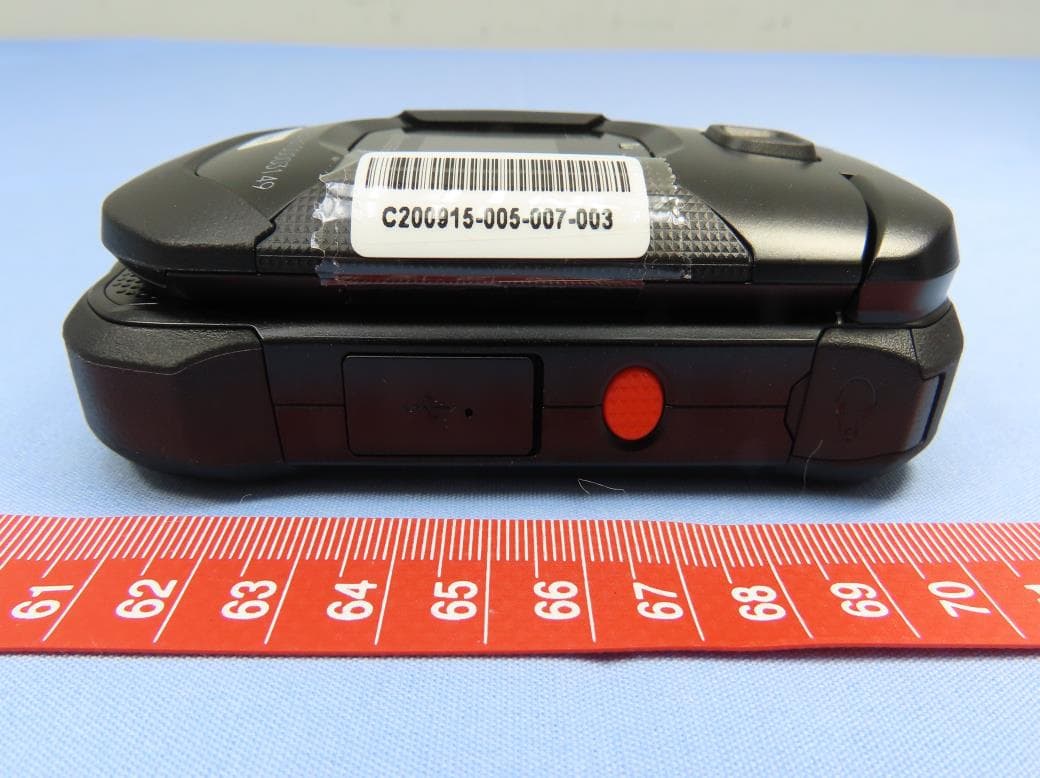
V65E4830
Feb 22, 2021Feature Phone
Equipment Class
PCE - PCS Licensed Transmitter held to ear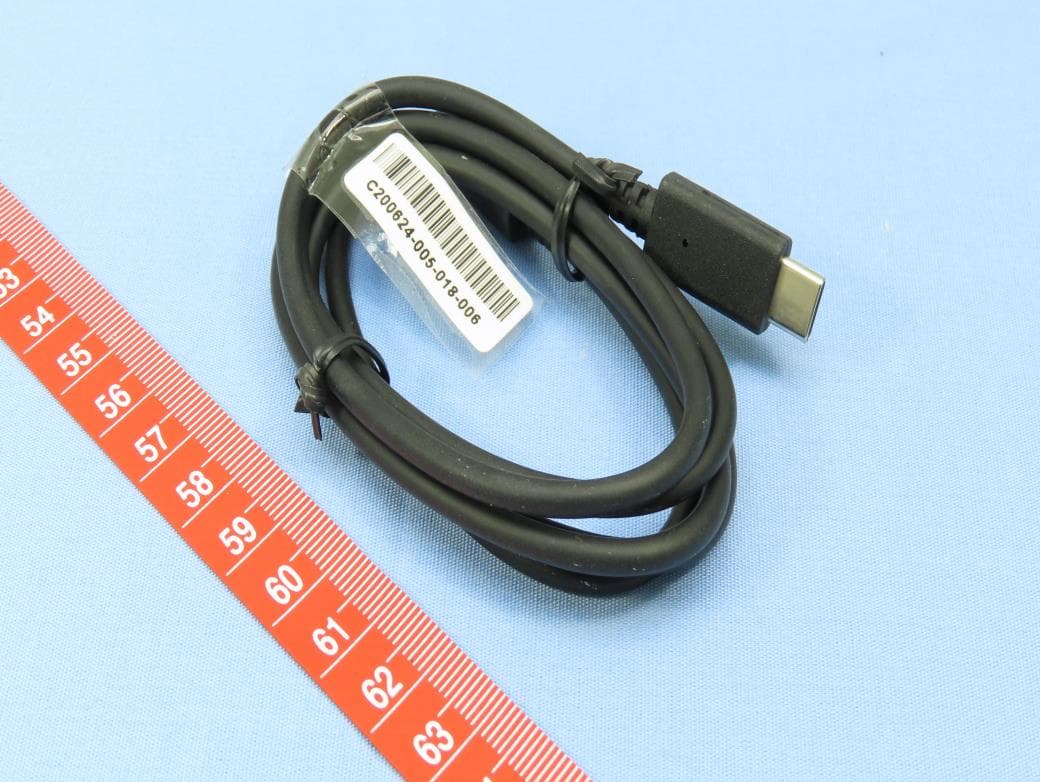
V65E7110
Dec 21, 2020Smart Phone
Equipment Class
5GM - Part 30 Mobile Transmitter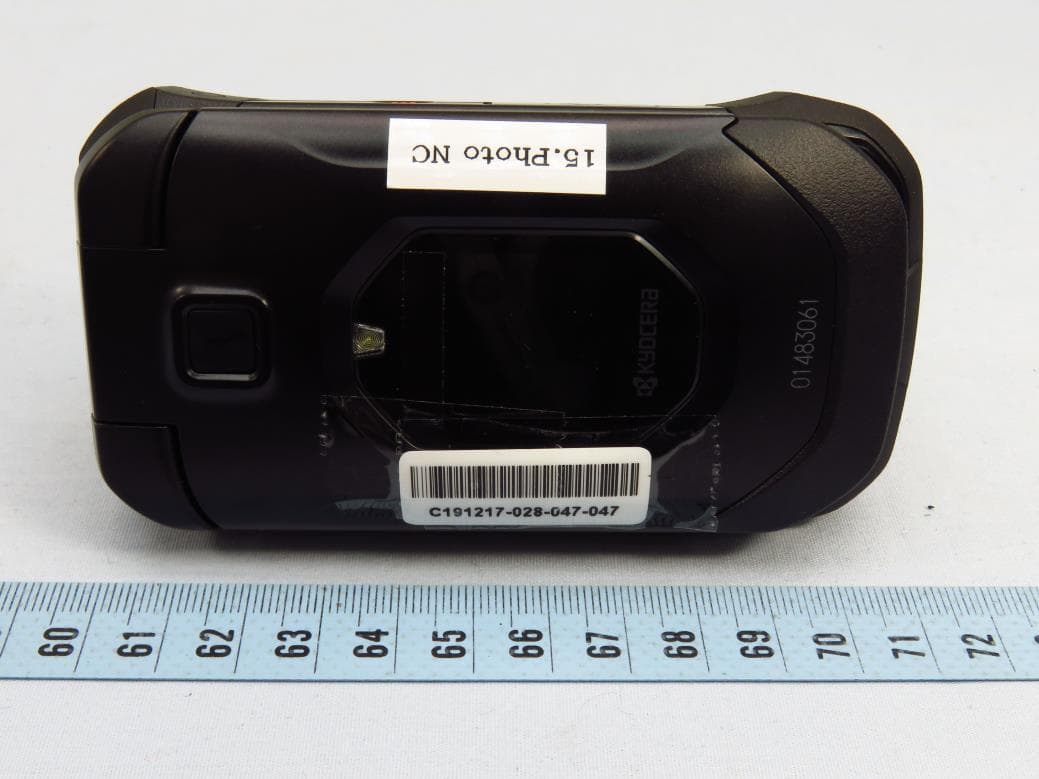
V65E4810
Mar 17, 2020Feature Phone
Equipment Class
PCE - PCS Licensed Transmitter held to ear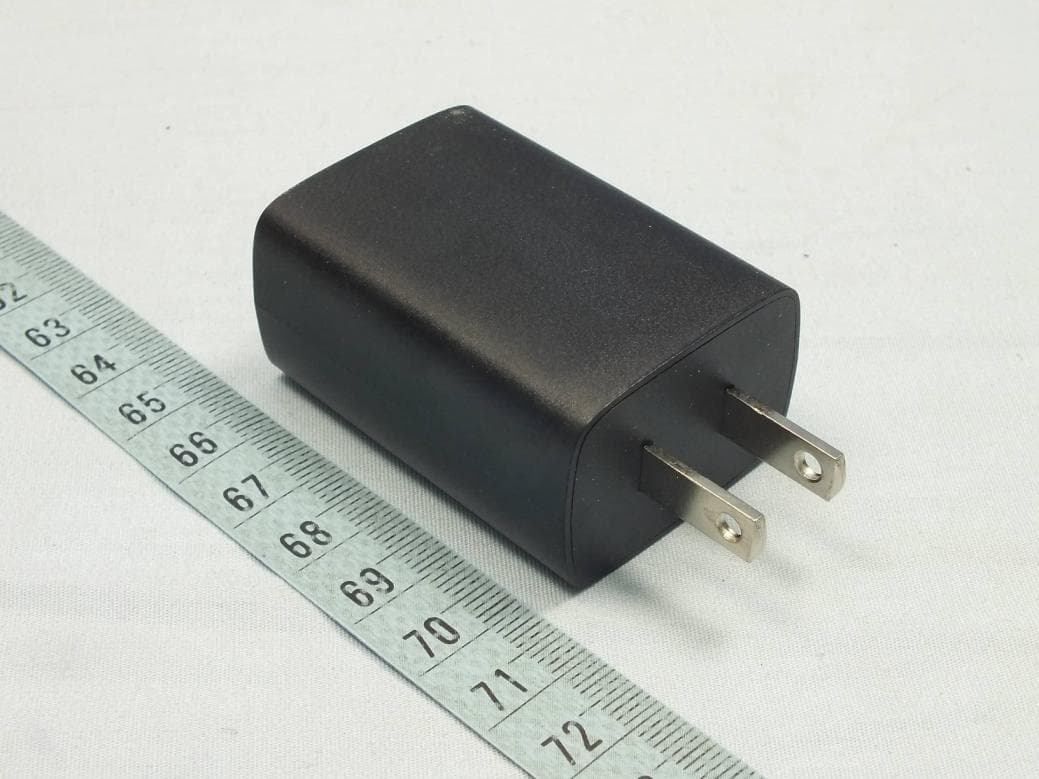
V65C6742
Nov 22, 2015UMTS/GSM Bar Phone
Equipment Class
DSS - Part 15 Spread Spectrum Transmitter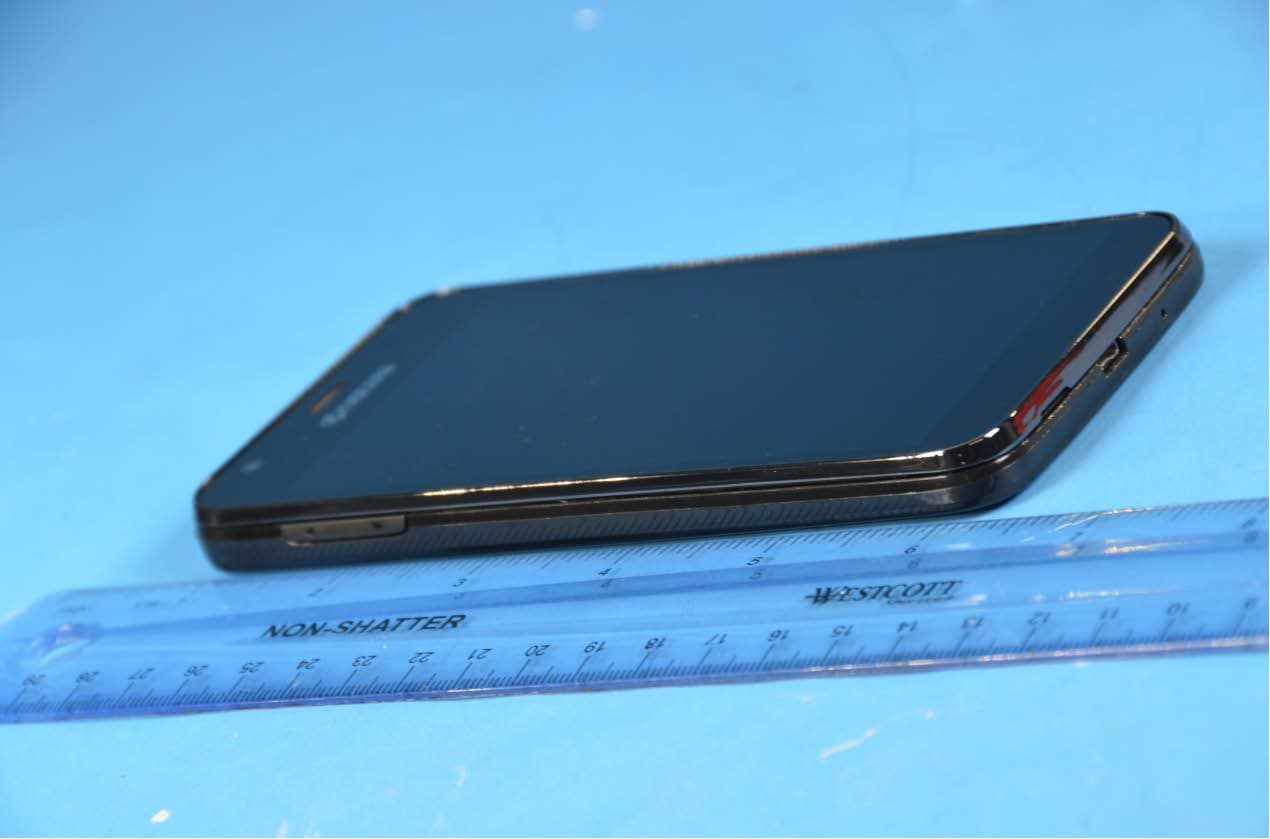
V65CD8100
Nov 05, 2015Multi-Band CDMA/LTE Phone with WLAN, Bluetooth and Nordic Transmitter
Equipment Class
DTS - Digital Transmission System