VO5SM-S38Bluetooth Headset
SANMY Technology Co., Ltd.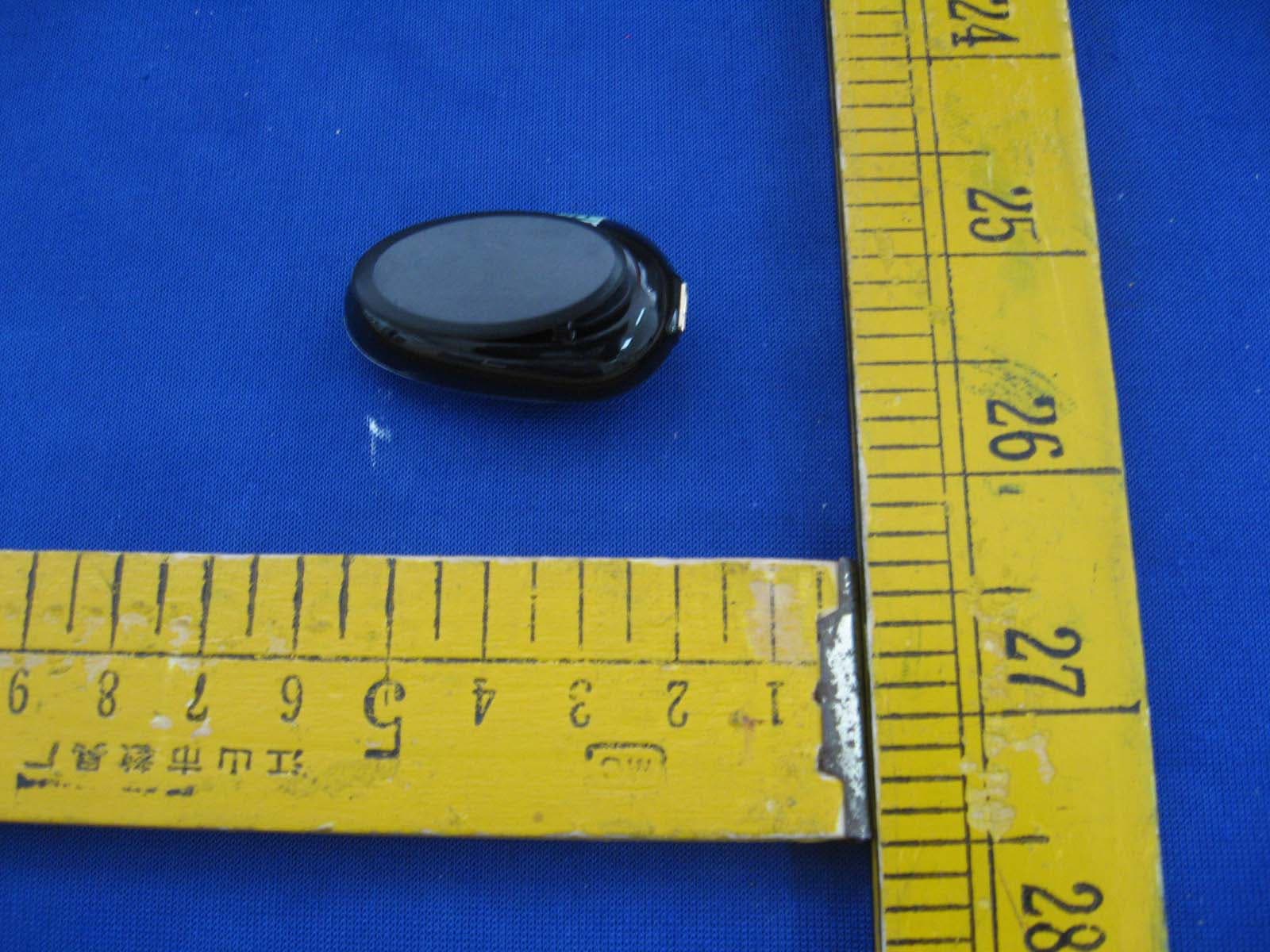
Click to zoom
Application Details
- Equipment Class
- DSS - Part 15 Spread Spectrum Transmitter
- Date of Grant
- Mar 02, 2008
- Application Purpose
- Original Equipment
- Date of Application
- Mar 02, 2008
- Equipment Note
- Bluetooth Headset
- Frequency Range
- 2402.00000000 - 2480.00000000
- Company
- SANMY Technology Co., Ltd.
- Country
- China
Documents & Files
Document Text
Text extracted from the exhibit documents filed with the FCC. Open a document above to read the original.
Users Manual
BlueTooth SMY TM SM-S38 http://www.sanmy.hk SM-S38 SM-S38 SM-S38 SM-S382 2 3 3 4 4 4 5 6 6 6 7 7 7 8 8 8 9 /9 9 9 10 11 12 SM-S38 SM-S38 2.0 1.22.0MP3PDA A2DP AC DC 3 AC 43.5 120 LED POWER2LED POWER3 LED3 1 1 2 3 POWER8LED 4 5 SM-S38 SM-S38 6 0000 3 7 ,SM-S36( ) 8 10 2 LED2-7 / POWER / / 1.22.0 A2DP / / POWER USB USB \ 2 2 , “/ , , POWER 1 POWER 2 3 4 5 6 7 8 9 1 2 3 4 5 1 2 3 4 5 6 1 2 3 4 10 V2.0 2402MHZ2481MHZ Class 2 (4dBm) 100-240V 2 4 3.5 120 10M 316*21*125mm V2.0 Thank you for purchasing the Bluetooth stereo headset SM-S38 .It adopted the high-tech of the wireless stereo technology. Ready when you are ,you could Enjoy music and make your calls on the move or at the office .with sm-s38 stereo one ,your Life will be easier... Bluetooth Stereo Headset User Guide Contents AboutSM-S38 Stereo Headset2 Overview ----------------------------------------------2 Charging Your Headset--------------------------------3 Nominal Charging Time--------------------------------3 Talk And Standby Time--------------------------------4 Low Battery ---------------------------------------------4 Turning on/Off The Headset-----------------------------4 Pairing Your Headset------------------------------------5 Using Your Headset---------------------------------------6 Answering Call---------------------------------------------6 Answering Call When Listening The Music----------------7 Ending a call-------------------------------------------------7 Rejecting a call ---------------------------------------------7 Dialling From Your Mobile Headset------------------------8 Voice Dialling From Your Headset-------------------------8 Last Number Redialling From Your Headset--------------8 Listening To The Music From Your PC---------------------8 Adjusting The Volume--------------------------------------9 Previous Music And next one-----------------------------9 Care And Maintenance-------------------------------------9 Safe Information--------------------------------------------10 Trouble Shooting--------------------------------------------11 Products Specification -------------------------------------12 About SM-S38 Stereo headset Roviding simple wireless connections to Bluetooth enabled mobile headset SM-S38 stereo headset offers you unrivaled freedom marking and receiving calls while on the move or at the office , The SM-S38 stereo headset is compatible with mobile handset that support the Bluetooth version2.0 and 1.2 ,hand-free mp3 and A2DP profiles Features: Clip-type stereo headset ,make your wearing more convenient Separated telephone receiver make your communication better Automatically switch to incoming call mode when listening music Selecting play the music The last number redialing Voice dialling Low battery alert SM-S38 Stereo Headset Overview Charging Your Headset The Bluetooth headset comes with a built-in rechargeable battery, prior to using the headset, its recommendable to charger the battery fully for the first time, normal fully charge time within 3 hours .connect the charger to an AC wall outlet and the charge plug to headset’s DC socket. The LED will red while charging. IMPORTANT Charging indicator will be delayed for a few minutes if the headset has not been used for a long time or the battery is drained. Normal Charging Time Charging the battery fully is normally within 3 hours, when the battery is fully charged the LED will be turn blue. Talk And Standby Time The fully charged battery offers up to 6 hours talk time, this could be varied because of the power consumption of different phones ,and up to 120 hours Low Battery When the headset is on and the battery become low, the LED flashes red and the headset emits a beep every 2 minute ,please recharge the battery as described above. Turning On/Off The Headset Turning on the headset :headset under off mode. Press and hold the power” key for 2 seconds until you hear a short beep. The LED will flash blue. Turning off: headset under standby mode, press and hold the “power” key for 3 seconds until you hear a long beep ,the LED will flash red, headset will be off ,the LED will flash stops. Pairing Prior to using the headset for the first time. you must pair it with a Bluetooth-enabled mobile handset. The following steps describes pairing introduction for a typical Bluetooth -enabled mobile handset. 1: place the headset and mobile handset no more than 1 meter. 2: Ensure the headset is off. 3: Press and hold the “power” key for 8 seconds until the headset LED alternately flashes red and blue. Its now ready for pairing . 4: Activate your mobile handset’s Bluetooth function by referring to your mobile handset user guide for details, mean while ,the handset will search for accessible Bluetooth devices 5: Select “SM-S38” from the list. 6: Enter the pre-programmed passkey “0000” and press “ok” to pair the headset and mobile handset. When pairing the headset is completed, the headset LED will flash blue every 3 times followed by a long beep. 7: Press “return” to go back to your handset’s main menu. For certain mobile handset models ,a headset icon will be show on the screen .you should now be able to make and receive calls using your headset. IMPORTANT: If the pairing can’t be completed within 2 minutes while the paring mode is activated the headset LED flashed purple red within 3 beeps and the headset is turned off . please repeat steps 2 to 7 to pair the headset and the mobile handset again. Using Your Headset Once paring is completed ,you may access the following functions, some of the below-mentioned functions are only accessible for handsets supported with hand-free profile. Answering A Call When there is a call, you will hear ringing through the earphone ,press the answer/end key accept the call or answer the call via your mobile handset in the normal way. Answering a call when listening music Press the “ answer/end” key to answer the call . when finished ,press the “answer/end” key once to resume music. If the other party you are speaking to ends th…
Text truncated - open the document above for the full version.
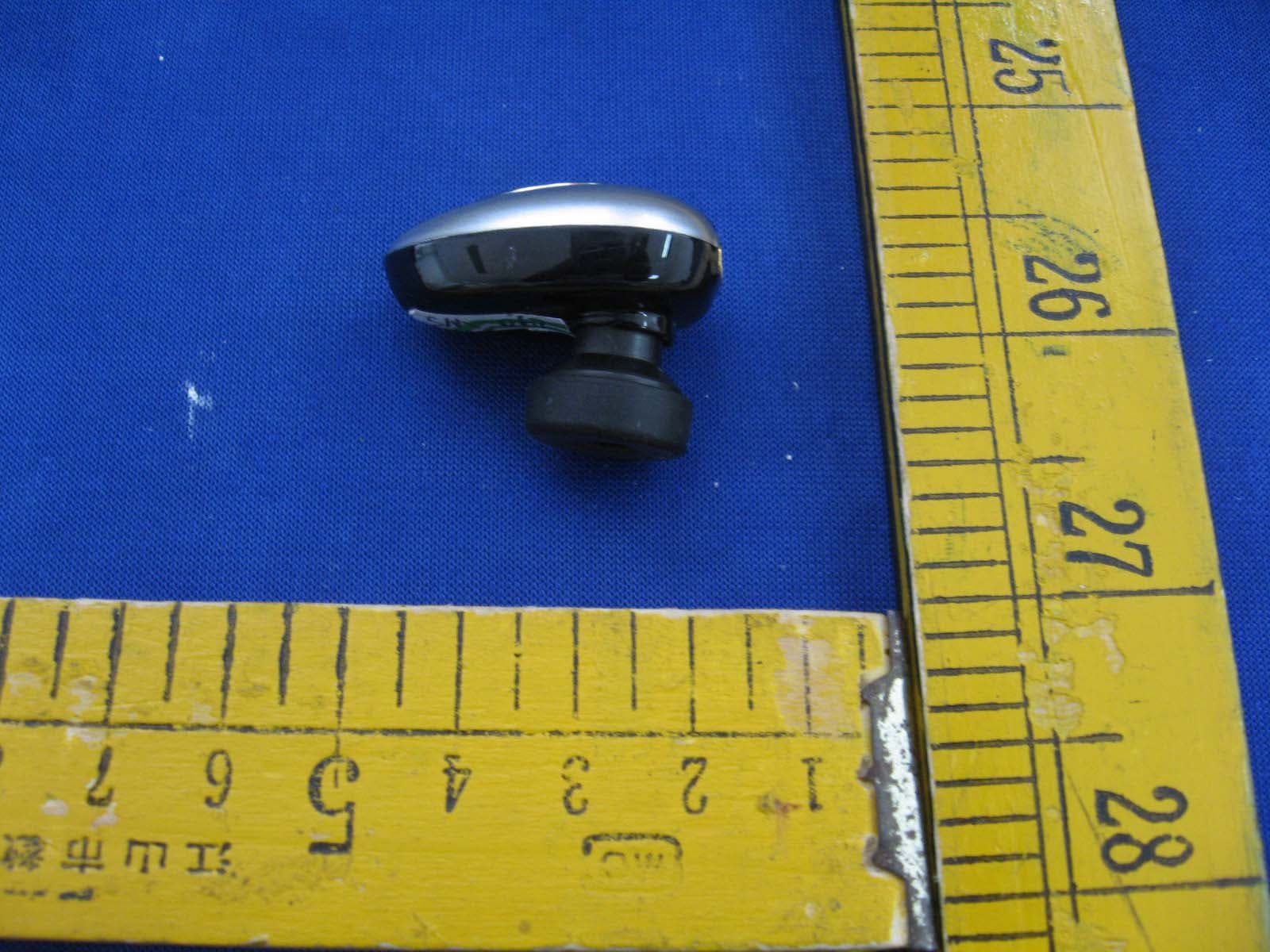
External Photos
External Photos
Internal Photos
Page 1 of 2 Internal Photos Page 2 of 2
Operational Description
Operation Description The SM-S38 use the Bluetooth Technology to connect with Mobile which have built in Bluetooth .Using the HFP&profile of Bluetooth to have call function. The following is the function subject: 1 receive call 2 end call 3 volume control 4 last num redial 5 active the voice dialing when mobile support this function The function theory as below: 1 function diagram 2 The Mobile Wireless Headset uses a short-range wireles communication Technology. The design applied is in international identification ISM (Industrial Scientific and Medical )frequency bandwidth environment that is 2.4GHz—2.48GHz bandwidth. 3 The Mobile Wireless Headset is a wireless mono headset Within a range of 10 meters, This headest can connect to other Bluetooth devices which have built-in audio gateway,such as Mobile Phone,Desktop,Notebook Computer or PDA etc...
Schematics
1 2 3 4 5 6 78 ABCD 8 7 6 5 4 3 2 1 D CBA Title Number Revision Size A3 Date: 26-Jan-2008 Sheet of File: E:\ 蔡工 \cai gong\ 周世文 \ 立体声 35 2\ 新建文件夹 \PREV IO~ 1.DD B Drawn By: R7 47k R847K Q13904 Q2 3904 R5681 R6 681 R2681 VBAT 12 CON2VBAT CHRG 1 BAT 3 PROG 5 VCC 4 GND 2 U2 LTC4054L R1 2R2 AIO3 AIO1 C1 10UF C2224 R3 100K R4 180K RESET C6 10uF 3.3V C810UF C7103 Vin 1 GND 2 CE 3 NC 4 Vout 5 U3 RT9167-3.3 VBAT Vin 1 GND 2 CE 3 NC 4 Vout 5 U4 RT9167-1.8 VBAT C410uF L13.3uH 1.8V C5 10uF SW1ON/OFF VBAT SW3 VOL- SW4 VOL+ SW2 TALK SW5 LAST TRACK SW6 NEXT TRACK 3.3V 3.3V 3.3V 3.3V 3.3V R22 47K R23 47K R24 47K R25 47K R26 47K PIO1 PIO10 PIO4 PIO11 PIO8 SPK_R SPK_L C181.2PC19NC ANT L2 1.8nH SPK_L- 1 SPK_L+ 2 SPK_R- 3 SPK_R+ 4 GND 5 MIC_L+ 6 MIC_L- 7 MIC_R+ 8 MIC_R- 9 1.8V 10 PCM_IN 11 PCM_SYNC 12 PCM_CLK 13 PCM_OUT 14 AIO0 15 AIO1 16 AIO3 17 GND 18 3.3V 19 USB_D+ 20 USB_D- 21 RTS 22 CTS 23 TX 24 RX 25 RESET 26 GND 27 PIO4 28 PIO5 29 PIO6 30 PIO7 31 MOSI 32 CSB 33 CLK 34 MIOS 35 PIO10 36 PIO11 37 PIO3 38 PIO2 39 PIO1 40 PIO0 41 PIO8 42 PIO9 43 GND 44 GND 45 ANT 46 GND 47 U1 YG-203M C16 331 R181K R19 1K C14 223 C15 223 C13 102 MIC R17 1K R161K R152.2K C10 10UF C11 104 C12 7P Q3 3906 R14 100K R1310K PIO9 3.3V C17 10UF 1.8V R20 220K 1% R21 150K 1% VBAT AIO3 AIO1 3.3V D1 4148 RESET R10 47K R9 47K PIO2 D2 4148 R11 47K C3NC R1233K PIO3 EN EN PIO4 PIO10PIO11 PIO3PIO2PIO1PIO8PIO9 C9 103 1234 5678 U5HEADER 4X2 C20 0.1UF LED2BULELED1RED 12345678 J1MINI-USB SM-S38.SCH 1 2 3 4 56 ABCD 6 5 4 3 2 1 D CBA RF-IN E1 TX-A G1 TX-B F1 AUX-DAC D2 VSS-CORE C6 VSS-CORE M9 VSS-CORE E11 VSS-PIO A1 VSS-PADS A12 VSS-RADS J13 REB A4 CSB B4 WEB L9 A(0) C4 A(1) N5 A(2) M5 A(3) L5 A(4) M6 A(5) M7 A(6) L7 A(7) N8 A(8) N10 A(9) M10 A(10) L10 A(11) N11 A(12) M11 A(13) L11 A(14) N12 A(15) M12 A(16) A11 A(17) M8 A(18) N9 D(0) C5 AIO(0) N3 D(1) A5 AIO(1) L4 D(2) B6 AIO(2) M4 D(3) A7 RESET B12 D(4) B8 TEST-EN B11 D(5) C9 UART-RTS L12 D(6) A9 UART-CTS K12 D(7) B10 UART-TX J12 D(8) B5 UART-RX K11 D(9) A6 PIO(8) D3 D(10) B7 PIO(9) C3 D(11) C8 PIO(10) B3 D(12) A8 SIP-CSB C11 D(13) B9 SIP-MOSI D12 D(14) C10 SIP-MISO B13 D(15) A10 SIP-CLK C13 PCM-CLK H13 PCM-OUT G13 PCM-IN J11 PCM-SYNC H11 RXEN PIO(0) C1 TXEN PIO(1) B1 PIO(2) C2 PIO(3) B2 PIO(4) F12 PIO(5) F11 PIO(11) A3 USB-DN K13 USB-DP L13 VDD-LO J2 VDD-RADIO D1 VDD-RADIO H2 VDD-ANA K2 VDD-PIO A2 VDD-PADS D11 VDD-MEM A13 VDD-CORE C7 XTAL-IN N1 VREG-IN N7 XTAL-OUT N2 VSS-LO J1 VSS-RADIO H1 VSS-RADIO E3 VSS-RADIO E2 VSS-ANA K1 VSS-ANA H3 VSS-ANA L6 VSS-RADIO F2 VSS-RADIO G2 VSS-RADIO G3 VSS F3 VDD-ANA N6 VDD-CORE L8 VDD-CORE E13 VDD-MEM N13 MIC-L-P J3 MIC-L-N K3 MIC-R-N M3 MIC-R-P L3 SPKR-L-P M1 SPKR-L-N L1 SPKR-R-N L2 SPKR-R-P M2 PIO(7) G11 PIO(6) F13 RESETB E12 AIO(3) N4 VDD-USB M13 U1BC352239 DC 2 Unbalanced 1 Balanced 3 Balanced 4 GND 5 GND 6 U3 191 L315nH C210pF 1V8 C1103 C133.3pF C1410pF 2 1 4 3 Y116M R32R2 C4474 C3102pF C72.2uF 3V3 1V8 1V8 3V3 1V8 PIO0PIO1PIO2PIO3PIO4PIO5PIO6PIO7PIO8PIO9PIO10PIO11AIO0AIO1AIO3RESETPCM_INPCM_OUTPCM_CLKPCM_SYNCCLKMISOMOSICSBUSB_D+USB_D-RXTXCTSRTS 3V3 C5474 MIC_L+MIC_L-MIC_R+MIC_R-SPK_L+SPK_L-SPK_R+SPK_R- C10103 C910uF C1210uF C1115pF AIO1 16 GND 5 AIO0 15 MIC_L+ 6 MIC_L- 7 PCM_CLK 13 MIC_R+ 8 PCM_OUT 14 MIC_R- 9 PCM_IN 11 1.8V 10 PCM_SYNC 12 AIO3 17 GND 18 3V3 19 PIO2 39 PIO3 38 PIO4 28 PIO5 29 USB_D+ 20 RESET 26 USB_D- 21 GND 27 CLK 34 MISO 35 MOSI 32 CSB 33 PIO6 30 PIO7 31 PIO8 42 PIO9 43 PIO10 36 PIO11 37 TX 24 RX 25 CTS 23 RTS 22 PIO1 40 PIO0 41 SPK_L- 1 SPK_L+ 2 SPK_R- 3 SPK_R+ 4 GND 44 GND 45 GND 47 ANT 46 U5KJ-8A MIC_L+ MIC_L- MIC_R+ MIC_R- SPK_L+ SPK_L- SPK_R+ SPK_R- 1V8 GND GND GND GND 3V3 PIO0 PIO1 PIO2 PIO3 PIO4 PIO5 PIO6 PIO7 PIO8 PIO9 PIO10 PIO11 USB_D+USB_D- PCM_IN PCM_OUT PCM_CLK PCM_SYNC CLK MISO MOSI CSB AIO0 AIO1 AIO3 RESETRXTXCTSRTS ANT ANT A(0) E1 A(1) D1 A(2) C1 A(3) A1 A(4) B1 A(5) D2 A(6) C2 A(7) A2 A(8) B5 A(9) A5 A(10) C5 A(11) D5 A(12) B6 A(13) A6 A(14) C6 A(15) D6 A(16) E6 A(17) B2 A(18) C3 DQ0 E2 DQ1 H2 DQ2 E3 DQ3 H3 DQ4 H4 DQ5 E4 DQ6 H5 DQ7 E5 DQ8 F2 DQ9 G2 DQ10 F3 DQ11 G3 DQ12 F4 DQ13 G5 DQ14 F5 DQ15 G6 WE A4 CE F1 OE G1 RESET B4 BYTE F6 RY/BY A3 VDD G4 VSS H6 VSS H1 NC B3 NC D3 NC C4 NC D4 U2SST39VF800 ANT C6103P C8 103P C15103
Test Report
SHENZHEN SETEK TECHNOLOGY CO., LTD. Report No.:SE08FCI054R FCC TEST REPORT REPORT NO.:SE08FCI054R MODEL NO.: SM-S38 RECEIVED: Feb 18, 2008 TESTED: Feb 18, 2008 to Feb 25, 2008 APPLICANT: SANMY TECHNOLOGY CO., LTD ADDRESS: No6, Hesheng Industrial Area, Heping High Tech Zone, Fuyong Town, Shenzhen, China ISSUED BY: SHENZHEN SETEK TECHNOLOGY CO., LTD. LAB LOCATION: 2/F,A3 Bldg,East Industry Zone,Overseas Chinese Town, Shenzhen,China This test report consists of 57 pages in total, it may be duplicated completely for legal use with the approval of the applicant, It should not be reproduced except in full, without the written approval of our laboratory, The test results in the report only apply to the tested sample. SHENZHEN SETEK TECHNOLOGY CO., LTD. Our website: www.setek.com.cn E-mail:[email protected] TEL:86-755-26966362 FAX: 86-755-26966270 SHENZHEN SETEK TECHNOLOGY CO., LTD. Report No.:SE08FCI054R Page 2 of 57 The device described above is tested by SHENZHEN SETEK TECHNOLOGY CO., LTD. to determine the maximum emission levels emanating from the device and the severe levels of the device can endure and its performance criterion. This report applies to above tested sample only and shall not be reproduced in part without written approval of SHENZHEN SETEK TECHNOLOGY CO., LTD. Prepared for : SANMY TECHNOLOGY CO., LTD Address : No6, Hesheng Industrial Area, Heping High Tech Zone, Fuyong Town, Shenzhen, China Product : Bluetooth Earphone Model No. : SM-S38 Trademark : SMY Test Standard : FCC Part 15 Paragraph 15.203, Paragraph 15.207 and Paragraph 15.247 Prepared by : SHENZHEN SETEK TECHNOLOGY CO., LTD. Address : 2/F, A3 Bldg, East Industry Zone, Overseas Chinese Town, Shenzhen, China FCC Registration Number: 966959 Tel: (86-755) 26966362 Fax:(86-755) 26966270 Prepared by : (Engineer) Reviewer by : (Project Engineer) Approved by : (Manager) Report Number : SE08FCI054R Date of Test : Feb 18, 2008 to Feb 25, 2008 Date of Report : Feb 25, 2008 SHENZHEN SETEK TECHNOLOGY CO., LTD. Report No.:SE08FCI054R Page 3 of 57 TABLE OF CONTENTS Description Page The Report Description 1. GENERAL INFORMATION ............................................................................................................ 5 1.1. Description of Device (EUT) ....................................................................................................................5 1.2. Description of Support Device..................................................................................................................6 1.3. Summary of test results.............................................................................................................................6 1.4. List of Measuring Equipments Used.........................................................................................................7 1.5. Test Facility ..............................................................................................................................................7 1.6. Measurement Uncertainty .........................................................................................................................7 2. ANTENNA REQUIREMENT ......................................................................................................... 8 2.1. Standard Applicable..................................................................................................................................8 2.2. Antenna Connected Construction .............................................................................................................8 3. POWER LINE CONDUCTED MEASUREMENT ....................................................................... 9 3.1. Test Equipment .........................................................................................................................................9 3.2. Block Diagram of Test Setup....................................................................................................................9 3.3. Power Line Conducted Emission Measurement Limits(Class B) .............................................................9 3.4. Configuration of EUT on Measurement .................................................................................................10 3.5. Operating Condition of EUT ..................................................................................................................10 3.6. Test Procedure ........................................................................................................................................10 3.7. Power Line Conducted Emission Measurement Results ........................................................................10 4. TEST OF HOPPING CHANNEL BANDWIDTH....................................................................... 13 4.1 Applicable Standard .......................................................................................................................................13 4.2 EUT Setup ......................................................................................................................................................13 4.3 Test Equipment List and Details ....................................................................................................................13 4.4 Test Procedure................................................................................................................................................13 4.5 Test Result......................................................................................................................................................13 5. TEST OF HOPPING CHANNEL SEPARATION ...................................................................... 17 5.1 Applicable Standard .......................................................................................................................................17 5.2 EUT Setup ...........................................................................…
Text truncated - open the document above for the full version.
Test Setup Photos
Radiated Emission Setup Photo
Contact Information
Applicant
Amanda Zhang(General Manager Assistant)
Test Firm
Shenzhen SETEK Technology Co., Ltd.Phenix Zhang
Technical Specifications
| # | Rule Parts | Frequency Range | Power Output |
|---|---|---|---|
| 1 | 15C | 2.40 GHz - 2.48 GHz | 1.60 mW |
Other Applications from SANMY Technology Co., Ltd.
VO5SM-062
Mar 05, 2008Bluetooth Headset
Equipment Class
DSS - Part 15 Spread Spectrum Transmitter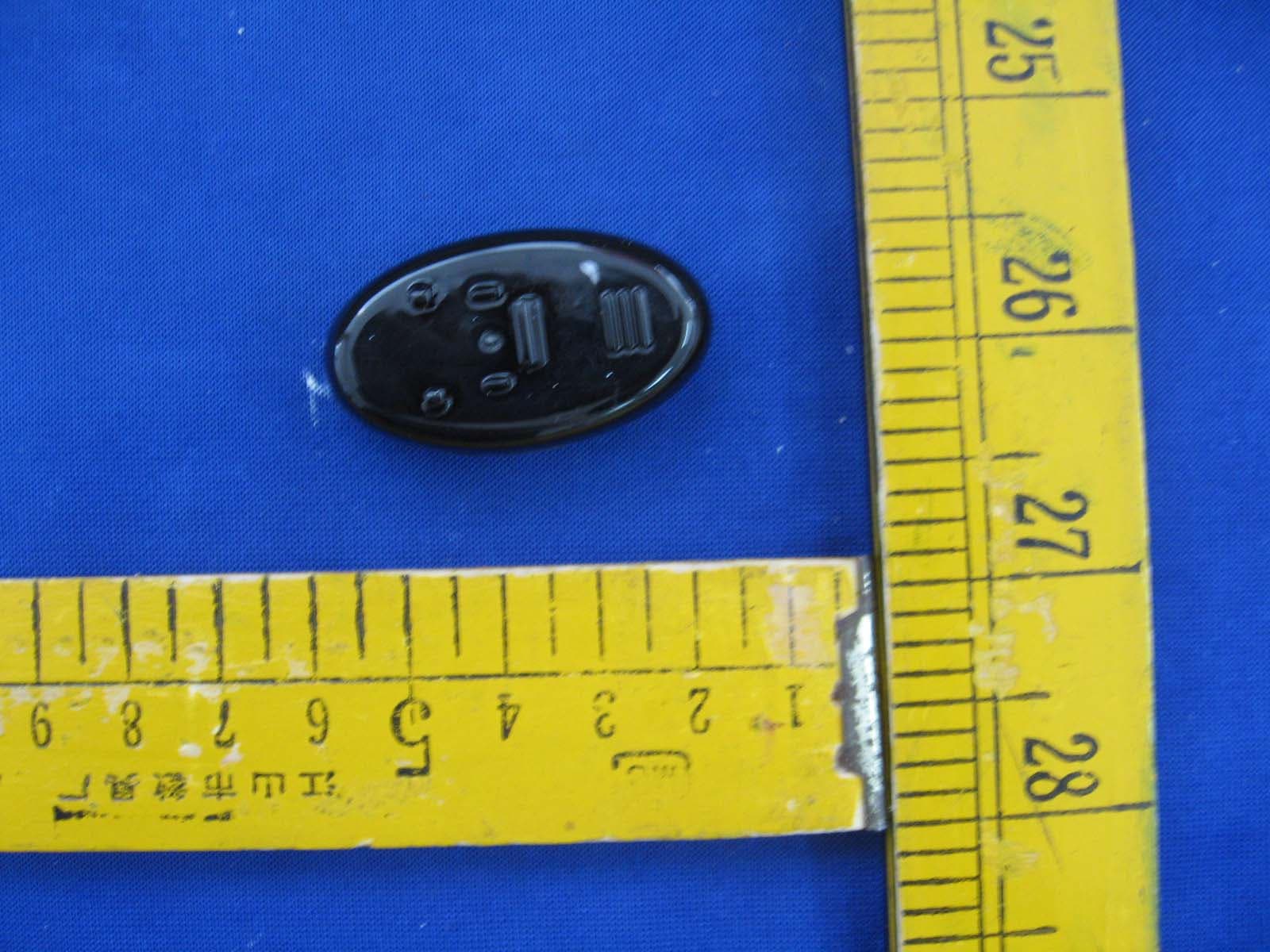
VO5SM-S36
Mar 04, 2008Bluetooth Headset
Equipment Class
DSS - Part 15 Spread Spectrum Transmitter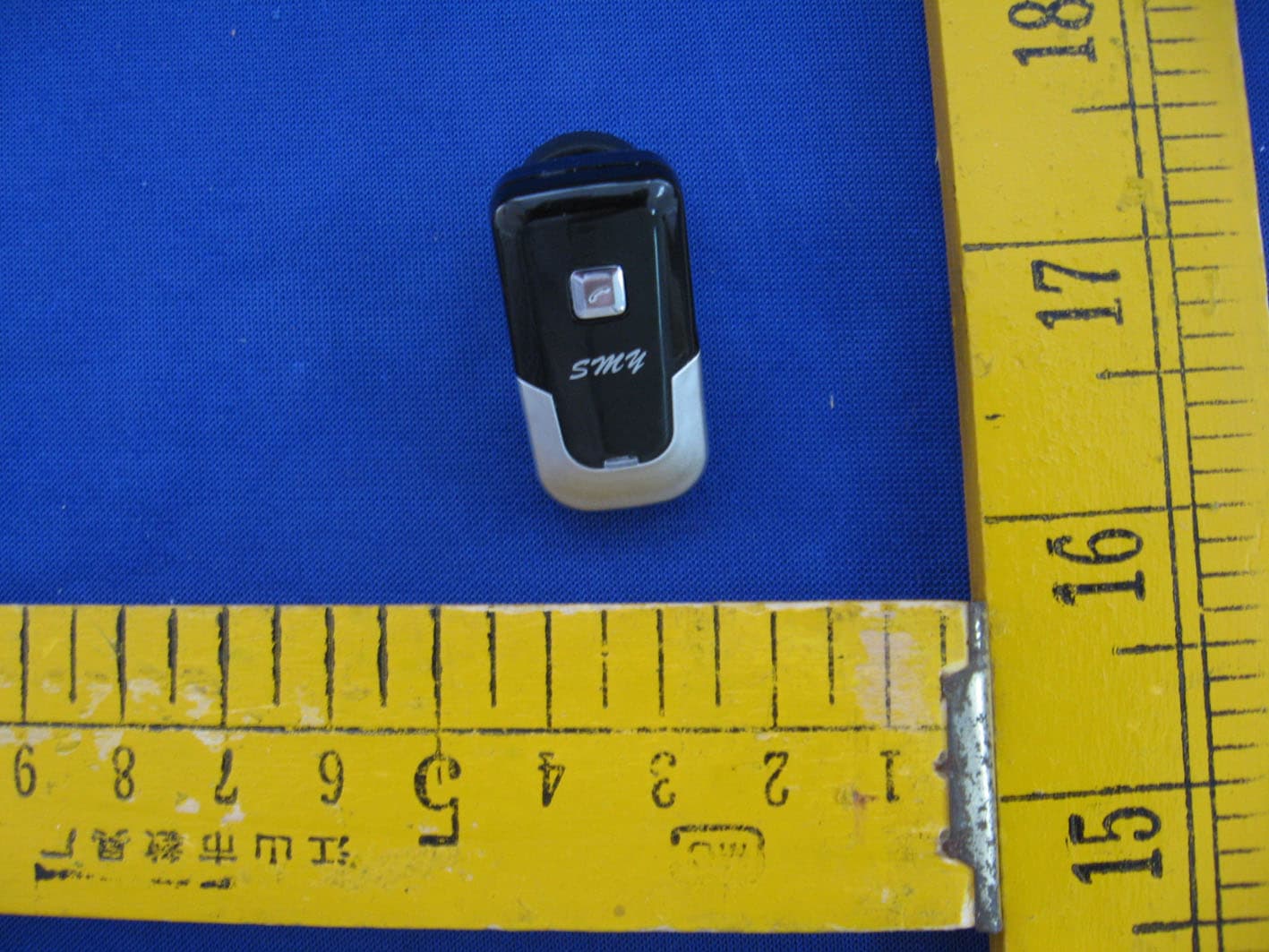
VO5HEADSET
Nov 08, 2007Bluetooth Headset
Equipment Class
DSS - Part 15 Spread Spectrum Transmitter