X26VE312Wireless hearing instrument
GN Hearing A/S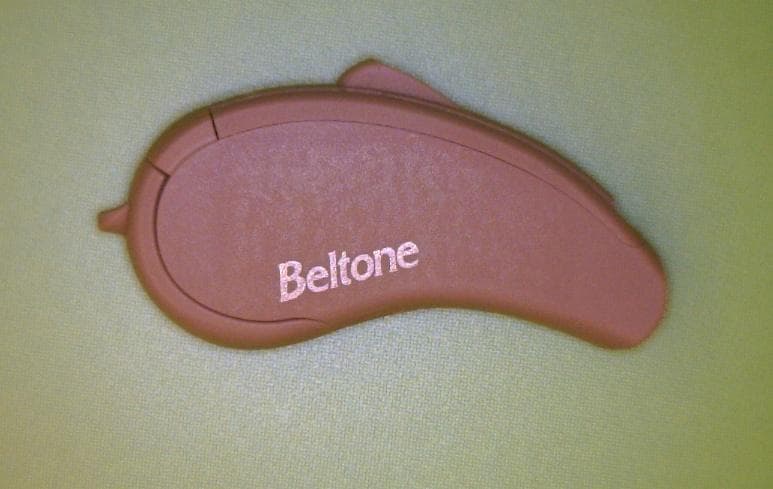
Click to zoom
Application Details
- Equipment Class
- DXX - Part 15 Low Power Communication Device Transmitter
- Date of Grant
- Nov 07, 2013
- Application Purpose
- Original Equipment
- Date of Application
- Nov 07, 2013
- Equipment Note
- Wireless hearing instrument
- Frequency Range
- 2402.00000000 - 2480.00000000
- Company
- GN Hearing A/S
- Country
- Denmark
Documents & Files
Document Text
Text extracted from the exhibit documents filed with the FCC. Open a document above to read the original.
Users Manual
User Guide Behind-The-Ear (BTE) Models: Thin Tube 23 Hearing instrument type designations for models included in this user guide are: SY312, FCC ID: X 26SY312, IC: 6941C-SY312; SY312e, FCC ID: X26SY312e, IC: 6941C-SY312e; and MRIE, FCC ID: X26MRIE, IC: 6941C-MRIE. FCC ID: X26VE312; VE312, IC: 6941C-VE312, Lijang. Please see page 6 for list of models referring to all types. Statement: This device complies with Part 15 of the FCC Rules and IC rules. Operation is subject to the following two conditions: (1) this device may not cause harmful inter ference, and (2) this device must accept any interference received, including interference that may cause undesired operation. Note: This equipment has been tested and found to comply with the limits for a Class B digital device, pursuant to part 15 of the FCC Rules and ICES-003 of the IC rules. These limits are designed to provide reasonable protection against harmful interference in a residential installation. This equipment generates, uses and can radiate radio frequency energy and, if not installed and used in accordance with the instructions, may cause harmful interference to radio communications. However, there is no guarantee that interference will not occur in a particular installation. If this equipment does cause harmful interference to radio or television reception, which can be determined by turning the equipment off and on, the user is encouraged to try to correct the interference by one or more of the following measures: • Reorient or relocate the receiving antenna. •Increase the separation between the equipment and receiver. •Connect the equipment into an outlet on a circuit different from the one in which the receiver is connected. •Consult the dealer or an experienced radio/TV technician for help. Changes or modifications can void the user ́s authority to operate the equipment. Intended use Generic air-conduction hearing instruments are wearable sound-amplifying devices intended to compensate for impaired hearing. The fundamental operating principle of hearing instruments is to receive, amplify, and transfer sound to the ear drum of a hearing impaired person. List of countries: Products without wireless functionality are intended for worldwide sales. Products with wireless functionality are intended for sale in countries within European Economic Area as well as Switzerland. The products are in compliance with the following regulatory requirements: •In EU: the device conforms to the Essential Requirements according to Annex I of Council Directive 93/42/EEC for medical devices (MDD) and essential requirements and other relevant provisions of Directive 1999/5/EC (R&TTE). •The declaration of conformity may be consulted at www.Interton.com • In US: FCC CFR 47 Part 15, subpart C. •In Canada these hearing instruments are certified under the rules of IC• Other identified applicable international regulatory requirements in countries outside EU and US. Please refer to local country requirements for these areas. 45 • Cet appareil numérique de la classe B est conforme à la norme NMB-003 du Canada. •L’exploitation est autorisée aux deux conditions suivantes: (1) l’appareil ne doit pas produire de brouillage, et (2) l’utilisateur de l’appareil doit accepter tout brouillage radioélectrique subi, meme si le brouillage est susceptible d’en compromettre le fonctionnement. •Japanese Radio Law and Japanese Telecommunications Business Law Compliance. This device is granted pursuant to the Japanese Radio Law (電波法) and the Japanese Telecommunications Business Law (電気通信事業法) This device should not be modified (otherwise the granted designation number will become invalid) Introduction Congratulations on the purchase of your new hearing instruments. Interton’s innovative sound technology and design, combined with the customised device programming selected by your hearing care profes- sional, will make hearing a more enjoyable experience. Hearing instruments will enable you to hear sounds that you may not have heard in years because of your hearing loss. Practice and a positive attitude are important in learning to use hearing instruments. Your Interton instruments have been adjusted according to your individual hearing loss and needs. Some people adjust quickly to wearing hearing instruments in their ears and hearing new sounds; other people may need more time. Please read this manual carefully in order to wholly benefit from the use of your hearing instruments. With proper care, maintenance, and usage, your hearing instruments will aid you in better communication for many years. Ask your hearing care professional if you have any questions. Hearing instrument model: Model 60: Battery size 10 Model 61: Battery size 312 Model 62: Battery size 312 Receiver tube length: Dome size: Left serial number: Right serial number: 67 Introduction ...........................................................4 Description of the hearing instruments .................8 Getting started.....................................................10 On/Off function ....................................................10 SmartStart ...........................................................10 Inserting/Replacing the battery.............................10 Low battery indicator............................................11 Sports lock...........................................................12 Inserting/removing hearing instruments ................12 Program and Multi-Function buttons...................14 Flight mode ......................................................17 Telephone use ..................................................19 Listen to radio or TV ..............................................20 Cellular phones ....................................................20 PhoneNow...........................................................20 Telecoil (optional) ................................................22 Tele-loop systems ................................................23 Direct …
Text truncated - open the document above for the full version.
Users Manual
Instructions for use Digital Receiver In-the-Ear (RIE) hearing 23 This device operates in the frequency range of 2.4 GHz - 2.48 GHz. This device includes an RF transmitter that operates in the range of 2.4 GHz - 2.48 GHz. Statement: This device complies with Part 15 of the FCC Rules and IC rules. Operation is subject to the following two conditions: (1) this device may not cause harmful interference, and (2) this device must accept any interference received, including interference that may cause undesired operation. Note: This equipment has been tested and found to comply with the limits for a Class B digital device, pursuant to part 15 of the FCC Rules and ICES-003 of the IC rules. These limits are designed to provide reasonable protection against harmful interference in a residential installation. This equipment generates, uses and can radiate radio frequency energy and, if not installed and used in accordance with the instructions, may cause harmful interference to radio communications. However, there is no guarantee that interference will not occur in a particular installation. If this equipment does cause harmful interference to radio or television reception, which can be determined by turning the equipment off and on, the user is encouraged to try to correct the interference by one or more of the following measures: • Reorient or relocate the receiving antenna. • Increase the separation between the equipment and receiver. • Connect the equipment into an outlet on a circuit different from the one in which the receiver is con- nected. • Consult the dealer or an experienced radio/TV technician for help. Changes or modifications can void the user ́s authority to operate the equipment Intended use: Generic air-conduction hearing instruments are wearable sound-amplifying devices intended to compen- sate for impaired hearing. The fundamental operating principle of hearing instruments is to receive, amplify, and transfer sound to the ear drum of a hearing impaired person. List of countries: Products without wireless functionality are intended for worldwide sales. Products with wireless functionality are intended for sale in countries within European Economic Area as well as Switzerland. The products are in compliance with the following regulatory requirements: • In EU: the device conforms to the Essential Requirements according to Annex I of Council Directive 93/42/EEC for medical devices (MDD) and essential requirements and other relevant provisions of Direc- Type Designation: SY312, FCC ID: X26SY312; IC: 6941C-SY312 Type Designation: SY312e, FCC ID: X26SY312e; IC: 6941C-SY312e Type Designation: MRIE, FCC ID: X26MRIE; IC: 6941C-MRIE Type Designation: VE312, FCC ID: X26VE312; IC: 6941C-VE312, Lima Please see page 4 for list of models referring to all types. 45 Digital Receiver In-the-Ear (RIE) wireless hearing Instruments models (type MRIE) are available in the following variants: TRU1764DW, TRU1764DPW, TRU964DW, TRU964DPW, TRU664DW, TRU664DPW, PSE1764-DRPW, PSE1764-DRW, PSE1764-DRSW, PSE964-DRPW, PSE964-DRW, PSE964-DRSW, PSE664-DRPW, PSE664-DRW, and PSE664-DRSW Digital Receiver In-the-Ear (RIE) wireless hearing instrument models (type VE312) are available in the following variants: FI1763-DRW, FI1763-DRSW, FI1763-DRPW, FI1763-DRUW, FI963-DRW, FI963-DRSW, FI963-DRPW, FI963-DRUW A new Beltone hearing instrument Congratulations on your choice of a Beltone hearing instrument! This is an important step towards clearer hearing and better understanding. We have used all of our experience with hearing instruments to help you communicate, lead an enjoyable social life and listen to the world around you. Your hearing instrument is a very advanced device. Your hearing care practitioner has tuned it to your individual needs. With a little devotion and patience you will become familiar with it. This booklet is a short guide to assist you in getting acquainted with your hearing instrument. Read it carefully and use it as a guideline. We wish you happiness and pleasant listening with your new instrument. Beltone This booklet & your instrument In this booklet you will find instructions for inserting and controlling your new hearing instrument. You will find explanations on controlling your instrument, on daily handling and on its use. Furthermore, you can read what to do if things do not live up to your expectations. We will give a few practical steps towards better hearing. Digital Receiver In-the-Ear (RIE) wireless hearing Instruments models (type SY312) are available in following variants: TRU1763DW, TRU1763DPW, TRU963DW, TRU963DPW, TRU663DW, TRU663DPW, TRU363DW, TRU363DPW Digital Receiver In-the-Ear (RIE) wireless hearing Instruments models (type SY312e) are available in following variants: PSE1763-DRPW, PSE1763-DRW, PSE1763-DRSW, PSE963-DRPW, PSE963-DRW, PSE963-DRSW, PSE663-DRPW, PSE663-DRW, and PSE663-DRSW • In US: FCC CFR 47 Part 15, subpart C • In Canadathesehearinginstrumentsarecertifiedunderthe rules of IC. • Otheridentifiedapplicableinternationalregulatoryrequirementsin countriesoutsideEUandUS.Please referto localcountryrequirementsfortheseareas. • Cet appareil numérique de la classe B est conforme à la norme NMB-003 du Canada. • L’exploitation est autorisée aux deux conditions suivantes: (1) l’appareil ne doit pas produire de brouillage, et (2) l’utilisateur de l’appareil doit accepter tout brouillage radioélectrique subi, meme si le brouillage est susceptible d’en compromettre le fonctionnement. • Japanese Radio Law and Japanese Telecommunications Business Law Compliance. This device is granted pursuant to the Japanese Radio Law ( ) and the Japanese Telecommunications Business Law ( ) This device should not be modified (otherwise the granted designation number will become invalid) 67 Contents Warning to hearing care professional 7 Your Hearing Instrument 8 On/Off function 10 Delayed Activation 10 Changing batteries 11 Inserting and removing the device 13 Program and Multi-function buttons 16…
Text truncated - open the document above for the full version.
Users Manual
USER GUIDE ReceiveR-in-eaR HeaRing instRument 23 ́ Hearing instrument type designations for models included in this user guide are: SY312, FCC ID: X 26SY312, IC: 6941C-SY312; SY312e, FCC ID: X26SY312e, IC: 6941C-SY312e; and MRIE, FCC ID: X26MRIE, IC: 6941C-MRIE. VE312, FCC ID: X26VE312; IC: 6941C-VE312, Luxor. Please see page 6 for list of models referringto all types. Statement: This device complies with Part 15 of the FCC Rules and IC rules. Operation is subject to the following two conditions: (1) this device may not cause harmful inter ference, and (2) this device must accept any interference received, including interference that may cause undesired operation. Note: This equipment has been tested and found to comply with the limits for a Class B digital device, pursuant to part 15 of the FCC Rules and ICES-003 of the IC rules. These limits are designed to provide reasonable protection against harmful interference in a residential installation. This equipment generates, uses and can radiate radio frequency energy and, if not installed and used in accordance with the instructions, may cause harmful interference to radio communications. However, there is no guarantee that interference will not occur in a particular installation. If this equipment does cause harmful interference to radio or television reception, which can be determined by turning the equipment off and on, the user is encouraged to try to correct the interference by one or more of the following measures: Reorient or relocate the receiving antenna. •Increase the separation between the equipment and receiver. •Connect the equipment into an outlet on a circuit different from the one in which the receiver is connected. •Consult the dealer or an experienced radio/TV technician for help. Changes or modifications can void the user s authority to operate the equipment. Intended use Generic air-conduction hearing instruments are wearable sound-amplifying devices intended to compensate for impaired hearing. The fundamental operating principle of hearing instruments is to receive, amplify,and transfer sound to the ear drum of a hearing impaired person. List of countries: Products without wireless functionality are intended for worldwide sales. Products with wireless functionality are intended for sale in countries within European Economic Area as well as Switzerland. The products are in compliance with the following regulatory requirements: •In EU: the device conforms to the Essential Requirements according to Annex I of Council Directive 93/42/EEC for medical devices (MDD) and essential requirements and other relevant provisions of Directive 1999/5/EC (R&TTE). •The declaration of conformity may be consulted at www.resound.com •In US: FCC CFR 47 Part 15, subpart C. •In Canada: these hearing instruments are certified under the rules of IC •Other identified applicable international regulatory requirements in countries outside EU and US. Please refer to local country requirements for these areas. 45 • Cet appareil numérique de la classe B est conforme à la norme NMB-003 du Canada. • L’exploitation est autorisée aux deux conditions suivantes: (1) l’appareil ne doit pas produire de brouillage, et (2) l’utilisateur de l’appareil doit accepter tout brouillage radioélectrique subi, meme si le brouillage est susceptible d’en compromettre le fonctionnement. • Japanese Radio Law and Japanese Telecommunications Business Law Compliance. This device is granted pursuant to the Japanese Radio Law ( ) and the Japanese Telecommunications Business Law ( ) This device should not be modified (otherwise the granted designation number will become invalid) Introduction Congratulations on the purchase of your new hearing instruments. ReSound’s innovative sound technology and design, combined with the customised device programming selected by your hearing care profes- sional, will make hearing a more enjoyable experience. Hearing instruments will enable you to hear sounds that you may not have heard in years because of your hearing loss. Practice and a positive attitude are important in learning to use hearing instruments. Your ReSound instruments have been adjusted according to your individual hearing loss and needs. Some people adjust quickly to wearing hearing instruments in their ears and hearing new sounds; other people may need more time. Please read this manual carefully in order to wholly benefit from the use of your hearing instruments. With proper care, maintenance, and usage, your hearing instruments will aid you in better communication for many years. Ask your hearing care professional if you have any questions. Hearing instrument model: Model 60: Battery size 10 Model 61: Battery size 312 Model 62: Battery size 312 Receiver tube length: Dome size: Left serial number: Right serial number: ReSound is a registred trade mark of ReSound A/S 67 Introduction ...........................................................4 Description of the hearing instruments ....................8 Getting started.....................................................10 On/Off function ....................................................10 SmartStart ...........................................................10 Inserting/Replacing the battery.............................10 Low battery indicator............................................11 Sports lock...........................................................12 Inserting/removing hearing instruments ................12 Program and Multi-Function buttons......................14 Flight mode .........................................................17 Telephone use .....................................................19 Listen to radio or TV..............................................20 Cellular phones ....................................................20 PhoneNow...........................................................20 Telecoil (optional) ..................................................22 Tele-loop systems .............…
Text truncated - open the document above for the full version.
External Photos
Document Title: Doc. #: Rev. #: External photos of Lijiang. N/A 01 Form 0007380 - Rev I GN ReSound Confidential Page 1 of 3 Corp Template Not subject to issue control when printed Printed Date: 29 July 2013 Lautrupbjerg 7 P.O. Box 130 DK-2750 Ballerup Denmark Owner/Editor: Local Address, if applicable: Alex Lu /Tendy Fu Xiamen Date: 29.07.2013 Specifications according to item Number 1888320 Front Back Document Title: Doc. #: Rev. #: External photos of Lijiang. N/A 01 Form 0007380 - Rev I GN ReSound Confidential Page 2 of 3 Corp Template Not subject to issue control when printed Printed Date: 29 July 2013 Top side Bottom side Document Title: Doc. #: Rev. #: External photos of Lijiang. N/A 01 Form 0007380 - Rev I GN ReSound Confidential Page 3 of 3 Corp Template Not subject to issue control when printed Printed Date: 29 July 2013 Left side Right side
External Photos
Document Title: Doc. #: Rev. #: External photos of Lima N/A A Form 0007380 - Rev I GN ReSound Confidential Page 1 of 2 Corp Template Not subject to issue control when printed Printed Date: 30 July 2013 Lautrupbjerg 7 P.O. Box 130 DK-2750 Ballerup Denmark Owner/Editor: Local Address, if applicable: Greg Prutnikov 2601 Patriot Blvd. Glenview, IL 60026 Date: 26.07.2013 FRONT BACK TOP SIDE BOTTOM SIDE Document Title: Doc. #: Rev. #: External photos of Lima N/A A Form 0007380 - Rev I GN ReSound Confidential Page 2 of 2 Corp Template Not subject to issue control when printed Printed Date: 30 July 2013 LEFT SIDE RIGHT SIDE
External Photos
Document Title: Doc. #: Rev. #: External photos of Luxor N/A A Form 0007380 - Rev I Short term confidential Page 1 of 3 Corp Template Not subject to issue control when printed Printed Date: 16 May 2013 GN Hearing A/S Lautrupbjerg 7 P.O. Box 130 DK-2750 Ballerup Denmark Owner/Editor: Local Address, if applicable: Kenneth Eskling Lautrupbjerg 7 DK-2750 Ballerup Denmark Date: 15.05.2013 Specifications according to item number 18805502 FRONT BACK Document Title: Doc. #: Rev. #: External photos of Luxor N/A A Form 0007380 - Rev I Short term confidential Page 2 of 3 Corp Template Not subject to issue control when printed Printed Date: 16 May 2013 TOP SIDE BOTTOM SIDE Document Title: Doc. #: Rev. #: External photos of Luxor N/A A Form 0007380 - Rev I Short term confidential Page 3 of 3 Corp Template Not subject to issue control when printed Printed Date: 16 May 2013 LEFT SIDE RIGHT SIDE
Internal Photos
Document Title: Doc. #: Rev. #: Internal photos of Lima N/A A Form 0007380 - Rev I GN ReSound Confidential Page 1 of 1 Corp Template Not subject to issue control when printed Printed Date: 22 August 2013 Lautrupbjerg 7 P.O. Box 130 DK-2750 Ballerup Denmark Owner/Editor: Local Address, if applicable: Greg Prutnikov 2601 Patriot Blvd. Glenview, IL 60026 USA Date: 20.08.2013 Specifications according to item number: 18947700. SIDE TOP/DOWN SIDE
Internal Photos
Document Title: Doc. #: Rev. #: Internal photos of VE312 N/A A Form 0007380 - Rev I Short term confidential Page 1 of 1 Corp Template Not subject to issue control when printed Printed Date: 16 May 2013 GN Hearing A/S Lautrupbjerg 7 P.O. Box 130 DK-2750 Ballerup Denmark Owner/Editor: Local Address, if applicable: Kenneth Eskling Lautrupbjerg 7 DK-2750 Ballerup Denmark Date: 15.05.2013 Specifications according to item number: 18947700. SIDE TOP / DOWN SIDE
Internal Photos
Document Title: Doc. #: Rev. #: Internal photos of Lijang N/A 01 F orm 0007380 - Rev I GN ReSound Confidential Page 1 of 1 Corp Template Not subject to issue control when printed P rinted Date: 21 August 2013 Lautrupbjerg 7 P .O. Box 130 DK-2750 Ballerup Denmark Owner/Editor: L ocal Address, if applicable: Tendy Fu No.15, Chuang Xin Road CTP Area, Xiamen Date: 21.08.2013 Side Top/Down Side
Test Report
DELTA Venlighedsvej 4 2970 Hørsholm Denmark Tlf. +45 72 19 40 00 Fax +45 72 19 40 01 www.delta.dk VAT No. 12275110 DELTA Test Report TEST Reg. no. 19 EMC_RepGen MAIN TEMPLATE V.57++ / 2011-03-29++ EMC_RepGen MAIN TEMPLATE V.57++ / 2011-03-29++ EMC_RepGen MAIN TEMPLATE V.57++ / 2011-03-29++ EMC_RepGen MAIN TEMPLATE V.57++ / 2011-03-29++ EMC_RepGen MAIN TEMPLATE V.57++ / 2011-03-29++ EMC_RepGen MAIN TEMPLATE V.57++ / 2011-03-29++ EMC_RepGen MAIN TEMPLATE V.57++ / 2011-03-29++ EMC_RepGen MAIN TEMPLATE V.57++ / 2011-03-29++ EMC_RepGen MAIN TEMPLATE V.57++ / 2011-03-29++ EMC_RepGen MAIN TEMPLATE V.57++ / 2011-03-29++ EMC_RepGen MAIN TEMPLATE V.66 / 2011-08-24 EMC_RepGen MAIN TEMPLATE V.66 / 2011-08-26 EMC_RepGen MAIN TEMPLATE V.67 / 2011-09-02 EMC_RepGen MAIN TEMPLATE V.67 / 2011-09-02 EMC_RepGen MAIN TEMPLATE V.68 / 2011-09-09 EMC_RepGen MAIN TEMPLATE V.69 / 2011-09-17 EMC_RepGen MAIN TEMPLATE V.70 / 2011-09-30 EMC_RepGen MAIN TEMPLATE V.71 / 2011-10-14 EMC_RepGen MAIN TEMPLATE V.72 / 2011-10-25 EMC_RepGen MAIN TEMPLATE V.73 / 2011-11-11 EMC_RepGen MAIN TEMPLATE V.74 / 2011-11-15 EMC_RepGen MAIN TEMPLATE tester V.74 / 2011-11-15 EMC_RepGen MAIN TEMPLATE tester V.74 / 2011-11-15 EMC_RepGen MAIN TEMPLATE tester V.75/ 2011-12-01 EMC_RepGen MAIN TEMPLATE tester V.76/ 2011-12-13 EMC_RepGen MAIN TEMPLATEV.76/ 2011-12-13 The report must not be reproduced, except in full, without the written approval of DELTA. EMC_RepGen MAIN TEMPLATEV.77/ 2012-01-11 This report is issued under the rules of SWEDAC (Swedish Accreditation) and ILAC (International Laboratory Accreditation Cooperation) including its MRA (Mutual Recognition Arrangement). Further information can be found at www.swedac.se and www.ilac.org. The report must not be reproduced, except in full, without the written approval of DELTA. This report is issued under the rules of DANAK (Danish Accreditation) and ILAC (International Laboratory Accreditation Cooperation) including its MRA (Mutual Recognition Arrangement). Further information can be found at www.danak.dk and www.ilac.org. The report must not be reproduced, except in full, without the written approval of DELTA. EMC_RepGen MAIN TEMPLATEV.78/ 2012-02-07 EMC_RepGen MAIN TEMPLATEXXXXXX V.78/ 2012-02-07 EMC_RepGen MAIN TEMPLATEXXXXXX V.78/ 2012-02-07 EMC_RepGen MAIN TEMPLATEXXXXXX V.78/ 2012-02-07 EMC_RepGen MAIN TEMPLATEV.79/ 2012-02-09 EMC_RepGen MAIN TEMPLATEV.80/ 2012-02-15 EMC_RepGen MAIN TEMPLATEV.81/ 2012-04-02 EMC_RepGen MAIN TEMPLATEV.81/ 2012-04-02 EMC_RepGen MAIN TEMPLATEV.81/ 2012-04-02 EMC_RepGen MAIN TEMPLATEV.81/ 2012-04-02 EMC_RepGen MAIN TEMPLATEV.82/ 2012-04-16 EMC_RepGen MAIN TEMPLATEV.83/ 2012-04-23 EMC_RepGen MAIN TEMPLATEV.84/ 2012-05-25 EMC_RepGen MAIN TEMPLATEV.84/ 2012-05-25 EMC_RepGen MAIN TEMPLATEV.84/ 2012-05-25 EMC_RepGen MAIN TEMPLATEV.85/2012-07-03 EMC_RepGen MAIN TEMPLATEV.86/2012-07-06 EMC_RepGen MAIN TEMPLATEV.87/2012-10-04 EMC_RepGen MAIN TEMPLATEV.88/2012-10-15 EMC_RepGen MAIN TEMPLATEV.89/2012-11-19 EMC_RepGen MAIN TEMPLATEV.90/2012-12-18 EMC_RepGen MAIN TEMPLATEV.90/2012-12-18 EMC_RepGen MAIN TEMPLATEV.90/2012-12-18 EMC_RepGen MAIN TEMPLATEV.90/2012-12-18 EMC_RepGen MAIN TEMPLATEV.90/2012-12-18 EMC_RepGen MAIN TEMPLATEV.92/2013-03-19 EMC_RepGen MAIN TEMPLATEV.92/2013-03-19 EMC_RepGen MAIN TEMPLATEV.93/2013-05-31 EMC_RepGen MAIN TEMPLATEV.94/2013-06-11 Radio parameter test of VE312 according to FCC and IC specifications Performed for GN Hearing A/S DANAK-19/13295 Project no.: T205853-3 Page 1 of 57 14 August 2013 DANAK-19/13295 DELTA-T205853-3 Page 2 of 57 Title Radio parameter test of VE312 according to FCC and IC specifications Test object VE312 Report no. DANAK-19/13295 Project no. T205853-3 Test period 15 to 16 July 2013 Client GN Hearing A/S Lautrupbjerg 7 2750 Ballerup Denmark Tel.: +45 45 75 11 11 Contact person Vinnie Nørager E-mail: [email protected] Manufacturer GN Hearing A/S Specifications See Section 1 Summary of tests Results The test object was found to be in compliance with the specifications, as listed in Section 1 Test personnel Peter Wolf Frandsen Test site(s) DELTA, Venlighedsvej 4, 2970 Hørsholm, Denmark PWF/BLJ DANAK-19/13295 DELTA-T205853-3 Page 3 of 57 Date 14 August 2013 Project Manager Peter Wolf Frandsen Specialist, EMC & Wireless DELTA Responsible Claus Rømer Andersen Business Manager, Consulting ELTA PWF/BLJ DANAK-19/13295 DELTA-T205853-3 Page 4 of 57 Table of contents Page 1. Summary of tests 5 2. Test objects 6 2.1 Test objects 6 3. General test conditions 9 3.1 Test setup during test 9 3.1.1 Description and intended use of test object 9 3.1.2 Test modes during tests 9 3.2 Radio specifications, receiver and transmitter, GN radio 10 3.3 Radio specifications, receiver and transmitter, Bluetooth LE radio 11 4. Test results 12 4.1 Duty cycle correction factor (δ), GN Radio 12 4.2 Duty cycle correction factor (δ), BT radio 14 4.3 Measurement of radiated emission (below 1 GHz), GN radio 16 4.4 Measurement of radiated emission (below 1 GHz), Bluetooth LE radio 20 4.5 Measurement of radiated emission (above 1 GHz), GN radio 24 4.6 Measurement of radiated emission (above 1 GHz), Bluetooth LE radio 27 4.7 Measurement of field strength of fundamental, GN radio 30 4.8 Measurement of field strength of fundamental, Bluetooth LE radio 31 4.9 Measurement of 20 dB bandwidth, GN radio 32 4.10 Measurement of 20 dB bandwidth, Bluetooth LE radio 37 4.11 Measurement of band edge compliance, GN radio 42 4.12 Measurement of band edge compliance, Bluetooth LE radio 44 4.13 Measurement of occupied bandwidth, IC, GN radio 46 4.14 Measurement of occupied bandwidth, IC, Bluetooth LE radio 51 5. National registrations and accreditations 56 5.1 DANAK Accreditation 56 5.2 FCC Registrations 56 5.3 VCCI Registrations 56 5.4 IC Registrations 56 6. List of instruments 57 PWF/BLJ DANAK-19/13295 DELTA-T205853-3 Page 5 of 57 1. Summary of tests The authorization procedures for the VE312 are: Certification by FCC Part 15 C Tests Test methods Rule Section Result…
Text truncated - open the document above for the full version.
Test Setup Photos
DELTA Venlighedsvej 4 2970 Hørsholm Denmark Tel. +45 72 19 40 00 Fax +45 72 19 40 01 www.delta.dk VAT No. 12275110 Version l The report must not be reproduced, except in full, without the written approval of DELTA. Photos Radio parameter test of VE312 according to FCC and IC specifications Performed for GN Hearing A/S Page 1 of 8 This exhibit is an extract of DELTA Test Report T205853-3 DANAK-19/13295 14 August 2013 containing only the photos of the test set-ups DELTA-T205844-2 Page 2 of 8 Photo 4.3.1 Test setup regarding measurement of radiated emission below 1 GHz. Photo 4.3.2 Test setup regarding measurement of radiated emission below 1 GHz. JAS/LKO DELTA-T205844-2 Page 3 of 8 Photo 4.4.1 Test setup regarding measurement of radiated emission below 1 GHz. Photo 4.4.2 Test setup regarding measurement of radiated emission below 1 GHz. JAS/LKO DELTA-T205844-2 Page 4 of 8 Photo 4.5.1 Test setup regarding measurement of radiated emission above 1 GHz . Photo 4.5.2 Test setup regarding measurement of radiated emission above 1 GHz. JAS/LKO DELTA-T205844-2 Page 5 of 8 Photo 4.6.1 Test setup regarding measurement of radiated emission above 1 GHz. Photo 4.6.2 Test setup regarding measurement of radiated emission above 1 GHz. JAS/LKO DELTA-T205844-2 Page 6 of 8 Photo 4.9.1 Test setup regarding measurement of 20 dB bandwidth. Photo 4.10.1 Test setup regarding measurement of 20 dB bandwidth. JAS/LKO DELTA-T205844-2 Page 7 of 8 Photo 4.11.1 Test setup regarding measurement of band edge compliance. Photo 4.12.1 Test setup regarding measurement of band edge compliance. JAS/LKO DELTA-T205844-2 Page 8 of 8 Photo 4.13.1 Test setup regarding measurement of occupied bandwidth. Photo 4.14.1 Test setup regarding measurement of occupied bandwidth. JAS/LKO
Contact Information
Applicant
Nichlas Brown Holm
Technical Contact
Test Firm
DELTA Electronic TestingJorgen Christensen
Technical Specifications
| # | Rule Parts | Frequency Range | Power Output |
|---|---|---|---|
| 2 | 15C | 2.40 GHz - 2.48 GHz | - |
Other Applications from GN Hearing A/S
X26SM-3P
Aug 12, 2024Accesory to wireless hearing instrument
Equipment Class
DTS - Digital Transmission System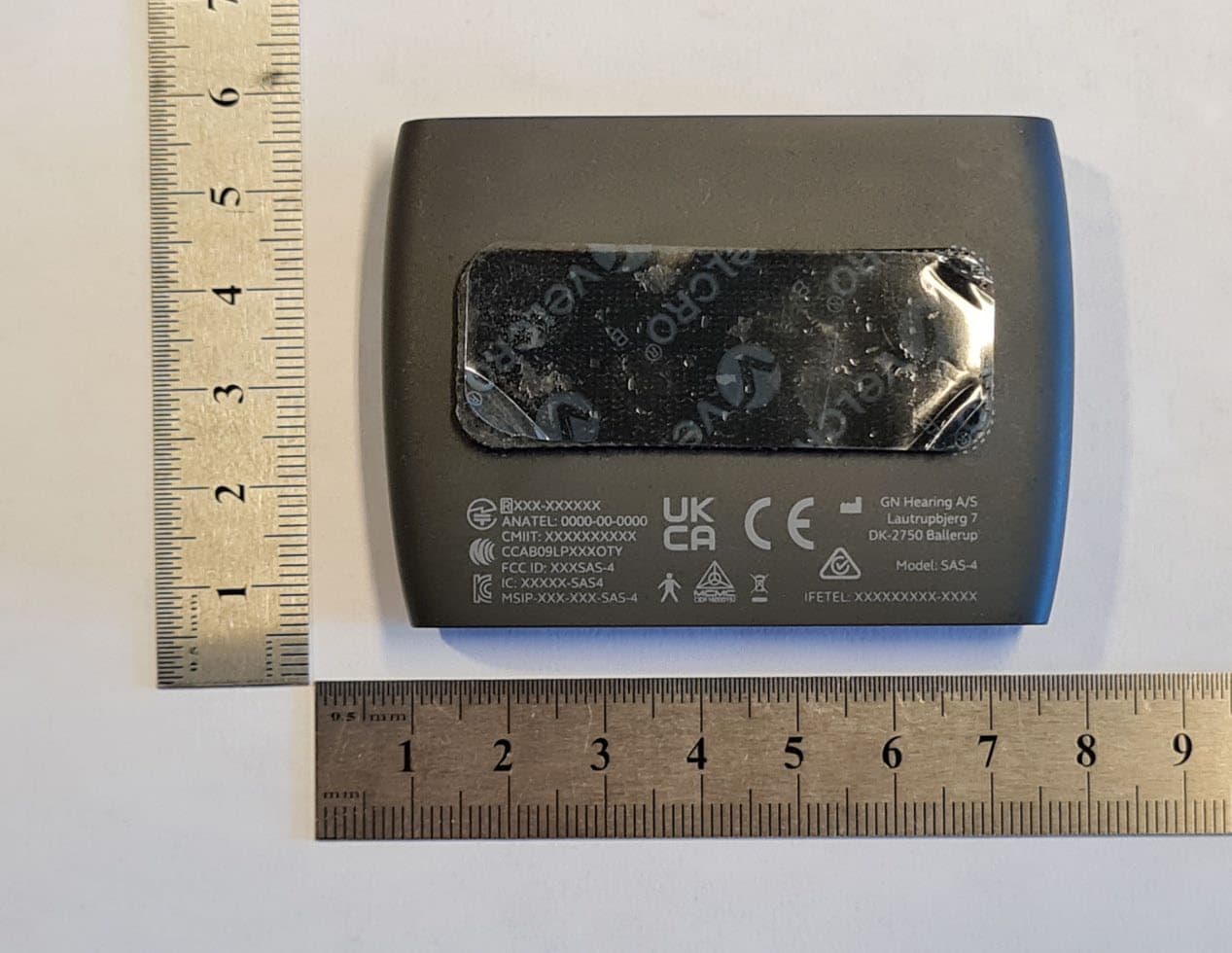
X26SAS-4
Aug 24, 2023Accesory to wireless hearing instrument
Equipment Class
DTS - Digital Transmission System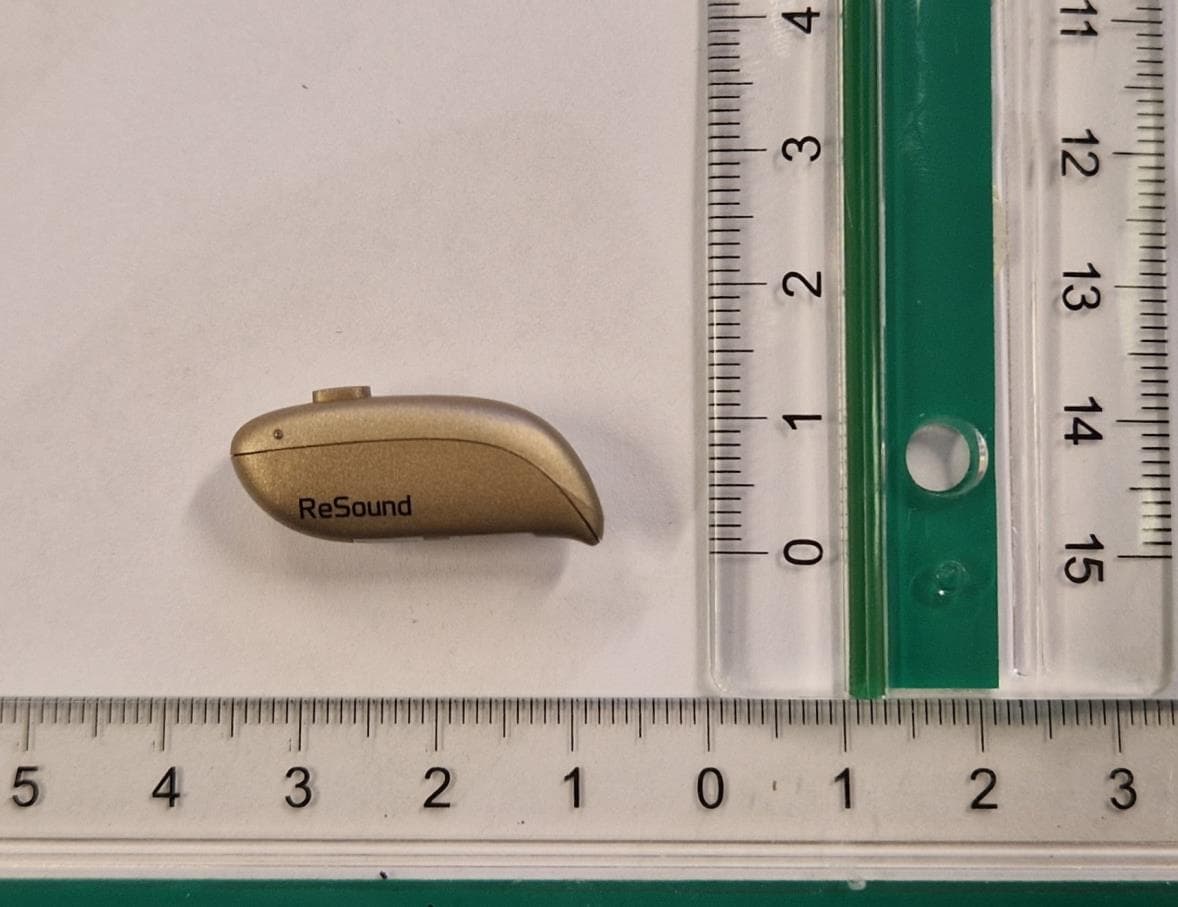
X26DURR1
Jul 10, 2023Rechargeable wireless hearing instrument
Equipment Class
DTS - Digital Transmission System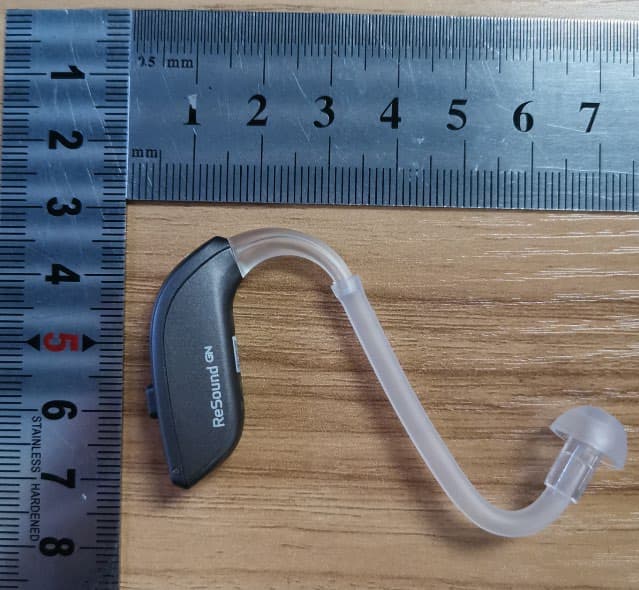
X26CABR70
Feb 21, 2022Wireless hearing instrument
Equipment Class
DXX - Part 15 Low Power Communication Device TransmitterX26WOE46R
Jul 29, 2021Wireless hearing instrument
Equipment Class
DXX - Part 15 Low Power Communication Device Transmitter