YAMPD50XU1Digital Portable Radio
Hytera Communications Corporation Limited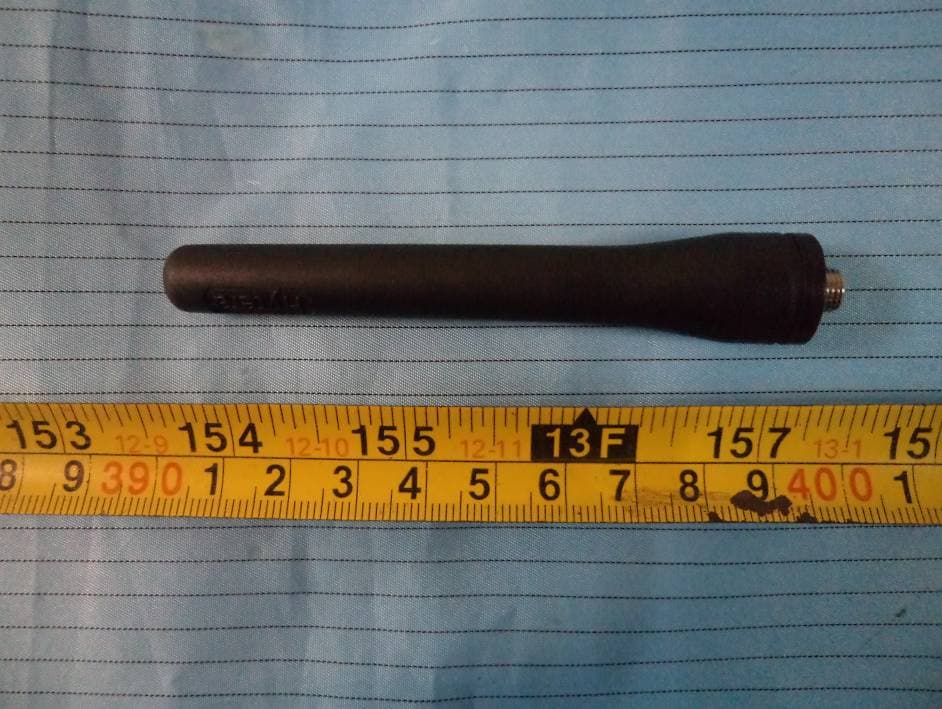
Click to zoom
Application Details
- Equipment Class
- TNF - Licensed Non-Broadcast Transmitter Held to Face
- Date of Grant
- Sep 28, 2013
- Application Purpose
- Original Equipment
- Date of Application
- Sep 28, 2013
- Equipment Note
- Digital Portable Radio
- Frequency Range
- 406.10000000 - 470.00000000
- Country
- China
Documents & Files
Document Text
Text extracted from the exhibit documents filed with the FCC. Open a document above to read the original.
Users Manual
Preface Thank you for purchasing Hytera DMR Digital Portable Radio. As a product built to the DMR standard, it is endowed with ergonomic design, all-round digital functions and remarkable quality to refresh your experience and enable you to be responsive to emergent situations. To derive optimum performance from your product, please read this manual and the supplied Safety Information Booklet carefully before use. This manual is applicable to the following model: PD502 U(1) Digital Portable Radio Instructional Icons The following icons are available through this manual: 1 Alert Icons Caution: indicates situations that could cause damage to your product. Note: indicates tips that can help you make better use of your product. Function Icons : indicates functions that are available on digital channel only. : indicates functions that are available on analog channel only. Functions marked with no function icons are available on both analog and digital channels. Term Explanation Key Operation Short press: to press a key and release it quickly. Long press: to press a key and remain holding it down for a predefined period (2 seconds by default). Hold down: to press a key and remain holding it down. Private Call Private Cal is a call initiated by a single user to another user. Group Call Group Call is a call initiated by a single user to a group. All Call All Call is a call initiated by a single user to all the other users on a channel. Squelch This technology can remove excessive background noises, improving your communication quality. Copyright Information Hytera is the trademark or registered trademark of Hytera Communications Co., Ltd. (“Hytera”) in PRC 2 and/or other countries or areas. Hytera retains the ownership of its trademarks and product names. All other trademarks and/or product names that may be used in this manual are properties of their respective owners. The Hytera product described in this manual may include Hytera computer programs stored in memory or other media. Laws in PRC and/or other countries or areas protect the exclusive rights of Hytera with respect to its computer programs. The purchase of this product shall not be deemed to grant, either directly or by implication, any rights to the purchaser with respect to Hytera computer programs. Any Hytera computer programs may not be copied, modified, distributed, decompiled, or reverse-engineered in any manner without the prior written consent of Hytera. The AMBE+2 TM voice coding technology embodied in this product is protected by intellectual property rights including patent rights, copyrights and trade secrets of Digital Voice Systems, Inc. This voice coding technology is licensed solely for use within this product. The user of this technology is explicitly prohibited from attempting to decompile, reverse engineer, or disassemble the Object Code or in any other way convert the Object Code into a human readable form. U.S. Patent Nos. #6,912,495 B2, #6,199,037 B1, #5,870,405, #5,826,222, #5,754,974, #5,701,390, #5,715,365, #5,649,050, #5,630,011, #5,581,656, #5,517,511, #5,491,772, #5,247,579, #5,226,084 and #5,195,166. Disclaimer Hytera endeavors to achieve the accuracy and completeness of this manual, but no warranty of accuracy or reliability is given. All the specifications and designs are subject to change without prior notice due to continuous technology development. No part of this manual may be copied, modified, translated, or distributed in any manner without the express written permission of Hytera. If you have any suggestions or would like to learn more details, please visit our website at: http://www.hytera.cn . RF Radiation Information RF Radiation Profile Radio Frequency (RF) is a frequency of electromagnetic radiation in the range at which radio signals are 3 transmitted. RF technology is widely used in communication, medicine, food processing and other fields. It may generate radiation during use. RF Radiation Safety In order to ensure user health, experts from relevant industries including science, engineering, medicine and health work with international organizations to develop standards for safe exposure to RF radiation. These standards consist of: United States Federal Communications Commission, Code of Federal Regulations; 47CFR part 2 sub-part J; American National Standards Institute (ANSI)/Institute of Electrical and Electronic Engineers (IEEE) C95. 1-1992; Institute of Electrical and Electronic Engineers (IEEE) C95. 1 – 1999; International Commission on Non-Ionizing Radiation Protection (ICNIRP) 1998; Operational Instructions and Training Guidelines To ensure optimal performance and compliance with the occupational/controlled environment RF energy exposure limits in the above standards and guidelines, users should transmit no more than 50% of the time and always adhere to the following procedures: Your radio radiates measurable RF energy only while it is transmitting (during talking), not when it is receiving (listening) or in standby mode. FCC Regulations Federal Communication Commission (FCC) requires that all radio communication products should meet the requirements set forth in the above standards before they can be marketed in the U.S, and the manufacturer shall post a RF label on the product to inform users of operational instructions, so as to enhance their occupational health against exposure to RF energy. FCC Statement This equipment has been tested and found to comply with the limits for a Class B digital device, pursuant to part 15 of FCC Rules. These limits are designed to provide reasonable protection against harmful interference in a residential installation. This equipment generates and can radiate radio frequency energy and, if not installed and used in accordance with the instructions, may cause harmful interference to radio communications. However, there is no guarantee that interference will not occur in a particular 4 installation. If this equipment does cause harmful interf…
Text truncated - open the document above for the full version.
Cover Letter(s)
Hytera Communications Corporation Ltd. HYT Tower, Hi-Tech Industrial Park North, Nanshan District, Shenzhen, China. 518057 Tel: +86-0755-26972999, Fax: +86-755-86137130 Date:2013-9-3 FEDERAL COMMUNICATIONS COMMISSIONS Authorization and Evaluation Division 7435 Oakland Mills Road Columbia, MD 21046 Subject: Extended Frequencies Justification Dear Sir/Madam, The Radio with FCC ID: YAMPD50XU1 was designed to operate in the frequency bands 400~470MHz . To aid equipment authorization in other countries which accept the United States FCC Grant for Certification, Hytera Communications Corporation Ltd. is requesting that the FCC lists the frequencies 400~470MHz. under FCC Rule Parts 22,74,80 and 90 on the FCC Grant. Hytera Communications Corporation Ltd. Attests that the radio will not be marketed to USA users with the frequency band which is not allowed by the rule part 22,74,80 and 90. Per the FCC’s KDB634817 guidance, as an alternative to listing the exact frequencies, we acknowledge that it’s a violation of the FCC Rules if this device operates on unauthorized frequencies. Also, equipment programming is the responsibility of Authorized Service Personnel, the radio complies with 47 CFR Part 90.203(e), in that the operator cannot directly program the transmit frequencies using the normally accessible external controls. Sincerely Yours, Signature: Lei Xiong General Director
External Photos
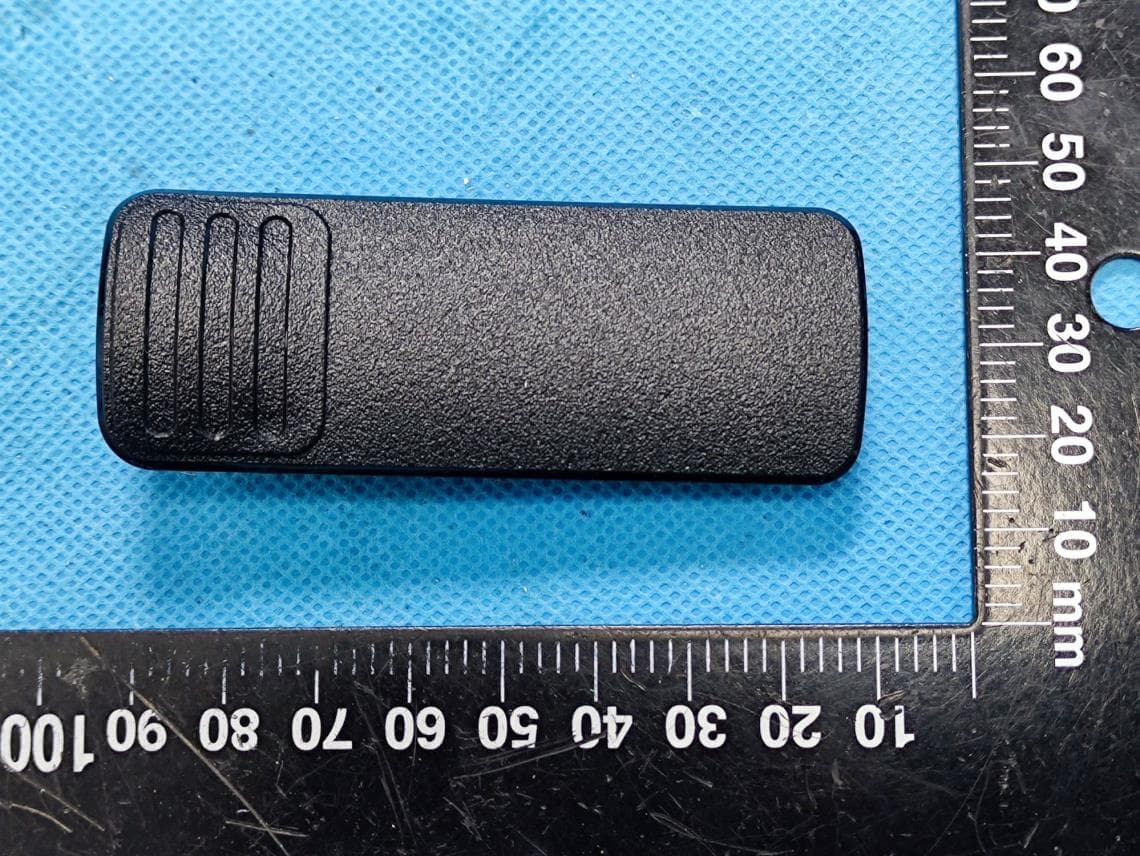
EXHIBIT B - EUT EXTERNAL PHOTOGRAPHS EUT – Front View EUT – Rear View EUT – Top View EUT – Bottom View EUT – Left Side View EUT – Right Side View EUT – Antenna View
ID Label/Location Info
EXHIBIT A - FCC ID LABELING AND LOCATION FCC ID Label Proposed FCC ID Label Location The label shown shall be permanently affixed at a conspicuous location on the device and be readily visible to the user at the time purchase (Labeling requirements per 2.925)
Internal Photos
EXHIBIT C - EUT INTERNAL PHOTOGRAPHS EUT – Battery off View EUT – Cover off View EUT – Main Board Top View EUT – Main Board Top Shielding off View EUT – Main Board Bottom View EUT – Main Board Bottom Shielding off View
RF Exposure Info
Note: This test report is prepared for the customer shown above and for the device described herein. It may not be duplicated or used in part without prior written consent from Bay Area Compliance Laboratories Corp. SAR EVALUATION REPORT For Hytera Communications Co., Ltd. HYT Tower, Hi-Tech Industrial Park North, Nanshan District, Shenzhen China FCC ID: YAMPD50XU1 Report Type: Original Report Product Type: Digital Portable Radio Test Engineer: Sandy Wang Report Number: RSZ130802005-20A Report Date: 2013-09-10 Reviewed By: Alvin Huang RF Leader Prepared By: Bay Area Compliance Laboratories Corp. (Shenzhen) 6/F, the 3rd Phase of WanLi Industrial Building, ShiHua Road, FuTian Free Trade Zone Shenzhen, Guangdong, China Tel: +86-755-33320018 Fax: +86-755-33320008 www.baclcorp.com.cn Bay Area Compliance Laboratories Corp. (Shenzhen) Report No: RSZ130802005-20A SAR Evaluation Report 2 of 91 Attestation of Test Results Company Name Hytera Communications Co., Ltd. EUT Description Digital Portable Radio FCC ID YAMPD50XU1 Model Number PD500 U(1), PD502 U(1), PD505 U(1), PD506 U(1), PD508 U(1), HD505 U(1) EUT Information Test Date 2013-08-03 to 2013-08-05 Mode Frequency (MHz) Max. SAR Level(s) Reported Limit (W/Kg) Digital 400-470 12.5kHz Face up: 2.847 W/kg Body-Back: 5.303W/kg Analog 400-470 12.5kHz Face up: 3.215 W/kg (50% duty cycle) Body-Back: 5.172 W/kg (50% duty cycle) 8 ANSI / IEEE C95.1: 2005 IEEE Standard for Safety Levels with Respect to Human Exposure to Radio Frequency Electromagnetic Fileds,3 kHz to 300 GHz. ANSI / IEEE C95.3: 2002 IEEE Recommended Practice for Measurements and Computations of Radio Frequency Electromagnetic Fields With Respect to Human Exposure to SuchFields,100 kHz—300 GHz. IEEE1528:2003 IEEE Recommended Practice for Determining the Peak Spatial-Average Specific Absorption Rate (SAR) in the Human Head from Wireless Communications Devices: Measurement Techniques Applicable Standards KDB procedures KDB 447498 D01 Mobile and Portable Devices RF Exposure Procedures and Equipment Authorization Policies KDB 643646 SAR Test Reduction Considerations for Occupational PTT Radios Note: This wireless device has been shown to be capable of compliance for localized specific absorption rate (SAR) for General Population/Uncontrolled Exposure limits specified in ANSI/IEEE Standards and has been tested in accordance with the measurement procedures specified in IEEE 1528-2003 and RF exposure KDB procedures. The results and statements contained in this report pertain only to the device(s) evaluated. Bay Area Compliance Laboratories Corp. (Shenzhen) Report No: RSZ130802005-20A SAR Evaluation Report 3 of 91 TABLE OF CONTENTS DOCUMENT REVISION HISTORY .........................................................................................................................5 EUT DESCRIPTION ....................................................................................................................................................6 TECHNICAL SPECIFICATION.........................................................................................................................................6 REFERENCE, STANDARDS, AND GUILDELINES ...............................................................................................7 SAR LIMITS.................................................................................................................................................................8 FACILITIES ..................................................................................................................................................................9 DESCRIPTION OF TEST SYSTEM ........................................................................................................................10 EQUIPMENT LIST AND CALIBRATION .............................................................................................................17 EQUIPMENTS LIST & CALIBRATION INFORMATION....................................................................................................17 SAR MEASUREMENT SYSTEM VERIFICATION ..............................................................................................18 LIQUID VERIFICATION...............................................................................................................................................18 SYSTEM ACCURACY VERIFICATION...........................................................................................................................20 SAR SYSTEM VALIDATION DATA .....................................................................................................................21 EUT TEST STRATEGY AND METHODOLOGY .................................................................................................25 TEST POSITIONS FOR DEVICE OPERATING NEXT TO A PERSON’S EAR........................................................................25 CHEEK/TOUCH POSITION...........................................................................................................................................26 EAR/TILT POSITION...................................................................................................................................................26 TEST POSITIONS FOR BODY-WORN AND OTHER CONFIGURATIONS..............................................................................27 SAR EVALUATION PROCEDURE.................................................................................................................................28 CONDUCTED OUTPUT POWER MEASUREMENT ...........................................................................................29 PROVISION APPLICABLE............................................................................................................................................29 TEST PROCEDURE...........................................................................................................................................…
Text truncated - open the document above for the full version.
Test Report
Note: This test report is prepared for the customer shown above and for the equipment described herein. It may not be duplicated or used in part without prior written consent from Bay Area Compliance Laboratories Corp. FCC PART 22, 74, 80 and 90 TEST REPORT For Hytera Communications Co., Ltd. Hyt Tower, Hi-Tech Industrial Park North, Nanshan District, Shenzhen, China FCC ID: YAMPD50XU1 Report Type: Original Report Product Type: Digital Portable Radio Test Engineer: Bell Hu Report Number: RSZ130822002-00A Report Date: 2013-09-09 Reviewed By: Alvin Huang RF Leader Prepared By: Bay Area Compliance Laboratories Corp. (Shenzhen) 6/F, the 3rd Phase of WanLi Industrial Building, ShiHua Road, FuTian Free Trade Zone Shenzhen, Guangdong, China Tel: +86-755-33320018 Fax: +86-755-33320008 www.baclcorp.com.cn Bay Area Compliance Laboratories Corp. (Shenzhen) Report No.: RSZ130822002-00A FCC Part 22, 74, 80 and 90 Page 2 of 33 TABLE OF CONTENTS GENERAL INFORMATION.......................................................................................................................................4 PRODUCT DESCRIPTION FOR EQUIPMENT UNDER TEST (EUT) .....................................................................................4 OBJECTIVE...................................................................................................................................................................4 RELATED SUBMITTAL(S)/GRANT(S).............................................................................................................................4 TEST METHODOLOGY..................................................................................................................................................4 TEST FACILITY.............................................................................................................................................................5 SYSTEM TEST CONFIGURATION ..........................................................................................................................6 DESCRIPTION OF TEST CONFIGURATION......................................................................................................................6 EQUIPMENT MODIFICATIONS.......................................................................................................................................6 SUPPORT EQUIPMENT LIST AND DETAILS....................................................................................................................6 BLOCK DIAGRAM OF TEST SETUP................................................................................................................................6 SUMMARY OF TEST RESULTS...............................................................................................................................7 FCC §1.1307(b) & §2.1093 - RF EXPOSURE.............................................................................................................8 APPLICABLE STANDARD..............................................................................................................................................8 FCC §2.1046 & § 22.727 & §74.461 & § 80.215 & §90.205- RF OUTPUT POWER ...............................................9 APPLICABLE STANDARD..............................................................................................................................................9 TEST PROCEDURE........................................................................................................................................................9 TEST EQUIPMENT LIST AND DETAILS...........................................................................................................................9 TEST DATA..................................................................................................................................................................9 FCC §2.1047 & §74.463 & §80.213 & §90.207 - MODULATION CHARACTERISTIC .....................................11 APPLICABLE STANDARD............................................................................................................................................11 TEST EQUIPMENT LIST AND DETAILS.........................................................................................................................11 TEST PROCEDURE......................................................................................................................................................11 TEST DATA................................................................................................................................................................11 FCC §2.1049 & §22.357 & § 22.731 & §74.462 & § 80.205 & § 80.207 & §90.209 & §90.210 – OCCUPIED BANDWIDTH & EMISSION MASK........................................................................................................................15 APPLICABLE STANDARD............................................................................................................................................15 TEST EQUIPMENT LIST AND DETAILS.........................................................................................................................15 TEST PROCEDURE......................................................................................................................................................16 TEST DATA................................................................................................................................................................16 FCC §2.1051 & §22.861 & §74.461 & § 80.211 & §90.210 - SPURIOUS EMISSIONS AT ANTENNA TERMINALS ...............................................................................................................................................................21 APPLICABLE STANDARD.........................................................................................................................................…
Text truncated - open the document above for the full version.
Test Setup Photos
EXHIBIT D - TEST SETUP PHOTOGRAPHS Below 1 GHz: Transmitting Radiated Emissions View Above 1 GHz: Transmitting Radiated Emissions View Extreme Condition View
Contact Information
Applicant
Ruifen Huang(Certification Engineer)
Test Firm
Bay Area Compliance Laboratory Corp. (Shenzhen)John Chan
Technical Specifications
| # | Rule Parts | Frequency Range | Power Output | Emission | Tolerance |
|---|---|---|---|---|---|
| 6 | 22,74,80,9 | 406.1 MHz - 470 MHz | 4 W | 7K60FXW | 2.5 ppm |
Other Applications from Hytera Communications Corporation Limited
YAMBP516LF
Aug 15, 2022Digital Portable Radio
Equipment Class
FRF - Part 95 Family Radio Face Held Transmitter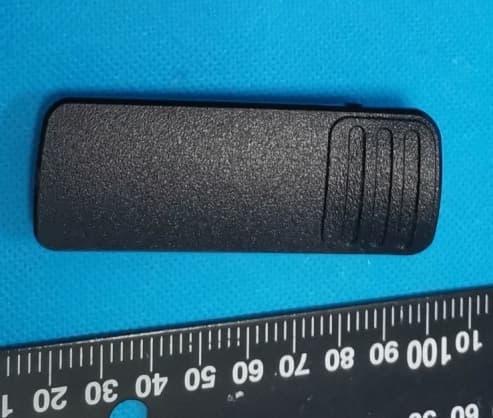
YAMBP5XXVHF
Mar 01, 2022Digital Portable Radio
Equipment Class
DSS - Part 15 Spread Spectrum Transmitter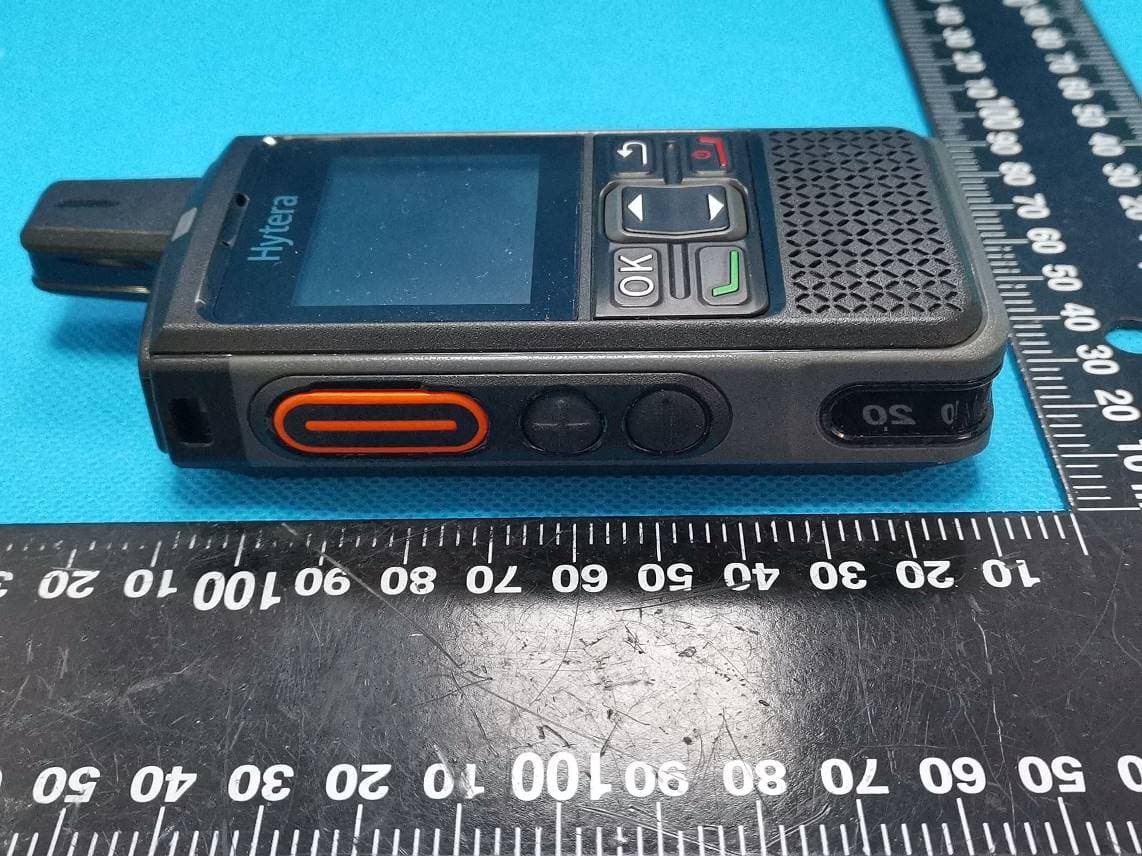
YAMPNC360S
Jan 19, 2022PoC Radio
Equipment Class
DTS - Digital Transmission System
YAMHM78XUVS
Jul 28, 2021DIGITAL MOBILE RADIO
Equipment Class
TNB - Licensed Non-Broadcast Station Transmitter
YAMHP6XXUMS
Jul 22, 2021Digital Portable Radio
Equipment Class
DTS - Digital Transmission System