ZJLKOBOT647Tablet
Rakuten Kobo Inc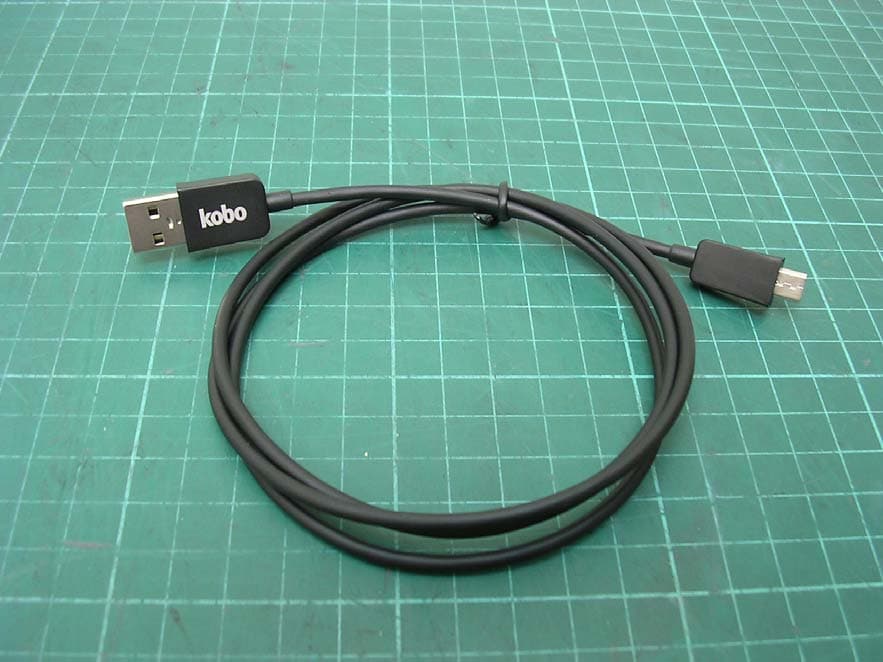
Click to zoom
Application Details
- Equipment Class
- DTS - Digital Transmission System
- Date of Grant
- Sep 17, 2013
- Application Purpose
- Original Equipment
- Date of Application
- Sep 17, 2013
- Equipment Note
- Tablet
- Frequency Range
- 2402.00000000 - 2480.00000000
- Company
- Rakuten Kobo Inc
- Country
- Canada
Documents & Files
Document Text
Text extracted from the exhibit documents filed with the FCC. Open a document above to read the original.
Users Manual
Kobo Model T647 Quick User Guide August 13, 2013 Kobo Inc. 2 WHAT’S COVERED Turning your Kobo device on and off Using Wi Fi Using a Micro SD card Using the Camera Using the Speakers Using Headphones Connecting over USB Charging your Kobo device Using Bluetooth Using the Micro HDMI output Notes: This device is a tablet with a focus on the reading experience. This device does not have 3G or 4G capabilities, and only supports wireless LAN networks (WLAN). 3 Turning your Kobo device on & off To turn your Kobo device on: Pull the red power slider button briefly to the right. To turn your Kobo device off: Pull the red power slider button to the right for until a dialog box appears. 1. Tap Power Off. 2. A Power off window appears. Tap OK to turn off your Kobo device 3. 4 Using Wi Fi Connecting to a Wi Fi network Note: This device does not have 3G or 4G capabilities, and only supports wireless LAN networks (WLAN). You can connect to a Wi Fi network in two ways. First, you can follow the Setup Wizard, which appears when you first turn on your device, and when you factory reset your device. Second, you can manually join a wireless network through the Android operating system. To join a Wi Fi network via Android: Tap the Home icon at the bottom of the screen to return to your Home Dashboard. 1. Put your finger at the top right of the screen and swipe down until the Android notification shade 2. appears. Tap the Quick Settings icon. 3. The Android settings page will appear. If required, tap the slider button beside Wi Fi at the top left of the screen to turn on Wi Fi. 4. Tap Wi-Fi Settings to view a list of nearby Wi Fi networks. 5. Tap the network you want to join. 6. Tap Connect. 7. Notes: The Kobo device scans for available Wi Fi networks and displays the names of the networks. A lock icon indicates the network is secure, and requires a password. If required, enter in the Wi Fi network’s user name (Identity) and password, then tap Connect. If your Kobo device finds a network that you connected to previously, it automatically reconnects to it. Tip: If you do not require Internet access for a long period, turn off Wi Fi to conserve battery power. Disable Wi Fi (Airplane Mode) Disabling Wi Fi helps your battery charge last longer, and is also required on airplanes and some areas of hospitals. When you disable Wi Fi, your Kobo device can no longer connect to any wireless networks (including 3G or 4G networks used by smartphones), which is also known as airplane mode. To disable Wi Fi: Press the Home button to return to your Home Tapestry. 1. 5 Put your finger at the top right of the screen and swipe down until the Android notification shade 2. appears. Tap the Airplane mode option. 3. Wi Fi on the Kobo device is disabled. Note: You’ll need to turn off Airplane mode when you wish to connect to a Wi Fi network again. 6 Using a Micro-SD card with your Kobo device You can use a Micro-SD card with your Kobo device to increase memory storage space, to add or store content you’ve collected, or to transfer content from your Kobo device to another device. The Micro-SD card slot is located on the top left edge of your Kobo device, as shown: When you insert a Micro-SD card you’ll be able to add contents on the card to your Kobo device (depending on what type of content it contains), and move or copy contents on your Kobo device to the card. When you want to remove the SD card, you must safely eject it using the Android settings before you physically remove the card. To insert a Micro-SD card: Gently pull up the Micro-SD card slot cover. 1. Note: You may need to use the corner of a credit card to pull the slot cover up. Insert the Micro-SD card until it lightly clicks into place. 2. To eject a Micro-SD card: Tap the Home icon at the bottom of the screen to return to your Home Dashboard. 1. Put your finger at the top right of the screen and swipe down until the Android notification shade 2. appears. Tap the Quick Settings icon. 3. The Android settings page will appear. Tap Storage. 4. The Storage settings page will appear. Swipe up on the screen until you see the option Unmount SD card. 5. Tap Unmount SD card. 6. Tap OK to confirm you wish to remove the SD card. 7. Gently pull up the Micro-SD card slot cover. 8. Press down on the Micro-SD card until it lightly clicks and pops up. 9. Remove the Micro-SD card. 10. 7 Using the Camera on your Kobo device You can use a camera on your Kobo device to take pictures, shoot video, or interact with your friends on the Internet with apps such as Skype. To use the built-in camera, simply open the app that you’d like to use it with. The camera will activate automatically when you use the app to do something that uses the camera. 8 Using the Speaker on your Kobo device You can use the speaker on your Kobo device to listen to music, hear your friends over the Internet with an app such as Skype, or listen to sound on a video. To use the built-in speaker, simply open the app that you’d like to use it with. The speaker will activate automatically when you use the app to do something that uses it. 9 Using Headphones with your Kobo device You can use headphones with your Kobo device to listen to music, hear your friends over the Internet with an app such as Skype, or listen to sound on a video. To use headphones with your Kobo device: Plug your headphones into the headphone jack on the left edge of your Kobo device (see the 1. image above). Open the app that you’d like to use them with. The headphones will activate automatically when 2. you use the app to open an item that includes sound. 10 Connecting over USB Using your Kobo device as an external storage device You can connect your Kobo device to a computer as a storage device, similar to a USB thumb drive. When it’s connected, you can drag and drop content from your desktop to your Kobo device. To copy content from your desktop to your Kobo device: Connect the included USB cable to the USB slot on t…
Text truncated - open the document above for the full version.
Cover Letter(s)
NCL CALIBRATION LABORATORIES Calibration File No.: PC-1419 Client.: ISL C E R T I F I C A T E OF C A L I B R A T I O N It is certified that the equipment identified below has been calibrated in the NCL CALIBRATION LABORATORIES by qualified personnel following recognized procedures and using transfer standards traceable to NRC/NIST. Equipment: Miniature Isotropic RF Probe Record of Calibration Body Manufacturer: APREL Laboratories Model No.: E-020 Serial No.: 266 Calibration Procedure: D01-032-E020-V2, D22-012-Tissue, D28-002-Dipole Project No: ISL-E020-5683 Calibrated: 20 th August 2012 Released on: 20 th August 2012 NCL CALIBRATION LABORATORIES 303 Terry Fox Drive, Suite 102 Division of APREL Kanata, Ontario TEL: (613) 435-8300 CANADA K2K 3J1 FAX: (613) 435-8306 NCL Calibration Laboratories Division of APREL Inc. Page 2 of 10 This page has been reviewed for content and attested to on Page 2 of this document. Introduction This Calibration Report reproduces the results of the calibration performed in line with the references listed below. Calibration is performed using accepted methodologies as per the references listed below. Probes are calibrated for air, and tissue and the values reported are the results from the physical quantification of the probe through meteorgical practices. Calibration Method Probes are calibrated using the following methods. <1000MHz TEM Cell for sensitivity in air Standard phantom using temperature transfer method for sensitivity in tissue >1000MHz Waveguide* method to determine sensitivity in air and tissue *Waveguide is numerically (simulation) assessed to determine the field distribution and power The boundary effect for the probe is assessed using a standard flat phantom where the probe output is compared against a numerically simulated series of data points References o IEEE Standard 1528 (2003) including Amendment 1 IEEE Recommended Practice for Determining the Peak Spatial-Average Specific Absorption Rate (SAR) in the Human Head from Wireless Communications Devices: Measurement Techniques o EN 62209-1 (2006) Human Exposure to RF Fields from hand-held and body-mounted wireless communication devices - Human models. instrumentation, and procedures-Part 1: Procedure to measure the Specific Absorption Rate (SAR) for hand-held mobile wireless devices o IEC 62209-2 Ed. 1.0 (2010-03) Human exposure to RF fields from hand-held and body-mounted wireless devices - Human models, instrumentation, and procedures - Part 2: specific absorption rate (SAR) for wireless communication devices (30 MHz - 6 GHz) o TP-D01-032-E020-V2 E-Field probe calibration procedure o D22-012-Tissue dielectric tissue calibration procedure o D28-002-Dipole procedure for validation of SAR system using a dipole o IEEE 1309 Draft Standard for Calibration of Electromagnetic Field Sensors and Probes, Excluding Antennas, from 9kHz to 40GHz NCL Calibration Laboratories Division of APREL Inc. Page 3 of 10 This page has been reviewed for content and attested to on Page 2 of this document. Conditions Probe 266 was a recalibration. Ambient Temperature of the Laboratory: 22 °C +/- 1.5°C Temperature of the Tissue: 21 °C +/- 1.5°C Relative Humidity: < 60% Primary Measurement Standards Instrument Serial Number Cal due date Power meter Anritsu MA2408A 90025437 Nov.4, 2012 Power Sensor Anritsu MA2481D 103555 Nov 4, 2012 Attenuator HP 8495A (70dB) 1944A10711 Sept. 14, 2012 Network Analyzer Anritsu MT8801C MB11855 Feb. 8, 2013 Secondary Measurement Standards Signal Generator Agilent E4438C -506 MY55182336 June 7, 2013 Attestation The below named signatories have conducted the calibration and review of the data which is presented in this calibration report. NCL Calibration Laboratories Division of APREL Inc. Page 4 of 10 This page has been reviewed for content and attested to on Page 2 of this document. Probe Summary Probe Type: E-Field Probe E020 Serial Number: 266 Frequency: As presented on page 5 Sensor Offset: 1.56 Sensor Length: 2.5 Tip Enclosure: Composite* Tip Diameter: < 2.9 mm Tip Length: 55 mm Total Length: 289 mm *Resistive to recommended tissue recipes per IEEE-1528 Sensitivity in Air Channel X: 1.2 μV/(V/m) 2 Channel Y: 1.2 μV/(V/m) 2 Channel Z: 1.2 μV/(V/m) 2 Diode Compression Point: 95 mV NCL Calibration Laboratories Division of APREL Inc. Page 5 of 10 This page has been reviewed for content and attested to on Page 2 of this document. Calibration for Tissue (Head H, Body B) Frequency Tissue Type Measured Epsilon Measured Sigma Calibration Uncertainty Tolerance Uncertainty for 5%* Conversion Factor 450 H Head X X X X X 450 B Body X X X X X 750 H Head X X X X X 750 B Body X X X X X 835 H Head X X X X X 835 B Body 56.31 0.95 3.5 3.4 6.8 900 H Head X X X X X 900 B Body 56.08 1.05 3.5 3.4 6.7 1450 H Head X X X X X 1450 B Body X X X X X 1500 H Head X X X X X 1500 B Body X X X X X 1640 H Head X X X X X 1640 B Body X X X X X 1750 H Head X X X X X 1750 B Body X X X X X 1800 H Head X X X X X 1800 B Body 52.16 1.56 3.5 2.7 5.5 1900 H Head X X X X X 1900 B Body 51.57 1.57 3.5 2.7 5.4 2000 H Head X X X X X 2000 B Body X X X X X 2100 H Head X X X X X 2100 B Body X X X X X 2300 H Head X X X X X 2300 B Body X X X X X 2450 H Head X X X X X 2450B Body 50.22 1.93 3.5 3.5 4.55 2600 H Head X X X X X 2600 B Body X X X X X 3000 H Head X X X X X 3000 B Body X X X X X 3600 H Head X X X X X 3600 B Body X X X X X 5200 H Head X X X X X 5200 B Body 46.84 5.08 3.5 3.5 3.3 5600 H Head X X X X X 5600 B Body 45.83 5.63 3.5 3.5 3 5800 H Head X X X X X 5800 B Body 45.87 5.93 3.5 3.5 3.4 NCL Calibration Laboratories Division of APREL Inc. Page 6 of 10 This page has been reviewed for content and attested to on Page 2 of this document. Boundary Effect: Uncertainty resulting from the boundary effect is less than 2.1% for the distance between the tip of the probe and the tissue boundary, when less than 0.58mm. Spatial Resolution: The spatial resolution uncertainty is less than 1.5% for 4.9mm diameter probe. The spatial resolution uncert…
Text truncated - open the document above for the full version.
Cover Letter(s)
NCL CALIBRATION LABORATORIES Calibration File No: DC-1400 Project Number: ISL-D2450-cal-5639 C E R T I F I C A T E OF C A L I B R A T I O N It is certified that the equipment identified below has been calibrated in the NCL CALIBRATION LABORATORIES by qualified personnel following recognized procedures and using transfer standards traceable to NRC/NIST. ISL Body Validation Dipole Manufacturer: APREL Laboratories Part number: ALS-D-2450-S-2 Frequency: 2450 MHz Serial No: 2450-220-00753 Customer: ISL Calibrated: 25 th January 2012 Released on: 25 th January, 2012 NCL Calibration Laboratories Division of APREL Laboratories. This page has been reviewed for content and attested to by signature within this document. 2 Conditions Dipole 2450-220-00753 was a re-calibration. Ambient Temperature of the Laboratory: 22 °C +/- 0.5°C Temperature of the Tissue: 21 °C +/- 0.5°C NCL Calibration Laboratories Division of APREL Laboratories. This page has been reviewed for content and attested to by signature within this document. 3 Calibration Results Summary The following results relate the Calibrated Dipole and should be used as a quick reference for the user. Mechanical Dimensions Length: 51.5 mm Height: 30.4 mm Electrical Specification S11 R/L -16.32 dB SWR 1.37 U Impedance 10.33 Ω System Validation Results Calibrated @ 100mW Frequency 1 Gram 10 Gram Peak 2450 MHz 55.57 25.80 112.98 NCL Calibration Laboratories Division of APREL Laboratories. This page has been reviewed for content and attested to by signature within this document. 4 Introduction This Calibration Report has been produced in line with the SSI Dipole Calibration Procedure SSI-TP-018-ALSAS. The results contained within this report are for Validation Dipole 235-00801. The calibration routine consisted of a three-step process. Step 1 was a mechanical verification of the dipole to ensure that it meets the mechanical specifications. Step 2 was an Electrical Calibration for the Validation Dipole, where the SWR, Impedance, and the Return loss were assessed. Step 3 involved a System Validation using the ALSAS-10U, along with APREL E-030 130 MHz to 26 GHz E-Field Probe Serial Number 215. References SSI-TP-018-ALSAS Dipole Calibration Procedure SSI-TP-016 Tissue Calibration Procedure IEEE 1528 “Recommended Practice for Determining the Peak Spatial-Average Specific Absorption Rate (SAR) in the Human Body Due to Wireless Communications Devices: Experimental Techniques” IEC-62209 “Human exposure to radio frequency fields from hand-held and body- mounted wireless communication devices – Human models, instrumentation, and procedures” Part 1: “Procedure to determine the Specific Absorption Rate (SAR) for hand-held devices used in close proximity of the ear (frequency range of 300 MHz to 3 GHz)” IEC-62209 “Human exposure to radio frequency fields from hand-held and body- mounted wireless communication devices – Human models, instrumentation, and procedures” Part 2 Draft: “Procedure to determine the Specific Absorption Rate (SAR) for hand- held devices used in close proximity of the ear (frequency range of 30 MHz to 6 GHz)” Conditions Ambient Temperature of the Laboratory: 22 °C +/- 0.5°C Temperature of the Tissue: 20 °C +/- 0.5°C This was a recalibration. Dipole Calibration uncertainty The calibration uncertainty for the dipole is made up of various parameters presented below. Mechanical 1% Positioning Error 1.22% Electrical 1.7% Tissue 2.2% Dipole Validation 2.2% TOTAL 8.32% (16.64% K=2) NCL Calibration Laboratories Division of APREL Laboratories. This page has been reviewed for content and attested to by signature within this document. 5 Dipole Calibration Results Mechanical Verification APREL Length APREL Height Measured Length Measured Height 51.5 mm 30.4 mm 52.1 mm 31.0 mm Tissue Validation Body Tissue 2450 MHz Measured Dielectric constant, ε r 51.2 Conductivity, σ [S/m] 2.16 NCL Calibration Laboratories Division of APREL Laboratories. This page has been reviewed for content and attested to by signature within this document. 6 Electrical Calibration Test Result S11 R/L -16.32 dB SWR 1.37 U Impedance 10.33 Ω The Following Graphs are the results as displayed on the Vector Network Analyzer. S11 Parameter Return Loss NCL Calibration Laboratories Division of APREL Laboratories. This page has been reviewed for content and attested to by signature within this document. 7 SWR NCL Calibration Laboratories Division of APREL Laboratories. This page has been reviewed for content and attested to by signature within this document. 8 Smith Chart Dipole Impedance NCL Calibration Laboratories Division of APREL Laboratories. This page has been reviewed for content and attested to by signature within this document. 9 Test Equipment The test equipment used during Probe Calibration, manufacturer, model number and, current calibration status are listed and located on the main APREL server R:\NCL\Calibration Equipment\Instrument List May 2011.
Cover Letter(s)
Attestation for FCC Declaration of Conformity FCC ID: ZJLKOBOT647 Date: 2013-07-24 Please be notified that we, the undersigned, Kobo Inc. declares that the product which bears the above FCC ID is also compliant with the FCC requirements for DoC. The test report number supporting the DoC is TS13060147-EME. Testing in regards to this report was done by Intertek Testing Services Taiwan Ltd., located at No. 11, Lane 275, Ko-Nan 1 st Street, Chia-Tung Li, Shiang-Shan District, Hsinchu City, Taiwan, which has been accredited in accordance to all of the requirements of 47CFR 2.948 (d) and (e) of the FCC rules and KDB349827.
Cover Letter(s)
k 13o 135 Ltberty Street, Suite 100 Toronto Oitario M6K 1A7 www.kobo.com July 29, 2013 To whom it may concern, Letter of Agency I,an authorized representative of Kobo Incdo hereby authorize Intertek Testing Services to act on our behalf infront of the Federal Communications Commission with respect tQ all matters relating to certification of equipment under Part 15and/or Part 95 ofthe FCC Rules until further notice. Ifurther certify that noparty (asdefined in §1.2002(b) of CFR 46,2007) tothis application, including myself, is subject to a denial of federal benefits, that includes FCC benefits, pursuant to Section 5301 of the Anti-Drug Abuse Act of1988, 21 U.S.C., 862. Regards, Susan Tsang Senior Director —Supply Chains and Operations Kobo Inc July 29, 2013
Cover Letter(s)
j( 3 j3 135 Liberty Street, Suite 100 Thronto,Ontario M61< 1A7 wwkobc.com FederalCommunications Commission 7435 Oakland Mills Road Columbia, MD 21046 Towhom it mayconcern, This letteris to comply with Sections 0.457 and 0.459pertaining toconfidential material. Kobo Inc would like thefollowing documents regarding submission FCCID: ZJLKOBQT647 tobe kept confidential. •Block Diagrams •Schematics •Operation Description The above material contains tradesecrets or technical data, which would customarily be guarded from competitors. We donot wantthese documents tobe accessible tothegeneral public. Sincerely, SusanTsang Senior Director—Supply Chain arid Operations July24, 2013
Cover Letter(s)
Federal Communications Commission Authorization and Evaluation Division Short-term ConfLderitialist FCC ID: ZJLKOBOT647 To Whom It May Concern: Pursuant to DA 04-1705 of the Commission’s policy, in order to comply with the marketing regulations in 47 CFR §2.803 and the information rules in 47 CFR §2.1204, we request short-term confidential treatment for the following information for 180 days of Equipment Authorization in order to ensure sensitive business information remains confldential until the actual marketing of the device: • External Photos • Internal Photos • Test Setup Photos • User Manual The above material contains trade secrets or technical data, which would customarily be guarded from competitors. We do not want these documents to be accessible to the general public. It is our understanding that all measurement test reports, FCC ID label format and correspondences during certification review process cannot be granted as confidential documents and will be available for public review once the grant of equipment authorization i5 issued.
External Photos
External photo of EUT External photo of EUT External photo of EUT
Internal Photos
Internal photo of EUT Internal photo of EUT Internal photo of EUT Internal photo of EUT Internal photo of EUT Internal photo of EUT Internal photo of EUT Internal photo of EUT Internal photo of EUT Internal photo of EUT Internal photo of EUT Internal photo of EUT Internal photo of EUT
Test Report
-1 of 5- International Standards Laboratory Report Number: ISL-13LR105FSAR Appendix C: System Performance Check Report Date : 24-Jun-2013 By Operator : Dino Chen DUT : Dipole Frequency : 2450.00 MHz Max. Transmit Pwr : 1 W APREL ALSAS-10U System Description Phantom Data Name : Universal Phantom Type : ALS-P-UP-1 Tissue Data Type : Body Frequency : 2450.00 MHz Probe Data Name : E-field Probe Model : ALS-E-020 Serial No. : 266 Last Calib. Date : 20-Aug-2012 Measurement Data Crest Factor : 1 Scan Type : Complete Tissue Temp. : 21.60 °C Ambient Temp. : 21.60 °C Area Scan : 9x9x1 : Measurement x=10mm, y=10mm, z=4mm Zoom Scan : 5x5x8 : Measurement x=8mm, y=8mm, z=4mm Separation : 1cm -2 of 5- International Standards Laboratory Report Number: ISL-13LR105FSAR 1 gram SAR value : 53.688 W/kg 10 gram SAR value : 25.214 W/kg Area Scan Peak SAR : 65.523 W/kg Zoom Scan Peak SAR : 104.171 W/kg -3 of 5- International Standards Laboratory Report Number: ISL-13LR105FSAR Electrical Calibration Electrical Calibration Test Cal. report Result Self Check Result Date Deviations S11 -16.32dB -16.62dB Aug. 29/2013 1.8% Impedance 10.33Ω 13.97Ω 3.64Ω S11 Parameter Return Loss –Cal. report -4 of 5- International Standards Laboratory Report Number: ISL-13LR105FSAR S11 Parameter Return Loss –Self Check, Date 08/29/2013 Smith Chart Dipole Impedance –Cal. Report -5 of 5- International Standards Laboratory Report Number: ISL-13LR105FSAR Smith Chart Dipole Impedance –self check, Date 08/29/2013
Test Report
-1 of 37- International Standards Laboratory Report Number: ISL-13LR105FSAR Appendix D: SAR Measurement Data Data No. Band Mode Test Position Separation Distance (cm) Channel SAR 1g(W/kg) 1 Wifi 802.11b Bottom 0.5 1 1.110 2 Wifi 802.11b Edge of Right0.5 1 0.716 3 Wifi 802.11b Bottom 0.5 6 0.848 4 Wifi 802.11b Bottom 0.5 11 0.922 5 Wifi 802.11n 20 Bottom 0.5 1 0.650 6 Wifi 802.11n 20 Bottom 0.5 6 0.445 7 Wifi 802.11n 20 Bottom 0.5 11 0.363 8 BT BLE Bottom 0.5 39 0.001 9 Wifi 802.11b Repeated Bottom 0.5 1 1.015 -2 of 37- International Standards Laboratory Report Number: ISL-13LR105FSAR Data No. 1: Report Date : 24-Jun-2013 By Operator : 123 Measurement Date : 24-Jun-2013 Starting Time : 24-Jun-2013 11:09:15 AM End Time : 24-Jun-2013 11:26:44 AM Scanning Time : 1049 secs Product Data Device Name : 13LR105 Serial No. : NA Type : Other Model : T647 Frequency : 2450.00 MHz Max. Transmit Pwr : 0.25 W Drift Time : 1 min(s) Length : 195 mm Width : 122 mm Depth : 10 mm Antenna Type : Internal Orientation : Touch Power Drift-Start : 1.117 W/kg Power Drift-Finish: 1.161 W/kg Power Drift (%) : 3.974 Picture : C:\alsas\bitmap\Device-2.bmp Phantom Data Name : APREL-Uni Type : Uni-Phantom Size (mm) : 280 x 280 x 200 Serial No. : User Define Location : Center Description : Uni-Phantom Tissue Data Type : BODY Serial No. : 2450B Frequency : 2450.00 MHz Last Calib. Date : 14-Jun-2013 Temperature : 21.70 °C Ambient Temp. : 21.70 °C Humidity : 65.00 RH% Epsilon (Dielectric Constant): 53.69 Sigma : 1.95 S/m Density : 1000.00 kg/cu. m -3 of 37- International Standards Laboratory Report Number: ISL-13LR105FSAR Probe Data Name : E-field Model : E-020 Type : E-Field Triangle Serial No. : 266 Last Calib. Date : 20-Aug-2012 Frequency : 2450.00 MHz Duty Cycle Factor (CreF): 1 Conversion Factor : 4.55 Probe Sensitivity : 1.20 1.20 1.20 μV/(V/m) 2 Compression Point : 95.00 mV Offset : 1.56 mm Measurement Data Crest Factor : 1 Scan Type : Complete Tissue Temp. : 21.70 °C Ambient Temp. : 21.70 °C Set-up Date : 24-Jun-2013 Set-up Time : 9:39:33 AM Area Scan : 7x7x1 : Measurement x=10mm, y=10mm, z=4mm Zoom Scan : 5x5x8 : Measurement x=8mm, y=8mm, z=4mm Other Data DUT Position : Touch Separation : 0 Channel : Low -4 of 37- International Standards Laboratory Report Number: ISL-13LR105FSAR The system detected 1 maxima. Selected highest maxima # = 1. Maxima #1 coordinates: X = 2.060, Y = 0.000 1 gram SAR value : 1.110 W/kg 10 gram SAR value : 0.448 W/kg Area Scan Peak SAR : 1.213 W/kg Zoom Scan Peak SAR : 2.602 W/kg Maxima Summary: Maxima #1 Maxima coordinates: X = 2.060, Y = 0.000 1 gram SAR value : 1.110 W/kg 10 gram SAR value : 0.448 W/kg Area Scan Peak SAR : 1.213 W/kg -5 of 37- International Standards Laboratory Report Number: ISL-13LR105FSAR Zoom Scan Peak SAR : 2.602 W/kg -6 of 37- International Standards Laboratory Report Number: ISL-13LR105FSAR Data No. 2: Report Date : 24-Jun-2013 By Operator : 123 Measurement Date : 24-Jun-2013 Starting Time : 24-Jun-2013 10:08:50 AM End Time : 24-Jun-2013 10:25:25 AM Scanning Time : 995 secs Product Data Device Name : 13LR105 Serial No. : NA Type : Other Model : T647 Frequency : 2450.00 MHz Max. Transmit Pwr : 0.25 W Drift Time : 1 min(s) Length : 10 mm Width : 195 mm Depth : 22 mm Antenna Type : Internal Orientation : Touch Power Drift-Start : 0.733 W/kg Power Drift-Finish: 0.732 W/kg Power Drift (%) : -0.170 Picture : C:\alsas\bitmap\Device-1.bmp Phantom Data Name : APREL-Uni Type : Uni-Phantom Size (mm) : 280 x 280 x 200 Serial No. : User Define Location : Center Description : Uni-Phantom Tissue Data Type : BODY Serial No. : 2450B Frequency : 2450.00 MHz Last Calib. Date : 14-Jun-2013 Temperature : 21.70 °C Ambient Temp. : 21.70 °C Humidity : 65.00 RH% Epsilon (Dielectric Constant): 53.69 Sigma : 1.95 S/m Density : 1000.00 kg/cu. m -7 of 37- International Standards Laboratory Report Number: ISL-13LR105FSAR Probe Data Name : E-field Model : E-020 Type : E-Field Triangle Serial No. : 266 Last Calib. Date : 20-Aug-2012 Frequency : 2450.00 MHz Duty Cycle Factor (CreF): 1 Conversion Factor : 4.55 Probe Sensitivity : 1.20 1.20 1.20 μV/(V/m) 2 Compression Point : 95.00 mV Offset : 1.56 mm Measurement Data Crest Factor : 1 Scan Type : Complete Tissue Temp. : 21.70 °C Ambient Temp. : 21.70 °C Set-up Date : 24-Jun-2013 Set-up Time : 9:39:33 AM Area Scan : 5x9x1 : Measurement x=10mm, y=10mm, z=4mm Zoom Scan : 5x5x8 : Measurement x=8mm, y=8mm, z=4mm Other Data DUT Position : Touch Separation : 0 Channel : Low -8 of 37- International Standards Laboratory Report Number: ISL-13LR105FSAR The system detected 1 maxima. Selected highest maxima # = 1. Maxima #1 coordinates: X = 0.110, Y = -10.000 1 gram SAR value : 0.716 W/kg 10 gram SAR value : 0.270 W/kg Area Scan Peak SAR : 0.899 W/kg Zoom Scan Peak SAR : 1.621 W/kg Maxima Summary: Maxima #1 Maxima coordinates: X = 0.110, Y = -10.000 1 gram SAR value : 0.716 W/kg 10 gram SAR value : 0.270 W/kg Area Scan Peak SAR : 0.899 W/kg Zoom Scan Peak SAR : 1.621 W/kg -9 of 37- International Standards Laboratory Report Number: ISL-13LR105FSAR Data No. 3: Report Date : 24-Jun-2013 By Operator : 123 Measurement Date : 24-Jun-2013 Starting Time : 24-Jun-2013 11:32:18 AM End Time : 24-Jun-2013 11:49:28 AM Scanning Time : 1030 secs Product Data Device Name : 13LR105 Serial No. : NA Type : Other Model : T647 Frequency : 2450.00 MHz Max. Transmit Pwr : 0.25 W Drift Time : 1 min(s) Length : 195 mm Width : 122 mm Depth : 10 mm Antenna Type : Internal Orientation : Touch Power Drift-Start : 0.671 W/kg Power Drift-Finish: 0.658 W/kg Power Drift (%) : -1.879 Picture : C:\alsas\bitmap\Device-2.bmp Phantom Data Name : APREL-Uni Type : Uni-Phantom Size (mm) : 280 x 280 x 200 Serial No. : User Define Location : Center Description : Uni-Phantom Tissue Data Type : BODY Serial No. : 2450B Frequency : 2450.00 MHz Last Calib. Date : 14-Jun-2013 Temperature : 21.70 °C Ambient Temp. : 21.70 °C Humidity : 65.00 RH% Epsilon (Dielectric Constant): 53.69 Sigma : 1.95 S/m Density : 10…
Text truncated - open the document above for the full version.
Test Report
Page: 1 of 34 TEST REPORT of FCC/IC SAR New Application; Class I PC; Class II PC Product: Tablet Brand: Kobo Mode: T647 Model Difference: N/A FCC ID: IC: ZJLKOBOT647 8912A-KOBOT647 Standard: FCC 47 CFR Part2(2.1093) IEEE C95.1-1999; IEEE 1528 FCC OET 65 Supplement C(Edition 01-10) RSS-102 issue 4: 2010 Applicant: Kobo Inc. Address: 135 Liberty Street, Suite 101, Toronto, Ontario, M6K1A7, Canada Test Performed by: International Standards Laboratory <Lung-Tan LAB> *Site Registration No.: TAF: 0997 *Address: No. 120, Lane 180, San Ho Tsuen, Hsin Ho Rd. Lung-Tan Hsiang, Tao Yuan County 325, Taiwan *Tel : 886-3-407-1718; Fax: 886-3-407-1738 Report No.: ISL-13LR105FSAR Issue Date : 2013/09/12 Test results given in this report apply only to the specific sample(s) tested and are traceable to national or international standard through calibration of the equipment and evaluating measurement uncertainty herein. This report MUST not be used to claim product endorsement by TAF or any agency of the Government. This test report shall not be reproduced except in full, without the written approval of International Standards Laboratory. -2 of 34- FCC ID: ZJLKOBOT647 IC: 8912A-KOBOT647 International Standards Laboratory Report Number: ISL-13LR105FSAR VERIFICATION OF COMPLIANCE Applicant: Kobo Inc. Product Description: Tablet Brand Name: Kobo Model No.: T647 Model Difference: N/A FCC ID: IC: ZJLKOBOT647 8912A-KOBOT647 Date of Receipt: 2013/06/23 Date of Test: 2013/06/24 ~ 2013/06/24 Standard: FCC 47 CFR Part2(2.1093) IEEE C95.1-1999; IEEE 1528 FCC OET 65 Supplement C(Edition 01-10) RSS-102 issue 4: 2010 We hereby certify that: All the tests in this report have been performed and recorded in accordance with the standards described above and performed by an independent electromagnetic compatibility consultant, International Standards Laboratory. The test results contained in this report accurately represent the measurements of the characteristics and the energy generated by sample equipment under test at the time of the test. The sample equipment tested as described in this …
Text truncated - open the document above for the full version.
Contact Information
Applicant
James Calder(Compliance Officer)
Test Firm
Intertek Testing Services Taiwan Ltd.Lily Shih
Technical Specifications
| # | Rule Parts | Frequency Range | Power Output |
|---|---|---|---|
| 2 | 15C | 2.40 GHz - 2.48 GHz | 1.20 mW |
Other Applications from Rakuten Kobo Inc
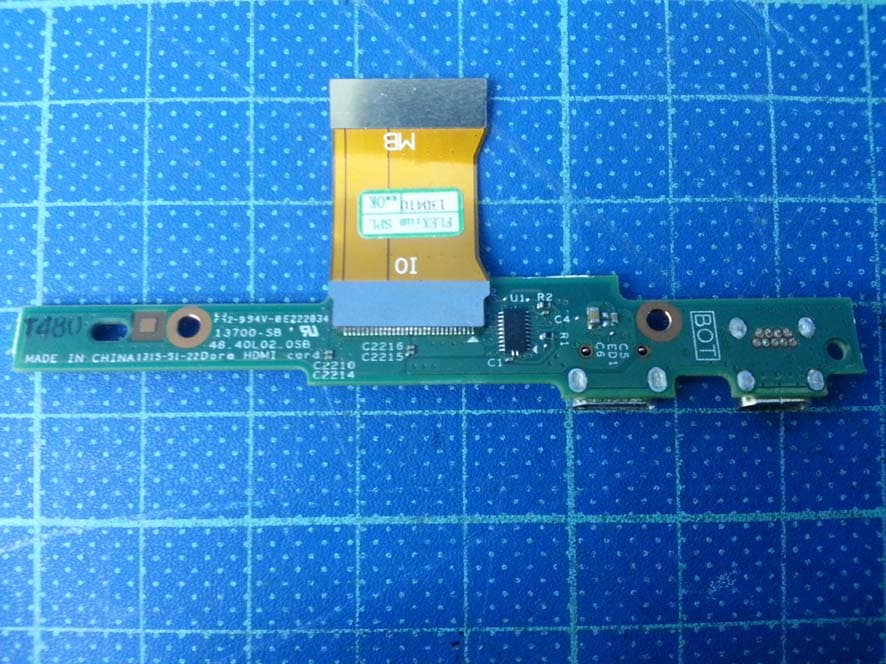
ZJLKOBOK110
Oct 16, 2013Tablet
Equipment Class
DTS - Digital Transmission System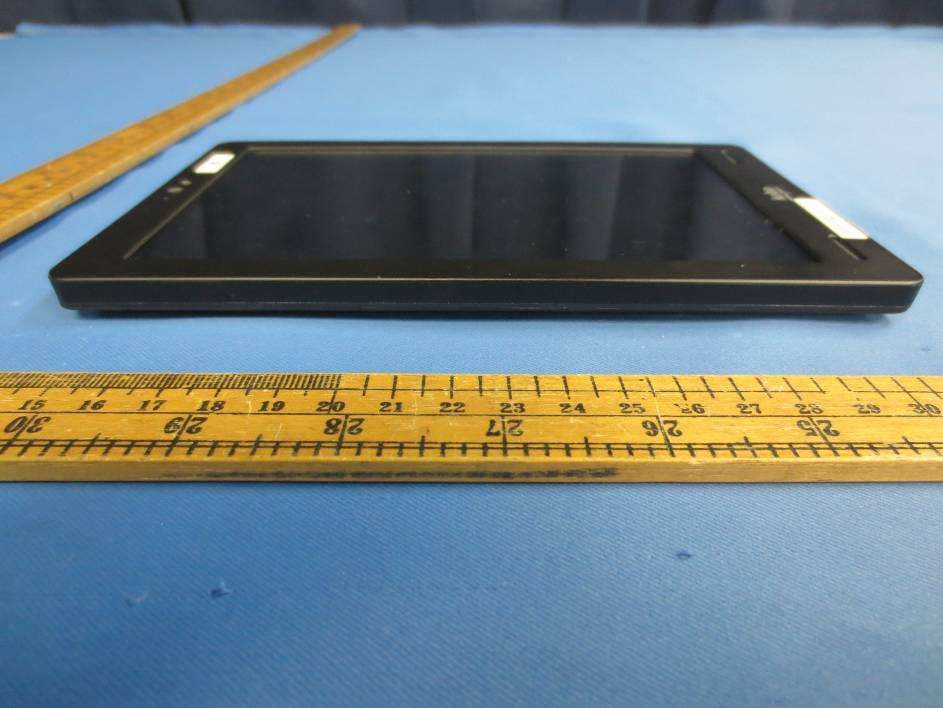
ZJLKOBOK107
Nov 04, 20127' TABLET
Equipment Class
JBC - Part 15 Class B Computing Device/Personal Computer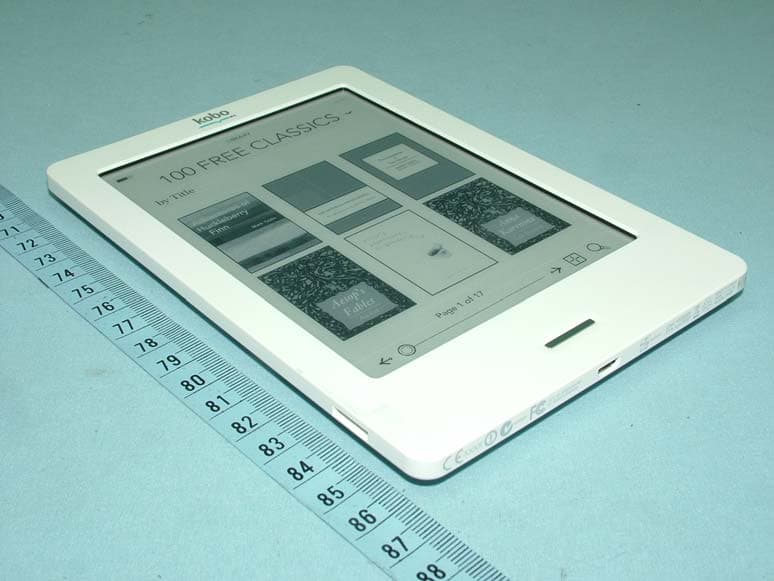
ZJLKOBON905
May 25, 2011eReader
Equipment Class
DTS - Digital Transmission System