AEZSCP-31HTri-Mode Dual-Band Analog/ PCS Phone (AMPS/ CDMA)
Sanyo Electric Co Ltd
Click to zoom
Application Details
- Equipment Class
- PCE - PCS Licensed Transmitter held to ear
- Date of Grant
- Mar 15, 2006
- Application Purpose
- Original Equipment
- Date of Application
- Mar 15, 2006
- Equipment Note
- Tri-Mode Dual-Band Analog/ PCS Phone (AMPS/ CDMA)
- Frequency Range
- 1851.25000000 - 1908.75000000
- Company
- Sanyo Electric Co Ltd
- Country
- United States
Documents & Files
Document Text
Text extracted from the exhibit documents filed with the FCC. Open a document above to read the original.
Users Manual
SCP-3100 Operating Guide (Draft) Table of Contents Getting to Know Your Phone.............................................................................................. 6 Front View of Phone.............................................................................................................................. 6 Key Functions........................................................................................................................................ 7 Viewing the Display Screen.................................................................................................................. 8 Turning Your Phone On and Off.......................................................................................................... 9 Unlocking the Phone............................................................................................................................. 9 Using the Battery................................................................................................................................ 10 Displaying Your Phone Number........................................................................................................ 11 Making and Answering Calls........................................................................................... 11 Making Calls........................................................................................................................................ 11 Dialing Options.................................................................................................................................... 11 Answering Calls................................................................................................................................... 12 Using the Speakerphone..................................................................................................................... 13 Changing the Ringer Volume............................................................................................................. 13 Adjusting Volume During a Conversation........................................................................................ 13 Muting a Call....................................................................................................................................... 13 Missed Call Notification...................................................................................................................... 13 Calling Emergency Numbers............................................................................................................. 14 In-Call Options..................................................................................................................................... 14 End-of-Call Options............................................................................................................................. 14 Saving a Phone Number..................................................................................................................... 15 Finding a Phone Number................................................................................................................... 15 Dialing and Saving Phone Numbers With Pauses.......................................................................... 15 Abbreviated Dialing............................................................................................................................. 16 Dialing From the Contacts Directory................................................................................................ 16 Using Speed Dialing............................................................................................................................ 16 Entering Text...............................................................................................................................17 Selecting a Character Input Mode..................................................................................................... 17 Entering Characters Using T9 Text Input........................................................................................ 17 Adding a Word to the T9 Database.................................................................................................... 17 Entering Characters by Tapping the Keypad................................................................................... 18 Entering Numbers, Symbols, Preset Suffix and Smileys................................................................ 19 Controlling Your Phone’s Settings................................................................................ 20 Sound Settings..................................................................................................................................... 20 Ringer Types......................................................................................................................................... 20 Selecting Ringer Types for Voice Calls............................................................................................... 20 1 Selecting Ringer Types for Voicemail or Calendar/Alarm............................................................... 20 Selecting Ringer Types for Messages................................................................................................. 21 Setting Tone Length, Start-up/Power-off Tone or Voice Prompt..................................................... 21 Adjusting the Phone’s Volume Settings............................................................................................. 22 Alert Notification................................................................................................................................. 22 Silence All............................................................................................................................................. 22 Display Settings......................................................................…
Text truncated - open the document above for the full version.
External Photos
SANYO FCC ID: AEZSCP-31H EUT Photographs © 2006 PCTEST Lab. Tri-Mode Dual-Band Phone Model: SCP-3100 SANYO FCC ID: AEZSCP-31H EUT Photographs © 2006 PCTEST Lab. Tri-Mode Dual-Band Phone Model: SCP-3100 SANYO FCC ID: AEZSCP-31H EUT Photographs © 2006 PCTEST Lab. Tri-Mode Dual-Band Phone Model: SCP-3100 SANYO FCC ID: AEZSCP-31H EUT Photographs © 2006 PCTEST Lab. Tri-Mode Dual-Band Phone Model: SCP-3100 SANYO FCC ID: AEZSCP-31H EUT Photographs © 2006 PCTEST Lab. Tri-Mode Dual-Band Phone Model: SCP-3100 SANYO FCC ID: AEZSCP-31H EUT Photographs © 2006 PCTEST Lab. Tri-Mode Dual-Band Phone Model: SCP-3100
ID Label/Location Info
FCC ID SAMPLE LABEL & LOCATION LABELLING REQUIREMENTS The Label shown shall be permanently affixed at a conspicuous location on the device and be readily visible to the user at the time of purchase. (SEE NEXT PAGE)
Internal Photos
SANYO FCC ID: AEZSCP-31H EUT Photographs © 2006 PCTEST Lab. Tri-Mode Dual-Band Phone Model: SCP-3100 SANYO FCC ID: AEZSCP-31H EUT Photographs © 2006 PCTEST Lab. Tri-Mode Dual-Band Phone Model: SCP-3100 SANYO FCC ID: AEZSCP-31H EUT Photographs © 2006 PCTEST Lab. Tri-Mode Dual-Band Phone Model: SCP-3100 SANYO FCC ID: AEZSCP-31H EUT Photographs © 2006 PCTEST Lab. Tri-Mode Dual-Band Phone Model: SCP-3100 SANYO FCC ID: AEZSCP-31H EUT Photographs © 2006 PCTEST Lab. Tri-Mode Dual-Band Phone Model: SCP-3100 SANYO FCC ID: AEZSCP-31H EUT Photographs © 2006 PCTEST Lab. Tri-Mode Dual-Band Phone Model: SCP-3100 SANYO FCC ID: AEZSCP-31H EUT Photographs © 2006 PCTEST Lab. Tri-Mode Dual-Band Phone Model: SCP-3100 SANYO FCC ID: AEZSCP-31H EUT Photographs © 2006 PCTEST Lab. Tri-Mode Dual-Band Phone Model: SCP-3100 SANYO FCC ID: AEZSCP-31H EUT Photographs © 2006 PCTEST Lab. Tri-Mode Dual-Band Phone Model: SCP-3100
RF Exposure Info
PCTEST ENGINEERING LABORATORY, INC. 6660 – B Dobbin Road • Columbia, MD 21045 • USA Telephone 410.290.6652 / Fax 410.290.6654 http://www.pctestlab.com (email: [email protected]) CERTIFICATE OF COMPLIANCE (SAR EVALUATION) PCTEST SAR REPORT FCC CERTIFICATION Reviewed by: Quality Manager SAR Filename: 0601200032-R1 Test Dates: January 23-26, 2006 Phone Type: Tri-Mode Dual-Band Analog/ PCS Phone (AMPS/ CDMA) FCC ID: AEZSCP-31H Page 1 of 37 © 2006 PCTEST Engineering Laboratory, Inc APPLICANT NAME & ADDRESS: DATE & LOCATION OF TESTING: SANYO ELECTRIC Co., Ltd. Dates of Tests: January 23-26, 2006 c/o Sanyo Sales & Supply (USA) Corp. Test Report S/N: 0601200032-R1 900 North Arlington Heights Road, Suite 300 Test Site: PCTEST Lab, Columbia MD Itasca, IL 60143-2844 FCC ID: AEZSCP-31H APPLICANT: SANYO ELECTRIC CO., LTD. EUT Type: Tri-Mode Dual-Band Analog/PCS Phone (AMPS/CDMA) Tx Frequency: 824.04 – 848.97 MHz (AMPS) / 824.70 – 848.31 MHz (CDMA) 1851.25 – 1908.75 MHz (PCS CDMA) Rx Frequency: 869.04 – 893.97 MHz (AMPS) / 869.70 – 893.31 MHz (CDMA) 1931.25 – 1988.75 MHz (PCS CDMA) Max. RF Output Power: 0.455 W ERP AMPS (26.585dBm) / 24.5 dBm Conducted 0.372 W ERP CDMA (25.703 dBm) / 23.7 dBm Conducted 0.515 W EIRP PCS CDMA (27.121dBm) / 23.5 dBm Conducted Max. SAR Measurement: 1.400 W/kg AMPS Head SAR; 0.997 W/kg AMPS Body SAR; 1.280 W/kg CDMA Head SAR; 0.704 W/kg CDMA Body SAR; 0.777 W/kg PCS CDMA Head SAR; 1.140 W/kg PCS CDMA Body SAR; 0.082 W/kg PTT Flip Open; 0.208 W/kg PTT Flip Closed Trade Name/Model(s): SCP-3100 FCC Classification: Licensed Portable Transmitter Held to Ear (PCE) FCC Rule Part(s): §2.1093; FCC/OET Bulletin 65 Supplement C [July 2001] Application Type: Certification Test Device Serial No.: identical prototype [S/N: 24710025542] This wireless portable device has been shown to be capable of compliance for localized specific absorption rate (SAR) for uncontrolled environment/general population exposure limits specified in ANSI/IEEE Std. C95.1-1992 and had been tested in accordance with the measurement procedures specified in FCC/OET Bulletin 65 Supplement C (2001) and IEEE Std. P1528 D1.2 (April 2003). I attest to the accuracy of data. All measurements reported herein were performed by me or were made under my supervision and are correct to the best of my knowledge and belief. I assume full responsibility for the completeness of these measurements and vouch for the qualifications of all persons taking them. Grant Conditions: Power output listed is ERP for Part 22 and EIRP for Part 24. SAR compliance for body- worn operating configuration is based on a separation distance of 1.9 cm between the back of the unit and the body of the user. SAR compliance for Push–to-Talk PTT operating configuration is based on a separation distance of 2.5 cm between the front of the unit and the face of the user. End-users must be informed of the body-worn operating requirements for satisfying RF exposure compliance. Belt clips or holsters may not contain metallic components. PCTEST certifies that no party to this application has been denied the FCC benefits pursuant to Section 5301 of the Anti-Drug Abuse Act of 1988, 21 U.S.C. 862. PCTEST SAR REPORT FCC CERTIFICATION Reviewed by: Quality Manager SAR Filename: 0601200032-R1 Test Dates: January 23-26, 2006 Phone Type: Tri-Mode Dual-Band Analog/ PCS Phone (AMPS/ CDMA) FCC ID: AEZSCP-31H Page 2 of 37 © 2006 PCTEST Engineering Laboratory, Inc TABLE OF CONTENTS 1. INTRODUCTION / SAR DEFINITION......................................................................................3 2. SAR MEASUREMENT SETUP.................................................................................................4 3. DASY4 E-FIELD PROBE SYSTEM.............................................................................................5 4. Probe Calibration Process........................................................................................................6 5. PHANTOM & EQUIVALENT TISSUES......................................................................................7 6. TEST SYSTEM SPECIFICATIONS.............................................................................................8 7. DOSIMETRIC ASSESSMENT & PHANTOM SPECS.......................................................................9 8. DEFINITION OF REFERENCE POINTS...................................................................................10 9. TEST CONFIGURATION POSITIONS.....................................................................................11 10. ANSI/IEEE C95.1 - 1992 RF EXPOSURE LIMITS.......................................................................14 11. MEASUREMENT UNCERTAINTIES.......................................................................................15 12. SYSTEM VERIFICATION.....................................................................................................16 13. SAR TEST DATA SUMMARY............................................................................................17-34 15. SAR TEST EQUIPMENT..............................................................................................35 16. CONCLUSION.................................................................................................................36 17. REFERENCES...................................................................................................................37 PCTEST SAR REPORT FCC CERTIFICATION Reviewed by: Quality Manager SAR Filename: 0601200032-R1 Test Dates: January 23-26, 2006 Phone Type: Tri-Mode Dual-Band Analog/ PCS Phone (AMPS/ CDMA) FCC ID: AEZSCP-31H Page 3 of 37 © 2006 PCTEST Engineering Laboratory, Inc 1. INTRODUCTION / SAR DEFINITION The FCC has adopted the guidelines for evaluating the environmental effects of radiofrequency radiation in ET Docket 93-62 on Aug. 6, 1996 to protect the public and workers from the potential hazards of RF emissions due to FCC-regulated portable devices.[1] The safety limits used fo…
Text truncated - open the document above for the full version.
RF Exposure Info
PCTEST ENGINEERING LABORATORY, INC. 6660 – B Dobbin Road • Columbia, MD 21045 • USA Telephone 410.290.6652 / Fax 410.290.6654 http://www.pctestlab.com (email: [email protected]) CERTIFICATE OF COMPLIANCE (SAR EVALUATION) PCTEST SAR REPORT FCC CERTIFICATION Reviewed by: Quality Manager SAR Filename: 0601200032-R1 Test Dates: January 23-26, 2006 Phone Type: Tri-Mode Dual-Band Analog/ PCS Phone (AMPS/ CDMA) FCC ID: AEZSCP-31H Page 1 of 37 © 2006 PCTEST Engineering Laboratory, Inc APPLICANT NAME & ADDRESS: DATE & LOCATION OF TESTING: SANYO ELECTRIC Co., Ltd. Dates of Tests: January 23-26, 2006 c/o Sanyo Sales & Supply (USA) Corp. Test Report S/N: 0601200032-R1 900 North Arlington Heights Road, Suite 300 Test Site: PCTEST Lab, Columbia MD Itasca, IL 60143-2844 FCC ID: AEZSCP-31H APPLICANT: SANYO ELECTRIC CO., LTD. EUT Type: Tri-Mode Dual-Band Analog/PCS Phone (AMPS/CDMA) Tx Frequency: 824.04 – 848.97 MHz (AMPS) / 824.70 – 848.31 MHz (CDMA) 1851.25 – 1908.75 MHz (PCS CDMA) Rx Frequency: 869.04 – 893.97 MHz (AMPS) / 869.70 – 893.31 MHz (CDMA) 1931.25 – 1988.75 MHz (PCS CDMA) Max. RF Output Power: 0.455 W ERP AMPS (26.585dBm) / 24.5 dBm Conducted 0.372 W ERP CDMA (25.703 dBm) / 23.7 dBm Conducted 0.515 W EIRP PCS CDMA (27.121dBm) / 23.5 dBm Conducted Max. SAR Measurement: 1.400 W/kg AMPS Head SAR; 0.997 W/kg AMPS Body SAR; 1.280 W/kg CDMA Head SAR; 0.704 W/kg CDMA Body SAR; 0.777 W/kg PCS CDMA Head SAR; 1.140 W/kg PCS CDMA Body SAR; 0.082 W/kg PTT Flip Open; 0.208 W/kg PTT Flip Closed Trade Name/Model(s): SCP-3100 FCC Classification: Licensed Portable Transmitter Held to Ear (PCE) FCC Rule Part(s): §2.1093; FCC/OET Bulletin 65 Supplement C [July 2001] Application Type: Certification Test Device Serial No.: identical prototype [S/N: 24710025542] This wireless portable device has been shown to be capable of compliance for localized specific absorption rate (SAR) for uncontrolled environment/general population exposure limits specified in ANSI/IEEE Std. C95.1-1992 and had been tested in accordance with the measurement procedures specified in FCC/OET Bulletin 65 Supplement C (2001) and IEEE Std. P1528 D1.2 (April 2003). I attest to the accuracy of data. All measurements reported herein were performed by me or were made under my supervision and are correct to the best of my knowledge and belief. I assume full responsibility for the completeness of these measurements and vouch for the qualifications of all persons taking them. Grant Conditions: Power output listed is ERP for Part 22 and EIRP for Part 24. SAR compliance for body- worn operating configuration is based on a separation distance of 1.9 cm between the back of the unit and the body of the user. SAR compliance for Push–to-Talk PTT operating configuration is based on a separation distance of 2.5 cm between the front of the unit and the face of the user. End-users must be informed of the body-worn operating requirements for satisfying RF exposure compliance. Belt clips or holsters may not contain metallic components. PCTEST certifies that no party to this application has been denied the FCC benefits pursuant to Section 5301 of the Anti-Drug Abuse Act of 1988, 21 U.S.C. 862. PCTEST SAR REPORT FCC CERTIFICATION Reviewed by: Quality Manager SAR Filename: 0601200032-R1 Test Dates: January 23-26, 2006 Phone Type: Tri-Mode Dual-Band Analog/ PCS Phone (AMPS/ CDMA) FCC ID: AEZSCP-31H Page 2 of 37 © 2006 PCTEST Engineering Laboratory, Inc TABLE OF CONTENTS 1. INTRODUCTION / SAR DEFINITION......................................................................................3 2. SAR MEASUREMENT SETUP.................................................................................................4 3. DASY4 E-FIELD PROBE SYSTEM.............................................................................................5 4. Probe Calibration Process........................................................................................................6 5. PHANTOM & EQUIVALENT TISSUES......................................................................................7 6. TEST SYSTEM SPECIFICATIONS.............................................................................................8 7. DOSIMETRIC ASSESSMENT & PHANTOM SPECS.......................................................................9 8. DEFINITION OF REFERENCE POINTS...................................................................................10 9. TEST CONFIGURATION POSITIONS.....................................................................................11 10. ANSI/IEEE C95.1 - 1992 RF EXPOSURE LIMITS.......................................................................14 11. MEASUREMENT UNCERTAINTIES.......................................................................................15 12. SYSTEM VERIFICATION.....................................................................................................16 13. SAR TEST DATA SUMMARY............................................................................................17-34 15. SAR TEST EQUIPMENT..............................................................................................35 16. CONCLUSION.................................................................................................................36 17. REFERENCES...................................................................................................................37 PCTEST SAR REPORT FCC CERTIFICATION Reviewed by: Quality Manager SAR Filename: 0601200032-R1 Test Dates: January 23-26, 2006 Phone Type: Tri-Mode Dual-Band Analog/ PCS Phone (AMPS/ CDMA) FCC ID: AEZSCP-31H Page 3 of 37 © 2006 PCTEST Engineering Laboratory, Inc 1. INTRODUCTION / SAR DEFINITION The FCC has adopted the guidelines for evaluating the environmental effects of radiofrequency radiation in ET Docket 93-62 on Aug. 6, 1996 to protect the public and workers from the potential hazards of RF emissions due to FCC-regulated portable devices.[1] The safety limits used fo…
Text truncated - open the document above for the full version.
Test Report
PCTEST PT. 22/24 REPORT FCC MEASUREMENT REPORT Reviewed By: Quality Manager Test Report S/N: 0601200031-R1 Test Dates: J JANUARY 23-26, 2006 Phone Type: Tri-Mode Dual-Band Phone FCC ID: AEZSCP-31H Page 1 of 29 © 2006 PCTEST ENGINEERING LABORATORY, INC. PCTEST Engineering Laboratory, Inc. 6660-B Dobbin Road • Columbia, MD 21045 • U.S.A. TEL (410) 290-6652 • FAX (410) 290-6654 http://www.pctestlab.com CERTIFICATE OF COMPLIANCE FCC Part 24 & 22 Certification SANYO ELECTRIC Co., Ltd. Dates of Tests: January 23-26, 2006 c/o Sanyo Sales & Supply (USA) Corp. Test Report S/N: 0601200031-R1 900 North Arlington Heights Road, Suite 300 Test Site: PCTEST Lab, Columbia MD Itasca, IL 60143-2844 FCC ID AEZSCP-31H APPLICANT SANYO ELECTRIC CO., LTD. Classification: Licensed Portable Transmitter Held to Ear (PCE) FCC Rule Part(s): §24(E), §22(H); §2 EUT Type: Tri-Mode Dual-Band Analog/ PCS Phone (AMPS/CDMA) Model: SCP-3100 Tx Frequency: 824.04 – 848.97 MHz (AMPS) / 824.70 – 848.31 MHz (CDMA) 1851.25 – 1908.75 MHz (PCS CDMA) Rx Frequency: 869.04 – 893.97 MHz (AMPS) / 869.70 – 893.31 MHz (CDMA) 1931.25 – 1988.75 MHz (PCS CDMA) Max. RF Output Power: 0.455 W ERP AMPS (26.585 dBm) / 24.5 dBm Conducted 0.372 W ERP CDMA (25.703 dBm) / 23.7 dBm Conducted 0.515 W EIRP PCS CDMA (27.121 dBm) / 23.5 dBm Conducted Max. SAR Measurement: 1.400 W/kg AMPS Head SAR; 0.997 W/kg AMPS Body SAR; 1.280 W/kg CDMA Head SAR; 0.704 W/kg CDMA Body SAR; 0.777 W/kg PCS CDMA Head SAR; 1.140 W/kg PCS CDMA Body SAR; 0.082 W/kg PTT Flip Open; 0.208 W/kg PTT Flip Closed Emission Designator(s): 1M25F9W (CDMA) Test Device Serial No. Identical Prototype [S/N: 24710025542] This equipment has been shown to be capable of compliance with the applicable technical standards as indicated in the measurement report and was tested in accordance with the measurement procedures specified in §2.947. I attest to the accuracy of data. All measurements reported herein were performed by me or were made under my supervision and are correct to the best of my knowledge and belief. I assume full responsibility for the completeness of these measurements and vouch for the qualifications of all persons taking them. Grant Conditions: Power output listed is ERP for Part 22 and EIRP for Part 24. SAR compliance for body- worn operating configuration is based on a separation distance of 1.9 cm between the back of the unit and the body of the user. SAR compliance for Push–to-Talk PTT operating configuration is based on a separation distance of 2.5 cm between the front of the unit and the face of the user. End-users must be informed of the body-worn operating requirements for satisfying RF exposure compliance. Belt clips or holsters may not contain metallic components. PCTEST certifies that no party to this application has been denied the FCC benefits pursuant to Section 5301 of the Anti-Drug Abuse Act of 1988, 21 U.S.C. 862. PCTEST PT. 22/24 REPORT FCC MEASUREMENT REPORT Reviewed By: Quality Manager Test Report S/N: 0601200031-R1 Test Dates: J JANUARY 23-26, 2006 Phone Type: Tri-Mode Dual-Band Phone FCC ID: AEZSCP-31H Page 2 of 29 © 2006 PCTEST ENGINEERING LABORATORY, INC. TABLE OF CONTENTS ATTACHMENT A: COVER LETTER(S) ATTACHMENT B: ATTESTATION STATEMENT(S) ATTACHMENT C: TEST REPORT 1.1 SCOPE 3 2.1 INTRODUCTION 4 3.1 INSERTS 5 4.1 DESCRIPTION OF TESTS 6-10 5.1 EFFECTIVE RADIATED POWER OUTPUT 11-12 6.1 EQUIVALENT ISOTROPIC RADIATED POWER 13 7.1 RADIATED MEASUREMENTS 14-22 8.1 FREQUENCY STABILITY 23-25 9.1 PLOTS OF EMISSIONS 26 10.1 LIST OF TEST EQUIPMENT 27 11.1 SAMPLE CALCULATIONS 28 12.1 CONCLUSION 29 ATTACHMENT D: TEST PLOTS ATTACHMENT E: FCC ID LABEL / LOCATION ATTACHMENT F: TEST SETUP PHOTOGRAPHS ATTACHMENT G: EXTERNAL PHOTOGRAPHS ATTACHMENT H: INTERNAL PHOTOGRAPHS ATTACHMENT I: BLOCK DIAGRAM(S) ATTACHMENT J: SCHEMATIC DIAGRAM(S) ATTACHMENT K: OPERATIONAL / CIRCUIT DESCRIPTION ATTACHMENT L: PARTS LIST/TUNE UP PROCEDURE ATTACHMENT M: USER’S MANUAL ATTACHMENT N: SAR MEASUREMENT REPORT ATTACHMENT O: SAR TEST DATA ATTACHMENT P: SAR TEST SETUP PHOTOGRAPHS ATTACHMENT Q: DIPOLE VALIDATION ATTACHMENT R: PROBE CALIBRATION PCTEST PT. 22/24 REPORT FCC MEASUREMENT REPORT Reviewed By: Quality Manager Test Report S/N: 0601200031-R1 Test Dates: J JANUARY 23-26, 2006 Phone Type: Tri-Mode Dual-Band Phone FCC ID: AEZSCP-31H Page 3 of 29 © 2006 PCTEST ENGINEERING LABORATORY, INC. MEASUREMENT REPORT 1.1 Scope Measurement and determination of electromagnetic emissions (EME) of radio frequency devices including intentional and/or unintentional radiators for compliance with the technical rules and regulations of the Federal Communications Commission. §2.1033 General Information Applicant Name: SANYO ELECTRIC Co., Ltd. Address: c/o Sanyo Sales & Supply (USA) Corp. 900 North Arlington Heights Road, Suite 300 Itasca, IL 60143-2844 • FCC ID: AEZSCP-31H • Quantity: Quantity production is planned • Emission Designators: 40K0F8W / 40K0F1D (AMPS), 1M25F9W (CDMA) • Tx Freq. Range: 824.04 – 848.97 MHz (AMPS) 824.70 – 848.31 MHz (CDMA) 1851.25 – 1908.75 MHz (PCS CDMA) • Rx Freq. Range: 869.04 – 893.97 MHz (AMPS) 869.70 – 893.31 MHz (CDMA) 1931.25 – 1988.75 MHz (PCS CDMA) • Max. Power Rating: 0.455 W ERP AMPS (26.585 dBm)/ 0.372 W ERP CDMA (25.703 dBm) 0.515 W EIRP PCS CDMA (27.121 dBm) • FCC Classification(s): Licensed Portable Tx Held to Ear (PCE) • Equipment (EUT) Type: Tri-Mode Dual-Band Analog/PCS Phone (AMPS/ CDMA) • Modulation(s): CDMA • Frequency Tolerance: ± 0.00025% (2.5 ppm) • FCC Rule Part(s): § 24(E), §22(H) • Dates of Tests: January 23-26, 2006 • Place of Tests: PCTEST Lab, Columbia, MD U.S.A. • Test Report S/N: 0601200031-R1 PCTEST PT. 22/24 REPORT FCC MEASUREMENT REPORT Reviewed By: Quality Manager Test Report S/N: 0601200031-R1 Test Dates: J JANUARY 23-26, 2006 Phone Type: Tri-Mode Dual-Band Phone FCC ID: AEZSCP-31H Page 4 of 29 © 2006 PCTEST ENGINEERING LABORATORY, INC. 2.1 INTRODUCTION These measurement tests were conducted at PCTEST Engineering Laboratory, Inc. facility in New …
Text truncated - open the document above for the full version.
Test Report
© 2006 PCTEST Lab © 2006 PCTEST Lab © 2006 PCTEST Lab © 2006 PCTEST Lab © 2006 PCTEST Lab © 2006 PCTEST Lab © 2006 PCTEST Lab © 2006 PCTEST Lab © 2006 PCTEST Lab © 2006 PCTEST Lab © 2006 PCTEST Lab © 2006 PCTEST Lab © 2006 PCTEST Lab © 2006 PCTEST Lab © 2006 PCTEST Lab © 2006 PCTEST Lab © 2006 PCTEST Lab © 2006 PCTEST Lab © 2006 PCTEST Lab © 2006 PCTEST Lab © 2006 PCTEST Lab © 2006 PCTEST Lab © 2006 PCTEST Lab © 2006 PCTEST Lab © 2006 PCTEST Lab © 2006 PCTEST Lab © 2006 PCTEST Lab © 2006 PCTEST Lab © 2006 PCTEST Lab © 2006 PCTEST Lab PCTEST Engineering Lab., Inc. SUBJECT:Modulation CharacteristicsTest Report No.:0508010541 FCC Part 24/22Test Date:01.23-26.2006 EUT:Tri-Mode Dual-Band Analog/PCS Phone (AMPS/CDMA) Model:SCP-3100 FCC ID:AEZSCP-31H REFERENCE:1 kHz = 0 dB Modulation Limiting 0 2000 4000 6000 8000 10000 12000 14000 -35-30-25-20-15-10-50 Audio Input Level (dBV) Deviation (Hz) 3KHz 1KHz 300Hz SANYO Tri-Mode Dual-Band Analog/PCS Phone (AMPS/CDMA) FCC ID: AEZSCP-31H PCTEST Engineering Lab., Inc. SUBJECT:Modulation CharacteristicsTest Report No.:0508010541 FCC Part 24/22Test Date:01.23-26.2006 EUT:Tri-Mode Dual-Band Analog/PCS Phone (AMPS/CDMA) Model:SCP-3100 FCC ID:AEZSCP-31H REFERENCE:1 kHz = 0 dB Frequency Response of Audio Low Pass Filter -90.0 -80.0 -70.0 -60.0 -50.0 -40.0 -30.0 -20.0 -10.0 0.0 10.0 FREQUENCY (Hz) LEVEL (dB) Relative to 1kHz 10k1k 100k SANYO Tri-Mode Dual-Band Analog/PCS Phone (AMPS/CDMA) FCC ID: AEZSCP-31H PCTEST Engineering Lab., Inc. SUBJECT:Modulation CharacteristicsTest Report No.:0508010541 FCC Part 24/22Test Date:01.23-26.2006 EUT:Tri-Mode Dual-Band Analog/PCS Phone (AMPS/CDMA) Model:SCP-3100 FCC ID:AEZSCP-31H REFERENCE:1 kHz = 0 dB Transmitter Audio Frequency Response -60.00 -50.00 -40.00 -30.00 -20.00 -10.00 0.00 10.00 20.00 FREQUENCY (Hz) LEVEL (dB) Relative to 1kHz 100 1k 10k 100k SANYO Tri-Mode Dual-Band Analog/PCS Phone (AMPS/CDMA) FCC ID: AEZSCP-31H
Test Report
Reviewed by: PCTEST™ HAC REPORT FCC MEASUREMENT REPORT Quality Manager HAC Filename: Test Dates: EUT Type: FCC ID: HAC.0601200033.AEZ January 26-30, 2006 Tri-Mode Dual-Band Phone AEZSCP-31H Page 1 of 69 © 2006 PCTEST Engineering Laboratory, Inc. v02.13 Applicant Name: Date of Testing: Sanyo Electric Co Ltd January 26-30, 2006 c/o Sanyo Fisher Company Test Site/Location: 21605 Plummer Street PCTEST Lab, Columbia, MD, USA Chatsworth, CA 91311 Test Report Serial No.: United States HAC.0601200033.AEZ FCC ID: AEZSCP-31H APPLICANT: SANYO ELECTRIC CO LTD Application Type: Certification FCC Rule Part(s): § 20.19(b), §6.3(v), §7.3(v) HAC Standard: ANSI PC63.19-2005 D3.6 FCC Classification: Licensed Transmitter Held to Ear (PCE) EUT Type: Tri-Mode Dual-Band Phone Model(s): PM-3100 Tx Frequency: 824.04 - 848.97 MHz (AMPS) 824.70 - 848.31 MHz (CDMA) 1851.25 - 1908.75 MHz (PCS) Test Device Serial No.: Pre-Production Sample [S/N: F798FA47] PC63.19 HAC Rated Category: M3 (RF EMISSIONS) This wireless portable device has been shown to be hearing-aid compatible under the above rated category, specified in ANSI/IEEE Std. PC63.19 and had been tested in accordance with the specified measurement procedures. Hearing-Aid Compatibility is based on the assumption that all production units will be designed electrically identical to the device tested in this report. I attest to the accuracy of data. All measurements reported herein were performed by me or were made under my supervision and are correct to the best of my knowledge and belief. I assume full responsibility for the completeness of these measurements and vouch for the qualifications of all persons taking them. PCTEST certifies that no party to this application has been denied the FCC benefits pursuant to Section 5301 of the Anti-Drug Abuse Act of 1988, 21 U.S.C. 862. PCTEST ENGINEERING LABORATORY, INC. 6660-B Dobbin Road, Columbia, MD 21045 USA Tel. 410.290.6652 / Fax 410.290.6554 http://www.pctestlab.com HEARING AID COMPATIBILITY CERTIFICATE Reviewed by: PCTEST™ HAC REPORT FCC MEASUREMENT REPORT Quality Manager HAC Filename: Test Dates: EUT Type: FCC ID: HAC.0601200033.AEZ January 26-30, 2006 Tri-Mode Dual-Band Phone AEZSCP-31H Page 2 of 69 © 2006 PCTEST Engineering Laboratory, Inc. v02.13 TABLE OF CONTENTS 1. INTRODUCTION .....................................................…
Text truncated - open the document above for the full version.
Contact Information
Applicant
Hideaki Mukaida
Technical Contact
PCTEST Engineering Laboratory, Inc.Randy Ortanez
[email protected]410-290-6652
6660-B Dobbin Road · Columbia, Maryland · United States
Test Firm
PCTEST Engineering Laboratory, Inc.Randy Ortanez
Technical Specifications
| # | Rule Parts | Frequency Range | Power Output | Emission | Tolerance |
|---|---|---|---|---|---|
| 4 | 24E | 1.85 GHz - 1.91 GHz | 517.00 mW | 1M25F9W | 2.5 ppm |
Other Applications from Sanyo Electric Co Ltd
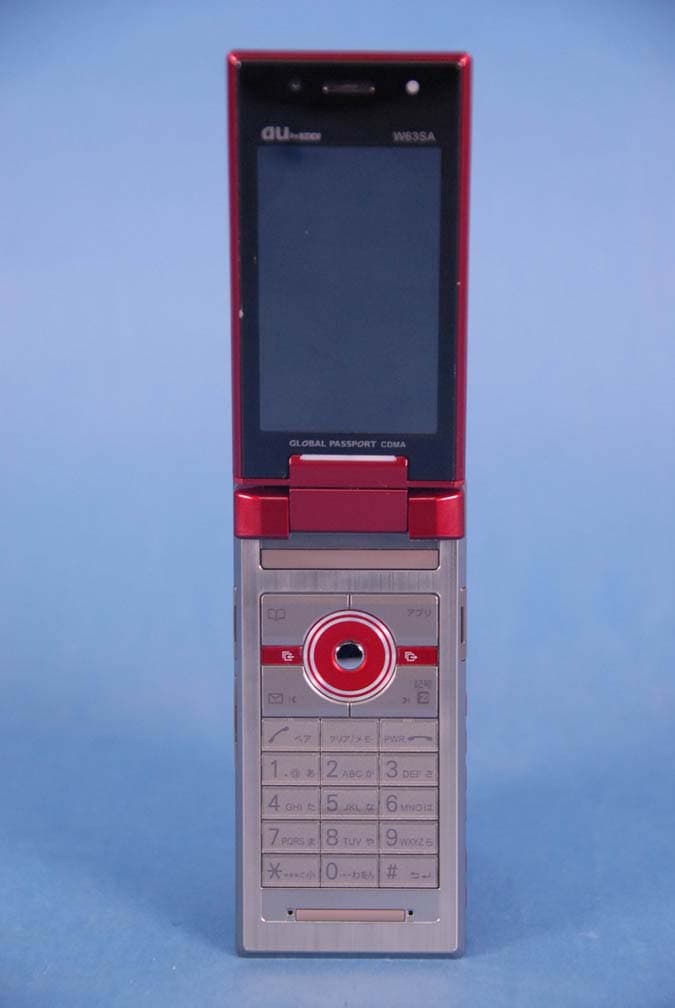
AEZW63SA
Mar 30, 2008Cellular CDMA Phone with Bluetooth
Equipment Class
TNE - Licensed Non-Broadcast Transmitter Held to Ear
AEZSCP-3800
Mar 09, 2008Cellular/ PCS CDMA Phone with Bluetooth
Equipment Class
JBP - Part 15 Class B Computing Device Peripheral
AEZSCP-25H
Sep 12, 2007Cellular/ PCS CDMA Phone with Bluetooth
Equipment Class
DSS - Part 15 Spread Spectrum Transmitter
AEZCPE-400-2C0
Jun 14, 2007W-CDMA subscriber terminal
Equipment Class
TNB - Licensed Non-Broadcast Station Transmitter
AEZNVM-4070
Jun 04, 2007PND (Personal Navigation Device)
Equipment Class
DXT - Part 15 Low Power Transceiver, Rx Verified