AEZSCP-32HCellular/ PCS CDMA/ AMPS Phone with Bluetooth
Sanyo Electric Co Ltd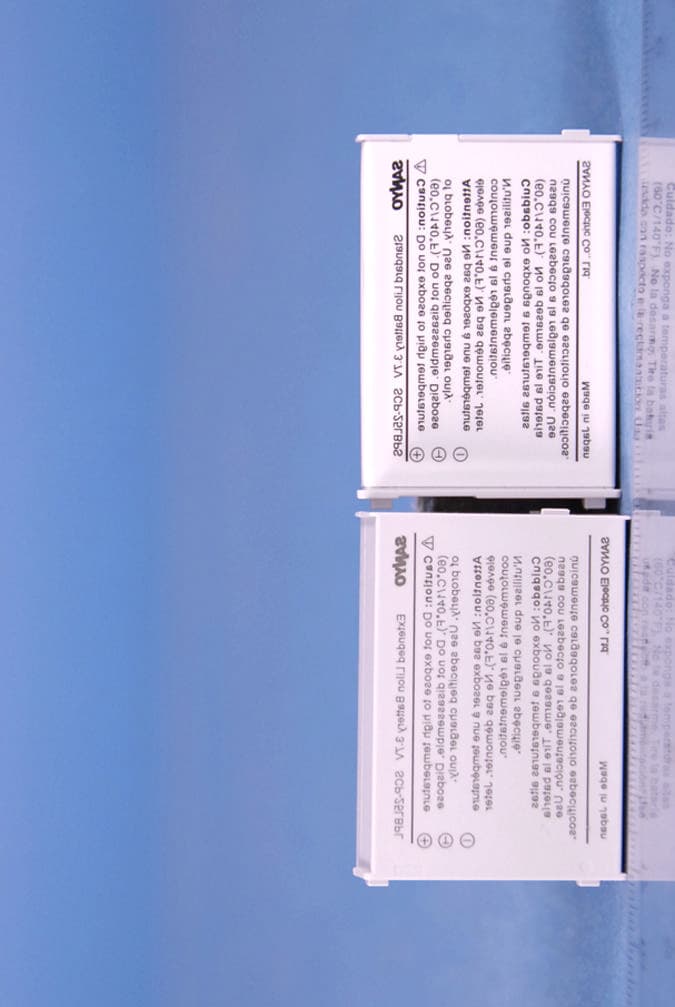
Click to zoom
Application Details
- Equipment Class
- PCE - PCS Licensed Transmitter held to ear
- Date of Grant
- Mar 06, 2007
- Application Purpose
- Original Equipment
- Date of Application
- Mar 06, 2007
- Equipment Note
- Cellular/ PCS CDMA/ AMPS Phone with Bluetooth
- Frequency Range
- 1851.25000000 - 1908.75000000
- Company
- Sanyo Electric Co Ltd
- Country
- United States
Documents & Files
Document Text
Text extracted from the exhibit documents filed with the FCC. Open a document above to read the original.
Users Manual
SCP-3200 Operating Guide (Draft) 1 Table of Contents Getting to Know Your Phone .............................................................................................. 6 Front View of Phone .............................................................................................................................. 6 Key Functions ........................................................................................................................................ 7 Viewing the Display Screen .................................................................................................................. 8 Turning Your Phone On and Off .......................................................................................................... 9 Unlocking the Phone ............................................................................................................................. 9 Using the Battery ................................................................................................................................ 10 Displaying Your Phone Number ........................................................................................................ 11 Making and Answering Calls........................................................................................... 11 Making Calls ........................................................................................................................................ 11 Dialing Options .................................................................................................................................... 11 Answering Calls ................................................................................................................................... 12 Using the Speakerphone..................................................................................................................... 13 Changing the Ringer Volume ............................................................................................................. 13 Adjusting Volume During a Conversation ........................................................................................ 13 Muting a Call ....................................................................................................................................... 13 Missed Call Notification...................................................................................................................... 13 Calling Emergency Numbers ............................................................................................................. 13 In-Call Options..................................................................................................................................... 14 End-of-Call Options ............................................................................................................................. 14 Saving a Phone Number ..................................................................................................................... 15 Finding a Phone Number ................................................................................................................... 15 Dialing and Saving Phone Numbers With Pauses ..........................................................................15 Abbreviated Dialing............................................................................................................................. 16 Dialing From the Contacts Directory ................................................................................................ 16 Using Speed Dialing ............................................................................................................................ 16 Entering Text...............................................................................................................................17 Selecting a Character Input Mode ..................................................................................................... 17 Entering Characters Using T9 Text Input........................................................................................17 Adding a Word to the T9 Database.................................................................................................... 17 Entering Characters by Tapping the Keypad................................................................................... 18 Entering Numbers, Symbols, Preset Suffix and Smileys................................................................ 19 Controlling Your Phone’s Settings................................................................................ 20 Sound Settings ..................................................................................................................................... 20 Ringer Types......................................................................................................................................... 20 Selecting Ringer Types for Voice Calls............................................................................................... 20 Selecting Ringer Types for Voicemail or Calendar/Alarm ............................................................... 20 2 Selecting Ringer Types for Messaging............................................................................................... 21 Setting Tone Length, Start-up/Power-off Tone or Voice Prompt..................................................... 21 Adjusting the Phone’s Ringer Volume ............................................................................................... 21 Alert Notification ................................................................................................................................. 22 Silence All ............................................................................................................................................. 22 Display Settings ...........................................…
Text truncated - open the document above for the full version.
External Photos
SANYO FCC ID: AEZSCP-32H EUT Photographs © 2007 PCTEST Lab. Tri-Mode Dual-Band Phone with Bluetooth Model: SCP-3200 SANYO FCC ID: AEZSCP-32H EUT Photographs © 2007 PCTEST Lab. Tri-Mode Dual-Band Phone with Bluetooth Model: SCP-3200 SANYO FCC ID: AEZSCP-32H EUT Photographs © 2007 PCTEST Lab. Tri-Mode Dual-Band Phone with Bluetooth Model: SCP-3200 SANYO FCC ID: AEZSCP-32H EUT Photographs © 2007 PCTEST Lab. Tri-Mode Dual-Band Phone with Bluetooth Model: SCP-3200 SANYO FCC ID: AEZSCP-32H EUT Photographs © 2007 PCTEST Lab. Tri-Mode Dual-Band Phone with Bluetooth Model: SCP-3200 SANYO FCC ID: AEZSCP-32H EUT Photographs © 2007 PCTEST Lab. Tri-Mode Dual-Band Phone with Bluetooth Model: SCP-3200 SANYO FCC ID: AEZSCP-32H EUT Photographs © 2007 PCTEST Lab. Tri-Mode Dual-Band Phone with Bluetooth Model: SCP-3200
ID Label/Location Info
AEZSCP-32H Rating Label
Internal Photos
SANYO FCC ID: AEZSCP-32H EUT Photographs © 2007 PCTEST Lab. Tri-Mode Dual-Band Phone with Bluetooth Model: SCP-3200 SANYO FCC ID: AEZSCP-32H EUT Photographs © 2007 PCTEST Lab. Tri-Mode Dual-Band Phone with Bluetooth Model: SCP-3200 SANYO FCC ID: AEZSCP-32H EUT Photographs © 2007 PCTEST Lab. Tri-Mode Dual-Band Phone with Bluetooth Model: SCP-3200 SANYO FCC ID: AEZSCP-32H EUT Photographs © 2007 PCTEST Lab. Tri-Mode Dual-Band Phone with Bluetooth Model: SCP-3200 SANYO FCC ID: AEZSCP-32H EUT Photographs © 2007 PCTEST Lab. Tri-Mode Dual-Band Phone with Bluetooth Model: SCP-3200 SANYO FCC ID: AEZSCP-32H EUT Photographs © 2007 PCTEST Lab. Tri-Mode Dual-Band Phone with Bluetooth Model: SCP-3200 SANYO FCC ID: AEZSCP-32H EUT Photographs © 2007 PCTEST Lab. Tri-Mode Dual-Band Phone with Bluetooth Model: SCP-3200 SANYO FCC ID: AEZSCP-32H EUT Photographs © 2007 PCTEST Lab. Tri-Mode Dual-Band Phone with Bluetooth Model: SCP-3200 SANYO FCC ID: AEZSCP-32H EUT Photographs © 2007 PCTEST Lab. Tri-Mode Dual-Band Phone with Bluetooth Model: SCP-3200 SANYO FCC ID: AEZSCP-32H EUT Photographs © 2007 PCTEST Lab. Tri-Mode Dual-Band Phone with Bluetooth Model: SCP-3200 SANYO FCC ID: AEZSCP-32H EUT Photographs © 2007 PCTEST Lab. Tri-Mode Dual-Band Phone with Bluetooth Model: SCP-3200
RF Exposure Info
Reviewed by: FCC ID: AEZSCP-32H CERTIFICATION REPORT Quality Manager SAR Filename: Test Dates: EUT Type: 06012041093 12/04/06 - 12/06/06 Tri-Mode Dual-Band Analog/PCS Phone with Bluetooth Page 1 of 27 © 2007 PCTEST Engineering Laboratory, Inc. REV 3.7C 11/30/06 Applicant Name: Date of Testing: Sanyo Electric Co Ltd 12/04/06 - 12/06/06 c/o Sanyo Fisher Company 21605 Plummer Street Test Site/Location: Chatsworth, CA 91311 PCTEST Lab, Columbia, MD, USA USA Test Report Serial No.: 0612041093 FCC ID: AEZSCP-32H APPLICANT: SANYO ELECTRIC CO LTD EUT Type: Tri-Mode Dual-Band Analog/PCS Phone with Bluetooth Application Type: Certification FCC Rule Part(s): §2.1093; FCC/OET Bulletin 65 Supplement C [July 2001] FCC Classification: Licensed Transmitter Held to Ear (PCE) Model(s): SCP-3200 Tx Frequency: 824.04 - 848.97 MHz (AMPS) 824.70 - 848.31 MHz (Cellular CDMA) 1851.25 - 1908.75 MHz (PCS CDMA) Conducted Power: 24.5 dBm AMPS / 24.0 dBm Cellular CDMA / 24.0 dBm PCS CDMA Max. SAR Measurement: 1.40 W/kg AMPS Head SAR / 0.442 W/kg AMPS Body SAR 1.25 W/kg CDMA Head SAR / 0.362 W/kg CDMA Body SAR 1.41 W/kg PCS Head SAR / 0.295 W/kg PCS Body SAR 0.233 W/kg Face SAR Test Device Serial No.: Pre-Production [S/N: A00000000030FF] This wireless portable device has been shown to be capable of compliance for localized specific absorption rate (SAR) for uncontrolled environment/general population exposure limits specified in ANSI/IEEE Std. C95.1-2005 and has been tested in accordance with the measurement procedures specified in FCC/OET Bulletin 65 Supplement C (2001) and IEEE Std. 1528-2003. I attest to the accuracy of data. All measurements reported herein were performed by me or were made under my supervision and are correct to the best of my knowledge and belief. I assume full responsibility for the completeness of these measurements and vouch for the qualifications of all persons taking them. Grant Conditions: Power output listed is ERP for Part 22 and EIRP for Part 24. SAR compliance for body-worn operating configuration is based on a separation distance 2.2 cm between the back of the unit and the body of the user. End-users must be informed of the body-worn operating requirements for satisfying RF exposure compliance. Belt clips or holsters not specified in this filing may not contain metallic components. PCTEST certifies that no party to this application has been denied the FCC benefits pursuant to Section 5301 of the Anti-Drug Abuse Act of 1988, 21 U.S.C. 862. PCTEST ENGINEERING LABORATORY, INC. 6660-B Dobbin Road, Columbia, MD 21045 USA Tel. 410.290.6652 / Fax 410.290.6554 http://www.pctestlab.com CERTIFICATE OF COMPLIANCE (SAR EVALUATION) Reviewed by: FCC ID: AEZSCP-32H CERTIFICATION REPORT Quality Manager SAR Filename: Test Dates: EUT Type: 06012041093 12/04/06 - 12/06/06 Tri-Mode Dual-Band Analog/PCS Phone with Bluetooth Page 2 of 27 © 2007 PCTEST Engineering Laboratory, Inc. REV 3.7C 11/30/06 TABLE OF CONTENTS 1 INTRODUCTION ............................................................................................................................. 3 2 TEST SITE LOCATION ................................................................................................................... 4 3 SAR MEASUREMENT SETUP ....................................................................................................... 5 4 DASY E-FIELD PROBE SYSTEM .................................................................................................. 7 5 PROBE CALIBRATION PROCESS ................................................................................................ 8 6 PHANTOM AND EQUIVALENT TISSUES...................................................................................... 9 7 DOSIMETRIC ASSESSMENT & PHANTOM SPECS................................................................... 10 8 DEFINITION OF REFERENCE POINTS ...................................................................................... 11 9 TEST CONFIGURATION POSITIONS ......................................................................................... 12 10 ANSI/IEEE C95.1-2005 RF EXPOSURE LIMITS......................................................................... 14 11 MEASUREMENT UNCERTAINTIES ............................................................................................ 15 12 SYSTEM VERIFICATION.............................................................................................................. 16 13 FCC 3G MEASUREMENT PROCEDURES – JUNE 2006 ........................................................... 17 14 SAR DATA SUMMARY ................................................................................................................. 19 15 EQUIPMENT LIST......................................................................................................................... 24 16 CONCLUSION............................................................................................................................... 25 17 REFERENCES .............................................................................................................................. 26 Reviewed by: FCC ID: AEZSCP-32H CERTIFICATION REPORT Quality Manager SAR Filename: Test Dates: EUT Type: 06012041093 12/04/06 - 12/06/06 Tri-Mode Dual-Band Analog/PCS Phone with Bluetooth Page 3 of 27 © 2007 PCTEST Engineering Laboratory, Inc. REV 3.7C 11/30/06 1 INTRODUCTION The FCC has adopted the guidelines for evaluating the environmental effects of radio frequency (RF) radiation in ET Docket 93-62 on Aug. 6, 1996 to protect the public and workers from the potential hazards of RF emissions due to FCC-regulated portable devices.[1] The safety limits used for the environmental evaluation measurements are based on the criteria published by the American National Standards Institute (ANSI) for localized specific absorption rate (SAR) in IEEE/ANSI C95.1-2005 Standard for Safety Levels with Respect to Human Exposure to Radio Frequency Elec…
Text truncated - open the document above for the full version.
RF Exposure Info
APPENDIX B: DIPOLE VALIDATION PCTEST ENGINEERING LABORATORY, INC. DUT: Dipole 835 MHz; Type: D835V2; Serial: 4d026 Communication System: CW; Frequency: 835 MHz;Duty Cycle: 1:1 Medium: 835 Brain (σ = 0.90 mho/m, ε r = 40.43, ρ = 1000 kg/m 3 ) Phantom section: Flat Section; Space: 1.5 cm Test Date: 12-04-2006; Ambient Temp: 23.3°C; Tissue Temp: 21.4°C Probe: EX3DV4 - SN3561; ConvF(7.94, 7.94, 7.94); Calibrated: 11/23/2006 Sensor-Surface: 3mm (Mechanical Surface Detection) Electronics: DAE3 Sn455; Calibrated: 10/16/2006 Phantom: SAM Main; Type: SAM 4.0; Serial: TP:1197 Measurement SW: DASY4, V4.7 Build 44; Postprocessing SW: SEMCAD, V1.8 Build 171 835MHz Dipole Validation Area Scan (7x13x1): Measurement grid: dx=15mm, dy=15mm Zoom Scan (5x5x7)/Cube 0: Measurement grid: dx=8mm, dy=8mm, dz=5mm Input Power = 24.0 dBm (250 mW) SAR(1 g) = 2.4 mW/g; SAR(10 g) = 1.58 mW/g Target SAR(1g) = 2.375 mW/g; Deviation = +1.05 % 0 dB = 2.79mW/g PCTEST ENGINEERING LABORATORY, INC. DUT: Dipole 835 MHz; Type: D835V2; Serial: 4d026 Communication System: CW; Frequency: 835 MHz;Duty Cycle: 1:1 Medium: 835 Brain (σ = 0.90 mho/m, ε r = 40.43, ρ = 1000 kg/m 3 ) Phantom section: Flat Section; Space: 1.5 cm Test Date: 12-05-2006; Ambient Temp: 23.5°C; Tissue Temp: 21.6°C Probe: EX3DV4 - SN3561; ConvF(7.94, 7.94, 7.94); Calibrated: 11/23/2006 Sensor-Surface: 3mm (Mechanical Surface Detection) Electronics: DAE3 Sn455; Calibrated: 10/16/2006 Phantom: SAM Main; Type: SAM 4.0; Serial: TP:1197 Measurement SW: DASY4, V4.7 Build 44; Postprocessing SW: SEMCAD, V1.8 Build 171 835MHz Dipole Validation Area Scan (7x13x1): Measurement grid: dx=15mm, dy=15mm Zoom Scan (5x5x7)/Cube 0: Measurement grid: dx=8mm, dy=8mm, dz=5mm Input Power = 24.0 dBm (250 mW) SAR(1 g) = 2.34 mW/g; SAR(10 g) = 1.54 mW/g Target SAR(1g) = 2.375 mW/g; Deviation = -1.47 % 0 dB = 2.72mW/g PCTEST ENGINEERING LABORATORY, INC. DUT: Dipole 835 MHz; Type: D835V2; Serial: 4d026 Communication System: CW; Frequency: 835 MHz;Duty Cycle: 1:1 Medium: 835 Brain (σ = 0.90 mho/m, ε r = 40.43, ρ = 1000 kg/m 3 ) Phantom section: Flat Section; Space: 1.5 cm Test Date: 12-06-2006; Ambient Temp: 23.2°C; Tissue Temp: 21.0°C Probe: EX3DV4 - SN3561; ConvF(7.94, 7.94, 7.94); Calibrated: 11/23/2006 Sensor-Surface: 3mm (Mechanical Surface Detection) Electronics: DAE3 Sn455; Calibrated: 10/16/2006 Phantom: SAM Main; Type: SAM 4.0; Serial: TP:1197 Measurement SW: DASY4, V4.7 Build 44; Postprocessing SW: SEMCAD, V1.8 Build 171 835MHz Dipole Validation Area Scan (7x13x1): Measurement grid: dx=15mm, dy=15mm Zoom Scan (5x5x7)/Cube 0: Measurement grid: dx=8mm, dy=8mm, dz=5mm Input Power = 24.0 dBm (250 mW) SAR(1 g) = 2.43 mW/g; SAR(10 g) = 1.6 mW/g Target SAR(1g) = 2.375 mW/g; Deviation = +2.32 % 0 dB = 2.83mW/g PCTEST ENGINEERING LABORATORY, INC. DUT: Dipole 1900 MHz; Type: D1900V2; Serial: 502 Communication System: CW; Frequency: 1900 MHz;Duty Cycle: 1:1 Medium: 1900 Brain (σ = 1.44 mho/m, ε r = 39.39, ρ = 1000 kg/m 3 ) Phantom section: Flat Section; Space: 1.0 cm Test Date: 12-05-2006; Ambient Temp: 23.1°C; Tissue Temp: 21.1°C Probe: EX3DV4 - SN3561; ConvF(6.99, 6.99, 6.99); Calibrated: 11/23/2006 Sensor-Surface: 3mm (Mechanical Surface Detection) Electronics: DAE3 Sn455; Calibrated: 10/16/2006 Phantom: SAM Sub; Type: SAM 4.0; Serial: TP:1357 Measurement SW: DASY4, V4.7 Build 44; Postprocessing SW: SEMCAD, V1.8 Build 171 1900MHz Dipole Validation Area Scan (5x7x1): Measurement grid: dx=15mm, dy=15mm Zoom Scan (5x5x7)/Cube 0: Measurement grid: dx=8mm, dy=8mm, dz=5mm Input Power = 20.0 dBm (100 mW) SAR(1 g) = 4.15 mW/g; SAR(10 g) = 2.14 mW/g Target SAR(1g) = 3.97 mW/g; Deviation = +4.53 % 0 dB = 5.18mW/g PCTEST ENGINEERING LABORATORY, INC. DUT: Dipole 1900 MHz; Type: D1900V2; Serial: 502 Communication System: CW; Frequency: 1900 MHz;Duty Cycle: 1:1 Medium: 1900 Brain (σ = 1.44 mho/m, ε r = 39.39, ρ = 1000 kg/m 3 ) Phantom section: Flat Section; Space: 1.0 cm Test Date: 12-06-2006; Ambient Temp: 23.8°C; Tissue Temp: 21.4°C Probe: EX3DV4 - SN3561; ConvF(6.99, 6.99, 6.99); Calibrated: 11/23/2006 Sensor-Surface: 3mm (Mechanical Surface Detection) Electronics: DAE3 Sn455; Calibrated: 10/16/2006 Phantom: SAM Sub; Type: SAM 4.0; Serial: TP:1357 Measurement SW: DASY4, V4.7 Build 44; Postprocessing SW: SEMCAD, V1.8 Build 171 1900MHz Dipole Validation Area Scan (5x7x1): Measurement grid: dx=15mm, dy=15mm Zoom Scan (5x5x7)/Cube 0: Measurement grid: dx=8mm, dy=8mm, dz=5mm Input Power = 20.0 dBm (100 mW) SAR(1 g) = 4.07 mW/g; SAR(10 g) = 2.1 mW/g Target SAR(1g) = 3.97 mW/g; Deviation = +2.52 % 0 dB = 5.09mW/g APPENDIX C: PROBE CALIBRATION
Test Report
Reviewed by: FCC ID: AEZSCP-32H FCC Pt. 22/24 AMPS / CDMA MEASUREMENT REPORT (CERTIFICATION) Quality Manager Test Report S/N: Test Dates: EUT Type: 0612041092 -R1 December 21-22, 2006 Tri-Mode Dual-Band Analog/PCS Phone with Bluetooth Page 1 of 52 © 2007 PCTEST Engineering Laboratory, Inc. REV 4.3TM 12/07/06 Applicant Name: Date of Testing: Sanyo Electric Co Ltd December 21-22, 2006 c/o Sanyo Fisher Company Test Site/Location: 21605 Plummer Street PCTEST Lab., Columbia, MD, USA Chatsworth, CA 91311 Test Report Serial No.: USA 0612041092 -R1 FCC ID: AEZSCP-32H APPLICANT: SANYO ELECTRIC CO LTD Application Type: Certification FCC Classification: PCS Licensed Transmitter Held to Ear (PCE) FCC Rule Part(s): §2; §22(H), §24(E) EUT Type: Tri-Mode Dual-Band Analog/PCS Phone with Bluetooth Model(s): SCP-3200 Tx Frequency Range: 824.04 - 848.97MHz (AMPS) / 824.70 - 848.31MHz (Cell. CDMA) / 1851.25 - 1908.75MHz (PCS CDMA) Rx Frequency Range: 869.04 - 893.97MHz (AMPS) / 869.70 - 893.31MHz (Cell. CDMA) / 1931.25 - 1988.75MHz (PCS CDMA) Max. RF Output Power: 0.450 W ERP AMPS (26.535 dBm) / 0.401 W ERP Cell. CDMA (26.033 dBm) / 0.666 W EIRP PCS CDMA (28.221 dBm) Max. SAR Measurement: 1.4 W/kg AMPS Head SAR, 0.442 W/kg AMPS Body SAR / 1.25 W/kg Cell. CDMA Head SAR, 0.362 W/kg Cell. CDMA Body SAR / 1.41 W/kg PCS CDMA Head SAR, 0.295 W/kg PCS CDMA Body SAR 0.233 W/kg Face SAR Emission Designator(s): 40K0F8W, 40K0F1D (AMPS) / 1M26F9W (CDMA) / 1M26F9W (PCS) Test Device Serial No.: identical prototype [S/N: A00000000030FF] This equipment has been shown to be capable of compliance with the applicable technical standards as indicated in the measurement report and was tested in accordance with the measurement procedures specified in §2.947. I attest to the accuracy of data. All measurements reported herein were performed by me or were made under my supervision and are correct to the best of my knowledge and belief. I assume full responsibility for the completeness of these measurements and vouch for the qualifications of all persons taking them. *Note: This revised Test Report (S/N: 0612041092-R1) supersedes and replaces the previously issued test report on the same subject EUT for the same type of testing as indicated. Please discard or destroy the previously issued report (S/N: 0612041092) and dispose of it accordingly. Grant Conditions: Power output listed is ERP for Part 22 and EIRP for Part 24. SAR compliance for body-worn operating configuration is based on a separation distance of 2.2cm between the back of the unit and the body of the user. End-users must be informed of the body-worn operating requirements for satisfying RF exposure compliance. Belt clips or holsters may not contain metallic components. PCTEST certifies that no party to this application has been denied the FCC benefits pursuant to Section 5301 of the Anti-Drug Abuse Act of 1988, 21 U.S.C. 862. PCTEST ENGINEERING LABORATORY, INC. 6660-B Dobbin Road, Columbia, MD 21045 USA Tel. 410.290.6652 / Fax 410.290.6554 http://www.pctestlab.com CERTIFICATE OF COMPLIANCE FCC Part 22 & 24 Certification Reviewed by: FCC ID: AEZSCP-32H FCC Pt. 22/24 AMPS / CDMA MEASUREMENT REPORT (CERTIFICATION) Quality Manager Test Report S/N: Test Dates: EUT Type: 0612041092 -R1 December 21-22, 2006 Tri-Mode Dual-Band Analog/PCS Phone with Bluetooth Page 2 of 52 © 2007 PCTEST Engineering Laboratory, Inc. REV 4.3TM 12/07/06 TABLE OF CONTENTS FCC PART 22 & 24 MEASUREMENT REPORT...........................................................................3 1.0 INTRODUCTION ..............................................................................................................................4 1.1 MEASUREMENT PROCEDURE .............................................................................................................................. 4 1.2 SCOPE ...................................................................................................................................................................... 4 1.3 TESTING FACILITY .................................................................................................................................................. 4 2.0 PRODUCT INFORMATION..............................................................................................................5 2.1 EQUIPMENT DESCRIPTION ................................................................................................................................... 5 2.2 EMI SUPPRESSION DEVICE(S)/MODIFICATIONS ................................................................................................ 5 3.0 DESCRIPTION OF TESTS ..............................................................................................................6 3.1 TRANSMITTER AUDIO FREQUENCY RESPONSE ................................................................................................ 6 3.2 AUDIO LOW PASS FILTER FREQUENCY RESPONSE ......................................................................................... 6 3.3 MODULATION LIMITING .......................................................................................................................................... 6 3.4 SIDEBAND POWER ATTENUATION LIMITS (AMPS)............................................................................................. 7 3.5 SPURIOUS AND HARMONIC EMISSIONS AT ANTENNA TERMINAL .................................................................. 7 3.6 OCCUPIED BANDWIDTH EMISSION LIMITS ......................................................................................................... 7 3.7 CELLULAR - BASE FREQUENCY BLOCKS ............................................................................................................ 8 3.8 CELLULAR - MOBILE FREQUENCY BLOCKS ........................................................................................................ 8 3.9 PCS - BASE FREQUENCY BLOCKS ..............................................................…
Text truncated - open the document above for the full version.
Test Report
Reviewed by: FCC ID: AEZSCP-32H HAC (T-COIL) TEST REPORT Quality Manager Filename: Test Dates: EUT Type: 0612051098 December 26 - 27, 2006 Tri-Mode Dual-Band Analog/PCS Phone with Bluetooth Page 1 of 34 © 2007 PCTEST Engineering Laboratory, Inc. REV 2.4C 12/07/06 Applicant Name: Date of Testing: Sanyo Fisher Company December 26 - 27, 2006 21605 Plummer Street Test Site/Location: Chatsworth, CA 91311 PCTEST Lab, Columbia, MD, USA USA Test Report Serial No.: 0612051098 FCC ID: AEZSCP-32H APPLICANT: SANYO FISHER COMPANY Scope of Test: Audio Band Magnetic Testing (T-Coil) Application Type: Certification FCC Rule Part(s): § 20.19(b), §6.3(v), §7.3(v) HAC Standard: ANSI C63.19-2006 v3.12 FCC Classification: Licensed Transmitter Held to Ear (PCE) EUT Type: Tri-Mode Dual-Band Analog/PCS Phone with Bluetooth Model(s): SCP-3200 Tx Frequency: 824.04 - 848.97 MHz (AMPS) 824.70 - 848.31 MHz (Cellular CDMA) 1851.25 - 1908.75 MHz (PCS CDMA) Test Device Serial No.: Pre-Production Sample [S/N: 80EBAC2F] HAC RF Emissions Category: M4 (ANSI C63.19-2006 v3.12) C63.19-2006 HAC Category: T4 (SIGNAL TO NOISE CATEGORY) This wireless portable device has been shown to be hearing-aid compatible under the above rated category, specified in ANSI/IEEE Std. C63.19-2006 and had been tested in accordance with the specified measurement procedures. Hearing-Aid Compatibility is based on the assumption that all production units will be designed electrically identical to the device tested in this report. I attest to the accuracy of data. All measurements reported herein were performed by me or were made under my supervision and are correct to the best of my knowledge and belief. I assume full responsibility for the completeness of these measurements and vouch for the qualifications of all persons taking them. PCTEST certifies that no party to this application has been denied the FCC benefits pursuant to Section 5301 of the Anti-Drug Abuse Act of 1988, 21 U.S.C. 862. PCTEST ENGINEERING LABORATORY, INC. 6660-B Dobbin Road, Columbia, MD 21045 USA Tel. 410.290.6652 / Fax 410.290.6554 http://www.pctestlab.com HEARING AID COMPATIBILITY CERTIFICATE Reviewed by: FCC ID: AEZSCP-32H HAC (T-COIL) TEST REPORT Quality Manager Filename: Test Dates: EUT Type: 0612051098 December 26 - 27, 2006 Tri-Mode Dual-Band Analog/PCS Phone with Bluetooth Page 2 of 34 © 2007 PCTEST Engineering Laboratory, Inc. REV 2.4C 12/07/06 TABLE OF CONTENTS 1. INTRODUCTION ............................................................................................................................. 3 2. TEST SITE LOCATION ................................................................................................................... 4 3. EUT DESCRIPTION ........................................................................................................................ 5 4. ANSI/IEEE C63.19 PERFORMANCE CATEGORIES..................................................................... 6 5. METHOD OF MEASUREMENT ...................................................................................................... 9 6. TEST SUMMARY .......................................................................................................................... 19 7. FCC 3G MEASUREMENTS – MAY 2006 ..................................................................................... 23 8. MEASUREMENT UNCERTAINTY ................................................................................................ 24 9. EQUIPMENT LIST......................................................................................................................... 25 10. CALIBRATION CERTIFICATES.................................................................................................... 26 11. CONCLUSION............................................................................................................................... 30 12. REFERENCES .............................................................................................................................. 31 ATTACHMENT A. TEST SETUP PHOTOGRAPHS .................................................................................. 33 Reviewed by: FCC ID: AEZSCP-32H HAC (T-COIL) TEST REPORT Quality Manager Filename: Test Dates: EUT Type: 0612051098 December 26 - 27, 2006 Tri-Mode Dual-Band Analog/PCS Phone with Bluetooth Page 3 of 34 © 2007 PCTEST Engineering Laboratory, Inc. REV 2.4C 12/07/06 1. INTRODUCTION On July 10, 2003, the Federal Communications Commission (FCC) adopted new rules requiring wireless manufacturers and service providers to provide digital wireless phones that are compatible with hearing aids. The FCC has modified the exemption for wireless phones under the Hearing Aid Compatibility Act of 1998 (HAC Act) in WT Docket 01-309 RM-8658 1 to extend the benefits of wireless telecommunications to individuals with hearing disabilities. These benefits encompass business, social and emergency communications, which increase the value of the wireless network for everyone. An estimated more than 10% of the population in the United States show signs of hearing impairment and of that fraction, almost 80% use hearing aids. Approximately 500 million people worldwide suffer from hearing loss. Compatibility Tests Invol…
Text truncated - open the document above for the full version.
Contact Information
Applicant
Hideaki Mukaida
Technical Contact
PCTEST Engineering Laboratory, Inc.Randy Ortanez
[email protected]410-290-6652
6660-B Dobbin Road · Columbia, Maryland · United States
Test Firm
PCTEST Engineering Laboratory, Inc.Randy Ortanez
Technical Specifications
| # | Rule Parts | Frequency Range | Power Output | Emission | Tolerance |
|---|---|---|---|---|---|
| 4 | 24E | 1.85 GHz - 1.91 GHz | 666.00 mW | 1M26F9W | 2.5 ppm |
Other Applications from Sanyo Electric Co Ltd
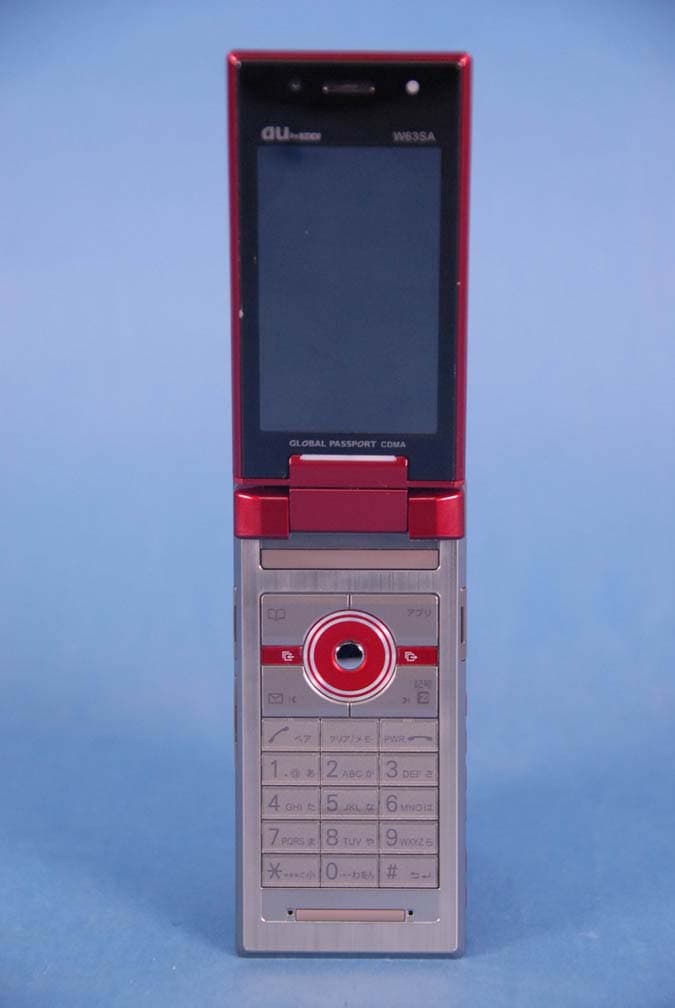
AEZW63SA
Mar 30, 2008Cellular CDMA Phone with Bluetooth
Equipment Class
TNE - Licensed Non-Broadcast Transmitter Held to Ear
AEZSCP-3800
Mar 09, 2008Cellular/ PCS CDMA Phone with Bluetooth
Equipment Class
JBP - Part 15 Class B Computing Device Peripheral
AEZSCP-25H
Sep 12, 2007Cellular/ PCS CDMA Phone with Bluetooth
Equipment Class
DSS - Part 15 Spread Spectrum Transmitter
AEZCPE-400-2C0
Jun 14, 2007W-CDMA subscriber terminal
Equipment Class
TNB - Licensed Non-Broadcast Station Transmitter
AEZNVM-4070
Jun 04, 2007PND (Personal Navigation Device)
Equipment Class
DXT - Part 15 Low Power Transceiver, Rx Verified