AEZSCP-400Dual-Mode Cellular Phone (AMPS/CDMA)
Sanyo Electric Co Ltd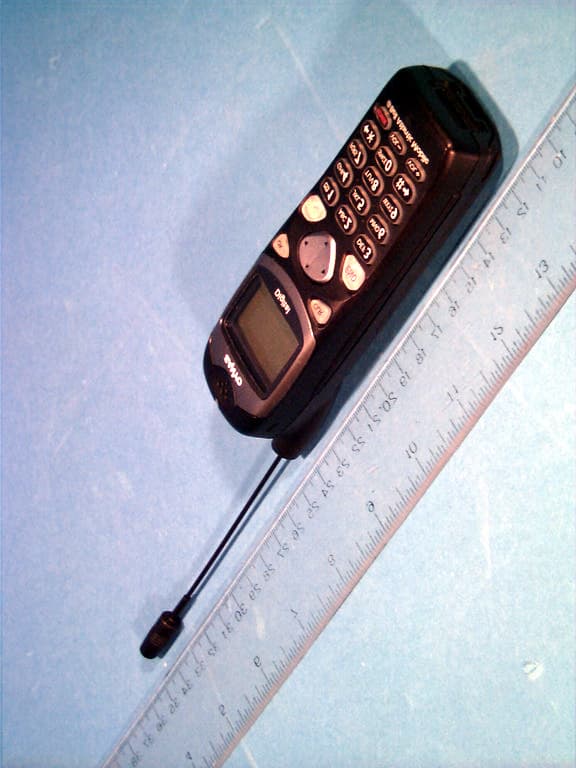
Click to zoom
Application Details
- Equipment Class
- TNE - Licensed Non-Broadcast Transmitter Held to Ear
- Date of Grant
- Mar 16, 2000
- Application Purpose
- Original Equipment
- Date of Application
- Dec 27, 1999
- Equipment Note
- Dual-Mode Cellular Phone (AMPS/CDMA)
- Frequency Range
- 824.70000000 - 848.31000000
- Company
- Sanyo Electric Co Ltd
- Country
- United States
Documents & Files
Document Text
Text extracted from the exhibit documents filed with the FCC. Open a document above to read the original.
Users Manual
SANYO Dual-Mode Phone SCP - 400 Manufactured by SANYO User Guide Please read this manual before operating the phone, and keep it for future reference. ©1999 SANYO Electric Co., Ltd. All rights reserved. Printed in Japan i Table of Contents Getting to know your phone1 Highlights1 Easy Menu Navigation Control2 Alpha Entry Using Keypad3 Front View of Phone4 Display icons: What they tell you6 Using the battery7 Installing and removing the battery7 Charging the battery7 Charging with the AC Adapter8 Using Your Phone: Basic operations to place and receive calls9 Turning your phone on and off9 Standby mode10 Power Save mode10 Making a call11 Correcting dialing mistakes11 Answering calls12 Where you can use your phone12 What you will see13 Mute14 Redialing Last Outgoing Number14 Making Emergency Calls14 ii Handy tips for easier everyday usage:15 Adjusting the Volume15 Displaying Your Phone Number15 Banner15 Backlight/Contrast Setting16 Using Caller ID17 Saving and Storing a Phone Number in your Internal Phone Book18 Searching a Name in the Internal Phone Book18 Setting the Vibrating Ringer19 Getting the most from Network Service20 Voicemail and Text Messages20 Setting Up Your Voicemail20 Finding Out You Have A Message21 Retrieving Voice Messages21 Message Erase Icon22 Page/Text Messages22 Page/Text Number Extraction23 Message Storage25 Call Waiting25 Three-Way Calling26 Call Forwarding26 Getting The Most From Your Phone27 Menu Map27 Call History31 Missed Call Notification32 Erasing Individual or All Call History33 Call Time34 Internal Phone Book35 Search Name36 Add New Entry37 Adding Multiple Phone Numbers to an Existing Entry38 Editing an Existing Phone Book Entry39 Secret Phone Book Entries39 iii Speed Dialing40 Prepend Dialing41 Pause Feature42 Storing a Number With Pauses42 Displaying/Erasing a Long Number43 Setting Your Phone’s Mode43 A/B System Selection43 Nam Name45 Nam Change45 Analog Mode Setting46 Voice Privacy46 Tones:47 Volume Setting (Ringer and Key Beep)47 Volume (Earpiece)47 Ringer Types48 Tone Length48 Alerts49 How to Lock Your Phone51 Unlock Phone51 Change the Security Code52 Restrict Calls52 Special Numbers54 Erase Phone Book54 Reset Phone55 Keypad Lock55 Auto Answer for The Hands-Free Car Kit or Headset56 Any Key Answer56 Advanced Phone Features57 Wireless Modem-Data and Fax Calls (CDMA service only)57 The Wireless Internet Browser60 Playing the “Crab Catch” Game62 Using Your Phone as a Calculator63 iv Accessories64 LiIon Batteries64 AC Adapter Charger64 Cigarette Lighter Adapter64 Dual-Slot Desktop Charger65 Leather Case65 Wireless Modem Connection Kit65 Charging Times with Accessories66 Usage guidelines: All about performance and safety67 Keeping tabs on signal strength67 Understanding Power Save mode67 Understanding how your phone operates68 Radio frequency safety68 Maintaining your phone’s peak performance69 Protecting your battery70 Driving71 Disposal of Lithium Ion batteries72 Following safety guidelines72 Using your phone near other electronic devices72 Turn off your phone before flying73 Restricting children’s access to your phone73 Turn off your phone in dangerous areas74 Cautions74 FCC notice75 Warning76 v FCC RF EXPOSURE INFORMATION In August 1996 the Federal Communications Commission (FCC) of the United States with its action in Report and Order FCC 96-326 adopted an updated safety standard for human exposure to radio frequency (RF) electromagnetic energy emitted by FCC regulated transmitters. Those guidelines are consistent with the safety standard previously set by both U.S. and international standards bodies. The design of this phone complies with the FCC guidelines and these international standards. Use only the supplied or an approved antenna. Unauthorized antennas, modifications, or attachments could impair call quality, damage the phone, or result in violation of FCC regulations. Do not use the phone with a damaged antenna. If a damaged antenna comes into contact with the skin, a minor burn may result. Please contact your local dealer for replacement antenna. Body-worn Operation This device was tested for typical body-worn operations with the back of the phone kept 0.79 inches (2 cm) from the body. To comply with FCC RF exposure requirements, a minimum separation distance of 0.79 inches (2 cm) must be maintained between the user’s body and the back of the phone, including the antenna, whether extended or retracted. Third-party belt-clips, holsters and similar accessories containing metallic components should not be used. Body-worn accessories that cannot maintain 0.79 inch (2 cm) separation distance between the user’s body and the back of the phone, and have not been tested for typical body-worn operations may not comply with FCC RF exposure limits and should be avoided. For more information about RF exposure, please visit the FCC website at www.fcc.gov WARNING! Read this information before using your phone 1 Getting to know your phone Highlights Congratulations on your purchase of a SANYO Dual-Mode Phone. This phone is lightweight, easy-to-use, reliable, and offers many significant features: •The display screen features five alphanumeric lines, one line of icons and EL (Electro-Luminescence) backlight for easy reading •Illustration, icon and text prompts inform you of messages, events and status of your phone •Easy-to-use Navigation key allows you to move easily through the menu options •Total of 300 phone numbers can be assigned to different Phone Book entries (up to 7 phone numbers per entry) •Quickly redial numbers of the last ten outgoing, incoming and missed calls •Browser that may allow you to access the Internet. 2 Easy Menu Navigation Control The Navigation key allows you to easily scroll through the menus. As you navigate throughout the menus, the menu options will be displayed (, for example). Once you’ve displayed your desired feature, simply press OK . The Navigation key and OK key are also used to change your phone’s settings. The upper half of…
Text truncated - open the document above for the full version.
Cover Letter(s)
December 28, 1999 Federal Communications Commission Equipment Approval Services 7435 Oakland Mills Road Columbia, MD 21046 SUBJECT:SANYO ELECTRIC CO., LTD. FCC ID: AEZSCP-400 Part 22 Certification Gentlemen: Attached herewith, on behalf of SANYO Electric Co., Ltd. is an application for Part 22 Certification of the following: FCC ID:AEZSCP-400 TRADE / MODEL(s):SANYO SCP-400 Equipment Class:Non-Broadcast Transmitter Held to Ear (TNE) Equipment Type:Dual-Mode Cellular Phone (AMPS/CDMA) Tx Freq. Range(s):824.04 – 848.97 MHz (AMPS) 824.70 – 848.31 MHz (CDMA) Max. RF Output Power:AMPS: 0.6 W ERP (27.8 dBm) / CDMA: 0.35 W ERP (25.44 dBm) Attached is the Letter of Authorization, Confidentiality Request, ESN Affidavit, measurement report data and plots, RF Exposure measurement report, FCC ID label and location, test setup photographs, internal and external photographs, block diagram (confidential), schematic diagram (confidential), operational description, parts list & tune-up procedure, and the user's manual. Should you have any questions or comments concerning the above, please contact the undersigned. cc:Mr. Koichi Takahashi, V.P. Marketing SANYO Fisher (USA) Corporation
External Photos
Test Report S/N: 22.991221687.AEZFCC Part 22 Test Date(s): December 21-24, 1999Certification © 1999 PCTEST Lab FCC ID: AEZSCP-400 (Tx 824-849 MHz) NVLAP Lab Code: 100431-0 SANYO Dual-Mode Cellular Phone (AMPS/CDMA) Test Report S/N: 22.991221687.AEZFCC Part 22 Test Date(s): December 21-24, 1999Certification © 1999 PCTEST Lab FCC ID: AEZSCP-400 (Tx 824-849 MHz) NVLAP Lab Code: 100431-0 SANYO Dual-Mode Cellular Phone (AMPS/CDMA) Test Report S/N: 22.991221687.AEZFCC Part 22 Test Date(s): December 21-24, 1999Certification © 1999 PCTEST Lab FCC ID: AEZSCP-400 (Tx 824-849 MHz) NVLAP Lab Code: 100431-0 SANYO Dual-Mode Cellular Phone (AMPS/CDMA) Test Report S/N: 22.991221687.AEZFCC Part 22 Test Date(s): December 21-24, 1999Certification © 1999 PCTEST Lab FCC ID: AEZSCP-400 (Tx 824-849 MHz) NVLAP Lab Code: 100431-0 SANYO Dual-Mode Cellular Phone (AMPS/CDMA) Test Report S/N: 22.991221687.AEZFCC Part 22 Test Date(s): December 21-24, 1999Certification © 1999 PCTEST Lab FCC ID: AEZSCP-400 (Tx 824-849 MHz) NVLAP Lab Code: 100431-0 SANYO Dual-Mode Cellular Phone (AMPS/CDMA) Test Report S/N: 22.991221687.AEZFCC Part 22 Test Date(s): December 21-24, 1999Certification © 1999 PCTEST Lab FCC ID: AEZSCP-400 (Tx 824-849 MHz) NVLAP Lab Code: 100431-0 SANYO Dual-Mode Cellular Phone (AMPS/CDMA) Test Report S/N: 22.991221687.AEZFCC Part 22 Test Date(s): December 21-24, 1999Certification © 1999 PCTEST Lab FCC ID: AEZSCP-400 (Tx 824-849 MHz) NVLAP Lab Code: 100431-0 SANYO Dual-Mode Cellular Phone (AMPS/CDMA)
ID Label/Location Info
© 1999 PCTEST Lab FCC ID SAMPLE LABEL & LOCATION LABELLING REQUIREMENTS PER §§ 2.925 The Label shown shall be permanently affixed at a conspicuous location on the device and be readily visible to the user at the time of purchase. (SEE NEXT PAGE)
Internal Photos
Test Report S/N: 22.991221687.AEZFCC Part 22 Test Date(s): December 21-24, 1999Certification © 1999 PCTEST Lab FCC ID: AEZSCP-400 (Tx 824-849 MHz) NVLAP Lab Code: 100431-0 SANYO Dual-Mode Cellular Phone (AMPS/CDMA) Test Report S/N: 22.991221687.AEZFCC Part 22 Test Date(s): December 21-24, 1999Certification © 1999 PCTEST Lab FCC ID: AEZSCP-400 (Tx 824-849 MHz) NVLAP Lab Code: 100431-0 SANYO Dual-Mode Cellular Phone (AMPS/CDMA) Test Report S/N: 22.991221687.AEZFCC Part 22 Test Date(s): December 21-24, 1999Certification © 1999 PCTEST Lab FCC ID: AEZSCP-400 (Tx 824-849 MHz) NVLAP Lab Code: 100431-0 SANYO Dual-Mode Cellular Phone (AMPS/CDMA) Test Report S/N: 22.991221687.AEZFCC Part 22 Test Date(s): December 21-24, 1999Certification © 1999 PCTEST Lab FCC ID: AEZSCP-400 (Tx 824-849 MHz) NVLAP Lab Code: 100431-0 SANYO Dual-Mode Cellular Phone (AMPS/CDMA) Test Report S/N: 22.991221687.AEZFCC Part 22 Test Date(s): December 21-24, 1999Certification © 1999 PCTEST Lab FCC ID: AEZSCP-400 (Tx 824-849 MHz) NVLAP Lab Code: 100431-0 SANYO Dual-Mode Cellular Phone (AMPS/CDMA) Test Report S/N: 22.991221687.AEZFCC Part 22 Test Date(s): December 21-24, 1999Certification © 1999 PCTEST Lab FCC ID: AEZSCP-400 (Tx 824-849 MHz) NVLAP Lab Code: 100431-0 SANYO Dual-Mode Cellular Phone (AMPS/CDMA) Test Report S/N: 22.991221687.AEZFCC Part 22 Test Date(s): December 21-24, 1999Certification © 1999 PCTEST Lab FCC ID: AEZSCP-400 (Tx 824-849 MHz) NVLAP Lab Code: 100431-0 SANYO Dual-Mode Cellular Phone (AMPS/CDMA) Test Report S/N: 22.991221687.AEZFCC Part 22 Test Date(s): December 21-24, 1999Certification © 1999 PCTEST Lab FCC ID: AEZSCP-400 (Tx 824-849 MHz) NVLAP Lab Code: 100431-0 SANYO Dual-Mode Cellular Phone (AMPS/CDMA) Test Report S/N: 22.991221687.AEZFCC Part 22 Test Date(s): December 21-24, 1999Certification © 1999 PCTEST Lab FCC ID: AEZSCP-400 (Tx 824-849 MHz) NVLAP Lab Code: 100431-0 SANYO Dual-Mode Cellular Phone (AMPS/CDMA) Test Report S/N: 22.991221687.AEZFCC Part 22 Test Date(s): December 21-24, 1999Certification © 1999 PCTEST Lab FCC ID: AEZSCP-400 (Tx 824-849 MHz) NVLAP Lab Code: 100431-0 SANYO Dual-Mode Cellular Phone (AMPS/CDMA) Test Report S/N: 22.991221687.AEZFCC Part 22 Test Date(s): December 21-24, 1999Certification © 1999 PCTEST Lab FCC ID: AEZSCP-400 (Tx 824-849 MHz) NVLAP Lab Code: 100431-0 SANYO Dual-Mode Cellular Phone (AMPS/CDMA) Test Report S/N: 22.991221687.AEZFCC Part 22 Test Date(s): December 21-24, 1999Certification © 1999 PCTEST Lab FCC ID: AEZSCP-400 (Tx 824-849 MHz) NVLAP Lab Code: 100431-0 SANYO Dual-Mode Cellular Phone (AMPS/CDMA) Test Report S/N: 22.991221687.AEZFCC Part 22 Test Date(s): December 21-24, 1999Certification © 1999 PCTEST Lab FCC ID: AEZSCP-400 (Tx 824-849 MHz) NVLAP Lab Code: 100431-0 SANYO Dual-Mode Cellular Phone (AMPS/CDMA) Test Report S/N: 22.991221687.AEZFCC Part 22 Test Date(s): December 21-24, 1999Certification © 1999 PCTEST Lab FCC ID: AEZSCP-400 (Tx 824-849 MHz) NVLAP Lab Code: 100431-0 SANYO Dual-Mode Cellular Phone (AMPS/CDMA) Test Report S/N: 22.991221687.AEZFCC Part 22 Test Date(s): December 21-24, 1999Certification © 1999 PCTEST Lab FCC ID: AEZSCP-400 (Tx 824-849 MHz) NVLAP Lab Code: 100431-0 SANYO Dual-Mode Cellular Phone (AMPS/CDMA) Test Report S/N: 22.991221687.AEZFCC Part 22 Test Date(s): December 21-24, 1999Certification © 1999 PCTEST Lab FCC ID: AEZSCP-400 (Tx 824-849 MHz) NVLAP Lab Code: 100431-0 SANYO Dual-Mode Cellular Phone (AMPS/CDMA) Test Report S/N: 22.991221687.AEZFCC Part 22 Test Date(s): December 21-24, 1999Certification © 1999 PCTEST Lab FCC ID: AEZSCP-400 (Tx 824-849 MHz) NVLAP Lab Code: 100431-0 SANYO Dual-Mode Cellular Phone (AMPS/CDMA)
Parts List/Tune Up Info
SCP-400 Base Band Parts List1/2 ReferenceFunctionPartPDF NoNoNAME MOBILE STATION MODEM IC201MSMMSM3000MSM3000 FLASH/SRAM IC20216MFLASH,4MSRAMM6MGT162S4BVP162S4BVP EEPROM IC203128K 2-wire serial EEPROMM24256N-AWMN6Tm24256a or AT24C256N-10SI-2.7at24c256n INVERTER IC2042-Input NAND GateTC7S00FUtc7s00fu or SN74HC1G00HDCKSN74HC1G00H TCXO AMP IC205INVERTERTC7S04FUtc7s04fu IC207INVERTERTC7S04FUtc7s04fu RESET IC2063.1V Voltage DetectorPST3431Upst34x or XC61CN3102NRXC61C or S-80831ANNPs808 CODEC CIRCUIT IC211CODECBU8732KVbu8732 Q2102SWITCHINGDTC124XEDTC124XE Q2103SWITCHING2SA17742SA1774 BUZZER DRIVER Q2104SWITCHING2SC45552SC4555 CHARGE CIRCUIT IC220Li-ion Power Supply ControlMM1485AV Q2200SWITCHINGDTC124XEDTC124XE Q2201SWITCHING2SA17742SA1774 Q2203SWITCHING2SB13862SB1386 CHARGE CIRCUIT CONTROL Q2204SWITCHINGDTC124XEDTC124XE Q2205SWITCHINGDTC115EEDTC115EE Q2206SWITCHINGDTC124XEDTC124XE AUTOMATIC POWER ON IC2302.9V Voltage DetectorPST3429Upst34x or XC61CN2902NRXC61C or S-80831ANNPs808 2/2 IC2312-Input AND GateTC7S08FUtc7s08fu or SN74AHC1G08HDCKSN74AHC1G08H IC232D-Type FLIP FLOP With Preset And ClearTC7W74FUtc7w74fu or SN74HC2G53HDCTSN74HC2G53H DC-DC CONVERTER IC240DC-DC Converter ControllerSI9161BQsi9161 Q2401SWITCHINGSI6801DQsi6801dq DC_DC CONVERTER CONTROL IC2412-Input NAND GateTC7S00FUtc7s00fu or SN74HC1G00HDCKSN74HC1G00H Q2402SWITCHING2SK30192SK3019 Q2403SWITCHING2SK30192SK3019 POWER SWITCH1 IC2452-Input NAND GateTC7S00FUtc7s00fu or SN74HC1G00HDCKSN74HC1G00H Q2400SWITCHINGSI3443DVsi3443dv Q2404SWITCHING2SC46172SC4617 Q2405SWITCHINGDTC124XEDTC124XE VOLTAGE REGULATOR IC2423.0V REGULATORR1120N301Br1120n VOLTAGE REGULATOR IC2433.0V REGULATORR1120N301Br1120n I/F LEVEL CHANGER Q2500SWITCHINGDTC124XEDTC124XE Q2501SWITCHINGDTC124XEDTC124XE Q2502SWITCHINGDTC124XEDTC124XE Q2503SWITCHINGDTC124XEDTC124XE KEYLED SWITCH Q2600SWITCHINGDTC124XEDTC124XE POWERKEY SWITCH Q2601SWITCHING2SC45552SC4555 EL DRIVER IC270EL DRIVERSM8141BVsm8142b VIBRATOR DRIVER Q2800SWITCHING2SC49982SC4984 Q2801SWITCHING2SB8152SB815 Q2802SWITCHINGDTC124XEDTC124XE A/D CONVERTER SELECT CIRCUIT IC2902-Channel Multiplexer/DemaltiplexerTC7W53FUtc7w53fu Q2900SWITCHINGDTC124XEDTC124XE Q2901SWITCHING2SK30192SK3019 CALLLED SWITCH Q2950SWITCHING2SC46172SC4617 LCD MODULE LCD01LCD MODULELCDmn86520 RF Block Part List 1/2 Capacity No.NoNoNo C110nC5110nC101100pC1511p C2100pC52100nC1021nC1523.5p C3100pC53100pC1031nC15310p C410nC54100pC104100pC15439p C510nC5510uC1052pC155100p C610nC561uC1062pC1585p C710nC5710uC108100pC1591n C8100nC581uC109100pC16010n C910nC59100nC1105pC16310n C10100pC60100nC111100pC16412p C111nC61100nC115100pC1665p C1210nC63100nC116100pC1675p C131nC64100nC11739pC168100p C141uC6510nC1181nC16910n C151nC66100nC119100nC17010n C1610nC671nC122100pC17110n C1710nC6847pC1230.5pC17210n C1810nC6910nC1241nC173100p C1910nC701pC125100pC17410p C2010nC711nC126100nC175100p C2110nC7222pC12710pC176100p C2210nC73100nC1285600pC17810n C2310nC7410nC129100pC1790.5p C2410nC75100pC1311uC18115p C2510nC761pC1321uC1839p C2610nC7822pC13322pC1844p C2747pC79220nC134100p C2847pC8039pC1356p C299pC815pC136100n C3068nC822.5pC137100p C3156pC839pC139100p C3256pC840.5pC1401n C33100nC851nC1411n C341nC86470pC142100n C3515pC871nC143100n C36100pC891nC144100n C3710nC901nC145100n C381uC911nC1491n C3910nC921uC1504.5p C4010nC931n C411nC941n C421nC951n C431uC961n C441uC97100p C4510nC981n C461nC991u C4710uC10012p C4810u C491n C501u RF Block Part List 2/2 ResisterLDiode, Transister & IC NoNoNoNo R0R5139kL127nD1MA2S728 R14.7kR52150kL20.56uD2MA2S728 R24.7kR5310L356nD3MA2S304 R32.2kR54120L40.56uD4MA2S304 R4100kR552.2kL60.22uD5MA2S304 R51.5kR562.2kL80.18uD6MA2S304 R622kR5810kL90.18uQ2UN9113J R72.2kR590L104.7nQ32SC4725 R822kR6027kL110.12uQ4XC62DN2502M R910kR611k L1210nQ52SA1955A R100R621kL160.1uQ6DTC124XE R1110kR6410kL170.22uQ72SA1955A R133.3kR6527L1822nQ8DTC124XE R1410kR6882L1912nQ92SC4725 R1510kR690L2018nIC2CE053R836DCA R16470R701.2kL2122nIC3TC75S55FUEL R173.3kR714.7kL228.2nIC4UN0135C002TD R1839kR72680L2318nIC5GN01094B R19680R733.3kL2418nIC6CMY211-EL R20470R750L2622nIC7MPC8151TB R21470R760L278.2nIC8GN01096B R220R771.5kL2868nIC9GN02035B R2310kR785.6L2912nIC10MPG155TB R2410kR790L3027nIC11AN8000MS R25680R804.7kL3239nIC12MB15E03SLBEF R262.2kR810L331.5nIC13SI3443DV R2733kR824.7kL3447nIC14LM2664 R284.7kR8315kL3633nIC15TK11128M R2910kR840L3815nIC16TK11130M R304.7kR8510kL4022nIC17TK11130M R3122R900L4115nIC18TC75S51FUEL R320R91390L4218nIC19TC7S04FUEL R3310kR940L435.6nIC20MB15C129BEF R3447R993.3kL4412nIC21TC4W53FUEL R35100kR1010L4647nIC22TC7S08FUEL R36220R1020L486.8nIC231FT3000-TQF R370R10347L4927nIC241FR3000-TQF R3910kR104390L51220n R4010kR105390L5318n R4110kL5518n R4210kL5633n R4368kL578.2n R4468kL5815n R4515kL6315n R464.7kL6415n R470L651.5n R480L662.2n R491.5k R501.5k
Parts List/Tune Up Info
PAGE 1 SCP-400S/H US Adjustment Description for Mass production. Model Code NO.1-163-265-00 Model NO. SCP-400S/H US Eng.SectionPersonal Telecommunication Division Technical Engineering Department RF Section NAMEA.Shimahara No.Contents 1Set-Up for Tune-Up and Adjustment of Transmitter 2Alignment Procedure 3Adjustment Value Minor Change Version NO. PAGE 2 1.Set-Up for Tune-Up and Adjustment of Transmitter PC-OUT/POWER-SUPPLY RF Cable *HP8924 Must need to Calibrate before Adjustment. 1. Power on and Setup to Config Menu Shift + Test Key). 2. Setup to Service Menu and Change to "TEMP_SENSE" of Voltmeter Connection . 3. After 30 minutes, Check for TEMP_SENSE Meter Stabilization or 0.5V =50 . 4. Setup Protocol to "TSB-74" and RF chan std to "MS AMPS" . SCP-400 Handset5. Change to CDMA Scrns and Change AVG Power mode to Chan Power mode. Shield Box 6. Start Calibration About 3 minutes Transmitter tester calibration . 7. Next, Return to Config Menu and Start Rfgen Lvl Calibration few Seconds). GPIB Control Cable DC-POWER SUPPLY Controller Personal Computer HP8924 CDMA Mobile Station Test Set PAGE 3 2Alignment Procedure (1)Adjustment Procedure Controller(Personal Computer) SETUPIAMPS Adjustment ModeIICDMA Adjustment Mode SCP-400 Handset Connect,Power ONTx-Power ADJ.Rx-RASRAM ADJ. Division of NG IAMPS Mesurement ModeRSSI ADJ.Rx-Frequency ADJ. NG Adjustment Adjustment Value Setting Frequency Sens. ADJ.LNA ADJ. NV Value Compare with Specification Tx Frequency ADJ.Tx-RASRAM,LIMIT ADJ. OK Write Value to EEPROM ENDTx Frequency ADJ. Division of NGLimit Frequency ADJ. IICDMA Adjustment Mode END Adjustment Adjustment Value Setting NG NV Value Compare with Specification OK Write Value to EEPROM END POWER OFF Get Out SCP-400 Handset PAGE 4 (2)Measurement Procedure Controller(Personal Computer) SETUPIAMPS Measurement modeIICDMA Measurement mode SCP-400 Handset Connect,Power ONTx-Frequency Err Rate.Single Tone Desens. Division of NG IAMPS Measurement ModeTx-Power Lv (0-7)AWGN Measurement Mode Setup and MesurementDeviation LimittingFrquency ERR. Rate NG Adjustment Value Compare with Specification Wideband DataOpen-Loop Power OK POWER OFF Get Out SCP-400 Handset SAT LevelClosed-Loop Power Audio LevelMinimum Cntl.Power CDMA Measurement System SETUP Division of NGAudio DistortionReceiver Sensitivity IICDMA Measurement Mode SINAD(799,383,991ch)Maximum Output Power Measurement Mode Setup and Mesurement NGTx Conducted-SpuriusConducted Spurious Adjustment Value Compare with Specification OKENDEND POWER OFF Get Out SCP-400 Handset END 3.Adjustment ValuePAGE 5 1.AMPS Adjustment ITEMSub-ITEMHandset Setup(Internal Setup)HP8924 SetupAdj. ValueAccuracy of NV-Value Tx-Power AdjustmentPL=0,1,2Normal Test ModeAMPS Mode+26.5dBm PL=3Tx AGC SET : 3-2-3-2Txpower :dBm Mode+24.0dBm PL=4+20.0dBm PL=5+16.0dBm PL=6+12.0dBm PL=7+ 8.0dBm Tx-Power FrequencyBk 0=1017chFCC Test Mode PL=0 +26.5dBm AdjustmentBk 1=46ch+26.5dBm Bk 2=98ch+26.5dBm Bk 3=150ch+26.5dBm Bk 4=202ch+26.5dBm Bk 5=254ch+26.5dBm Bk 6=306ch+26.5dBm Bk 7=358ch+26.5dBm Bk 8=410ch+26.5dBm Bk 9=462ch+26.5dBm Bk10=514ch+26.5dBm Bk11=566ch+26.5dBm Bk12=618ch+26.5dBm Bk13=670ch+26.5dBm Bk14=722ch+26.5dBm Bk15=774ch+26.5dBm Frequency SensibilityFCC Test Mode : AMPSAF ANL Mode8KHz dev.dev. 8Khz±0.1Khz AdjustmentTx : ST,CH : 358Detector : Pk±Max DE-EMPH:750usNV_FM_FREQ_SENSE_GAIN_I Fil1:>20hz,Fil2:<99khz pass RSSI Adjustment-85dBm InFCC TEST Mode -85dBm RF ;-113dBm RF -85dBm : NV_FM_RSSI_I -113dBm InRSSI=Filter*100+AgcRSSI*47BAR4 BAR1 *Handset SETUP & HP8923 SETUP is Auto Set by Controller(Personal Computer). PAGE 6 2.CDMA RX Adjustment ITEMSub-ITEMHandset Setup(Internal Setup)HP8924 SetupAdj. ValueAccuracy of NV-Value Rx-RASRAMTable 1Normal Mode CDMA Ch=358 :SG LV=-106.0dBm -106.0dBm AdjustmentTable 2OFF Line Mode SG LV=-100.6dBm-100.6dBm Table 3 SG LV=-95.3dBm-95.3dBm Table 4SG LV=-90.0dBm-90.0dBm Table 5SG LV=-84.7dBm-84.7dBm Table 6SG LV=-79.4dBm-79.4dBm Table 7SG LV=-74.1dBm-74.1dBm Table 8SG LV=-68.8dBm-68.8dBm Table 9SG LV=-63.5dBm-63.5dBm Table 10SG LV=-58.1dBm-58.1dBm Table 11SG LV=-52.8dBm-52.8dBm Table 12SG LV=-47.5dBm-47.5dBm Table 13SG LV=-42.2dBm-42.2dBm Table 14SG LV=-36.9dBm-36.9dBm Table 15SG LV=-31.6dBm-31.6dBm Table 16SG LV=-26.3dBm-26.3dBm Table 17SG LV=-21.0dBm-21.0dBm RX AGC FrequencyBk 0=1017chNormal ModeRF INPUT(SG) LV=-63.5dBmAGC DIFF. AdjustmentBk 1=46chReference ch :358chChange to Channel 16 Time.AGC DIFF. Bk 2=98chDeference of Center ch AGCsym.AGC DIFF. Bk 3=150chChange to Channel 16 Time.AGC DIFF. Bk 4=202chOFF Line ModeAGC DIFF. Bk 5=254chAGC DIFF. Bk 6=306chAGC DIFF. Bk 7=358chCenter CH Bk 8=410chAGC DIFF. Bk 9=462chAGC DIFF. Bk10=514chAGC DIFF. Bk11=566chAGC DIFF. Bk12=618chAGC DIFF. Bk13=670chAGC DIFF. Bk14=722chAGC DIFF. Bk15=774chAGC DIFF. PAGE 7 ITEMSub-ITEMHandset Setup(Internal Setup)HP8924 SetupAdj. ValueAccuracy of NV-Value LNA1.LNAOffsetLNA Gain Active Point SettingReference ch :358ch Adjustment 2.LNASlopeLNA Gain Slope Setting 3.LNAMINLNA vs RFin Active Point 4.LNAMAXLNA Active SPAN Setting PAGE 8 3.CDMA TX & TX-LIMIT Adjustment ITEMSub-ITEMHandset Setup(Internal Setup)HP8924 SetupAdj. ValueAccuracy of NV-Value Tx-RASRAMNomal Test ModeCDMA Ch=358ch+23.5dBm AdjustmentSG level is ccording to the transmission-50.0dBm power level of MS &TOTAL:36Parametor Symbol -50.0dBm +23.5dBm Tx-LimitTable 1CDMA Ch=358ch+11.75dBm AdjustmentTable 2+13.1dBm Table 3+14.4dBm Table 4+15.7dBm Table 5+17.1dBm Table 6+18.4dBm Table 7+19.7dBm Table 8+21.1dBm Table 9+22.4dBm Table 10+23.7dBm Table 11+25.1dBm Table 12+26.4dBm Table 13+27.7dBm Table 14+29.0dBm Table 15+30.4dBm Table 16+31.7dBm OFFSETOffset : 18.4dB(Table 6)+19.7dBm SPNSpn : 26.4dBm(Table 12)+29.0dBm PAGE 9 4.Tx AGC Frequency Adjustment and Tx Limit Frequency Adjustment. TX AGC FrequencyBk 0=1017chNomal Test ModeRF INPUT(SG) LV=-92.0dBmTx-Pow diff. AdjustmentBk 1=46chReference ch :358chChange to Channel 16 Time.Tx-Pow diff. Bk 2=98chDifference of Center ch AGCsym.Tx-Pow diff. Bk 3=150chChange to C…
Text truncated - open the document above for the full version.
RF Exposure Info
© 1999 PCTEST Engineering Lab., Inc. PCTEST Engineering Laboratory, Inc. 6660-B 6660-B DobbinDobbin Road Road •• Columbia, MD 21045 Columbia, MD 21045 •• U.S.A. U.S.A. TEL (410) 290-6652 TEL (410) 290-6652 •• FAX (410) 290-6654 FAX (410) 290-6654 http://www.pctestlab.comhttp://www.pctestlab.com CERTIFICATE OF COMPLIANCE (SAR EVALUATION) SANYO ELECTRIC CO., LTD.Dates of Tests: December 21-24, 1999 c/o Sanyo Sales & Supply (USA) Corp.Test Report S/N: SAR.991221688.AEZ 900 North Arlington Heights Road, Suite 300Test Site: PCTEST Lab, Columbia, MD Itasca, IL 60143-2844 Attn: Mr. Koichi Takahashi, V.P. Marketing SANYO Fisher (USA) Corporation FCC ID AEZSCP-400 APPLICANT SANYO ELECTRIC CO., LTD. EUT Type:Dual-Mode Cellular Phone (AMPS/CDMA) Tx Frequency:824.04 – 848.97 MHz (AMPS) / 824.70 – 848.31 MHz (CDMA) Rx Frequency:869.04 – 893.97 MHz (AMPS) / 869.70 – 893.31 MHz (CDMA) Max. RF Output Power:AMPS: 0.6 W ERP (27.8 dBm) / CDMA: 0.35 W ERP (25.44 dBm) Trade Name/Model(s):SANYO SCP-400 FCC Classification:Non-Broadcast Transmitter held to ear (TNE) Application Type:Certification Serial Number:n/a (pre production) FCC Rule Part(s):2.1093; ET Docket 96.326; 22(H) This wireless portable device has been shown to be capable of compliance for localized specific absorption rate (SAR) for uncontrolled environment/general population exposure limits specified in ANSI/IEEE Std. C95.1-1992 and had been tested in accordance with the measurement procedures specified in ANSI/IEEE Std. C95.3-1992. (See Test Report). I attest to the accuracy of data. All measurements reported herein were performed by me or were made under my supervision and are correct to the best of my knowledge and belief. I assume full responsibility for the completeness of these measurements and vouch for the qualifications of all persons taking them. NVLAP accreditation does not constitute any product endorsement by NVLAP or any agency of the United States Government. PCTEST certifies that no party to this application has been denied the FCC benefits pursuant to Section 5301 of the Anti-Drug Abuse Act of 1988, 21 U.S.C. 853(a). 991221688.AEZ SAR Measurement ReportFCC Part 22 Certification © 1999 PCTEST Labi Table of Contents 1.1 SCOPE 1 2.1 INTRODUCTION / SAR DEFINITION 2 3.1 SAR MEASUREMENT SET-UP 3 4.1 E-FIELD PROBE SYSTEM 4 5.1 E-FIELD PROBE CALIBRATION PROCESS 5 5.3 DATA EXTRAPOLATION 6 6.1 PHANTOM, HOLDER & EQUIVALENT TISSUES 7 7.1 SYSTEM SPECIFICATIONS 8 8.1 MEASUREMENT PROCESS 9 9.1 TEST POSITION OF THE PHONE 10 10.1 BODY-WORN CONFIGURATION 11 11.1 ANSI/IEEE C95.1 RF EXPOSURE LIMITS 12 12.1 MEASUREMENT UNCERTAINTIES 13 13.1 TEST DATA SUMMARY 14 13.3 BODY-WORN TEST DATA SUMMARY15 14.1 SAR TEST EQUIPMENT LIST 16 15.1 CONCLUSION 17 16.1 REFERENCES 18 Test Report S/N: SAR.991221688.AEZSAR Measurement Report Test Dates: December 21-24, 1999FCC Part 22 Certification Dual-Mode Cellular Phone (AMPS/CDMA) © 1999 PCTEST LabSANYO FCC ID: AEZSCP-400 (Tx 824-849 MHz)1 SAR MEASUREMENT REPORT 1.1 Scope Environmental evaluation measurements of specific absorption rate 1 (SAR) distributions in simulated human head and body tissues exposed to radiofrequency (RF) radiation from wireless portable devices for compliance with the rules and regulations of the U.S. Federal Communications Commission (FCC). 2 Applicant:SANYO ELECTRIC CO., LTD. c/o Sanyo Sales & Supply (USA) Corp. Address:900 North Arlington Heights Road, Suite 300 Itasca, IL 60143-2844 Attention:Mr. Koichi Takahashi, V.P. Marketing SANYO Fisher (USA) Corporation • EUT Type:Dual-Mode Cellular Phone • Trade Name:SANYO • Model(s):SCP-400 • FCC IDENTIFIER:AEZSCP-400 • S/N:Pre-production • Tx Frequency:824.04 – 848.97 MHz (AMPS) 824.70 – 848.31 MHz (CDMA) • Rx Frequency:869.04 – 893.97 MHz (AMPS) 869.70 – 893.31 MHz (CDMA) • Application Type: Certification • FCC Classification:Non-Broadcast Transmitter Held to Ear (TNE) • FCC Rule Part(s):§ 2.1093, Docket 96-326; § 22(H) • Modulation(s):AMPS / CDMA • Max. RF Output Power:AMPS: 0.6W ERP (27.8 dBm) CDMA: 0.35W ERP (25.44 dBm) • Antenna Type:Helical (λ/2) • Antenna Dimensions:10.5 cm. (Length) • Dates of Tests:December 21-24, 1999 • Place of Tests:PCTEST Engineering Lab. Columbia, MD, U.S.A. • Report Serial No.:SAR.991221688.AEZ 1 Specific Absorption Rate (SAR) is a measure of the rate of energy absorption due to exposure to an RF transmitting source (wireless portable device). 2 IEEE/ANSI Std. C95.1-1992 limits are used to determine compliance with FCC ET Docket 93-62. Fig. 1 SAR Test Setup Test Report S/N: SAR.991221688.AEZSAR Measurement Report Test Dates: December 21-24, 1999FCC Part 22 Certification Dual-Mode Cellular Phone (AMPS/CDMA) © 1999 PCTEST LabSANYO FCC ID: AEZSCP-400 (Tx 824-849 MHz)2 2.1 INTRODUCTION The FCC has adopted the guidelines for evaluating the environmental effects of radiofrequency radiation in ET Docket 93-62 on Aug. 6, 1996 to protect the public and workers from the potential hazards of RF emissions due to FCC-regulated portable devices.[1] The safety limits used for the environmental evaluation measurements are based on the criteria published by the American National Standards Institute (ANSI) for localized specific absorption rate (SAR) in IEEE/ANSI C95.1-1992 Standard for Safety Levels with Respect to Human Exposure to Radio Frequency Electromagnetic Fields, 3 kHz to 300 GHz. (c) 1992 by the Institute of Electrical and Electronics Engineers, Inc., New York, New York 10017.[2] The measurement procedure described in IEEE/ANSI C95.3-1992 Recommended Practice for the Measurement of Potentially Hazardous Electromagnetic Fields - RF and Microwave[3] is used for guidance in measuring SAR due to the RF radiation exposure from the Equipment Under Test (EUT). These criteria for SAR evaluation are similar to those recommended by the National Council on Radiation Protection and Measurements (NCRP) in Biological Effects and Exposure Criteria for Radiofrequency Electromagnetic Fields,” NCRP Report No. 86 (c) NCRP, 1986, Bethesda, …
Text truncated - open the document above for the full version.
RF Exposure Info
SANYO FCC ID: AEZSCP-400 Brain SAR Generic Twin Phantom; Left Hand Section; Probe: ET3DV5 - SN1368 -- Probe Cal Date 2/99 Medium Parameters 835MHz: σ = 0.86 mho/m ε r = 42.5 ρ = 1.00 g/cm 3 Antenna Position -- In; Crest Factor 1.0 SAR (1g): 0.702 mW/g, SAR (10g): 0.481 mW/g SANYO Dual-Mode Model: SCP-400 FM Mode, Ch.991 [824.04MHz] Conducted Power = 27.0dBm Test Date: 12-21-1999 SAR Tot [mW/g] 7.08E-2 3.54E-1 6.37E-1 PCTEST ENGINEERING LAB INC. SANYO FCC ID: AEZSCP-400 Brain SAR Generic Twin Phantom; Left Hand Section; Probe: ET3DV5 - SN1368 -- Probe Cal Date 2/99 Medium Parameters 835MHz: σ = 0.86 mho/m ε r = 42.5 ρ = 1.00 g/cm 3 Antenna Position -- Out; Cr…
Text truncated - open the document above for the full version.
Contact Information
Applicant
Hideaki Mukaida
Technical Contact
PCTEST Engineering Lab., Inc.Randy Ortanez
[email protected]410-290-6652
6660-B Dobbin Road · Columbia, Maryland · United States
Non-Technical Contact
PCTEST Engineering Lab., Inc.Randy Ortanez
[email protected]410-290-6652
Test Firm
PCTEST Engineering Laboratory, Inc.Randy Ortanez
Technical Specifications
| # | Rule Parts | Frequency Range | Power Output | Emission | Tolerance |
|---|---|---|---|---|---|
| 3 | 22.901(d) | 824.7 MHz - 848.31 MHz | 350.00 mW | 1M25F9W | 2.5 ppm |
Other Applications from Sanyo Electric Co Ltd
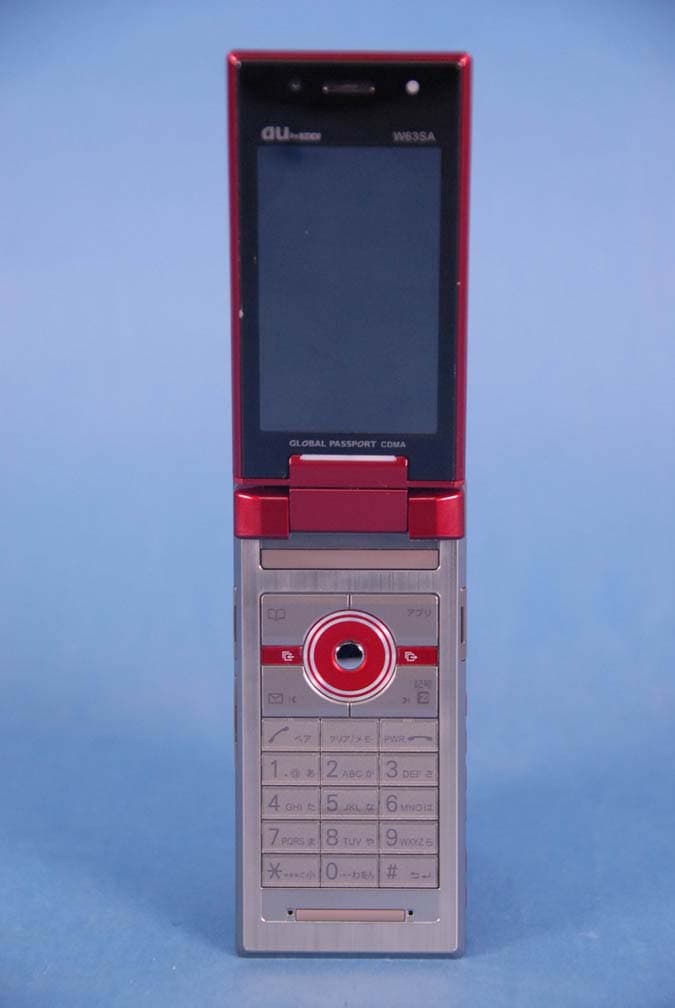
AEZW63SA
Mar 30, 2008Cellular CDMA Phone with Bluetooth
Equipment Class
TNE - Licensed Non-Broadcast Transmitter Held to Ear
AEZSCP-3800
Mar 09, 2008Cellular/ PCS CDMA Phone with Bluetooth
Equipment Class
JBP - Part 15 Class B Computing Device Peripheral
AEZSCP-25H
Sep 12, 2007Cellular/ PCS CDMA Phone with Bluetooth
Equipment Class
DSS - Part 15 Spread Spectrum Transmitter
AEZCPE-400-2C0
Jun 14, 2007W-CDMA subscriber terminal
Equipment Class
TNB - Licensed Non-Broadcast Station Transmitter
AEZNVM-4070
Jun 04, 2007PND (Personal Navigation Device)
Equipment Class
DXT - Part 15 Low Power Transceiver, Rx Verified