ALH29473120UHF-FM Hand Held Transceiver
Kenwood USA Corporation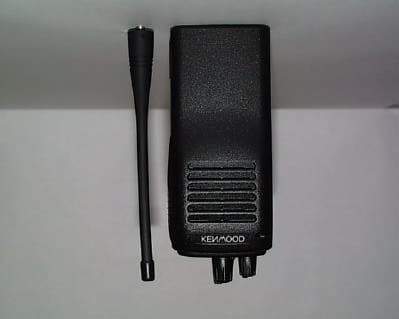
Click to zoom
Application Details
- Equipment Class
- TNF - Licensed Non-Broadcast Transmitter Held to Face
- Date of Grant
- Feb 19, 2001
- Application Purpose
- Original Equipment
- Date of Application
- Mar 01, 2000
- Equipment Note
- UHF-FM Hand Held Transceiver
- Frequency Range
- 470.00000000 - 490.00000000
- Company
- Kenwood USA Corporation
- Country
- United States
Documents & Files
Document Text
Text extracted from the exhibit documents filed with the FCC. Open a document above to read the original.
Users Manual
INSTRUCTION MANUAL TK-270G/ TK-370G TK-278G/ TK-378G MANUAL DE INSTRUCCIONES INSTRUCTION MANUAL KENWOOD CORPORATION © B62-1113-00 (K,M,C) 09 08 07 06 05 04 03 02 01 00 VHF FM TRANSCEIVER/ UHF FM TRANSCEIVER TRANSCEPTOR DE FM VHF/ TRANSCEPTOR DE FM UHF VHF FM TRANSCEIVER/ UHF FM TRANSCEIVER TK-270G/ TK-370G TK-278G/ TK-378G TK-270G/ TK-370G TK-278G/ TK-378G TK-270G/ TK-370G TK-278G/ TK-378G VHF FM TRANSCEIVER/ UHF FM TRANSCEIVER INSTRUCTION MANUAL ENGLISH WARNING: EXPLOSIVE ATMOSPHERES (GASES, DUST, FUMES, etc.) Turn off your transceiver while taking on fuel, or while parked in gasoline service stations. uGOVERNMENT LAW PROHIBITS THE OPERATION OF UNLICENSED RADIO TRANSMITTERS WITHIN THE TERRITORIES UNDER GOVERNMENT CONTROL. uILLEGAL OPERATION IS PUNISHABLE BY FINE OR IMPRISONMENT OR BOTH. uREFER SERVICE TO QUALIFIED TECHNICIANS ONLY. SAFETY: It is important that the operator is aware of and understands hazards common to the operation of any transceiver. THANK YOU We are grateful you chose KENWOOD for your land mobile radio applications. We believe this easy-to-use transceiver will provide dependable communications to keep personnel operating at peak efficiency. KENWOOD transceivers incorporate the latest in advanced technology. As a result, we feel strongly that you will be pleased with the quality and features of this product. MODELS COVERED BY THIS MANUAL • TK-270G: VHF FM Transceiver • TK-278G: VHF FM Transceiver • TK-370G: UHF FM Transceiver • TK-378G: UHF FM Transceiver NOTICES TO THE USER i One or more of the following statements may be applicable: FCC WARNING This equipment generates or uses radio frequency energy. Changes or modifications to this equipment may cause harmful interference unless the modifications are expressly approved in the instruction manual. The user could lose the authority to operate this equipment if an unauthorized change or modification is made. INFORMATION TO THE DIGITAL DEVICE USER REQUIRED BY THE FCC This equipment has been tested and found to comply with the limits for a Class B digital device, pursuant to Part 15 of the FCC Rules. These limits are designed to provide reasonable protection against harmful interference in a residential installation. This equipment generates, uses and can generate radio frequency energy and, if not installed and used in accordance with the instructions, may cause harmful interference to radio communications. However, there is no guarantee that the interference will not occur in a particular installation. If this equipment does cause harmful interference to radio or television reception, which can be determined by turning the equipment off and on, the user is encouraged to try to correct the interference by one or more of the following measures: •Reorient or relocate the receiving antenna. •Increase the separation between the equipment and receiver. •Connect the equipment to an outlet on a circuit different from that to which the receiver is connected. •Consult the dealer for technical assistance. ATTENTION (U.S.A. Only): The RBRC Recycle seal found on KENWOOD nickel-cadmium (Ni-Cd) battery packs indicates KENWOOD’s voluntary participation in an industry program to collect and recycle Ni-Cd batteries after their operating life has expired. The RBRC program is an alternative to disposing Ni-Cd batteries with your regular refuse or in municipal waste streams, which is illegal in some areas. For information on Ni-Cd battery recycling in your area, call (toll free) 1-800-8-BATTERY (1-800-822-8837). KENWOOD’s involvement in this program is part of our commitment to preserve our environment and conserve our natural resources. ii PRECAUTIONS Observe the following precautions to prevent fire, personal injury, and transceiver damage. • Do not modify this transceiver for any reason. • Do not expose the transceiver to long periods of direct sunlight, nor place it close to heating appliances. • Do not place the transceiver in excessively dusty, humid, and/or wet areas, nor on unstable surfaces. • If an abnormal odor or smoke is detected coming from the transceiver, switch OFF the power immediately and remove the optional battery pack from the transceiver. Contact your KENWOOD dealer. iii CONTENTS UNPACKING AND CHECKING EQUIPMENT................... 1 Supplied Accessories...................................... 1 PREPARATION.................................................. 3 Charging the Optional NiCd Battery Pack.................. 3 Installing/ Removing the Optional NiCd Battery Pack..... 4 Installing the Antenna..................................... 5 Installing the Belt Clip..................................... 5 Installing the Hand Strap.................................. 5 Installing the Cap over the Speaker/ Microphone Jacks ... 6 Installing the Optional Speaker/ Microphone........... 6 GETTING ACQUAINTED........................................ 7 Display...................................................... 9 PROGRAMMABLE AUXILIARY FUNCTIONS................ 10 OPERATING BASICS........................................... 11 Switching Power ON/OFF................................ 11 Adjusting the Volume..................................... 11 Selecting a Group or Channel........................... 11 Adjusting the Squelch Level............................. 12 Placing a Call.............................................. 13 Receiving a Call........................................... 13 CHANNEL SCAN............................................... 14 Priority Scan............................................... 15 Channel Lockout.......................................... 15 Revert Channel............................................ 15 DTMF CALLS................................................... 16 Manual Dialling............................................ 16 iv Storing DTMF Numbers.................................... 17 Confirming Stored DTMF Numbers..................... 17 Dialling Stored DTMF Numbers......................... 18 Clearing St…
Text truncated - open the document above for the full version.
Users Manual
RADIO FREQUENCY SAFETY INFORMATION This KENWOOD transceiver has been tested and complies with the standards listed below, in regards to Radio Frequency (RF) energy and electromagnetic energy (EME) generated by the transceiver. • FCC RF exposure limits for Occupational Use Only • FCC OET Bulletin 65 Edition 97-01 Supplement C • American National Standards Institute (C95.1 – 1992) • American National Standards Institute (C95.3 – 1992) This KENWOOD transceiver generates RF EME while transmitting. The transceiver has been designed for and is classified as Occupational Use Only. This means you can use the transceiver only if you are aware of the hazards of operating a transceiver and are familiar in ways to minimize these hazards. This transceiver is not intended for use by the general public in uncontrolled environments. The following list provides you with the information required to ensure you are aware of RF exposure and of how to operate this transceiver so that the FCC RF exposure limitations are not exceeded. • While transmitting (holding the PTT switch), always keep the antenna at least 3 cm (1 3/16 inches) from your body, as well as from any bystanders. • Do not transmit for more than 50% of the total transceiver use time; transmitting over 50% of the total use time may exceed the limits in accordance to the FCC RF exposure requirements. Nominal transceiver operation is 5% transmission time, 5% reception time, and 90% stand-by time. • Use only the specified antenna for this transceiver; this may be either the antenna provided with the transceiver or another antenna authorized by the manufacturer. • Use only KENWOOD authorized accessories (antennas, battery packs, belt clips, etc.): KRA-5 antenna, KB8-8DS optional swivel belt loop, J29-0624-03 supplied belt clip To ensure that your exposure to RF EME is within the FCC limits for occupational use, you must observe and adhere to the above points. Electromagnetic Interference Compatibility Electronic devices are susceptible to electromagnetic interference (EMI) if they are not adequately shielded or designed for electromagnetic compatibility. Because this transceiver generates RF energy, it can cause interference to such equipment. • Turn OFF your transceiver where signs are posted to do so. Hospitals and health care facilities use equipment that is sensitive to electromagnetic radiation. • Turn OFF your transceiver while on board an aircraft when so instructed. Use of the transceiver must be in accordance with airline regulations and/or crew instructions.
Block Diagram
Block diagram(Right) Model name]TK-370GK2/TK-360GK2 FCC ID:ALH29473120
Block Diagram
Block diagram(Left side view) Model name:TK-370GK2/TK-360GK2 FCC ID:ALH29473120
Cover Letter(s)
L:\MFA\FCC letter re Bill Graff.doc May 23, 2000 Federal Communications Commission Gentlemen: Please be advised that William H. (Bill) Graff is no longer employed by M. Flom Associates, Inc. in any capacity nor as a consultant. The only contact person to replace him is Morton Flom, P. Eng., President. Telephone number: 480 926 3100, FAX: 480 926 3598, email: general@mflom. Regards, Morton Flom, P. Eng., President M. Flom Associates, Inc.
External Photos
BOTTOM VIEW Model name:TK-370GK2/TK-360GK2 FCC ID:ALH29473120
External Photos
FRONT VIEW (8Ch version) Model name:TK-360GK2/TK-370GK2 FCC ID:ALH29473129
External Photos
FRONT VIEW (128ch Version) Model name:TK-370GK2/TK-360GK3 FCC ID:ALH29473120
External Photos
LEFT SIDE VIEW Model name:TK-370GK2/TK-360GK2 FCC ID:ALH29473120
External Photos
REAR VIEW Model name:TK-370GK2/TK-360GK2 FCC ID:ALH29473120
External Photos
RIGHT SIDE VIEW Model name:TK-370GK2/TK-360GK2 FCC ID:ALH29473120
External Photos
TOP VIEW Model name:TK-370GK2/TK-360GK2 FCC ID:ALH29473120
Internal Photos
NAME PLATE VIEW Model name:TK-370GK2/TK-360GK2 FCC ID:ALH29473120
Internal Photos
PCB FINAL MODULE VIEW Model name:TK-370GK2/TK-360GK2 FCC ID:ALH29473120
Internal Photos
PCB REAR VIEW Model name:TK-370GK2/TK-360GK2 FCC ID:ALH29473120
Internal Photos
PCB FRONT VIEW Model name:TK-370GK2/TK-360GK2 FCC ID:ALH29473120
Parts List/Tune Up Info
(FCC ID:ALH29473120) (FCC ID:ALH29473120) TK-260G/TK-270G and TK-360G/TK-370G Tuning Procedure Before attempting to tune the transceiver, connect the unit to a suitable power supply. Whenever the transmitter tuned, must be connected to a suitable dummy load, unless the instruction specify otherwise. The speaker output connector must be terminated with a 8ohms dummy load at any time during the tuning and connected to an AC voltmeter and an audio distortion meter or a SINAD measurement meter at all the time during the tuning. 1-1 Adjusting Mode Connect with the Radio and Personal Computer to COMPUTER PROGRAMMING INTERFACE(KPG-8 or KPG-22) 1-2 Tuning Items Battery Warning Level RF Power Squelch Threshold Level(Tight) Squelch Threshold Level(Open) QT Deviation DQT Deviation QT Balance DQT Balance DTMF Deviation Single Tone Deviation 1-3 Test Mode Starting Test Mode, select the Tuning Frequency and Signaling. 1-3-1 Open the Program Menu of Window. 1-3-2 Press [T] or use [ ↓ ][ ↑ ] keys to Test Mode, then Press the [Enter]. 1-3-3 Starting the Test Mode channel and Signaling after Tuning Data Read. 1-3-4 Use [ ← ][ → ] keys to select channel then use [ ↓ ][ ↑ ] keys to select channel number then Press the [Enter]. 1-3-5 Use [ ← ][ → ] keys to select Signaling then use [ ↓ ][ ↑ ] keys to select Signaling number 12 waves. 1-3-6 Press the [Space],[F2] then Transmitter on. 1-3-7 Back to Reception during transmitter use [Space],[F2]. (FCC ID:ALH29473120) (FCC ID:ALH29473120) 2-1 Tuning Mode Starting Tuning Mode from Test Mode. 2-1-1 Press the [F10] during the TEST MODE CHANNEL & SIGNALING MODE then starting Tuning Mode and message Window open. Tuning Mode Battery Warning Level RF High Power RF Low Power QT VCO Balance QT TCXO Balance DQT VCO Balance DQT TCXO Balance Max Deviation QT Fine Deviation DQT Fine Deviation DTMF Fine Deviation Single Tone Fine Deviation Sensitivity Squelch(Tight) Squelch(Open) 2-1-2 Use [ ↓ ][ ↑ ] keys select tuning item [Battery Warning Level] then press [Enter]. 2-1-3 Use [ ← ][ → ] keys to adjust the level then press [Enter]. 2-1-4 Select tuning item [RF High Power] then press [Enter]. 2-1-5 Use [ ← ][ → ] keys to adjust the level then press [Enter]. 2-1-6 Select tuning item [RF Low Power] then press [Enter]. 2-1-7 Use [ ← ][ → ] keys to adjust the level then press [Enter]. 2-1-8 Select tuning item [QT VCO Balance] then press [Enter]. 2-1-9 Use [ ← ][ → ] keys to adjust the level then press [Enter]. 2-1-10 Select tuning item [QT TCXO Balance] then press [Enter]. 2-1-11 Use [ ← ][ → ] keys to adjust the level then press [Enter]. 2-1-12 Select tuning item [DQT VCO Balance] then press [Enter]. 2-1-13 Use [ ← ][ → ] keys to adjust the level then press [Enter]. 2-1-14 Select tuning item [DQT TCXO Balance] then press [Enter]. 2-1-15 Use [ ← ][ → ] keys to adjust the level then press [Enter]. (FCC ID:ALH29473120) (FCC ID:ALH29473120) 2-1-16 Select tuning item [Max Deviation] then press [Enter]. 2-1-17 Use [ ← ][ → ] keys to adjust the level then press [Enter]. 2-1-18 Select tuning item [QT Fine Deviation] then press [Enter]. 2-1-19 Use [ ← ][ → ] keys to adjust the level then press [Enter]. 2-1-20 Select tuning item [DQT Fine Deviation] then press [Enter]. 2-1-21 Use [ ← ][ → ] keys to adjust the level then press [Enter]. 2-1-22 Select tuning item [DTMF Fine Deviation] then press [Enter]. 2-1-23 Use [ ← ][ → ] keys to adjust the level then press [Enter]. 2-1-24 Select tuning item [Single Tone Fine Deviation] then press [Enter]. 2-1-25 Use [ ← ][ → ] keys to adjust the level then press [Enter]. 2-1-26 Select tuning item [Sensitivity] then press [Enter]. 2-1-27 Use [ ← ][ → ] keys to adjust the level then press [Enter]. 2-1-28 Select tuning item [Squelch(Tight)] then press [Enter]. 2-1-29 Use [ ← ][ → ] keys to adjust the level then press [Enter]. 2-1-30 Select tuning item [Squelch(Open)] then press [Enter]. 2-1-31 Use [ ← ][ → ] keys to adjust the level then press [Enter]. Press [Esc] then finish the TEST MODE.
RF Exposure Info
Operating Efficiency & Safety (a mandatory FCC Statement) This statement attests to the fact that the following text will be included in the Instruction Manual supplied with the radio device when delivered to the end-user. PROFESSIONAL INSTALLATION REQUIRED: To comply with FCC RF Safety rules & avoid possible harmful exposure, this radio device must be professionally installed. ANTENNA: As supplied by your dealer. For any proposed changes, please contact your dealer. ANTENNA GAIN: Must not exceed 0 dB as referenced to a dipole. CAUTION: To comply with FCC RF Exposure limits, a separation distance equal to, or more than as shown below must be maintained between the antenna of this radio device and person/s. MINIMUM SEPARATION DISTANCE FROM ANTENNA: 4 cm at 50 % duty cycle MAXIMUM DUTY CYCLE FACTOR: 50% transmit, 50% receiver. Do not operate the transmitter in excess of six minutes at any one time. NOTE: Use only with the dealer supplied 0 dbd-gain antenna. Consult your dealer for use with other antennas.
RF Exposure Info
2 3000 Bristol Circle, Oakville, Ontario, Canada L6H 6G4 Telephone (905) 829-1570 Facsimile (905) 829-8050 November 16, 2000 M. FLOM ASSOCIATES, INC. 3356 NORTH SAN MARCOS PLACE CHANDLER, AZ 85225 USA Attn.:Mr. Morton Flom Subject:Verification Testing in accordance with SAR (Specific Absorption Rate) requirements using guidelines established in: IEEE C95.1-1991, FCC OET Bulletin 65 (Supplement C) Industry Canada RSS-102 (Issue 1) ACA Radiocommunications (Electromagnetic Radiation – Human Exposure) Amendment Standard 2000 (No. 1) Product:KENWOOD Model No.: TK-370G-2 Dear Mr. Flom, The product sample has been tested in accordance with SAR (Specific Absorption Rate) requirements using guidelines established in IEEE C95.1-1991, FCC OET Bulletin 65 (Supplement C), Industry Canada RSS-102 (Issue 1)and ACA Radiocommunications (Electromagnetic Radiation – Human Exposure) Amendment Standard 2000 (No. 1), and the results and observation were recorded in the engineering report, Our File No.: MFA- 004-SAR Enclosed you will find a copy of the engineering report. If you have any queries, please do not hesitate to contact us. Yours truly, Tri Minh Luu, P.Eng Vice President - Engineering Encl. UltraTech Group of Labs November 16, 2000 File No.: MFA-004-SAR Kenwood Corporation One Ang Mo Koio Street 63 Singapore, Singapore, 5691100 USA NOT TRANSFERABLE This Verification Certificate is hereby issued to the named GRANTEE and is VALID ONLY for the equipment identified hereon for use under the rules and regulations listed below: GRANTEE'S NAME:Kenwood Corporation PRODUCT UNDER TEST:KENWOOD MODEL NO.:TK-370G-2 FCC ID:ALH29473120 OPERATING FREQUENCY RANGE:470.05 – 489.95 MHz NOMINAL RF OUTPUT POWER:4.0 W Peak/Average MAXIMUM S.A.R.:4.660 W/Kg APPLICABLE STANDARDS:SAR (Specific Absorption Rate) requirements using guidelines established in IEEE C95.1-1991, FCC OET Bulletin 65 (Supplement C), Industry Canada RSS-102 (Issue 1) and ACA Radiocommunications (Electromagnetic Radiation – Human Exposure) Amendment Standard 2000 (No. 1) • Assessed by ITI (UK) Competent Body, NVLAP (USA) Accreditation Body & ACA/AUSTEL (Australia), VCCI (Japan) • Accredited by Industry Canada (Canada) under ACC-LAB (Europe/Canada MRA and APEC/Canada MRA) • Recognized/Listed by FCC (USA ) • All test results contained in this engineering test report are traceable to National Institute of Standards and Technology (NIST Technology (NIST) Approved by: Tri M. Luu, P.Eng. V.P. – Engineering UltraTech 3000 Bristol Circle, Oakville, Ontario, Canada, L6H 6G4 Telephone (905) 829-1570 Facsimile (905) 829-8050 Website: www.ultratech-labs.com Email: [email protected] KENWOOD Model No.: TK-370G-2 Tested For Kenwood Corporation One Ang Mo Koio Street 63 Singapore, Singapore, 5691100 USA In Accordance With SAR (Specific Absorption Rate) Requirements using guidelines established in IEEE C95.1-1991, FCC OET Bulletin 65 (Supplement C), Industry Canada RSS-102 (Issue 1) and ACA Radiocommunications (Electromagnetic Radiation – Human Exposure) Amendment Standard 2000 (No. 1) UltraTech's File No.: MFA-004-SAR This Test report is Issued under the Authority of Tri M. Luu, Professional Engineer, Vice President of Engineering UltraTech Group of Labs Date: November 27, 2000 Report Prepared by: Carolyn LuuTested by: JaeWook Choi, SAR Engineer Issued Date: November 16, 2000Test Dates: November 7, 2000 The results in this Test Report apply only to the sample(s) tested, which has been randomly selected. UltraTech 3000 Bristol Circle, Oakville, Ontario, Canada, L6H 6G4 Telephone (905) 829-1570 Facsimile (905) 829-8050 Website: www.ultratech-labs.com Email: [email protected] SPECIFIC ABSORPTION RATIO (SAR)Page 1 IEEE C95.1-1991, FCC OET Bulletin 65 (Supplement C), Industry Canada RSS-102(Issue 1) and ACA Radiocommunications (Electromagnetic Radiation – Human Exposure) Amendment Standard 2000 (No. 1) KENWOOD Model No.: TK-370G-2 ULTRATECH GROUP OF LABSFile #: MFA-004-SAR 3000 Bristol Circle, Oakville, Ontario, Canada L6H 6G4November 16, 2000 Tel. #: 905-829-1570, Fax. #: 905-829-8050, Email: [email protected], Website: http://www.ultratech-labs.com • Assessed by ITI (UK) Competent Body, NVLAP (USA) Accreditation Body & ACA/AUSTEL (Australia), VCCI (Japan) • Accredited by Industry Canada (Canada) under ACC-LAB (Europe/Canada MRA and APEC/Canada MRA) • Recognized/Listed by FCC (USA ) • All test results contained in this engineering test report are traceable to National Institute of Standards and Technology (NIST) TABLE OF CONTENTS EXHIBIT 1.INTRODUCTION..................................................................................................................................................................3 1.1.SCOPE..............................................................................................................................................................................................3 1.2.REFERENCES..................................................................................................................................................................................3 EXHIBIT 2.PERFORMANCE ASSESSMENT......................................................................................................................................4 2.1.CLIENT AND MANUFACTURER INFORMATION................................................................................................................4 2.2.DEVICE UNDER TEST (DUT) DESCRIPTION...........................................................................................................................4 2.3.LIST OF DUT’S ACCESSORIES:.................................................................................................................................................5 2.4.SPECIAL CHANGES ON THE DUT’S HARDWARE/SOFTWARE FOR TESTING PURPOSES....................................10 2.5.ANCILLARY EQUIPMENT......................................................................…
Text truncated - open the document above for the full version.
RF Exposure Info
RADIO FREQUENCY SAFETY INFORMATION This KENWOOD transceiver has been tested and complies with the standards listed below, in regards to Radio Frequency (RF) energy and electromagnetic energy (EME) generated by the transceiver. • FCC RF exposure limits for Occupational Use Only • FCC OET Bulletin 65 Edition 97-01 Supplement C • American National Standards Institute (C95.1 – 1992) • American National Standards Institute (C95.3 – 1992) This KENWOOD transceiver generates RF EME while transmitting. The transceiver has been designed for and is classified as Occupational Use Only. This means you can use the transceiver only if you are aware of the hazards of operating a transceiver and are familiar in ways to minimize these hazards. This transceiver is not intended for use by the general public in uncontrolled environments. The following list provides you with the information required to ensure you are aware of RF exposure and of how to operate this transceiver so that the FCC RF exposure limitations are not exceeded. • While transmitting (holding the PTT switch), always keep the antenna at least 3 cm (1 3/16 inches) from your body, as well as from any bystanders. • Do not transmit for more than 50% of the total transceiver use time; transmitting over 50% of the total use time may exceed the limits in accordance to the FCC RF exposure requirements. Nominal transceiver operation is 5% transmission time, 5% reception time, and 90% stand-by time. • Use only the specified antenna for this transceiver; this may be either the antenna provided with the transceiver or another antenna authorized by the manufacturer. • Use only KENWOOD authorized accessories (antennas, battery packs, belt clips, etc.). To ensure that your expsure to RF EME is within the FCC limits for occupational use, you must observe and adhere to the above points. Electromagnetic Interference Compatibility Electronic devices are susceptible to electromagnetic interference (EMI) if they are not adequately shielded or designed for electromagnetic compatibility. Because this transceiver generates RF energy, it can cause interference to such equipment. • Turn OFF your transceiver where signs are posted to do so. Hospitals and health care facilities use equipment that is sensitive to electromagnetic radiation. • Turn OFF your transceiver while on board an aircraft when so instructed. Use of the transceiver must be in accordance with airline regulations and/or crew instructions.
Schematics
SCHEMATIC DIAGRAM(Interconnecting) Model name:TK-370GK2/TK-360GK2 FCC ID:ALH29473120
Schematics
SCHEMATIC DIAGRAM(Bottom left) Model name:TK-370GK2/TK-360GK2 FCC ID:ALH29473120
Schematics
SCHEMATIC DIAGRAM(Bottom right) Model name:TK-370GK2/TK-360GK2 FCC ID:ALH29473120
Schematics
SCHEMATIC DIAGRAM(Display unit) Model name:TK-370GK2/TK-360GK2 FCC ID:ALH29473120
Schematics
SCHEMATIC DIAGRAM(Top left) Model name:TK-370GK2/TK-360GK2 FCC ID:ALH29473120
Schematics
SCHEMATIC DIAGRAM(Top right) Model name:TK-370GK2/TK-360GK2 FCC ID:ALH29473120
Test Report
FCC ID: ALH29473120 MFA p0020021, d0030003 Date: March 2, 2000 Federal Communications Commission Via: Electronic Filing Attention: Authorization & Evaluation Division Applicant: Kenwood Communications Corporation Equipment: TK-370G-2 and TK-360G-2 FCC ID: ALH29473120 FCC Rules: 90 Gentlemen: On behalf of the Applicant, enclosed please find Application Form 731, Engineering Test Report and all pertinent documentation, the whole for approval of the referenced equipment as shown. Filing fees are attached. We trust the same is in order. Should you need any further information, kindly contact the writer who is authorized to act as agent. Sincerely yours, William H. Graff, Director of Engineering enclosure(s) cc: Applicant WHG/cvr FCC ID: ALH29473120 MFA p0020021, d0030003 LIST OF EXHIBITS (FCC CERTIFICATION (TRANSMITTERS) - REVISED 9/28/98) APPLICANT: Kenwood Communications Corporation FCC ID: ALH29473120 BY APPLICANT: 1. LETTER OF AUTHORIZATION 2. IDENTIFICATION DRAWINGS, 2.1033(c)(11) LABEL LOCATION OF LABEL COMPLIANCE STATEMENT LOCATION OF COMPLIANCE STATEMENT 3. PHOTOGRAPHS, 2.1033(c)(12) 4. DOCUMENTATION: 2.1033(c) (3) USER MANUAL (9) TUNE UP INFO (10) SCHEMATIC DIAGRAM (10) CIRCUIT DESCRIPTION BLOCK DIAGRAM PARTS LIST ACTIVE DEVICES 5. PART 90.203(e) & (g) ATTESTATION BY M.F.A. INC. A. TESTIMONIAL & STATEMENT OF CERTIFICATION B. STATEMENT OF QUALIFICATIONS FCC ID: ALH29473120 MFA p0020021, d0030003 Sub-part 2.1033(c): EQUIPMENT IDENTIFICATION FCC ID: ALH29473120 NAMEPLATE DRAWING ATTACHED, EXHIBIT 1. LOCATION AS PER LABEL DRAWING(S) DATE OF REPORT March 2, 2000 SUPERVISED BY: William H. Graff, Director of Engineering FCC ID: ALH29473120 MFA p0020021, d0030003 THE APPLICANT HAS BEEN CAUTIONED AS TO THE FOLLOWING: 15.21 INFORMATION TO USER. The users manual or instruction manual for an intentional radiator shall caution the user that changes or modifications not expressly approved by the party responsible for compliance could void the user's authority to operate the equipment. 15.27(a) SPECIAL ACCESSORIES. Equipment marketed to a consumer must be capable of complying with the necessary regulations in the configuration in which the equipment is marketed. Where special accessories, such as shielded cables and/or special connectors are required to enable an unintentional or intentional radiator to comply with the emission limits in this part, the equipment must be marketed with, i.e. shipped and sold with, those special accessories. However, in lieu of shipping or packaging the special accessories with the unintentional or intentional radiator, the responsible party may employ other methods of ensuring that the special accessories are provided to the consumer, without additional charge. Information detailing any alternative method used to supply the special accessories for a grant of equipment authorization or retained in the verification records, as appropriate. The party responsible for the equipment, as detailed in § 2.909 of this chapter, shall ensure that these special accessories are provided with the equipment. The instruction manual for such devices shall include appropriate instructions on the first page of text concerned with the installation of the device that these special accessories must be used with the device. It is the responsibility of the user to use the needed special accessories supplied with the equipment. FCC ID: ALH29473120 MFA p0020021, d0030003 TABLE OF CONTENTS RULE DESCRIPTION PAGE . Test Report 1 2.1033(c) General Information Required 2 2.1033(c)(14) Rule Summary 5 . Standard Test Conditions and Engineering Practices 6 2.1046(a) Carrier Output Power (Conducted) 7 2.1046(a) R. F. Power Output (Radiated) 9 2.1051 Unwanted Emissions (Transmitter Conducted) 11 2.1053(a) Field Strength of Spurious Radiation 15 2.1049(c)(1) Emission Masks (Occupied Bandwidth) 18 90.214 Transient Frequency Behavior 25 2.1047(a) Audio Low Pass Filter (Voice Input) 35 2.1047(a) Audio Frequency Response 38 2.1047(b) Modulation Limiting 40 2.1055(a)(1) Frequency Stability (Temperature Variation) 43 2.1055(b)(1) Frequency Stability (Voltage Variation) 46 2.202(g) Necessary Bandwidth and Emission Bandwidth 47 FCC ID: ALH29473120 MFA p0020021, d0030003 PAGE NO. 1 of 47. Required information per ISO/IEC Guide 25-1990, paragraph 13.2: a) TEST REPORT b) Laboratory: (FCC: 31040/SIT) (Canada: IC 2044) M. Flom Associates, Inc. 3356 N. San Marcos Place, Suite 107 Chandler, AZ 85224 c) Report Number: d0030003 d) Client: Kenwood Communications Corporation P.O. Box 22745 Long Beach, CA 90801-5745 e) Identification: TK-370G-2 and TK-360G-2 FCC ID: ALH29473120 Description: UHF FM Handheld Portable Transceiver f) EUT Condition: Not required unless specified in individual tests. g) Report Date: March 2, 2000 EUT Received: February 25, 2000 h, j, k): As indicated in individual tests. i) Sampling method: No sampling procedure used. l) Uncertainty: In accordance with MFA internal quality manual. m) Supervised by: William H. Graff, Director of Engineering n) Results: The results presented in this report relate only to the item tested. o) Reproduction: This report must not be reproduced, except in full, without written permission from this laboratory. FCC ID: ALH29473120 MFA p0020021, d0030003 PAGE NO. 2 of 47. LIST OF GENERAL INFORMATION REQUIRED FOR CERTIFICATION IN ACCORDANCE WITH FCC RULES AND REGULATIONS, VOLUME II, PART 2 AND TO 90 Sub-part 2.1033 (c)(1): NAME AND ADDRESS OF APPLICANT: Kenwood Communications Corporation 2201 E. Dominguez St P.O. Box 22745 Long Beach, CA 90801-5745 MANUFACTURER: Kenwood Electronics Technologies PTE Ltd. 1 Ang Mo Kio Street 63 Singapore 569110 (c)(2): FCC ID: ALH29473120 MODEL NO: TK-370G-2 and TK-360G-2 (c)(3): INSTRUCTION MANUAL(S): PLEASE SEE ATTACHED EXHIBITS (c)(4): TYPE OF EMISSION: 16K0F3E, 11K0F3E (c)(5): FREQUENCY RANGE, MHz: 470 to 490 (c)(6): POWER RATING, Watts: 0.5 to 4 Switchable x Variable N/A FCC GRANT NOTE: (c)(7): MAXIMUM POWER RATING, Watts: 300 FCC ID: AL…
Text truncated - open the document above for the full version.
Test Report
FCC ID: ALH29473120 MFA p0020021, d0040008 PAGE NO.9 of 47. AMENDED June 12, 2000 NAME OF TEST: R. F. Power Output (Radiated) SPECIFICATION: 47 CFR 2.1046(a) TEST EQUIPMENT: As p…
Text truncated - open the document above for the full version.
Contact Information
Applicant
Angelina Seay(Regulatory Support Engineer)
Technical Contact
M. Flom Associates, IncWilliam H Graff
[email protected]480 926 3100
3356 N. San Marcos Place · Chandler, Arizona · United States
Non-Technical Contact
M. Flom Associates, IncMorton Flom
[email protected]480 926 3100
Test Firm
M. Flom Associates, Inc.Morton Flom
Technical Specifications
| # | Rule Parts | Frequency Range | Power Output | Emission | Tolerance |
|---|---|---|---|---|---|
| 2 | 90.21 | 470 MHz - 490 MHz | 4 W | 11K0F3E | 2.5 ppm |
Other Applications from Kenwood USA Corporation
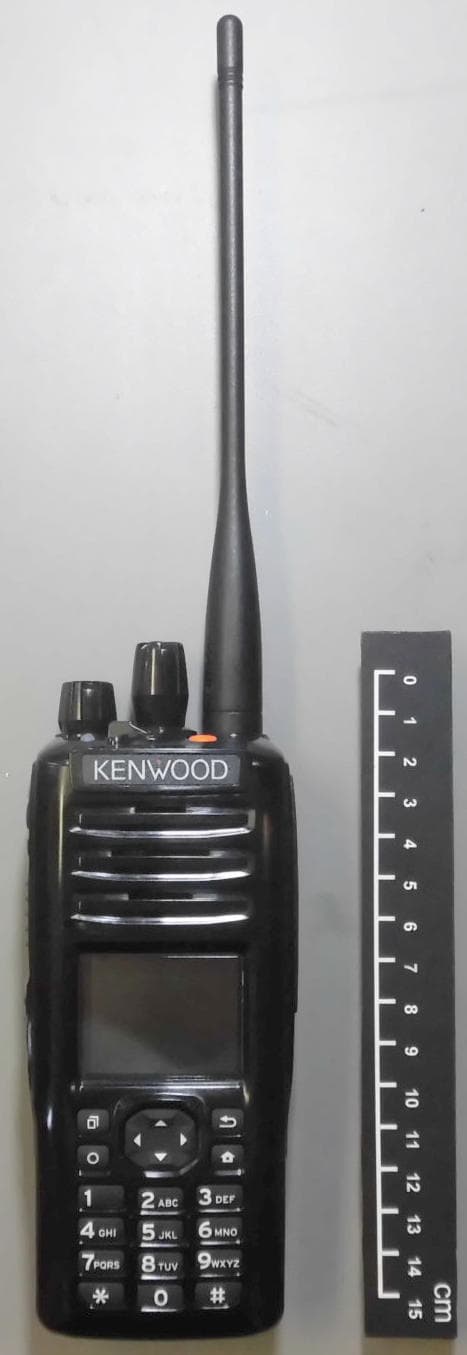
ALH442000
Jul 06, 2014Push to talk radio.
Equipment Class
DXX - Part 15 Low Power Communication Device Transmitter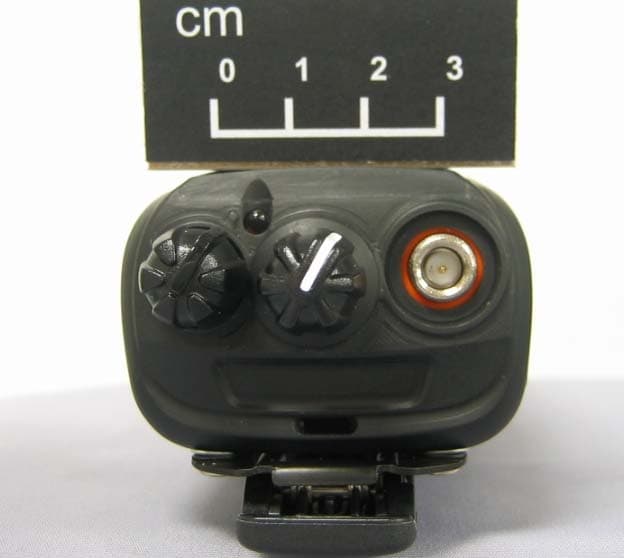
ALH443801
Dec 09, 2013UHF Digital Transceiver
Equipment Class
TNF - Licensed Non-Broadcast Transmitter Held to Face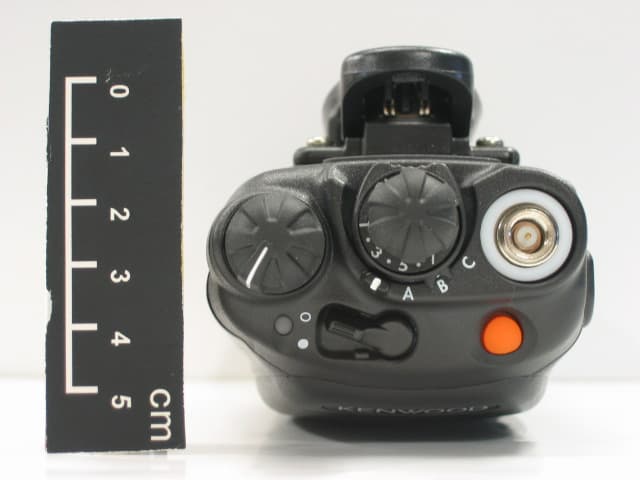
ALH468800
Oct 22, 2013PORTABLE LMR RADIO
Equipment Class
TNF - Licensed Non-Broadcast Transmitter Held to Face
ALH443700
Aug 18, 2013VHF Digital Transceiver Models NX-240-P, NX-240-K, NX-240-M, NX-240-M2, NX-240V-K
Equipment Class
TNF - Licensed Non-Broadcast Transmitter Held to Face
ALH443800
Aug 07, 2013Model NX-340 Digital Transceiver
Equipment Class
TNF - Licensed Non-Broadcast Transmitter Held to Face