ASIVCB008POWERED WOOFER CD SYSTEM
JVC KENWOOD Corporation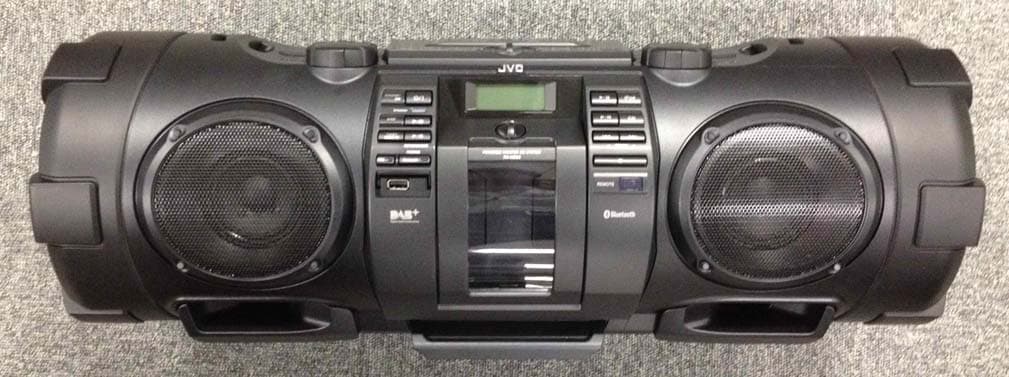
Click to zoom
Application Details
- Equipment Class
- DSS - Part 15 Spread Spectrum Transmitter
- Date of Grant
- Apr 17, 2012
- Application Purpose
- Original Equipment
- Date of Application
- Apr 17, 2012
- Equipment Note
- POWERED WOOFER CD SYSTEM
- Frequency Range
- 2402.00000000 - 2480.00000000
- Company
- JVC KENWOOD Corporation
- Country
- Japan
Documents & Files
Document Text
Text extracted from the exhibit documents filed with the FCC. Open a document above to read the original.
Users Manual
POWERED WOOFER CD SYSTEM RV-NB90B LVT2347-002A [J] INSTRUCTIONS For customer use: Enter below the Model No. and Serial No. which are located either on the rear, bottom or side of the cabinet. Retain this information for future reference. Model No. Serial No. 2 Front view Side view Introduction Auto power save function When no operation is done in certain situations for 30 minutes, the System turns off automatically. This function is on at the initial setting. For details, refer to "Auto power save mode." (page 11) In this manual... The remote control buttons are used for • explaining the operations unless mentioned otherwise. However, if the System has buttons with the same or similar names, they can also be used for the operations. In this manual, “iPod” means iPod, iPod touch • and iPhone device. When iPod touch or iPhone device is specifically referred to, “iPod touch” or “iPhone” is used. In this manual, “file“ and “track“ are used • interchangeably. Notes on using the System • Do not leave the front door open. • Do not press down on the front door when it is open as the System could fall and possibly cause an injury. Notes on installation Select a place which is level, dry and neither • too hot nor too cold—between 5 ̊C and 35 ̊C (41°F and 95 °F). Caution: Proper Ventilation To avoid risk of electric shock and fire, and to prevent damage, locate the apparatus as follows: 1 Front: No obstructions and open spacing. 2 Sides/ Top/ Back: No obstructions should be placed in the areas indicated by the dimensions in the illustration below. 3 Bottom: Place on a level surface. Maintain an adequate air path for ventilation by placing on a stand with a height of 10 cm or more. Attention: Aération correcte Pour prévenir tout risque de décharge électrique ou d’incendie et éviter toute détérioration, installez l’appareil de la manière suivante: 1 Avant: Bien dégagé de tout objet. 2 Flancs/ Dessus/ Arrière: Aucun obstacle ne doit être placé dans les zones indiquées par les dimensions dans l’illustration. 3 Dessous: Posez l’appareil sur une surface plane et horizontale. Veillez à ce que sa ventilation correcte puisse se faire en le plaçant sur un support d’au moins dix centimètres de hauteur. Rear of the System 15 cm (5 15/16”) 15 cm (5 15/16”) 15 cm (5 15/16”) 15 cm (5 15/16”) 15 cm (5 15/16”) 10 cm (3 15/16”) 10 cm (3 15/16”) 3 Contents Introduction ............................................... 2 Preparation ................................................ 4 Accessories ......................................................... 4 Inserting batteries ........................................... 4 Carrying this System ....................................... 5 Index of parts and controls ....................... 6 Front of the System ......................................... 6 Rear of the System ........................................... 7 Display window ................................................ 7 Remote control ................................................. 8 Connections ............................................... 9 Connecting a monitor display .................... 9 Connecting headphones .............................. 9 Connecting the power cord ......................... 9 Basic operations ....................................... 10 Turning on the System ................................. 10 Setting the Clock ........................................... 10 Displaying the clock ...................................... 10 Getting started .............................................. 10 FM .............................................................. 12 Listening to FM stations .............................. 12 Playing back a disc/USB device .............. 13 Preparation ..................................................... 13 Playback ........................................................... 13 Program playback ......................................... 14 Random playback ......................................... 15 Repeat playback ............................................ 15 iPod ........................................................... 16 Connecting iPod ........................................... 16 Playback ........................................................... 17 Shuffle playback ............................................ 17 Repeat playback ............................................ 17 iPod menu operation .................................. 17 Viewing video/picture of iPod .................. 17 External device ......................................... 18 Listening to an external device ............... 18 Metronome ............................................... 19 Using the metronome function ............... 19 Bluetooth .................................................. 20 Registering a Bluetooth device for the first time ........................................................... 20 Registering other Bluetooth devices ..... 21 Connecting a microphone/guitar ........... 22 Microphone/guitar mixing ........................ 22 Adding a distortion effect ......................... 22 Recording on a USB device ...................... 23 Recording discs ............................................. 23 Recording other sources ............................ 24 Deleting a track .............................................. 24 Using the timer ........................................ 25 Setting the sleep timer ............................... 25 Setting the daily timer ................................ 25 Setting the recording timer ...................... 26 Maintenance ............................................. 27 Trademarks ............................................... 27 About discs/files ...................................... 28 Playable discs/files ........................................ 28 Important for USB mass storage class devices .............................................................. 28 Checking the type of your iPod ............... 29 About SCMS (Serial Copy M…
Text truncated - open the document above for the full version.
Users Manual
EN,FR CAUTION To reduce the risk of electrical shocks, fire, etc.: 1. Do not remove screws, covers or cabinet. 2. Do not expose this appliance to rain or moisture. ATTENTION Afin d’éviter tout risque d’électrocution, d’incendie, etc.: 1. Ne pas enlever les vis ni les panneaux et ne pas ouvrir le coffret de l’appareil. 2. Ne pas exposer l’appareil à la pluie ni à l’humidité. The lightning flash with arrowhead symbol, within an equilateral triangle is intended to alert the user to the presence of uninsulated “dangerous voltage” within the product’s enclosure that may be of sufficient magnitude to constitute a risk of electric shock to persons. The exclamation point within an equilateral triangle is intended to alert the user to the presence of important operating and maintenance (servicing) instructions in the literature accompanying the appliance. Le symbole de l’éclair à l’intérieur d’un triangle équilatéral est destiné à alerter l’utilisateur sur la présence d’une “tension dangereuse” non isolée dans le boîtier du produit. Cette tension est suffisante pour provoquer l’électrocution de personnes. Le point d’exclamation à l’intérieur d’un triangle équilatéral est destiné à alerter l’utilisateur sur la présence d’opérations d’entretien importantes au sujet desquelles des renseignements se trouvent dans le manuel d’instructions. Warnings, Cautions and Others Mises en garde, précautions et indications diverses LVT2131-006A [J/C] CAUTION: • Do not block the ventilation openings or holes. (If the ventilation openings or holes are blocked by a newspaper or cloth, etc., the heat may not be able to get out.) • Do not place any naked flame sources, such as lighted candles, on the apparatus. • When discarding batteries, environmental problems must be considered and local rules or laws governing the disposal of these batteries must be followed strictly. • Do not expose this apparatus to rain, moisture, dripping or splashing and that no objects filled with liquids, such as vases, shall be placed on the apparatus. ATTENTION: • Ne bloquez pas les orifices ou les trous de ventilation. (Si les orifices ou les trous de ventilation sont bloqués par un journal un tissu, etc., la chaleur peut ne pas être évacuée correctement de l’appareil.) • Ne placez aucune source de flamme nue, telle qu’une bougie, sur l’appareil. • Lors de la mise au rebut des piles, veuillez prendre en considération les problèmes de l’environnement et suivre strictement les règles et les lois locales sur la mise au rebut des piles. • N’exposez pas cet appareil à la pluie, à l’humidité, à un égouttement ou à des éclaboussures et ne placez pas des objets remplis de liquide, tels qu’un vase, sur l’appareil. For U.S.A. Caution: Changes or modifications not expressly approved by party responsible for compliance could void the user’s authority to operate the equipment. Note: This equipment has been tested and found to comply with the limits for a Class B digital device, pursuant to Part 15 of the FCC Rules. These limits are designed to provide reasonable protection against harmful interference in a residential installation. This equipment generates, uses and can radiate radio frequency energy and, if not installed and used in accordance with the instructions, may cause harmful interference to radio communications. However, there is no guarantee that interference will not occur in a particular installation. If this equipment does cause harmful interference to radio or television reception, which can be determined by turning the equipment off and on, the user is encouraged to try to correct the interference by one or more of the following measures: – Reorient or relocate the receiving antenna. – Increase the separation between the equipment and receiver. – Connect the equipment into an outlet on a circuit different from that to which the receiver is connected. – Consult the dealer or an experienced radio/TV technician for help. Pour les Etats-Unis Attention : Les changements ou les modifications qui ne sont pas explicitement approuvés par la partie responsable de l’observance pourraient mettre fin au droit de l’utilisateur d’utiliser le matériel. Remarque : Cet appareil a été testé et il s’est avéré conforme aux limites applicables à un appareil numérique de classe B, en vertu de la Partie 15 des Règles de la FCC. Ces limites sont conçues de manière à assurer une protection raisonnable contre les interférences nuisibles dans une installation résidentielle. Cet appareil produit, utilise et peut émettre une énergie de haute fréquence et, s’il n’est pas installé et utilisé en conformité avec les instructions, il peut causer des interférences nuisibles aux communications radio. Il n’y a, toutefois, aucune garantie que des interférences ne se produiront pas dans une installation particulière. Si cet appareil cause effectivement des interférences nuisibles à la réception de la radio ou de la télévision, ce qu’on peut établir en mettant l’appareil en marche et à l’arrêt, nous encourageons l’utilisateur à tenter de corriger l’interférence par une ou plusieurs des mesures suivantes : – réorienter ou déplacer l’antenne de réception ; – accroître la séparation entre l’appareil et le récepteur ; – brancher l’appareil dans une prise ou un circuit autre que celui auquel le récepteur est branché ; – consulter un vendeur ou un technicien radio/TV expérimenté pour obtenir de l’aide. For Canada/pour le Canada THIS DIGITAL APPARATUS DOES NOT EXCEED THE CLASS B LIMITS FOR RADIO NOISE EMISSIONS FROM DIGITAL APPARATUS AS SET OUT IN THE INTERFERENCE-CAUSING EQUIPMENT STANDARD ENTITLED “DIGITAL APPARATUS,” ICES-003 OF THE DEPARTMENT OF COMMUNICATIONS. CET APPAREIL NUMERIQUE RESPECTE LES LIMITES DE BRUITS RADIOELECTRIQUES APPLICABLES AUX APPAREILS NUMERIQUES DE CLASSE B PRESCRITES DANS LA NORME SUR LE MATERIEL BROUILLEUR; “APPAREILS NUMERIQUES”, NMB-003 EDICTEE PAR LE MINISTRE DES COMMUNICATIONS. CAUTION Battery shall not be exposed to excessive heat such as sunshine, …
Text truncated - open the document above for the full version.
Cover Letter(s)
ゑ〉ゐ~
Cover Letter(s)
~.
External Photos
Photo POWERED WOOFER CD SYSTEM Model: RV-NB90B Top Bottom Photo POWERED WOOFER CD SYSTEM Model: RV-NB90B Front Rear Photo POWERED WOOFER CD SYSTEM Model: RV-NB90B Side 1 Side 2
Internal Photos
Photo POWERED WOOFER CD SYSTEM Model: RV-NB90B Over View Photo POWERED WOOFER CD SYSTEM Model: RV-NB90B RF Part Top RF Part Bottom Photo POWERED WOOFER CD SYSTEM Model: RV-NB90B Antenna
RF Exposure Info
UL Japan, Inc. Shonan EMC Lab. 1-22-3 Megumigaoka, Hiratsuka-shi, Kanagawa-ken, 259-1220 JAPAN Telephone : +81 463 50 6400 Facsimile : +81 463 50 6401 Applicant: JVC KENWOOD Corporation T ype of Equipment : POWERED WOOFER CD SYSTEM M odel No. : RV-NB90B FCC ID: ASIVCB008 JVC K ENW OO D Corporation declares that M odel : POW ERED W OO FER CD SYST EM complies with FCC radiation exposure requirement specified in the FCC Rules 2.1091. The “R V-N B90B“ has 0.55 mW of conducted Peak O utput power and 0.55 mW of EIR P. This equipment is considered as a mobile device so that SAR testing is excluded. The Following calculation is the reference data for 20cm distance. RF Exposure Calculations: The following information provides the minimum separation distance for the highest gain antenna provided with the “RV-NB90B“ as calculated from FCC OET Bulletin 65 Appendix A, Table (B) Limits for General Population / Uncontrolled Exposure. This calculation is based on the highest EIRP possible from the system, considering maximum power and antenna gain, and considering a 1.0mW/cm^2 uncontrolled exposure limit. The Friis formula used was: S = (P * G) / (4* π * r 2 ) Where P = 0.55 mW (M aximum peak output power) G = 1.00 Numerical Antenna gain; equal 0.00 dBi r =20.0 cm For: RV-NB90BS = 0.00011mW/cm 2 No. : 32CE0258-SH-04-A RF Ex posure / SAR Statement
Test Report
Test report No. : 32CE0258-SH-04-A Page : 2 of 53 Issued date : April 13, 2012 Revised date : April 16, 2012 FCC ID : ASIVCB008 UL Japan, Inc Shonan EMC Lab. 1-22-3 Megumigaoka, Hiratsuka-shi, Kanagawa-ken, 259-1220 JAPAN Telephone : +81 463 50 6400 Facsimile : +81 463 50 6401 REVISION HISTORY Original Test Report No.: 32CE0258-SH-04-A Revision Test report No. Date Page revised Contents - (Original) 32CE0258-SH-04-A April 13, 2012 - - 1 32CE0258-SH-04-A April 16, 2012 1-2, 7, 37-38, 45 P7: Addition of uncertainties for Conducted emission P37-38, 45: Correction of error Test report No. : 32CE0258-SH-04-A Page : 3 of 53 Issued date : April 13, 2012 FCC ID : ASIVCB008 UL Japan, Inc Shonan EMC Lab. 1-22-3 Megumigaoka, Hiratsuka-shi, Kanagawa-ken, 259-1220 JAPAN Telephone : +81 463 50 6400 Facsimile : +81 463 50 6401 Contents Page SECTION 1: Customer information ..................................................................................... 4 SECTION 2: Equipment under test (E.U.T.) ....................................................................... 4 SECTION 3: Test specification, procedures & results ......................................................... 5 SECTION 4: Operation of E.U.T. during testing ................................................................. 9 SECTION 5: Carrier frequency separation ........................................................................ 11 SECTION 6: 20dB bandwidth & Occupied bandwidth (99%) ......................................... 11 SECTION 7: Number of hopping frequency ...................................................................... 12 SECTION 8: Dwell time ...................................................................................................... 12 SECTION 9: Maximum peak output power ...................................................................... 12 SECTION 10: Spurious emissions (Antenna port conducted) ........................................... 12 SECTION 11: Radiated emission........................................................................................ 13 Contents of APPENDIXES ................................................................................................... 15 APPENDIX 1: Data of radio tests ....................................................................................... 16 APPENDIX 2: Test instruments ......................................................................................... 51 APPENDIX 3: Photographs of test setup ........................................................................... 52 Test report No. : 32CE0258-SH-04-A Page : 4 of 53 Issued date : April 13, 2012 FCC ID : ASIVCB008 UL Japan, Inc Shonan EMC Lab. 1-22-3 Megumigaoka, Hiratsuka-shi, Kanagawa-ken, 259-1220 JAPAN Telephone : +81 463 50 6400 Facsimile : +81 463 50 6401 SECTION 1: Customer information Company Name : JVC KENWOOD Corporation Brand Name JVC Address : 3-12, Moriya-cho, Kanagawa-ku, Yokohama-shi, Kanagawa, 221-0022, Japan Telephone Number : +81-45-450-4536 Facsimile Number : +81-45-450-4537 Contact Person : Hiromitsu Takano SECTION 2: Equipment under test (E.U.T.) 2.1 Identification of E.U.T. Type of Equipment : POWERED WOOFER CD SYSTEM Model Number : RV-NB90B Serial Number : Refer to 4.2 of this report. Rating : AC120V, 60Hz DC15V (Size D, R20 battery x 10) DC12V (External DC in) Country of Mass-production : China Condition of EUT : Production prototype (Not for Sale: This sample is equivalent to mass-produced items.) Receipt Date of Sample : April 3, 2012 Modification of EUT : No modification by the test lab. 2.2 Product description Model: RV-NB90B (referred to as the EUT in this report) is a POWERED WOOFER CD SYSTEM. Clock frequencies: 3.64MHz: Remote control, 60kHz or 70kHz: Switching power supply 12MHz: System micro computer, 8MHz: Sub-system micro computer 32.768kHz: Sub-system micro computer for battery standby mode, Clock oscillator for timer, Tuner FM 16.9344MHz: USB/CD, 26MHz: Bluetooth module <Radio part> Equipment type : Transceiver Frequency of operation : 2402-2480MHz Bandwidth & channel spacing : 79MHz & 1MHz Type of modulation : FHSS Antenna type : PCB Antenna connector type : PCB layout Antenna gain with cable loss : 0dBi ITU code : F1D, G1D Operation temperature range : -10 to +80 deg.C. FCC 15.31 (e) The equipment provides the Bluetooth transmitter with stable power supply (DC3.3V). Therefore, the equipment complies with the requirement. FCC 15.203 The equipment and its antenna comply with this requirement since this antenna is built in the equipment and it cannot be replaced by end users. Test report No. : 32CE0258-SH-04-A Page : 5 of 53 Issued date : April 13, 2012 FCC ID : ASIVCB008 UL Japan, Inc Shonan EMC Lab. 1-22-3 Megumigaoka, Hiratsuka-shi, Kanagawa-ken, 259-1220 JAPAN Telephone : +81 463 50 6400 Facsimile : +81 463 50 6401 SECTION 3: Test specification, procedures & results 3.1 Test specification Test specification : FCC Part 15 Subpart C: 2012, final revised on February 1, 2012 Title : FCC 47CFR Part15 Radio Frequency Device Subpart C Intentional Radiators Section 15.207 Conducted limits Section 15.209 Radiated emission limits, general requirements Section 15.247 Operation within the bands 902-928MHz, 2400-2483.5MHz, and 5725-5850MHz The EUT will be tested for the compliance with FCC Part 15 Subpart B by the customer. Test report No. : 32CE0258-SH-04-A Page : 6 of 53 Issued date : April 13, 2012 FCC ID : ASIVCB008 UL Japan, Inc Shonan EMC Lab. 1-22-3 Megumigaoka, Hiratsuka-shi, Kanagawa-ken, 259-1220 JAPAN Telephone : +81 463 50 6400 Facsimile : +81 463 50 6401 3.2 Procedures & Results Item Test Procedure Specification Remarks DeviationWorst Margin Results Conducted emission ANSI C63.4:2009 7. AC powerline conducted emission measurements FCC 15.207 - N/A 12.2dB Freq.: 7.86015MHz Phase: L1 Detection: Average Mode: Tx 2480MHz, DH5 Complied Carrier frequency separation FCC Public Notice DA 00-705 & ANSI C63.4:2009 13. Measurement of intentional …
Text truncated - open the document above for the full version.
Test Setup Photos
Test report No. : 32CE0258-SH-04-A UL Japan, Inc. Shonan EMC Lab. 1-22-3 Megumigaoka, Hiratsuka-shi, Kanagawa-ken, 259-1220 JAPAN Telephone : +81 463 50 6400 Facsimile : +81 463 50 6401 APPENDIX 3: Photographs of test setup Conducted emission 52 Test report No. : 32CE0258-SH-04-A UL Japan, Inc. Shonan EMC Lab. 1-22-3 Megumigaoka, Hiratsuka-shi, Kanagawa-ken, 259-1220 JAPAN Telephone : +81 463 50 6400 Facsimile : +81 463 50 6401 Radiated emission Front view Rear view (below 1GHz) Rear view (above 1GHz) 53/53
Contact Information
Applicant
Yasukazu Katakai(Manager)
Technical Contact
UL Japan, Inc.Go Ishiwata
[email protected]81-463-50-6400
1-22-3 Megumigaoka, Hiratsuka-shi · Kanagawa-ken · Japan
Test Firm
UL Japan, Inc. Shonan EMC EMC Lab.Tetsuya Hashimoto
Technical Specifications
| # | Rule Parts | Frequency Range | Power Output |
|---|---|---|---|
| 1 | 15C | 2.40 GHz - 2.48 GHz | 600.00 µW |
Other Applications from JVC KENWOOD Corporation

ASIZWSA1
Jul 27, 2020SMART HEADSETS
Equipment Class
DSS - Part 15 Spread Spectrum Transmitter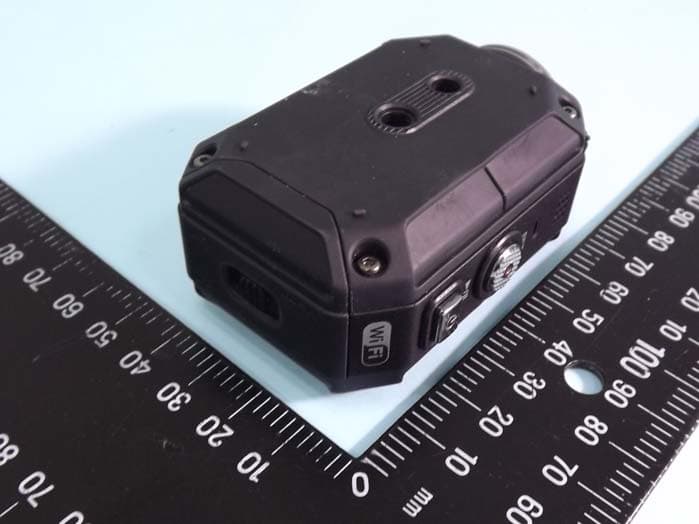
ASIP4C101
Jul 11, 2012Action Camera
Equipment Class
DTS - Digital Transmission System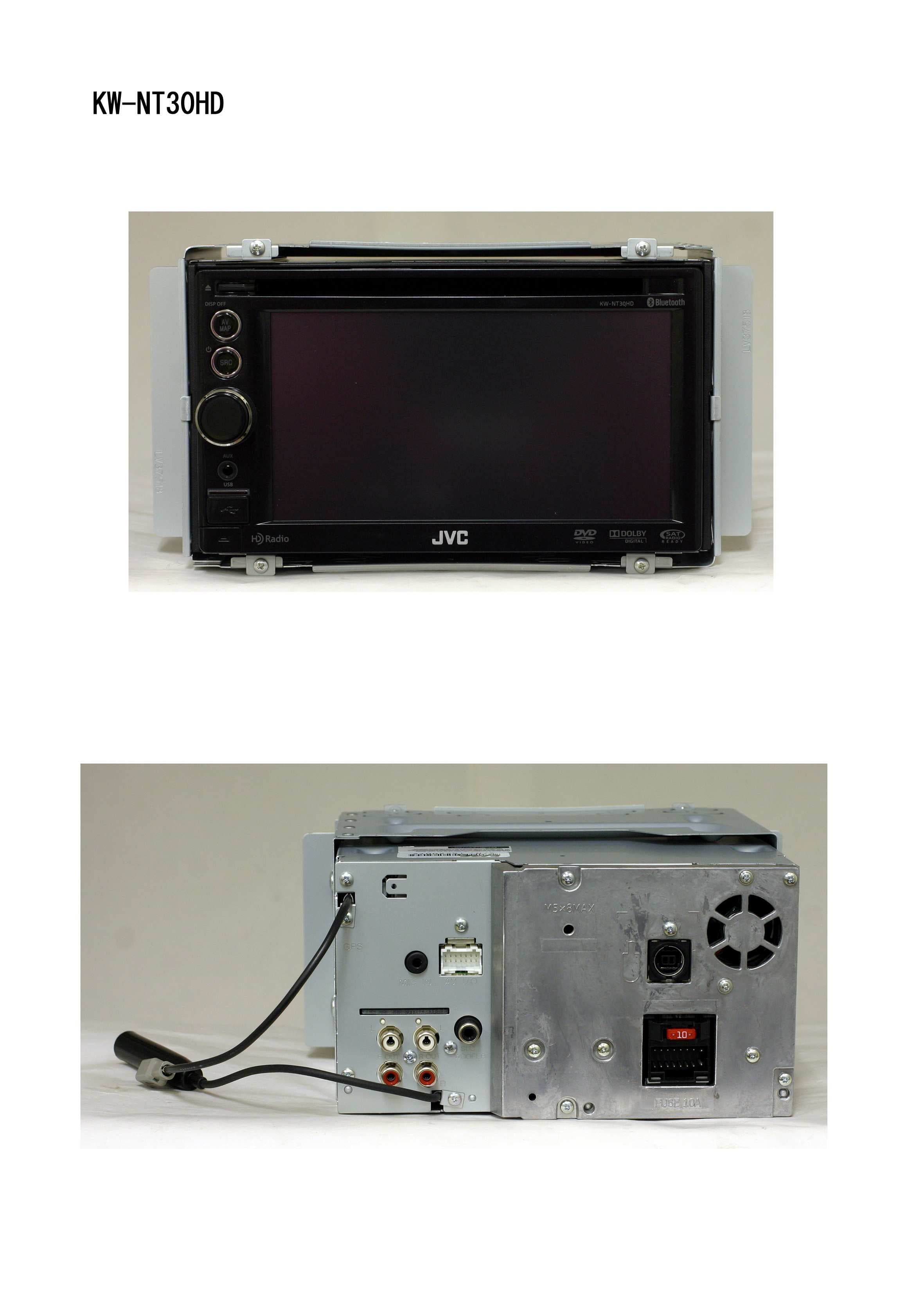
ASIV1B007
Jan 31, 2011GPS Navigation System
Equipment Class
DSS - Part 15 Spread Spectrum Transmitter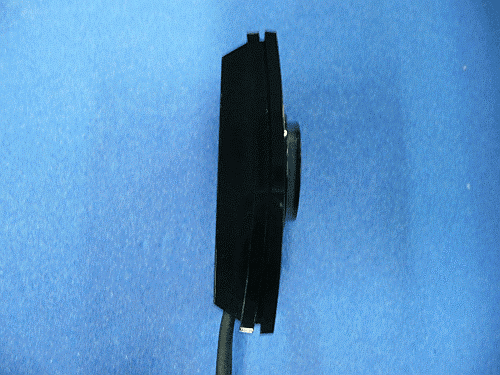
ASIVBA006
Nov 29, 2010Bluetooth audio adaptor for vehicle use.
Equipment Class
DSS - Part 15 Spread Spectrum Transmitter
ASIV1A005
Mar 28, 2010GPS Navigation System
Equipment Class
DSS - Part 15 Spread Spectrum Transmitter