CB2OHHL3Universal Garage Door Opener
Johnson Controls Interiors L.L.C.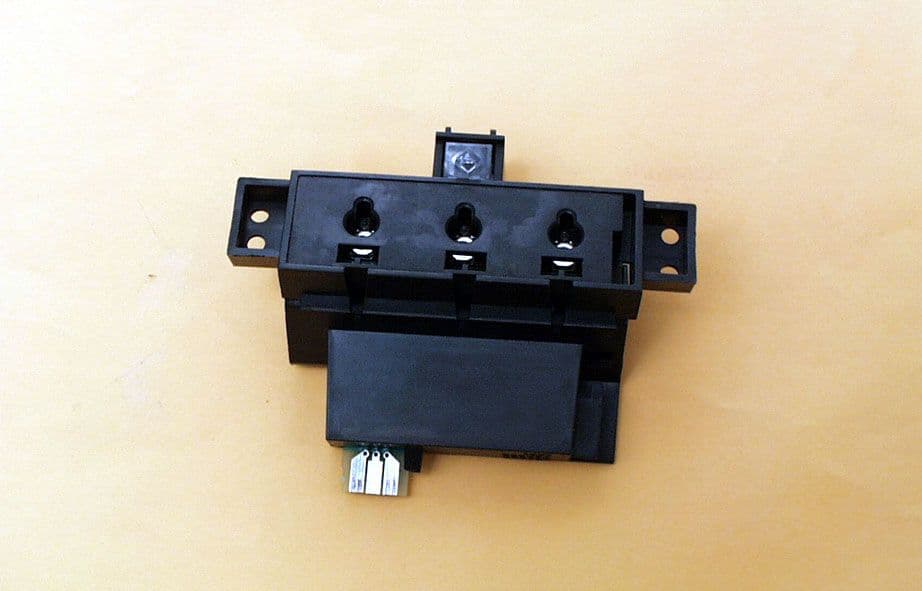
Click to zoom
Application Details
- Equipment Class
- DSC - Part 15 Security/Remote Control Transmitter
- Date of Grant
- Jun 06, 2000
- Application Purpose
- Original Equipment
- Date of Application
- May 01, 2000
- Equipment Note
- Universal Garage Door Opener
- Frequency Range
- 410.00000000 - 420.00000000
- Country
- United States
Documents & Files


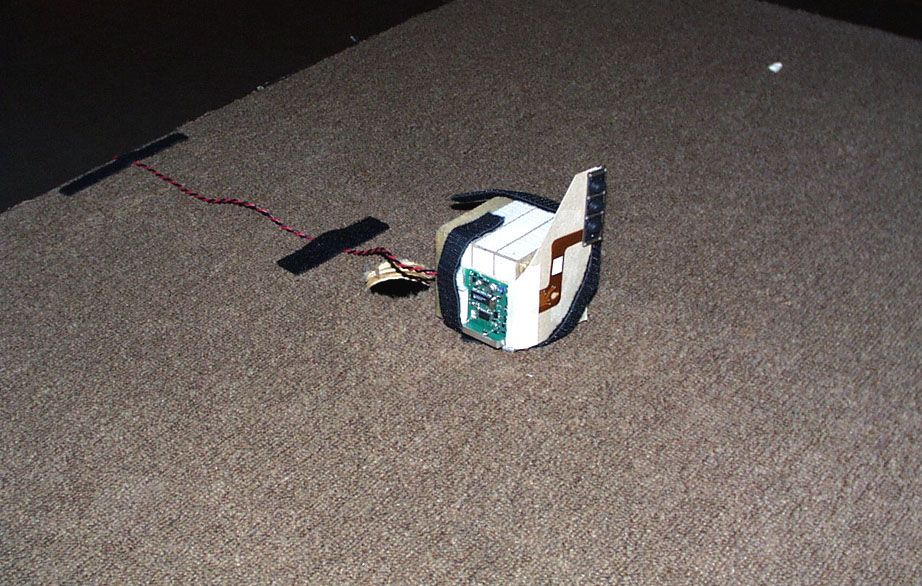
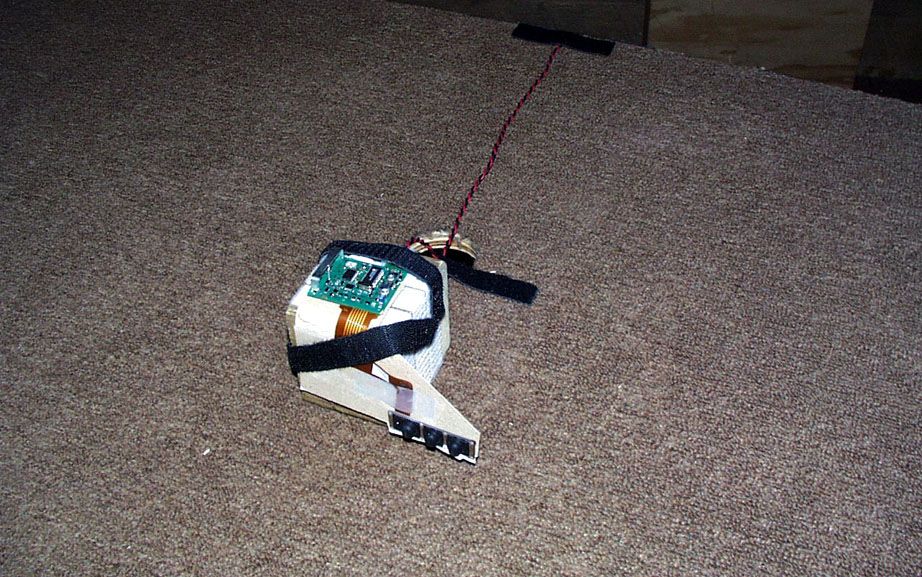
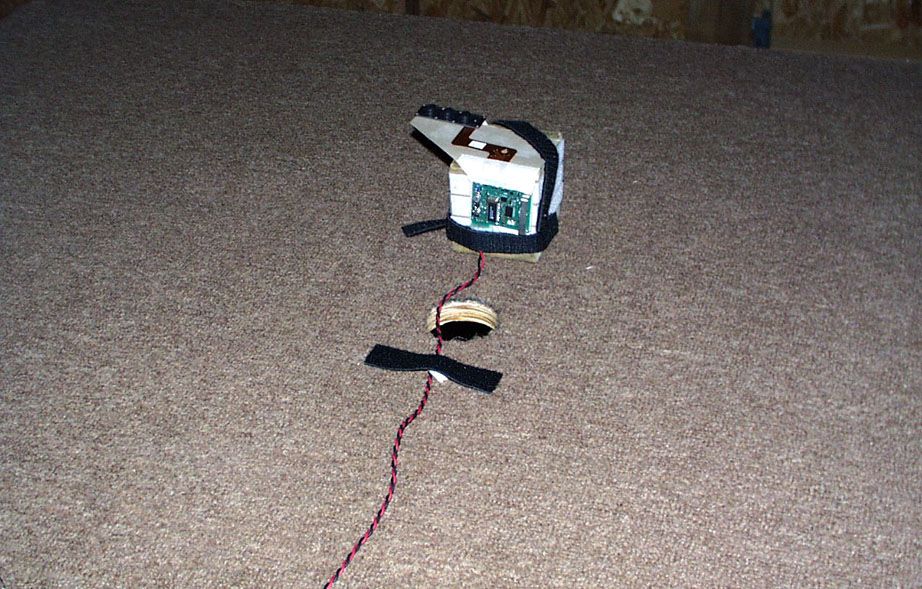
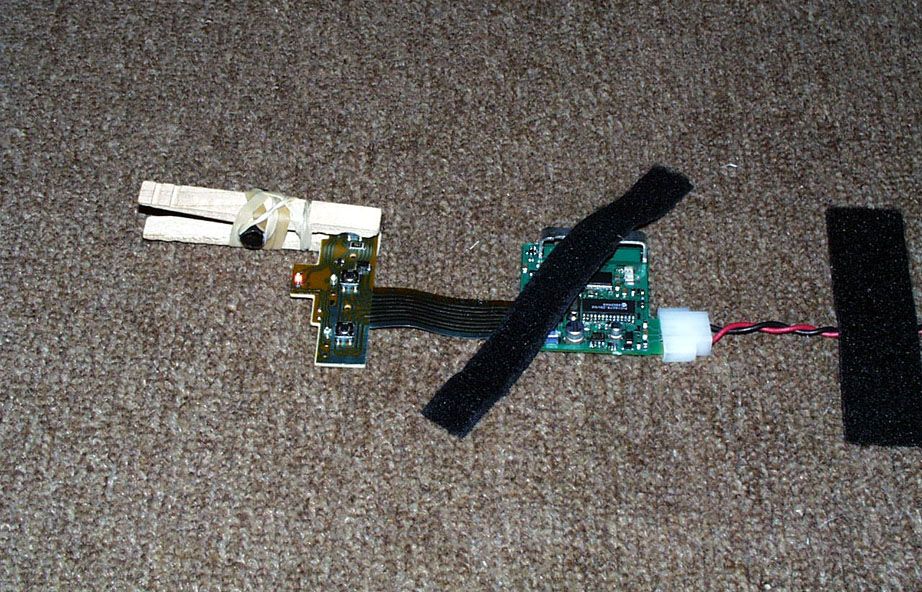
Document Text
Text extracted from the exhibit documents filed with the FCC. Open a document above to read the original.
Users Manual
Test report #20000287FFCC 15.231 for CB2OHHL3FCC ID: CB2OHHL3 Tested February 18, 2000 AHD EMC Lab, 92723 M152, Dowagiac, MI 49047, (616) 424-701498649 Exhibit N: Page 1 of 4 EXHIBIT N: U SER ’ S M ANUAL The proposed Owners Manual for the Homelink® series Universal Garage Door Opener is reproduced here. HomeLink ® Universal Transceiver Suggested Owner’s Manual Text October, 1999 HomeLink ® Universal Transceiver The HomeLink ® Universal Transceiver in your vehicle provides a convenient way to replace up to three hand- held transmitters with a single built-in component. This innovative feature will learn the radio frequency codes of most current transmitters used to activate devices such as garage doors, entry door locks, estate gates, security systems, and home or office lighting. For additional information on HomeLink and/or HomeLink compatible products, call 1-800-355-3515 or refer to the HomeLink web site at www.home link.jci.com . Precautions When programming the HomeLink Universal Transceiver to a garage door opener or entry gate, make sure that people and objects are out of the way to prevent potential harm or damage. Do not use the HomeLink Universal Transceiver with any garage door opener that lacks the safety stop and reverse feature as required by federal safety standards. (This includes any garage door opener model manufactured before April 1, 1982.) A garage door opener which cannot detect an object, signaling the door to stop and reverse, does not meet current federal safety standards. Using a garage door opener without these features increases risk of serious injury or death. For more information, call 1-800-355-3515 or on the internet at www.homelink.jci.com. Retain the original transmitter for future programming procedures (i.e., new vehicle purchase). It is also suggested that upon the sale of the vehicle, the programmed HomeLink Universal Transceiver buttons be erased for security purposes (follow step 1 in the “Programming” portion of this text). Test report #20000287FFCC 15.231 for CB2OHHL3FCC ID: CB2OHHL3 Tested February 18, 2000 AHD EMC Lab, 92723 M152, Dowagiac, MI 49047, (616) 424-701498649 Exhibit N: Page 2 of 4 Programming Note : For best results, replace the battery in the hand-held transmitter with a new battery before programming. If your garage door opener receiver (located in the garage) is equipped with an antenna, make sure the antenna is completely uncoiled and hangs straight down. 1. Press and hold the two outside buttons - releasing only when the indicator light begins to flash after 20 seconds . (This procedure erases the factory set default codes and does not have to be followed to program additional hand-held transmitters.) 2. Hold the end of the hand-held transmitter of the device you wish to train approximately one to three inches away from the HomeLink surface - keeping the indicator light in view. (For placement questions, please contact HomeLink at 1-800-355-3515 or on the internet at www.home link.jci.com. ) 3. Using both hands, simultaneously push the hand-held transmitter button and the desired HomeLink button. Do not re le ase the buttons until ste p 4 has be e n comple te d. Note: Some entry gates and garage door openers may require you to replace this programming step (#3) with the procedures noted in the “Canadian Programming / Gate Programming” section. 4. The HomeLink indicator light will flash, first slowly and then rapidly. When the indicator light flashes rapidly, release both buttons. (The rapid flashing light indicates successful programming of the new frequency signal.) If, after 20 seconds, the indicator light does not flash rapidly, release both the HomeLink and the hand-held transmitter buttons and repeat steps tw o through four. However, position the hand-held transmitter at a different length and/or angle until the indicator light begins to flash rapidly. Release both buttons after the indicator light flashes rapidly. Refer to “Rolling Code Programming” and/or “Canadian Programming/Gate Programming” for additional procedures if necessary. To activate the garage door or other programmed device upon successfully completing the steps above, press and hold the HomeLink button - releasing when the device begins to activate. To program the remaining tw o buttons, follow steps 2 through 4. If you do not successfully program the HomeLink Universal Transceiver to learn the signal of the hand-held transmitter, refer to “Rolling Code Programming” within this text or call toll-free for customer assistance at 1-800- 355-3515 or on the internet at www.home link.jci.com. Test report #20000287FFCC 15.231 for CB2OHHL3FCC ID: CB2OHHL3 Tested February 18, 2000 AHD EMC Lab, 92723 M152, Dowagiac, MI 49047, (616) 424-701498649 Exhibit N: Page 3 of 4 Canadian Programming / Gate Programming Canadian frequency law s, and the technology of some entry gates, require you to “cycle” (press and re-press the hand- held transmitter button every tw o seconds) during programming. Continue to press and hold the desired HomeLink button (note steps 3 through 5 in the “Programming” portion of this text) w hile you “cycle” your hand-held transmitter until the frequency signal has been learned. The indicator light w ill flash slowly and then rapidly upon successful training. Note: When programming a garage door opener or gate, it is advised to unplug the device during the “cycling” process to prevent possible motor burn-up Operating the HomeLink ® Universal Transceiver To operate, simply press the programmed HomeLink button. Activation will now occur for the trained product (garage door, security system, entry door lock, estate gate, or home or office lighting). For convenience, the hand-held transmitter of the device may also be used at any time. Rolling Code Programming Rolling code garage door openers (or other rolling code devices) which are “code protected” and manufactured after 1996, may be determined by the following: A.Reference the garage door opener owne…
Text truncated - open the document above for the full version.
Attestation Statements
Test report #20000287FFCC 15.231 for CB2OHHL3FCC ID: CB2OHHL3 Tested February 18, 2000 AHD EMC Lab, 92723 M152, Dowagiac, MI 49047, (616) 424-701498650 Exhibit M: Page 1 of 1 EXHIBIT M: RF E XPOSURE I NFORMATION [2.1093( C )] The manufacturer and applicant: JOHNSON CONTROLS INTERIORS, LLC. One Prince Center Holland, Michigan 49423 Product: Homelink® Universal Garage Door Opener Model: CB2OHHL3 Applicable Rules: 47CFR Part 15.231 Pursuant to 47CFR Part 1.1307(b), 47CFR Part 2.1091(c), and 47CFR Part 2.1093(c) this transmitting device, compliant to 47CFR Part 15.231, is categorically excluded from evaluation regarding the Maximum Permissible Exposure of RF energy.
Cover Letter(s)
AHD EMC Lab, 92723 M152, Dowagiac, MI 49047, (616) 424-701498503 Exhibit A: Page 1 of 2 NVLAP ACCREDITED NARTE Certified Engineer Professional Engineer Federal communications CommissionApril 25, 2000 Equipment Approval Services, P.O. Box 358315 Pittsburgh, PA 15251-5315 Attention: Authorization & Evaluation Division Re: Application for Certification of Johnson Controls Transmitter under 47CFR 15.231. FCC ID: CB2OHHL3 Gentlemen: On behalf of the applicant, Johnson Controls Interiors, LLC, please find attached the submittal materials for certification of the JCI Universal Garage Door Opener, Model CB2OHHL3 This generation of their Homelink® series is capable of learning the current garage door transmit frequencies from 288MHz through 420MHz with pulse modulation duty cycles from 30 through 80 percent. Pursuant to 47CRF 0.459, Johnson Controls Interiors requests that these listed exhibits be held confidential. Exhibit GTheory/Description of Operation, Exhibit H:Circuit Block Diagrams Exhibit I:Schematics Exhibit J:Bill of Material, Parts List Johnson Controls Interiors has invested considerable resources into developing this Homelink® series. Having the listed exhibits available to ‘competition’ would negate the advantage achieved in developing this product. Since their Homelink® III series transmitters will be a major product line for Johnson Controls Interiors, not protecting the details of the design will result in a financial hardship for the company. The complete List of the Exhibits in this submittal package appears on Page 2 of this cover letter. Your prompt consideration of this application for product certification will be greatly appreciated. Should you have any questions regarding the content of this report, kindly contact me. Sincerely, Ted Chaffee, Technical Lab Manager Narte Certified Engineer, #EMC-002025-NE tel/fax: 616. 424.7014 email: [email protected], or [email protected] Test report #20000287FFCC 15.231 for CB2OHHL3FCC ID: CB2OHHL3 Tested February 18, 2000 AHD EMC Lab, 92723 M152, Dowagiac, MI 49047, (616) 424-701498503 Exhibit A: Page 2 of 2 Table of Contents Form 731, form 159 with payment EXHIBIT A: Cover Letter / Table of ContentsTotal Pages 2 EXHIBIT B: Statements of Attestation [2.911(d)]Total Pages 3 Attesting to Accuracy of DataExhibit B, File “EXB_p1DataAttst.jpg” Public Notice 22504 Exhibit B, File “EXB_p1DataAttst.jpg” Power of Attorney Exhibit B, File “EXB_p2PowrOAttrny.jpg” AHD AccreditationExhibit B, File “EXB_p3NVLAPCert.jpg” EXHIBIT C: Description of Product [2.1033(b6)] Total Pages 1 EXHIBIT D: Product photos - exterior [2.1033(b7)] Eight photosTotal Pages 9 EXHIBIT E: Product photos - Printed Circuit Board [2.1033(b7)] Six photosTotal Pages 7 EXHIBIT F: ID Label / Location [2.925,2.926,2.1033(b2,7),15.19(a3)] Total Pages 2 EXHIBIT G: Description of Operation [2.1033(b4)] Total Pages 1 EXHIBIT H: Circuit Block Diagram [2.1033(b5)] Total Pages 1 EXHIBIT I:Schematics [2.1033(b5)] Exhibit I, File “EXI_Schematic.pdfTotal Pages 1 EXHIBIT J: Parts List/Tune-up Information [2.1033(b5] Total Pages 2 Parts List Exhibit J, File “EXJ_Parts.pdf” EXHIBIT K: Report of Measurements [2.1033(b6)] Total Pages 37 Detailed Table of ContentsExhibit K, Page 2 Manufacturer/Applicant [2.1033(b1)Exhibit K, Page 4 Measurement/Test Facility & EquipmentExhibit K, Page 4 Configuration/Setup [2.1033(b8)]Exhibit K, Page 5 Summary of ResultsExhibit K, Page 6 Test Standards / Methods Used [2.1033(b6)] Exhibit K, Page 7 Test Methodology [2.1033(b6)Exhibit K, Page 7 Test Data [2.1033(b6)Exhibit K, Page 14 Level vs Supply Voltage [15.31(e)]Exhibit K, Page 16 Occupied BandwidthExhibit K, Page 17 Radiated Field Strength [15.231(b)] Exhibit K, Page 19 EXHIBIT L: Setup photos [2.1033(b8)] Twelve photosTotal Pages 13 EXHIBIT M: RF Exposure Information [2.1093(c)]Total Pages 1 EXHIBIT N: User’s Manual Total Pages 4
ID Label/Location Info
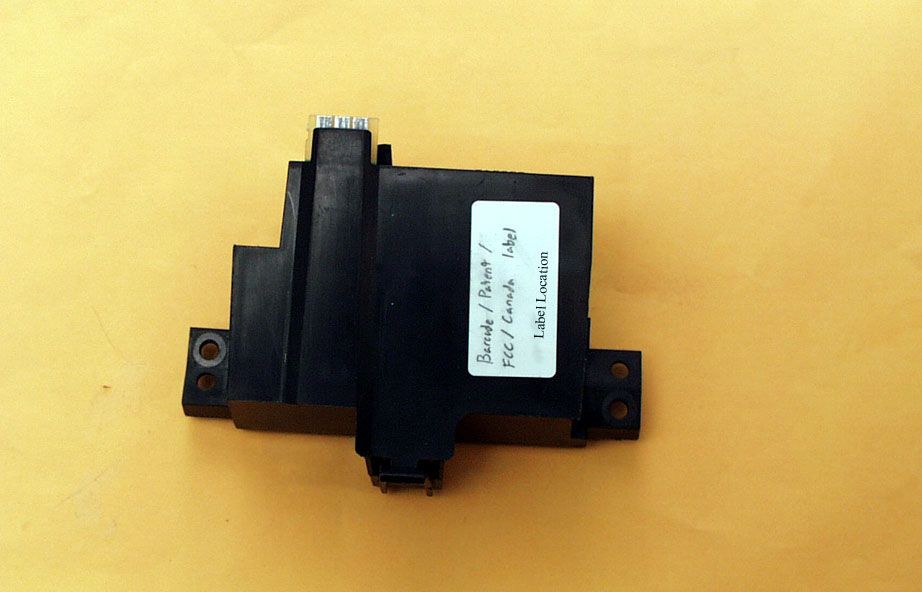
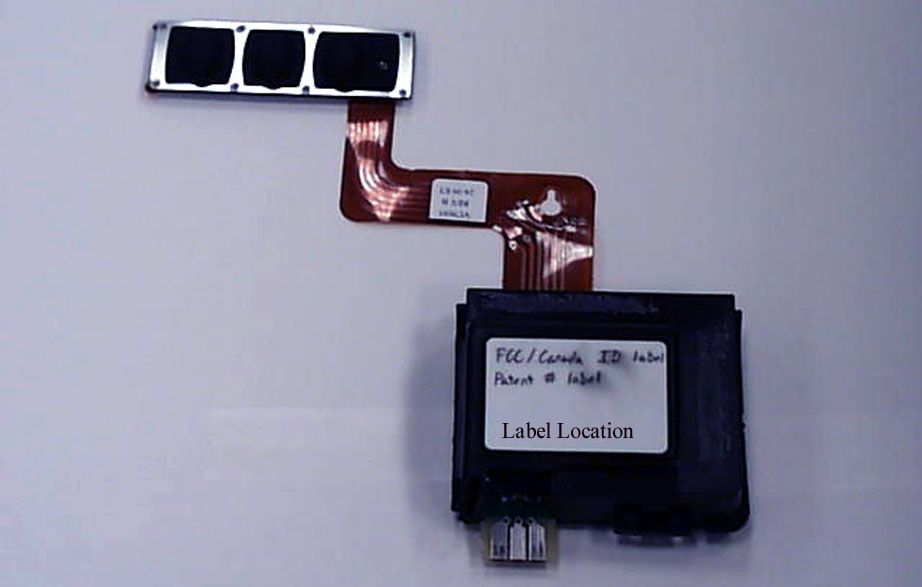
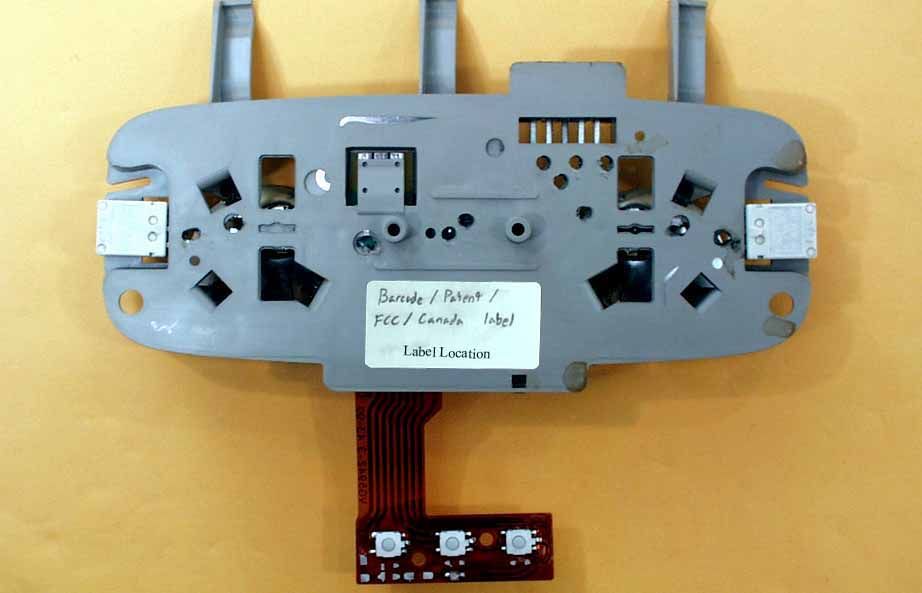
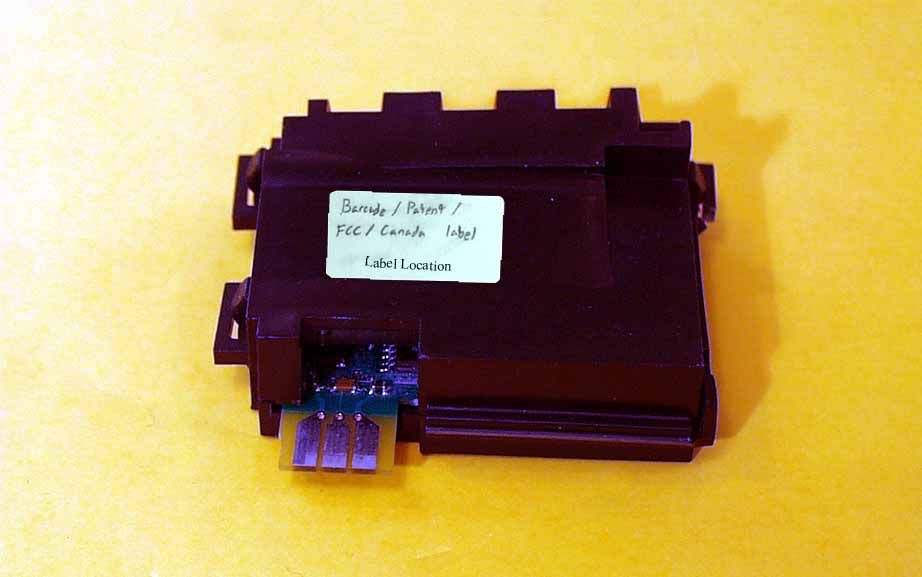
Test report #20000287FFCC 15.231 for CB2OHHL3FCC ID: CB2OHHL3 Tested February 18, 2000 AHD EMC Lab, 92723 M152, Dowagiac, MI 49047, (616) 424-701498658 Exhibit F: Page 1 of 2 EXHIBIT F: E QUIPMENT L ABEL [2.925, 2.926, 2.1033( B 2,7), 15.19( A 3)] LABEL EXAMPLE Refer to picture file “EXF_Label.pdf” The FCC Identifier assigned to the CB2OHHL3 is FCC ID: CB2OHHL3. This number will be imprinted on the 1.0”x1.5” high temperature polyester matte white label. The label will be placed on the exterior of the CB2OHHL3 housing using an acrylic adhesive that will permanently affix the label. Because of the small size of the device and because the installation is inside a portion of the automobile, the following statements will appear in the user’s manual. Refer to Exhibit N for the entire text of the user’s manual. “This device complies with Part 15 of the FCC rules and with RSS-210 of the Industry Canada. Operation is subject to the following two conditions: (1) This device may not cause harmful interference, and (2) This device must accept any interference that may be received including interference that may cause undesired operation. WARNING: The transmitter has been tested and complies with FCC and Industry Canada rules. Changes or modifications not expressly approved by the party responsible for compliance could void the user’s authority to operate the device.” LABEL LOCATION The label will be located on the exterior smooth surface of the housing containing the CB2OHHL3 Universal Garage Door Opener. There are a variety of housing designs, the shape of which will determine the exact location of the label. For the black plastic ‘clamshell’ housing design the label will be located on the available smooth surface. For examples, refer to picture files “EXD_GMTextbtmlbl.jpg”, “EXD_W22exttoplbl.jpg”, and “EXD_VB3extbtmlbl.jpg”. A few assemblies do not use the clamshell case. For these assemblies the label is placed on the housing in which the CB2OHHL3 is installed. For example, in the overhead light unit the label will be located on the back side of the courtesy light assembly. Refer to picture file “ EXD_VG5extbtmlbl.jpg”.
Test Report
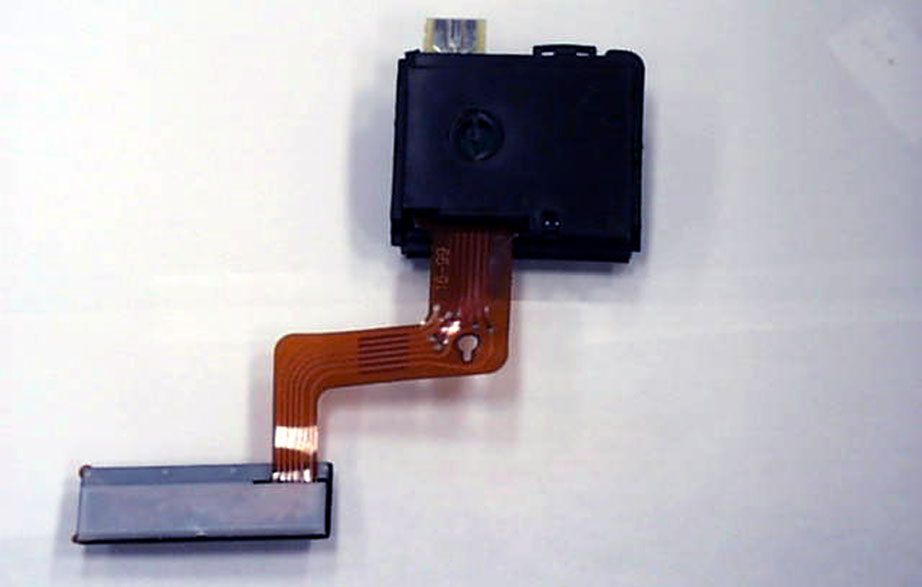
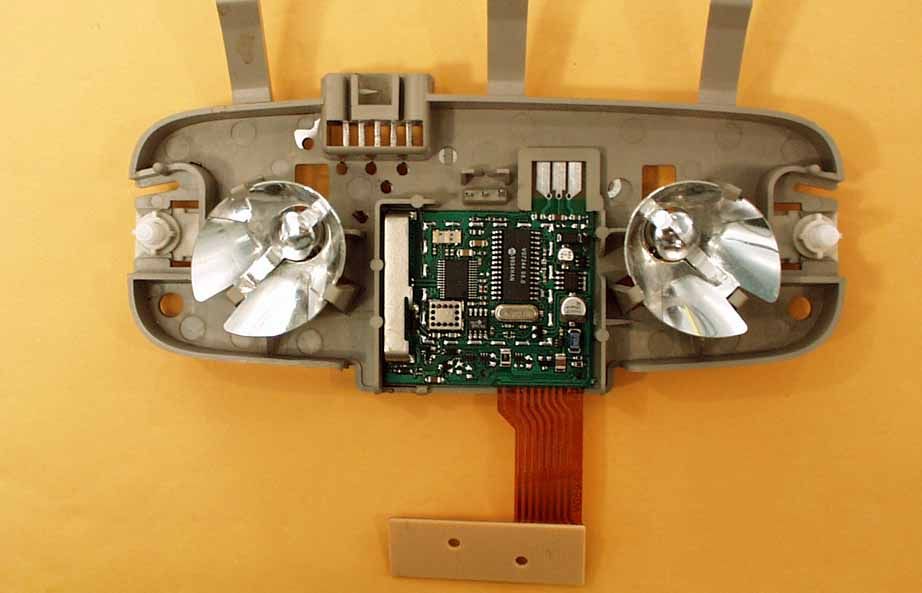
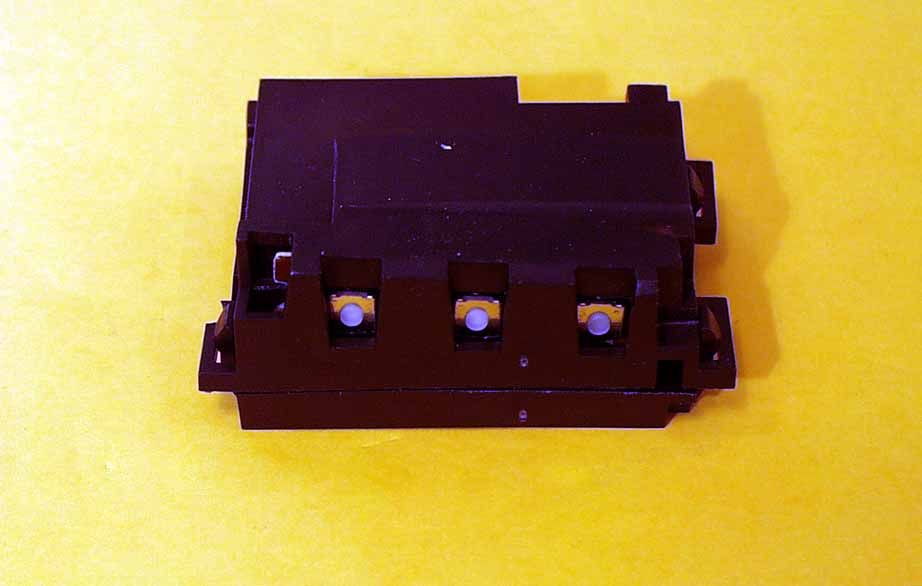
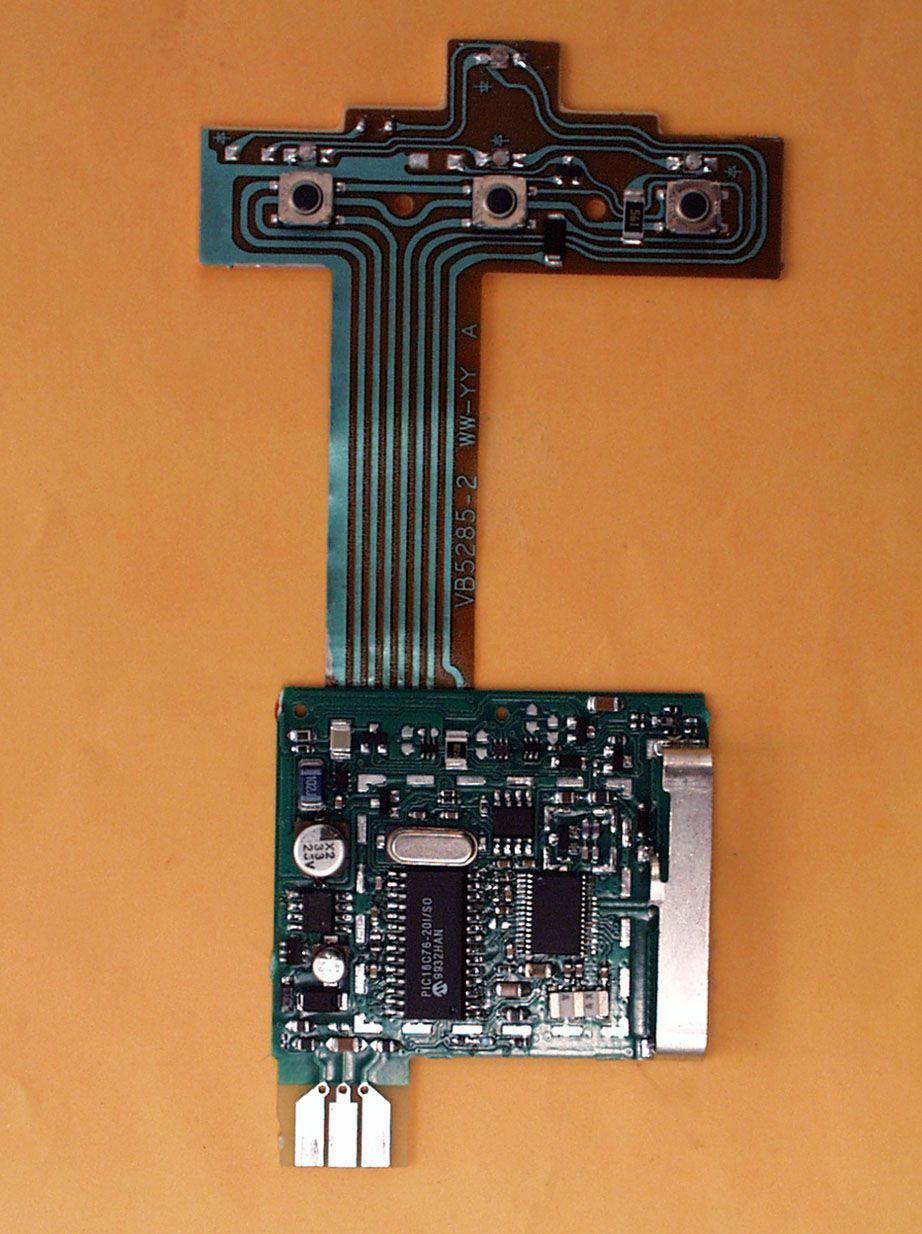
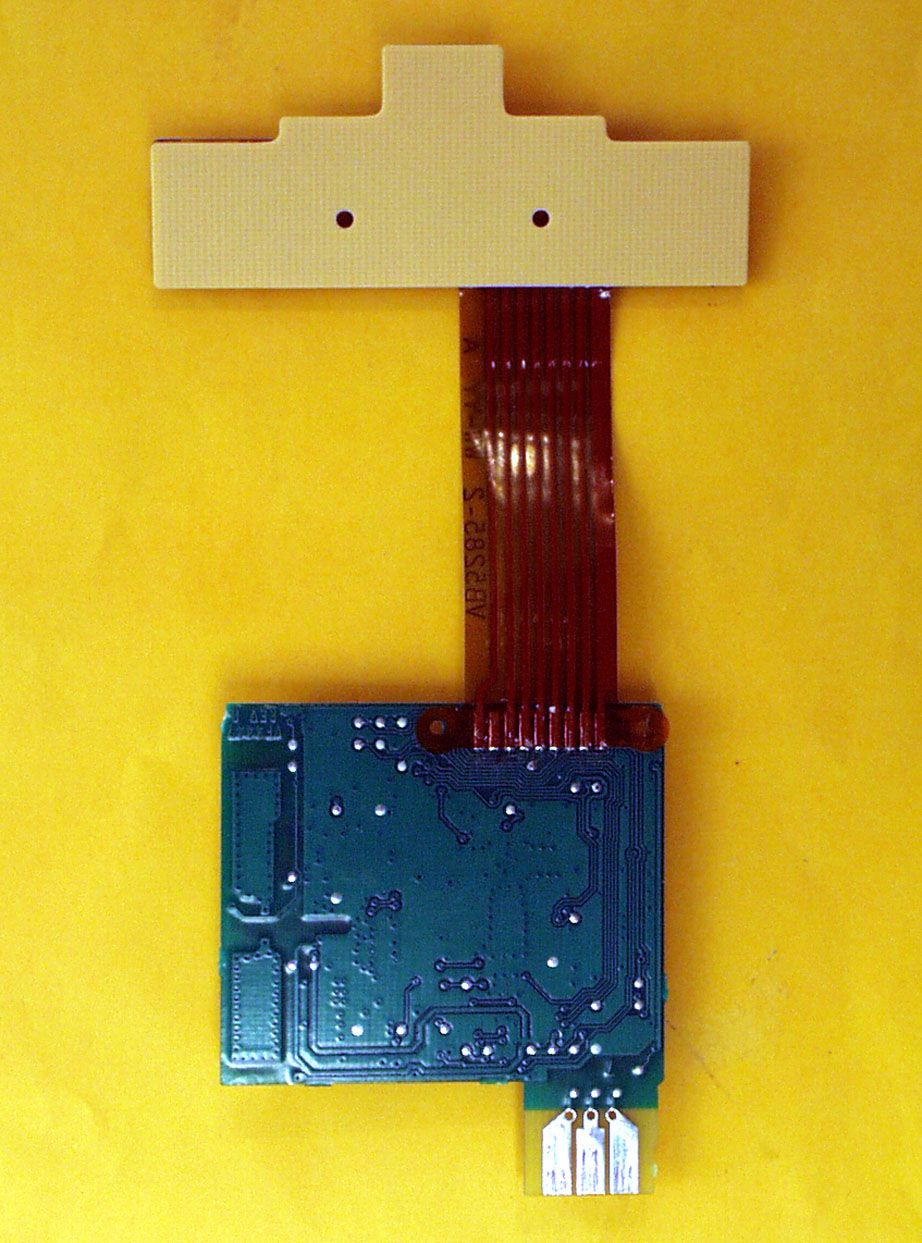
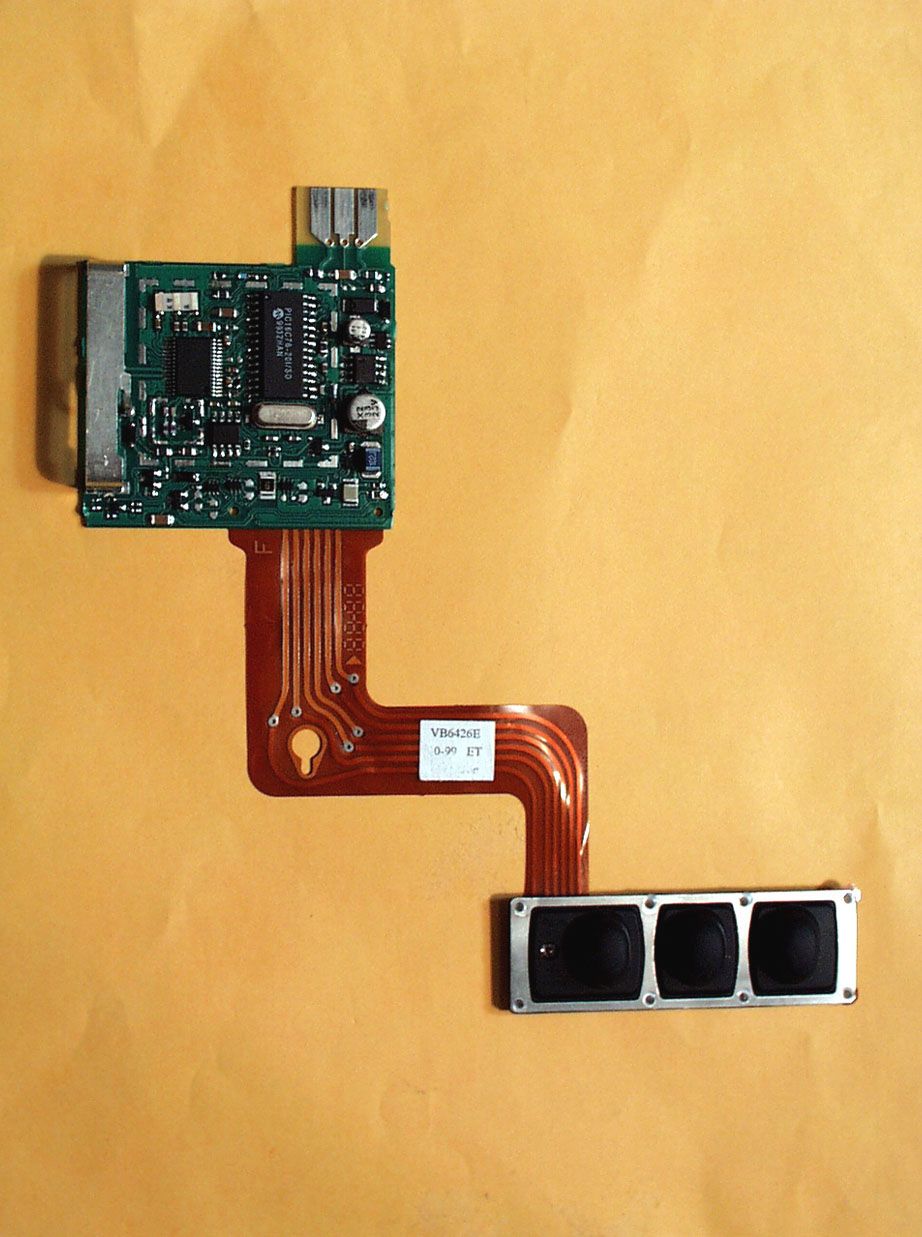
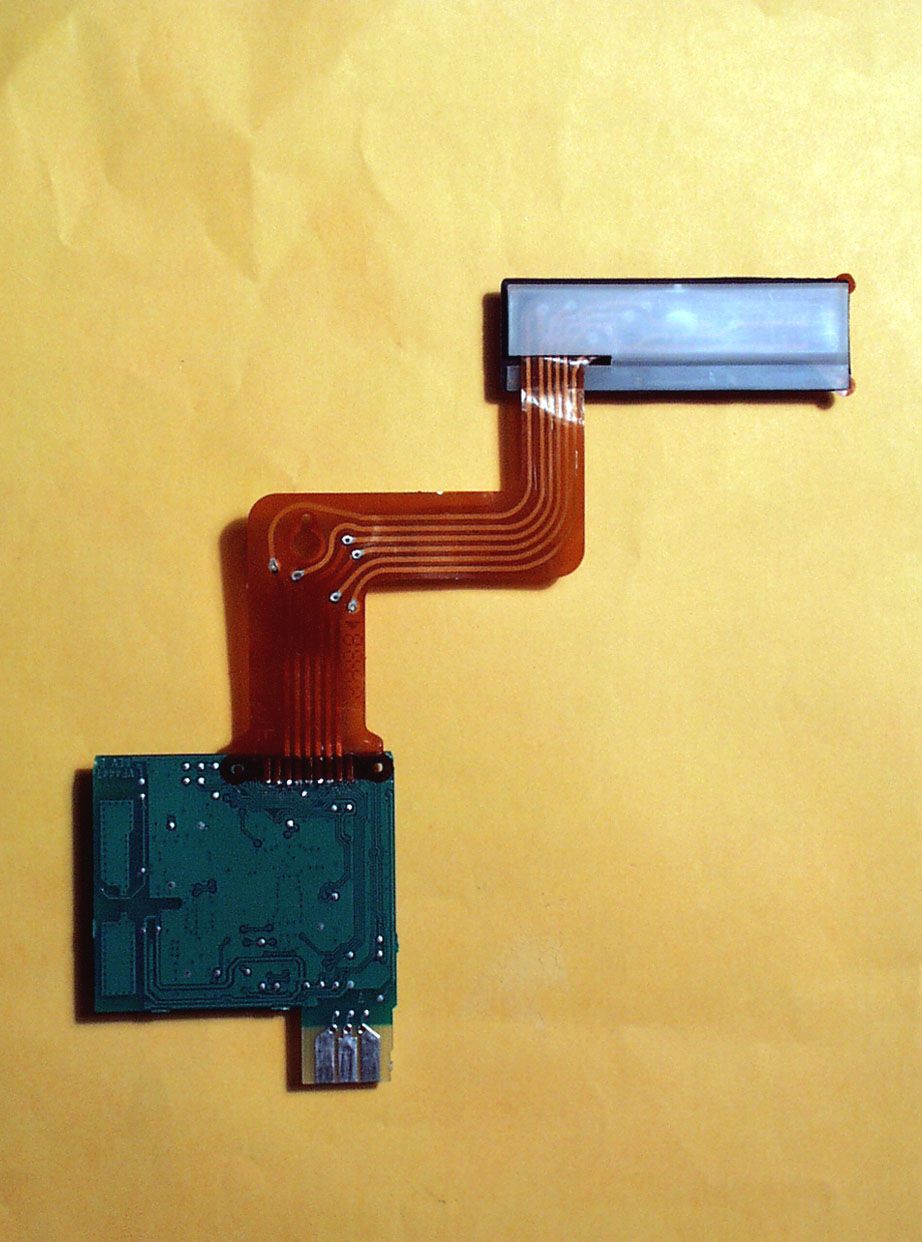
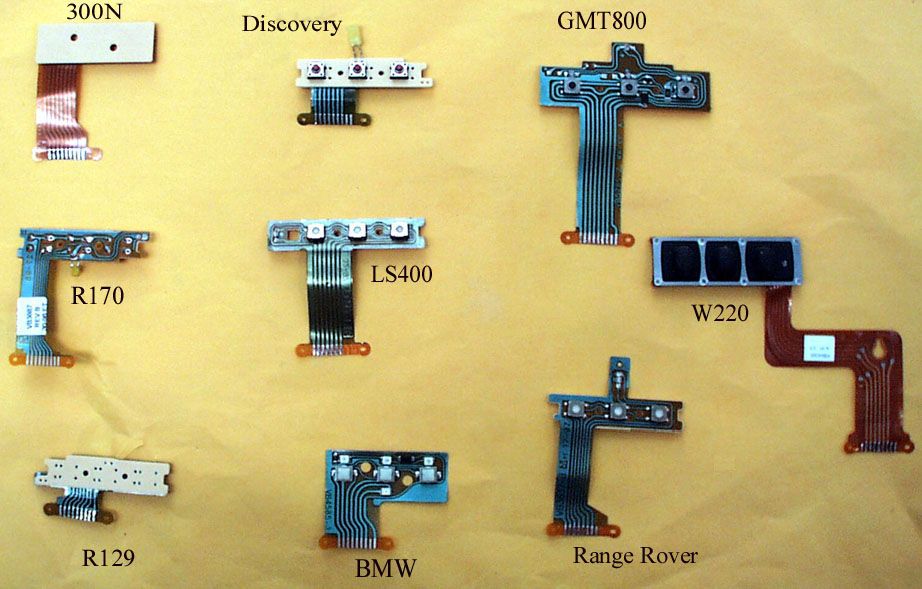
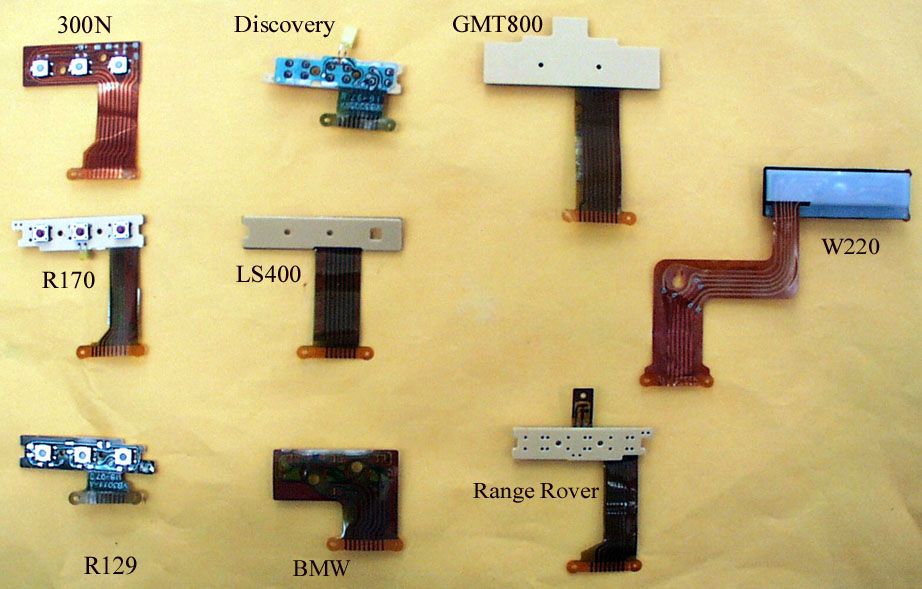
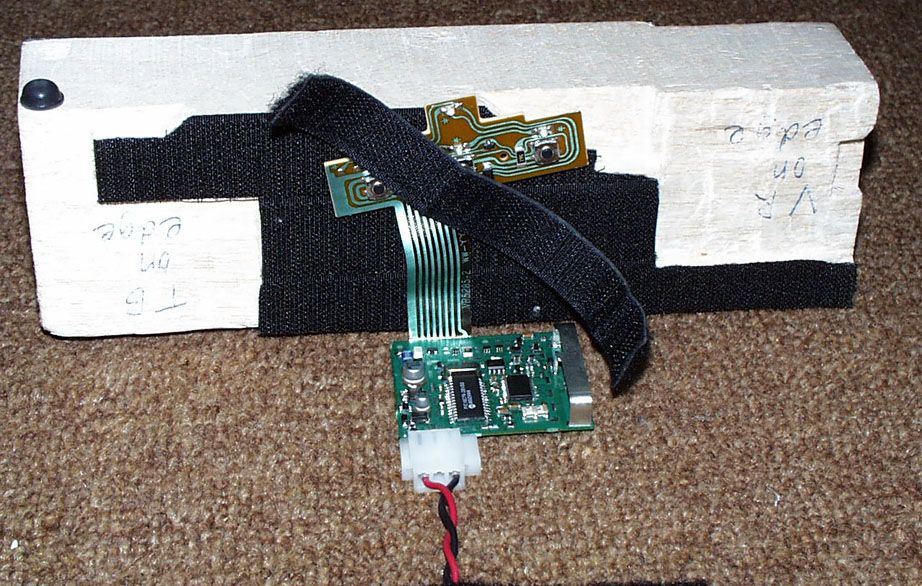
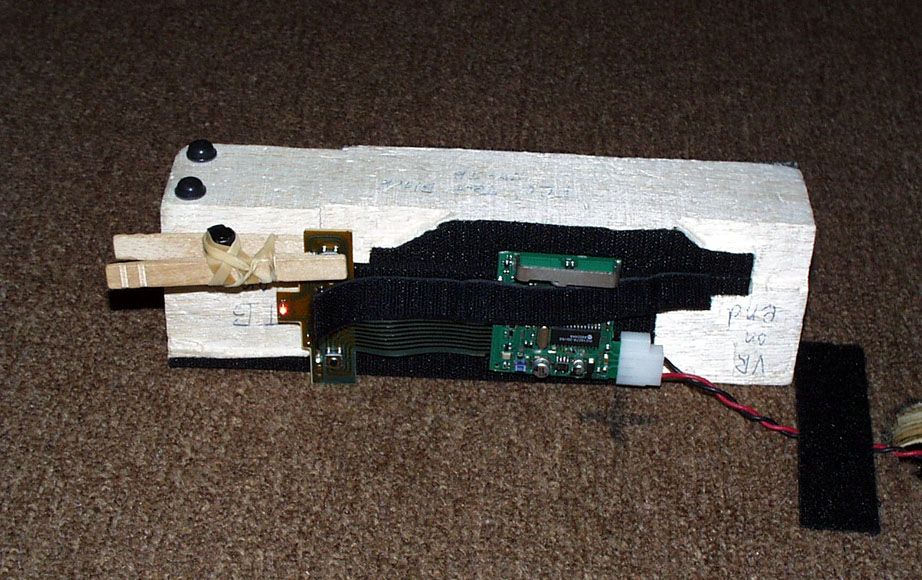
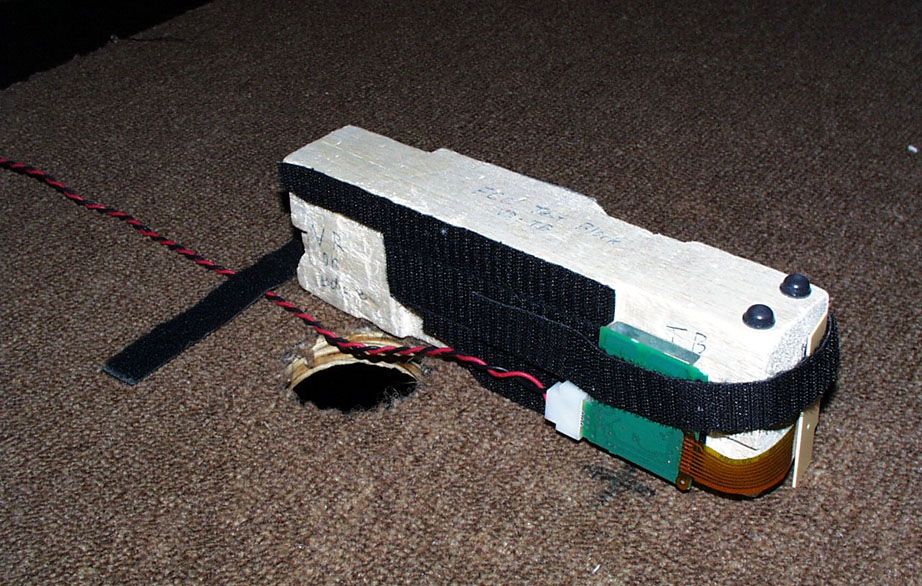
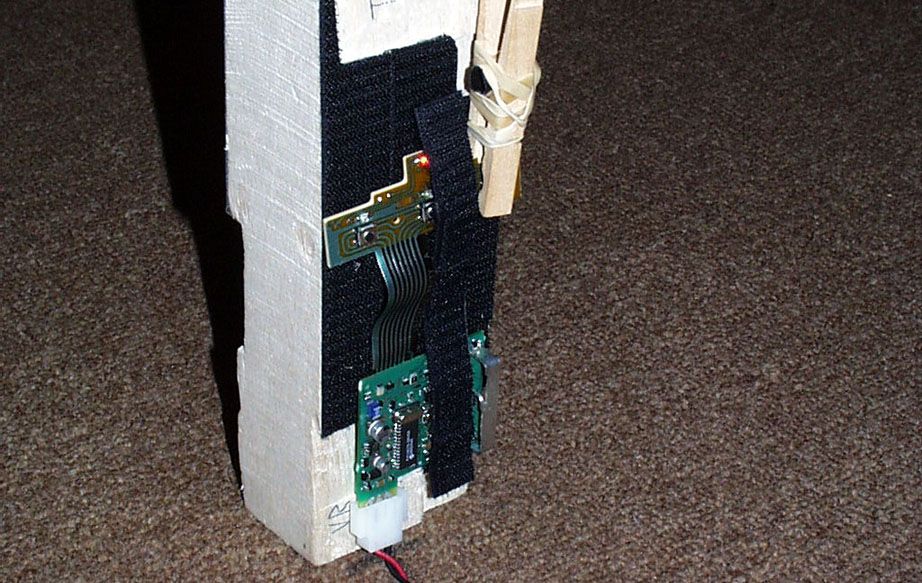
Test report #20000287FFCC 15.231 for CB2OHHL3FCC ID: CB2OHHL3 Tested February 18, 2000 AHD EMC Lab, 92723 M152, Dowagiac, MI 49047, (616) 424-701498507 Exhibit C: Page 1 of 1 EXHIBIT C: D ESCRIPTION OF P RODUCT [2.1033(b6)] The Johnson Controls Interiors Homelink® CB2OHHL3 Universal Garage Door Opener is a low- power transceiver OEM device that is installed into an overhead console of the automobile. The installation is provided by trained technicians during the course of the manufacturer of the automobile. It is powered by the 12volt system of the automobile. This Universal Garage Door Opener has the capability to: 1. Learn the frequency and bit code format of the user’s existing garage door remote control devices and 2. Reproduce and transmit the frequency and bit code format to remotely operate the user’s garage door. The unit is designed for the periodic operation of a control signal which activates typically a garage door. This overhead (OH) version of Homelink allows a single design of main board to suit different vehicles. A lap solder joint on the main printed circuit board (PCB) permanently joins with a flexible cable to a PCB containing three user push buttons and light emitting diode (LED). The unit uses twelve designs of the flex cable and the button interface board. The different designs are engineered to accommodate the requirements of a particular automobile manufacturer. The unit is only operational when the user depresses one of the three control buttons. The unit becomes inactive after release of the control button. This three-button Homelink® unit replaces up to three hand-held transmitters. In addition to the typical operation of the garage door, the unit will learn the radio frequency codes of other transmitter types to activate entry door locks, estate gates, security systems, and home or office lighting. The antenna system is an integral part of the unit. It cannot be altered nor replaced by the user. Service of this system is only available from the Automobile Manufacturer’s Dealerships and Johnson Controls Interiors, LLC.
Test Report
A H D EMC Laboratory 92723 M-152, Dowagiac, MI 49047 USA Phone: (616) 424-7014 www.ahde.com AHD EMC Lab, 92723 M152, Dowagiac, MI 49047, (616) 424-701498739 Exhibit K: Page 1 of 37 EXHIBIT K: R EPORT OF M EASUREMENTS [2.1033( B 6)] Test Report for FCC ID: CB2OHHL3 FCC Part 2.1031, Part 15 Subpart C(15.231) Report #20000287F Issued 4/17/00 T RANSMITTER M ODEL CB2OHHL3 OF H OMELINK ® III SERIES Prepared for:Mr. David Blaker Johnson Controls Interiors, LLC One Prince Center Holland, MI 49423 Test Date(s): January 19 thru February 18, 2000 data recorded bywitnessed by Ted Chaffee, NCEDavid Blaker Test Engineer, AHDCraig Harder This report prepared by: Ted Chaffee, NCE Technical Manager/Test Engineer, AHD Test report #20000287FFCC 15.231 for CB2OHHL3FCC ID: CB2OHHL3 Tested February 18, 2000 AHD EMC Lab, 92723 M152, Dowagiac, MI 49047, (616) 424-701498739 Exhibit K: Page 2 of 37 TABLE OF CONTENTS EXHIBIT K: Report of Measurements [2.1033(b6)]............................................................................. 1 TABLE OF CONTENTS ...............................................................................................................2 Statements Concerning this Report............................................................................................... 3 Manufacturer/Applicant [2.1033(b1)]............................................................................................ 4 Measurement/Test Site Facility & Equipment................................................................................. 4 Test Site [2.948, 2.1033(b6)]............................................................................................. 4 Measurement Equipment Used [2.947(d), 15.31(b)]............................................................... 4 Tested Configuration /Setup: [2.1033(b8)]..................................................................................... 5 Support Equipment & Cabling................................................................................................ 5 Setup Diagram..................................................................................................................... 5 Summary of Results: ................................................................................................................... 6 Changes made to achieve compliance................................................................................... 7 Standards Applied to Test: [2.1033(b6)]....................................................................................... 7 Test Methodology: [2.1033(b6)]................................................................................................... 7 Justification of test configurations: ......................................................................................... 7 Research in test method................................................................................................ 8 Pretest.........................................................................................................................9 Justification Conclusion.................................................................................................11 Radiated Methodology.........................................................................................................11 File 2 of 2 Test Data [ 2.1033(b6)] 14 Modulation Characteristics 14 Relative Emission Level vs. Supply voltage [15.31(e)] 16 Occupied Bandwidth [15.231(c) 17 Restricted Bands [15.205] 18 Radiated Field Strength Measurements [15.231(b), 15.205] 19 Field Strength Measurements of Fundamental - GMT unit: [15.231(b)] 23 Field Strength Measurements of Harmonics - GMT & W220 unit:s [15.231(b), 15.205] 24 Calculation of Field Strength of Tuning Pulses [15.231(b), 15.31(c)] 27 File Appendix of data APPENDIX: Tune Pulses - Data Details 32 Test report #20000287FFCC 15.231 for CB2OHHL3FCC ID: CB2OHHL3 Tested February 18, 2000 AHD EMC Lab, 92723 M152, Dowagiac, MI 49047, (616) 424-701498739 Exhibit K: Page 3 of 37 Statements Concerning this Report Test Traceability: The calibration of all measuring and test equipment and the measured data using this equipment are traceable to the National Institute for Standards and Technology (NIST). Limitations on results: The test results contained in this report relate only to the Item(s) tested. Any electrical or mechanical modification made to the test item subsequent to the test date shall invalidate the data presented in this report. Any electrical or mechanical modification made to the test item subsequent to this test date shall require an evaluation to verify continued compliance. Limitations on copying: This report shall not be reproduced, except in full, without the written approval of AHD. Limitations of the report: This report shall not be used to claim product endorsement by NVLAP, FCC, or any agency of the US Government. Statement of Test Results Uncertainty: Following the guidelines of NAMAS publication NIS81 and NIST Technical Note 1297, the Measurement Uncertainty at a 95% confidence level is determined to be: ± 3.6 dB Test report #20000287FFCC 15.231 for CB2OHHL3FCC ID: CB2OHHL3 Tested February 18, 2000 AHD EMC Lab, 92723 M152, Dowagiac, MI 49047, (616) 424-701498739 Exhibit K: Page 4 of 37 Manufacturer/Applicant [2.1033(b1)] The manufacturer and applicant: JOHNSON CONTROLS INTERIORS, LLC. One Prince Center Holland, Michigan 49423 Measurement/Test Site Facility & Equipment Test Site [2.948, 2.1033(b6)] The AHD test facility is centered on 9 acres of rural property near Sister Lakes, Michigan. The mailing address is 92723 M-152, Dowagiac, Michigan 49047. This test facility is NVLAP accredited (LabCode 200129-0). It has been fully described in a report filed with the FCC and Industry Canada. The report filed with the FCC is, dated November 5, 1996, was accepted by the FCC in a letter dated January 15, 1997, (31040/SIT 1300F2). The report filed with Industry Canada, dated August 11, 199…
Text truncated - open the document above for the full version.
Test Report
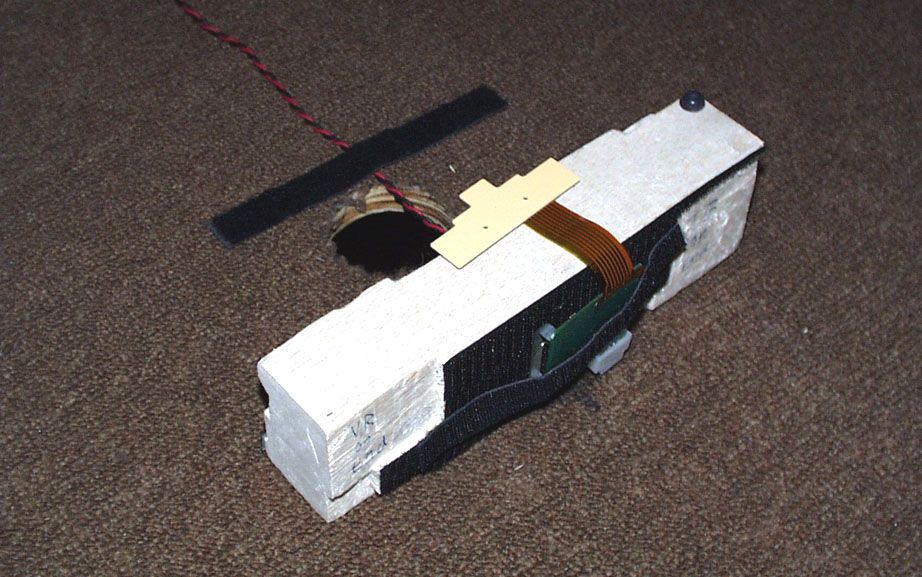
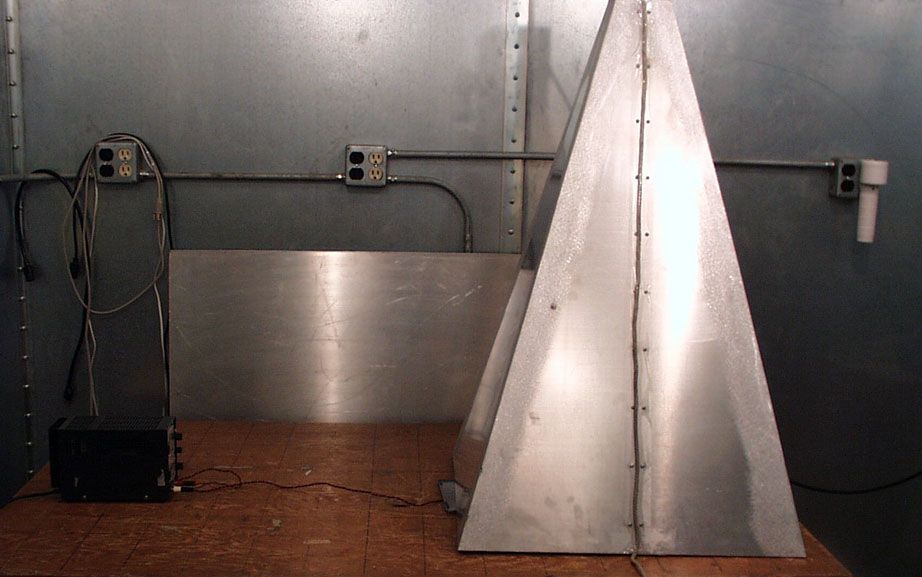
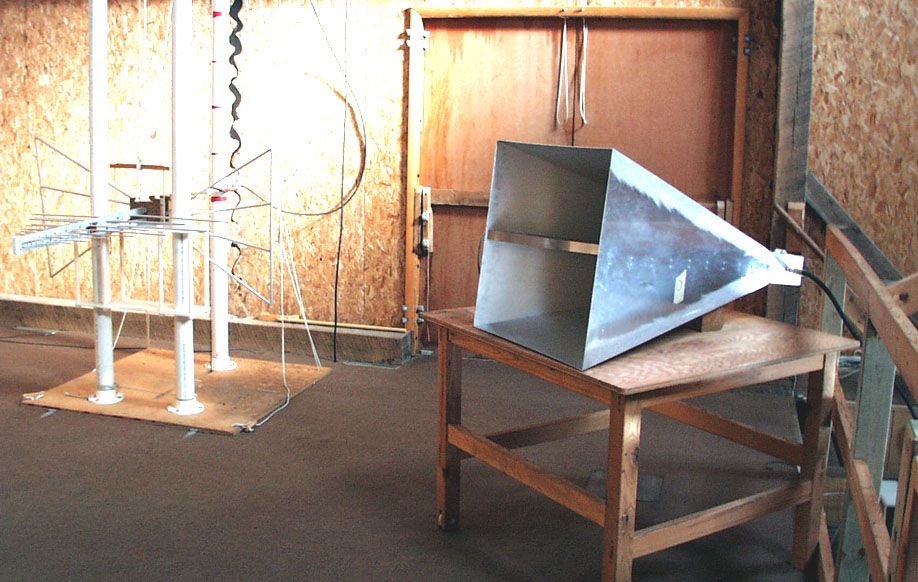
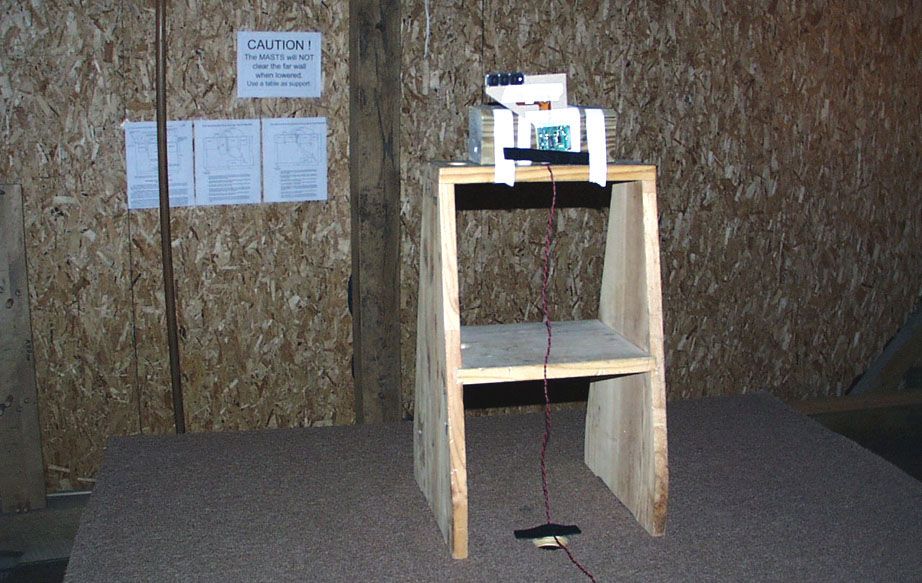
Test report #20000287FFCC 15.231 for CB2OHHL3FCC ID: CB2OHHL3 Tested February 18, 2000 AHD EMC Lab, 92723 M152, Dowagiac, MI 49047, (616) 424-701498740 Exhibit K: Page 14 of 37 Test Data [2.1033(b6)] Modulation Characteristics Typical encoding at 310MHz: Consisting of pulses of differing duty cycles. 310MHz, 500Hz Modulation, 30% duty cycle Test report #20000287FFCC 15.231 for CB2OHHL3FCC ID: CB2OHHL3 Tested February 18, 2000 AHD EMC Lab, 92723 M152, Dowagiac, MI 49047, (616) 424-701498740 Exhibit K: Page 15 of 37 310MHz, 500Hz Modulation, 50% duty cycle 310MHz, 500Hz Modulation, 80% duty cycle Test report #20000287FFCC 15.231 for CB2OHHL3FCC ID: CB2OHHL3 Tested February 18, 2000 AHD EMC Lab, 92723 M152, Dowagiac, MI 49047, (616) 424-701498740 Exhibit K: Page 16 of 37 Relative Emission Level vs. Supply Voltage [15.31(e)] The relative emission level as the supply voltage varied is presented in the charts below. TX OUTPUT vs. Voltage LEVEL DUT= CB2OHHL3, 310MHz, 80%duty cycle Volt InTX OutPut Pk dBuV/m 6no-op 775.7 874.4 974.4 1075.0 1175.0 1274.8 1374.8 1474.7 1574.6 1674.4 1774.3 1874.0 OUTPUT FIELD STRENGTH vs INPUT VOLTAGE [Tuned to 310MHz; Modulated at 500Hz, 80% Duty Cycle] 69 70 71 72 73 74 75 76 77 78 79 6789101112131415161718 Volts dBuV/m Test report #20000287FFCC 15.231 for CB2OHHL3FCC ID: CB2OHHL3 Tested February 18, 2000 AHD EMC Lab, 92723 M152, Dowagiac, MI 49047, (616) 424-701498740 Exhibit K: Page 17 of 37 Occupied Bandwidth [15.231(c)] The maximum allowed 20dB bandwidth is determined pursuant to 15.23(c). For fundamental signals between 70MHz and 900MHz the bandwidth allowed is 0.25% of the fundamental. Formula 2:Allowed bandwidth = [ Fundamental ] x [ .0025 ] Fundamental (MHz) Duty CycleMeasured 20dB Bandwidth LIMIT Fundamental * .0025 28830%585 KHz720 KHz “50%565 KHz720 KHz “80%550 KHz720 KHz 31030%550 KHz775 KHz “50%525 KHz775 KHz “80%473 KHz775 KHz 41830%555 KHz1045 KHz “50%485 KHz1045 KHz “80%500 KHz1045 KHz This chart shows a typical measured bandwidth signal. Test report #20000287FFCC 15.231 for CB2OHHL3FCC ID: CB2OHHL3 Tested February 18, 2000 AHD EMC Lab, 92723 M152, Dowagiac, MI 49047, (616) 424-701498740 Exhibit K: Page 18 of 37 Restricted Bands: [15.205] The following frequency bands are restricted. Only spurious emissions are permitted at levels limited by 15.209: MHzMHzMHzGHz 0.090-0.110 0.490-0.510 2.1735-2.1905 4.125-4.128 4.17725-4.17775 4.20725-4.20775 6.215-6.218 6.26775-6.26825 6.31175-6.31225 8.291-8.294 8.362-8.366 8.37625-8.38675 8.41425-8.41475 12.29-12.293 12.51975-12.52025 12.57675-12.57725 13.36-13.41 16.42-16.423 16.69475-16.69525 16.80425-16.80475 25.5-25.67 37.5-38.25 73-74.6 74.8-75.2 108-121.94 123-138 149.9-150.05 156.52475-156.52525 156.7-156.9 162.0125-167.17 167.72-173.2 240-285 322-335.4 399.9-410 608-614 960-1240 1300-1427 1435-1626.5 1645.5-1646.5 1660-1710 1718.8-1722.2 2200-2300 2310-2390 2483.5-2500 2655-2900 3260-3267 3332-3339 3345.8-3358 3600-4400 4.5-5.25 5.35-5.46 7.25-7.75 8.025-8.5 9.0-9.2 9.3-9.5 10.6-12.7 13.25-13.4 14.47-14.5 15.35-16.2 17.7-21.4 22.01-23.12 23.6-24.0 31.2-31.8 36.43-36.5 Above 38.6 LIMIT @ 3meter: [15.209(a)] 30-88MHz100uV/m40dBuV/m 88-216MHz150uV/m43.5dBuV/m 216-960MHz200uV/m46dBuV/m above 960MHz500uV/m54dBuV/m Verification of EUT inability to tune within the Restricted Bands. The unit is designed capable of tuning from 285MHz to 420MHz. Except that the Homelink® III firmware prevents the possibility of tuning to the restricted regions of 322-325.4MHz, 399.9- 410MHz, and 240-285MHz. An exercise which attempted to train the units into the restricted bands demonstrated how well the firmware functioned. The unit could not be trained any closer to the restricted band area than 1MHz outside the restricted bands edges. The spurious emissions observed in the restricted bands did not exceed the allowed limits for the restricted bands. Test report #20000287FFCC 15.231 for CB2OHHL3FCC ID: CB2OHHL3 Tested February 18, 2000 AHD EMC Lab, 92723 M152, Dowagiac, MI 49047, (616) 424-701498740 Exhibit K: Page 19 of 37 Radiated Field Strength Measurements: [15.231(b), 15.205] A scan of the CB2OHHL3 was made in a shielded room to study the emission profile of the EUT. These scans indicate there are no emissions from the unit other than the fundamental and its associated harmonics. The following three charts show the spectrum pattern of the EUT emissions in the W220 configuration. The levels indicated are not calibrated levels. The are no detectable spurious emissions associated with the digital portion of the W220 configuration of the model CB2OHHL3. Test report #20000287FFCC 15.231 for CB2OHHL3FCC ID: CB2OHHL3 Tested February 18, 2000 AHD EMC Lab, 92723 M152, Dowagiac, MI 49047, (616) 424-701498740 Exhibit K: Page 20 of 37 Test report #20000287FFCC 15.231 for CB2OHHL3FCC ID: CB2OHHL3 Tested February 18, 2000 AHD EMC Lab, 92723 M152, Dowagiac, MI 49047, (616) 424-701498740 Exhibit K: Page 21 of 37 The following three charts show the spectrum pattern of the EUT emissions in the GMT configuration. The levels indicated are not calibrated levels. The are no detectable spurious emissions associated with the digital portion of the GMT configuration of the model CB2OHHL3. Test report #20000287FFCC 15.231 for CB2OHHL3FCC ID: CB2OHHL3 Tested February 18, 2000 AHD EMC Lab, 92723 M152, Dowagiac, MI 49047, (616) 424-701498740 Exhibit K: Page 22 of 37 Test report #20000287FFCC 15.231 for CB2OHHL3FCC ID: CB2OHHL3 Tested February 18, 2000 AHD EMC Lab, 92723 M152, Dowagiac, MI 49047, (616) 424-701498740 Exhibit K: Page 23 of 37 Field Strength Measurements of Fundamental - GMT unit: [15.231(b)] MEASUREMENT PROCEDURE: 1.The EUT was trained to one of the three test frequencies. 2.The EUT was trained to one of the three test duty cycles. 3.The EUT was setup to one of the three orthogonal positions. 4.Steps 1-3 were repeated to cover all positions, duty cycles, and frequencies. DUT Tuned to transmit at 288MHz Freq.DUT position Ant. Pol. Correct…
Text truncated - open the document above for the full version.
Test Report
Test report #20000287FFCC 15.231 for CB2OHHL3FCC ID: CB2OHHL3 Tested February 18, 2000 AHD EMC Lab, 92723 M152, Dowagiac, MI 49047, (616) 424-701498741 APPENDIX Exhibit K: Page 32 of 37 APPENDIX: Tune Pulses - Data Details COARSE TUNE Pulse; Fundamental Frequency = 288MHz mSec Level uV/mmSec Level uV/mmSec Level uV/mmSec Level uV/m 1 10044.8212549.661502992.261753349.65 2 100.553.27125.548.87150.52968.25175.52954.61 3 10147.8112652.841512867.481762676.09 4 101.550.06126.546.88151.52808.67176.52440.62 5 10252.8412750.471522747.891772262.04 6 102.544.21127.544.36152.52719.57177.52123.24 7 10348.4712844.461532703.961782002.17 8 103.547.42128.547.15153.52660.73178.51901.08 9 10445.4512959.291542612.161791851.40 10 104.548.87129.548.08154.52591.19179.51788.55 11 10546.8813044.821552585.231801737.80 12 105.545.19130.543.45155.52549.76180.51682.67 13 10667.6113149.4915647.321811636.82 14 106.555.78131.543.80156.553.70181.51616.22 15 10759.9813248.4715751.881821577.61 16 107.553.46132.546.88157.555.65182.51555.97 17 10854.3313343.7015862.951831547.03 18 108.554.76133.549.89158.546.88183.51515.30 19 10962.0913451.2315947.701841506.61 20 109.549.89134.549.89159.548.31184.51503.14 21 11044.5713548.7016052.301851479.11 22 110.549.09135.553.89160.554.89185.51465.55 23 11156.2313651.2316148.581861458.81 24 111.548.58136.559.16161.551.88186.51442.12 25 11249.4913752.0016256.231871442.12 26 112.553.15137.557.48162.548.08187.51435.49 27 11349.4913846.8816348.581881419.06 28 113.545.45138.557.48163.548.19188.51419.06 29 11452.4213947.7016448.471891415.79 30 114.549.89139.554.14164.554.33189.51412.54 31 11548.9814052.6016547.701901409.29 32 115.563.10140.552.42165.554.76190.51397.98 33 11650.6414151.3516649.491911401.20 34 116.554.01141.548.70166.548.87191.51386.76 35 11759.2914251.5816758.211921404.43 36 117.550.93142.51676.87167.562.45192.51381.97 37 11848.871433254.6216852.421931375.62 38 118.543.80143.56614.55168.52463.20193.555.78 39 11948.5814414387.991692907.3719444.21 40 119.543.70144.516274.21169.53503.48194.543.70 41 12044.9314510543.871704477.1319549.26 42 120.545.92145.56722.02170.56025.60195.547.92 4312156.691465321.081718892.0119648.47 44121.547.32146.54560.37171.515523.87196.548.98 4512252.601474073.8017216292.9619747.92 46122.547.32147.53758.37172.512589.25197.552.60 4712346.031483515.601738394.6019849.66 48123.552.18148.53338.11173.56060.38198.548.19 4912446.881493187.871744758.8319955.02 50124.554.01149.53069.02174.53935.50199.547.15 COARSE TUNE Pulse; Fundamental Frequency = 310MHz mSec Level uV/mmSec Level uV/mmSec Level uV/mmSec Level uV/m 1 10047.6412551.7615052.061753732.50 2 100.547.37125.547.04150.554.39175.53655.95 3 10156.3012658.4815152.481763597.49 4 101.559.57126.550.52151.553.03176.53556.31 5 10248.2512758.4815256.041773515.60 6 102.551.88127.549.55152.562.02177.53479.37 7 10354.5812849.5515353.891783451.44 8 103.549.43128.556.75153.552.18178.53431.63 9 10449.4312953.4615451.231793396.25 10 104.556.75129.564.19154.559.29179.53384.54 11 10557.5413052.0615554.831803361.24 12 105.559.77130.551.05155.559.57180.53341.95 13 10654.7013157.5415655.721813322.77 14 106.557.68131.555.27156.558.95181.53322.77 15 10765.7713255.2715761.381823296.10 16 107.561.871…
Text truncated - open the document above for the full version.
Contact Information
Applicant
Rick Markiewicz(Electronics Engineering Manager)
Technical Contact
Johnson Controls Interiors, LLCDavid A Blaker
[email protected]616 394-8013
One Prince Center · Holland, Michigan · United States
Non-Technical Contact
AHDTed N Chaffee
[email protected]616 424-7014
Test Firm
AHD EMC LaboratoryGordon Helm
Technical Specifications
| # | Rule Parts | Frequency Range | Power Output |
|---|---|---|---|
| 3 | - | 410 MHz - 420 MHz | - |
Other Applications from Johnson Controls Interiors L.L.C.

CB2-BLUE15M-TCU
Mar 20, 2014Automotive Telematics Module with Handsfree Bluetooth
Equipment Class
DSS - Part 15 Spread Spectrum Transmitter
CB2-BLUE15M
Jan 19, 2014Bluetooth Telematics Device
Equipment Class
DSS - Part 15 Spread Spectrum Transmitter
CB262932
Jul 15, 2013Automotive Electronics Infotainment Head Unit with Bluetooth and WLAN
Equipment Class
DTS - Digital Transmission System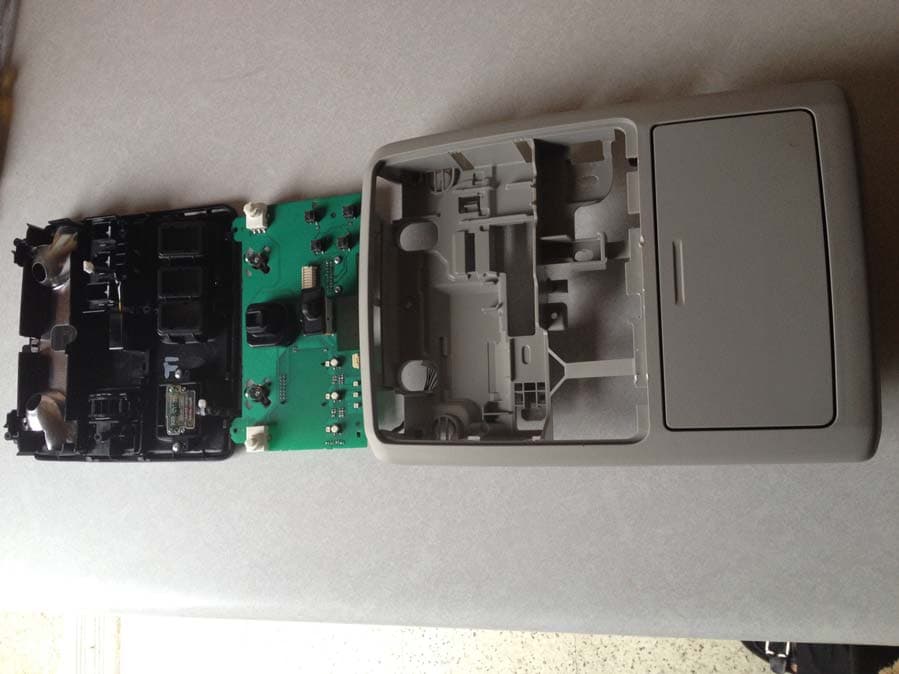
CB2775AHL5
Apr 29, 2013Universal Garage Door Opener w/ FHSS TX
Equipment Class
DSR - Part 15 Remote Control/Security Device Transceiver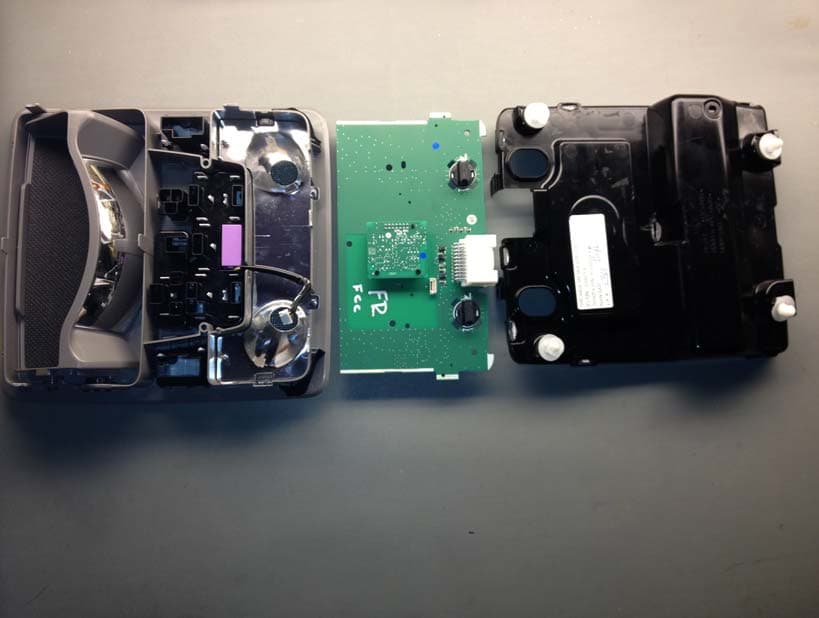
CB2440AHL5
Feb 24, 2013Universal Garage Door TX w/ FHSS TX
Equipment Class
DSS - Part 15 Spread Spectrum Transmitter