CJ6MSDB02SDIO Card type-B for Bluetooth
Dynabook Inc.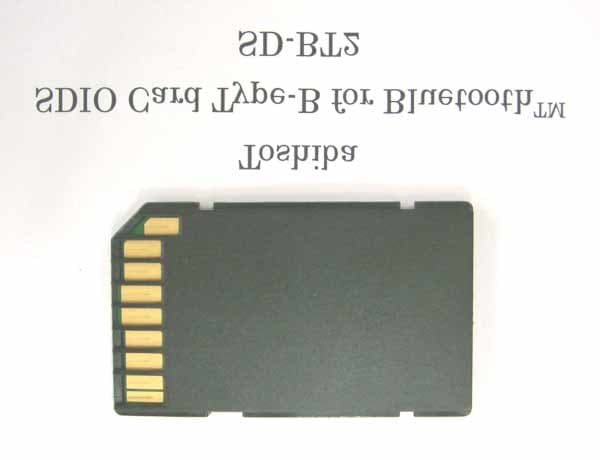
Click to zoom
Application Details
- Equipment Class
- DXT - Part 15 Low Power Transceiver, Rx Verified
- Date of Grant
- Mar 05, 2003
- Application Purpose
- Original Equipment
- Date of Application
- Mar 05, 2003
- Equipment Note
- SDIO Card type-B for Bluetooth
- Frequency Range
- 2402.00000000 - 2480.00000000
- Company
- Dynabook Inc.
- Country
- Japan
Documents & Files
Document Text
Text extracted from the exhibit documents filed with the FCC. Open a document above to read the original.
Users Manual
Confidential SDIO Card Type-B for Bluetooth™ SD-BT2 User's Manual Draft Rev. 1.0c (February 27, 2003) 1 SDIO Card Type-B for Bluetooth™ SD-BT2 User's Manual Draft Rev. 1.0c (February 27, 2003) TOSHIBA CORPORATION Confidential SDIO Card Type-B for Bluetooth™ SD-BT2 User's Manual Draft Rev. 1.0c (February 27, 2003) 2 Revision History Revision Date Comments Draft 1.0 2002-06-24 Draft Draft 1.0a 2002-07-02 Change notification statements. Draft 1.0c 2003-02-27 Change notification statements. Add some description statements. (*) The Bluetooth trademarks are owned by Bluetooth SIG, Inc., U.S.A Confidential SDIO Card Type-B for Bluetooth™ SD-BT2 User's Manual Draft Rev. 1.0c (February 27, 2003) 3 Feature Bluetooth™ SD card is an ultra small and thin card which has built-in antenna, Bluetooth™ function and SD/IO interface compliant with SDIO Card Specification. Bluetooth™ is a low-cost and low-power wireless communication standard for short range communication which uses 2.4GHz ISM band and GFSK modulation method. Bluetooth™ specification is standardized by Bluetooth SIG and it is industry-widely supported. SDIO Card Specification is a standard for small size IO devices. SDIO Card Specification is standardized by SD Association and it is also industry-widely supported. Bluetooth™ SD card can be used with any kind of devices which have SDIO card slot and software for Bluetooth SD card, e.g. PDAs, portable PCs and desktop PCs. Appearance Direction of insertion Installation When inserting this card into SD card slot, check the form of the connector and insert it surely. PDA supporting the SD/IO Card • Connect the Bluetooth™ SD Card to a PDA. This drawing is an example. As for the position where the Bluetooth™ SD card is connected, refer to the User’s Manual of PDA. Confidential SDIO Card Type-B for Bluetooth™ SD-BT2 User's Manual Draft Rev. 1.0c (February 27, 2003) 4 What you can do with the Bluetooth™ SD Card < Data communication between a PDA and a PC > PDA supporting the SD/IO Card PC with Bluetooth Please refer to the user’s manuals of PDA, PC and application software, with which Bluetooth™ SD card is used, for the details of usage and operation. Confidential SDIO Card Type-B for Bluetooth™ SD-BT2 User's Manual Draft Rev. 1.0c (February 27, 2003) 5 Specifications Model name SDIO Card Type-B for Bluetooth TM Model No. SD-BT2 Bluetooth™ specification Bluetooth™ Ver.1.1 *1 Specification of electric Operating voltage : 3.1 to 3.6V Power Consumption : 100mA(MAX.) 50mA(AVG. in transmitting/receiving) RF specification In conformity with Bluetooth radio specification Transmission electric power class : Power class 3 [ maximum output : 1mW (0dBm)] Sensitivity of receiving : –70dBm Host-Card Interface SDIO Card Specification V1.0 SDIO Card Type-B Specification for Bluetooth™ Dimension 40mm-long x 24mm-wide x 2.1mm-thick A part of protrusion is 2.8mm-thick. Bluetooth™ Protocols/Profiles implemented in the Card RF, Baseband, LMP, L2CAP *2 , SDP *2 , RFCOMM *2 , GAP *2 , SPP(Serial Port Profile) *2 , SDAP(Service Discovery Application Profile) *2 *1 : Bluetooth Special Interest Group, Document number 1.C.47/1.1, February 22nd, 2001 *2 : It is supported when the card is in “ SDIO Card for Bluetooth Type-B” mode. Confidential SDIO Card Type-B for Bluetooth™ SD-BT2 User's Manual Draft Rev. 1.0c (February 27, 2003) 6 Using this products • Using this products ***WARNING Do not perform disassembly, modifications or repairs. There is a danger of fires, electrical shock, damage to the unit, and injury. Do no remove the label and do not paste the other labels. Dismantling this product will invalidate the warranty and any other service plan. Do not use this unit in an area where people wearing pacemakers may be nearby (such as in a crowded train). Electrical signals may cause abnormalities in pacemaker operation. Those with a pacemaker should operate this system from a minimum distance of 22cm or more. Electrical signals may cause abnormalities in pacemaker operation. Do not use this unit near medical electronic equipment. Likewise, do not attach medical electronic equipment to this system. Electrical signals may cause abnormalities in the operation of medical electronic equipment. Do not use this unit near automatic doors, fire detection devices, or other automatic control devices. Electrical signals may affect these devices, leading to accidents caused by malfunctions. Do not use this unit in an aircraft or in a place where this unit may electromagnetically affect other devices. An electromagnetically wave may affect these devices and cause accidents by malfunctions. If this unit give any electromagnetic interference to other device during use of this unit, turn off the system that this unit is mounted. If the system is not turned off, eject this unit from the system. Electrical signals may affect these devices, leading to accidents caused by malfunctions. Do not put this unit into your mouth to avoid swallowing it. Confidential SDIO Card Type-B for Bluetooth™ SD-BT2 User's Manual Draft Rev. 1.0c (February 27, 2003) 7 *** CAUTION Do not use unit in the bath, or any other area where there is a chance of submersion or high humidity. There is a risk of electrical shock. Do not use in bath Do not insert staples or paper clips into the unit. There is a danger of an electrical short, smoke, or fire. Wa rn in g Do not use unit in a location exposed to rain or mist. Rain or mist on the unit may cause fires or electrical shock. Wa rn in g If the unit is connected to a personal digital assistant, do not touch the SD card during or immediately following operation. There is a danger of burns resulting from high heat levels. Those with delicate skin should use caution. Wa rn in g Do not place cups, flower vases or other containers holding liquid near unit. There is a danger of electrical shock if liquids enter the unit. If liquids should enter the unit, turn the power off immediately, remove the plug from the electrical outlet, …
Text truncated - open the document above for the full version.
Cover Letter(s)
Date: 2003/03/05 Federal Communications Commission Equipment Approval Services Subject: Request for Confidentiality FCC ID: CJ6MSDB02 Dear Sir/Madame: In according to Section 0.459 of CFR 47, we, Toshiba Corporation, requests confidentiality as below; 1. Operational Description (Product Description) 2. Circuit Diagram 3. Block Diagram These items contain detailed system and equipment description and related information about the product which Toshiba Corp. considers to be proprietary, confidential and a custom design which otherwise would not be released to the general public. Since this design is a basis from which future technological products will evolve, Toshiba Corp. also feels that this information would be of benefit to its competitors, and that the disclosure of the information in these exhibits would give our competitors an unfair advantage in the market. Sincerely, Name: Takafumi Ito Title: Group Manager Section & Company Common Technology Development Dept., Core Technology Center Toshiba Corporation, Digital Media Network Company
External Photos
Photo-1: Top View Photo-2: Bottom View
ID Label/Location Info
Confidential SDIO Card Type-B for Bluetooth™ SD-BT2 Label Rev.1.0 (February 25, 2003) 1 SDIO Card Type-B for Bluetooth™ SD-BT2 Label Rev. 1.0 (February 25, 2003) Confidential SDIO Card Type-B for Bluetooth™ SD-BT2 Label Rev.1.0 (February 25, 2003) 2 Label and Label Placement
Internal Photos
Photo-3: Top Cover Removed Photo-4: PC Board, Component Side Photo-5: PC Board, Foil Side
Test Report
JAPAN QUALITY ASSURANCE ORGANIZATION 21-25, KINUTA 1-CHOME, SETAGAYA-KU, TOKYO 157-8573 JAPAN PHONE +81-3-3416-0111, FAX +81-3-3416-9691 JQA APPLICATION NO.: 400-20847 Issue Date : March 5, 2003 Page 1 of 42 EMI TEST REPORT JQA APPLICATION NO. : 400-20847 Model No. : SD-BT2 Type of Equipment : SDIO Card Type-B for Bluetooth TM Regulations Applied : CFR 47 FCC Rules and Regulations Part 15 FCC ID : CJ6MSDB02 Applicant : Toshiba Corporation Address : 1-1 Shibaura 1-chome, Minato-ku, Tokyo 105-8001, Japan Manufacture : Toshiba Corporation Address : 2-5-1, Kasama, Sakae-ku, Yokohama 247-8585, Japan Received date of EUT : March 4, 2003 Final Judgment : Passed Test results in this report are obtained in use of equipment that is traceable to National Institute of Advanced Industrial Science and Technology (AIST) of Japan and Communication Research Laboratory (CRL) of Japan. The test results only respond to the tested sample. This report should not be reproduced except in full, without the written approval of JQA EMC Engineering Dept. Testing Div. C O P Y JQA Application No. :400-20847 FCC ID :CJ6MSDB02 Model No. :SD-BT2 Issue Date :March 5, 2003 Standard :CFR 47 FCC Rules Part 15 Page 2 of 42 JAPAN QUALITY ASSURANCE ORGANIZATION TABLE OF CONTENTS Page 1 Documentation 1.1 Test Regulation 3 1.2 General Information 3 1.3 Test Condition 4 – 8 1.4 EUT Modifications / Deviation from Standard 9 1.5 Test results 10 1.6 Summary 11 1.7 Test Configuration / Operation of EUT 12 1.8 EUT Arrangement(Drawing) 13 1.9 Preliminary Test and Test-setup (Drawings) 14 – 19 1.10 EUT Arrangement (Photographs) 20 - 22 2 Test Data 2.1 AC Power Line Conducted Emission 23 - 24 2.2 Radiated Emission (Electric Field) 25 – 31 2.3 Frequency Stability N/A 2.4 Occupied Bandwidth 32 – 34 2.5 AC Power Line Conducted Emission for Receiver 35 - 36 2.6 Radiated Emission (Electric Field) for Receiver 37 – 38 3 Appendix Test instruments List 39 – 42 C O P Y JQA Application No. :400-20847 FCC ID :CJ6MSDB02 Model No. :SD-BT2 Issue Date :March 5, 2003 Standard :CFR 47 FCC Rules Part 15 Page 3 of 42 JAPAN QUALITY ASSURANCE ORGANIZATION 1 DOCUMENTATION 1.1 TEST REGULATION FCC Rules and Regulations Part 15 Subpart B and Subpart C Test procedure : AC power line conducted emission, radiated emission, frequency stability and occupied bandwidth tests were performed according to the procedures in ANSI C63.4-1992. 1.2 GENERAL INFORMATION 1.2.1 Test facility : 1) Test Facility located at EMC Engineering Dept. Testing Div. : - No.2 and 3 Anechoic Chambers( 3 meters Site ). - Shielded Enclosure. Expiration date of FCC test facility filing : May 27, 2005 2) EMC Engineering Dept. Testing Div. is recognized under the National Voluntary Laboratory accreditation Program for satisfactory compliance established in title 15, Part 285 Code of Federal Regulations. NVLAP Lab Code : 200189-0 (Effective through : June 30, 2003) 1.2.2 Description of the Equipment Under Test (EUT) : 1) Type of Equipment : SDIO Card Type-B for Bluetooth TM 2) Product Type : Production 3) Category : Low Power Transceiver, RX Verified 4) EUT Authorization : Certification 5) FCC ID : CJ6MSDB02 6) Trade Name : SDIO Card Type-B for Bluetooth TM 7) Model No. : SD-BT2 8) Operating Frequency Range : 2402 MHz - 2480 MHz 9) Highest Frequency Used in the EUT : 2480 MHz 10) RF Output Power : 1 mW(Rated) 11) Serial No. : 0232TC0500A 12) Date of Manufacture : - 13) Power Rating : DC 3.3V (The EUT is inserted in the Host Computer) 14) EUT Grounding : None 1.2.3 Definitions for symbols used in this test report : x - indicates that the listed condition, standard or equipment is applicable for this report. - indicates that the listed condition, standard or equipment is not applicable for this report. C O P Y JQA Application No. :400-20847 FCC ID :CJ6MSDB02 Model No. :SD-BT2 Issue Date :March 5, 2003 Standard :CFR 47 FCC Rules Part 15 Page 4 of 42 JAPAN QUALITY ASSURANCE ORGANIZATION 1.3 TEST CONDITION 1.3.1 The measurement of the AC Power Line Conducted Emission x - was performed in the following test site. - was not applicable. Test location : Safety & EMC Center EMC Engineering Dept. Testing Div. 21-25, Kinuta 1-chome, Setagaya-ku, Tokyo 157-8573, Japan x - Shielded Enclosure - Anechoic Chamber No. 2 (portable Type) Used test instruments : Type Number of test instruments (Refer to Appendix) Test Receiver TR01 Spectrum Analyzer N/A Cable CA04 AMN(for EUT) NE02 AMN(for Peripheral) NE01 Termination AU01 C O P Y JQA Application No. :400-20847 FCC ID :CJ6MSDB02 Model No. :SD-BT2 Issue Date :March 5, 2003 Standard :CFR 47 FCC Rules Part 15 Page 5 of 42 JAPAN QUALITY ASSURANCE ORGANIZATION 1.3.2 The measurement of the Radiated Emission(9 kHz – 30 MHz) x - was performed in the following test site. - was not applicable. Test location : Safety & EMC Center EMC Engineering Dept. Testing Div. 21-25, Kinuta 1-chome, Setagaya-ku, Tokyo 157-8573, Japan x - Anechoic Chamber No. 2 (3 meters) - Anechoic Chamber No. 3 (3 meters) Validation of Site Attenuation : 1) Last Confirmed Date : N/A 2) Interval : N/A Used test instruments : Type Number of test instruments (Refer to Appendix) Test Receiver TR07 Antenna AN01 Cable CA06 C O P Y JQA Application No. :400-20847 FCC ID :CJ6MSDB02 Model No. :SD-BT2 Issue Date :March 5, 2003 Standard :CFR 47 FCC Rules Part 15 Page 6 of 42 JAPAN QUALITY ASSURANCE ORGANIZATION 1.3.3 The measurement of the Radiated Emission(30 MHz – 1000 MHz) x - was performed in the following test site. - was not applicable. Test location : Safety & EMC Center EMC Engineering Dept. Testing Div. 21-25, Kinuta 1-chome, Setagaya-ku, Tokyo 157-8573, Japan x - Anechoic Chamber No. 2 (3 meters) - Anechoic Chamber No. 3 (3 meters) Validation of Site Attenuation : 1) Last Confirmed Date :March, 2002 2) Interval :1 year Used test instruments : Type Number of test instruments (Refer to Appendix) Test Receiver TR05 Antenna AN06, AN08 Cable CA01 RF Amplifier N/A C O P Y JQA Application No. :400-20847 FCC ID :CJ6MSD…
Text truncated - open the document above for the full version.
Test Setup Photos
JAPAN QUALITY ASSURANCE ORGANIZATION 21-25, KINUTA 1-CHOME, SETAGAYA-KU, TOKYO 157-8573 JAPAN PHONE +81-3-3416-0111, FAX +81-3-3416-9691 1.10 TEST ARRANGEMENT (PHOTOGRAPHS) PHOTOGRAPHS OF EUT CONFIGURATION FOR AC POWER LINE CONDUCTED EMISSIONS MEASUREMENT Photograph present configuration with maximum emission - Front View – - Side View – C O P Y JQA Application No. :400-20847 FCC ID :CJ6MSDB02 Model No. :SD-BT2 Issue Date :March 5, 2003 Standard :CFR 47 FCC Rules Part 15 Page 2 of 3 JAPAN QUALITY ASSURANCE ORGANIZATION PHOTOGRAPHS OF EUT CONFIGURATION FOR RADIATED EMISSIONS MEASUREMENT Photograph present configuration with maximum emission C O P Y JQA Application No. :400-20847 FCC ID :CJ6MSDB02 Model No. :SD-BT2 Issue Date :March 5, 2003 Standard :CFR 47 FCC Rules Part 15 Page 3 of 3 JAPAN QUALITY ASSURANCE ORGANIZATION C O P Y
Contact Information
Applicant
Ryuichi Kamimura(Senior Manager)
Test Firm
Japan Quality Assurance Org.Tetsuo Kato
Technical Specifications
| # | Rule Parts | Frequency Range | Power Output |
|---|---|---|---|
| 1 | 15C | 2.40 GHz - 2.48 GHz | - |
Other Applications from Dynabook Inc.
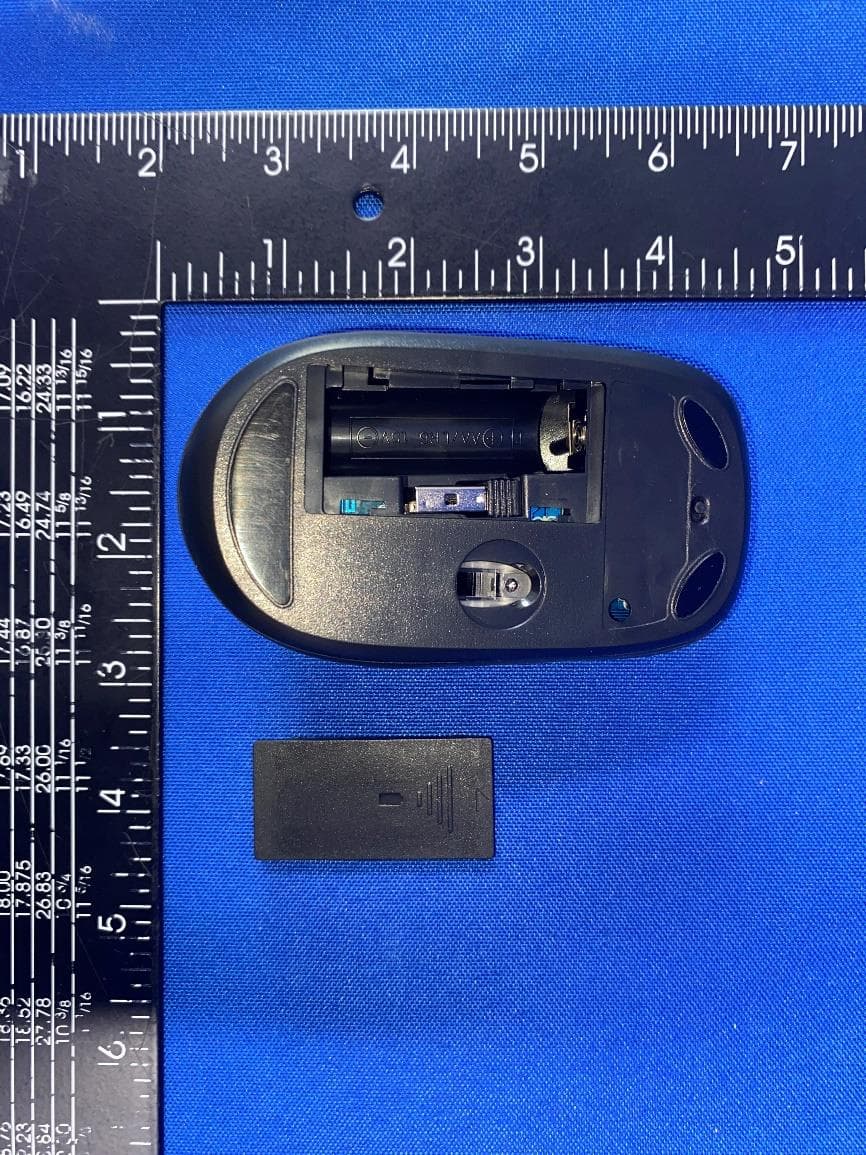
CJ6PA5347RT
Oct 20, 2022dynabook Wireless Optical Silent Mouse
Equipment Class
DXX - Part 15 Low Power Communication Device Transmitter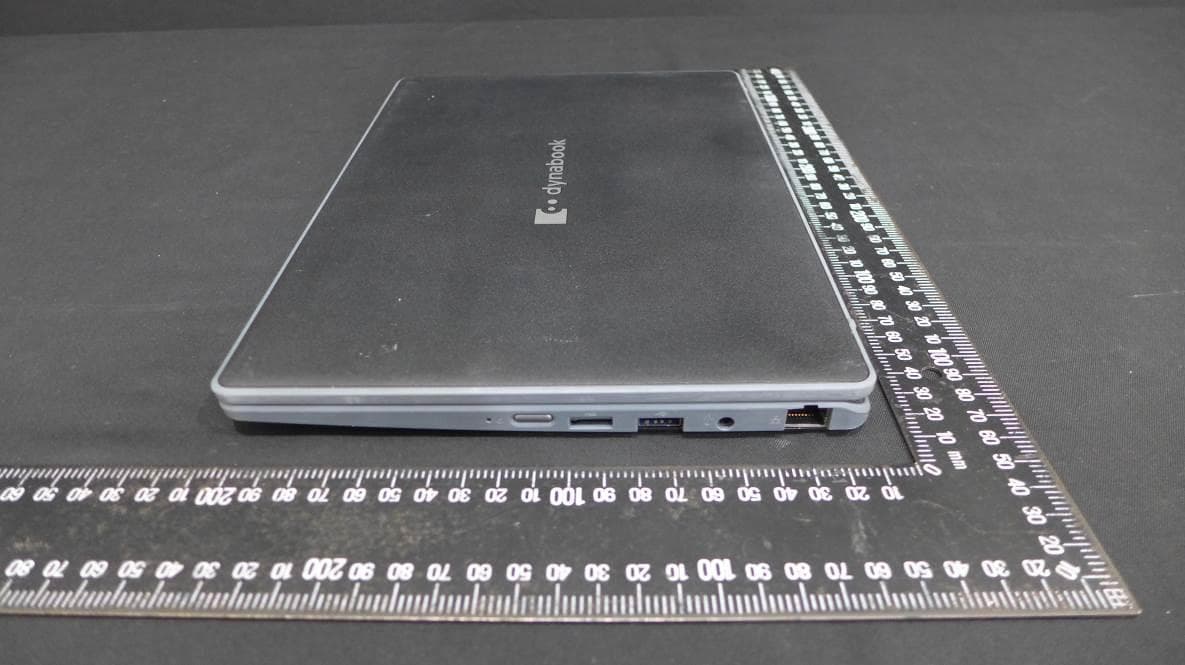
CJ6PYT0XPC
Apr 28, 2021Notebook Computer
Equipment Class
DSS - Part 15 Spread Spectrum Transmitter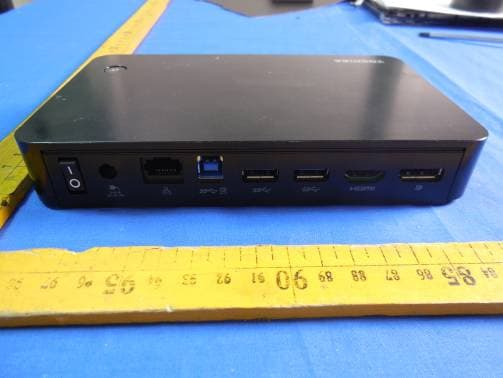
CJ6UPA5238WL
Sep 01, 2015dynadock WiAC
Equipment Class
NII - Unlicensed National Information Infrastructure TX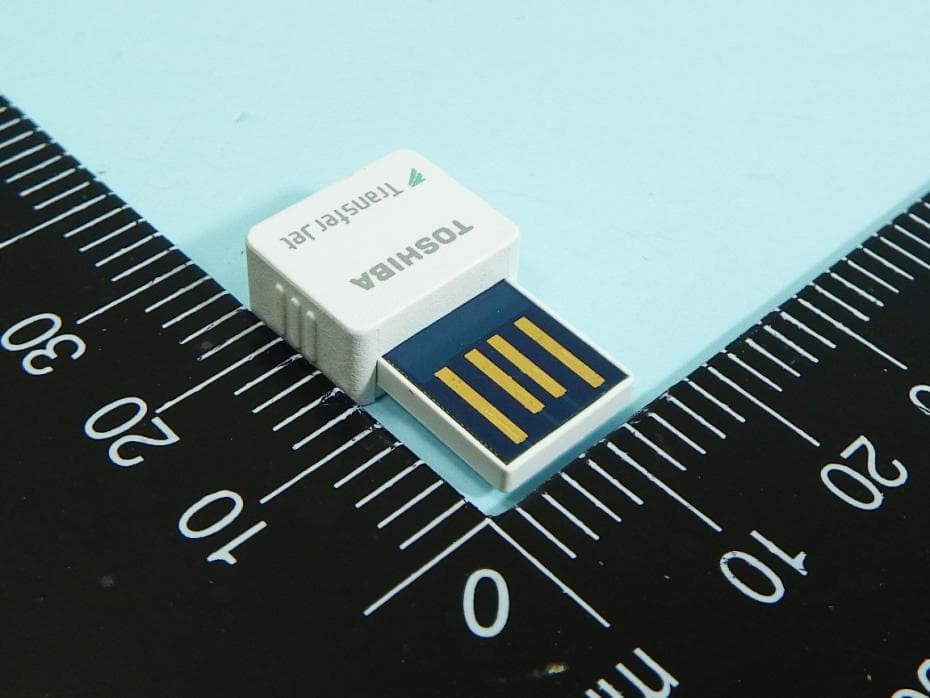
CJ6UPA5144TJ
Aug 07, 2014TransferJet USB Adapter
Equipment Class
JBP - Part 15 Class B Computing Device Peripheral
CJ6UPA5145TJ
Aug 07, 2014TransferJet MicroUSB Adapter
Equipment Class
UWB - Ultra Wideband Transmitter