DJ768FTT416Amplifier
Ten Tec Inc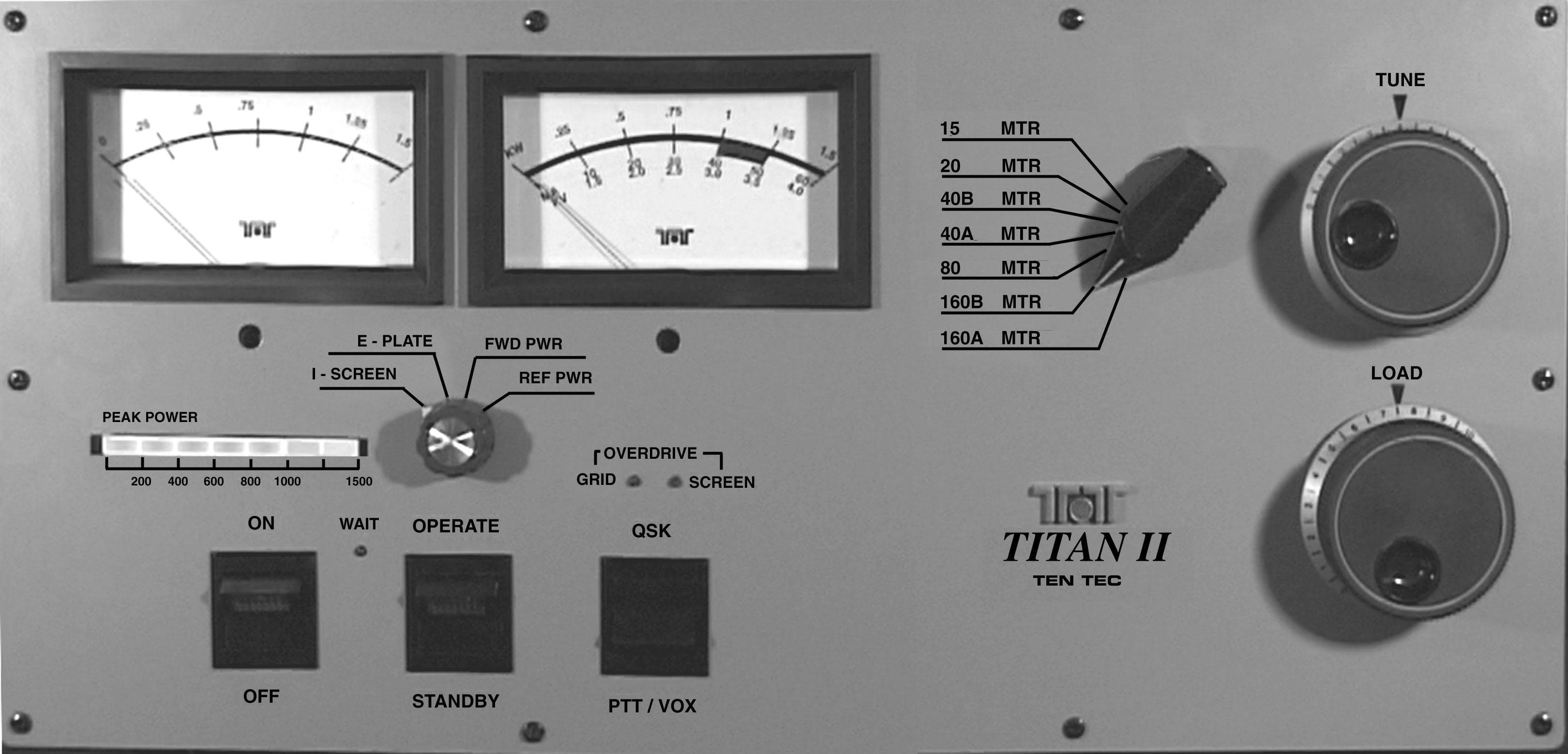
Click to zoom
Application Details
- Equipment Class
- AMP - Amplifier
- Date of Grant
- Oct 20, 1998
- Application Purpose
- Original Equipment
- Date of Application
- Sep 15, 1998
- Equipment Note
- Amplifier
- Frequency Range
- 1.80000000 - 21.40000000
- Company
- Ten Tec Inc
- Country
- United States
Documents & Files
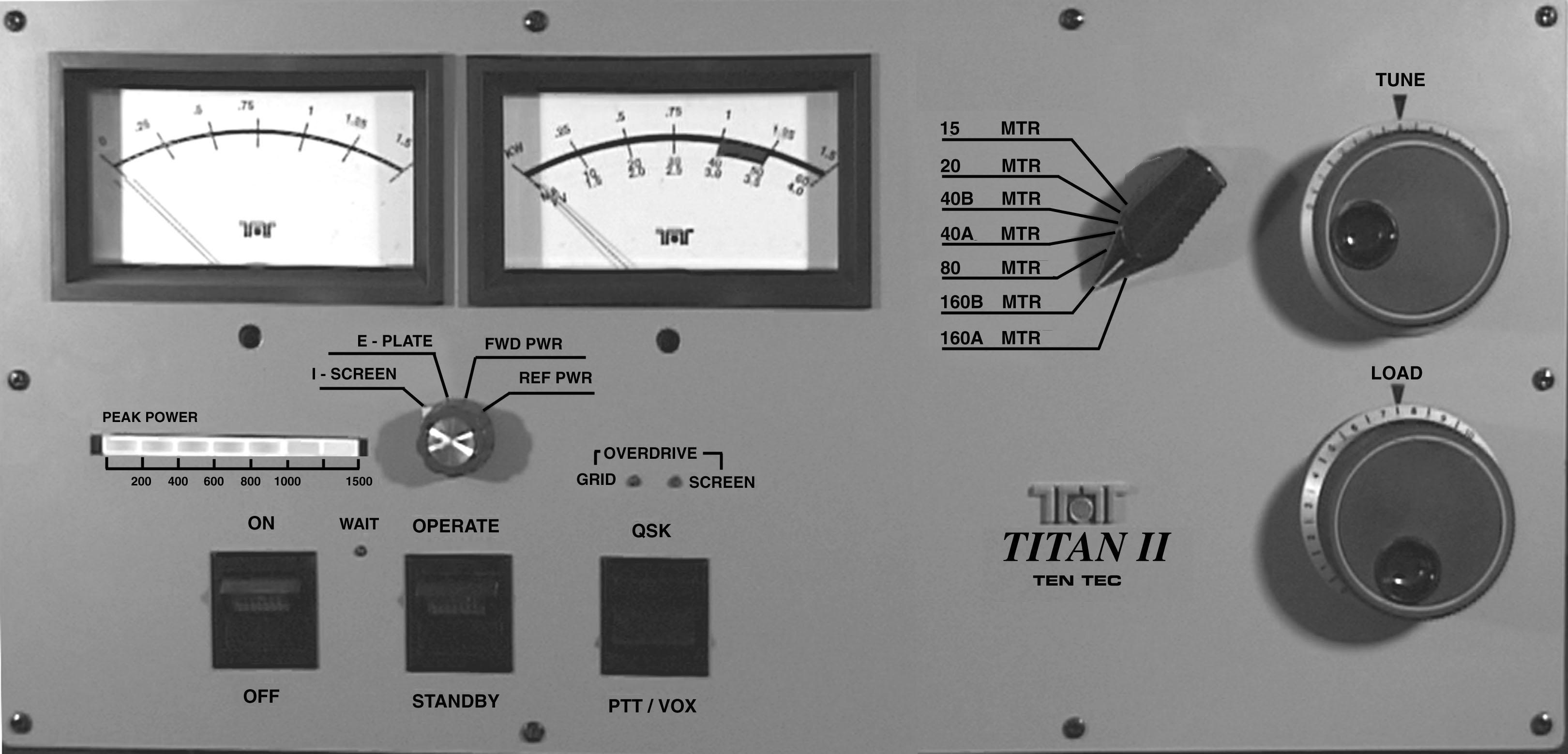
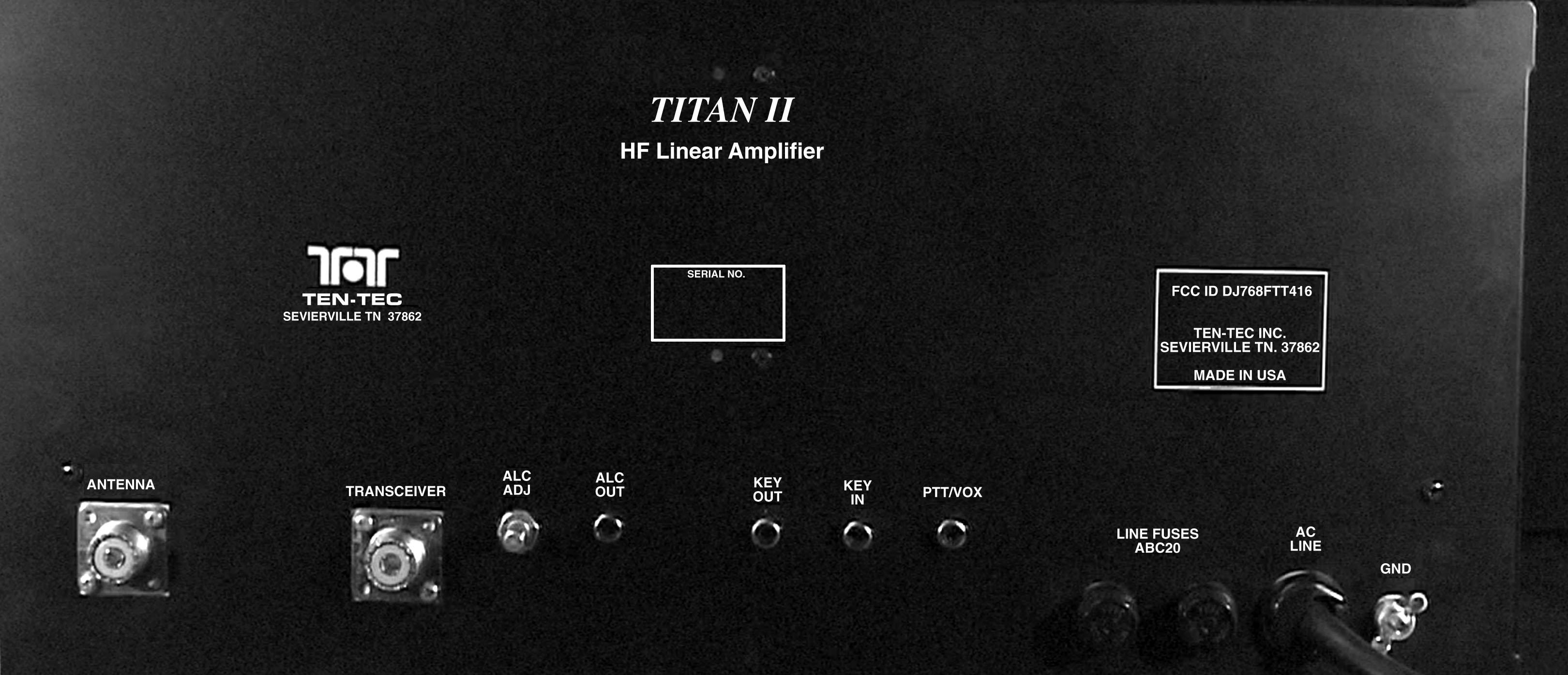
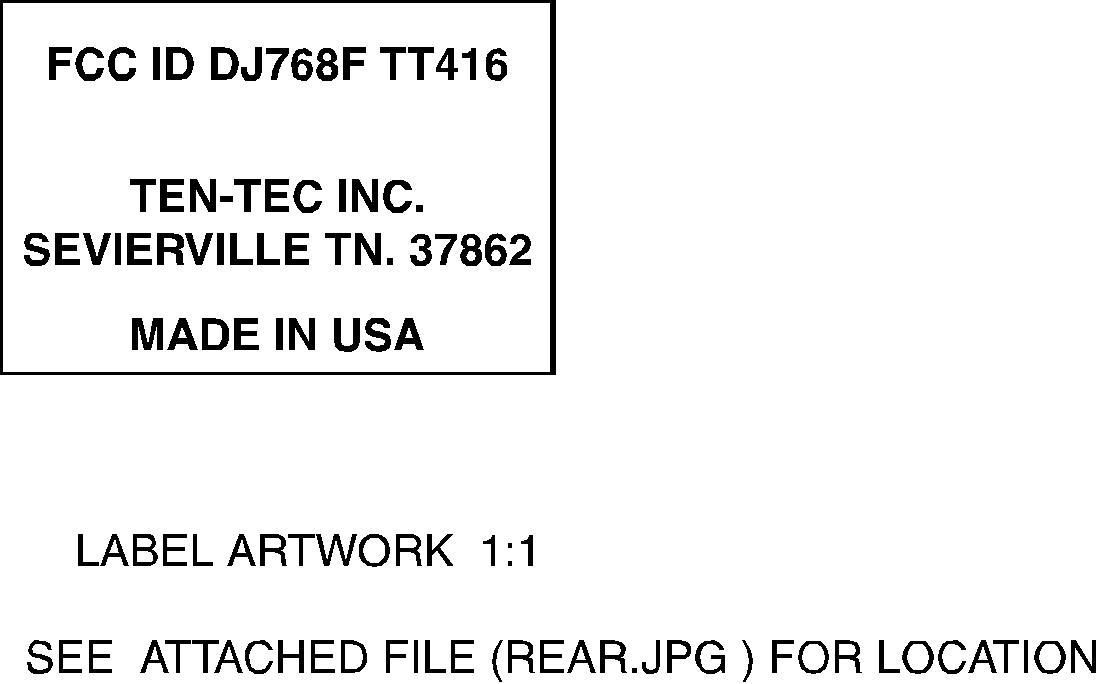
Document Text
Text extracted from the exhibit documents filed with the FCC. Open a document above to read the original.
Users Manual
MAX LIGHT MAX LIGHT MAX LIGHT MAX LIGHT Report Number: MLT9808P15005 FCC ID: N54WTCOL98TX Technology Lab MAX LIGHT MAX LIGHT MAX LIGHT MAX LIGHT Report Number: MLT9808P15002 FCC ID: FI7MEID56 Technology Lab MAX LIGHT MAX LIGHT MAX LIGHT MAX LIGHT Report Number: MLT9808P15002 FCC ID: FI7MEID56 Technology Lab MAX LIGHT MAX LIGHT MAX LIGHT MAX LIGHT Report Number: MLT9808P15002 FCC ID: FI7MEID56 Technology Lab
Cover Letter(s)
COMMERCIAL-IN-CONFIDENCE Intelitag Technical Product Description (FCC) - Issue 3, 4 th September 1998 Page 1 of 5 Basys Technology Ltd. Mumby Road Gosport Hampshire England PO12 1AF Intelitag Technical Product Description (FCC) 1 - General The Intelitag™ electronic tagging system, also distributed under the ParSec trade name, is a radio based short to long range tagging system for the protection and monitoring of assets and the management of personnel movement. The system operates at a nominal frequency of 418MHz as a Low-Power, Non-Licensed Transmitter in accordance with FCC Part 15 Subpart C for intentional Radiators (TAGs) and Subpart B for unintentional radiators (Reader). The system is also type approved to MPT-1340 licence exempt frequency band by the UK Radiocommunications Agency. Approval number 13422 refers. The basic system comprises a range of tags - compact radio frequency transmitters which communicate with a universal reader. The reader interprets the data received from a tag transmitting within its field of reception and, in turn, passes this data on to a controller or computer. Using a combination of two power levels and differing data patterns, the universal reader is able to distinguish between ‘long range’ and ‘short range’ Intelitags. Long range tags are read at a nominal distance of up to 75m in free space, depending on the characteristics of the ambient RF environment, regardless of their proximity to the reader. Short range tags are only detected by the reader when they enter its short range zone, which is adjustable from a few cm to 25m in free space. It is the combination of short and long range detection within a single reader which, in conjunction with the properties of the different tag types described below, which gives the Intelitag system its unique performance characteristics. Every tag has a unique identity which it transmits in conjunction with additional data relating to its operational status. Thus an asset or individual equipped with a tag can be uniquely identified by the system. The Intelitag system has been designed primarily for security applications although its use can also be extended to a wide range of asset tracking and management tasks. A regular ‘reporting’ transmission from asset Intelitags provides both a security confidence check and an additional asset management (inventory) facility. Asset Intelitags incorporate anti-tamper switches which are detected at long range. COMMERCIAL-IN-CONFIDENCE Intelitag Technical Product Description (FCC) - Issue 3, 4 th September 1998 Page 2 of 5 Basys Technology Ltd. Mumby Road Gosport Hampshire England PO12 1AF 2 - Tag Types The Static Intelitag (SAT) has been designed primarily to protect equipment such as computers and their internal components, and all other types of static office equipment. However, the SAT is highly versatile and can be used to protect any static article including hospital and laboratory equipment, works of art and any item of significant value. The SAT incorporates a movement sensor and can be detected at a range of up to 75m in clear space. The Portable Intelitag (PAT) has been designed to allow the movement of mobile assets within a controlled area or building, whilst denying or monitoring the removal from, and re- entry of the assets into the area. The PAT is normally detected when it enters the short range zone of a universal reader; however its other transmissions, including tamper, will be detected by a reader at long range. The Range Adjustment TAG (R.A.T.), is used to remotely adjust the receiver’s sensitivity to short range transmissions and accordingly this varies the range at which the other TAGs (SAT, PAT) in the product range transmission’s can be received. The R.A.T. comprises two PCB assemblies connected by a screened 6 core cable (approximatrely 6cms long) enclosed in an ABS enclosure with buttons. The main PCB is identical to the PCB in the SAT2 except that it’s output power is reduced by means of a resistor change. Correspondingly, the second harmonic is also reduced. The second PCB within the R.A.T. is used to mount miniature switches beneath the external buttons. This PCB contains no other components. The R.A.T. is used generally once after installation of a system. The purpose for the R.A.T. is to calibrate and set up the operating range. Whilst the R.A.T. is operated, the duration of which is determined by a button press, the packet transmissions are every 0.6 seconds. When transmitting, the output power and the transmitted packet duration (21.6 milliseconds) remain constant. There a four types of transmitted packet which relate to four functions, determined by a particular key press, and are described below in sections 3 and 4. COMMERCIAL-IN-CONFIDENCE Intelitag Technical Product Description (FCC) - Issue 3, 4 th September 1998 Page 3 of 5 Basys Technology Ltd. Mumby Road Gosport Hampshire England PO12 1AF 3 - Tag Operating Modes Intelitags operate in several predetermined transmission modes of high and low power. High power transmission is approximately -28 dBm and low power is -33 dBm. The transmitted data packet duration is constant for all tags at 21.6 milliseconds (all packets are identical in length). The power of the transmission and transmission repetition rates are determined by the tag type and its operating mode. The various operating modes for each tag are described below. Static Intelitag (SAT) 1. Tamper mode 2. Wake mode 3. Routine report mode 4. Low battery mode Portable Intelitag (PAT) 1. Tamper mode 2. Wake mode 3. Routine reporting mode 4. Low battery mode Range Adjustment Intelitag (RAT) 1. See 2. Find 3. Plus range 4. Minus range 4 - Operating Mode Descriptions T AMPER MODE (manually triggered transmission) Tamper mode is triggered by the forcible removal of a SAT or PAT tag from the item to which it is attached. A micro switch is open circuited by the removal of the tag. The tag software continuously monitors the condition of the switch…
Text truncated - open the document above for the full version.
Contact Information
Applicant
Jack Burchfield(President)
Technical Specifications
| # | Rule Parts | Frequency Range | Power Output | Emission | Tolerance |
|---|---|---|---|---|---|
| 3 | 97 | 1.8 MHz - 21.4 MHz | 1500 W | F1B | Amp |
Other Applications from Ten Tec Inc

DJ7-539
Nov 13, 2012HF AMATEUR RADIO TRANSCEIVER
Equipment Class
JBP - Part 15 Class B Computing Device Peripheral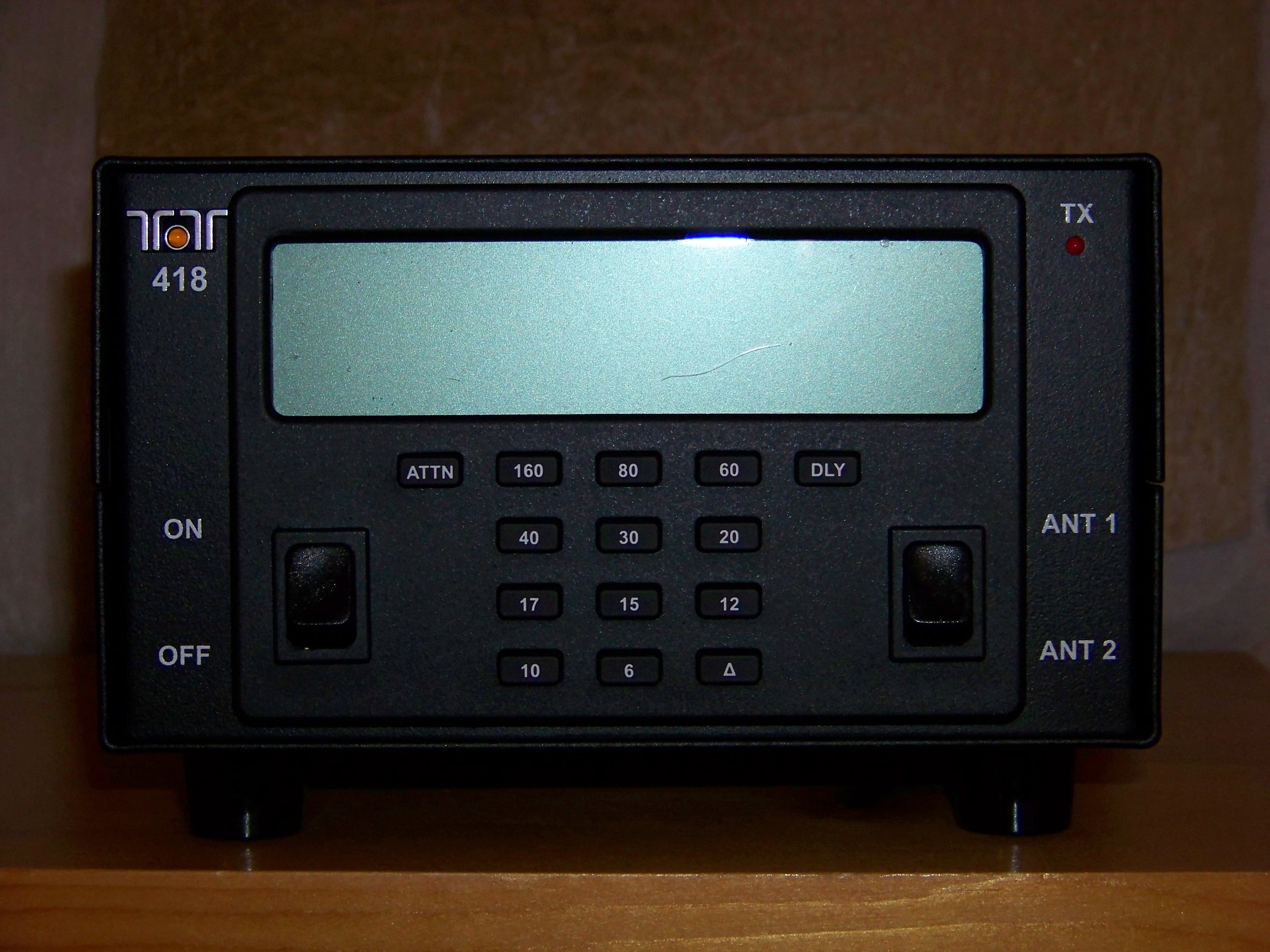
DJ7-418
Mar 01, 2012100W EXTERNAL RF AMPLIFIER
Equipment Class
AMP - Amplifier
DJ7-599
Oct 04, 2010SCANNING RECEIVER
Equipment Class
CSR - Scanning Receiver
DJ7-588
Nov 15, 2006HF AMATEUR RADIO TRANSCEIVER
Equipment Class
CSR - Scanning Receiver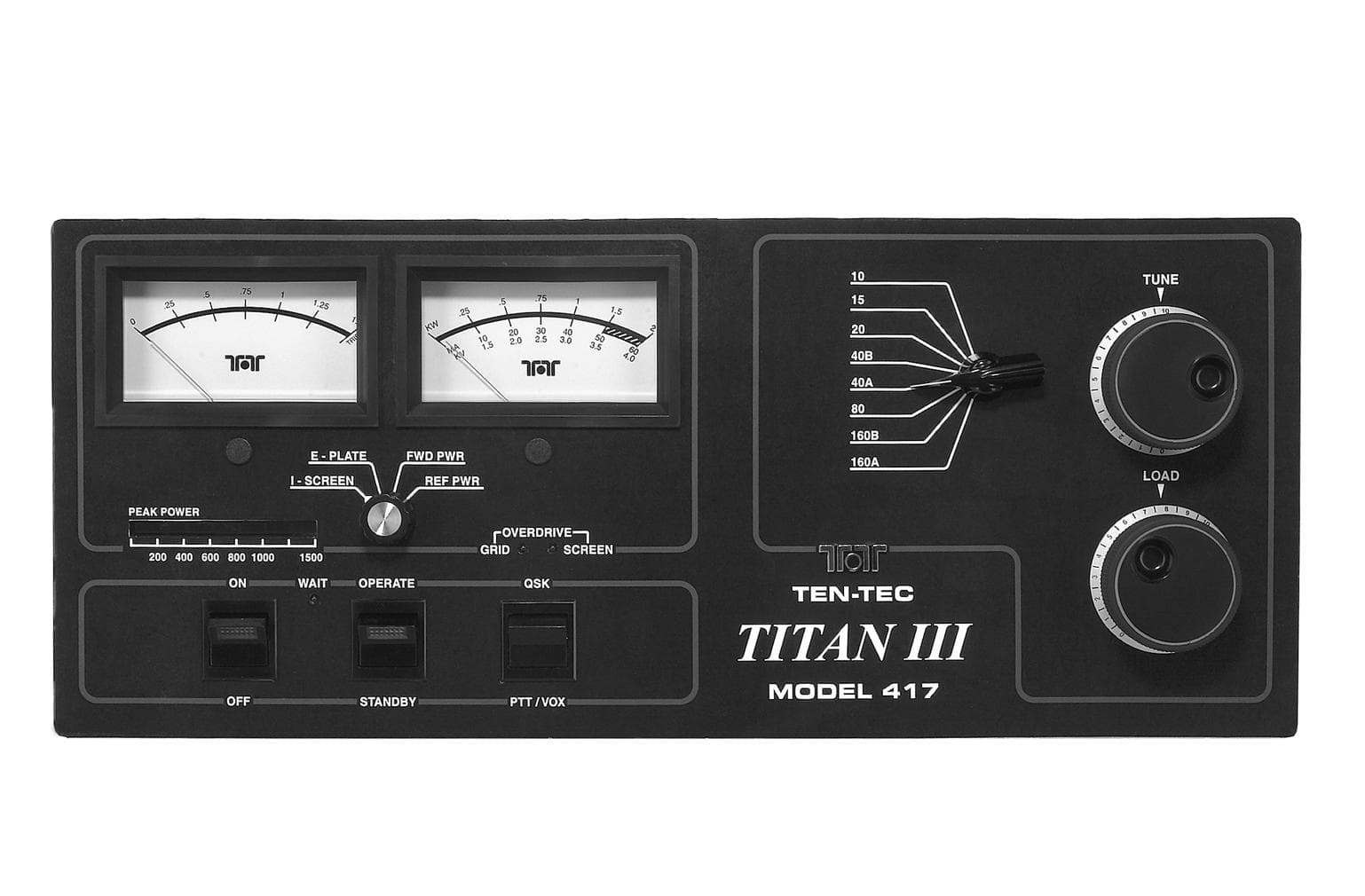
DJ768FTT417
Mar 16, 2003AMP - Amplifier
Equipment Class
AMP - Amplifier