FFMSP510Single-Band PCS CDMA Phone
LG Electronics, Inc.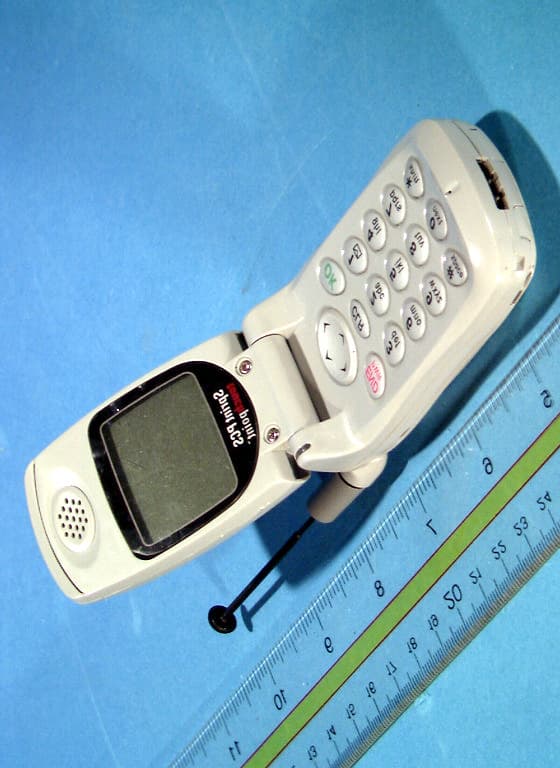
Click to zoom
Application Details
- Equipment Class
- PCE - PCS Licensed Transmitter held to ear
- Date of Grant
- Mar 16, 2000
- Application Purpose
- Original Equipment
- Date of Application
- Dec 21, 1999
- Equipment Note
- Single-Band PCS CDMA Phone
- Frequency Range
- 1851.25000000 - 1908.75000000
- Company
- LG Electronics, Inc.
- Country
- South Korea
Documents & Files
Document Text
Text extracted from the exhibit documents filed with the FCC. Open a document above to read the original.
Users Manual
LG Information & Communication99-12-7 1/26 LG SP510 User’s Manual i FCC RF EXPOSURE INFORMATION In August 1996 the Federal Communications Commission (FCC) of the United States with its action in Report and Order FCC 96-326 adopted an updated safety standard for human exposure to radio frequency (RF) electromagnetic energy emitted by FCC regulated transmitters. Those guidelines are consistent with the safety standard previously set by both U.S. and international standards bodies. The design of this phone complies with the FCC guidelines and these international standards. Use only the supplied or an approved antenna. Unauthorized antennas, modifications, or attachments could impair call quality, damage the phone, or result in violation of FCC regulations. Do not use the phone with a damaged antenna. If a damaged antenna comes into contact with the skin, a minor burn may result. Please contact your local dealer for replacement antenna. Body-worn Operation This device was tested for typical body-worn operations with the back of the phone kept 0.79 inches (2 cm) from the body. To comply with FCC RF exposure requirements, a minimum separation distance of 0.79 inches (2 cm) must be maintained between the user’s body and the back of the phone, including the antenna, whether extended or retracted. Third-party belt-clips, holsters and similar accessories containing metallic components should not be used. Body-worn accessories that cannot maintain 0.79 inch (2 cm) separation distance between the user’s body and the back of the phone, and have not been tested for typical body-worn operations may not comply with FCC RF exposure limits and should be avoided. For more information about RF exposure, please visit the FCC website at www.fcc.gov WARNING! Read this information before using your phone LG Information & Communication 99-12-7 2/26 CHAPTER 1. THE NAME AND FUNCTIONS Hold Icon Rm Signal Strength (RSSI) In Use No Service Digital Service is available Roaming Short Message (Voice) Battery Level Short Message (Text) Vibrator Enabled D LG Information & Communication99-12-7 3/26 CHAPTER 2. BASIC FUNCTIONS Turning the Phone On and Off <Turning the Terminal On> 1. Connect the terminal to the charged battery or the external power supply. 2. Press the [END/PWR] key for about 1.5 seconds until a red right appears on the upper side of the terminal. < Turning the Terminal Off > 1. Press the [END/PWR] key until the end message appears on the LCD, and then stop pressing the key. 2. If an antenna is stretched, push it in for safety. Making a Call <Method1> Entering the Entire Phone Number 1. If the terminal is turned off, turn it on. 2. Enter the phone number. (Enter the area code, if necessary.) 3. Press the [OK] key. - If the terminal is locked on, enter the password to unlock the terminal. Then, attempt the call again. - If the call is not connected, “Call Failed” signal will be indicated on the LCD. 4. Press the [END] key. <Method2> Using Phone Book Entry 1. Enter the phone entry number, and press the [OK] key or press the related phone entry number for some time. Then, the call will be attempted. e.g.) Press the [2] key for some time, then call will be connected to the phone number stored in the Entry #2. LG Information & Communication99-12-7 4/26 2. If you are not sure of the phone entry number, select the Soft Key(BOOK) with the Right Mouse Button. 3. Place the cursor on the Phone Book, and press the Soft Key(SEL) with the Left Mouse Button. 4. Search the Phone Book Entry number or name requested in the Phone Book to attempt a call to the phone number stored in it. <Method3> Using the Recent Call History 1. Select the Soft Key(BOOK) with the Right Mouse Button.. 2. If the screen changes, place the cursor on the Call History. Then, press the Soft Key(SEL) with the Left Mouse Button. 3. If the “Outgoing”, “Incoming”, and “Missed” are indicated on the screen, select the menu requested. Ten phone numbers of the recent calls are stored in each menu. Place the cursor on the menu requested, and press the Soft Key(SEL) with the Left Mouse Button. 4. The phone number list appears on the screen. Then, search and place the cursor on the phone number or name requested, and press the [OK] key. Correcting Dialing Mistakes 1. Press the Soft Key(CLR) with the Right Mouse Button of the screen to erase the number or character of the last entry. LG Information & Communication99-12-7 5/26 2. Press the Soft Key(CLR) with the Right Mouse Button for one second, then all the number or character requested will be erased. Receiving Calls 1. Press any key except for the [END/PWR] key to receive a call. HPress the END Key once to stop the bell or vibration. HH Press the END Key twice to end the incoming call 2. When the call completes, press the [END/PWR] key. 3. Or close the flip. Mute 1. Press the Soft Key(MENU) with the Left Mouse Button during the call. Redialing Last Outgoing Number <Method 1> 1. Just press [OK] key to redial the last outgoing number. Then, the call will be attempted. <Method 2> using the Call History 1. Press the Soft Key(BOOK) with the Right Mouse Button. 2. Place the cursor on the Call history menu on the screen, and press the Soft Key(SEL) with the Left Mouse Button. 2. If a popup menu appears on the screen, place the cursor on the Mute menu and press the Soft Key(SEL) with the Left Mouse Button to select the Mute state. (The message”Mute” will be indicated on the screen.) 3. Press the Soft Key(OPT) with the Left Mouse Button to clear the function. The popup menu will appear. Select the Unmute menu. (The message “Mute” will be disappear on the screen LG Information & Communication99-12-7 6/26 3. Then, three menus will appear. - “Outgoing”: Ten last outgoing calls are stored in this menu. - “Incoming”: Ten last incoming calls are stored in this menu. - “Missed”: Ten last missed calls are stored in this menu. 4. Place the cursor on the menu requested, and press the Soft Key(SEL) with the Left Mouse Button. e.g…
Text truncated - open the document above for the full version.
Attestation Statements
@ LG Information & Communications, Ltd. May 1, 1999 Federal Communications Commission Authorization and Evaluation Division Equipment Authorization Branch 7435 Oakland Mills Road Columbia, MD 21046 U.S.A. To whom it may concern: We, the undersigned, hereby authorize PCTEST Engineering Laboratory, Inc., to act on our behalf in all matters relating to applications for equipment authorization, including the signing of all documents relating to these matters. Any and all acts carried out by PCTEST Engineering Laboratory, Inc. on our behalf shall have the same effect as acts of our own. We also hereby certify that no party to the application is subject to a denial of benefits, including FCC benefits, pursuant to Section 5301 of the Anti-Drug Abuse Act of 1988, 21 U.S.C. 853(a). Sincerely, General Manager of New York Office LG Information & Communications, Ltd.
Cover Letter(s)
December 21, 1999 Federal Communications Commission Equipment Approval Services 7435 Oakland Mills Road Columbia, MD 21046 SUBJECT: LG Information & Communications, Ltd. FCC ID: FFMSP510 Part 24 Certification Gentlemen: Attached herewith, on behalf of LG Information & Communications, Ltd. is an application for Part 24 Certification of the following: FCC ID: FFMSP510 TRADE / MODEL(s): LGIC LG-SP510 Equipment Class: Part 24 Licensed Portable Transmitter Held to Ear (PCE) Equipment Type: Single-Band PCS CDMA Phone Tx Freq. Range: 1851.25 – 1908.75 MHz Rx Freq. Range: 1931.25 – 1988.75 MHz Max. RF Output Power: 0.254 W EIRP (24.05 dBm) Attached is the Letter of Authorization, Confidentiality Request, measurement report data and plots, RF Exposure measurement report & photographs, FCC ID label and location, test setup photographs, internal and external photographs, block diagrams (confidential), schematic diagrams & description (confidential), operational description (confidential), parts list & tune- up procedure (confidential), and the user's manual. Should you have any questions or comments concerning the above, please contact the undersigned. cc: Mr. Harris Ahn Principal Engineer LGIC Communication Terminal Research Lab
Cover Letter(s)
March 17, 2000 Federal Communications Commission Equipment Approval Services 7435 Oakland Mills Road Columbia, MD 21046 Attn: Errol Chang / Kwok Chan SUBJECT:LG Information & Communications, Ltd. FCC ID: FFMSP510 731 Confirmation Number: EA96351 Correspondence Reference No.: 12726 Request for Additional Info.: March 13, 2000 Dear Errol / Kwok: Submitted herewith, on behalf of LG Information & Communications, Ltd., is an amendment to increase the output power (from 0.254W to 0.327W EIRP) with minor shielding change, and to respond to your e-mail dated March 13, 2000 requesting additional information for the subject application. 1. We confirm that optional vehicle mounted external antennas are not part of this filing (please see attached revised RF exposure users manual warning statement). 2. LGIC have made the following changes to the phone: 1. Increased conducted power to 25.0dBm. 2. Added metal plate in rear section of mainboard. Attached are new test plots, radiated test data & test setup photos, SAR test data & test setup photos, and EUT photos with the above-referenced implemented changes. Please note that the requested RF power output to be listed on the grant is .327W EIRP. 3. The applicant agrees to the proposed grant conditions specified in your e-mail with changes (0.327W EIRP). We respectfully request issuance of the grant asap. If you have any questions, please do not hesitate to contact us. Thank you. Sincerely, cc:Mr. Harris Ahn Principal Engineer Communication Terminal Research Lab LG Information & Communications, Ltd.
External Photos
Test Report S/N: 24.991213668.FFMFCC Part 24 Test Date(s): December 13-17, 1999Certification © 1999 PCTEST Lab LGIC Single-Band PCS CDMA Phone NVLAP Lab Code: 100431-0 FCC ID: FFMSP510 (Tx 1851.25 - 1908.75 MHz) Test Report S/N: 24.991213668.FFMFCC Part 24 Test Date(s): December 13-17, 1999Certification © 1999 PCTEST Lab LGIC Single-Band PCS CDMA Phone NVLAP Lab Code: 100431-0 FCC ID: FFMSP510 (Tx 1851.25 - 1908.75 MHz) Test Report S/N: 24.991213668.FFMFCC Part 24 Test Date(s): December 13-17, 1999Certification © 1999 PCTEST Lab LGIC Single-Band PCS CDMA Phone NVLAP Lab Code: 100431-0 FCC ID: FFMSP510 (Tx 1851.25 - 1908.75 MHz) Test Report S/N: 24.991213668.FFMFCC Part 24 Test Date(s): December 13-17, 1999Certification © 1999 PCTEST Lab LGIC Single-Band PCS CDMA Phone NVLAP Lab Code: 100431-0 FCC ID: FFMSP510 (Tx 1851.25 - 1908.75 MHz) Test Report S/N: 24.991213668.FFMFCC Part 24 Test Date(s): December 13-17, 1999Certification © 1999 PCTEST Lab LGIC Single-Band PCS CDMA Phone NVLAP Lab Code: 100431-0 FCC ID: FFMSP510 (Tx 1851.25 - 1908.75 MHz) Test Report S/N: 24.991213668.FFMFCC Part 24 Test Date(s): December 13-17, 1999Certification © 1999 PCTEST Lab LGIC Single-Band PCS CDMA Phone NVLAP Lab Code: 100431-0 FCC ID: FFMSP510 (Tx 1851.25 - 1908.75 MHz)
ID Label/Location Info
© 1999 PCTEST Lab FCC ID SAMPLE LABEL & LOCATION LABELLING REQUIREMENTS PER §§ 2.925 The Label shown shall be permanently affixed at a conspicuous location on the device and be readily visible to the user at the time of purchase. (SEE NEXT PAGE) LG Information & Communications 99-12-7 10/10 LG Information & Communications, Ltd. LGIC Model No. : LG-SP510 FCC ID : FFMSP510 S/N : Made in Korea
Internal Photos
Test Report S/N: 24.991213668.FFMFCC Part 24 Test Date(s): December 13-17, 1999Certification © 1999 PCTEST Lab LGIC Single-Band PCS CDMA Phone NVLAP Lab Code: 100431-0 FCC ID: FFMSP510 (Tx 1851.25 - 1908.75 MHz) Test Report S/N: 24.991213668.FFMFCC Part 24 Test Date(s): December 13-17, 1999Certification © 1999 PCTEST Lab LGIC Single-Band PCS CDMA Phone NVLAP Lab Code: 100431-0 FCC ID: FFMSP510 (Tx 1851.25 - 1908.75 MHz) Test Report S/N: 24.991213668.FFMFCC Part 24 Test Date(s): December 13-17, 1999Certification © 1999 PCTEST Lab LGIC Single-Band PCS CDMA Phone NVLAP Lab Code: 100431-0 FCC ID: FFMSP510 (Tx 1851.25 - 1908.75 MHz) Test Report S/N: 24.991213668.FFMFCC Part 24 Test Date(s): December 13-17, 1999Certification © 1999 PCTEST Lab LGIC Single-Band PCS CDMA Phone NVLAP Lab Code: 100431-0 FCC ID: FFMSP510 (Tx 1851.25 - 1908.75 MHz) Test Report S/N: 24.991213668.FFMFCC Part 24 Test Date(s): December 13-17, 1999Certification © 1999 PCTEST Lab LGIC Single-Band PCS CDMA Phone NVLAP Lab Code: 100431-0 FCC ID: FFMSP510 (Tx 1851.25 - 1908.75 MHz)
RF Exposure Info
© 1999 PCTEST Engineering Lab., Inc. PCTEST Engineering Laboratory, Inc. 6660-B 6660-B DobbinDobbin Road Road •• Columbia, MD 21045 Columbia, MD 21045 •• U.S.A. U.S.A. TEL (410) 290-6652 TEL (410) 290-6652 •• FAX (410) 290-6654 FAX (410) 290-6654 http://www.pctestlab.comhttp://www.pctestlab.com CERTIFICATE OF COMPLIANCE (SAR EVALUATION) LG Information & Communications, Ltd.Dates of Tests: December 13-17, 1999 Communication Terminal Research Lab Test Report S/N: 24.991213669.FFM 459-9, Kasan-dong, Keumchun-kuTest Site: PCTEST Lab, Columbia MD USA Seoul 153-023, Korea Attn: Harris Ahn, Principal Engineer FCC ID FFMSP510 APPLICANT LG INFORMATION & COMMUNICATIONS, LTD. EUT Type:Single-Band PCS CDMA Phone Tx Frequency:1851.25 – 1908.75 MHz Rx Frequency:1931.25 – 1988.75 MHz Max. RF Output Power:0.254 W EIRP (24.05 dBm) Trade Name/Model:LGIC LG-SP510 FCC Classification:Licensed Portable Transmitter Held to Ear (PCE) Application Type:Certification Serial Number:n/a (pre production) FCC Rule Part(s):2.1093; ET Docket 96.326; 24(E) This wireless portable device has been shown to be capable of compliance for localized specific absorption rate (SAR) for uncontrolled environment/general population exposure limits specified in ANSI/IEEE Std. C95.1-1992 and had been tested in accordance with the measurement procedures specified in ANSI/IEEE Std. C95.3-1992. (See Test Report). I attest to the accuracy of data. All measurements reported herein were performed by me or were made under my supervision and are correct to the best of my knowledge and belief. I assume full responsibility for the completeness of these measurements and vouch for the qualifications of all persons taking them. NVLAP accreditation does not constitute any product endorsement by NVLAP or any agency of the United States Government. PCTEST certifies that no party to this application has been denied the FCC benefits pursuant to Section 5301 of the Anti-Drug Abuse Act of 1988, 21 U.S.C. 853(a). 991213669.FFM SAR Measurement ReportFCC Part 24 Certification © 1999 PCTEST Labi Table of Contents 1.1 SCOPE1 2.1 INTRODUCTION / SAR DEFINITION2 3.1 SAR MEASUREMENT SET-UP3 4.1 E-FIELD PROBE SYSTEM4 5.1 E-FIELD PROBE CALIBRATION PROCESS5-6 6.1 PHANTOM & EQUIVALENT TISSUE7 7.1 SYSTEM SPECIFICATIONS 8 8.1 MEASUREMENT PROCESS9 9.1 TEST POSITION OF THE PHONE10 10.1 BODY-WORN TEST SET-UP11 11.1 ANSI/IEEE C95.1 RF EXPOSURE LIMITS12 12.1 MEASUREMENT UNCERTAINTIES13 13.1 SAR TEST DATA SUMMARY14-15 14.1 SAR TEST EQUIPMENT LIST16 15.1 CONCLUSION / REFERENCES17 Test Report S/N: SAR.991213669.FFMSAR Measurement Report Test Dates: December 13-17, 1999FCC Part 24 Certification FCC ID: FFMSP510 (Tx 1851.25 – 1908.75 MHz) © 1999 PCTEST LabLGIC Single-Band PCS CDMA Phone (Model: LG-SP510)1 SAR MEASUREMENT REPORT 1.1 Scope Environmental evaluation measurements of specific absorption rate 1 (SAR) distributions in simulated human head and body tissues exposed to radiofrequency (RF) radiation from wireless portable devices for compliance with the rules and regulations of the U.S. Federal Communications Commission (FCC). 2 Company Name:LG Information & Communications, Ltd. Communication Terminal Research Lab Address:459-9, Kasan-dong, Keumchun-ku Seoul 153-023, Korea Attention:Harris Ahn, Principal Engineer • EUT Type:Single-Band PCS CDMA Phone • FCC IDENTIFIER:FFMSP510 • Trade Name:LGIC • Model:LG-SP510 • S/N:Pre-production • Tx Frequency Range:1851.25 – 1908.75 MHz • Rx Frequency Range:1931.25 – 1988.75 MHz • Application Type: Certification • FCC Classification:Licensed Portable Transmitter Held to Ear (PCE) • FCC Rule Part(s):§ 24(E); § 2.1093, Docket 96-326 • Max. RF Output Power:0.254 W EIRP ( 24.05 dBm) • Modulation:CDMA • Antenna Type:Helical (λ/3) • Antenna Dimensions:5.3 cm. (Length) • Dates of Tests:December 13-17, 1999 • Place of Tests:PCTEST Engineering Lab. Columbia, MD, U.S.A. • Report Serial No.:SAR.991213669.FFM 1 Specific Absorption Rate (SAR) is a measure of the rate of energy absorption due to exposure to an RF transmitting source (wireless portable device). 2 IEEE/ANSI Std. C95.1-1992 limits are used to determine compliance with FCC ET-Docket 93-62. Figure 1. SAR Test Set-up Test Report S/N: SAR.991213669.FFMSAR Measurement Report Test Dates: December 13-17, 1999FCC Part 24 Certification FCC ID: FFMSP510 (Tx 1851.25 – 1908.75 MHz) © 1999 PCTEST LabLGIC Single-Band PCS CDMA Phone (Model: LG-SP510)2 2.1 INTRODUCTION The FCC has adopted the guidelines for evaluating the environmental effects of radiofrequency radiation in ET Docket 93-62 on Aug. 6, 1996 to protect the public and workers from the potential hazards of RF emissions due to FCC-regulated portable devices.[1] The safety limits used for the environmental evaluation measurements are based on the criteria published by the American National Standards Institute (ANSI) for localized specific absorption rate (SAR) in IEEE/ANSI C95.1-1992 Standard for Safety Levels with Respect to Human Exposure to Radio Frequency Electromagnetic Fields, 3 kHz to 300 GHz. (c) 1992 by the Institute of Electrical and Electronics Engineers, Inc., New York, New York 10017.[2] The measurement procedure described in IEEE/ANSI C95.3-1992 Recommended Practice for the Measurement of Potentially Hazardous Electromagnetic Fields - RF and Microwave[3] is used for guidance in measuring SAR due to the RF radiation exposure from the Equipment Under Test (EUT). These criteria for SAR evaluation are similar to those recommended by the National Council on Radiation Protection and Measurements (NCRP) in Biological Effects and Exposure Criteria for Radiofrequency Electromagnetic Fields,” NCRP Report No. 86 (c) NCRP, 1986, Bethesda, MD 20814.[4] SAR is a measure of the rate of energy absorption due to exposure to an RF transmitting source. SAR values have been related to threshold levels for potential biological hazards. 2.2 SAR Definition Specific Absorption Rate (SAR) is defined as the time derivative (rate) of the incremental energy …
Text truncated - open the document above for the full version.
RF Exposure Info
File : c:/idx3/SYSTEM/SARMEAS3/data/Normal/99121401_ZOOM.VLT Start : 14-Dec-99 08:56:43 am End : 14-Dec-99 09:06:06 am Radio Type : LGIC LG-SP510 FCC ID : FFMSP510 Serial Number : U4 Frequency : 1851.25 MHz Peak Trans. Pwr : 0.250 W Start Trans. Pwr: 0.250 W Antenna Type : Helical Antenna Posn. : In Phantom Type : Head Phantom Posn. : Left Ear Scan Type : ZOOM/SAR Probe Name : PCTEST Field Type : E Field Orientation : 0 Degrees Mixture Type = Brain Mixture Dielectric Constant = 41.300 Mixture Conductivity = 1.650 Comment : LGIC SINGLE MODE PCS PHONE - CHAN. 25 CDMA MODE +24 dBM CONDUCTED Robot : PCTEST Probe Offset = 0.25 cm Sensor Factor = 0.0108 Conversion Factor = 1.200 PCTEST Amplifier Channel Settings : 0.250 0.233 0.225 Max Location : X = 1.000, Y = 0.250, Z = 0.000 (cm) Value = 11.300 Measured Values (volts) = 1.006E-002 6.823E-003 5.118E-003 3.875E-003 3.074E-003 2.553E-003 1.983E-003 1.477E-003 1.141E-003 8.969E-004 7.389E-004 6.765E-004 5.359E-004 4.551E-004 3.483E-004 3.208E-004 2.577E-004 1.654E-004 8.139E-005 9.090E-005 1.128E-004 Calc. Voltage @ Surface (Vs) = 0.0141 Voltage @ 1.00 cm (Vt) = 0.0039 Ave. Voltage (Vs+Vt)/2 = 0.0090 Ave. SAR over 1 g (mW/g) = 0.9994 0.0 0.2 0.4 0.6 0.8 1.0 1.2 1.4 1.6 mW/g -1012345 Z centimeters SAR Scan File : 99121401_ZOOM Start : 14-Dec-99 08:56:43 am End : 14-Dec-99 09:06:06 am LGIC/LG-SP510/U4;1851.25MHz;W;Helical/In; Head/Left Ear;ZOOM/SAR;PCTEST/E Field/0 DegreesBrain/41.300/1.650 File : c:/idx3/SYSTEM/SARMEAS3/data/Normal/99121406_ZOOM.VLT Start : 14-Dec-99 09:40:49 am End : 14-Dec-99 10:11:19 am Radio Type : LGIC LG-SP510 FCC ID : FFMSP510 Serial Number : U4 Frequency : 1851.25 MHz Peak Trans. Pwr : 0.250 W Start Trans. Pwr: 0.250 W Antenna Type : Helical Antenna Posn. : Out Phantom Type : Head Phantom Posn. : Left Ear Scan Type : ZOOM/SAR Probe Name : PCTEST Field Type : E Field Orientation : 0 Degrees Mixture Type = Brain Mixture Dielectric Constant = 41.300 Mixture Conductivity = 1.650 Comment : LGIC SINGLE MODE PCS PHONE - CHAN. 25 CDMA MODE +24 dBM CONDUCTED Robot : PCTEST Probe Offset = 0.25 cm Sensor Factor = 0.0108 Conversion Factor = 1.200 PCTEST Amplifier Channel Settings : 0.250 0.233 0.225 Max Location : X = 1.250, Y = 0.500, Z = 0.000 (cm) Value = 7.966 Measured Values (volts) = 8.072E-003 5.483E-003 3.633E-003 2.783E-003 2.039E-003 1.620E-003 1.227E-003 9.278E-004 8.287E-004 5.229E-004 4.139E-004 3.505E-004 2.952E-004 1.933E-004 1.868E-004 1.886E-004 1.663E-004 1.665E-004 5.994E-005 8.271E-005 5.877E-005 Calc. Voltage @ Surface (Vs) = 0.0120 Voltage @ 1.00 cm (Vt) = 0.0028 Ave. Voltage (Vs+Vt)/2 = 0.0074 Ave. SAR over 1 g (mW/g) = 0.8231 0.0 0.2 0.4 0.6 0.8 1.0 1.2 1.4 mW/g -1012345 Z centimeters SAR Scan File : 99121406_ZOOM Start : 14-Dec-99 09:40:49 am End : 14-Dec-99 10:11:19 am LGIC/LG-SP510/U4;1851.25MHz;W;Helical/Out; Head/Left Ear;ZOOM/SAR;PCTEST/E Field/0 DegreesBrain/41.300/1.650 File : c:/idx3/SYSTEM/SARMEAS3/data/Normal/99121319_ZOOM.VLT Start : 13-Dec-99 06:30:10 pm End : 13-Dec-99 06:44:38 pm Radio Type : LGIC LG-SP510 FCC ID : FFMSP510 Serial Number : U4 Frequency : 1880 MHz Peak Trans. Pwr : 0.250 W Start Trans. Pwr: 0.250 W Antenna Type : Helical Antenna Posn. : In Phantom Type : Head Phantom Posn. : Left Ear Scan Type : ZOOM/SAR Probe Name : PCTEST Field Type : E Field Orientation : 0 Degrees Mixture Type = Brain Mixture Dielectric Constant = 41.300 Mixture Conductivity = 1.650 Comment : LGIC SINGLE MODE PCS PHONE - CHAN. 0600 CDMA MODE +24 dBM CONDUCTED Robot : PCTEST Probe Offset = 0.25 cm Sensor Factor = 0.0108 Conversion Factor = 1.200 PCTEST Amplifier Channel Settings : 0.250 0.233 0.225 Max Location : X = 1.250, Y = 0.000, Z = 0.000 (cm) Value = 16.037 Measured Values (volts) = 1.523E-002 1.131E-002 8.462E-003 6.270E-003 5.116E-003 3.893E-003 3.162E-003 2.509E-003 1.837E-003 1.328E-003 1.298E-003 1.106E-003 9.834E-004 8.267E-004 6.114E-004 4.951E-004 4.101E-004 3.040E-004 1.752E-004 1.545E-004 1.776E-004 Calc. Voltage @ Surface (Vs) = 0.0204 Voltage @ 1.00 cm (Vt) = 0.0063 Ave. Voltage (Vs+Vt)/2 = 0.0134 Ave. SAR over 1 g (mW/g) = 1.4838 0.0 0.2 0.4 0.6 0.8 1.0 1.2 1.4 1.6 1.8 2.0 2.2 2.4 mW/g -1012345 Z centimeters SAR Scan File : 99121319_ZOOM Start : 13-Dec-99 06:30:10 pm End : 13-Dec-99 06:44:38 pm LGIC/LG-SP510/U4;1880MHz;W;Helical/In; Head/Left Ear;ZOOM/SAR;PCTEST/E Field/0 DegreesBrain/41.300/1.650 File : 99121319_ZOOM Start : 13-Dec-99 06:30:10 pm End : 13-Dec-99 06:44:38 pm LGIC/LG-SP510/U4;1880MHz;W;Helical/In; Head/Left Ear;ZOOM/SAR;PCTEST/E Field/0 DegreesBrain/41.300/1.650 1.78 1.62 1.46 1.29 1.13 0.97 0.81 0.64 0.48 0.32 File : 99121319_ZOOM Start : 13-Dec-99 06:30:10 pm End : 13-Dec-99 06:44:38 pm LGIC/LG-SP510/U4;1880MHz;W;Helical/In; Head/Left Ear;ZOOM/SAR;PCTEST/E Field/0 DegreesBrain/41.300/1.650 1.78 1.62 1.46 1.29 1.13 0.97 0.81 0.64 0.48 0.32 File : c:/idx3/SYSTEM/SARMEAS3/data/Normal/99121316_ZOOM.VLT Start : 13-Dec-99 05:36:30 pm End : 13-Dec-99 05:50:34 pm Radio Type : LGIC LG-SP510 FCC ID : FFMSP510 Serial Number : U4 Frequency : 1880 MHz Peak Trans. Pwr : 0.250 W Start Trans. Pwr: 0.250 W Antenna Type : Helical Antenna Posn. : Out Phantom Type : Head Phantom Posn. : Left Ear Scan Type : ZOOM/SAR Probe Name : PCTEST Field Type : E Field Orientation : 0 Degrees Mixture Type = Brain Mixture Dielectric Constant = 41.300 Mixture Conductivity = 1.650 Comment : LGIC SINGLE MODE PCS PHONE CHAN. 0600 MODE +24 dBM CONDUCTED Robot : PCTEST Probe Offset = 0.25 cm Sensor Factor = 0.0108 Conversion Factor = 1.200 PCTEST Amplifier Channel Settings : 0.250 0.233 0.225 Max Location : X = 2.500, Y = -3.500, Z = 0.000 (cm) Value = 7.972 Measured Values (volts) = 7.422E-003 6.305E-003 4.393E-003 3.064E-003 2.397E-003 1.916E-003 1.508E-003 1.206E-003 1.015E-003 7.717E-004 6.514E-004 5.647E-004 4.762E-004 3.670E-004 2.897E-004 2.131E-004 1.679E-004 1.355E-004 9.201E-005 7.718E-005 5.292E-005 Calc. Voltage @ Surface (Vs) = 0.0097 Voltage @ 1.00 cm (Vt) = 0.0031 Ave. Voltage (Vs+Vt)/2 = 0.0064 …
Text truncated - open the document above for the full version.
RF Exposure Info
File : c:/idx3/SYSTEM/SARMEAS3/data/Normal/99121418_SAR.VLT Start : 14-Dec-99 03:47:56 pm End : 14-Dec-99 03:54:41 pm Radio Type : LGIC LG-SP510 FCC ID : FFMSP510 Serial Number : U4 Frequency : 1880 MHz Peak Trans. Pwr : 0.250 W Start Trans. Pwr: 0.250 W Antenna Type : Helical Antenna Posn. : In Phantom Type : Head Phantom Posn. : Left Ear Scan Type : ZOOM/SAR 10g Probe Name : PCTEST Field Type : E Field Orientation : 0 Degrees Mixture Type = Muscle Mixture Dielectric Constant = 54.200 Mixture Conductivity = 1.850 Comment : LGIC SINGLE MODE PCS PHONE - CHAN. 600 CDMA MODE +24 dBM CONDUCTED hand flip mode Robot : PCTEST Probe Offset = 0.25 cm Sensor Factor = 0.0108 Conversion Factor = 1.380 PCTEST Amplifier Channel Settings : 0.250 0.233 0.225 Max Location : X = -1.500, Y = -5.250, Z = 0.000 (cm) Value = 34.828 Ave. SAR over 10 g (mW/g) = 1.0396 0.1 0.2 0.3 0.4 0.5 0.6 0.7 0.8 0.9 1.0 Ave SAR over 2 cm -2.5-2.4-2.3-2.2-2.1-2.0-1.9-1.8-1.7-1.6-1.5-1.4-1.3-1.2-1.1-1.0-0.9-0.8-0.7-0.6-0.5 X centimeters X-Z Plane Slice Y=-5.250 File : 99121418_SAR Start : 14-Dec-99 03:47:56 pm End : 14-Dec-99 03:54:41 pm LGIC/LG-SP510/U4;1880MHz;W;Helical/In; Head/Left Ear;ZOOM/SAR 10g;PCTEST/E Field/0 DegreesMuscle/54.200/1.850 File : 99121418_SAR Start : 14-Dec-99 03:47:56 pm End : 14-Dec-99 03:54:41 pm LGIC/LG-SP510/U4;1880MHz;W;Helical/In; Head/Left Ear;ZOOM/SAR 10g;PCTEST/E Field/0 DegreesMuscle/54.200/1.850 1.80 1.63 1.46 1.30 1.13 0.96 0.80 0.63 0.46 0.30 File : 99121418_SAR Start : 14-Dec-99 03:47:56 pm End : 14-Dec-99 03:54:41 pm LGIC/LG-SP510/U4;1880MHz;W;Helical/In; Head/Left Ear;ZOOM/SAR 10g;PCTEST/E Field/0 DegreesMuscle/54.200/1.850 1.80 1.63 1.46 1.30 1.13 0.96 0.80 0.63 0.46 0.30 File : c:/idx3/SYSTEM/SARMEAS3/data/Normal/99121413_SAR.VLT Start : 14-Dec-99 12:14:27 pm End : 14-Dec-99 12:20:55 pm Radio Type : LGIC LG-SP510 FCC ID : FFMSP510 Serial Number : U4 Frequency : 1880 MHz Peak Trans. Pwr : 0.250 W Start Trans. Pwr: 0.250 W Antenna Type : Helical Antenna Posn. : Out Phantom Type : Head Phantom Posn. : Left Ear Scan Type : ZOOM/SAR 10g Probe Name : PCTEST Field Type : E Field Orientation : 0 Degrees Mixture Type = Muscle Mixture Dielectric Constant = 54.200 Mixture Conductivity = 1.850 Comment : LGIC SINGLE MODE PCS PHONE - CHAN. 600 CDMA MODE +24 dBM CONDUCTED hand flip mode Robot : PCTEST Probe Offset = 0.25 cm Sensor Factor = 0.0108 Conversion Factor = 1.380 PCTEST Amplifier Channel Settings : 0.250 0.233 0.225 Max Location : X = -3.000, Y = -1.500, Z = 0.000 (cm) Value = 16.437 Ave. SAR over 10 g (mW/g) = 0.6230 0.2 0.3 0.4 0.5 0.6 0.7 0.8 Ave SAR over 2 cm -4.0-3.9-3.8-3.7-3.6-3.5-3.4-3.3-3.2-3.1-3.0-2.9-2.8-2.7-2.6-2.5-2.4-2.3-2.2-2.1-2.0 X centimeters X-Z Plane Slice Y=-1.500 File : 99121413_SAR Start : 14-Dec-99 12:14:27 pm End : 14-Dec-99 12:20:55 pm LGIC/LG-SP510/U4;1880MHz;W;Helical/Out; Head/Left Ear;ZOOM/SAR 10g;PCTEST/E Field/0 DegreesMuscle/54.200/1.850 File : 99121413_SAR Start : 14-Dec-99 12:14:27 pm End : 14-Dec-99 12:20:55 pm LGIC/LG-SP510/U4;1880MHz;W;Helical/Out; Head/Left Ear;ZOOM/SAR 10g;PCTEST/E Field/0 DegreesMuscle/54.200/1.850 0.921 0.848 0.774 0.700 0.626 0.553 0.479 0.405 0.331 0.258 File : 99121413_SAR Start : 14-Dec-99 12:14:27 pm End : 14-Dec-99 12:20:55 pm LGIC/LG-SP510/U4;1880MHz;W;Helical/Out; Head/Left Ear;ZOOM/SAR 10g;PCTEST/E Field/0 DegreesMuscle/54.200/1.850 0.921 0.848 0.774 0.700 0.626 0.553 0.479 0.405 0.331 0.258
RF Exposure Info
File : c:/idx3/SYSTEM/SARMEAS3/data/Normal/99122205_ZOOM.VLT Start : 22-Dec-99 12:23:17 pm End : 22-Dec-99 12:36:51 pm Radio Type : LGIC Model Number : LG-SP510 Serial Number : U4 Frequency : 1851.25 MHz Peak Trans. Pwr : 0.250 W Start Trans. Pwr: 0.250 W Antenna Type : Helical Antenna Posn. : In Phantom Type : Body Phantom Posn. : Abdomen Scan Type : ZOOM/SAR Probe Name : PCTEST Field Type : E Field Orientation : 0 Degrees Mixture Type = Muscle Mixture Dielectric Constant = 54.200 Mixture Conductivity = 1.850 Comment : LGIC SINGLE MODE PHONE CHAN. 0025 CDMA MODE +24.0 dBM CONDUCTED 2 cm SPACING Robot : PCTEST Probe Offset = 0.25 cm Sensor Factor = 0.0108 Conversion Factor = 1.380 PCTEST Amplifier Channel Settings : 0.250 0.233 0.225 Max Location : X = -0.750, Y = -5.250, Z = 0.000 (cm) Value = 7.569 Measured Values (volts) = 7.506E-003 5.407E-003 3.592E-003 2.528E-003 1.768E-003 1.268E-003 8.686E-004 6.180E-004 4.735E-004 3.308E-004 2.587E-004 1.652E-004 1.272E-004 7.520E-005 6.626E-005 3.606E-005 4.708E-005 2.986E-005 3.985E-005 3.030E-005 3.680E-005 Calc. Voltage @ Surface (Vs) = 0.0109 Voltage @ 1.00 cm (Vt) = 0.0025 Ave. Voltage (Vs+Vt)/2 = 0.0067 Ave. SAR over 1 g (mW/g) = 0.8554 0.0 0.2 0.4 0.6 0.8 1.0 1.2 1.4 mW/g -1012345 Z centimeters SAR Scan File : 99122205_ZOOM Start : 22-Dec-99 12:23:17 pm End : 22-Dec-99 12:36:51 pm LGIC/LG-SP510/U4;1851.25MHz;W;Helical/In; Body/Abdomen;ZOOM/SAR;PCTEST/E Field/0 DegreesMuscle/54.200/1.850 File : c:/idx3/SYSTEM/SARMEAS3/data/Normal/99122211_ZOOM.VLT Start : 22-Dec-99 03:15:08 pm End : 22-Dec-99 03:21:25 pm Radio Type : LGIC Model Number : LG-SP510 Serial Number : U4 Frequency : 1851.25 MHz Peak Trans. Pwr : 0.250 W Start Trans. Pwr: 0.250 W Antenna Type : Helical Antenna Posn. : Out Phantom Type : Body Phantom Posn. : Abdomen Scan Type : ZOOM/SAR Probe Name : PCTEST Field Type : E Field Orientation : 0 Degrees Mixture Type = Muscle Mixture Dielectric Constant = 54.200 Mixture Conductivity = 1.850 Comment : LGIC SINGLE MODE PHONE CHAN. 0025 CDMA MODE +24.0 dBM CONDUCTED 2 cm SPACING Robot : PCTEST Probe Offset = 0.25 cm Sensor Factor = 0.0108 Conversion Factor = 1.380 PCTEST Amplifier Channel Settings : 0.250 0.2…
Text truncated - open the document above for the full version.
Contact Information
Applicant
GeunChang Do
Technical Contact
PCTEST Engineering Laboratory, Inc.Randy Ortanez
[email protected]410-290-6652
6660-B Dobbin Road · Columbia, Maryland · United States
Non-Technical Contact
PCTEST Engineering Laboratory, Inc.Randy Ortanez
[email protected]410-290-6652
Test Firm
PCTEST Engineering Laboratory, Inc.Randy Ortanez
Technical Specifications
| # | Rule Parts | Frequency Range | Power Output | Emission | Tolerance |
|---|---|---|---|---|---|
| 1 | 24E | 1.85 GHz - 1.91 GHz | 327.00 mW | 1M25F9W | 2.5000000000 ppm |
Other Applications from LG Electronics, Inc.
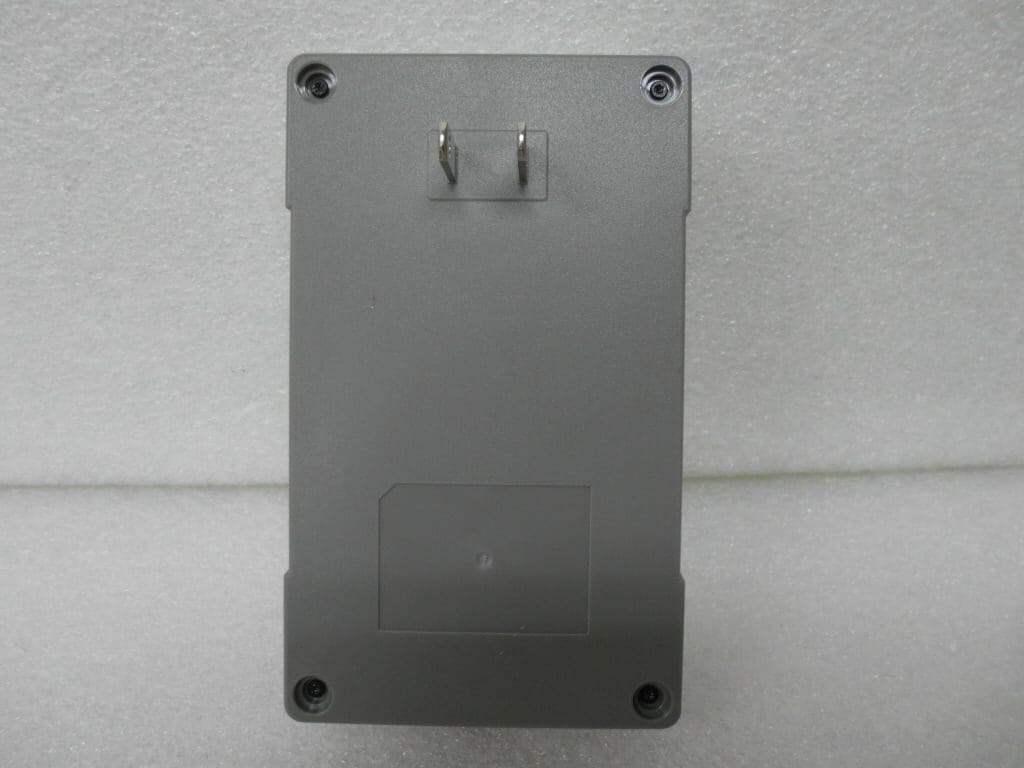
FFMHG10ZZ0ENCXLUS
Dec 12, 2012SMART GATEWAY
Equipment Class
DTS - Digital Transmission System
FFMXTICK-BAPL
Jul 14, 2004USB Drive
Equipment Class
JBP - Part 15 Class B Computing Device Peripheral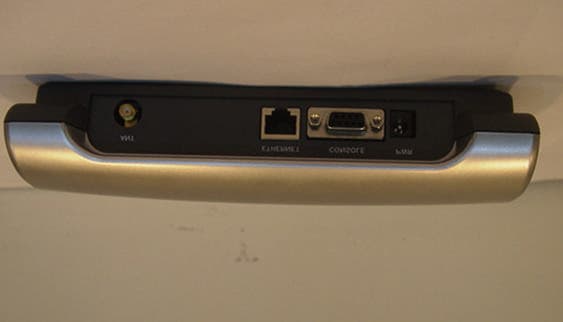
FFMLW1100AP
Nov 28, 2001WLAN Access Point
Equipment Class
DSS - Part 15 Spread Spectrum Transmitter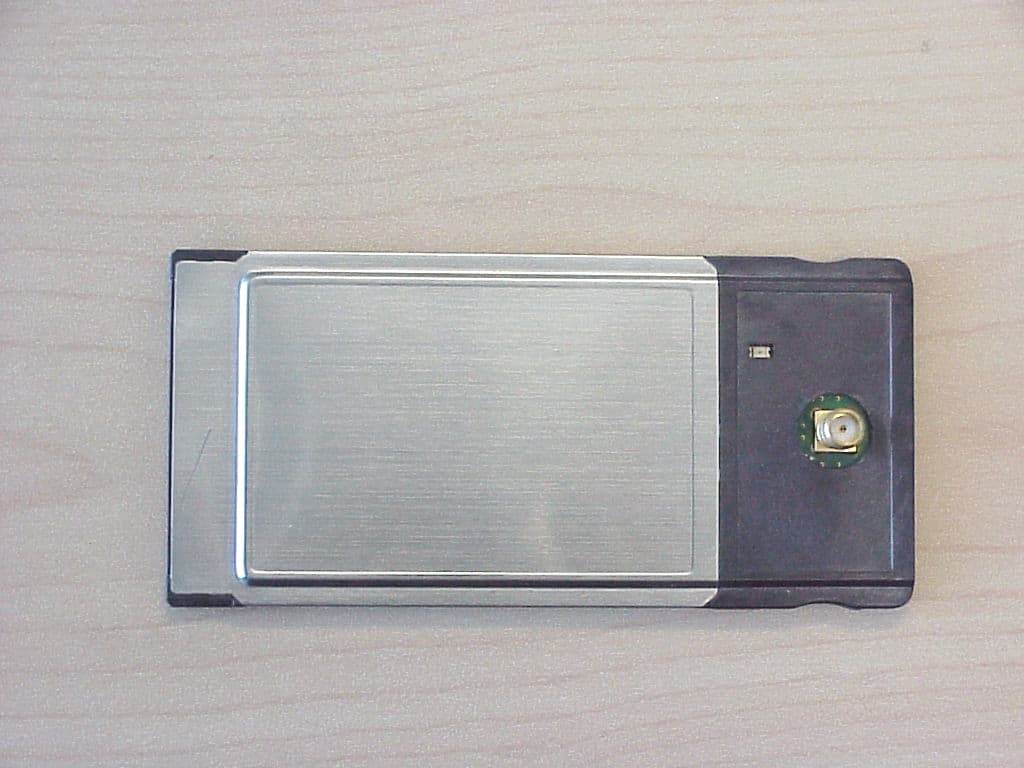
FFMLW1100N
Oct 25, 2001LP PCMCIA Card, model LW1100N
Equipment Class
DSS - Part 15 Spread Spectrum Transmitter
FFMLW1100P
Jul 10, 2001Wireless LAN PCI Card
Equipment Class
DSS - Part 15 Spread Spectrum Transmitter