JRNUSAECOLINKUHF Paging System
Scope Communications UK Ltd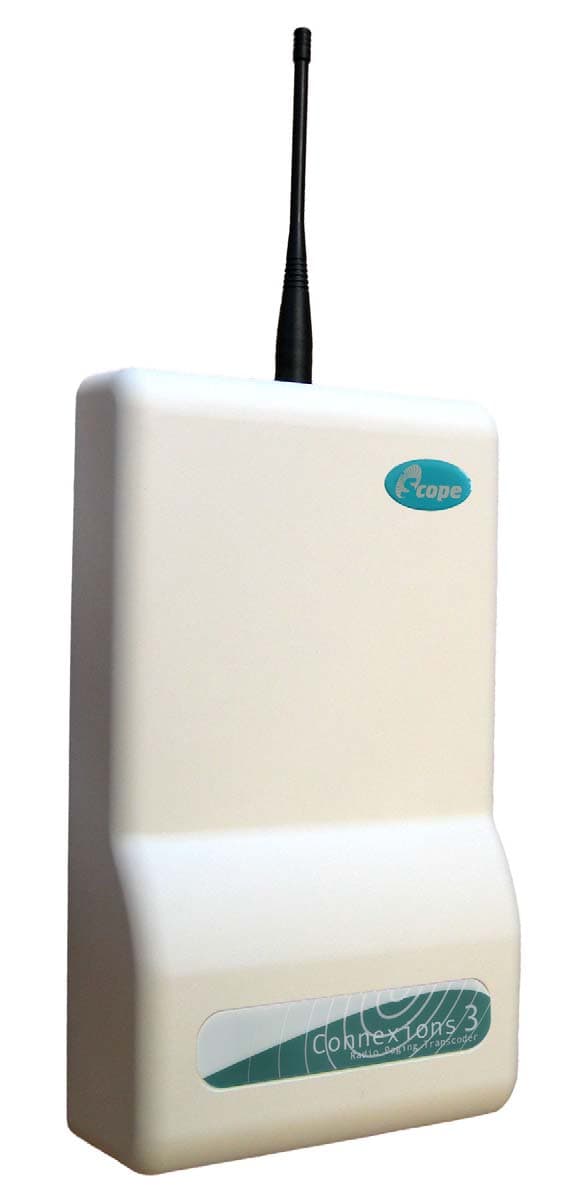
Click to zoom
Application Details
- Equipment Class
- TNB - Licensed Non-Broadcast Station Transmitter
- Date of Grant
- Jan 31, 2007
- Application Purpose
- Original Equipment
- Date of Application
- Jan 31, 2007
- Equipment Note
- UHF Paging System
- Frequency Range
- 450.00000000 - 470.00000000
- Company
- Scope Communications UK Ltd
- Country
- United Kingdom
Documents & Files
Document Text
Text extracted from the exhibit documents filed with the FCC. Open a document above to read the original.
Users Manual
ConneXions 3 CONX9AC RS232 Radio Paging System (Two Port, Mains Version) Scope Communications UK Ltd, Quantum House, Steamer Quay, Totnes, Devon TQ9 5AL Tel: +44 1803 860700 Fax: +44 1803 863716 Email: [email protected] Web: www.scope-uk.com CONX9AC Installation & User Manual ConneXions 3 ConneXions 3 V9 Mains, Two Port USA Version CONX9ACUSA Issue 1 1 Important Installation Information It is the purchasers’ responsibility to determine the suitability of this equipment and its derivatives for any given application, Scope cannot give specific advice in this manual, as each use will require independent evaluation. Scope has, wherever possible, employed extra safeguards or designed optional equipment to further monitor the system’s performance. Certain system installations, operational requirements or budgets may, however, limit the effectiveness of these safeguards. Again, the suitability of the system for any given application must therefore be decided by the installer and their customer, relative to the application and risk. Licence This equipment is cleared for use within the USA under a license assigned to the exclusive importer, PIPS Holdings Inc. License No. 950415906. Certain restrictions apply in respect of power output and antenna installations. Alternative frequencies are available by formal license application (Form 600) via the FCC. These will not be subject to the same restrictions as the standard assigned license. You should obtain the FCC Rules and Regulations, Title 47, Part 80 to End, including Parts 90 and 95, available from the US Gov. Printing Office, GPO Bookstore, FCC Office or www.fcc.gov/oet/info/rules/ Important Safety Information Scope products are designed to operate safely when installed and used according to general safety practices. The following requirements should be observed at all times. Do NOT subject this equipment to: Mechanical shock Excessive humidity or moisture Extremes of temperature Corrosive liquids This equipment is designed for indoor use, unless expressly stated otherwise, and must not be used in classified Hazardous Areas, including areas containing explosive or flammable vapours, unless express authorization has been given in writing by the manufacturer. If in doubt, consult your local product dealer for further information. Do not obstruct any slots or openings in the product. These are provided for ventilation to ensure reliable operation of the product and to protect it from overheating. Only use a damp cloth for cleaning (not liquid or aerosol based cleaners), and ensure that any power is removed from the unit prior to beginning the cleaning operation. Removal of covers from the equipment must only be undertaken by authorized service personnel, who must ensure that power is isolated prior to removal. This equipment must be earthed and must only be connected to a grounded outlet. ConneXions 3 V9 Mains, Two Port USA Version CONX9ACUSA Issue 1 2 PREFACE Equipment Applications It is the user’s responsibility to determine the suitability of the Scope products for any given application. Scope, including its subsidiaries and Distributors, cannot provide specific advice within this manual, as each application will require independent evaluation. Common sense dictates that certain applications may require back up systems to cover in the event of mains or equipment failure. All applications should be thoroughly assessed by the installer in conjunction with the customer so as to minimize risk. Scope has no control of the use and application of the frequencies issued by the FCC. Some equipment that is individually licensed may have a greater degree of protection than other equipment that is operated on a FCC License Assignment basis. The following information, however, may be of benefit. Equipment Testing. Range tests should be carried out at least once a week on portable radio equipment, more often when critical criteria apply. This should involve testing the unit past the limit of its required working range. Good working practice dictates that a suitable system installation log, covering both portable and fixed equipment must be generated, together with a record of the dates when the system has been manually checked and/or serviced, (with the aid of suitable test equipment etc.) enabling the system performance to be compared with the original installation data. The frequency of the tests required will vary between applications. If portable equipment has been dropped or is worn by a person involved in an accident, the unit should be tested again before re-use. It must be stressed that the physical range tests are essential and that any construction work or movement of plant or equipment could alter the signalling capability of the unit. Radio equipment, like any other requires servicing from time to time to ensure that it is operating to its optimum performance. It is therefore essential that equipment is inspected and tested by authorized service centres at least once a year. Literature Scope Communications UK Ltd, the manufacturer, in conjunction with its distributors operates a policy of continual improvement, and therefore reserve the right to modify or change any specifications without prior notice. While every possible care has been taken in the preparation of this manual, Scope does not accept any liability for technical or typographical errors or omissions contained herein, nor for incidental or consequential damage arising from the use of this material. Installation Installation must only be undertaken by an Approved contractor, who shall ensure that all work is carried out in compliance with the appropriate State and Federal Regulations. This equipment must be earthed. For mains powered equipment, a readily accessible isolating fuse or socket must be located within 1 meter of the equipment. Liability Scope does not accept liability for any damage or injury, howsoever caused as the result of misuse of this equipment. It is the responsibil…
Text truncated - open the document above for the full version.
Users Manual
Programmable UHF Radio Paging System Models DL4ACLUSA, DL8ACLUSA DIGLUSAC3 Installation & User Manual Digilink MK2Digilink MK2 Digilink MK2Digilink MK2 Digilink MK2 Digilink UhfDigilink Uhf Digilink UhfDigilink Uhf Digilink Uhf Scope Communications UK Ltd, Quantum House, Totnes, Devon TQ9 5AL Tel: +44 1803 860700 Fax: +44 1803 863716 Email: [email protected] Web www.scope-uk.com DigiLink US, ECO Mains Version DIGUSACECO Issue 1 1 PREFACE Important Installation Information It is the purchasers’ responsibility to determine the suitability of this equipment and its derivatives for any given application, Scope cannot give specific advice in this manual, as each use will require independent evaluation. Scope has, wherever possible, employed extra safeguards or designed optional equipment to further monitor the system’s performance. Certain system installations, operational requirements or budgets may, however, limit the effectiveness of these safeguards. Again, the suitability of the system for any given application must therefore be decided by the installer and their customer, relative to the application and risk. Licence This equipment is cleared for use within the USA under a license assigned to the exclusive importer, PIPS Holdings Inc. License No. 950415906. Certain restrictions apply in respect of power output and antenna installations. Alternative frequencies are available by formal license application (Form 600) via the FCC. These will not be subject to the same restrictions as the standard assigned license. You should obtain the FCC Rules and Regulations, Title 47, Part 80 to End, including Parts 90 and 95, available from the US Gov. Printing Office, GPO Bookstore, FCC Office or www.fcc.gov/oet/info/rules/ Important Safety Information Scope products are designed to operate safely when installed and used according to general safety practices. The following requirements should be observed at all times. Do NOT subject this equipment to: Mechanical shock Excessive humidity or moisture Extremes of temperature Corrosive liquids This equipment is designed for indoor use, unless expressly stated otherwise, and must not be used in classified Hazardous Areas, including areas containing explosive or flammable vapors, unless express authorization has been given in writing by the manufacturer. If in doubt, consult your local product dealer for further information. Do not obstruct any slots or openings in the product. These are provided for ventilation to ensure reliable operation of the product and to protect it from overheating. Only use a damp cloth for cleaning (not liquid or aerosol based cleaners), and ensure that any power is removed from the unit prior to beginning the cleaning operation. Removal of covers from the equipment must only be undertaken by authorized service personnel, who must ensure that power is isolated prior to removal. DigiLink US, ECO Mains Version DIGUSACECO Issue 1 2 PREFACE Equipment Applications It is the user’s responsibility to determine the suitability of the Scope products for any given application. Scope, including its subsidiaries and Distributors, cannot provide specific advice within this manual, as each application will require independent evaluation. Common sense dictates that certain applications may require back up systems to cover in the event of mains or equipment failure. All applications should be thoroughly assessed by the installer in conjunction with the customer so as to minimize risk. Scope has no control of the use and application of the frequencies issued by the FCC. Some equipment that is individually licensed may have a greater degree of protection than other equipment that is operated on a FCC License Assignment basis. The following information, however, may be of benefit. Equipment Testing Range tests should be carried out at least once a week on portable radio equipment, more often when critical criteria apply. This should involve testing the unit past the limit of its required working range. Good working practice dictates that a suitable system installation log, covering both portable and fixed equipment must be generated, together with a record of the dates when the system has been manually checked and/or serviced, (with the aid of suitable test equipment etc.) enabling the system performance to be compared with the original installation data. The frequency of the tests required will vary between applications. If portable equipment has been dropped or is worn by a person involved in an accident, the unit should be tested again before re-use. It must be stressed that the physical range tests are essential and that any construction work or movement of plant or equipment could alter the signaling capability of the unit. Radio equipment, like any other requires servicing from time to time to ensure that it is operating to its optimum performance. It is therefore essential that equipment is inspected and tested by authorized service centers at least once a year. Literature Scope Communications UK Ltd, the manufacturer, in conjunction with it’s distributors operates a policy of continual improvement, and therefore reserve the right to modify or change any specifications without prior notice. While every possible care has been taken in the preparation of this manual, Scope does not accept any liability for technical or typographical errors or omissions contained herein, nor for incidental or consequential damage arising from the use of this material. Installation Installation must only be undertaken by an Approved contractor, who shall ensure that all work is carried out in compliance with the appropriate State and Federal Regulations. For mains powered equipment, a readily accessible isolating fuse or socket must be located within 1 meter of the equipment. Liability Scope does not accept liability for any damage or injury, howsoever caused as the result of misuse of this equipment. It is the responsibility of the user to ensure that the equip…
Text truncated - open the document above for the full version.
Users Manual
Programmable UHF Radio Paging System Models DL4EDC, DL8EDC Scope Communications UK Ltd, Quantum House, Steamer Quay, Totnes, Devon TQ9 5AL Tel: +44 1803 860700 Fax: +44 1803 863716 Email: [email protected] Web: www.scope-uk.com DIGEDC5 Installation & User Manual Digilink MK2Digilink MK2 Digilink MK2Digilink MK2 Digilink MK2 Digilink UhfDigilink Uhf Digilink UhfDigilink Uhf Digilink Uhf DigiLink US, ECO DC Version DIGUSDCECO Issue 1 1 PREFACE Important Installation Information It is the purchasers’ responsibility to determine the suitability of this equipment and its derivatives for any given application, Scope cannot give specific advice in this manual, as each use will require independent evaluation. Scope has, wherever possible, employed extra safeguards or designed optional equipment to further monitor the system’s performance. Certain system installations, operational requirements or budgets may, however, limit the effectiveness of these safeguards. Again, the suitability of the system for any given application must therefore be decided by the installer and their customer, relative to the application and risk. Licence This equipment is cleared for use within the USA under a license assigned to the exclusive importer, PIPS Holdings Inc. License No. 950415906. Certain restrictions apply in respect of power output and antenna installations. Alternative frequencies are available by formal license application (Form 600) via the FCC. These will not be subject to the same restrictions as the standard assigned license. You should obtain the FCC Rules and Regulations, Title 47, Part 80 to End, including Parts 90 and 95, available from the US Gov. Printing Office, GPO Bookstore, FCC Office or www.fcc.gov/oet/info/rules/ Important Safety Information Scope products are designed to operate safely when installed and used according to general safety practices. The following requirements should be observed at all times. Do NOT subject this equipment to: Mechanical shock Excessive humidity or moisture Extremes of temperature Corrosive liquids This equipment is designed for indoor use, unless expressly stated otherwise, and must not be used in classified Hazardous Areas, including areas containing explosive or flammable vapors, unless express authorization has been given in writing by the manufacturer. If in doubt, consult your local product dealer for further information. Do not obstruct any slots or openings in the product. These are provided for ventilation to ensure reliable operation of the product and to protect it from overheating. Only use a damp cloth for cleaning (not liquid or aerosol based cleaners), and ensure that any power is removed from the unit prior to beginning the cleaning operation. Removal of covers from the equipment must only be undertaken by authorized service personnel, who must ensure that power is isolated prior to removal. DigiLink US, ECO DC Version DIGUSDCECO Issue 1 2 PREFACE Equipment Applications It is the user’s responsibility to determine the suitability of the Scope products for any given application. Scope, including its subsidiaries and Distributors, cannot provide specific advice within this manual, as each application will require independent evaluation. Common sense dictates that certain applications may require back up systems to cover in the event of mains or equipment failure. All applications should be thoroughly assessed by the installer in conjunction with the customer so as to minimize risk. Scope has no control of the use and application of the frequencies issued by the FCC. Some equipment that is individually licensed may have a greater degree of protection than other equipment that is operated on a FCC License Assignment basis. The following information, however, may be of benefit. Equipment Testing Range tests should be carried out at least once a week on portable radio equipment, more often when critical criteria apply. This should involve testing the unit past the limit of its required working range. Good working practice dictates that a suitable system installation log, covering both portable and fixed equipment must be generated, together with a record of the dates when the system has been manually checked and/or serviced, (with the aid of suitable test equipment etc.) enabling the system performance to be compared with the original installation data. The frequency of the tests required will vary between applications. If portable equipment has been dropped or is worn by a person involved in an accident, the unit should be tested again before re-use. It must be stressed that the physical range tests are essential and that any construction work or movement of plant or equipment could alter the signaling capability of the unit. Radio equipment, like any other requires servicing from time to time to ensure that it is operating to its optimum performance. It is therefore essential that equipment is inspected and tested by authorized service centers at least once a year. Literature Scope Communications UK Ltd, the manufacturer, in conjunction with its distributors operates a policy of continual improvement, and therefore reserve the right to modify or change any specifications without prior notice. While every possible care has been taken in the preparation of this manual, Scope does not accept any liability for technical or typographical errors or omissions contained herein, nor for incidental or consequential damage arising from the use of this material. Installation Installation must only be undertaken by an Approved contractor, who shall ensure that all work is carried out in compliance with the appropriate State and Federal Regulations. For mains powered equipment, a readily accessible isolating fuse or socket must be located within 1 meter of the equipment. Liability Scope does not accept liability for any damage or injury, howsoever caused as the result of misuse of this equipment. It is the responsibility of the user to ensure that the equip…
Text truncated - open the document above for the full version.
Users Manual
DataPDataP DataPDataP DataP age MK2age MK2 age MK2age MK2 age MK2 Desktop UHF Radio Paging System Scope Communications UK Ltd, Quantum House, Steamer Quay, Totnes, Devon TQ9 5AL Tel: +44 1803 860700 Fax: +44 1803 863716 Email: [email protected] Web: www.scope-uk.com Installation & User Manual DPMK2/6 DataPage MK2 (USA, ECO) Desktop UHF Radio Paging System DPUSAECO 1 Issue 1 PREFACE Important Installation Information It is the purchasers’ responsibility to determine the suitability of this equipment and its derivatives for any given application, Scope cannot give specific advice in this manual, as each use will require independent evaluation. Scope has, wherever possible, employed extra safeguards or designed optional equipment to further monitor the system’s performance. Certain system installations, operational requirements or budgets may, however, limit the effectiveness of these safeguards. Again, the suitability of the system for any given application must therefore be decided by the installer and their customer, relative to the application and risk. Licence This equipment is cleared for use within the USA under a license assigned to the exclusive importer, PIPS Holdings Inc. License No. 950415906. Certain restrictions apply in respect of power output and antenna installations. Alternative frequencies are available by formal license application (Form 600) via the FCC. These will not be subject to the same restrictions as the standard assigned license. You should obtain the FCC Rules and Regulations, Title 47, Part 80 to End, including Parts 90 and 95, available from the US Gov. Printing Office, GPO Bookstore, FCC Office or www.fcc.gov/oet/info/rules/ Important Safety Information Scope products are designed to operate safely when installed and used according to general safety practices. The following requirements should be observed at all times. Do NOT subject this equipment to: Mechanical shock Excessive humidity or moisture Extremes of temperature Corrosive liquids This equipment is designed for indoor use, unless expressly stated otherwise, and must not be used in classified Hazardous Areas, including areas containing explosive or flammable vapors, unless express authorization has been given in writing by the manufacturer. If in doubt, consult your local product dealer for further information. Do not obstruct any slots or openings in the product. These are provided for ventilation to ensure reliable operation of the product and to protect it from overheating. Only use a damp cloth for cleaning (not liquid or aerosol based cleaners), and ensure that any power is removed from the unit prior to beginning the cleaning operation. Removal of covers from the equipment must only be undertaken by authorized service personnel, who must ensure that power is isolated prior to removal. DataPage MK2 (USA, ECO) Desktop UHF Radio Paging System DPUSAECO 2 Issue 1 PREFACE Equipment Applications It is the user’s responsibility to determine the suitability of the Scope products for any given application. Scope, including its subsidiaries and Distributors, cannot provide specific advice within this manual, as each application will require independent evaluation. Common sense dictates that certain applications may require back up systems to cover in the event of mains or equipment failure. All applications should be thoroughly assessed by the installer in conjunction with the customer so as to minimize risk. Scope has no control of the use and application of the frequencies issued by the FCC. Some equipment that is individually licensed may have a greater degree of protection than other equipment that is operated on a FCC License Assignment basis. The following information, however, may be of benefit. Equipment Testing Range tests should be carried out at least once a week on portable radio equipment, more often when critical criteria apply. This should involve testing the unit past the limit of its required working range. Good working practice dictates that a suitable system installation log, covering both portable and fixed equipment must be generated, together with a record of the dates when the system has been manually checked and/or serviced, (with the aid of suitable test equipment etc.) enabling the system performance to be compared with the original installation data. The frequency of the tests required will vary between applications. If portable equipment has been dropped or is worn by a person involved in an accident, the unit should be tested again before re-use. It must be stressed that the physical range tests are essential and that any construction work or movement of plant or equipment could alter the signaling capability of the unit. Radio equipment, like any other requires servicing from time to time to ensure that it is operating to its optimum performance. It is therefore essential that equipment is inspected and tested by authorized service centres at least once a year. Literature Scope Communications UK Ltd, the manufacturer, in conjunction with its distributors operates a policy of continual improvement, and therefore reserve the right to modify or change any specifications without prior notice. While every possible care has been taken in the preparation of this manual, Scope does not accept any liability for technical or typographical errors or omissions contained herein, nor for incidental or consequential damage arising from the use of this material. Installation Installation must only be undertaken by an Approved contractor, who shall ensure that all work is carried out in compliance with the appropriate State and Federal Regulations. For mains powered equipment, a readily accessible isolating fuse or socket must be located within 1 meter of the equipment. Liability Scope does not accept liability for any damage or injury, howsoever caused as the result of misuse of this equipment. It is the responsibility of the user to ensure that the equipment is operated in the manner for …
Text truncated - open the document above for the full version.
Users Manual
DataPDataP DataPDataP DataP age Liteage Lite age Liteage Lite age Lite Desktop UHF Radio Paging System Scope Communications UK Ltd, Quantum House, Steamer Quay, Totnes, Devon TQ9 5AL Tel: +44 1803 860700 Fax: +44 1803 863716 Email: [email protected] Web: www.scope-uk.com Installation & User Manual DPLITE2 DataPage Lite (USA, ECO) Desktop UHF Radio Paging System DPUSALITEECO 1 Issue 1 PREFACE Important Installation Information It is the purchasers’ responsibility to determine the suitability of this equipment and its derivatives for any given application, Scope cannot give specific advice in this manual, as each use will require independent evaluation. Scope has, wherever possible, employed extra safeguards or designed optional equipment to further monitor the system’s performance. Certain system installations, operational requirements or budgets may, however, limit the effectiveness of these safeguards. Again, the suitability of the system for any given application must therefore be decided by the installer and their customer, relative to the application and risk. Licence This equipment is cleared for use within the USA under a license assigned to the exclusive importer, PIPS Holdings Inc. License No. 950415906. Certain restrictions apply in respect of power output and antenna installations. Alternative frequencies are available by formal license application (Form 600) via the FCC. These will not be subject to the same restrictions as the standard assigned license. You should obtain the FCC Rules and Regulations, Title 47, Part 80 to End, including Parts 90 and 95, available from the US Gov. Printing Office, GPO Bookstore, FCC Office or www.fcc.gov/oet/info/rules/ Important Safety Information Scope products are designed to operate safely when installed and used according to general safety practices. The following requirements should be observed at all times. Do NOT subject this equipment to: Mechanical shock Excessive humidity or moisture Extremes of temperature Corrosive liquids This equipment is designed for indoor use, unless expressly stated otherwise, and must not be used in classified Hazardous Areas, including areas containing explosive or flammable vapours, unless express authorization has been given in writing by the manufacturer. If in doubt, consult your local product dealer for further information. Do not obstruct any slots or openings in the product. These are provided for ventilation to ensure reliable operation of the product and to protect it from overheating. Only use a damp cloth for cleaning (not liquid or aerosol based cleaners), and ensure that any power is removed from the unit prior to beginning the cleaning operation. Removal of covers from the equipment must only be undertaken by authorized service personnel, who must ensure that power is isolated prior to removal. DataPage Lite (USA, ECO) Desktop UHF Radio Paging System DPUSALITEECO 2 Issue 1 PREFACE Equipment Applications It is the user’s responsibility to determine the suitability of the Scope products for any given application. Scope, including its subsidiaries and Distributors, cannot provide specific advice within this manual, as each application will require independent evaluation. Common sense dictates that certain applications may require back up systems to cover in the event of mains or equipment failure. All applications should be thoroughly assessed by the installer in conjunction with the customer so as to minimize risk. Scope has no control of the use and application of the frequencies issued by the FCC. Some equipment that is individually licensed may have a greater degree of protection than other equipment that is operated on a FCC License Assignment basis. The following information, however, may be of benefit. Equipment Testing Range tests should be carried out at least once a week on portable radio equipment, more often when critical criteria apply. This should involve testing the unit past the limit of its required working range. Good working practice dictates that a suitable system installation log, covering both portable and fixed equipment must be generated, together with a record of the dates when the system has been manually checked and/or serviced, (with the aid of suitable test equipment etc.) enabling the system performance to be compared with the original installation data. The frequency of the tests required will vary between applications. If portable equipment has been dropped or is worn by a person involved in an accident, the unit should be tested again before re-use. It must be stressed that the physical range tests are essential and that any construction work or movement of plant or equipment could alter the signaling capability of the unit. Radio equipment, like any other requires servicing from time to time to ensure that it is operating to its optimum performance. It is therefore essential that equipment is inspected and tested by authorized service centres at least once a year. Literature Scope Communications UK Ltd, the manufacturer, in conjunction with it’s distributors operates a policy of continual improvement, and therefore reserve the right to modify or change any specifications without prior notice. While every possible care has been taken in the preparation of this manual, Scope does not accept any liability for technical or typographical errors or omissions contained herein, nor for incidental or consequential damage arising from the use of this material. Installation Installation must only be undertaken by an Approved contractor, who shall ensure that all work is carried out in compliance with the appropriate State and Federal Regulations. For mains powered equipment, a readily accessible isolating fuse or socket must be located within 1 meter of the equipment. Liability Scope does not accept liability for any damage or injury, howsoever caused as the result of misuse of this equipment. It is the responsibility of the user to ensure that the equipment is operated i…
Text truncated - open the document above for the full version.
Contact Information
Applicant
Simon R Fidler(Managing Director)
Technical Contact
Scope Marketing (Communications UK) LtdTrevor Samms
[email protected]+44 1803 860700
The Scope Complex · Totnes, Devon · United Kingdom
Non-Technical Contact
Scope Marketing (Communications UK) LtdTrevor Samms
[email protected]+44 1803 860700
Test Firm
TRL Compliance LtdJohn Charters
Technical Specifications
| # | Rule Parts | Frequency Range | Power Output | Emission | Tolerance |
|---|---|---|---|---|---|
| 1 | 90 | 450 MHz - 470 MHz | 500.00 mW | 7K2F1D | 0.5500000000 ppm |
Other Applications from Scope Communications UK Ltd
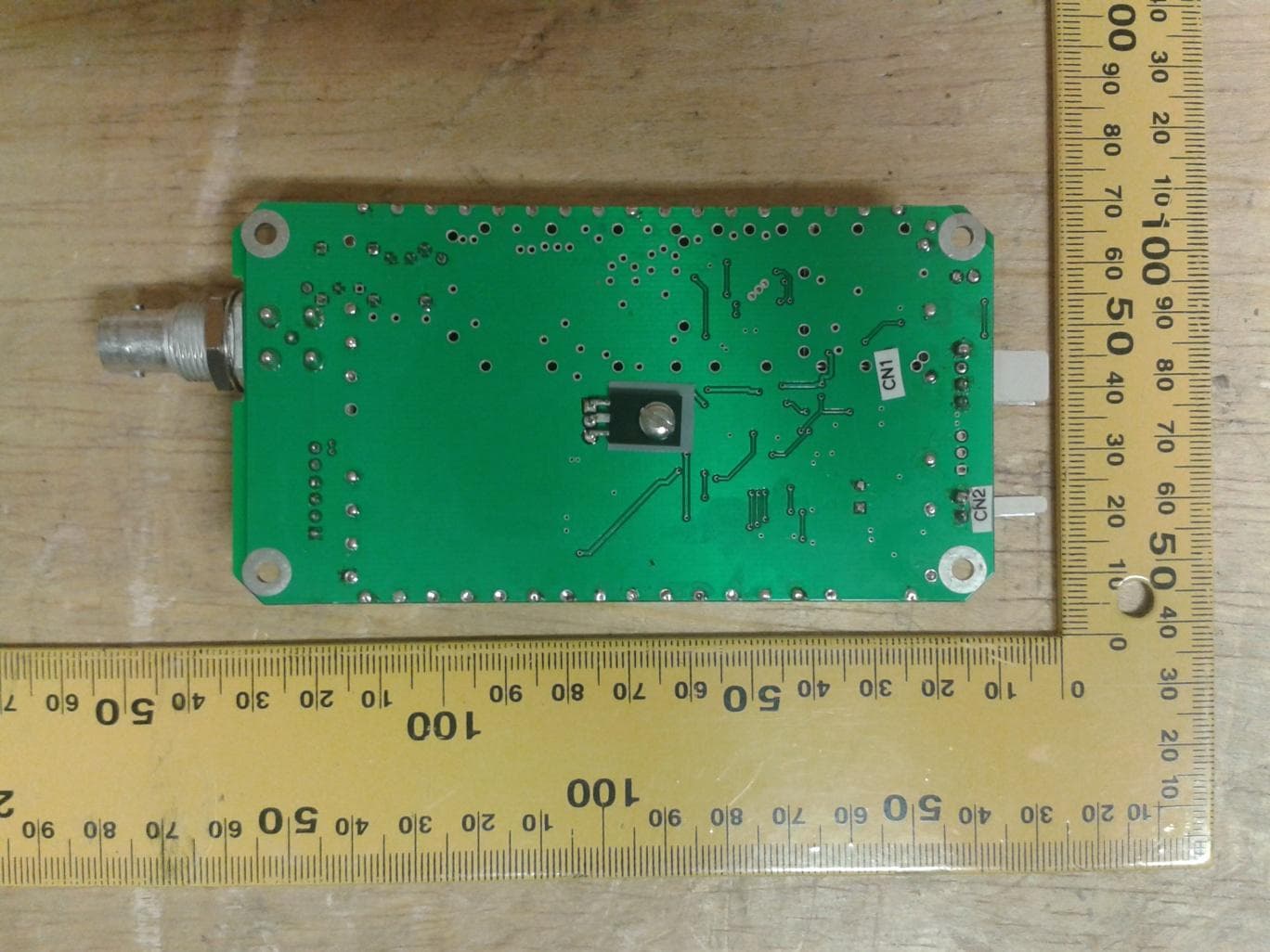
JRNUSA1WTX
Nov 17, 20141 Watt Synthesized UHF Transmitter
Equipment Class
TNB - Licensed Non-Broadcast Station Transmitter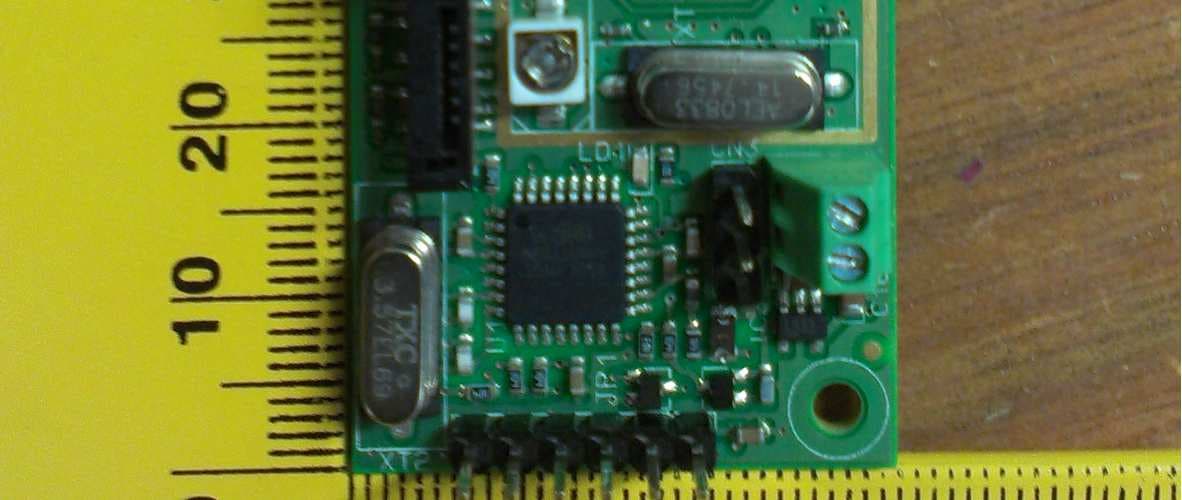
JRNUSAWAVETRACK
Apr 03, 2013LTX1 10mW Lite Transmitter MK1
Equipment Class
TNT - Licensed Non-Broadcast Transmitter Worn on Body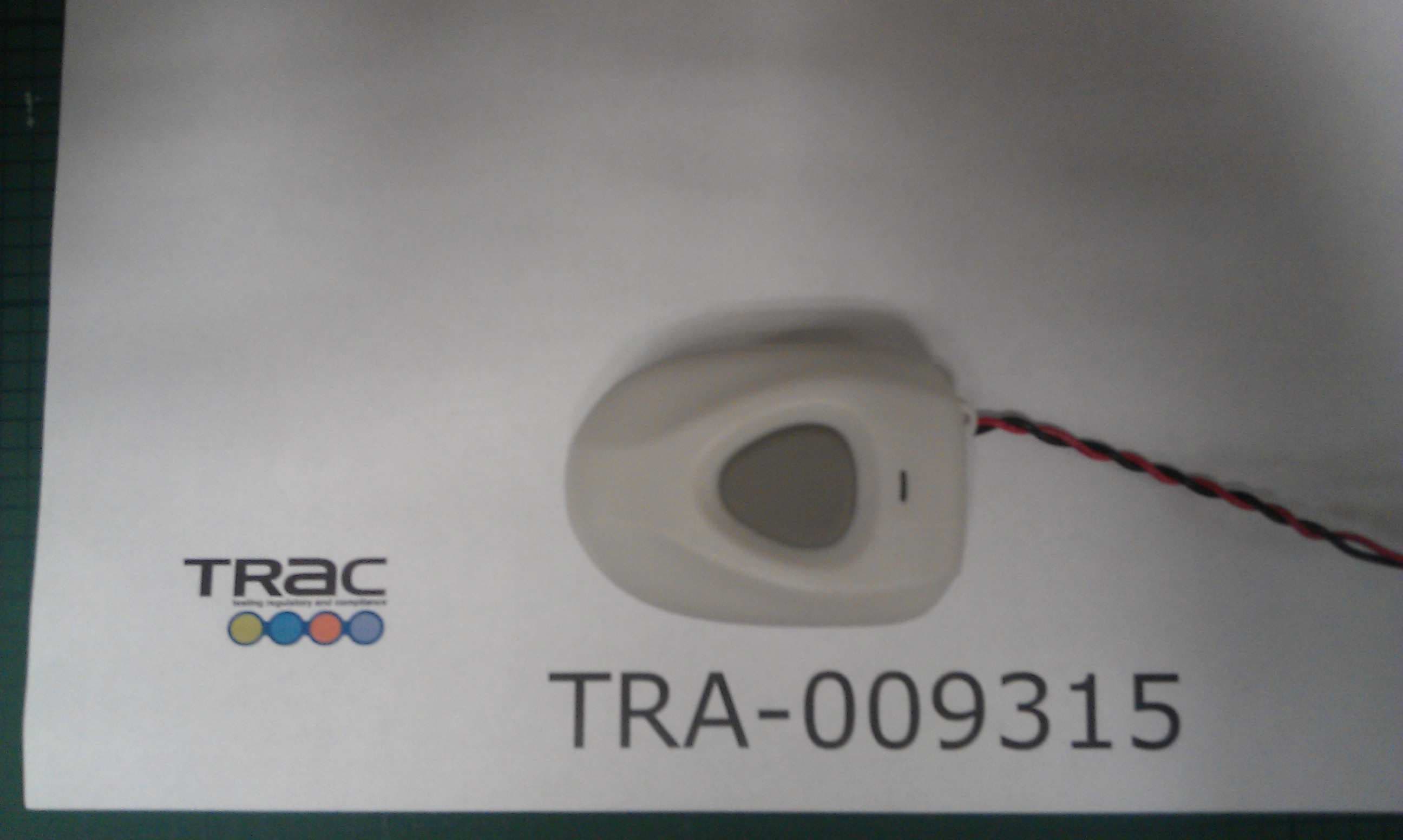
JRNUSAPENLINK
Feb 04, 2013MPA3 Pendant Alarm Transmitter
Equipment Class
TNT - Licensed Non-Broadcast Transmitter Worn on Body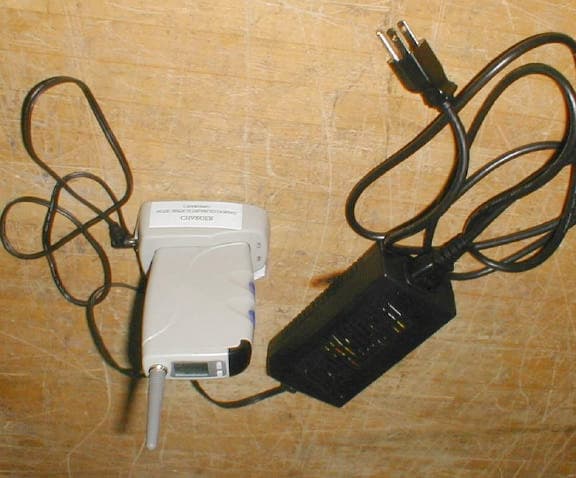
JRNMOBILINK
Jan 03, 2002Paging Transmitter
Equipment Class
TNT - Licensed Non-Broadcast Transmitter Worn on BodyJRNUSAAMP1-10
Apr 28, 1997Rated Input Power .465 Watts
Equipment Class
TNB - Licensed Non-Broadcast Station Transmitter