K3YHNS9105Thuraya IP+ Broadband Satellite IP Modem with WLAN
Hughes Network Systems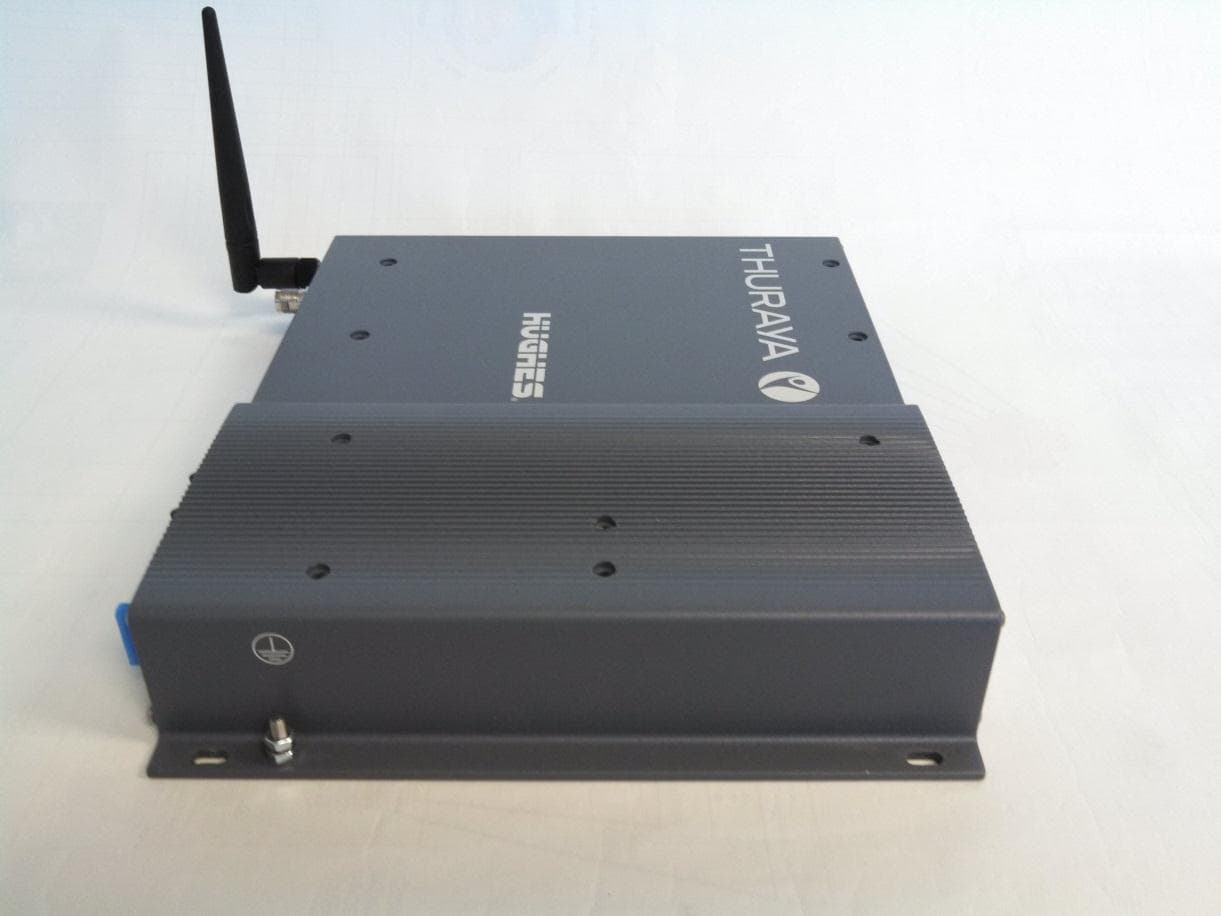
Click to zoom
Application Details
- Equipment Class
- DTS - Digital Transmission System
- Date of Grant
- Mar 12, 2015
- Application Purpose
- Original Equipment
- Date of Application
- Mar 12, 2015
- Equipment Note
- Thuraya IP+ Broadband Satellite IP Modem with WLAN
- Frequency Range
- 2412.00000000 - 2422.00000000
- Company
- Hughes Network Systems
- Country
- United States
Documents & Files
Document Text
Text extracted from the exhibit documents filed with the FCC. Open a document above to read the original.
Users Manual
User Guide Revision 6 3500869-0001 PROPRIETARY NOTICE All rights reserved. This publication and its contents are proprietary to Hughes Network Systems, LLC. No part of this publication may be reproduced in any form or by any means without the written permission of Hughes Network Systems, LLC, 11717 Exploration Lane, Germantown, Maryland 20876. HUGHES, HughesNet, IPoS, SPACEWAY, AIReach, Broadband Unbound, and Connect to the future are trademarks of Hughes Network Systems, LLC. All other trademarks are the property of their respective owners. Copyright © 2014 Hughes Network Systems, LLC Thuraya Orion IP User Guide i Safety Information For your safety and protection, read this entire user guide before you attempt to use the Thuraya Orion IP. In particular, read this safety section carefully. Keep this safety information where you can refer to if necessary. Warning Symbols Used in this Guide This section introduces the various types of warnings used in this document to alert you to possible safety hazards. WARNING Potential radio frequency (RF) hazard. Where you see this alert symbol and WARNING heading, strictly follow the warning instructions to avoid injury to eyes or other personal injury. WARNING Where you see this alert symbol and WARNING heading, strictly follow the warning instructions to avoid personal injury. DANGER Electric shock hazard: Where you see this alert symbol and DANGER heading, strictly follow the warning instructions to avoid electric shock injury or death. ii Thuraya Orion IP User Guide WARNINGS FOR THE THURAYA ORION IP TERMINAL Do not stand at the side or top of the Antenna (ADU) This device emits radio frequency energy when in the transmit mode. To avoid injury, do not place head or other body parts at the side or top of the ADU when system is operational. Maintain a distance of one meter away from those areas of the ADU. WLAN Antenna This device emits radio frequency energy when transmitting – to avoid injury keep at least 20cm from all persons. Properly ground the Below Deck Unit (BDU) Failure to properly ground the terminal BDU may result in severe personal injury or death. Use the GROUND terminal on the BDU and follow the instructions found in the Installation manual. General Handle your Thuraya Orion IP with care. The ADU is weather resistant per IEC 60529 IP56; however, do not submerge the unit. Avoid exposing the Thuraya Orion IP to extreme hot or cold temperatures outside the range -25ºC to +55ºC. Avoid placing the terminal BDU close to cigarettes, open flames or any source of heat. Changes or modifications to the terminal BDU not expressly approved by Hughes Network Systems could void your authority to operate this equipment. Only use a soft damp cloth to clean the terminal BDU. To avoid impaired performance, please ensure the unit’s ADU is not damaged or covered with foreign material like paint or labelling. When inserting the SIM, do not bend it or damage the contacts in any way. When connecting the interface cables, do not use excessive force. In the vicinity of blasting work and in explosive environments Never use the Thuraya Orion IP where blasting work is in progress. Observe all restrictions and follow any regulations or rules. Areas with a potentially explosive environment are often, Thuraya Orion IP User Guide iii but not always, clearly marked. Do not use the Thuraya Orion IP while at a petrol filling station. Do not use near fuel or chemicals. Qualified service Do not attempt to disassemble the ADU or terminal BDU. The unit does not contain consumer-serviceable components. Only qualified service personnel may install or repair equipment. Accessories Use Hughes approved accessories only. Use of non-approved accessories may result in loss of performance, damage to the Orion IP, fire, electric shock or injury. Connecting devices Never connect incompatible devices to the Thuraya Orion IP. When connecting the Thuraya Orion IP to any other device, read the device’s User Manual for detailed safety instructions. Pacemakers The various brands and models of cardiac pacemakers available exhibit a wide range of immunity levels to radio signals. Therefore, people who wear a cardiac pacemaker and who want to use the Thuraya Orion IP should seek the advice of their cardiologist. If, as a pacemaker user, you are still concerned about interaction with the Thuraya Orion IP, we suggest you follow these guidelines: Maintain a distance of 20cm from the Wi-Fi antenna and your pacemaker: Maintain a distance of one meter from the main ADU front and sides and your pacemaker; Refer to your pacemaker product literature for information on your particular device. If you have any reason to suspect that interference is taking place, turn off your Thuraya Orion IP immediately. Hearing aids Most new models of hearing aids are immune to radio frequency interference from satellite terminals that are more than 2 meters away. Many types of older hearing aids may be susceptible to interference, making it very difficult to use them iv Thuraya Orion IP User Guide near a terminal. Should interference be experienced, maintain additional separation between you and the Orion IP. Electrical Storms Operation of the Thuraya Orion IP during electrical storms may result in severe personal injury or death. Ensure the Below Deck Equipment is properly grounded to the vessel Ground point.. INFORMATION TO USER Hughes Network Systems, LLC, declares under our sole responsibility that the product Hughes 9105 Satellite IP Terminal to which this declaration relates, is in conformity with the following standards and/or other normative documents: ETSI EN 301 444, ETSI EN 300 328, ETSI EN 301 489-1, ETSI EN 301 489-17, ETSI EN 301 489-20, IEC 60950-1. We hereby declare that all essential radio test suites have been carried out and that the above named product is in conformity to all the essential requirements of R&TTE Directive 1999/5/EC and RoHS-2 Directive 2011/65/EU. This device complies with Part…
Text truncated - open the document above for the full version.
Users Manual
User Guide Revision 6 3500883-0001 PROPRIETARY NOTICE All rights reserved. This publication and its contents are proprietary to Hughes Network Systems, LLC. No part of this publication may be reproduced in any form or by any means without the written permission of Hughes Network Systems, LLC, 11717 Exploration Lane, Germantown, Maryland 20876. HUGHES, HughesNet, IPoS, SPACEWAY, AIReach, Broadband Unbound, and Connect to the future are trademarks of Hughes Network Systems, LLC. All other trademarks are the property of their respective owners. Copyright © 2014 Hughes Network Systems, LLC Thuraya IP Voyager User Guide i Safety Information For your safety and protection, read this entire user guide before you attempt to use the Thuraya IP Voyager. In particular, read this safety section carefully. Keep this safety information where you can refer to if necessary. Warning Symbols Used in this Guide This section introduces the various types of warnings used in this document to alert you to possible safety hazards. WARNING Potential radio frequency (RF) hazard. Where you see this alert symbol and WARNING heading, strictly follow the warning instructions to avoid injury to eyes or other personal injury. WARNING Where you see this alert symbol and WARNING heading, strictly follow the warning instructions to avoid personal injury. DANGER Electric shock hazard: Where you see this alert symbol and DANGER heading, strictly follow the warning instructions to avoid electric shock injury or death. ii Thuraya IP Voyager User Guide WARNINGS FOR THE THURAYA IP VOYAGER TERMINAL Do not stand at the side or top of the Antenna (ADU) This device emits radio frequency energy when in the transmit mode. To avoid injury, do not place head or other body parts at the side or top of the ADU when system is operational. Maintain a distance of one meter away from those areas of the ADU. WLAN Antenna This device emits radio frequency energy when transmitting – to avoid injury keep at least 20cm from all persons. Properly ground the Below Deck Unit (BDU) Failure to properly ground the terminal BDU may result in severe personal injury or death. Use the GROUND terminal on the BDU and follow the instructions found in the Installation manual. General Handle your Thuraya IP Voyager with care. The ADU is weather resistant per IEC 60529 IP56; however, do not submerge the unit. Avoid exposing the Thuraya IP Voyager to extreme hot or cold temperatures outside the range -25ºC to +55ºC. Avoid placing the terminal BDU close to cigarettes, open flames or any source of heat. Changes or modifications to the terminal BDU not expressly approved by Hughes Network Systems could void your authority to operate this equipment. Only use a soft damp cloth to clean the terminal BDU. To avoid impaired performance, please ensure the unit’s ADU is not damaged or covered with foreign material like paint or labelling. When inserting the SIM, do not bend it or damage the contacts in any way. When connecting the interface cables, do not use excessive force. In the vicinity of blasting work and in explosive environments Never use the Thuraya IP Voyager where blasting work is in progress. Observe all restrictions and follow any regulations or rules. Areas with a potentially explosive environment are often, Thuraya IP Voyager User Guide iii but not always, clearly marked. Do not use the Thuraya IP Voyager while at a petrol filling station. Do not use near fuel or chemicals. Qualified service Do not attempt to disassemble the ADU or terminal BDU. The unit does not contain consumer-serviceable components. Only qualified service personnel may install or repair equipment. Accessories Use Hughes approved accessories only. Use of non-approved accessories may result in loss of performance, damage to the IP Voyager, fire, electric shock or injury. Connecting devices Never connect incompatible devices to the Thuraya IP Voyager. When connecting the Thuraya IP Voyager to any other device, read the device’s User Manual for detailed safety instructions. Pacemakers The various brands and models of cardiac pacemakers available exhibit a wide range of immunity levels to radio signals. Therefore, people who wear a cardiac pacemaker and who want to use the Thuraya IP Voyager should seek the advice of their cardiologist. If, as a pacemaker user, you are still concerned about interaction with the Thuraya IP Voyager, we suggest you follow these guidelines: Maintain a distance of 20cm from the Wi-Fi antenna and your pacemaker: Maintain a distance of one meter from the main ADU front and sides and your pacemaker; Refer to your pacemaker product literature for information on your particular device. If you have any reason to suspect that interference is taking place, turn off your Thuraya IP Voyager immediately. Hearing aids Most new models of hearing aids are immune to radio frequency interference from satellite terminals that are more than 2 meters away. Many types of older hearing aids may be iv Thuraya IP Voyager User Guide susceptible to interference, making it very difficult to use them near a terminal. Should interference be experienced, maintain additional separation between you and the IP Voyager. Electrical Storms Operation of the Thuraya IP Voyager during electrical storms may result in severe personal injury or death. Ensure the Below Deck Equipment is properly grounded to the vehicle chassis. INFORMATION TO USER Hughes Network Systems, LLC, declares under our sole responsibility that the product Hughes 9105 Satellite IP Terminal to which this declaration relates, is in conformity with the following standards and/or other normative documents: ETSI EN 301 444, ETSI EN 300 328, ETSI EN 301 489-1, ETSI EN 301 489-17, ETSI EN 301 489-20, IEC 60950-1. We hereby declare that all essential radio test suites have been carried out and that the above named product is in conformity to all the essential requirements of R&TTE Directive 1999/5/EC and RoHS-2 Directive 2011/65/EU.…
Text truncated - open the document above for the full version.
External Photos
Thuraya 9105 Below Decks Unit (BDU) Page 1 of 3 9105 Top side 9105 Front Panel 9105 Under side Thuraya 9105 Below Decks Unit (BDU) Page 2 of 3 9105 Rear side 9105 Left side Thuraya 9105 Below Decks Unit (BDU) Page 3 of 3 9105 Right side HN221 Land Mobile Antenna HN321 Maritime Antenna
ID Label/Location Info
Thuraya 9105 Chassis Label and Location Fig 1. Thuraya 9105 Chassis Label Fig 2. Thuraya 9105 BDU – Chassis label location
Internal Photos
Thuraya 9105 Below Decks Unit (BDU) 1 9105 Interface board with Core Module installed – Top side 9105 Interface board with Core Module separated– Top side Thuraya 9105 Below Decks Unit (BDU) 2 9105 Interface board – Under side Thuraya 9105 Below Decks Unit (BDU) 3 Bottom Shield Removed From Core Module Both Shields Removed From Core Module. WLAN card shown attached. Thuraya 9105 Below Decks Unit (BDU) 4 Core Module – Top side without WLAN card Core Module – Under side Thuraya 9105 Below Decks Unit (BDU) 5 WLAN card – Underside WLAN card – Top side
RF Exposure Info
Report No. SD72102234G March 2015 America Report On Radio Frequency Exposure Evaluation of the Hughes Network Systems 9105 Thuraya WLAN Satellite Terminal IP Voyager and Orion IP Title 47 Subpart J §2.1091 and KDB 447498 D01 Hughes Network Systems Report No. SD72102234G FCC ID: K3YHNS9105 Page 2 of 24 TÜV SÜD AMERICA INC 10040 Mesa Rim Road San Diego, CA 92121-2912 Phone: 858 678 1400 FAX: 858 546 0364 REPORT ON TEST REPORT NUMBER PREPARED FOR Radio Frequency Exposure Testing of the Hughes Network Systems 9105 Thuraya WLAN Satellite Terminal IP Voyager and Orion IP SD72102234G Hughes Network Systems 9605 Scranton Road, Suite 500 San Diego, CA 92121 CONTACT PERSON David Couchman Principal Engineer (858) 452‐4648 [email protected] PREPARED BY Alex Chang Name Title: EMC/Wireless Test Engineer APPROVED BY Juan Manuel Gonzalez Name Authorized Signatory Title: Commercial/Wireless EMC Lab Manager DATED March 17,2015 Hughes Network Systems Report No. SD72102234G FCC ID: K3YHNS9105 Page 3 of 24 TÜV SÜD AMERICA INC 10040 Mesa Rim Road San Diego, CA 92121-2912 Phone: 858 678 1400 FAX: 858 546 0364 Revision History SD72102234G Hughes Network Systems 9105 Thuraya WLAN Satellite Terminal IP Voyager and Orion IP DATE OLD REVISION NEW REVISION REASON PAGES AFFECTED APPROVED BY 03/17/2015 Initial Release Juan M. Gonzalez Hughes Network Systems Report No. SD72102234G FCC ID: K3YHNS9105 Page 4 of 24 TÜV SÜD AMERICA INC 10040 Mesa Rim Road San Diego, CA 92121-2912 Phone: 858 678 1400 FAX: 858 546 0364 CONTENTS Section Page No 1 REPORT SUMMARY ................................................................................................................. 5 1.1 Introduction ................................................................................................................................ 6 1.2 Brief Summary of Results ........................................................................................................... 7 1.3 Product Information .................................................................................................................... 8 1.4 General RF Exposure Policies for Equipment Authorization (Title 47 Subpart J §2.1091 and KDB 447498 D01) .................................................................................................................... 11 1.5 Deviations from the Standard ................................................................................................... 14 1.6 Modification Record ................................................................................................................. 14 1.7 test methodology ...................................................................................................................... 14 1.8 test facility location ................................................................................................................... 14 1.9 test facility Registration ............................................................................................................ 14 2 TEST DETAILS ........................................................................................................................ 16 2.2 Exposure from sources with multiple frequencies ..................................................................... 20 3 ACCREDITATION, DISCLAIMERS AND COPYRIGHT .......................................................... 23 3.1 Accreditation, Disclaimers and Copyright ................................................................................. 24 Hughes Network Systems Report No. SD72102234G FCC ID: K3YHNS9105 Page 5 of 24 TÜV SÜD AMERICA INC 10040 Mesa Rim Road San Diego, CA 92121-2912 Phone: 858 678 1400 FAX: 858 546 0364 SECTION 1 REPORT SUMMARY Radio Frequency Exposure Testing of the Hughes Network Systems 9105 Thuraya WLAN Satellite Terminal IP Voyager and Orion IP Hughes Network Systems Report No. SD72102234G FCC ID: K3YHNS9105 Page 6 of 24 TÜV SÜD AMERICA INC 10040 Mesa Rim Road San Diego, CA 92121-2912 Phone: 858 678 1400 FAX: 858 546 0364 1.1 INTRODUCTION The information contained in this report is intended to show verification of the 9105 IP Voyager and Orion IP Thuraya WLAN Satellite Terminal to the requirements of Title 47 Subpart J §2.1091 and KDB 447498 D01. Objective To verify compliance of the Equipment Under Test (EUT) with regards to radio frequency exposure hazard as defined under the test specification (Title 47 Subpart J §2.1091 and KDB 447498 D01). Manufacturer Hughes Network Systems Model name(s) IP Voyager and Orion IP Model Number(s) 9105 FCC ID K3YHNS9105 Serial Number(s) 357932‐01‐020007‐2 Number of Samples Tested 1 Test Specification/Issue/Date FCC Part 2 Subchapter A §2.1091 (October 1, 2014). KDB 447498 D01 General RF Exposure Guidance v05r02 February 07, 2014 (Mobile and Portable Devices RF Exposure Procedures and Equipment Authorization Policies) Name of Engineer(s) Alex Chang Related Document(s) FCC Part 1 Subchapter I §1.1310 (October 1, 2014). ICNIRP guidelines for limiting exposure to time‐varying electric, magnetic and electromagnetic fields (up to 300 GHz) as published in: Health Physics 74(4):494‐522;1998. Council Recommendation of 12 July 1999 on the limitation of exposure of the general public to electromagnetic fields (0 Hz to 300 GHz)(1999/519/EC) Hughes Network Systems Report No. SD72102234G FCC ID: K3YHNS9105 Page 7 of 24 TÜV SÜD AMERICA INC 10040 Mesa Rim Road San Diego, CA 92121-2912 Phone: 858 678 1400 FAX: 858 546 0364 1.2 BRIEF SUMMARY OF RESULTS A brief summary of the tests carried out in accordance with EN 62311 January 2008 and Title 47 Subpart J §2.1091 and KDB 447498 D01 is shown below. Section Spec Clause Test Description Result Comments/Base Standard 2.1 7.2 Generic Procedure for assessment of equipment Minimum distance of exposure calculated Annex IV of Council recommendation Title 47 Subpart J §2.1091 and KDB 447498 D01 2.2 ‐ Exposure from sources with multiple frequencies Compliant Council R…
Text truncated - open the document above for the full version.
Test Report
Report No. SD72102234B March 2015 America Report On Application for Grant of Equipment Authorization of the Hughes Network Systems 9105 Thuraya WLAN Satellite Terminal IP Voyager and Orion IP FCC Part 15 Subpart C §15.247 FCC ID K3YHNS9105 IC: N/A Report No. SD72102234B Page 2 of 77 TÜV SÜD AMERICA INC 10040 Mesa Rim Road San Diego, CA 92121-2912 Phone: 858 678 1400 FAX: 858 546 0364 REPORT ON TEST REPORT NUMBER PREPARED FOR Radio Testing of the Hughes Network Systems 9105 Thuraya WLAN Satellite Terminal IP Voyager and Orion IP SD72102234B Hughes Network Systems 9605 Scranton Road, Suite 500 San Diego, CA 92121 CONTACT PERSON Dave Couchman Principal Engineer (858) 452-4648 [email protected] PREPARED BY Alex Chang Name Title: EMC/Wireless Test Engineer APPROVED BY Juan Manuel Gonzalez Name Authorized Signatory Title: Commercial/Wireless EMC Lab Manager DATED March 09, 2015 FCC ID K3YHNS9105 IC: N/A Report No. SD72102234B Page 3 of 77 TÜV SÜD AMERICA INC 10040 Mesa Rim Road San Diego, CA 92121-2912 Phone: 858 678 1400 FAX: 858 546 0364 Revision History SD72102234B Hughes Network Systems 9105 Thuraya WLAN Satellite Terminal IP Voyager and Orion IP DATE OLD REVISION NEW REVISION REASON PAGES AFFECTED APPROVED BY 03/09/2015 Initial Release Juan M. Gonzalez FCC ID K3YHNS9105 IC: N/A Report No. SD72102234B Page 4 of 77 TÜV SÜD AMERICA INC 10040 Mesa Rim Road San Diego, CA 92121-2912 Phone: 858 678 1400 FAX: 858 546 0364 CONTENTS Section Page No 1 REPORT SUMMARY ............................................................................................................................... 5 1.1 Introduction ................................................................................................................................................ 6 1.2 Brief Summary of Results ............................................................................................................................ 7 1.3 Product Information ................................................................................................................................... 8 1.4 EUT Test Configuration ............................................................................................................................. 11 1.5 Deviations From The Standard ................................................................................................................. 13 1.6 Modification Record ................................................................................................................................. 13 1.7 Test Methodology ..................................................................................................................................... 13 1.8 Test Facility Location ................................................................................................................................. 13 1.9 Test Facility Registration ........................................................................................................................... 13 2 TEST DETAILS ...................................................................................................................................... 15 2.1 Peak Output Power ................................................................................................................................... 16 2.2 Minimum 6 dB RF Bandwidth ................................................................................................................... 21 2.3 Out-of-Band Emissions - Conducted ......................................................................................................... 29 2.4 Band-Edge Compliance of RF Conducted Emissions ................................................................................. 36 2.5 Spurious Radiated Emissions .................................................................................................................... 41 2.6 Radiated Band Edge Measurements And Immediate Restricted Bands ................................................... 56 2.7 Power Spectral Density ............................................................................................................................. 66 3 TEST EQUIPMENT USED ...................................................................................................................... 70 3.1 Test Equipment Used ................................................................................................................................ 71 3.2 Measurement Uncertainty ....................................................................................................................... 72 4 DIAGRAM OF TEST SETUP ................................................................................................................... 73 4.1 Test Setup Diagram ................................................................................................................................... 74 5 ACCREDITATION, DISCLAIMERS AND COPYRIGHT ............................................................................... 76 5.1 Accreditation, Disclaimers And Copyright ................................................................................................ 77 FCC ID K3YHNS9105 IC: N/A Report No. SD72102234B Page 5 of 77 TÜV SÜD AMERICA INC 10040 Mesa Rim Road San Diego, CA 92121-2912 Phone: 858 678 1400 FAX: 858 546 0364 SECTION 1 REPORT SUMMARY Radio Testing of the Hughes Network Systems 9105 Thuraya WLAN Satellite Terminal IP Voyager and Orion IP FCC ID K3YHNS9105 IC: N/A Report No. SD72102234B Page 6 of 77 TÜV SÜD AMERICA INC 10040 Mesa Rim Road San Diego, CA 92121-2912 Phone: 858 678 1400 FAX: 858 546 0364 1.1 INTRODUCTION The information contained in this report is intended to show verification of the Hughes Network Systems 9105 Thuraya WLAN Satellite Terminal IP Voyager and Orion IP to the requirements of FCC Part 15 Subpart C §15.247. Objective To perform Radio Testing to determine the Equipment Under Test's (…
Text truncated - open the document above for the full version.
Test Setup Photos
FCC ID: K3YHNS9105 IC: N/A Report No.: SD72102234 Conducted Emission Test Setup (Front) FCC ID: K3YHNS9105 IC: N/A Report No.: SD72102234 Conducted Emission Test Setup (Rear) FCC ID: K3YHNS9105 IC: N/A Report No.: SD72102234 Radiated Emission Below 1GHz Test Setup (Front) FCC ID: K3YHNS9105 IC: N/A Report No.: SD72102234 Radiated Emission Below 1GHz Test Setup (Rear) FCC ID: K3YHNS9105 IC: N/A Report No.: SD72102234 Radiated Emission Above 1GHz Test Setup (Front) FCC ID: K3YHNS9105 IC: N/A Report No.: SD72102234 Radiated Emission Above 1GHz Test Setup (Rear)
Contact Information
Applicant
Norbert Owona(Sr. Member Technical Staff)
Test Firm
TUV SUD America Inc.Mac Elliott
Technical Specifications
| # | Rule Parts | Frequency Range | Power Output |
|---|---|---|---|
| 2 | 15C | 2.41 GHz - 2.42 GHz | 16.60 mW |
Other Applications from Hughes Network Systems
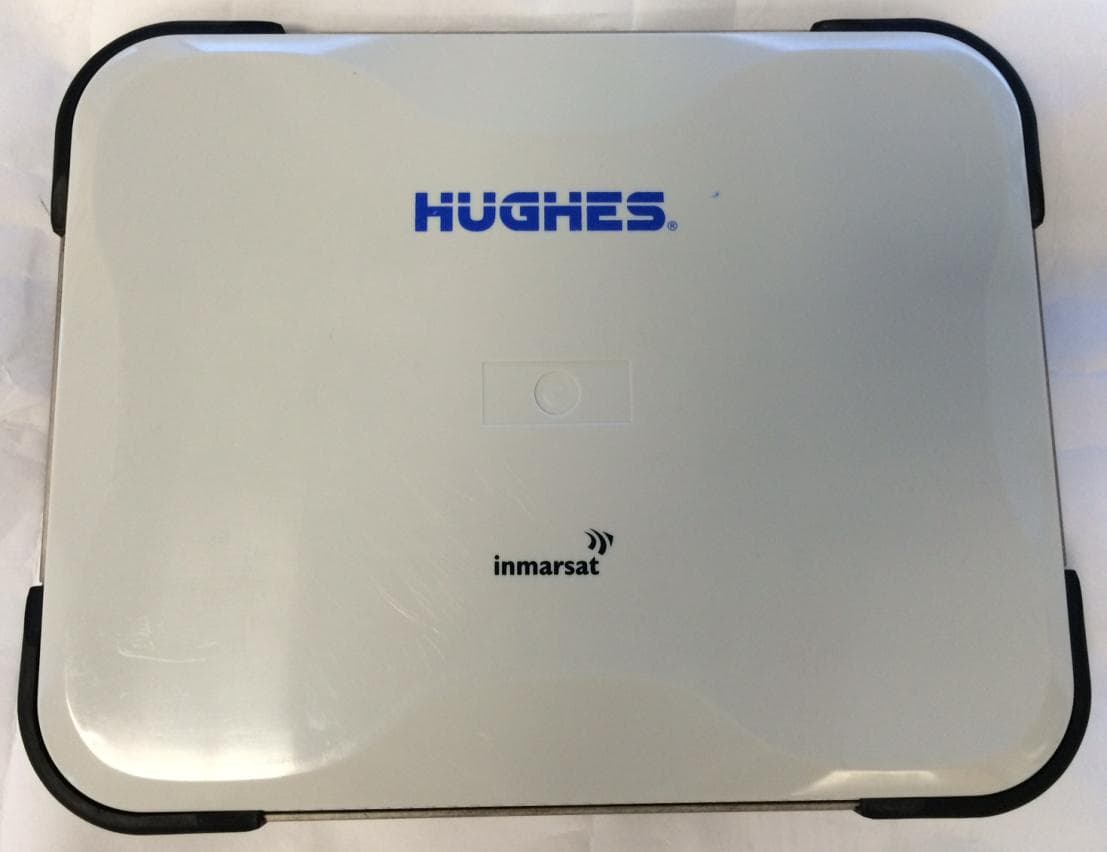
K3YHNS9211
Sep 18, 2014Satellite Terminal with WLAN functionality
Equipment Class
DTS - Digital Transmission System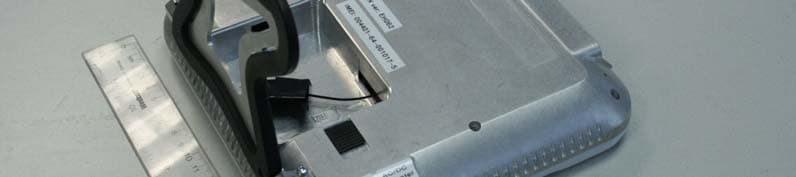
K3YHNS9202
Jul 21, 2011Land Portable Terminal
Equipment Class
DTS - Digital Transmission System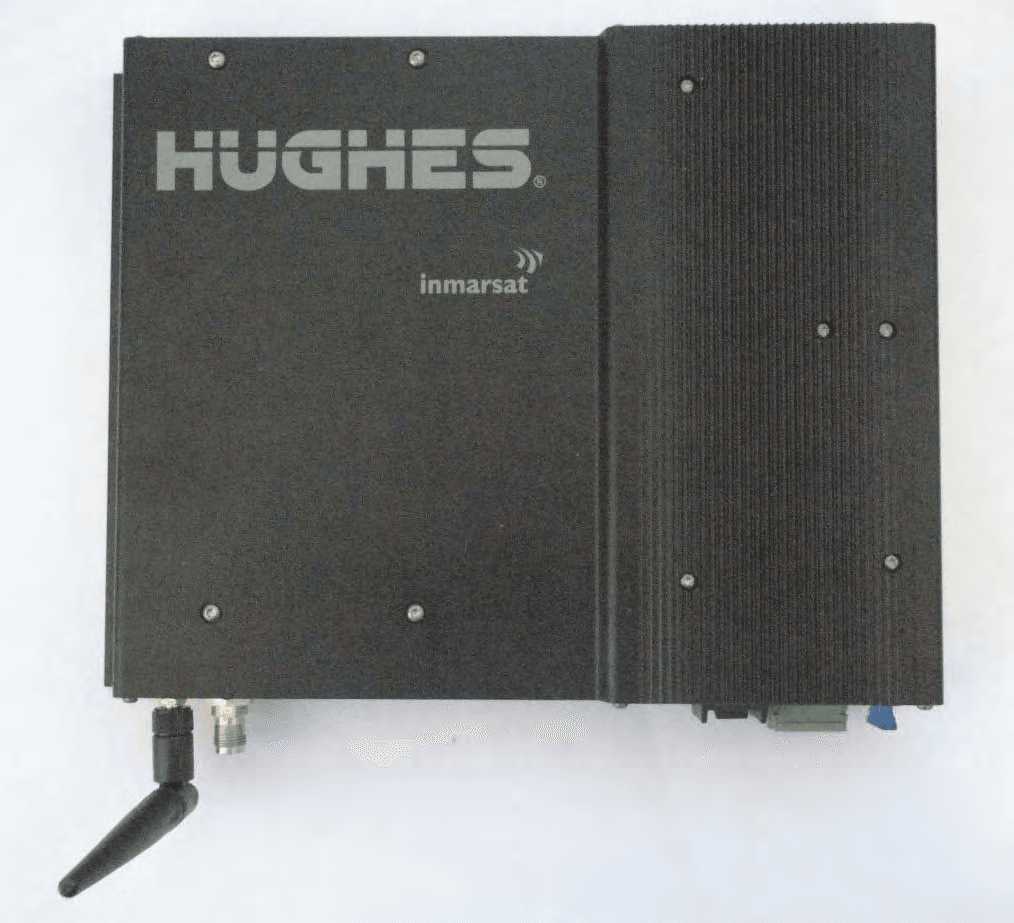
K3YHNS9450
Sep 13, 2010Land Mobile Terminal
Equipment Class
DTS - Digital Transmission System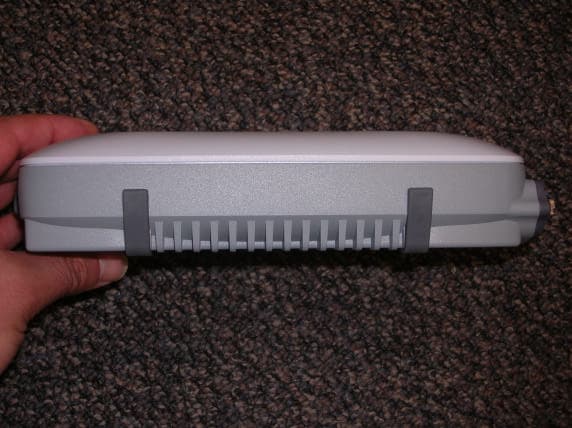
K3YHNS9103
Jan 13, 2008Broadband Satellite IP Modem
Equipment Class
DTS - Digital Transmission System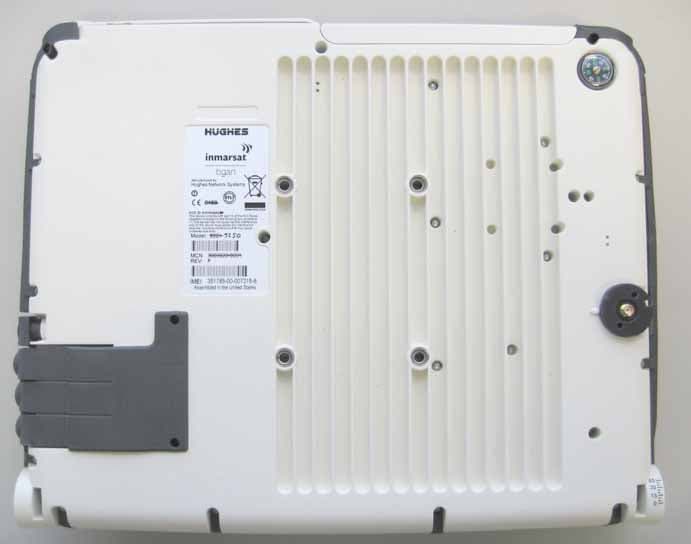
K3YHNS9250
Apr 24, 2007Satellite Terminal
Equipment Class
TNB - Licensed Non-Broadcast Station Transmitter