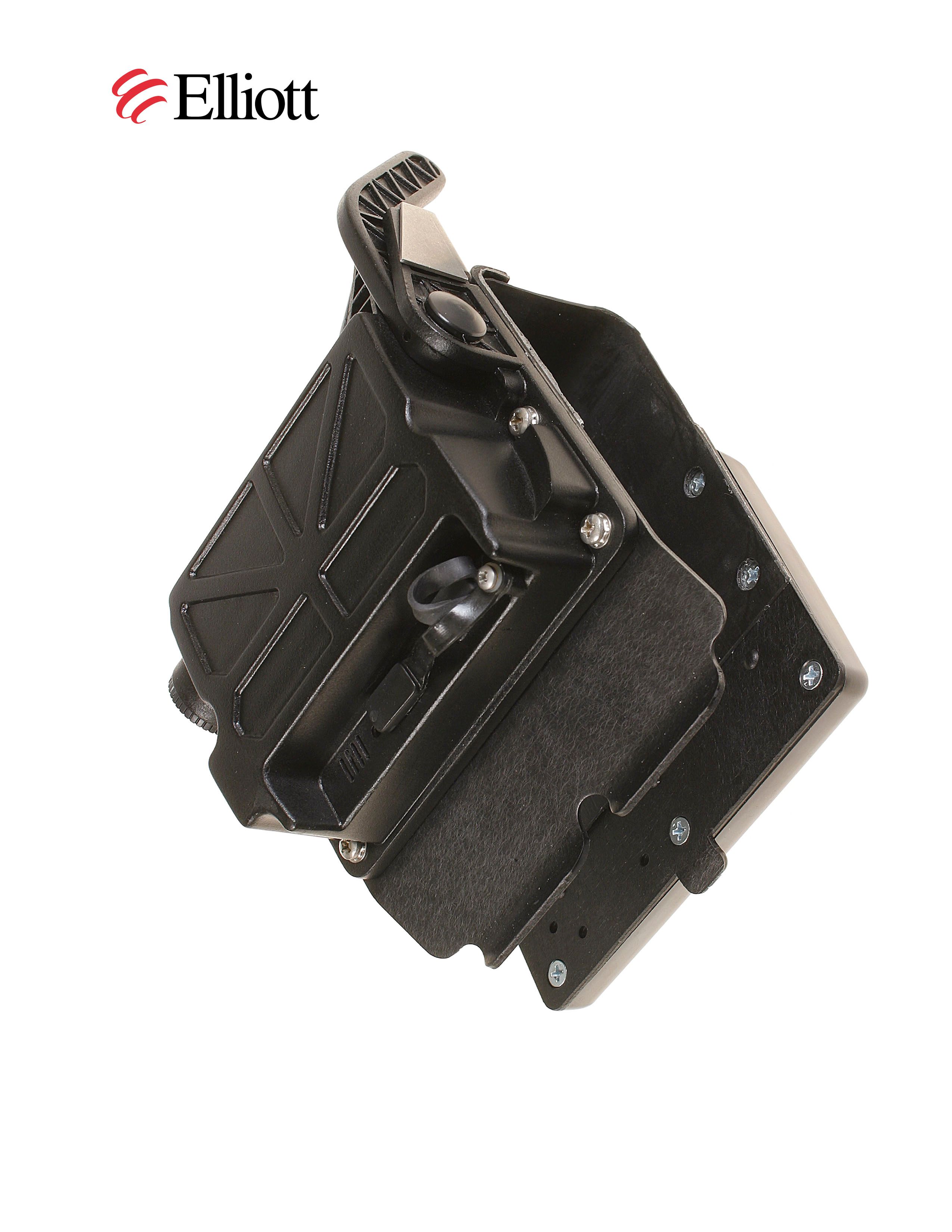
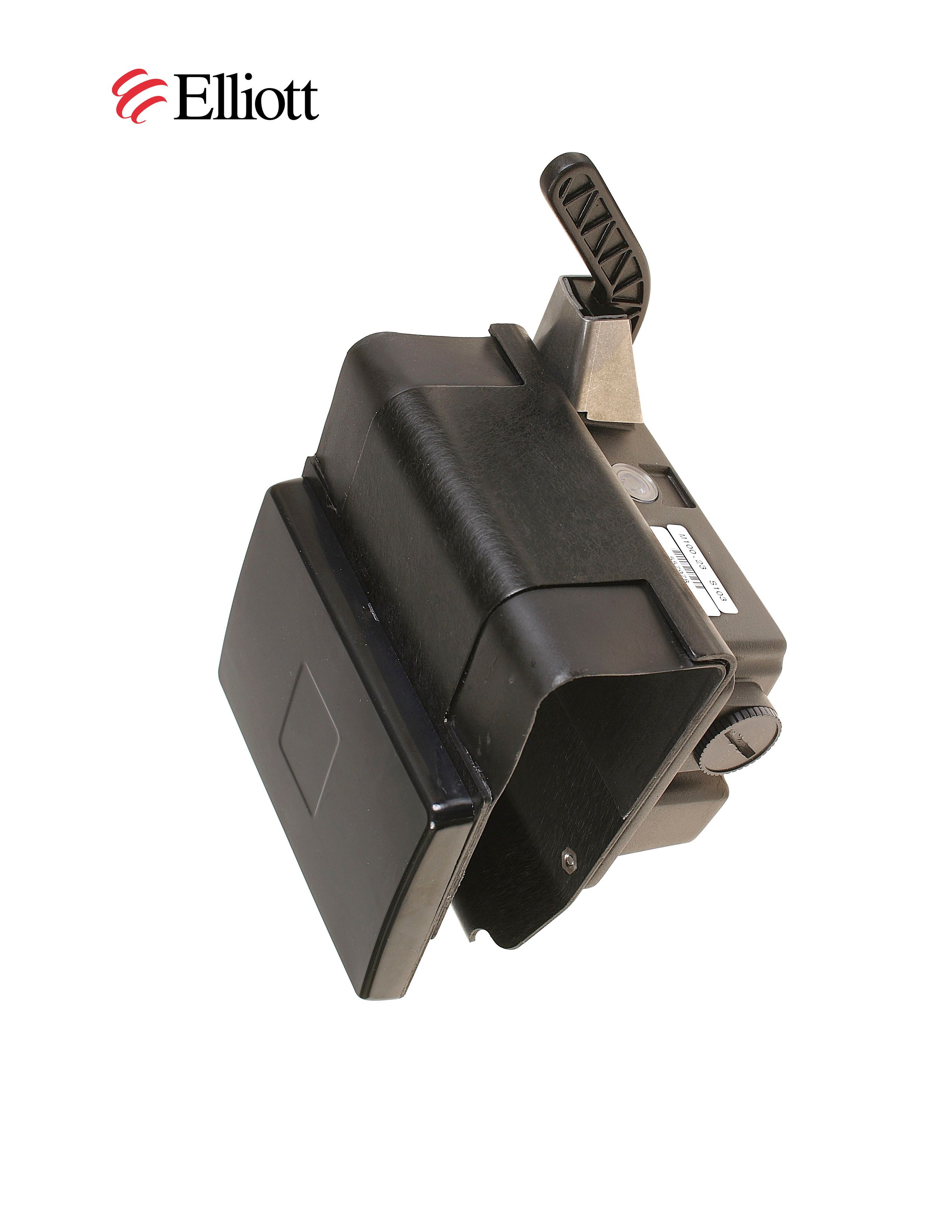
KL7-676T-V1RFID Tag
Savi Technology Inc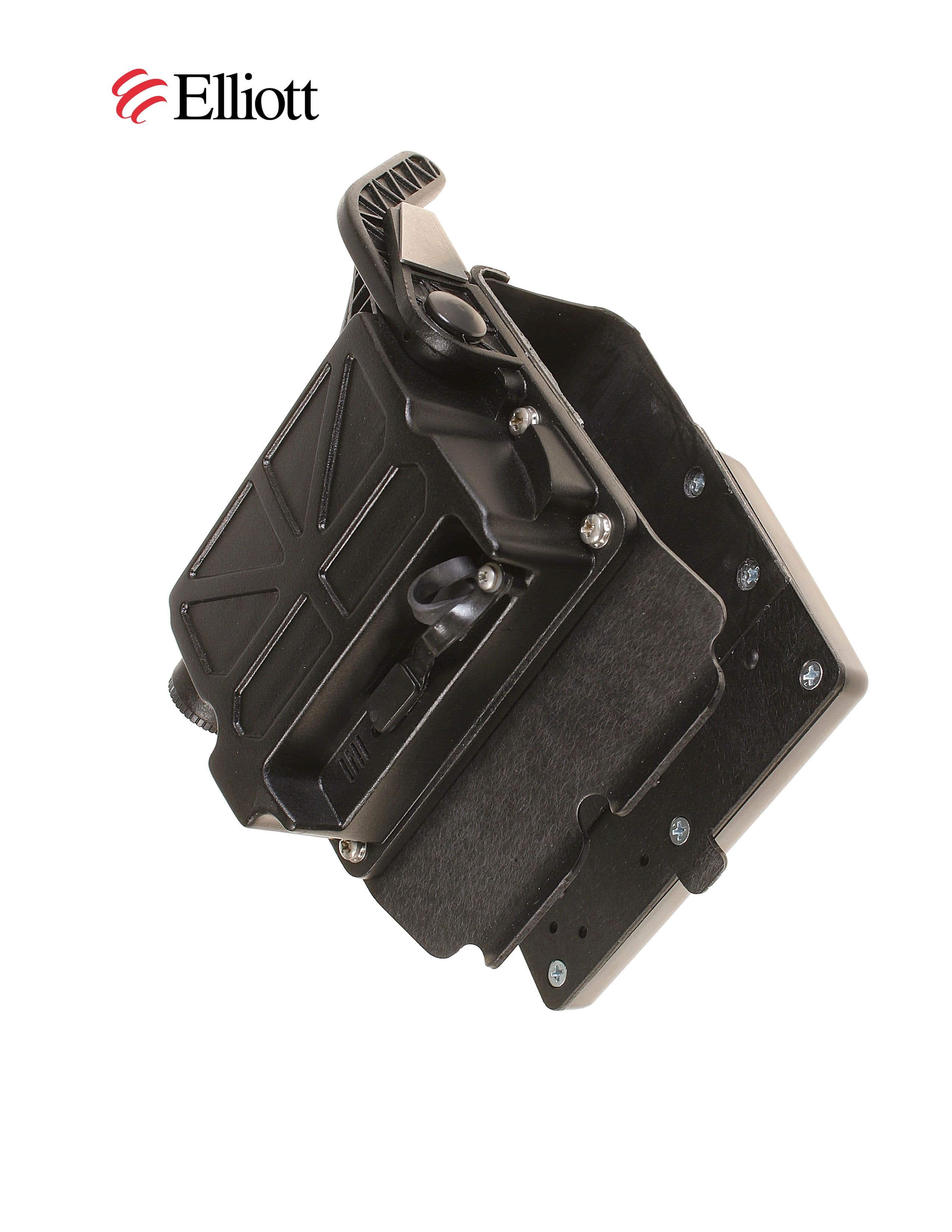
Click to zoom
Application Details
- Equipment Class
- DSR - Part 15 Remote Control/Security Device Transceiver
- Date of Grant
- Dec 07, 2005
- Application Purpose
- Original Equipment
- Date of Application
- Dec 07, 2005
- Equipment Note
- RFID Tag
- Frequency Range
- 433.92000000 - 433.92000000
- Company
- Savi Technology Inc
- Country
- United States
Documents & Files
Document Text
Text extracted from the exhibit documents filed with the FCC. Open a document above to read the original.
Users Manual
Installation Guide Savi SensorTag ST-676-I ISO Container Door Tag with Sensors Version 1.0 Published September 2005 Part number 805-05125-001 Rev A Documentation for Savi SensorTag ST-676-I ISO Container Door Tag with Sensors, version 1.0 Copyright © 2005 Savi Technology, Inc. All rights reserved. Information in this manual is subject to change without notice and does not represent a commitment from the vendor. The software and/or databases described in this document are furnished under a license agreement or nondisclosure agreement. The software and/or databases may be used or copied only in accordance with the terms of the agreement. It is against the law to copy the software on any medium except as specifically allowed in the license or nondisclosure agreement. Savi, Savi SmartChain, SmartChain, the Savi logo, EchoPoint, the EchoPoint logo, and UDAP are trademarks or registered trademarks of Savi Technology, Inc. in the United States and other countries. Other product names mentioned in this guide may be trademarks or registered trademarks of their respective owners and are hereby acknowledged. Savi Technology, Inc. 615 Tasman Drive Sunnyvale, CA 94089-1707 Phone: 1-408-743-8000 Facsimile: 1-408-543-8650 www.savi.com Savi SensorTag ST-676-I ISO Container Door Tag with Sensors Installation Guide3 Contents 1About Savi SensorTag ST-676-I ISO Container Door Tag with Sensors Features . . . . . . . . . . . . . . . . . . . . . . . . . . . . . . . . . . . . . . . . . . . . . 5 Description . . . . . . . . . . . . . . . . . . . . . . . . . . . . . . . . . . . . . . . . . . . 6 For More Information . . . . . . . . . . . . . . . . . . . . . . . . . . . . . . . . . . 8 Guides to Read . . . . . . . . . . . . . . . . . . . . . . . . . . . . . . . . . . . . . . 8 Contacting Savi Support . . . . . . . . . . . . . . . . . . . . . . . . . . . . . . 8 2Installing Savi SensorTag ST-676-I ISO Container Door Tag with Sensors Required Tools and Materials . . . . . . . . . . . . . . . . . . . . . . . . . . . . 9 Commissioning the Tag with SaviTag Write Cable STA-1030 . . . 9 Replacing the Battery . . . . . . . . . . . . . . . . . . . . . . . . . . . . . . . . . . 11 Tag Placement . . . . . . . . . . . . . . . . . . . . . . . . . . . . . . . . . . . . . . . 13 ASavi SensorTag ST-676-I ISO Container Door Tag with Sensors Specifications 4Savi SensorTag ST-676-I ISO Container Door Tag with Sensors Installation Guide CHAPTER 1 Savi SensorTag ST-676-I ISO Container Door Tag with Sensors Installation Guide5 About Savi SensorTag ST-676-I ISO Container Door Tag with Sensors 1 Savi® SensorTag ST-676-I ISO Container Door Tag with Sensors is a high performance active RFID tag that works with Savi software to track and monitor the security status of containers as they move through the global supply chain. This device is fully compatible with fixed and portable Savi readers and features up to 300 feet (91.44 meters) of omni-directional line-of-sight range. Lithium battery life is typically four years. The ST-676- I tag is available with 128K of programmable memory. It includes a door clamp and external antennas. Using the door clamp, you affix the tag to the left door of an ISO-compliant container. Note:Savi SensorTag ST-676-I ISO Container Door Tag with Sensors only supports ISO 668: 1995(E) Series 1 freight containers. Features ◆433 MHz, active RFID technology with up to 300-foot (91.44-meter) range for monitor, wake-up, RF write/read ◆123 KHz receiver for slot level, portal, or chokepoint tag wake-up and short range commissioning (12 feet [3.7 meters] or less) ◆Small form factor, ideally suited for shipping containers ◆Rugged, weatherproof design ◆Powered by a lithium battery ◆Intrusion detection sensors monitor door and light status ◆Expandable sensor port connects to third-party sensor equipment ◆Temperature, humidity, and shock sensors monitor the internal environment of a container ◆32K sensor memory CHAPTER 1About Savi SensorTag ST-676-I ISO Container Door Tag with Sensors 6Savi SensorTag ST-676-I ISO Container Door Tag with Sensors Installation Guide Description Figure 1-1 Savi SensorTag ST-676-I ISO Container Door Tag with Sensors Front view To p v i e w o f t a g Door sensor Light sensor Ta g External patch antenna Easy to install door clamp; clips onto front door of container. Back view Description Savi SensorTag ST-676-I ISO Container Door Tag with Sensors Installation Guide7 Intrusion Detection Sensors The ST-676-I tags include door and light sensors. The door sensor monitors the amount of pressure between the door and the device. If the door is open and the device has not been electronically unsealed, the device sends a message to the monitoring software indicating that the device has been tampered. It also writes the time and date of the tamper to an event log. The device also includes a light sensor that triggers an alarm if light is detected inside the container. Environmental Sensors The environmental sensors on the ST-676-I tags monitor the temperature and humidity within the container. You can set the maximum and minimum values, and if the temperature or humidity rises above or falls below this range, the device writes the time and date of the breach to the event log. For example, if you are shipping a product that needs to be kept at temperatures between x and y degrees, you can set the ST-676-I tag to record the date and time whenever the temperature breaches the maximum or minimum value. Tamper-Protection Plate The tamper-protection plate’s right angle flaps are bent to extend and protect the gap behind the plate as well as the tag plate. This plate prevents anyone from inserting a foreign object in an attempt to hold the tag plate in the closed position. RFID Communication Module The communication module is positioned on the outside of the container and operates at 433 MHz. This enables the Savi SensorTag ST-676-I ISO Container Door Tag with Sensors to communicate back to the Savi network with exce…
Text truncated - open the document above for the full version.
Users Manual
Savi SensorTag ST-675-I and ST-676-I ISO Container Door Tag with Sensors U.S. Regulatory Approvals Compliance Notice 1 Keep This Document Savi P/N 805-05130-001 (Rev. A) Federal Communications Commission (FCC) Notice The Federal Communications Commission has established technical standards regarding radio frequency energy emitted by computer devices. This equipment has been tested and found to comply with the limits for a Class A digital device, pursuant to Part 15 of the FCC Rules. These limits are designed to provide reasonable protection against harmful interference when the equipment is operated in a commercial environment. This equipment generates, uses, and can radiate radio frequency energy and, if not installed and used in accordance with the instruction manual, may cause harmful interference with radio/TV reception. Operation of this equipment in a residential area is likely to cause harmful interference in which case the user will be required to correct the interference at his own expense. Warning: Changes or modifications to this equipment that are not expressly approved by Savi Technology could void the warranty and the authority to operate this equipment. Savi Technology is not responsible for radio/TV interference caused by using unauthorized cable or by making unauthorized changes to this equipment. Federal Communications Commission (FCC) Label Statement This device complies with Part 15 of the FCC Rules. Operation is subject to the following conditions: • This device may not cause harmful interference, and • This device must accept any interference received, including interference that may cause undesired operation. The label statement corresponds to the following devices: Savi Technology, Inc. 615 Tasman Drive Sunnyvale, CA 94089-1707 Phone:(408) 743-8000 Fax:(408) 543-8650 E-mail:[email protected] Web site:www.savi.com Copyright © 2005, Savi Technology Incorporated. All rights reserved. First edition printed September 2005. Copyright protection claimed includes all forms and matters of copyrightable material and information, now allowed by statutory or judicial law or hereinafter granted. Information in this guide is subject to change without notice and does not represent a commitment from the vendor. Savi is a registered trademark and EchoPoint is a trademark of Savi Technology Incorporated. Other product names mentioned in this guide may be trademarks or registered trademarks of their respective owners and are hereby acknowledged. DeviceModelFCC ID Radio TagSavi SensorTag ST-675-I and ST-676-I ISO Container Door Tag with Sensors KL7-676T-V1
Users Manual
Savi ST-656-I ISO Container Door Tag U.S. Regulatory Approvals Compliance Notice 1 Keep This Document Savi P/N 805-05127-001 (Rev. A) Federal Communications Commission (FCC) Notice The Federal Communications Commission has established technical standards regarding radio frequency energy emitted by computer devices. This equipment has been tested and found to comply with the limits for a Class A digital device, pursuant to Part 15 of the FCC Rules. These limits are designed to provide reasonable protection against harmful interference when the equipment is operated in a commercial environment. This equipment generates, uses, and can radiate radio frequency energy and, if not installed and used in accordance with the instruction manual, may cause harmful interference with radio/TV reception. Operation of this equipment in a residential area is likely to cause harmful interference in which case the user will be required to correct the interference at his own expense. Warning: Changes or modifications to this equipment that are not expressly approved by Savi Technology could void the warranty and the authority to operate this equipment. Savi Technology is not responsible for radio/TV interference caused by using unauthorized cable or by making unauthorized changes to this equipment. Federal Communications Commission (FCC) Label Statement This device complies with Part 15 of the FCC Rules. Operation is subject to the following conditions: • This device may not cause harmful interference, and • This device must accept any interference received, including interference that may cause undesired operation. The label statement corresponds to the following devices: Savi Technology, Inc. 615 Tasman Drive Sunnyvale, CA 94089-1707 Phone:(408) 743-8000 Fax:(408) 543-8650 E-mail:[email protected] Web site:www.savi.com Copyright © 2005, Savi Technology Incorporated. All rights reserved. First edition printed September 2005. Copyright protection claimed includes all forms and matters of copyrightable material and information, now allowed by statutory or judicial law or hereinafter granted. Information in this guide is subject to change without notice and does not represent a commitment from the vendor. Savi is a registered trademark and EchoPoint is a trademark of Savi Technology Incorporated. Other product names mentioned in this guide may be trademarks or registered trademarks of their respective owners and are hereby acknowledged. DeviceModelFCC ID Radio TagSavi ST-656-I ISO Container Door Tag KL7-676T-V1
Cover Letter(s)
American Telecommunications Certification Body Inc. 6731 Whittier Ave, McLean, VA 22101 November 11, 2005 RE: FCC ID: KL7-676T-V1_ATCB002931 Attention: Mark Briggs I have a few comments on this Application. Please note that further comments may arise in response to answers provided to the questions below. 1. Please note that it appears that you have the same identical transmitter under three different rule parts (15.231a, 15.231e and 15.240). If this is in agreement with the FCC, please provide the associated documentation if available. 2. Please note that the device appears to be more than sufficiently large to contain the 2-condition statement on the device as required by 15.19. If you feel that this statement is justified to be in the manual and not on the device, please provide sufficient evidence to support the exclusion provided in 15.19(a)(5). Otherwise, please provide a label which contains the appropriate 2-conditions statement. 3. Please note that while you state that the duty cycle is 10%, there is no evidence in the test report to support this statement. Please provide measured duty cycle data to support the 10% duty cycle. 4. Please note that while you state that the duty cycle for operation under 15.240 is 25%, there is no evidence in the test report to support this statement. Please provide measured duty cycle data to support the 25% duty cycle statement. 5. Please note that it does not appear from the report that all modes of transmission as specified in the operational description have been tested. Please explain how the test report adequately addresses all aspects of the transmitter as applied to each specific rule part and please provide evidence that all modes of transmission as defined in the operational description are compliant to the appropriate rule part for which the device is to be certified. 6. Please note that page 11 states that the device did not require modifications, however, page 33 says a resistor was changed to increase power. Was this resistor change in all test configurations? If not, please retest all configurations using this modification. Also, what evidence is provided that this resistor change will be incorporated into all subsequent production items? Please explain. Dennis Ward mailto:[email protected] The items indicated above must be submitted before processing can continue on the above referenced application. Failure to provide the requested information may result in application termination. Correspondence should be considered part of the permanent submission and may be viewed from the Internet after a Grant of Equipment Authorization is issued. Please do not respond to this correspondence using the email reply button. In order for your response to be processed expeditiously, you must submit your documents through the AmericanTCB.com website. Also, please note that partial responses increase processing time and should not be submitted. Any questions about the content of this correspondence should be directed to the sender.
Cover Letter(s)
Page 1 of 2 American TCB November 21, 2005 RE: Savi. FCC ID: KL7-676T-V1_ATCB002931 Attention: Dennis Ward Please find our responses to your comments on this Application below: 1) Please note that it appears that you have the same identical transmitter under three different rule parts (15.231a, 15.231e and 15.240). If this is in agreement with the FCC, please provide the associated documentation if available. Waiting for letter from FCC/Savi to state that this is ok. 2) Please note that the device appears to be more than sufficiently large to contain the 2- condition statement on the device as required by 15.19. If you feel that this statement is justified to be in the manual and not on the device, please provide sufficient evidence to support the exclusion provided in 15.19(a)(5). Otherwise, please provide a label which contains the appropriate 2-conditions statement. An additional label with the two-part statement will be placed on the product. Label drawing and picture showing location have been uploaded. 3) Please note that while you state that the duty cycle is 10%, there is no evidence in the test report to support this statement. Please provide measured duty cycle data to support the 10% duty cycle. Plots have been provided to demonstrate duty cycles not exceeding 10% for data signals (15.231e), 25% for control signals operating under 15.231a and under 15.240. 4) Please note that while you state that the duty cycle for operation under 15.240 is 25%, there is no evidence in the test report to support this statement. Please provide measured duty cycle data to support the 25% duty cycle statement. Plots have been provided to demonstrate duty cycles not exceeding 10% for data signals (15.231e), 25% for control signals operating under 15.231a and under 15.240. Page 2 of 2 5) Please note that it does not appear from the report that all modes of transmission as specified in the operational description have been tested. Please explain how the test report adequately addresses all aspects of the transmitter as applied to each specific rule part and please provide evidence that all modes of transmission as defined in the operational description are compliant to the appropriate rule part for which the device is to be certified. Plots have been provided to demonstrate compliance with the timing restrictions of 15.231(a) [5 second maximum transmission time]; 15231(e) [1 second transmission time and silent period of at least 30 times the transmission duration and not less than 10 seconds]; 15.240 [transmission duration not to exceed 60 seconds with a minimum silent period of 10seconds between transmissions]. 6) Please note that page 11 states that the device did not require modifications, however, page 33 says a resistor was changed to increase power. Was this resistor change in all test configurations? If not, please retest all configurations using this modification. Also, what evidence is provided that this resistor change will be incorporated into all subsequent production items? Please explain. The resistor is used to set the output power. The value was set by the first series of measurements to obtain the required fundamental signal level and then remained the same for all subsequent measurements. Savi use the tested sample as a benchmark unit to set output power for all production units to ensure the output power for each unit does not exceed that of the sample tested. Regards, Mark Briggs Principal Engineer
Cover Letter(s)
Dward ATCB From: Julius Knapp [[email protected]] Sent: Tuesday, December 06, 2005 2:47 PM To: [email protected] Cc: [email protected]; [email protected]; Rashmi Doshi; Joe Dichoso Subject: SAVI PUBLIC JK Letter2 Attachments: SAVI PUBLIC JK Letter2.doc 12/7/2005 <<SAVI PUBLIC JK Letter2.doc>> Dennis: Here is the letter we discussed in our teleconference this afternoon. As I stated over the phone, we have determined that the operations described in the letter are permissible. We expect to send a formal response confirming this shortly, but in the meantime there is no reason to hold up action on the application for certification provided it is consistent with the description in the letter and meets the relevant technical requirements. Thanks, Julius Knapp, Deputy Chief, Office of Engineering and Technology
Cover Letter(s)
R R o o b b e e r r t t L L . . P P e e t t t t i i t t 2 2 0 0 2 2 . . 7 7 1 1 9 9 . . 7 7 0 0 1 1 9 9 r r p p e e t t t t i i t t @ @ w w r r f f . . c c o o m m 1776 K STREET NW WASHINGTON, DC 20006 PHONE 202.719.7000 FAX 202.719.7049 Virginia Office 7925 JONES BRANCH DRIVE SUITE 6200 McLEAN, VA 22102 PHONE 703.905.2800 FAX 703.905.2820 www.wrf.com November 30, 2005 Mr. Julius Knapp Deputy Chief Office of Engineering and Technology Federal Communications Commission 445 12 th Street, SW Washington, DC 20554 Re: Operation of New RFID System from Savi Technology, Inc. Dear Mr. Knapp: Savi Technology, Inc. (“Savi”), 1 is developing an RFID system for operation under Sections 15.231(a) and 15.240 of the FCC Rules, and the company respectfully requests that OET confirm Savi’s understanding of the applicability of the technical requirements in these rule sections to the RF devices that comprise the new system. The new approach is made possible by: (i) the recent change to Section 15.231(a) to allow the transmission of data along with a control signal, and (ii) the flexibility afforded to RFID devices by new rule Section 15.240. The Savi RFID system consists of a Low Frequency (“LF”) Transmitter, a UHF Reader and a Tag. LF Transmitters are fixed devices (e.g., they are mounted on a signpost or entranceway to a building). UHF Readers may be fixed or portable. Savi refers to its fixed UHF Reader as the Savi Reader (“SR”) and the portable UHF Reader as the Savi Mobile Reader (“SMR”). Each device’s field strength of emissions and signal bandwidth will comply with the requirements in the applicable rule section. This includes compliance with Section 15.35 of the FCC Rules. The system has a number of operational modes as described below. In accordance with Section 15.231(a), the signals from the UHF Reader and the Tag combine control signals with data. The UHF Reader sends commands along with data to the Tag pursuant to the operational modes described below. Similarly, the Tag signal includes commands that instruct the RFID system to take certain actions 1 Savi Technology is a worldwide leader in RFID solutions that enhance homeland security and deliver value through asset management applications. The company is the primary technology provider for the world’s largest RFID consignment monitoring network for the U.S. Department of Defense, which employs RFID, barcode, cellular and satellite communications systems to track more than 35,000 conveyances daily across a global network of 1,400 locations in more than 45 countries. Savi’s solutions have been proven to enhance operational efficiency, deliver substantial cost savings, reduce capital investment in supply chain assets, and optimize inventory levels. Mr. Julius Knapp November 30, 2005 Page 2 in response to the Tag and its associated asset. The Tag’s signal includes the Tag ID, LF Transmitter (or UHF Reader) ID, as well as asset routing and status information. The RFID System uses the information in the UHF Reader and Tag signaling to regulate, direct, and influence actions of the system. In particular, the ability of the Tag to direct certain actions is critical to the overall operation of the system. 2 Savi’s RFID system will be used to control and monitor the movement of tagged assets at border crossings, on planes, trains, boats, and trucks, and in warehouses and retail stores. The Tag signal provides direction to the RFID system that is used to take specific actions that control the physical movement of the asset. For example, the Tag signal sent in response to an LF signpost transmission may control the opening and closing of doors and gates, or control the automatic routing of a tagged asset to its intended destination, such as those used with airport baggage handling systems. The operational modes for the new RFID system are as follows: 1) LF Transmitter - Signpost Wakeup Command In the Signpost mode, the short-range LF Transmitter wakes up a Tag using a 123 kHz modulated signal that complies with Section 15.209 of the FCC Rules. A Tag that receives the Wakeup command responds by transmitting a 433.92 MHz control signal to a UHF Reader. The Tag may retransmit the same message if the Tag does not receive an acknowledgement from the UHF Reader, but in no event will the Tag’s total transmission time exceed 5 seconds. Thus, the Tag transmission sequence complies with Section 15.231(a). The UHF Reader acknowledges receipt of the Tag message by transmitting a control signal to place the Tag into the Sleep mode. A timing diagram depicting the transmissions from the LF Transmitter, the Tag, and UHF Reader is shown below. 2 Savi’s RFID system uses the control information in the Tag signal to take action with regard to specific assets. For example, the Tag’s request to be interrogated by UHF Readers at inspection locations leads to segregation (and possible human intervention) if specific assets are identified or if security, battery maintenance, asset damage, or environmental threshold alarm flags are activated. The alarm flags associated with an asset may change state at any time. Thus, the Tag transmission commands the system to evaluate these parameters, to update them where appropriate, and to take appropriate action. Additionally, based on the Tag’s commands, the system will either initiate follow-on communication or put the Tag to sleep. Mr. Julius Knapp November 30, 2005 Page 3 15.231a LF Transmitter LF Transmitter Tag Response Single Tag 15.209 Tag Response max 5 sec. Min 100 ms Signpost Wake Up Command UHF Reader puts Tag to Sleep mode 2) UHF Reader Wakeup Command Fixed Reader. The Wakeup command from a fixed UHF Reader is comprised of a continuous 31.25 kHz FSK modulated signal on a 433.92 MHz carrier for 4.8 seconds, followed by a silent period and a Hello command. The entire signal lasts for 4.9 seconds, which complies with the 5 second limit set forth in Section 15.231(a). A timing diagram is depicted below. A Tag that receives the Wa…
Text truncated - open the document above for the full version.
ID Label/Location Info
T I T L E C O D E S C A L E : N / A D R A W I N G N o : S H E E T 1 O F 1 R E V : D A T E A P P L I C A T I O N 8 6 0 - 0 4 9 9 0 - 0 0 1 U S E D O N R E V I S I O N R E C O R D L T R D E S C R I P T I O N D A T E A A P P R O V E D D R A W N C H E C K E D E N G I N E E R P R O D U C T I O N M A T E R I A L S U S T A I N I N G P R O J E C T L E A D E R D A T A C O N T R O L D A T E D A T E D A T E D A T E D A T E D A T E D A T E D A T E F I L E N A M E : 7 3 5 0 5 0 1 6 7 _ 0 1 . T C W N E X T A S S E M B L Y L A B E L , F C C I D , S T - 6 X X S E N T I N E L T A G E P T A G 7 3 5 - 0 5 1 6 7 - T A B 0 1 6 1 5 T A S M A N D R I V E S U N N Y V A L E , C A L I F O R N I A 9 4 0 8 9 S I Z E 0 1 F r a n k H e i g h 1 0 / 0 4 / 0 5 E O # : I N I T I A L R E L E A S E 1 s t d r a f t S T - 6 X X S E N T I N E L N O T E S : ( U N L E S S O T H E R W I S E S P E C I F I E D ) L A B E L S H A L L B E M A N U F A C T U R E D B Y A U L A P P R O V E D V E N D O R . V E N D O R S H A L L H A V E A C U R R E N T S I G N E D " P R I N T E R A G R E E M E N T " O N F I L E W I T H U L P E R U L M A R K I N G A N D L A B E L I N G S Y S T E M S A N D S H A L L S U P P L Y E A C H P A C K A G E O R R O L L M A R K E D W I T H C O M P A N Y N A M E A N D L A B E L D E S I G N A T I O N P E R U L M A R K I N G A N D L A B E L I N G S Y S T E M S . 1 . 2 . S P E C I F I C A T I O N S B L A C K L E T T E R S O N W H I T E B A C K G R O U N D A R I A L , A R I A L B O L D ( C E M A R K A N D A L E R T N O T I N C L U D E D ) 1 M I L M A T T E C L E A R P O L Y E S T E R 3 . M A T E R I A L C O L O R F O N T L A M I N A T I O N F L E X M A R K P M - 2 0 0 - W ( 3 M I L . ) P O L Y E S T E R W I T H V - 2 3 A D H E S I V E ( 1 M I L ) D I M E N S I O N S A R E I N I N C H E S ( m m ) ± 0 . 0 1 5 ( . 3 8 m m ) 4 . C E M A R K A N D A L E R T S Y M B O L S A R E I N A C C O R D A N C E W I T H S P E C I F I C A T I O N 7 3 5 - 0 3 9 3 8 - 0 0 1 . F C C I D : K L 7 - 6 7 6 T - V 1 0 8 8 9 1 . 3 7 ( 3 4 . 9 ) 0 . 5 0 ( 1 2 . 7 ) R 0 . 0 3 1 ( . 7 8 ) 4 X I C : 2 4 0 4 A - 6 7 6 T F C C I D : K L 7 - 6 7 6 T - V 1 I C : 2 4 0 4 A - 6 7 6 T F C C I D : K L 7 - 6 7 6 T - V 1 - 0 0 1 - 0 0 2 - 0 0 3 N 5 4 2 N 5 4 2 F C C I D : K L 7 - 6 7 6 T - V 1 - 0 0 4 F C C I D : K L 7 - 6 7 6 T - V 1 I C : 2 4 0 4 A - 6 7 6 T - 0 0 5 F C C I D : K L 7 - 6 7 6 T - V 1 I C : 2 4 0 4 A - 6 7 6 T - 0 0 6 F C C I D : K L 7 - 6 7 6 T - V 1 - 0 0 7 N 5 4 2 F C C I D : K L 7 - 6 7 6 T - V 1 0 8 8 9 - 0 0 8 N 5 4 2
ID Label/Location Info
APPLICATION REVISION RECORD NEXT ASSEMBLY USED ON LTR DESCRIPTION APPROVED DATE 01 INITIAL DRAFT LN 11/22/05 3. Specifications: 2. Label shall be manufactured by a UL approved vendor. Vendor shall have a current signed “Printer Agreement” on file with UL per UL marking and labeling systems and shall supply each package or roll marked with company name and label designation per UL marking and labeling systems. 1. Dimensions are in inches, + .015. NOTES: (UNLESS OTHERWISE SPECIFIED) DRAWN Luca Nicoli DATE 11/22/04 CHECKED DATE 615 TASMAN DR SUNNYVALE, CALIFORNIA 94089 ENGINEER DATE PRODUCTION DATE MATERIAL DATE TITLE LABEL, FCC, CAUTION TEXT SUSTAINING DATE CODE SIZE DRAWING No: REV: PROJECT LEADER DATE EPTAG A 735-05166-001 01 DATA CONTROL DATE SCALE: N/A FILENAME: 735-05166-001.doc SHEET 1 OF 1 MATERIAL FLEXMARK PM-200-W (3MIL.) POLYESTER WITH V-23 ADHESIVE (1 MIL) COLOR BLACK LETTERS ON WHITE BACKGROUND FONT ARIAL LAMINATION 1 MIL MATTE CLEAR POLYESTER
Test Report
File: R61378 Page 1 of 19 2016-01 Electromagnetic Emissions Test Report In Accordance With Industry Canada Radio Standards Specification 210 And FCC Part 15 Sections 15.231, 15.240 on the Savi Technology, Inc. Transmitter Model: ST-676-I, ST-675-I and ST-656-I UPN: 2404A-676T FCC ID: KL7-676T-V1 GRANTEE: Savi Technology, Inc. 615 Tasman Drive Sunnyvale, CA 94089-1707 TEST SITE: Elliott Laboratories, Inc. 684 W. Maude Ave Sunnyvale, CA 94086 REPORT DATE: October 3, 2005 FINAL TEST DATE: August 12, September 9 and September 20, 2005 AUTHORIZED SIGNATORY: ______________________________ Mark Briggs Principal Engineer Elliott Laboratories, Inc. is accredited by the A2LA, certificate number 2016-01, to perform the test(s) listed in this report. This report shall not be reproduced, except in its entirety, without the written approval of Elliott Laboratories, Inc. Elliott Laboratories, Inc. -- EMC Department Test Report Report Date: October 3, 2005 File: R61378 Page 2 of 19 pages Equipment Name and Model: Transceiver ST-676-I, ST-675-I and ST-656-I Manufacturer: Savi Technology, Inc. 615 Tasman Drive Sunnyvale, CA 94089-1707 Tested to applicable standard: Industry Canada RSS-Gen Issue 1 RSS 210 Issue 6 “Low-power Licence-exempt Radiocommunication Devices (All Frequency Bands): Category I Equipment” Test Report Prepared For: Eugene Schlindwein Savi Technology, Inc. 615 Tasman Drive Sunnyvale, CA 94089-1707 Measurement Facility Description Filed With Department of Industry: Departmental Acknowledgement Number: IC2845 SV2 Dated August 16, 2007 Declaration of Compliance I declare that the testing was performed or supervised by me; that the test measurements were made in accordance with the above mentioned departmental standards (through the use of ANSI C63.4: 2003 as referenced by FCC Part 15 and by section 1.0 of RSS-212, Issue 1, “Test Facilities and Test Methods for Radio Equipment” / RSS-Gen Issue 1); and that the equipment performed in accordance with the data submitted in this report. Signature ______________________________ Name Mark Briggs Title Princi…
Text truncated - open the document above for the full version.
Contact Information
Applicant
Rosemary Johnston(Vice President, Operations)
Technical Contact
Test Firm
Elliott Laboratories LLCDavid Bare
Technical Specifications
| # | Rule Parts | Frequency Range | Power Output |
|---|---|---|---|
| 1 | 15.231,15.231(e) | 433.92 MHz - 433.92 MHz | - |
Other Applications from Savi Technology Inc

KL7-650MR-V6
Aug 11, 2010RFID Reader
Equipment Class
DSR - Part 15 Remote Control/Security Device Transceiver
KL7-694T-V1
Jun 03, 2010RFID TAG
Equipment Class
DXT - Part 15 Low Power Transceiver, Rx Verified
KL7-696T-V1
Feb 05, 2008RFID Tag
Equipment Class
DXT - Part 15 Low Power Transceiver, Rx Verified
KL7-602T-V1
Aug 02, 2007RFID Tag
Equipment Class
DSR - Part 15 Remote Control/Security Device Transceiver
KL7-662T-V2
May 17, 2007Active RF ID Tag
Equipment Class
DSC - Part 15 Security/Remote Control Transmitter