M9H95370002Licensed Portable
Sagem Wireless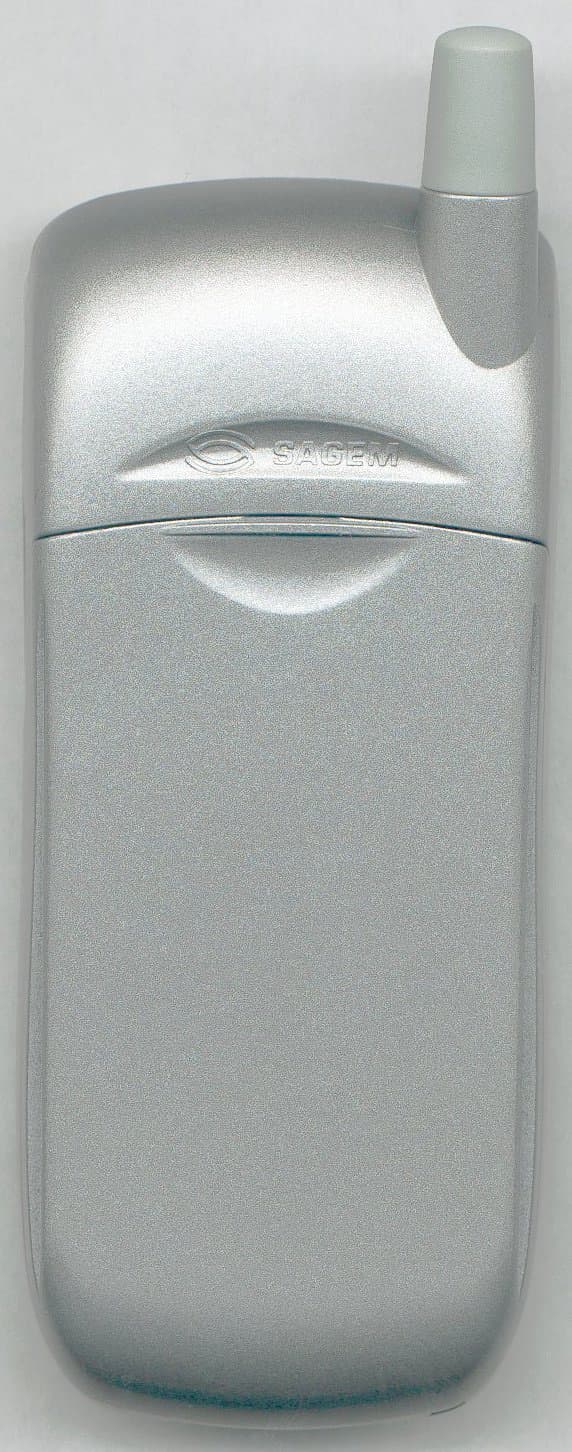
Click to zoom
Application Details
- Equipment Class
- PCE - PCS Licensed Transmitter held to ear
- Date of Grant
- Mar 24, 2002
- Application Purpose
- Original Equipment
- Date of Application
- Mar 24, 2002
- Equipment Note
- Licensed Portable
- Frequency Range
- 1850.20000000 - 1909.80000000
- Company
- Sagem Wireless
- Country
- France
Documents & Files
Document Text
Text extracted from the exhibit documents filed with the FCC. Open a document above to read the original.
Users Manual
ENGLISH PW 302X PW 303X PW 304X PW 305X 1 IN A FEW WORDS ... Switch on Press . Call Dial the number then press . Answer Press . Hang up Press . Switch off Press (long press). Hands-free To communicate, press . Lock and unlock the keyboard from the standby screen Press * then OK. Redial last number Press twice. Make a call from a number stored in the directory By name: enter the first letter of the name, press , scroll down the list to find your correspondent, then press to call. By location in the directory: enter the location number then press * to call. Briefly, the functions ✄ 2 MENUS Enter using or Navigate using and Validate using OK Quit or return to the previous menu using C Briefly, the menus ✄ Services Directory Text messages Call services Ringing and beeps Games Accessories Security Controls 3 You have just bought a mobile phone and we congratulate you on your choice. Your phone will allow you to use different international networks depending on the roaming agreements between the operators. We would like to remind you that this phone is approved to European standards. To get the most out of using your phone, we recommend that you read this manual carefully and keep it handy for future reference if needed. WARNING According to the configuration of the networks and associated subscriptions, certain functions may not be available (indicated by *). GLOSSARY Outgoing callA call made from your phone. Incoming callA call received by your phone. SIM cardThe card containing your subscription and access rights to services. The detachable part is the micro-SIM. PINThe personal code linked to your SIM card. PIN2The second personal code linked to your SIM card to access certain functions (*). Phone codeThe phone code is a secret code intended to protect the phone in case of theft. IMEIThe identification number of your phone. SMSShort Message Service: for sending and receiving short text messages. ServiceCompany which manages the network provider orsubscription. Operator Compatibility of your SIM card Your phone is compatible with SIM 3V cards only. The SAGEM logo and trademark are the property of SAGEM SA. AT is a registered trademark of Hayes Microcomputer products Inc. Hayes is a registered trademark of Hayes Microcomputer Products Inc. T9 Text Input is a registered trademark of ©Tegic Communications Inc. T9 is licensed under one or more of the following U.S. Patents: 5,818,437, 5,953,541, 5,187,480, 5,945,928, 6,011,554 and additional patents are pending worldwide. If an incompatible SIM card is inserted, a message will be displayed when switching on your phone. For further information, contact your Operator. 4 Safety information Safety information for wireless handheld phones Use of your phone is subject to safety rules designed to protect the user and his or her environment. Exposure to Radio Frequency Signals Your wireless handheld portable telephone is a low power radio transmitter and receiver. When it is ON, it receives and also sends out radio frequency (RF) signals. In August, 1996, the Federal Communications Commissions (FCC) adopted RF exposure guidelines with safety levels for handheld wireless phones. Those guidelines are consistent with the safety standards previously set by both U.S. and international standards bodies: ANSI C95.1 (1992)* NCPR Report 86 (1986)* ICNIRP (1996)* (*) American National Standards Institute; National Council on Radiation Protection and Measurements; International Commission on Non-Ionizing Radiation Protection. 5 Safety information Those standards were based on comprehensive and periodic evaluations of the relevant scientific literature. For example, over 120 scientists, engineers, and physicians from universities, government health agencies, and industry reviewed the available body of research to develop the ANSI Standard (C95.1). The design of your phone complies with the FCC guidelines (and those standards). For body worn operation, this phone has been tested and meets FCC RF exposure guidelines when used with an accessory that contains no metal and that positions the handset a minimum of 1 cm from the body. Use of other accessories may not ensure compliance with FCC RF exposure guidelines. Antenna Care Use only the supplied or an approved replacement antenna. Unauthorized antennas, modifications, or attachments could damage the phone and may violate FCC regulations. Phone Operation Normal position: hold the phone as you would any other telephone with the antenna pointed up and over your shoulder. Tips on efficient operation: for your phone to operate most efficiently: do not touch the antenna unnecessarily when the phone is in use. Contact with the antenna affects call quality and may cause the phone to operate at a higher power level than otherwise needed. Driving Check the laws and regulations on the use of wireless telephones in the areas where you drive. Always obey them. Also, if using your phone while driving, please : Give full attention to driving, driving safely is your first responsibility; Use hands-free operation, if available; Pull off the road and park before making or answering a call if driving conditions so require. Electronic Devices Most modern electronic equipment is shielded from RF signals. However, certain electronic equipment may not be shielded against the RF signals from your wireless phone. Some phone accessories allow to reduce the radiation interferences of the phone. Please contact your distributor. 6 Safety information Pacemakers The Health Industry Manufacturers Association recommends that a minimum separation of six (6) inches be maintained between a handheld wireless phone and a pacemaker to avoid potential interference with the pacemaker. These recommendations are consistent with the independent research by and recommendations of Wireless Technology Research. Persons with pacemakers: Should ALWAYS keep the phone more than six inches from their pacemaker when the phone is turned ON; Should not car…
Text truncated - open the document above for the full version.
Cover Letter(s)
March 22, 2002 CONFIDENTIALITY REQUEST Federal Communications Commission Authorization and Evaluation Division 7435 Oakland Mills Road Columbia, MD 21046 Re: SAGEM SA., FCC ID: M9H95370002 Gentlemen: SAGEMSA., herein submits a request for Confidentiality for the specified attachments that are filed forFCCID:M9H95370002. Certification is sought under the TCB certification program pursuant to the requirements of the Federal Communications Commission under FCC Rules Part 24.SAGEMSA., requests, pursuant to 47CF R0.459, post grant confidentiality for portions of the material contained in this application such that the identified material will be withheld from public inspection by the Commission following the grant of this authorization. This material, as indicated by request for confidentiality of the item during the electronic submission process and further identified below, includes: 1. Circuit diagrams, assembly drawings and PCB submitted as Equipment Authorization Electronic Filing attachment:"schematics”. 2. BOM submitted as Equipment Authorization Electronic Filing attachment:"part list”. 3. Block diagram submitted as Equipment Authorization Electronic Filing attachment: “blockdiagram”. 4. Operational Description submitted as Equipment Authorization Electronic Filing attachment:“operational description”. If you have any questions, please feel free to contact me at the address shown below. Regards, (signed) Gerald Schmidt, Cetecom ICT GmbH, Untertürkheimer Strasse 6-10 D-66117 Saarbrücken Germany Email:[email protected] Phone: +49 681 598 8723
ID Label/Location Info
Exemples/Samples Echelle2/Scale2 Labellocationinfo LabelLocation
RF Exposure Info
TTI-P-G 158 Calibration Data for DASY Test-Reports: Sagem_ 6575_205c, 205d, 215b Page 1 of 25 Calibration Data for the Reports: Dosimetric Assessment of the Sagem P52-0, Sagem P52-2, Sagem P52-6 According to the FCC Requirements March 08, 2002 IMST GmbH Carl-Friedrich-Gauß-Str. 2 D-47475 Kamp-Lintfort Customer SAGEM SA Etablissement de Saint-Christophe 2, rue du Petit Albi BP 8250 Cergy Saint-Christophe 95801 Cergy Pointoise Cedex France This report shall not be reproduced except in full without the written approval of the testing laboratory. calibration_data_fcc_supplement_c _2.0.doc/28.09.2001/AB Calibration Data for DASY Test-Reports: Sagem_ 6575_205c, 205d, 215b Page 2 of 25 calibration_data_fcc_supplement_c _2.0.doc/28.09.2001/AB Calibration Data for DASY Test-Reports: Sagem_ 6575_205c, 205d, 215b Page 3 of 25 calibration_data_fcc_supplement_c _2.0.doc/28.09.2001/AB Calibration Data for DASY Test-Reports: Sagem_ 6575_205c, 205d, 215b Page 4 of 25 calibration_data_fcc_supplement_c _2.0.doc/28.09.2001/AB Calibration Data for DASY Test-Reports: Sagem_ 6575_205c, 205d, 215b Page 5 of 25 calibration_data_fcc_supplement_c _2.0.doc/28.09.2001/AB Calibration Data for DASY Test-Reports: Sagem_ 6575_205c, 205d, 215b Page 6 of 25 calibration_data_fcc_supplement_c _2.0.doc/28.09.2001/AB Calibration Data for DASY Test-Reports: Sagem_ 6575_205c, 205d, 215b Page 7 of 25 calibration_data_fcc_supplement_c _2.0.doc/28.09.2001/AB Calibration Data for DASY Test-Reports: Sagem_ 6575_205c, 205d, 215b Page 8 of 25 calibration_data_fcc_supplement_c _2.0.doc/28.09.2001/AB Calibration Data for DASY Test-Reports: Sagem_ 6575_205c, 205d, 215b Page 9 of 25 calibration_data_fcc_supplement_c _2.0.doc/28.09.2001/AB Calibration Data for DASY Test-Reports: Sagem_ 6575_205c, 205d, 215b Page 10 of 25 calibration_data_fcc_supplement_c _2.0.doc/28.09.2001/AB Calibration Data for DASY Test-Reports: Sagem_ 6575_205c, 205d, 215b Page 11 of 25 calibration_data_fcc_supplement_c _2.0.doc/28.09.2001/AB Calibration Data for DASY Test-Reports: Sagem_ 6575_205c, 205d, 215b Page 12 of 25 calibration_data_fcc_supplement_c _2.0.doc/28.09.2001/AB Calibration Data for DASY Test-Reports: Sagem_ 6575_205c, 205d, 215b Page 13 of 25 calibration_data_fcc_supplement_c _2.0.doc/28.09.2001/AB Calibration Data for DASY Test-Reports: Sagem_ 6575_205c, 205d, 215b Page 14 of 25 calibration_data_fcc_supplement_c _2.0.doc/28.09.2001/AB Calibration Data for DASY Test-Reports: Sagem_ 6575_205c, 205d, 215b Page 15 of 25 calibration_data_fcc_supplement_c _2.0.doc/28.09.2001/AB Calibration Data for DASY Test-Reports: Sagem_ 6575_205c, 205d, 215b Page 16 of 25 calibration_data_fcc_supplement_c _2.0.doc/28.09.2001/AB Calibration Data for DASY Test-Reports: Sagem_ 6575_205c, 205d, 215b Page 17 of 25 calibration_data_fcc_supplement_c _2.0.doc/28.09.2001/AB Calibration Data for DASY Test-Reports: Sagem_ 6575_205c, 205d, 215b Page 18 of 25 calibration_data_fcc_supplement_c _2.0.doc/28.09.2001/AB Calibration Data for DASY Test-Reports: Sagem_ 6575_205c, 205d, 215b Page 19 of 25 calibration_data_fcc_supplement_c _2.0.doc/28.09.2001/AB Calibration Data for DASY Test-Reports: Sagem_ 6575_205c, 205d, 215b Page 20 of 25 calibration_data_fcc_supplement_c _2.0.doc/28.09.2001/AB Calibration Data for DASY Test-Reports: Sagem_ 6575_205c, 205d, 215b Page 21 of 25 calibration_data_fcc_supplement_c _2.0.doc/28.09.2001/AB Calibration Data for DASY Test-Reports: Sagem_ 6575_205c, 205d, 215b Page 22 of 25 calibration_data_fcc_supplement_c _2.0.doc/28.09.2001/AB Calibration Data for DASY Test-Reports: Sagem_ 6575_205c, 205d, 215b Page 23 of 25 calibration_data_fcc_supplement_c _2.0.doc/28.09.2001/AB Calibration Data for DASY Test-Reports: Sagem_ 6575_205c, 205d, 215b Page 24 of 25 calibration_data_fcc_supplement_c _2.0.doc/28.09.2001/AB Calibration Data for DASY Test-Reports: Sagem_ 6575_205c, 205d, 215b Page 25 of 25 calibration_data_fcc_supplement_c _2.0.doc/28.09.2001/AB
RF Exposure Info
TTI-P-G 158 DASY Test-Report, Sagem_ 6575_205d Page 1 of 32 Report Dosimetric Assessment of the Sagem P52-2 According to the FCC Requirements March 11, 2002 IMST GmbH Carl-Friedrich-Gauß-Str. 2 D-47475 Kamp-Lintfort Customer SAGEM SA Etablissement de Saint-Christophe 2, rue du Petit Albi BP 8250 Cergy Saint-Christophe 95801 Cergy Pontoise Cedex France The test results only relate to the items tested. This report shall not be reproduced except in full without the written approval of the testing laboratory. dasy_report_fcc_supplement_c _2.0.doc/25.09.2001/CH DASY Test-Report, Sagem_ 6575_205d Page 2 of 32 dasy_report_fcc_supplement_c _2.0.doc/25.09.2001/CH Executive Summary The P52-2 is a new mobile phone from Sagem operating in the 900 MHz and 1900 MHz frequency range. The device has a helix antenna. The system concepts used are the GSM 900 and PCS 1900 standards. The objective of the measurements done by IMST was the dosimetric assessment of one device in the PCS 1900 standard. The examinations have been carried out with the dosimetric assessment system „DASY3“. The measurements were made according to the Supplement C to OET Bulletin 65 of the Federal Communications Commission (FCC) Guidelines [FCC 2001] for evaluating compliance of mobile and portable devices with FCC limits for human exposure (general population) to radiofrequency emissions. The Sagem P52-2 mobile phone is in compliance with the Federal Communications Commission (FCC) Guidelines [FCC 2001] for uncontrolled exposure. The phone was tested in the Body Worn configuration without any accessory with a distance of 1cm. prepared by: ........................................... reviewed by: .............................................. André van den Bosch Dipl.-Ing. Christoph Hennes test engineer quality assurance engineer IMST GmbH Carl-Friedrich-Gauß-Straße 2 D-47475 Kamp-Lintfort Tel. +49- 2842-981 373 Fax +49- 2842-981 399 email: [email protected] DASY Test-Report, Sagem_ 6575_205d Page 3 of 32 dasy_report_fcc_supplement_c _2.0.doc/25.09.2001/CH Table of Contents 1 SUBJECT OF INVESTIGATION ................................................................................................................... 4 2 THE IEEE STANDARD C95.1 AND THE FCC EXPOSURE CRITERIA................................................. 4 2.1 DISTINCTION BETWEEN EXPOSED POPULATION, DURATION OF EXPOSURE AND FREQUENCIES...................... 4 2.2 DISTINCTION BETWEEN MAXIMUM PERMISSIBLE EXPOSURE AND SAR LIMITS................................................ 5 2.3 SAR LIMIT................................................................................................................................................... 5 3 THE FCC MEASUREMENT PROCEDURE ................................................................................................ 6 3.1 GENERAL REQUIREMENTS............................................................................................................................ 6 3.2 DEVICE OPERATING NEXT TO A PERSON’S EAR............................................................................................. 6 3.3 BODY-WORN AND OTHER CONFIGURATIONS................................................................................................. 9 4 THE MEASUREMENT SYSTEM ................................................................................................................ 10 4.1 MEASUREMENT PROCEDURE...................................................................................................................... 11 4.2 UNCERTAINTY ASSESSMENT........................................................................................................................ 12 5 SAR RESULTS ................................................................................................................................................ 13 6 EVALUATION ................................................................................................................................................ 14 7 APPENDIX ...................................................................................................................................................... 20 7.1 ADMINISTRATIVE DATA...............................................................................................................................20 7.2 DEVICE UNDER TEST AND TEST CONDITIONS.............................................................................................. 20 7.3 TISSUE RECIPES......................................................................................................................................... 20 7.4 MATERIAL PARAMETERS............................................................................................................................. 21 7.5 SIMPLIFIED PERFORMANCE CHECKING...................................................................................................... 21 7.6 ENVIRONMENT........................................................................................................................................... 24 7.7 TEST EQUIPMENT....................................................................................................................................... 24 7.8 PICTURES OF THE DEVICE UNDER TEST....................................................................................................... 25 7.9 TEST POSITIONS FOR THE DEVICE UNDER TEST........................................................................................... 26 8 REFERENCES ................................................................................................................................................ 31 DASY Test-Report, Sagem_ 6575_205d Page 4 of 32 dasy_report_fcc_supplement_c _2.0.doc/25.09.2001/CH 1 Subject of Investigation The P52-2 is a new mobile phone from Sagem operating in the 900 MHz and 1900 MHz frequency range. The device has a helix antenna. The system concepts used are the GSM 900 and PCS 1900 sta…
Text truncated - open the document above for the full version.
RF Exposure Info
Response to TCB correspondence Page 1 of 3 Response to TCB Correspondence Dosimetric Assessment of the Sagem P52-0, P52-2, P52-6 (FCCID: M9H95370000, M9H95370002, M9H95370006) According to the FCC Requirements May 28, 2002 IMST GmbH Carl-Friedrich-Gauß-Str. 2 D-47475 Kamp-Lintfort Customer Sagem SA Etablissment de Saint-Christophe 2, rue de Petit Albi BP 8250 Cergy Saint-Christophe 95801 Cergy Pontoise Cedex France This response shall not be reproduced except in full without the written approval of the testing laboratory. Response to TCB correspondence Page 2 of 3 Please find attached the requested additionally information to the TCB correspondence: 1. The following picture shows the current liquid depth in the SAM phantom which is used for the SAR measurements. The pictures shows the head liquid for 1800MHz/1900MHz. We also state that the liquid depth for the body measurements was at least 15.5 cm as required. Current liquid depth (16.4 cm) for the 1800MHz/1900MHz head liquid Response to TCB correspondence Page 3 of 3 2. The date printed on each report page provides information about the issue from the used report pattern. This date will be the same until changes in the report were issued and gives no information about the date of the measurements. Prepared by:............ ......................... Dipl.-Ing. Christoph Hennes IMST GmbH Carl-Friedrich-Gauß-Straße 2 D-47475 Kamp-Lintfort Tel. +49- 2842-981 373 Fax +49- 2842-981 399 email: [email protected]
Test Report
CETECOM ICT Services GmbH Radio Satellite Communication Untertürkheimer Straße 6-10 . D-66117 SaarbrückenTelefon: +49 (0)681 598-9100Telefax: -9075 RSC11issue test report consist of 72 PagesPage 1 (72) BLUETOOTH TM is a trademark owned by Bluetooth SIG, Inc. and licensed to CETECOM TTI-P-G-166/98-30 Accredited Bluetooth Test Facility (BQTF) Test report no.: 3_3095-01-02/02 FCC Part 24 P52-2 FCC ID: M9H 95370002 CETECOM – ICT Services GmbH Untertürkheimerstr. 6-10 66117 Saarbrücken, Germany Telephone: + 49 (0) 681 / 598-0 Fax: + 49 (0) 681 / 9075 CETECOM ICT Services GmbH Test report no.:3_3095-01-02/02Issue date: 2002-01-29Page 2 (72) Table of Contents 1 General information 1.1 Notes 1.2 Testing laboratory 1.3 Details of applicant 1.4 Application details 1.5 Test item 1.6 Test standards 2 Technical test 2.1 Summary of test results 2.2 Test report 1 General information 1.1 Notes The test results of this test report relate exclusively to the test item specified in 1.5. The CETECOM ICT Services GmbH does not assume responsibility for any conclusions and generalisations drawn from the test results with regard to other specimens or samples of the type of the equipment represented by the test item. The test report may only be reproduced or published in full. Reproduction or publication of extracts from the report requires the prior written approval of the CETECOM ICT Services GmbH. 1.2Testing laboratory CETECOM ICT Services GmbH Untertürkheimer Straße 6 - 10 66117 Saarbrücken Germany Telefone: + 49 681 598 - 9100 Telefax : + 49 681 598 - 9075 E-mail: [email protected] Internet: www.cetecom.de Accredited testing laboratory DAR-registration number : TTI-P-G-166/98-30 Accredited Bluetooth TM Test Facility (BQTF) BLUETOOTH TM is a trademark owned by Bluetooth SIG, Inc. and licensed to CETECOM CETECOM ICT Services GmbH Test report no.:3_3095-01-02/02Issue date: 2002-01-29Page 3 (72) 1.3Details of applicant Name : SAGEM SA Street : 2-4 rue de Petit Albi City : F-95800 Cergy Saint Christophe Country : France Telephone : +33 –1 –3073-7277 Telefax : +33 –1 –3425-7416 Contact : Mr. Jean Marquet Telephone : +33 –1 –3073-3737 1.4Application details Date of receipt of application : 22.01.2002 Date of receipt of test item : 22.01.2002 Date of test : 29.-30.01.2002 Re issued: 05.06.2002 1.5Test item Type of equipment : Dual Band GSM Mobile Phone (PCS 900/1900 MHz) Type designation:P52-2 (PW3022 / PW3032 / PW3042 / PW3052) tested with: Data Cable 900; Hands-Free Kit 3000; Headset; DC-Cable Manufacturer:Applicant Street: City: Country: Serial number:IMEI 350704350000074 Additional informations: : Frequency:1850 – 1910 MHz Type of modulation:300KGXW Number of channels :300 Antenna:Integral antenna and socket Power supply:3.6V Ni-MH accu Output power:31.54 dBm Peak , ERP : 29.0 dBm (Burst); EIRP:31.1 dBm (Burst) Type of equipment:Temperature range : -30°C - +60°C FCC – ID:M9H 95370002 Hardware:V210x Software:D 3,5C The differences between the families P52-0 with FCC ID M9H95370000, P52-2 with FCC ID M9H95370001 and P52-6 with FCC ID M9H95370006 are only the different design at housings. Because nor hardware configuration either any metal part aren‘t affected only one device was chosen for measurements. The results of PW3022, IMEI 350704350000074 represents devices at all tree filings. Photographs at appendix shows design P52-2. 1.6Test standards: FCC Part 24 CETECOM ICT Services GmbH Test report no.:3_3095-01-02/02Issue date: 2002-01-29Page 4 (72) 2 Technical test The radiated measurements were performed vertical andhorizontal over the whole frequency range. We start at 1 m high with vertical receiving antenna and rotate the dish continuously. During rotation we use the antenna lift system to vary the high from 1 to 4 m. So we find maximum radiation output. At this points we do manual remeasurements. After this we do the same measurements in horizontal position of the receiving antenna. This (horizontal and vertical) is made for all the three planes of the test sample. We use the maximum received results. The detector function and selection of bandwidth are according ANSI C63.2-1996 item 8.2.1 and ANSI C63.4-1992 Item 4.2. Antennas are conform with ANSI C63.2-1996 item 15. 150 kHz - 30 MHz: Quasi Peak measurement, 9kHz Bandwidth, passive loop antenna. 30 MHz - 200 MHz: Quasi Peak measurement, 120KHz Bandwidth, biconical antenna 200MHz - 1GHz: Quasi Peak measurement, 120KHz Bandwidth, log periodic antenna 1GHz: Average, RBW 1MHz, VBW 10 MHz, wave guide horn 2.1Summary of test results No deviations from the technical specification(s) were ascertained in the course of the tests performed. FINAL VERDICT: PASS Technical responsibility for area of testing : 2002-01-29RSC 8411 Berg M. DateSectionNameSignature Technical responsibility for area of testing : 2002-01-29RSC8412Hausknecht D. DateSectionNameSignature CETECOM ICT Services GmbH Test report no.:3_3095-01-02/02Issue date: 2002-01-29Page 5 (72) 2.2Testreport TEST REPORT Test report no. : 3_3095-01-02/02 CETECOM ICT Services GmbH Test report no.:3_3095-01-02/02Issue date: 2002-01-29Page 6 (72) TEST REPORT REFERENCE LIST OF MEASUREMENTS PARAMETER TO BE MEASURED ParagraphPAGE POWER OUTPUT SUBCLAUSE § 24.2327 FREQUENCY STABILITY SUBCLAUSE § 24.2359 AFC FREQ ERROR VS. VOLTAGE10 AFC FREQ ERROR VS. TEMPERATURE10 EMISSIONS LIMITS §24.23812 CONDUCTED SPURIOUS EMISSIONS39 OCCUPIED BANDWIDTH §2.98948 TEST SITE59 PHOTOGRAPHS OF THE EQUIPMENT62 CUSTOMER STATEMENT72 CETECOM ICT Services GmbH Test report no.:3_3095-01-02/02Issue date: 2002-01-29Page 7 (72) REFERENCE NUMBER(S) OF TEST EQUIPMENT USED (for reference numbers see test equipment listing) 64 POWER OUTPUT SUBCLAUSE § 24.232 Summery: This paragraph contains both average , peak output powers and EIRP measurements for the mobile station. In all cases, the peak output power is wthin the required mask (this mask is specified in the JTC standarts, TIA PN3389 Vol. 1 Chap 7, and is no FCC requirement). Method of Measu…
Text truncated - open the document above for the full version.
Contact Information
Applicant
Francois CHAMBON(GM)
Test Firm
Cetecom ICT Services GmbHRalf Hoehn
Technical Specifications
| # | Rule Parts | Frequency Range | Power Output | Emission | Tolerance |
|---|---|---|---|---|---|
| 1 | 24E | 1.85 GHz - 1.91 GHz | 1.288 W | 300KGXW | 0.0600000000 ppm |
Other Applications from Sagem Wireless
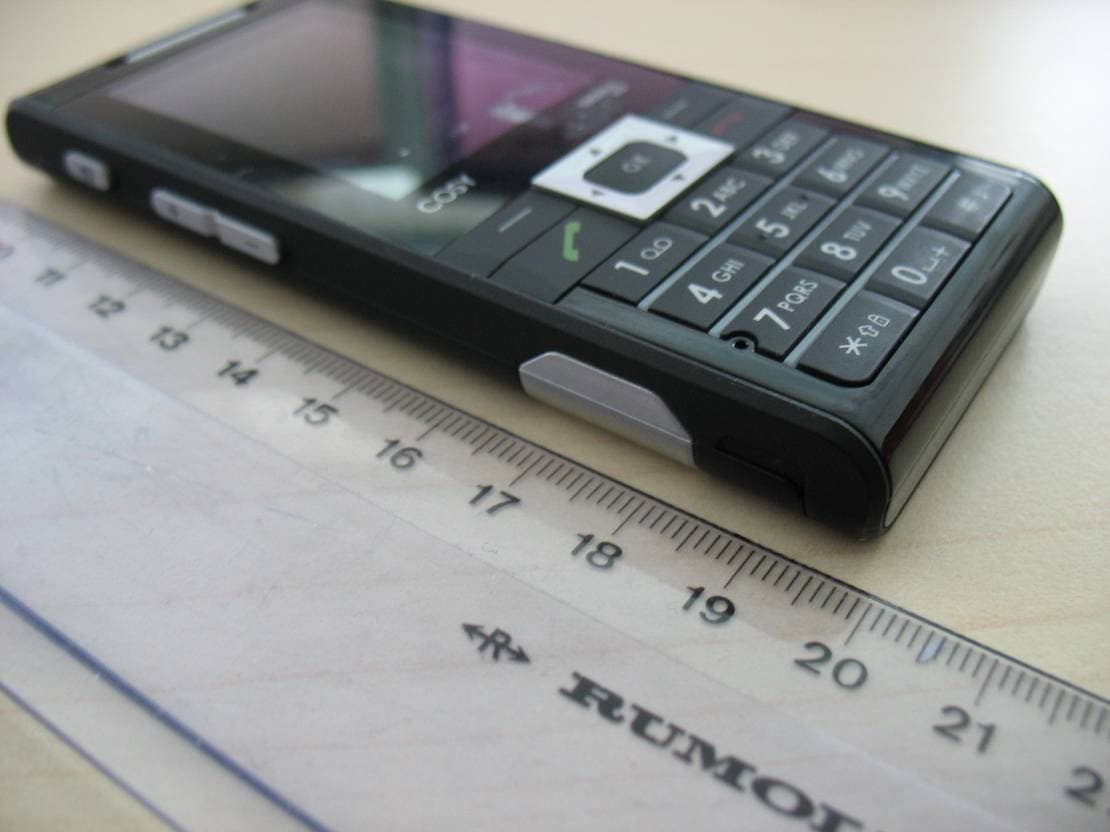
M9HCOSY3G
Oct 13, 2010COSY Phone 3G
Equipment Class
DXX - Part 15 Low Power Communication Device Transmitter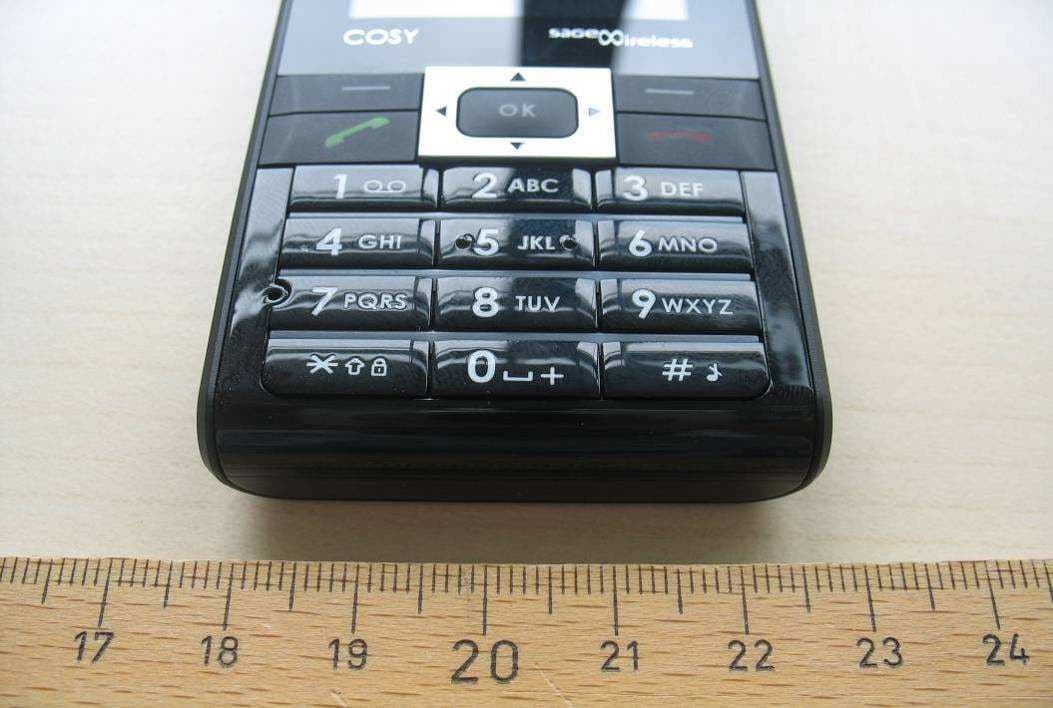
M9HCOSY2G
Sep 06, 2010COSY Phone 2G
Equipment Class
PCE - PCS Licensed Transmitter held to ear
M9HMOV001
Aug 18, 2010Handheld Top Up Terminal
Equipment Class
PCT - PCS Licensed Transmitter worn on body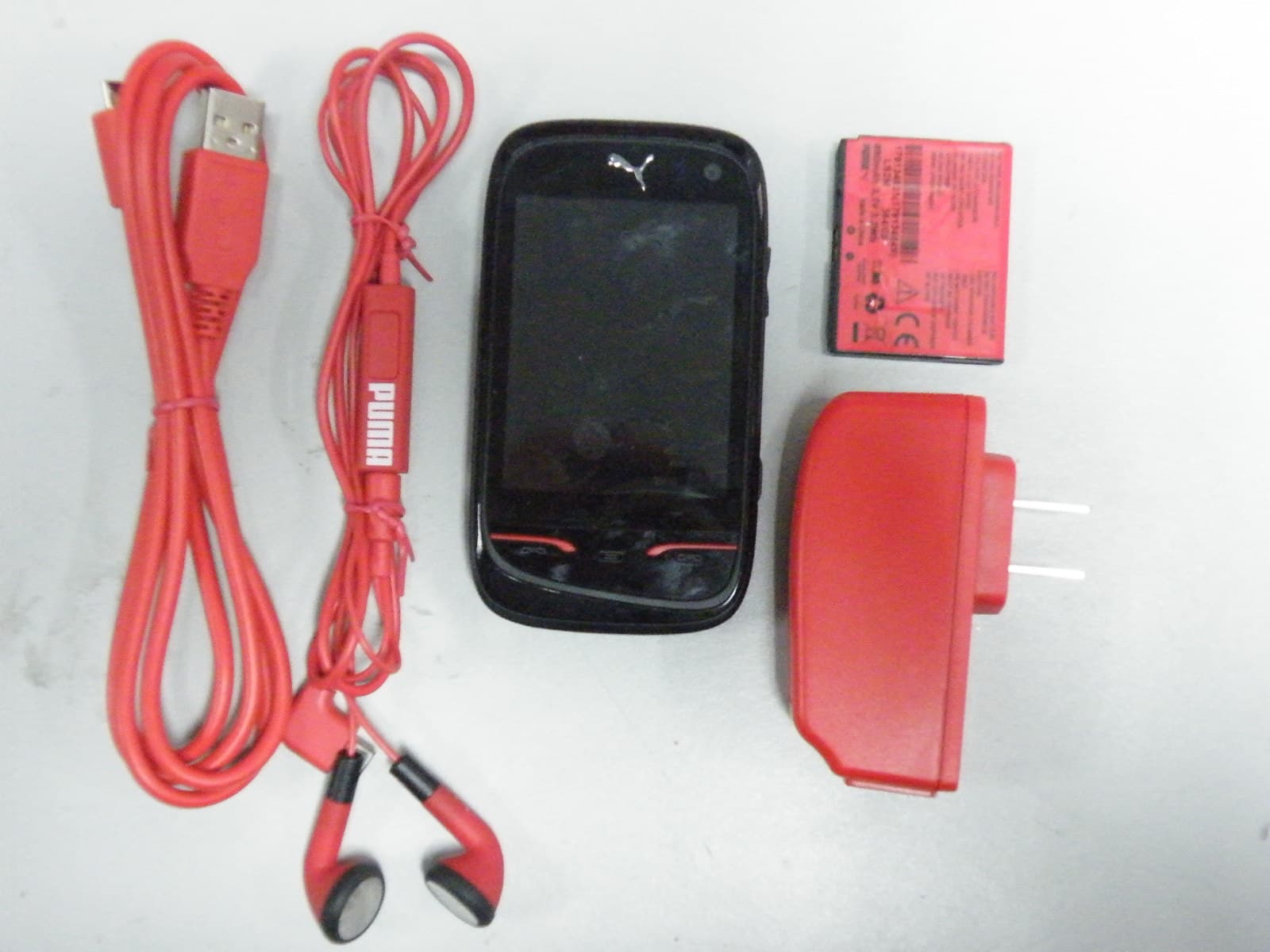
M9HPM1
Apr 26, 2010Mobile phone
Equipment Class
PCE - PCS Licensed Transmitter held to ear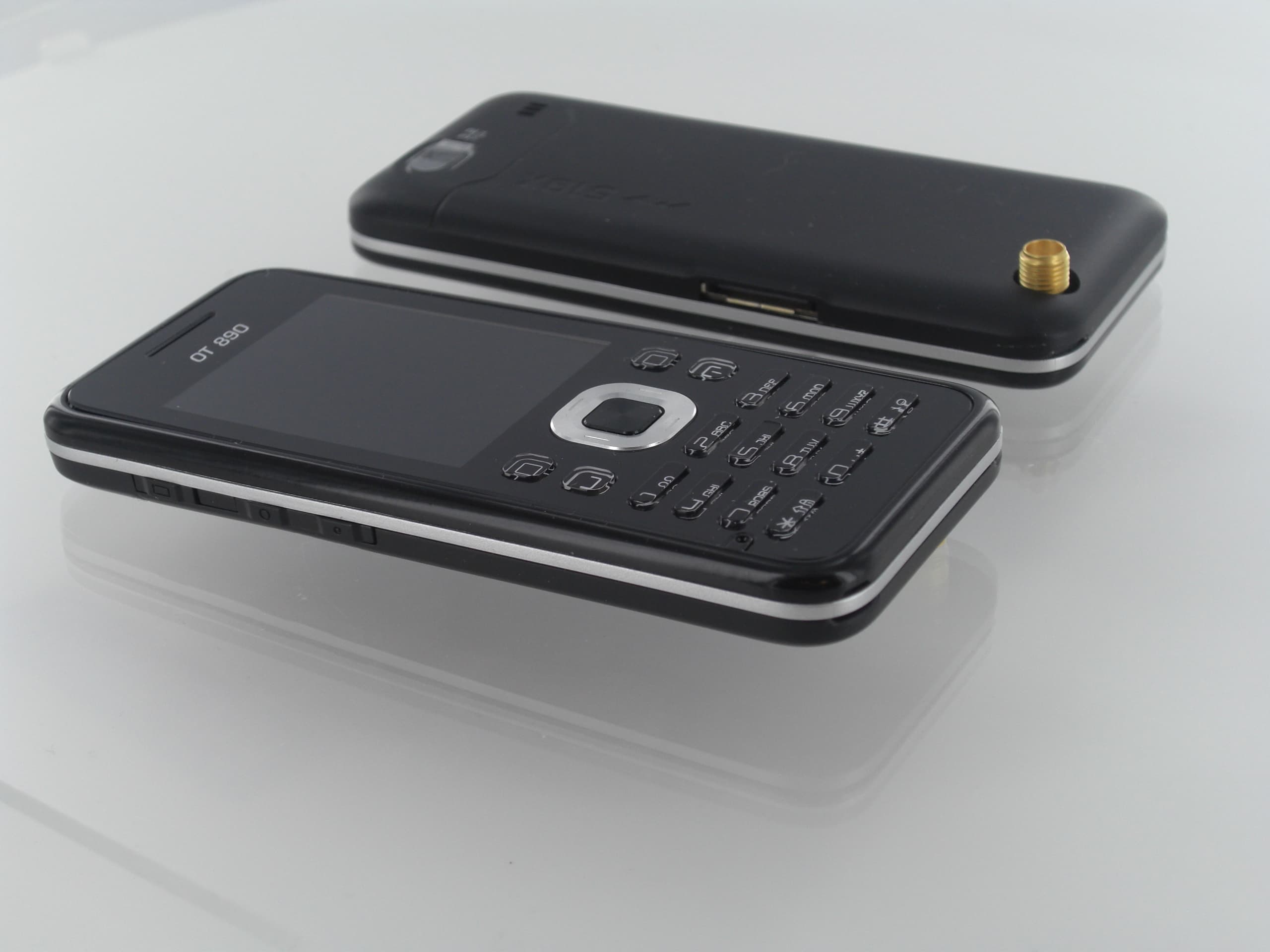
M9HOT8X0RF
Jan 31, 2010Network Measurement Device
Equipment Class
JBP - Part 15 Class B Computing Device Peripheral