MAU017Notebook with WLAN and Bluetooth
Getac Technology Corp.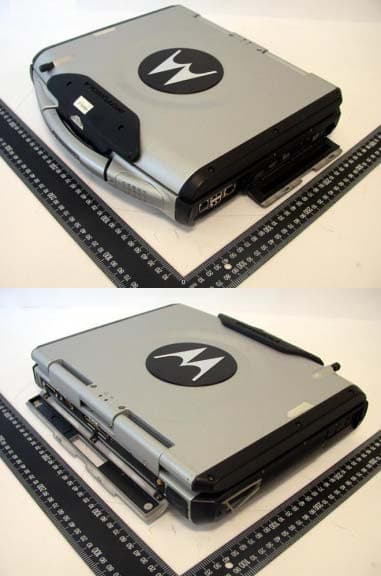
Click to zoom
Application Details
- Equipment Class
- DSS - Part 15 Spread Spectrum Transmitter
- Date of Grant
- Oct 23, 2005
- Application Purpose
- Original Equipment
- Date of Application
- Oct 23, 2005
- Equipment Note
- Notebook with WLAN and Bluetooth
- Frequency Range
- 2402.00000000 - 2480.00000000
- Company
- Getac Technology Corp.
- Country
- Taiwan
Documents & Files
Document Text
Text extracted from the exhibit documents filed with the FCC. Open a document above to read the original.
Users Manual
ML900 Operation Manual Part Number: 7990 0114 3001 R00 (June 2005) TRADEMARKS All brand and product names are trademarks or registered trademarks of their respective companies. NOTE Information in this manual is subject to change without notice. i Table of Contents Preface ...................................................................................... vii Chapter 1 Getting Started.....................................................1-1 Getting the Computer Running................................................ 1-2 Unpacking .......................................................................... 1-2 Connecting to AC Power ................................................... 1-3 Opening the Cover ............................................................. 1-4 Turning On and Off the Computer..................................... 1-5 Taking a Look at the Computer ............................................... 1-6 Right-Side Components ..................................................... 1-6 Left-Side Components ....................................................... 1-7 Rear Components ............................................................... 1-8 Front Components............................................................ 1-10 Bottom-Side Components ................................................ 1-11 Top-open Components..................................................... 1-13 Where to Go from Here ......................................................... 1-16 Chapter 2 Operating Your Computer.......................................... 2-3 Starting and Stopping the Computer ............................................... 2-4 Starting the Computer ................................................................ 2-4 Stopping the Computer .............................................................. 2-4 Using the Keyboard......................................................................... 2-6 Typewriter Keys......................................................................... 2-6 Cursor-Control Keys .................................................................. 2-7 Numeric Keypad ........................................................................ 2-7 Euro Symbol .............................................................................. 2-8 Windows Keys ........................................................................... 2-8 Function Keys ............................................................................ 2-8 Fn Key........................................................................................ 2-9 Hot Keys ....................................................................................2-9 Using the Touchpad ...................................................................... 2-11 Configuring the Touchpad ....................................................... 2-13 Using the Touchscreen (option) .................................................... 2-14 Using the Hard Disk Drive............................................................ 2-15 Using the DVD/Combo/DVD Dual Drive .................................... 2-16 Installing the DVD/Combo/DVD Dual Drive.......................... 2-17 Inserting and Removing a Disc ................................................ 2-18 Using the Video Features .............................................................. 2-19 Configuring the Display Modes ............................................... 2-19 Using the Audio Features .............................................................. 2-21 Connecting Audio Devices....................................................... 2-22 Using the Communication Features .............................................. 2-23 Using the LAN ......................................................................... 2-23 Using the Wireless LAN (option) ............................................ 2-24 Using the Modem ..................................................................... 2-25 Using the Wireless Modem (option) ........................................ 2-26 Using the GPS (option) ............................................................ 2-28 Using the Bluetooth (option).................................................... 2-29 iii Chapter 3 Managing Power..................................................3-1 AC Adapter.............................................................................. 3-2 Battery Pack............................................................................. 3-3 Charging the Battery Pack ................................................. 3-3 Initializing the Battery Pack............................................... 3-4 Checking the Battery Level................................................ 3-4 Replacing the Battery Pack ................................................ 3-5 Battery Low Signals and Actions....................................... 3-6 Power Management ................................................................. 3-7 Hibernation ........................................................................ 3-8 Power-Saving Tips .................................................................. 3-9 Chapter 4 Expanding Your Computer..................................4-1 Connecting an External Monitor ............................................. 4-2 Connecting a USB Device ....................................................... 4-3 Connecting a Serial Device ..................................................... 4-4 Connecting an IR Device......................................................... 4-5 Connecting a Bluetooth-compliant Device (option) ................ 4-7 Connecting a Video Capture Device ..................................... 4-10 System Memory Upgrade ...................................................... 4-11 Chapter 5 Setup Configuration Utility (SCU).......................5-1 When and How to Use the SCU Program................................ 5-2 When to Use..............................…
Text truncated - open the document above for the full version.
Cover Letter(s)
Reply Date: Oct. 5, 2005 Request Date: September 26, 2005 RE: Mitac Technology Corp. FCC ID: MAU017 Dear Tim, Here are our answers 1) The 731 form appears to mis-report the Bluetooth frequency range. Please review and adjust as necessary. ANS: It’s a typo. Modified and uploaded 2) The block diagram for Bluetooth should show the frequencies of all oscillators in the Bluetooth portion of the TX device (CFR 2.1033(a)(5)). Please update the list of confidential exhibits if necessary. ANS: Please refer to updated BT block diagram. 3) Please provide a clearer photograph of the top of the integrated CSR BC212 BT module. ANS: Please refer to updated photograph files. 4) Please provide a photograph showing the back of the integrated CSR BC212 board and the Bluetooth module itself with the BC212 removed. ANS: Please refer to updated photograph files. 5) Please provide more explanation/detail as to the modification “Adding cover Antenna prm240+GPS+WLAN in A, B part”. It is unsure what is meant by this. ANS: It has been corrected to “Adding a ferrite clip antenna cable (include Wireless Modem, GPS and WLAN) below panel.” 5) AC powerline conducted emissions provided (802.11 b, 802.11 g, and BT) only shows compliance to the OLD FCC rules and regulations. Since July 2004, all new Certifications must meet the new limits (CISPR) and frequency range of 150 kHz – 30 MHz. Please review/correct. ANS: It has been corrected. 7) FYI....Average measurements of the Bluetooth appear to show 25 dB difference at the fundamental. This suggests the carrier was pulsing, or that the sweep time was too quick. Note that compliance can still be determined. However these issues should be nvestigated and corrected in future applications. ANS: We will be careful in future test. 8) Test Report 5, page 36 appears to show a failing point, or a point that may require average measurements. Please review. ANS: It has been corrected, and added an average measurement. 9) The RF exposure exhibit should also mention the Bluetooth. If the antennas are closer than 20 cm apart, then the EIRP powers should be summed for purposes of RF exposure. ANS: Please refer to updated MPE report. 10) Section 15.15(b) prohibits adjustments of any control by the user that will cause operation of a device in violation of the regulations. Accordingly, any proposal to allow the end user to choose extended channels on frequencies outside of an allowable frequency band in the USA is not acceptable. For example, a WLAN device operating according to Section 15.247 on channels 1-11 between 2.4 - 2.483.5 GHz must not have any user controls or software to allow the device to operate on channels 12 and 13 which are outside of the allowed USA band. For instance, the user should not be able to select alternative countries which would allow different channel plans outside of the allowed USA band. Please explain how this device is compliant to this requirement for all 802.11 bands of operation. ANS: An US only attestation was provided 11) Page 22 of the users manual suggests the location to find the mini-PCI card. Page 18 suggests the location of the BT module. Please note that the user must not be provided with any information regarding how to install or remove these devices. The information suggesting location should not be provided to the user. Please update the manual. ANS: It has been updated. 12) Page 48 suggests that another mini-PCI card may be installed. This information should not be provided as the user should not be able to install the device, and the use of another device will usually involve use with non-approved antennas. Please remove this information from the manual. ANS: It has been updated. Also, we have modified the first model from “ML900NOA” to “ML900” only, so I have uploaded the modifed reports and label. Please review Thanks Daphne
Cover Letter(s)
Mitac Technology Corp. 1st, R&D Road 2 , Hsinchu Science-Based Industrial Park, Hsinchu, Taiwan, R.O.C. TEL : 886-3-5782280 FAX : 886-3-5778270 Letter Of Agency Date: Sep. 20th, 2005 American Telecommunications Certification Body, Inc. 6731 Whittier Avenue Suite C110 McLean, VA 22101 RE: Certification Applications FCC ID: MAU017 Model: ML900NOA; ML900 Office Docking; ML900 Vehicle Docking To Whom It May Concern: Please be advised that Mitac Technology Corporation authorizes International Standards Laboratory (ISL) to act on our behalf, until otherwise notified, for applications submitted to American Telecommunications Certification Body, Inc. (ATCB). We certify that we are not subject to denial of federal benefits that includes FCC benefits, pursuant to Section 5301 of the Anti-Drug Abuse ACT of 1988, U.S.C. 862. Further, no party as defined in 47 CFR 1.2002(b), for this application is subject to denial of federal benefits that includes FCC benefits. Thank you for your attention to this matter. _______________________ Eric Pang / Engineer Mitac Technology Corp.
External Photos
International Standards Laboratory Report Number: ISL-05LR022P HC LAB:NVLAP:200234-0;VCCI: R-341,C-354;NEMKO:ELA 113a,113c;BSMI:SL2-IN-E-0037;SL2-R1-E-0037;CNLA:1178 LT LAB:NVLAP:200234-0;VCCI: R-1435,C-1440;NEMKO:ELA 113b,113d;BSMI:SL2-IN-E-0013;CNLA:0997 -1- EUT-1. International Standards Laboratory Report Number: ISL-05LR022P HC LAB:NVLAP:200234-0;VCCI: R-341,C-354;NEMKO:ELA 113a,113c;BSMI:SL2-IN-E-0037;SL2-R1-E-0037;CNLA:1178 LT LAB:NVLAP:200234-0;VCCI: R-1435,C-1440;NEMKO:ELA 113b,113d;BSMI:SL2-IN-E-0013;CNLA:0997 -2- EUT-2. International Standards Laboratory Report Number: ISL-05LR022P HC LAB:NVLAP:200234-0;VCCI: R-341,C-354;NEMKO:ELA 113a,113c;BSMI:SL2-IN-E-0037;SL2-R1-E-0037;CNLA:1178 LT LAB:NVLAP:200234-0;VCCI: R-1435,C-1440;NEMKO:ELA 113b,113d;BSMI:SL2-IN-E-0013;CNLA:0997 -3- EUT-3 International Standards Laboratory Report Number: ISL-05LR022P HC LAB:NVLAP:200234-0;VCCI: R-341,C-354;NEMKO:ELA 113a,113c;BSMI:SL2-IN-E-0037;SL2-R1-E-0037;CNLA:1178 LT LAB:NVLAP:200234-0;VCCI: R-1435,C-1440;NEMKO:ELA 113b,113d;BSMI:SL2-IN-E-0013;CNLA:0997 -4- EUT-4
ID Label/Location Info
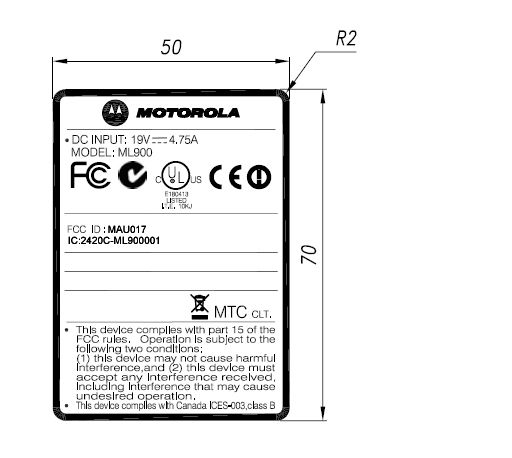
Label & Location Label
Internal Photos
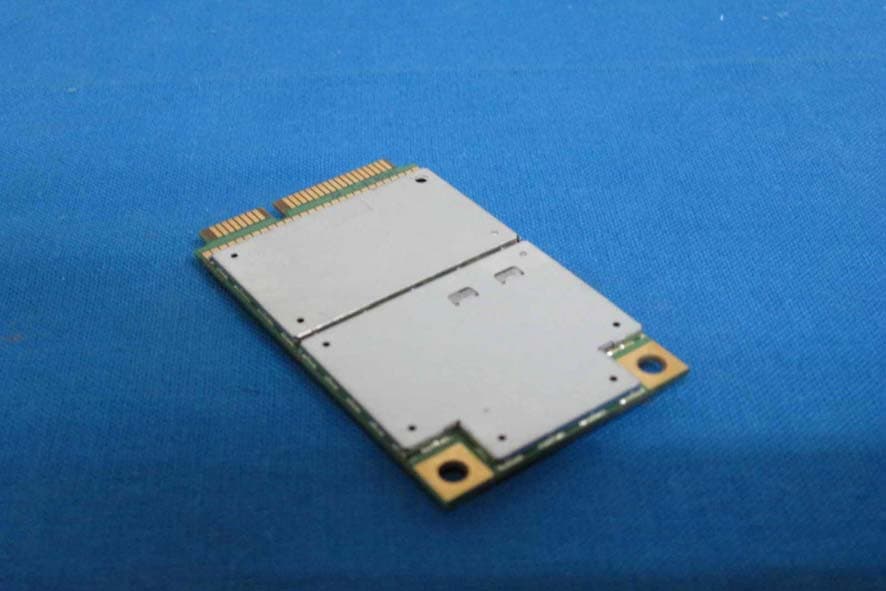
International Standards Laboratory Report Number: ISL-05LR022P HC LAB:NVLAP:200234-0;VCCI: R-341,C-354;NEMKO:ELA 113a,113c;BSMI:SL2-IN-E-0037;SL2-R1-E-0037;CNLA:1178 LT LAB:NVLAP:200234-0;VCCI: R-1435,C-1440;NEMKO:ELA 113b,113d;BSMI:SL2-IN-E-0013;CNLA:0997 -1- EUT-1. International Standards Laboratory Report Number: ISL-05LR022P HC LAB:NVLAP:200234-0;VCCI: R-341,C-354;NEMKO:ELA 113a,113c;BSMI:SL2-IN-E-0037;SL2-R1-E-0037;CNLA:1178 LT LAB:NVLAP:200234-0;VCCI: R-1435,C-1440;NEMKO:ELA 113b,113d;BSMI:SL2-IN-E-0013;CNLA:0997 -2- EUT-2. International Standards Laboratory Report Number: ISL-05LR022P HC LAB:NVLAP:200234-0;VCCI: R-341,C-354;NEMKO:ELA 113a,113c;BSMI:SL2-IN-E-0037;SL2-R1-E-0037;CNLA:1178 LT LAB:NVLAP:200234-0;VCCI: R-1435,C-1440;NEMKO:ELA 113b,113d;BSMI:SL2-IN-E-0013;CNLA:0997 -3- EUT-3. International Standards Laboratory Report Number: ISL-05LR022P HC LAB:NVLAP:200234-0;VCCI: R-341,C-354;NEMKO:ELA 113a,113c;BSMI:SL2-IN-E-0037;SL2-R1-E-0037;CNLA:1178 LT LAB:NVLAP:200234-0;VCCI: R-1435,C-1440;NEMKO:ELA 113b,113d;BSMI:SL2-IN-E-0013;CNLA:0997 -4- EUT-4. International Standards Laboratory Report Number: ISL-05LR022P HC LAB:NVLAP:200234-0;VCCI: R-341,C-354;NEMKO:ELA 113a,113c;BSMI:SL2-IN-E-0037;SL2-R1-E-0037;CNLA:1178 LT LAB:NVLAP:200234-0;VCCI: R-1435,C-1440;NEMKO:ELA 113b,113d;BSMI:SL2-IN-E-0013;CNLA:0997 -5- EUT-5. International Standards Laboratory Report Number: ISL-05LR022P HC LAB:NVLAP:200234-0;VCCI: R-341,C-354;NEMKO:ELA 113a,113c;BSMI:SL2-IN-E-0037;SL2-R1-E-0037;CNLA:1178 LT LAB:NVLAP:200234-0;VCCI: R-1435,C-1440;NEMKO:ELA 113b,113d;BSMI:SL2-IN-E-0013;CNLA:0997 -6- EUT-6. International Standards Laboratory Report Number: ISL-05LR022P HC LAB:NVLAP:200234-0;VCCI: R-341,C-354;NEMKO:ELA 113a,113c;BSMI:SL2-IN-E-0037;SL2-R1-E-0037;CNLA:1178 LT LAB:NVLAP:200234-0;VCCI: R-1435,C-1440;NEMKO:ELA 113b,113d;BSMI:SL2-IN-E-0013;CNLA:0997 -7- EUT-7. International Standards Laboratory Report Number: ISL-05LR022P HC LAB:NVLAP:200234-0;VCCI: R-341,C-354;NEMKO:ELA 113a,113c;BSMI:SL2-IN-E-0037;SL2-R1-E-0037;CNLA:1178 LT LAB:NVLAP:200234-0;VCCI: R-1435,C-1440;NEMKO:ELA 113b,113d;BSMI:SL2-IN-E-0013;CNLA:0997 -8- EUT-8. International Standards Laboratory Report Number: ISL-05LR022P HC LAB:NVLAP:200234-0;VCCI: R-341,C-354;NEMKO:ELA 113a,113c;BSMI:SL2-IN-E-0037;SL2-R1-E-0037;CNLA:1178 LT LAB:NVLAP:200234-0;VCCI: R-1435,C-1440;NEMKO:ELA 113b,113d;BSMI:SL2-IN-E-0013;CNLA:0997 -9- EUT-9. International Standards Laboratory Report Number: ISL-05LR022P HC LAB:NVLAP:200234-0;VCCI: R-341,C-354;NEMKO:ELA 113a,113c;BSMI:SL2-IN-E-0037;SL2-R1-E-0037;CNLA:1178 LT LAB:NVLAP:200234-0;VCCI: R-1435,C-1440;NEMKO:ELA 113b,113d;BSMI:SL2-IN-E-0013;CNLA:0997 -10- EUT-10.
RF Exposure Info
Report Number: ISL-05LR022MPE Issue Date: 2005/09/20 HC LAB:NVLAP:200234-0;VCCI: R-341,C-354;NEMKO:ELA 113a,113c;BSMI:SL2-IN-E-0037;SL2-R1-E-0037;CNLA:1178 LT LAB:NVLAP:200234-0;VCCI: R-1435,C-1440;NEMKO:ELA 113b,113d;BSMI:SL2-IN-E-0013;CNLA:0997 ISL-T10-R29-1 MPE Test Report for Product Name Noterbook Personal Computer; Noterbook Personal Computer with Office Docking; Noterbook Personal Computer with Vehicle docking Model ML900; ML900 Office Docking; ML900 Vehicle docking (Brand:Motorola) Applied by: MITAC Technology Corporation 4F, No.1, R&D Road 2, Hsinchu Science-Based industrial Park, Hsinchu 300 Taiwan,R. O. C. Test Performed by: International Standards Laboratory No. 120, Lane 180, San Ho Tsuen, Hsin Ho Rd. Lung-Tan Hsiang, Tao Yuan County 325 Taiwan, R.O.C. Tel:(03)407-1718 Fax:(03)407-1738 International Standards Laboratory Report Number: 05LR022MPE HC LAB:NVLAP:200234-0;VCCI: R-341,C-354;NEMKO:ELA 113a,113c;BSMI:SL2-IN-E-0037;SL2-R1-E-0037;CNLA:1178 LT LAB:NVLAP:200234-0;VCCI: R-1435,C-1440;NEMKO:ELA 113b,113d;BSMI:SL2-IN-E-0013;CNLA:0997 Contents of Report 1. General...................................................................................................... 1 1.1 Certification of Accuracy of Test Data ...................................................................... 1 2. Description of Equipment Under Test (EUT).................................. 2 2.1 General Test Conditions ............................................................................................ 6 3. RF Exposure Measurement [Section 15.247(b)(4) & 1.1307(b)] .............. 7 3.1 Applied Standards ...................................................................................................... 7 3.2 Test Procedure ........................................................................................................... 7 3.3 Test Setup................................................................................................................... 7 3.4 Calculation for Maximum Permissible Exposure (MPE) .......................................... 7 3.5 Test Data: Configuration 1......................................................................................... 8 3.6 Test Data: Configuration 2......................................................................................... 9 3.7 Test Data: Configuration 3....................................................................................... 10 3.8 Test Data: Configuration 4....................................................................................... 11 3.9 Test Data: Configuration 5....................................................................................... 12 4. Appendix : Test Equipment ...................................................................... 13 4.1 Test Equipment List ................................................................................................. 13 FCC ID: MAU017 International Standards Laboratory Report Number: 05LR022MPE HC LAB:NVLAP:200234-0;VCCI: R-341,C-354;NEMKO:ELA 113a,113c;BSMI:SL2-IN-E-0037;SL2-R1-E-0037;CNLA:1178 LT LAB:NVLAP:200234-0;VCCI: R-1435,C-1440;NEMKO:ELA 113b,113d;BSMI:SL2-IN-E-0013;CNLA:0997 -1- 1. General 1.1 Certification of Accuracy of Test Data Standards: CFR 47 Part 15 Subpart B Class B CFR 47 Part 15 Subpart C (Section 15.247) Test Procedure: ANSI C63.4:2003 Equipment Tested: Noterbook Personal Computer; Noterbook Personal Computer with Office Docking; Noterbook Personal Computer with Vehicle docking Model: ML900;ML900 Office Docking;ML900 Vehicle docking Applied by: MITAC Technology Corporation Sample received Date: 2005/07/26 Final test Date : 2005/08/08-2005/09/05 Test Result PASS Test Site: Chamber 02, Conduction 02 Temperature Refer to each site test data Humidity: Refer to each site test data Test Engineer: ______________________ Jerry Chiou All the tests in this report have been performed and recorded in accordance with the standards described above and performed by an independent electromagnetic compatibility consultant, International Standards Laboratory. The test results contained in this report accurately represent the measurements of the characteristics and the energy generated by sample equipment under test at the time of the test. The sample equipment tested as described in this report is in compliance with the limits of above standards. Approve & Signature --------------------------------------- Eddy Hsiung/Director Test results given in this report apply only to the specific sample(s) tested under stated test conditions. This report shall not be reproduced other than in full without the explicit written consent of ISL. This report totally contains 15 pages, including 1 cover page , 1 contents page, and 13 pages for the test description. This report must not be use to claim product endorsement by NVLAP or any agency of the U.S. Government. This test data shown below is traceable to NIST or national or international standard. International Standards Laboratory certifies that no party to this application has been denied the FCC benefits pursuant to Section 5301 of the Anti-Drug Abuse Act of 1988, 21 U.S.C. 853(a). FCC ID: MAU017 International Standards Laboratory Report Number: 05LR022MPE HC LAB:NVLAP:200234-0;VCCI: R-341,C-354;NEMKO:ELA 113a,113c;BSMI:SL2-IN-E-0037;SL2-R1-E-0037;CNLA:1178 LT LAB:NVLAP:200234-0;VCCI: R-1435,C-1440;NEMKO:ELA 113b,113d;BSMI:SL2-IN-E-0013;CNLA:0997 -2- 2. Description of Equipment Under Test (EUT) EUT 1: Description: Noterbook Personal Computer (with Intel PRO/Wireless 2200BG Network Connection & RainSun Bluetooth Module BT-20 inside) Model: ML900 Brand: MOTOROLA FCC ID: MAU017 Wireless LAN Module: Intel, Model: WM3B2200BG Bluetooth Wireless Card: RainSun, Model: BT-20 Frequency Range 802.11b/g: 2412 - 2462 MHz Frequency Range of bluetooth: 2402 - 2480 MHz Support channel: 802.11b/g: 11 Channels bluetooth: 79 Channels Modulation Skill: 802.11b: DBPSK(1Mbps), DQPSK(2Mbps), CCK(5.5/11Mbps) 802.11g: O…
Text truncated - open the document above for the full version.
Test Report
Report Number: ISL-05LR022FC Issue Date: 2005/09/21 HC LAB:NVLAP:200234-0;VCCI: R-341,C-354;NEMKO:ELA 113a,113c;BSMI:SL2-IN-E-0037;SL2-R1-E-0037;CNLA:1178 LT LAB:NVLAP:200234-0;VCCI: R-1435,C-1440;NEMKO:ELA 113b,113d;BSMI:SL2-IN-E-0013;CNLA:0997 ISL-T10-R29-1 (Configuration 1: Notebook only with WLAN & Bluetooth) Test Report for FCC Part 15 Subpart B & C of Product Name Notebook Personal Computer; Notebook Personal Computer with Office Docking; Notebook Personal Computer with Vehicle Docking Model ML900; ML900 Office Docking; ML900 Vehicle Docking (Brand:MOTOROLA) Applied by: MITAC Technology Corporation 4F, No.1, R&D Road 2, Hsinchu Science-Based industrial Park, Hsinchu 300 Taiwan,R. O. C. Test Performed by: International Standards Laboratory No. 120, Lane 180, San Ho Tsuen, Hsin Ho Rd. Lung-Tan Hsiang, Tao Yuan County 325 Taiwan, R.O.C. Tel:(03)407-1718 Fax:(03)407-1738 FCC ID:MAU017 International Standards Laboratory Report Number: 05LR022FC HC LAB:NVLAP:200234-0;VCCI: R-341,C-354;NEMKO:ELA 113a,113c;BSMI:SL2-IN-E-0037;SL2-R1-E-0037;CNLA:1178 LT LAB:NVLAP:200234-0;VCCI: R-1435,C-1440;NEMKO:ELA 113b,113d;BSMI:SL2-IN-E-0013;CNLA:0997 -i- Contents of Report 1. General ......................................................................................................... 1 1.1 Certification of Accuracy of Test Data ........................................................................ 1 2. Test Results Summary .................................................................................. 2 3. Description of Equipment Under Test (EUT) .............................................. 3 4. TEST RESULTS (802.11b)......................................................................... 7 4.1 Powerline Conducted Emissions [Section 15.207] ...................................................... 7 4.1.1 EUT Configuration ......................................................................................................................... 7 4.1.2 Test Procedure ................................................................................................................................ 7 4.1.3 EMI Receiver/Spectrum Analyzer Configuration (for the frequencies tested)............................... 7 4.1.4 Test Data:........................................................................................................................................ 8 4.2 Bandwidth for DSSS [Section 15.247 (a)(2)]............................................................. 10 4.2.1 Test Procedure .............................................................................................................................. 10 4.2.2 Test Setup ..................................................................................................................................... 10 4.2.3 Test Data:...................................................................................................................................... 10 4.3 DSSS Maximum Peak Output Power [Section 15.247 (b)(1)] ................................... 13 4.3.1 Test Procedure .............................................................................................................................. 13 4.3.2 Test Setup ..................................................................................................................................... 13 4.3.3 Test Data....................................................................................................................................... 13 4.4 Radiated Emission Measurement [Section [15.247(c)(4)] ......................................... 14 4.4.1 EUT Configuration ....................................................................................................................... 14 4.4.2 Test Procedure .............................................................................................................................. 14 4.4.3 EMI Receiver/Spectrum Analyzer Configuration (for the frequencies tested)............................. 14 4.4.4 Test Data (30MHz – 1GHz): ........................................................................................................ 15 4.4.5 Test Data ( 1GHz – 25 GHz) . ...................................................................................................... 16 4.5 Band Edge Measurement............................................................................................ 22 4.5.1 Test Procedure (Conducted) ......................................................................................................... 22 4.5.2 Test Setup (Conducted) ................................................................................................................ 22 4.5.3 Test Data:...................................................................................................................................... 22 4.5.4 Test Procedure (Radiated) ............................................................................................................ 24 4.5.5 Test Setup (Radiated) ................................................................................................................... 24 4.5.6 Test Data....................................................................................................................................... 25 4.6 RF Exposure Measurement [Section 15.247(b)(4) & 1.1307(b)]............................... 28 4.7 DSSS Peak Power Spectral Density [Section 15.247(d) ].......................................... 29 4.7.1 Test Procedure .............................................................................................................................. 29 4.7.2 Test Setup ..................................................................................................................................... 29 4.7.3 Test Data....................................................................................................................................... 29 5. TEST RESULTS (80…
Text truncated - open the document above for the full version.
Test Report
-67- FCC ID:MAU017 International Standards Laboratory Report Number: 05LR022FC HC LAB:NVLAP:200234-0;VCCI: R-341,C-354;NEMKO:ELA 113a,113c;BSMI:SL2-IN-E-0037;SL2-R1-E-0037;CNLA:1178 LT LAB:NVLAP:200234-0;VCCI: R-1435,C-1440;NEMKO:ELA 113b,113d;BSMI:SL2-IN-E-0013;CNLA:0997 6.4 Band Edge Measurement 6.4.1 Test Procedure (Conducted) 1. The transmitter output of EUT was connected to the spectrum analyzer. Equipment mode: Spectrum analyzer Detector function: Peak mode SPAN: 100MHz RBW: 100KHz VBW: 100KHz Center frequency: 2.4GHz, 2.4835GHz. 2. Using Peak Search to read the peak power of Carrier frequencies after Maximum Hold function is completed 3. Find the next peak frequency outside the operation frequency band 6.4.2 Test Setup (Conducted) 6.4.3 Test Data: Table: Band Edge measurement (Conducted) Temperature ():25 Test Engineer:Jerry Chiou Humidity (%):55 Frequency Spectrum Reading Carrier - Outsideband Limit: >20dB Channel (MHz) (dBuV) (dB) Pass/Fail 00 2401.8 110.2 --- --- Outside band 2399.5 66.4 43.9 Pass 78 2480.0 109.4 --- --- Outside band 2482.1 69.8 39.6 Pass EUT Spectrum Analyzer -68- FCC ID:MAU017 International Standards Laboratory Report Number: 05LR022FC HC LAB:NVLAP:200234-0;VCCI: R-341,C-354;NEMKO:ELA 113a,113c;BSMI:SL2-IN-E-0037;SL2-R1-E-0037;CNLA:1178 LT LAB:NVLAP:200234-0;VCCI: R-1435,C-1440;NEMKO:ELA 113b,113d;BSMI:SL2-IN-E-0013;CNLA:0997 Band Edge Conducted measurement Band Edge Conducted Measurement -69- FCC ID:MAU017 International Standards Laboratory Report Number: 05LR022FC HC LAB:NVLAP:200234-0;VCCI: R-341,C-354;NEMKO:ELA 113a,113c;BSMI:SL2-IN-E-0037;SL2-R1-E-0037;CNLA:1178 LT LAB:NVLAP:200234-0;VCCI: R-1435,C-1440;NEMKO:ELA 113b,113d;BSMI:SL2-IN-E-0013;CNLA:0997 6.4.4 Test Procedure (Radiated) 1. Antenna and Turntable test procedure same as Radiated Emission Measurement. Equipment mode: Spectrum analyzer Detector function: Peak mode SPAN: 100MHz RBW: 1MHz VBW: 3MHz Center frequency: 2.375GHz, 2.500GHz. 2. Using Peak Search to read the peak power of Carrier frequencies after Maximum Hold function is completed. 3. Find the next peak frequency outside the operation frequency band 4. For peak frequency emission level measurement in Restricted Band , Change RBW: 1MHz VBW: 10Hz Span: 100MHz. 5. Get the spectrum reading after Maximum Hold function is completed. 6.4.5 Test Setup (Radiated) Same as Radiated Emission Measurement -70- FCC ID:MAU017 International Standards Laboratory Report Number: 05LR022FC HC LAB:NVLAP:200234-0;VCCI: R-341,C-354;NEMKO:ELA 113a,113c;BSMI:SL2-IN-E-0037;SL2-R1-E-0037;CNLA:1178 LT LAB:NVLAP:200234-0;VCCI: R-1435,C-1440;NEMKO:ELA 113b,113d;BSMI:SL2-IN-E-0013;CNLA:0997 6.4.6 Test Data Table Band Edge measurement (Radiated) Test Engineer:Jerry Chiou Temperature ():27 Data Rate Humidity (%):40 Spectrum CorrectionEmissiondBc Equip. Pass Frequency Reading Factor Level ( Limit: Limit Setup or Description (dB/m) (dBuV/m) VBW Fail Channel_00 (average mode) 2402.20 25.30 35.48 60.78 --- --- 10Hz --- Channel_00 (peak mode) 2402.10 59.30 35.48 94.78 --- --- 3MHz --- Outside band (peak mode) 2400.00 35.29 35.48 70.77 24.01 --- 3MHz Pass Channel_78 (average mode) 2480.10 25.16 35.51 60.67 --- --- 10Hz --- Channel_78 (peak mode) 2480.00 58.48 35.51 93.99 --- --- 3MHz --- Outside band (peak mode) 2482.00 28.24 35.51 63…
Text truncated - open the document above for the full version.
Contact Information
Applicant
Vincent Hsieh(Senior Engineer)
Technical Contact
International Standards LaboratoryJerry Chiou
[email protected]886-3-407-1718
No. 65, Ku Dai Keng Street · Hsichih · Taiwan
Non-Technical Contact
International Standards LaboratoryDaphne Liu
[email protected]886-2-2646-2550
Test Firm
International Standards LaboratoryDavid Wu
Technical Specifications
| # | Rule Parts | Frequency Range | Power Output |
|---|---|---|---|
| 1 | 15C | 2.40 GHz - 2.48 GHz | 3.00 mW |
Other Applications from Getac Technology Corp.
MAU050
Dec 02, 2012LTE Module
Equipment Class
PCB - PCS Licensed Transmitter
MAU048
Nov 04, 2012Notebook Computer
Equipment Class
NII - Unlicensed National Information Infrastructure TX
MAU049
Nov 04, 2012Notebook Computer
Equipment Class
DSS - Part 15 Spread Spectrum Transmitter
MAU046
Sep 05, 2012Wireless LAN Module
Equipment Class
DSS - Part 15 Spread Spectrum Transmitter
MAU047
Aug 29, 2012WWAN Module
Equipment Class
PCB - PCS Licensed Transmitter