MAU024Notebook PC with CDMA800, 1900
Getac Technology Corp.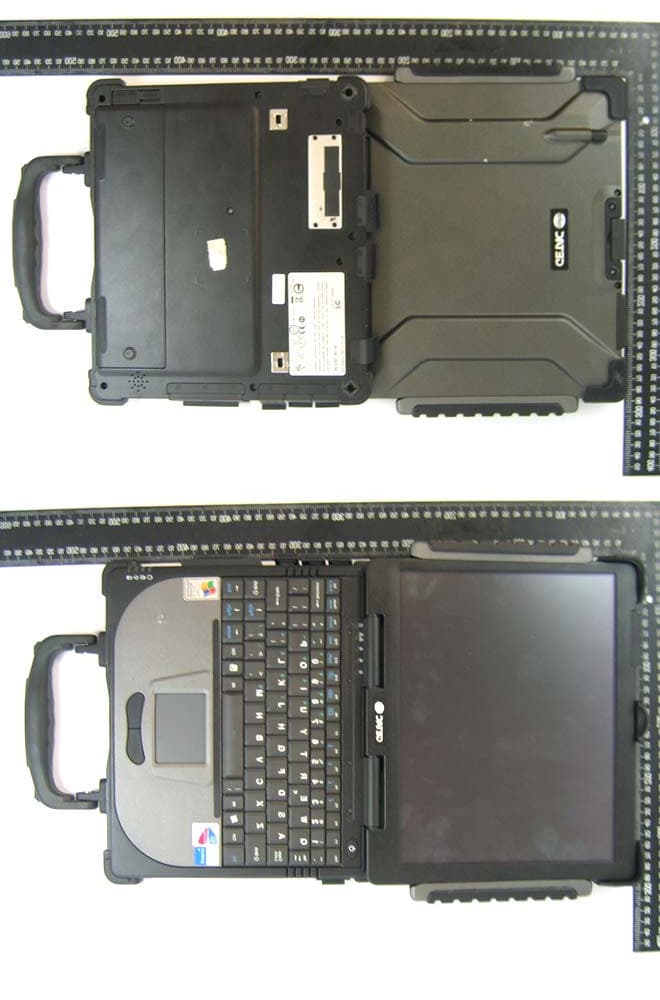
Click to zoom
Application Details
- Equipment Class
- PCB - PCS Licensed Transmitter
- Date of Grant
- Jan 10, 2007
- Application Purpose
- Original Equipment
- Date of Application
- Jan 09, 2007
- Equipment Note
- Notebook PC with CDMA800, 1900
- Frequency Range
- 824.73000000 - 848.19000000
- Company
- Getac Technology Corp.
- Country
- Taiwan
Documents & Files
Document Text
Text extracted from the exhibit documents filed with the FCC. Open a document above to read the original.
Users Manual
PCI Express MiniCard Hardware Integration Guide Proprietary and Confidential 213xxxx Rev 0.1 >> PCI Express MiniCard Hardware Integration Guide 2 Proprietary and confidential 213XXXX Preface Important notice Due to the nature of wireless communications, transmission and reception of data can never be guaranteed. Data may be delayed, corrupted (i.e., have errors) or be totally lost. Although significant delays or losses of data are rare when wireless devices such as the Sierra Wireless modem are used in a normal manner with a well-constructed network, the Sierra Wireless modem should not be used in situations where failure to transmit or receive data could result in damage of any kind to the user or any other party, including but not limited to personal injury, death, or loss of property. Sierra Wireless accepts no responsibility for damages of any kind resulting from delays or errors in data transmitted or received using the Sierra Wireless modem, or for failure of the Sierra Wireless modem to transmit or receive such data. Safety and hazards Do not operate the Sierra Wireless modem in areas where blasting is in progress, where explosive atmospheres may be present, near medical equipment, near life support equipment, or any equipment which may be susceptible to any form of radio interference. In such areas, the Sierra Wireless modem MUST BE POWERED OFF. The Sierra Wireless modem can transmit signals that could interfere with this equipment. Do not operate the Sierra Wireless modem in any aircraft, whether the aircraft is on the ground or in flight. In aircraft, the Sierra Wireless modem MUST BE POWERED OFF. When operating, the Sierra Wireless modem can transmit signals that could interfere with various onboard systems. Some airlines may permit the use of cellular phones while the aircraft is on the ground and the door is open. Sierra Wireless modems may be used at this time. The driver or operator of any vehicle should not operate the Sierra Wireless modem while in control of a vehicle. Doing so will detract from the driver or operator's control and operation of that vehicle. In some states and provinces, operating such communications devices while in control of a vehicle is an offence. Limitation of liability The information in this manual is subject to change without notice and does not represent a commitment on the part of Sierra Wireless. SIERRA WIRELESS AND ITS AFFILIATES SPECIFICALLY DISCLAIM LIABILITY FOR ANY AND ALL DIRECT, INDIRECT, SPECIAL, GENERAL, INCIDENTAL, CONSEQUENTIAL, PUNITIVE OR EXEMPLARY DAMAGES INCLUDING, BUT NOT LIMITED TO, LOSS OF PROFITS OR REVENUE OR ANTICIPATED PROFITS OR REVENUE ARISING OUT OF THE USE OR Preface Rev 1.2 Apr-05 Proprietary and confidential 3 INABILITY TO USE ANY SIERRA WIRELESS PRODUCT, EVEN IF SIERRA WIRELESS AND/OR ITS AFFILIATES HAS BEEN ADVISED OF THE POSSIBILITY OF SUCH DAMAGES OR THEY ARE FORESEEABLE OR FOR CLAIMS BY ANY THIRD PARTY. Notwithstanding the foregoing, in no event shall Sierra Wireless and/or its affiliates aggregate liability arising under or in connection with the Sierra Wireless product, regardless of the number of events, occurrences, or claims giving rise to liability, be in excess of the price paid by the purchaser for the Sierra Wireless product. Patents Portions of this product are covered by some or all of the following US patents: 5,515,013 5,617,106 5,629,960 5,682,602 5,748,449 5,845,216 5,847,553 5,878,234 5,890,057 5,929,815 6,169,884 6,191,741 6,199,168 6,327,154 6,339,405 6,359,591 6,400,336 6,643,501 6,516,204 6,561,851 6,653,979 D367,062 D372,248 D372,701 D416,857 D442,170 D452,495 D452,496 D453,733 D459,303 and other patents pending. This product includes technology licensed from QUALCOMM Incorporated under one or more of the following United States patents and/or their counterparts in other nations: 4,901,307 5,056,109 5,101,501 5,109,390 5,228,054 5,267,261 5,267,262 5,337,338 5,414,796 5,416,797 5,490,165 5,504,773 5,506,865 5,511,073 5,535,239 5,544,196 5,568,483 5,600,754 5,657,420 5,659,569 5,710,784 5,778,338 Copyright ©2005 Sierra Wireless. All rights reserved. Trademarks “Heart of the Wireless Machine” is registered trademark of Sierra Wireless. Sierra Wireless, the Sierra Wireless logo, the red wave design, the red-tipped antenna, and Watcher are trademarks of Sierra Wireless. Windows ® is a registered trademark of Microsoft Corporation. Qualcomm ® is a registered trademark of Qualcomm Incorporated. Other trademarks are the property of the respective owners. PCI Express MiniCard Hardware Integration Guide 4 Proprietary and confidential 213XXXX Comments Sales Desk: Phone: 1-604-232-1488 Hours: 8:00 AM to 5:00 PM Pacific Time E-mail: [email protected] Post: Sierra Wireless 13811 Wireless Way Richmond, BC Canada V6V 3A4 Fax: 1-604-231-1109 Web: www.sierrawireless.com Your comments and suggestions on improving this documentation are welcome and appreciated. Please e-mail your feedback, noting document 2130367 Rev 1.1, to [email protected]. Thank you. Consult our website for up-to-date product descriptions, documentation, application notes, firmware upgrades, troubleshooting tips, and press releases: www.sierrawireless.com Preface Rev 1.2 Apr-05 Proprietary and confidential 5 Table of Contents Preface.......................................................................................................................................... 2 Important notice ................................................................................................................2 Safety and hazards ........................................................................................................... 2 Limitation of liability ........................................................................................................... 2 Patents .............................................................................................................................. 3 Copyright .............…
Text truncated - open the document above for the full version.
Users Manual
W130 ENHANCE NOTEBOOK OPERATOR’S MANUAL Part Number: 799001148001 R00 (June. 2006) TRADEMARKS All brand and product names are trademarks or registered trademarks of their respective companies. NOTE Information in this manual is subject to change without notice. Regulations Information Class B Regulations USA Federal Communications Commission Radio Frequency Interference Statement NOTE: This equipment has been tested and found to comply with the limits for a Class B digital device pursuant to Part 15 of the FCC Rules. These limits are designed to provide reasonable protection against harmful interference in a residential installation. This equipment generates, uses, and can radiate radio frequency energy and, if not installed and used in accordance with the instructions, may cause harmful interference to radio communications. However, there is no guarantee that interference will not occur in a particular installation. If this equipment does cause harmful interference to radio or television reception, which can be determined by turning the equipment off and on, the user is encouraged to try to correct the interference by one or more of the following measures: − Reorient or relocate the receiving antenna. − Increase the separation between the equipment and receiver. − Connect the equipment into an outlet on a circuit different from that to which the receiver is connected. − Consult the dealer or an experienced radio/TV technician for help. Any changes or modifications not expressly approved by the manufacturer could void the user’s authority to operate the equipment. Please note: The use of a non-shielded interface cable with this equipment is prohibited. Canada Canadian Department of Communications Radio Interference Regulations Class B Compliance Notice This digital apparatus does not exceed the Class B limits for radio noise emissions from digital apparatus set out in the Radio Interference Regulations of the Canadian Department of Communications. Le présent appareil numérique n’émet pas de bruits radioélectriques dépassant les limites applicables aux appareils numériques de la classe B prescrites dans le Règlement sur le brouillage radioélectrique édicté par le ministère des Communications du Canada. Products with the CE Marking comply with both the EMC directive (89/336/EEC) and the Low Voltage Directive (73/23/EEC) issued by the Commission of the European Community. Compliance with these directives implies conformity to the following European Norms: l EN50081-1: Electromagnetic compatibility-Generic emission standard l EN55022: conducted Emission, Radiated Emission l EN61000-3-2: Current Harmonic l EN61000-3-3: Voltage Flicker l EN50082-2: Electromagnetic compatibility-Generic immunity standard l IEC1000-4-2: Electrostatic Discharge l IEC1000-4-3: Radiated Susceptibility l IEC1000-4-4: Electrical Fast Transients l IEC1000-4-5: Surge Test l IEC1000-4-6: Conducted Susceptibility l IEC1000-4-11: Voltage Dip and Interruption The Products pass C-UL, UL, TUV approved to comply with EN60950 standard. About the Battery Caution Texts Concerning Lithium Batteries DANISH ADVARSEL! Lithiumbatteri – Eksplosionsfare ved fejlagtig håndtering. Udskiftning må kun ske med batteri af samme fabrikat og type. Levér det brugte batteri tilbage til leverandøren. NORWEGIAN ADVARSEL: Eksplosjonsfare ved feilaktig skifte av batteri. Benytt samme batteritype eller en tilsvarende type anbefalt av apparatfabrikanten. Brukte batterier kasseres i henhold til fabrikantens instruksjoner. SWEDISH VARNING: Explosionsfara vid felaktigt batteribyte. Använd samma batterityp eller en ekvivalent typ som rekommenderas av apparattillverkaren. Kassera använt batteri enligt fabrikantens instruktion. FINNISH VAROITUS: Paristo voi räjähtää, jos se on virheellisesti asennettu. Vaihda paristo ainoastaan valmistajan suosittelemaan tyyppiin. Hävitä käytetty paristo valmistajan ohjeiden mukaisesti. ENGLISH CAUTION: Danger of explosion if battery is incorrectly replaced. Replace only with the same or equivalent type recommended by the equipment manufacturer. Discard used batteries according to manufacturer's instructions. DEUTSCH VORSICHT: Explosionsgefahr bei unsachgemäßem Austausch der Batterie. Ersatz nur durch denselben oder einen vom Hersteller empfohlenen gleich-wertigen Typ. Entsorgung gebrauchter Batterien nach Angaben des Herstellers. FRENCH ATTENTION: II y a danger d’explosion s’il y a remplacement incorrect de la batterie. Remplacer uniquement avec une batterie du même type ou d’un type équivalent recommandé par le constructeur. Mettre au rebut les batteries usagées conformément aux instructions du fabricant. Attention (for USA Users) The product that you have purchased contains a rechargeable battery. The battery is recyclable. At the end of its useful life, under various state and local laws, it may be illegal to dispose of this battery into the municipal waste stream. Check with your local solid waste officials for details in your area for recycling options or proper disposal. About the Modem Caution 0. Never install telephone wiring during a lightning storm. 0. Never install telephone jacks in wet locations unless the jack is specifically designed for wet locations. 0. Never touch uninsulated telephone wires or terminals unless the telephone line has been disconnected at the network interface. 0. Use caution when installing or modifying telephone lines. 0. Avoid using the telephone function during an electrical storm. There may be a remote risk of electric shock from lightning. 0. Do not use the telephone function to report a gas leak in the vicinity of the leak. Caution (for USA Users) To reduce the risk of fire, use only No.26 AWG or larger telecommunication line cord. Power Supply Cord: (optional) Detachable, minimum 1.5 m long. Listed, rated minimum 125 V, 7 A, having a 2/18 AWG, type SVT flexible cord. One end terminates with a parallel blade, molded-on, attachments plug with a 7 A, 125 V (NEMA 1-15P) configuration; …
Text truncated - open the document above for the full version.
Cover Letter(s)
Sierra Wireless America, Inc 2290 Cosmos Ct. Carlsbad CA, 92011 Tel. 760-476-8700 Fax 760-476-8701 CONFIDENTIALITY LETTER DATE: 15 December, 2006 Federal Communications Commission Equipment Authorization Branch 7435 Oakland Mills Road Columbia, MD 21046 Re: Sierra Wireless, Request for Confidentiality FCC ID: MAU024 Applicant: Mitac To whom it may concern, Pursuant to the provisions of Sections 0.457 and 0.459 of the Commission’s rules (47 CFR §§ 0.457, 0.459), we are requesting the Commission to withhold the following attachments for the subject certification application as confidential documents from public disclosure indefinitely. Circuit Description – MC5720 Circuit Description Block Diagrams.pdf Block Diagram - MC5720 Circuit Description Block Diagrams.pdf Parts List - MC5720 Circuit Description Block Diagrams.pdf Tune up Alignment - MC5720 Tune up and Alignment Procedure.pdf Schematic - MC5720-SCHEMATIC These documents are specific to the embedded modem FCC ID: N7N-MC5720 contained within applicant device FCC ID: MAU019 and contain detailed system/ equipment descriptions and related information about the product in which Sierra Wireless considers to be proprietary, confidential, and a custom design and, otherwise, would not release to the general public. Since this design is a basis from which future technological products will evolve, Sierra Wireless considers that this information would be of benefit to its competitors, and that the disclosure of the information in these documents would give competitors an unfair advantage in the market. Sincerely Todd Van Cleave Manager Engineering Services Carlsbad Research & Development Sierra Wireless America, Inc.
Cover Letter(s)
No. 65, Ku Dai Keng St., Hsichih, Taipei 221, R.O. C. Tel: 886-2-2646-2550 FAX: 886-2-26464641 No. 120, Lane 180, San Ho Tsuen, Hsin Ho Rd. Lung-Tan Hsiang, Tao Yuan County 325, Taiwan, R.O.C. Tel: 886-3-407-1718 FAX:886-3-407-1738 Date: Dec. 06th, 2006 American Telecommunications Certification Body, Inc. 6731 Whittier Avenue Suite C110 McLean, VA 22101 RE: Certification Applications FCC ID: MAU024 Model: W130 We would like to apply for FCC Certification on the subject model (EUT). The EUT is a Notebook Personal Computer. We have uploaded the related document for the EUT onto your website. Please review the information we submitted and issue us a grant for the subject model. If you have any comments, please do not hesitate to contact us. Thank you for your attention to these matters. Sincerely, ________________ Eddy Hsiung / Director International Standards Laboratory No. 65, Ku Dai Keng St., Hsichih, Taipei 221, R.O. C. Tel: 886-2-2646-2550 FAX: 886-2-26464641 No. 120, Lane 180, San Ho Tsuen, Hsin Ho Rd. Lung-Tan Hsiang, Tao Yuan County 325, Taiwan, R.O.C. Tel: 886-3-407-1718 FAX:886-3-407-1738 FCC Labeling Requirements and Information Date: Dec. 06th, 2006 American Telecommunications Certification Body, Inc. 6731 Whittier Avenue Suite C110 McLean, VA 22101 RE: Certification Applications FCC ID: MAU024 Model: W130 The following label information is required by the FCC Rules and Regulations for certified devices. Please find marketing information required by the FCC Rules and Regulations as following: Label Requirements An intentional radiator device subject to certification by the FCC shall carry a warning label which includes the following statement: This device complies with Part 15 of the FCC Rules. Operation is subject to the following two conditions: (1) this device may not cause harmful interference, and (2) this device must accept any interference received, including interference that may cause undesired operation. The sample label shown shall be permanently affixed at a conspicuous location on the device and be readily visible to the user at the time of purchase. FCC ID: MAU024 This device complies with Part 15 of the FCC Rules. Operation is subject to the following two conditions: (1) this device may not cause harmful interference, and (2) this device must accept any interference received, including interference that may cause undesired operation. Sincerely, ________________ Eddy Hsiung / Director International Standards Laboratory No. 65, Ku Dai Keng St., Hsichih, Taipei 221, R.O. C. Tel: 886-2-2646-2550 FAX: 886-2-26464641 No. 120, Lane 180, San Ho Tsuen, Hsin Ho Rd. Lung-Tan Hsiang, Tao Yuan County 325, Taiwan, R.O.C. Tel: 886-3-407-1718 FAX:886-3-407-1738 Request for Confidentiality Date: Dec. 06th, 2006 American Telecommunications Certification Body, Inc. 6731 Whittier Avenue Suite C110 McLean, VA 22101 RE: Certification Applications FCC ID: MAU024 Model: W130 Please be advised that the following information is to be held confidential on behalf of MITAC TECHNOLOGY CORP. q Block Diagram q Schematics q Product Specification q Part List The application contains technical information which MITAC TECHNOLOGY CORP. deems to be trade secrets and proprietary. If made public, the information might be used to the disadvantage of the applicant in the market place. Thank you for your attention to this matter. Sincerely, ________________ Eddy Hsiung / Director International Standards Laboratory
Cover Letter(s)
American Telecommunications Certification Body Inc. 6731 Whittier Ave, McLean, VA 22101 December 15, 2006 RE: FCC ID: MAU024_ATCB004332 Attention: Jerry Chiou / Daphne Liu I have a few comments on this Application. Please note that further comments may arise in response to answers provided to the questions below. 1. Please explain why the epsilon and sigma dielectric body references for the probe (sn 266) in the SAR report, page 12, do not match the calibrated values (i.e. cal data says 55.2 and 1.05 while the SAR report says 55.2 and 0.97). Please correct if necessary. If this is an error from the calibration of the probe, please make sure that a letter of explanation is provided from the calibration lab explaining why the erro (i.e. typo etc). 2. Please explain why a cell phone postiioner is displayed in the SAR report instead of the actual positioner for the laptop. 3. Please explain why section 5.2 of the SAR report does not address the actual type device setup but instead addresses a cell phone type device. Please address the actual EUT device for when explaining test setup etc. 4. Please note that the documentation states the device is a CDMA2000 device. Please note that the SAR testing is stated to be done using FTAP and RTAP for 1x EV-Do. Please note that this is a 3G device. Please note that the FCC has stated that specific issues have to be addressed and or explained in the SAR report when testing 3G products. Please review and verify that testing procedures applicable in the FCC KDB 941225 were used. Please clearly identify the particular information concerning data rates and payload rates used for FTAP and RTAP, how power control was achieved. Also, please verify power control settings (i.e. FTAP and RTAP require “all bits up” ) 5. Please clearly identify the outline of the EUT in the SAR data plots. 6. Please provide the users manual for the laptop with the WLAN device. Please insure that appropriate rf exposure statements are included. 7. Please note that the table of results on page 8 of the report states that the conducted power is ERP. Please note that conducted power is not ERP as ERP is an effective RADIATED power. Please correct the report to properly describe and properly use the correct power units of dBm and not ERP. 8. Please explain and properly identify the term “Path Loss” on page 8 of the report in the conducted power table (section 4.1.4) 9. Please note that while the SAR report indicates that this device may have been tested in CDMA 1XEV-DO configuration, there does not appear to be any supporting information in the EMC report to justify what mode of operation the device was tested. Please explain and provide information on the test configuration used in the EMC report. Dennis Ward mailto:[email protected] The items indicated above must be submitted before processing can continue on the above referenced application. Failure to provide the requested information may result in application termination. Correspondence should be considered part of the permanent submission and may be viewed from the Internet after a Grant of Equipment Authorization is issued. Please do not respond to this correspondence using the email reply button. In order for your response to be processed expeditiously, you must submit your documents through the AmericanTCB.com website. Also, please note that partial responses increase processing time and should not be submitted. z Page 2 December 15, 2006 Any questions about the content of this correspondence should be directed to the sender.
Cover Letter(s)
Dear Dennis, Here are the answers, 1. Please explain why the epsilon and sigma dielectric body references for the probe (sn 266) in the SAR report, page 12, do not match the calibrated values (i.e. cal data says 55.2 and 1.05 while the SAR report says 55.2 and 0.97). Please correct if necessary. If this is an error from the calibration of the probe, please make sure that a letter of explanation is provided from the calibration lab explaining why the error (i.e. typo etc). ANS: It’s a typo. Please refer to the letter provided by the calibrated Lab. An updated appendix E Probe_835_Body uploaded. 2. Please explain why a cell phone positioner is displayed in the SAR report instead of the actual positioner for the laptop. ANS: Because we attempted to state a general arrangement assessment setup for WWAN device. For this project, 5.2.4 Test Positions for body-worn is enough. If you insist, I will remove all the other paragraph except 5.2.4 3. Please explain why section 5.2 of the SAR report does not address the actual type device setup but instead addresses a cell phone type device. Please address the actual EUT device for when explaining test setup etc. ANS: Because we attempted to state a general arrangement assessment setup for WWAN device. For this project, 5.2.4 Test Positions for body-worn is enough. If you insist, I will remove all the other paragraphs except 5.2.4 4. Please note that the documentation states the device is a CDMA2000 device. Please note that the SAR testing is stated to be done using FTAP and RTAP for 1x EV-Do. Please note that this is a 3G device. Please note that the FCC has stated that specific issues have to be addressed and or explained in the SAR report when testing 3G products. Please review and verify that testing procedures applicable in the FCC KDB 941225 were used. Please clearly identify the particular information concerning data rates and payload rates used for FTAP and RTAP, how power control was achieved. Also, please verify power control settings (i.e. FTAP and RTAP require “all bits up” ) ANS: We use Agilent 8960 base station to connect EUT, and set maximum power and all bit up of FTAP and RTAP in RC3(EVDO mode) measurement. Please refer the updated report for the missing data of FTAP on 4.1.4 of page 8 5. Please clearly identify the outline of the EUT in the SAR data plots. ANS: We have indicated the EUT position in the report. Please refer the EUT position in appendix D of SAR report, also you can find the position on page 22 of SAR report <06LR033SAR-F> 6. Please provide the users manual for the laptop with the WLAN device. Please insure that appropriate rf exposure statements are included. ANS: Sorry, I am requesting to my customer. 7. Please note that the table of results on page 8 of the report states that the conducted power is ERP. Please note that conducted power is not ERP as ERP is an effective RADIATED power. Please correct the report to properly describe and properly use the correct power units of dBm and not ERP. ANS: Corrected. Please refer the updated page 8 8. Please explain and properly identify the term “Path Loss” on page 8 of the report in the conducted power table (section 4.1.4) ANS: It’s what we so called “cable Loss”. I have changed the wording from “Path Loss” to “cable loss” Please refer the updated page 8 9. Please note that while the SAR report indicates that this device may have been tested in CDMA 1XEV-DO configuration, there does not appear to be any supporting information in the EMC report to justify what mode of operation the device was tested. Please explain and provide information on the test configuration used in the EMC report. ANS: We use Agilent 8960 base station to connect EUT, and set maximum power and all bit up of FTAP and RTAP in RC3(EVDO mode) measurement. Spectrum Analyzer 3m * Please remove the shields from the module and provide internal photos showing component location etc. ANS: Add a new photo on EUT-10 of photo-internal. * if the parts list is to be confidential - please revise the request letter to include the parts list. ANS: A new AP-letters uploaded *The powers listed on the 731 are incorrect as they should be the conducted power as this is a PCB not a PCE. These will be changed to reflect the actual results in the test report for conducted powers ANS: A new form731 uploaded
External Photos
Appendix B of Report Number: ISL-06LR033FCP22 International Standards Laboratory -1- EUT-1. Appendix B of Report Number: ISL-06LR033FCP22 International Standards Laboratory -2- EUT-2.
ID Label/Location Info
Label Location Location
Internal Photos
Appendix B of Report Number: ISL-06LR033FCP22 International Standards Laboratory -3- EUT-3. Appendix B of Report Number: ISL-06LR033FCP22 International Standards Laboratory -4- EUT-4. Appendix B of Report Number: ISL-06LR033FCP22 International Standards Laboratory -5- EUT-5. Appendix B of Report Number: ISL-06LR033FCP22 International Standards Laboratory -6- EUT-6. Appendix B of Report Number: ISL-06LR033FCP22 International Standards Laboratory -7- EUT-7. Appendix B of Report Number: ISL-06LR033FCP22 International Standards Laboratory -8- EUT-8. Appendix B of Report Number: ISL-06LR033FCP22 International Standards Laboratory -9- EUT-9. Appendix B of Report Number: ISL-06LR033FCP22 International Standards Laboratory -10- EUT-10. Appendix B of Report Number: ISL-06LR033FCP22 International Standards Laboratory -11- EUT-11.
Internal Photos
Appendix B of Report Number: ISL-06LR033FCP22 International Standards Laboratory -3- EUT-3. Appendix B of Report Number: ISL-06LR033FCP22 International Standards Laboratory -4- EUT-4. Appendix B of Report Number: ISL-06LR033FCP22 International Standards Laboratory -5- EUT-5. Appendix B of Report Number: ISL-06LR033FCP22 International Standards Laboratory -6- EUT-6. Appendix B of Report Number: ISL-06LR033FCP22 International Standards Laboratory -7- EUT-7. Appendix B of Report Number: ISL-06LR033FCP22 International Standards Laboratory -8- EUT-8. Appendix B of Report Number: ISL-06LR033FCP22 International Standards Laboratory -9- EUT-9. EUT-10. Appendix B of Report Number: ISL-06LR033FCP22 International Standards Laboratory -10-
RF Exposure Info
Report Number: ISL-06LR033SAR-F Issue Date: 2006/12/05 HC LAB:NVLAP:200234-0;VCCI: R-341,C-354; NEMKO:ELA 113A;BSMI:SL2-IN-E-0037;SL2-R1-E-0037;TAF:1178; IC:IC4067 LT LAB: NVLAP:200234-0;VCCI: R-1435,C-1440;NEMKO:ELA 113B; BSMI:SL2-IN-E-0013;TAF:0997; IC:IC4164-1 ISL-T10-R4-14 SAR Test Report of Product Name Notebook Personal Computer Model W130 Applied by: MITAC Technology Corporation 4F, No.1, R&D Road 2, Hsinchu Science-Bas Taiwan,R. O. C. Test Performed by: International Standards Laboratory No. 120, Lane 180, San Ho Tsuen, Hsin Ho Rd. Lung-Tan Hsiang, Tao Yuan County 325 Taiwan, R.O.C. Tel:(03)407-1718 Fax:(03)407-1738 - i - International Standards Laboratory Report Number: ISL-06LR033SAR-F HC LAB:NVLAP:200234-0;VCCI: R-341,C-354; NEMKO:ELA 113A;BSMI:SL2-IN-E-0037;SL2-R1-E-0037;TAF:1178; IC:IC4067 LT LAB: NVLAP:200234-0;VCCI: R-1435,C-1440;NEMKO:ELA 113B; BSMI:SL2-IN-E-0013;TAF:0997; IC:IC4164-1 Contents of Report 1. General.......................................................................................................................................1 1.1 Certification of Accuracy of Test Data............................................................................1 2. Description of Equipment Under Test (EUT)..........................................................................2 2.1 Test Environment..............................................................................................................2 3. SAR Measurement System.......................................................................................................3 3.1 ALSAS-10U System Description.....................................................................................3 3.1.1 Applications..............................................................................................................3 3.1.2 Area Scans.................................................................................................................3 3.1.3 Zoom Scan (Cube Scan Averaging)........................................................................4 3.1.4 ALSAS-10U Interpolation and Extrapolation Uncertainty....................................4 3.2 Isotropic E-Field Probe.....................................................................................................5 3.2.1 Isotropic E-Field Probe Specification......................................................................6 3.3 Boundary Detection Unit and Probe Mounting Device..................................................6 3.4 Daq-Paq (Analog to Digital Electronics).........................................................................7 3.5 Axis Articulated Robot.....................................................................................................7 3.6 ALSAS Universal Workstation........................................................................................8 3.7 Universal Device Positioner............................................................................................8 3.8 Phantom Types..................................................................................................................9 3.8.1 APREL Laboratories Universal …
Text truncated - open the document above for the full version.
Contact Information
Applicant
Vincent Hsieh(Senior Engineer)
Technical Specifications
| # | Rule Parts | Frequency Range | Power Output | Emission | Tolerance |
|---|---|---|---|---|---|
| 2 | 22H | 824.73 MHz - 848.19 MHz | 204.00 mW | 1M25F9W | 0.1 ppm |
Other Applications from Getac Technology Corp.
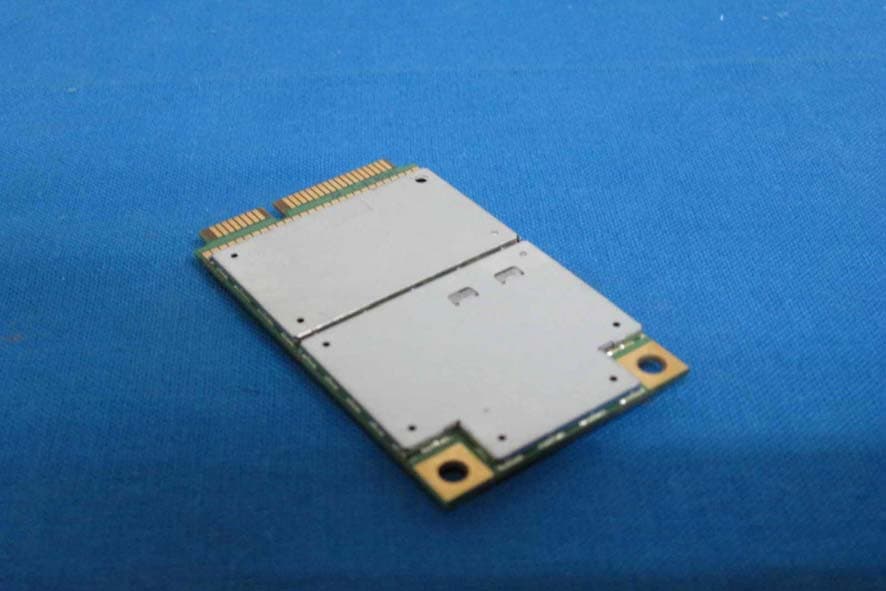
MAU050
Dec 02, 2012LTE Module
Equipment Class
PCB - PCS Licensed Transmitter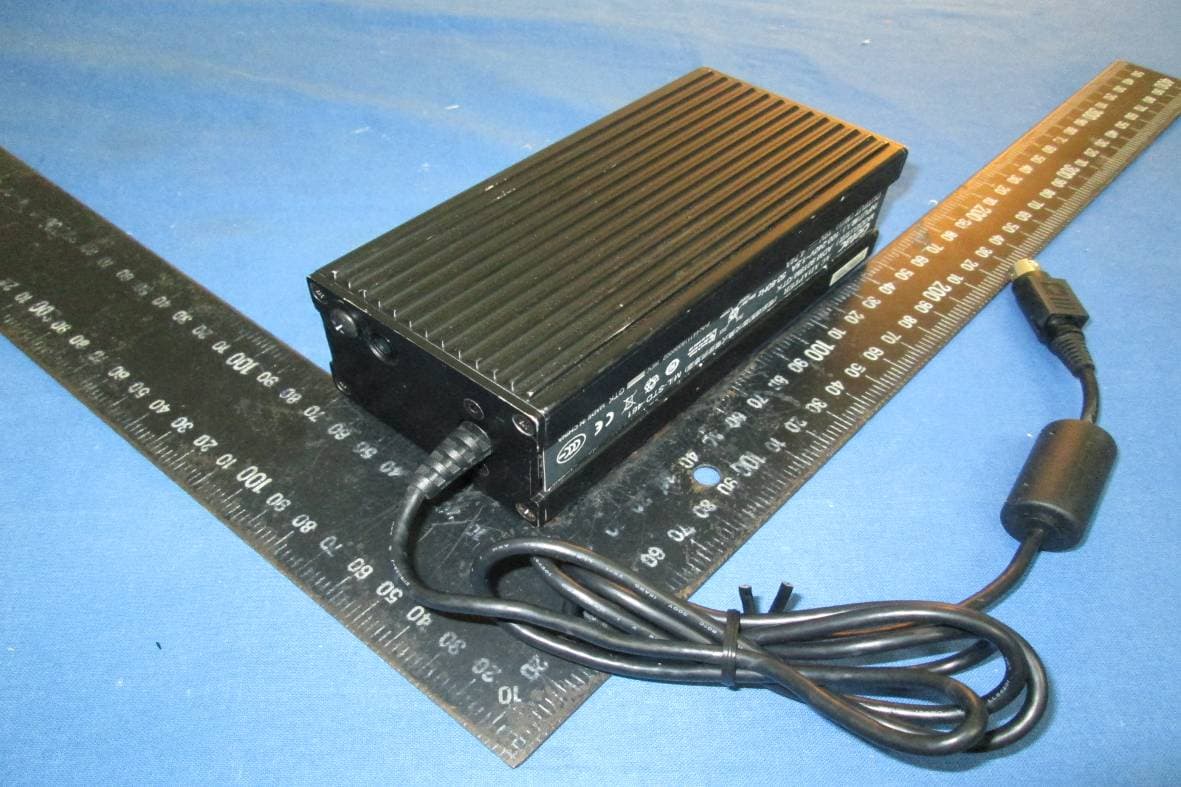
MAU048
Nov 04, 2012Notebook Computer
Equipment Class
NII - Unlicensed National Information Infrastructure TX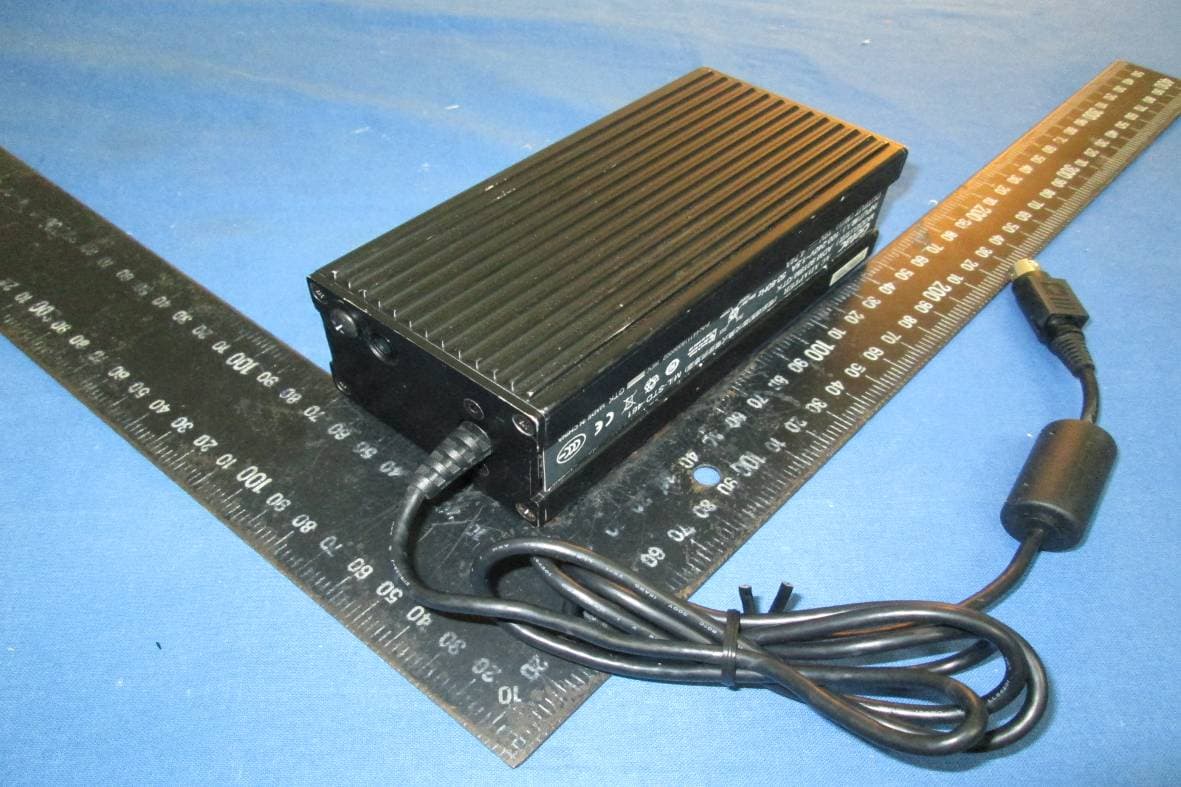
MAU049
Nov 04, 2012Notebook Computer
Equipment Class
DSS - Part 15 Spread Spectrum Transmitter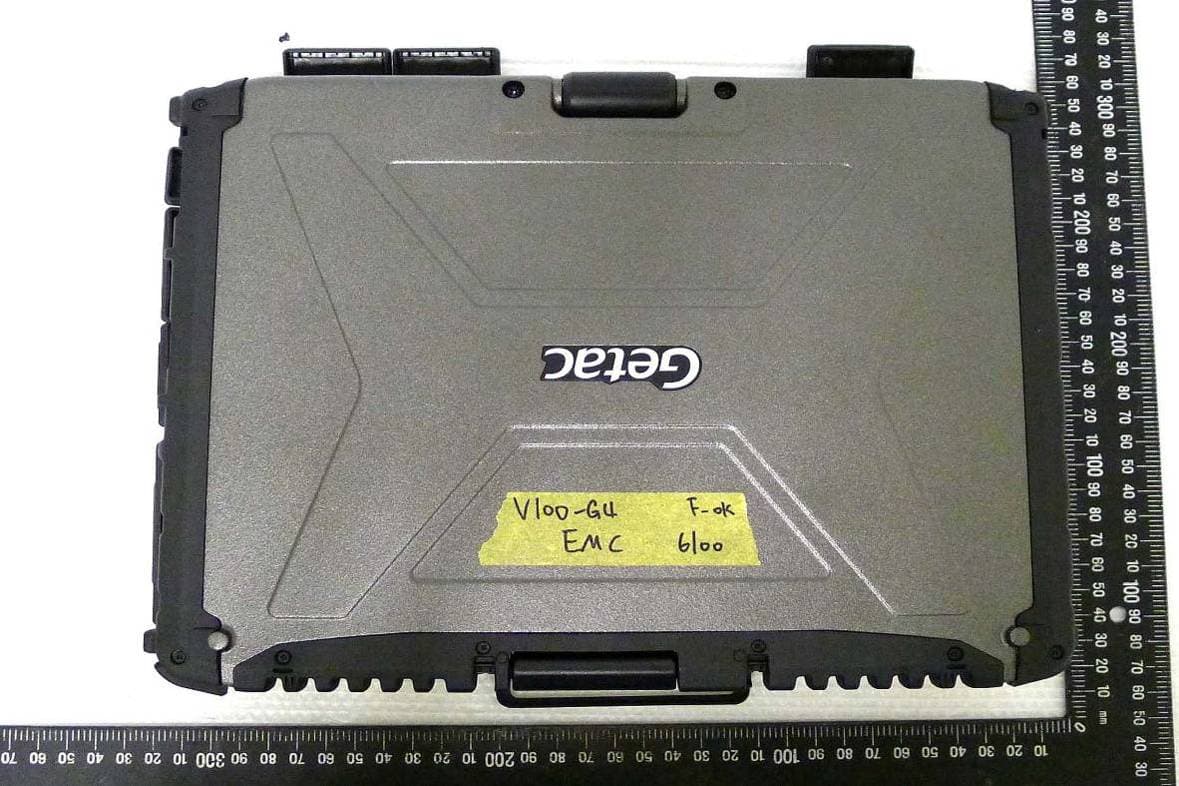
MAU046
Sep 05, 2012Wireless LAN Module
Equipment Class
DSS - Part 15 Spread Spectrum Transmitter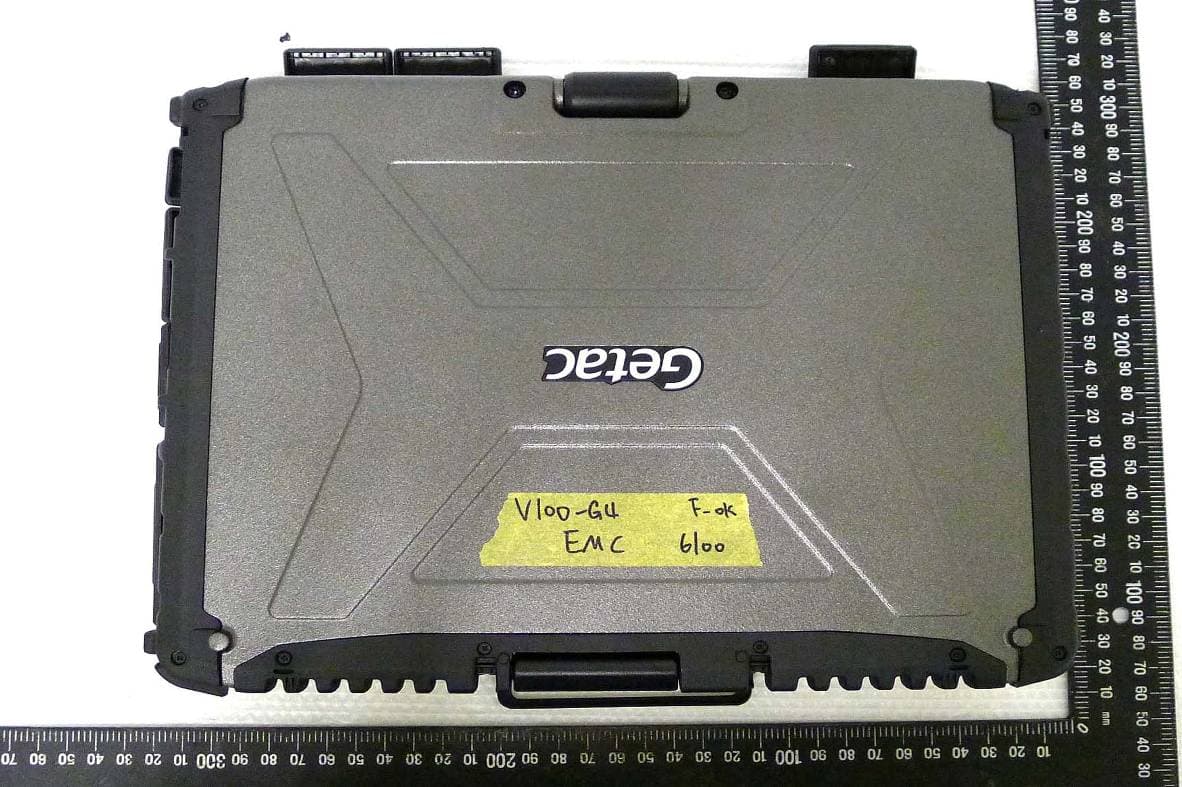
MAU047
Aug 29, 2012WWAN Module
Equipment Class
PCB - PCS Licensed Transmitter