NM80PCV220Smartphone
HTC Corporation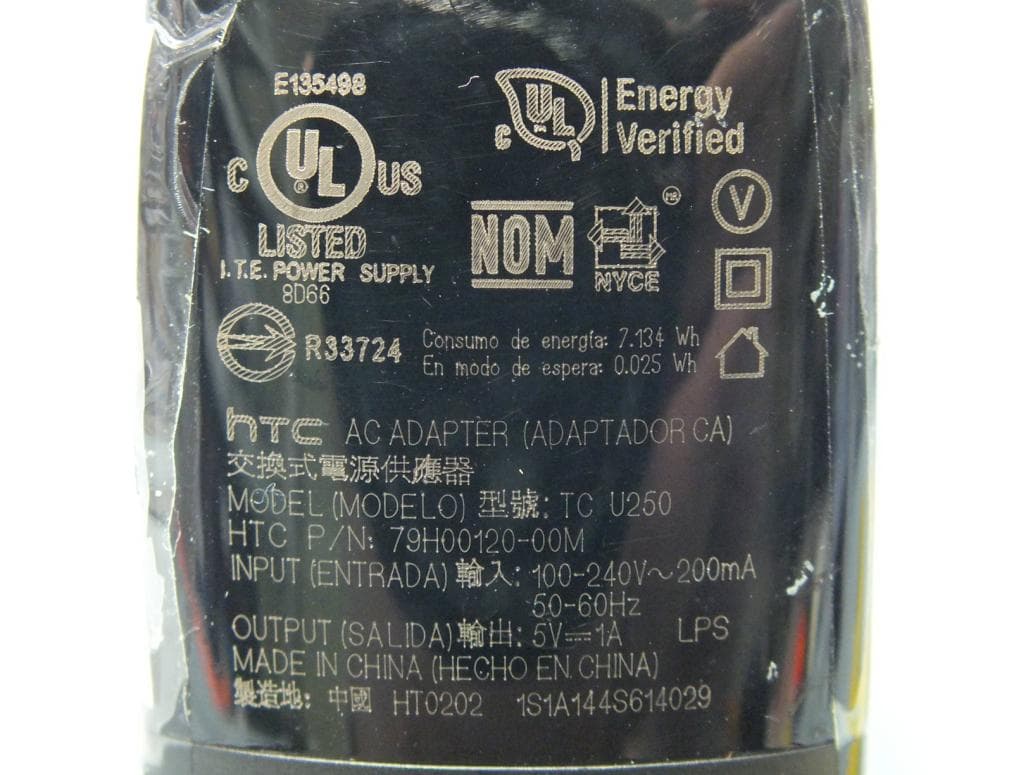
Click to zoom
Application Details
- Equipment Class
- DTS - Digital Transmission System
- Date of Grant
- Aug 24, 2014
- Application Purpose
- Original Equipment
- Date of Application
- Aug 11, 2014
- Equipment Note
- Smartphone
- Frequency Range
- 2412.00000000 - 2462.00000000
- Company
- HTC Corporation
- Country
- Taiwan
Documents & Files
Document Text
Text extracted from the exhibit documents filed with the FCC. Open a document above to read the original.
Users Manual
Safety and regulatory guide 2 Safety and regulatory guide Please read before proceeding THE BATTERY IS NOT FULLY CHARGED WHEN YOU TAKE THE DEVICE OUT OF THE BOX. Privacy restrictions Some countries require full disclosure of recorded telephone conversations. Important health information and safety precautions When using this product, the safety precautions below must be taken to avoid possible legal liabilities and damages. Retain and follow all product safety and operating instructions. Observe all warnings in the operating instructions on the product. To reduce the risk of bodily injury, electric shock, fire, and damage to the equipment, observe the following precautions. Electrical safety This product is intended for use when supplied with power from the designated battery or power supply unit. Other usage may be dangerous and will invalidate any approval given to this product. Safety precautions for proper grounding installation CAUTION: Connecting to improperly grounded equipment can result in an electric shock to your device. This product is equipped with a USB Cable for connecting with desktop or notebook computer. Be sure your computer is properly grounded (earthed) before connecting this product to the computer. The power supply cord of a desktop or notebook computer has an equipment-grounding conductor and a grounding plug. The plug must be plugged into an appropriate outlet which is properly installed and grounded in accordance with all local codes and ordinances. Safety precautions for power supply unit Use the correct external power source A product should be operated only from the type of power source indicated on the electrical ratings label. If you are not sure of the type of power source required, consult your authorized service provider or local power company. For a product that operates from battery power or other sources, refer to the operating instructions that are included with the product. Safety and regulatory guide 3 This product should be operated only with the following designated power supply unit(s). AC adapter: HTC, TC U250 Handle battery packs carefully This product contains a Lithium-ion polymer or Lithium-ion battery. There is a risk of fire and burns if the battery pack is handled improperly. WARNING: Danger of explosion if battery is incorrectly replaced. To reduce risk of fire or burns, do not disassemble, crush, puncture, short external contacts, expose to temperature above 60° C (140° F), or dispose of in fire or water. Replace only with specified batteries. Recycle or dispose of used batteries according to the local regulations or reference guide supplied with your product. NOTE: This product should be operated only with the following designated Battery Pack(s). HTC, Model BM65100 Take extra precautions Keep the battery or device dry and away from water or any liquid as it may cause a short circuit. Keep metal objects away so they don’t come in contact with the battery or its connectors as it may lead to short circuit during operation. The phone should only be connected to products that bear the USB-IF logo or have completed the USB-IF compliance program. Do not use a battery that appears damaged, deformed, or discolored, or the one that has any rust on its casing, overheats, or emits a foul odor. Always keep the battery out of the reach of babies and small children, to avoid swallowing of the battery. Consult the doctor immediately if the battery is swallowed. If the battery leaks: Do not allow the leaking fluid to come in contact with skin or clothing. If already in contact, flush the affected area 4 Safety and regulatory guide immediately with clean water and seek medical advice. Do not allow the leaking fluid to come in contact with eyes. If already in contact, DO NOT rub; rinse with clean water immediately and seek medical advice. Take extra precautions to keep a leaking battery away from fire as there is a danger of ignition or explosion. Safety precautions for direct sunlight Keep this product away from excessive moisture and extreme temperatures. Do not leave the product inside a vehicle or in places where the temperature may exceed 60°C (140°F), such as on a car dashboard, window sill, or behind glass that is exposed to direct sunlight or strong ultraviolet light for extended periods of time. This may damage the product, overheat the battery, or pose a risk to the vehicle. Prevention of hearing loss CAUTION: Permanent hearing loss may occur if earphones or headphones are used at high volume for prolonged periods of time. Safety in aircraft Due to the possible interference caused by this product to an aircraft’s navigation system and its communications network, using this device’s phone function on board an airplane is against the law in most countries. If you want to use this device when on board an aircraft, remember to turn off your phone by switching to Airplane Mode. Environment restrictions Do not use this product in gas stations, fuel depots, chemical plants or where blasting operations are in progress, or in potentially explosive atmospheres such as fuelling areas, fuel storehouses, below deck on boats, chemical plants, fuel or chemical transfer or storage facilities, and areas where the air contains chemicals or particles, such as grain, dust, or metal powders. Please be aware that sparks in such areas could cause an explosion or fire resulting in bodily injury or even death. When in any area with a potentially explosive atmosphere or where flammable materials exist, the product should be turned off and the user should obey all signs and instructions. Users are advised not to use the equipment at refueling points such as service or gas stations, and are reminded of the need to observe restrictions on the use of radio equipment in fuel depots, chemical Safety and regulatory guide 5 plants, or where blasting operations are in progress. Road safety Full attention must be given to driving at all times in order …
Text truncated - open the document above for the full version.
Users Manual
User guide For certification only For certification only For certification only For certification only Contents Unboxing HTC Desire 5109 Back cover10 micro SIM card11 Storage card12 Battery13 Switching the power on or off14 Want some quick guidance on your phone?15 Phone setup and transfer Setting up your new phone for the first time16 Restoring your backup from your online storage17 Transferring content from an Android phone18 Transferring content from an iPhone18 Transferring contacts from your old phone through Bluetooth19 Other ways of getting contacts and other content19 Transferring photos, videos, and music between your phone and computer20 Home screen20 Using Quick Settings20 Getting to know your settings21 Updating your phone's software22 Getting apps from Google Play23 Downloading apps from the web24 Uninstalling an app25 Your first week with your new phone About your phone26 Basics27 HTC BlinkFeed35 Notifications38 Working with text39 Battery43 HTC Guide47 Personalizing Making HTC Desire 510 truly yours48 Ringtones, notification sounds, and alarms48 Home wallpaper49 Launch bar49 Adding Home screen widgets49 2Contents For certification only For certification only For certification only For certification only Adding Home screen shortcuts50 Editing Home screen panels51 Changing your main Home screen52 Grouping apps on the widget panel and launch bar53 Arranging apps53 Lock screen55 Camera Camera basics56 Taking a photo58 Tips for capturing better photos58 Recording video58 Taking continuous camera shots59 Taking selfies60 Improving portrait shots60 Taking a panoramic photo60 Using HDR61 Recording videos in slow motion61 Saving your settings as a camera mode61 Gallery Viewing photos and videos in Gallery63 Viewing photos and videos organized by time63 Viewing photos and videos by album63 Viewing photos by location64 Editing your photos66 Trimming a video66 Saving a photo from a video67 Creating a Zoe in Gallery67 Phone calls Making a call with Smart dial69 Dialing an extension number69 Returning a missed call70 Speed dial70 Calling a number in a message, email, or calendar event71 Making an emergency call71 Receiving calls71 What can I do during a call?72 Setting up a conference call73 Call History73 Switching between silent, vibrate, and normal modes74 Home dialing74 Messages Sending a text message (SMS)75 Sending a multimedia message (MMS)75 Sending a group message76 Resuming a draft message76 Replying to a message76 Saving a text message as a task77 3Contents For certification only For certification only For certification only For certification only Forwarding a message77 Moving messages to the secure box77 Blocking unwanted messages78 Copying a text message to the micro SIM card79 Deleting messages and conversations79 Search and web browser Getting instant information with Google Now80 Searching HTC Desire 510 and the Web82 Browsing the Web83 Bookmarking a webpage85 Using your browsing history85 Clearing your browsing history85 Entertainment HTC Music87 YouTube91 FM Radio92 Wireless media93 Storage Phone storage94 Your files96 Google Drive97 Sync, backup, and reset Online sync102 Backup103 HTC Sync Manager108 Reset111 People Your contacts list113 Setting up your profile114 Adding a new contact114 Editing a contact’s information115 Getting in touch with a contact116 Importing or copying contacts116 Merging contact information117 Sending contact information118 Contact groups118 Private contacts119 Email Gmail121 Mail123 4Contents For certification only For certification only For certification only For certification only Calendar Viewing the Calendar128 Scheduling or editing an event129 Choosing which calendars to show129 Sharing an event130 Accepting or declining a meeting invitation130 Dismissing or snoozing event reminders131 Travel and maps Location settings132 Google Maps132 HTC Car134 Other apps Using the Clock136 Checking Weather137 Recording voice clips137 Keeping track of your tasks138 Kid Mode139 Internet connections Turning the data connection on or off140 Managing your data usage140 Wi-Fi142 Connecting to VPN143 Using HTC Desire 510 as a Wi-Fi hotspot145 Sharing your phone's Internet connection by USB tethering146 Wireless sharing Bluetooth147 HTC Mini+149 Settings and security Airplane mode151 Do not disturb mode151 Scheduling when to turn data connection off153 Automatic screen rotation153 Setting when to turn off the screen153 Screen brightness153 Changing the display font154 Touch sounds and vibration154 Changing the display language154 Accessibility settings155 Turning Magnification gestures on or off155 Installing a digital certificate155 Disabling an app156 Assigning a PIN to a micro SIM card156 Lock screen notifications156 Hiding the caller from the lock screen157 5Contents For certification only For certification only For certification only For certification only Setting a screen lock157 Setting up face unlock157 Bypassing the lock screen158 Navigating HTC Desire 510 with TalkBack158 Trademarks and copyrights Index 6Contents For certification only For certification only For certification only For certification only Conventions used in this guide In this user guide, we use the following symbols to indicate useful and important information: This is a note. A note often gives additional information, such as what happens when you choose to do or not to do a certain action. A note also provides information that may only be applicable to some situations. This is a tip. A tip gives you an alternative way to do a particular step or procedure, or lets you know of an option that you may find helpful. This indicates important information that you need in order to accomplish a certain task or to get a feature to work properly. This provides safety precaution information, that is, information that you need to be careful about to prevent potential problems. 7Conventions used in this guide For certification only For certification only For certification only For certificatio…
Text truncated - open the document above for the full version.
Cover Letter(s)
宏達國際電子股份有限公司 1F, 6-3 Baoqiang Road, HTC Corporation Xindian District, New Taipei City, Taiwan 231 Date: August 5, 2014 Power of Attorney To whom it may concern, Please be notified that I, Lucy Shih, have designated Daniel Lee of Bureau Veritas Consumer Products Services (H.K.) Ltd., Taoyuan Branch (BV CPS Taoyuan Branch) of Taiwan and Nolan Wang in HTC Corporation as the persons being responsible for this project and to sign the form 731 and other documentation. Any and all acts carried out by Daniel Lee of Bureau Veritas Consumer Products Services (H.K.) Ltd., Taoyuan Branch (BV CPS Taoyuan Branch) of Taiwan and Nolan Wang in HTC Corporation on the matters relating to all processes required in the FCC approval and any communication needed with the national authority, shall have the same legal authority as acts on our own behalf. As defined in 47 CFR Ch. 1.2002 (b), we further certify that neither the applicant nor any party to this application is subject to a denial to Federal benefits, including FCC benefits, pursuant to section 5301 of the Anti-Drug Abuse Act of 1998, 21 U.S.C. 835(a). This authorization is limited to the product of as following: FCC ID: NM80PCV220 If you have any acknowledgement and response, please send it to Daniel Lee of Bureau Veritas Consumer Products Services (H.K.) Ltd., Taoyuan Branch (BV CPS Taoyuan Branch) of Taiwan directly. Should you have any question or comment regarding this matter, please have my best attention. Sincerely yours, Lucy Shih HTC Corporation Fax: 886-2-8912-6307 Tel: 886-2-8912-4138 E-mail: [email protected]
Cover Letter(s)
Bureau Veritas Consumer Products Services (H.K.) Ltd., Taoyuan Branch 香港商立德國際商品試驗有限公司 香港商立德國際商品試驗有限公司香港商立德國際商品試驗有限公司 香港商立德國際商品試驗有限公司 桃園分公司 桃園分公司桃園分公司 桃園分公司 No. 19, Hwa Ya 2nd Rd., Wen Hwa Tsuen, Kwei Shan Hsiang, Taoyuan Hsien 33383, Taiwan TEL: 886-3-3183232 FAX: 886-3-3270892 http://www.adt.com.tw / E-mail: [email protected] Date: September 15, 2014 SUBJECT: Supersede for FCC ID: NM80PCV220, Granted Date: 08/25/2014 To Whom It May Concern: We, Bureau Veritas Consumer Products Services (H.K.) Ltd., Taoyuan Branch., would like to supersede Part 24 test report. The intention of this supersede is only to add the data for bandwidth 15MHz and 20MHz of LTE band 2 in the RF report. Except for the above-mentioned item, everything remains un-changed. The superseded document is listed as below: Original File name New File name Test Report (PCE-24).PDF Test Report (PCE-24) rev.1.PDF Should you have any question or comment regarding this matter, please do not hesitate to contact me. Sincerely yours, Daniel Lee / Vice President Bureau Veritas Consumer Products Services (H.K.) Ltd., Taoyuan Branch Tel: 886-3-318 3232 ext. 1857 Fax: 886-3-318 5050
External Photos
Page 1 CONSTRUCTION PHOTOS OF EUT The EUT has following accessories. Product Brand MODEL Description Adapter 1 Salcomp TC U250 I/P: 100-240Vac, 200mA O/P: 5Vdc, 1.0A Adapter 2 Phihong TC U250 I/P: 100-240Vac, 200mA O/P: 5Vdc, 1.0A Battery 1 LG BM65100 Rating: 3.8Vdc, 2100mAh Type: Li-ion Battery 2 SUNWODA BM65100 Rating: 3.8Vdc, 2100mAh Type: Li-ion Earphone 1 Merry HS S250 1m cable Earphone 2 Cotron HS S250 1.15m cable USB Cable 1 COXOC DC MSR600 1.0m cable USB Cable 2 Foxconn DC MSR600 1.0m cable USB Cable 3 Foxlink DC MSR600 1.0m cable Page 2 Page 3 Page 4 Page 5
Internal Photos
Page 6 Page 7 Page 8 Page 9 Page 10 Page 11 Page 12 Page 13 Page 14 Page 15 Page 16 Page 17
RF Exposure Info
FCC SAR Test Report Report Format Version 5.0.0 Issued Date : Jul. 25, 2014 Report No. : SA140616C01 Appendix A. SAR Plots of System Verification The plots for system verification with largest deviation for each SAR system combination are shown as follows. Test Laboratory: Bureau Veritas ADT SAR/HAC Testing Lab Date: 2014/07/13 System Check_H750_140713 DUT: Dipole 750 MHz; Type: D750V3; SN: 1013 Communication System: CW; Frequency: 750 MHz;Duty Cycle: 1:1 Medium: H07T08N2_0713 Medium parameters used: f = 750 MHz; σ = 0.912 S/m; ε r = 40.638; ρ = 1000 kg/m 3 Ambient Temperature:22.5°C; Liquid Temperature:21.5°C DASY5 Configuration: - Probe: EX3DV4 - SN3578; ConvF(8.95, 8.95, 8.95); Calibrated: 2014/06/24; - Sensor-Surface: 2mm (Mechanical Surface Detection) - Electronics: DAE3 Sn579; Calibrated: 2014/04/23 - Phantom: SAM Phantom_Front; Type: SAM V4.0; Serial: TP 1485 - Measurement SW: DASY52, Version 52.8 (8); SEMCAD X Version 14.6.10 (7331) Pin=250mW/Area Scan (61x81x1): Interpolated grid: dx=1.500 mm, dy=1.500 mm Maximum value of SAR (interpolated) = 2.57 W/kg Pin=250mW/Zoom Scan (5x5x7)/Cube 0: Measurement grid: dx=8mm, dy=8mm, dz=5mm Reference Value = 54.44 V/m; Power Drift = -0.02 dB Peak SAR (extrapolated) = 2.99 W/kg SAR(1 g) = 2.04 W/kg; SAR(10 g) = 1.36 W/kg Maximum value of SAR (measured) = 2.57 W/kg Test Laboratory: Bureau Veritas ADT SAR/HAC Testing Lab Date: 2014/07/13 System Check_H835_140713 DUT: Dipole 835 MHz; Type: D835V2; SN: 4d121 Communication System: CW; Frequency: 835 MHz;Duty Cycle: 1:1 Medium: H08T09N2_0713 Medium parameters used: f = 835 MHz; σ = 0.922 S/m; ε r = 41.793; ρ = 1000 kg/m 3 Ambient Temperature:22.1°C; Liquid Temperature:21.6°C DASY5 Configuration: - Probe: EX3DV4 - SN3578; ConvF(8.59, 8.59, 8.59); Calibrated: 2014/06/24; - Sensor-Surface: 2mm (Mechanical Surface Detection) - Electronics: DAE3 Sn579; Calibrated: 2014/04/23 - Phantom: SAM Phantom_Front; Type: SAM V4.0; Serial: TP 1485 - Measurement SW: DASY52, Version 52.8 (8); SEMCAD X Version 14.6.10 (7331) Pin=250mW/Area Scan (61x81x1): Interpolated grid: dx=1.500 mm, dy=1.500 mm Maximum value of SAR (interpolated) = 3.01 W/kg Pin=250mW/Zoom Scan (5x5x7)/Cube 0: Measurement grid: dx=8mm, dy=8mm, dz=5mm Reference Value = 58.24 V/m; Power Drift = -0.02 dB Peak SAR (extrapolated) = 3.55 W/kg SAR(1 g) = 2.35 W/kg; SAR(10 g) = 1.54 W/kg Maximum value of SAR (measured) = 3.01 W/kg Test Laboratory: Bureau Veritas ADT SAR/HAC Testing Lab Date: 2014/07/12 System Check_H1750_140712 DUT: Dipole 1750 MHz; Type: D1750V2; SN: 1055 Communication System: CW; Frequency: 1750 MHz;Duty Cycle: 1:1 Medium: H17T18N2_0712 Medium parameters used: f = 1750 MHz; σ = 1.374 S/m; ε r = 40.859; ρ = 1000 kg/m 3 Ambient Temperature:22.1°C; Liquid Temperature:21.6°C DASY5 Configuration: - Probe: EX3DV4 - SN3578; ConvF(7.71, 7.71, 7.71); Calibrated: 2014/06/24; - Sensor-Surface: 2mm (Mechanical Surface Detection) - Electronics: DAE3 Sn579; Calibrated: 2014/04/23 - Phantom: SAM Phantom_Front; Type: SAM V4.0; Serial: TP 1485 - Measurement SW: DASY52, Version 52.8 (8); SEMCAD X Version 14.6.10 (7331) Pin=250mW/Area Scan (61x61x1): Interpolated grid: dx=1.500 mm, dy=1.500 mm Maximum value of SAR (interpolated) = 12.8 W/kg Pin=250mW/Zoom Scan (5x5x7)/Cube 0: Measurement grid: dx=8mm, dy=8mm, dz=5mm Reference Value = 96.05 V/m; Power Drift = -0.03 dB Peak SAR (extrapolated) = 15.5 W/kg SAR(1 g) = 8.57 W/kg; SAR(10 g) = 4.55 W/kg Maximum value of SAR (measured) = 12.2 W/kg Test Laboratory: Bureau Veritas ADT SAR/HAC Testing Lab Date: 2014/07/12 System Check_H1900_140712 DUT: Dipole 1900 MHz; Type: D1900V2; SN: 5d036 Communication System: CW; Frequency: 1900 MHz;Duty Cycle: 1:1 Medium: H18T19N2_0712 Medium parameters used: f = 1900 MHz; σ = 1.442 S/m; ε r = 39.194; ρ = 1000 kg/m 3 Ambient Temperature:22.1°C; Liquid Temperature:21.6°C DASY5 Configuration: - Probe: EX3DV4 - SN3578; ConvF(7.35, 7.35, 7.35); Calibrated: 2014/06/24; - Sensor-Surface: 2mm (Mechanical Surface Detection) - Electronics: DAE3 Sn579; Calibrated: 2014/04/23 - Phantom: SAM Phantom_Front; Type: SAM V4.0; Serial: TP 1485 - Measurement SW: DASY52, Version 52.8 (8); SEMCAD X Version 14.6.10 (7331) Pin=250mW/Area Scan (61x61x1): Interpolated grid: dx=1.500 mm, dy=1.500 mm Maximum value of SAR (interpolated) = 13.6 W/kg Pin=250mW/Zoom Scan (5x5x7)/Cube 0: Measurement grid: dx=8mm, dy=8mm, dz=5mm Reference Value = 98.68 V/m; Power Drift = 0.15 dB Peak SAR (extrapolated) = 18.5 W/kg SAR(1 g) = 9.62 W/kg; SAR(10 g) = 4.85 W/kg Maximum value of SAR (measured) = 14.1 W/kg Test Laboratory: Bureau Veritas ADT SAR/HAC Testing Lab Date: 2014/07/01 System Check_H2450_140701 DUT: Dipole 2450 MHz; Type: D2450V2; SN: 737 Communication System: CW; Frequency: 2450 MHz;Duty Cycle: 1:1 Medium: H24T25N1_0701 Medium parameters used: f = 2450 MHz; σ = 1.854 S/m; ε r = 38.574; ρ = 1000 kg/m 3 Ambient Temperature:21.7°C; Liquid Temperature:21.1°C DASY5 Configuration: - Probe: EX3DV4 - SN3590; ConvF(7.95, 7.95, 7.95); Calibrated: 2014/03/04; - Sensor-Surface: 2mm (Mechanical Surface Detection) - Electronics: DAE3 Sn579; Calibrated: 2014/04/23 - Phantom: SAM Phantom_Front; Type: SAM V4.0; Serial: TP 1485 - Measurement SW: DASY52, Version 52.8 (8); SEMCAD X Version 14.6.10 (7331) Pin=250mW/Area Scan (81x81x1): Interpolated grid: dx=1.200 mm, dy=1.200 mm Maximum value of SAR (interpolated) = 20.4 W/kg Pin=250mW/Zoom Scan (7x7x7)/Cube 0: Measurement grid: dx=5mm, dy=5mm, dz=5mm Reference Value = 105.9 V/m; Power Drift = -0.01 dB Peak SAR (extrapolated) = 28.3 W/kg SAR(1 g) = 13 W/kg; SAR(10 g) = 5.89 W/kg Maximum value of SAR (measured) = 20.4 W/kg Test Laboratory: Bureau Veritas ADT SAR/HAC Testing Lab Date: 2014/07/06 System Check_H2600_140706 DUT: Dipole 2600 MHz; Type: D2600V2; SN: 1020 Communication System: CW; Frequency: 2600 MHz;Duty Cycle: 1:1 Medium: H25T26N1_0706 Medium parameters used: f = 2600 MHz; σ = 2.047 S/m; ε r = 37.736; ρ = 1000 kg/m 3 Ambient Temperature:22.1 °C; Liquid Temperature:…
Text truncated - open the document above for the full version.
RF Exposure Info
FCC SAR Test Report Report Format Version 5.0.0 Issued Date : Jul. 25, 2014 Report No. : SA140616C01 Appendix B. SAR Plots of SAR Measurement The SAR plots for highest measured SAR in each exposure configuration, wireless mode and frequency band combination, and measured SAR > 1.5 W/kg are shown as follows. Test Laboratory: Bureau Veritas ADT SAR/HAC Testing Lab Date: 2014/07/13 P01 GSM850_GPRS11_Left Cheek_Ch128_Battery1 DUT: 140616C02 Communication System: GPRS11; Frequency: 824.2 MHz;Duty Cycle: 1:2.67 Medium: H08T09N2_0713 Medium parameters used: f = 824.2 MHz; σ = 0.91 S/m; ε r = 41.937; ρ = 1000 kg/m 3 Ambient Temperature:22.1°C; Liquid Temperature:21.6°C DASY5 Configuration: - Probe: EX3DV4 - SN3578; ConvF(8.59, 8.59, 8.59); Calibrated: 2014/06/24; - Sensor-Surface: 2mm (Mechanical Surface Detection) - Electronics: DAE3 Sn579; Calibrated: 2014/04/23 - Phantom: SAM Phantom_Front; Type: SAM V4.0; Serial: TP 1485 - Measurement SW: DASY52, Version 52.8 (8); SEMCAD X Version 14.6.10 (7331) - Area Scan (61x101x1): Interpolated grid: dx=1.500 mm, dy=1.500 mm Maximum value of SAR (interpolated) = 0.260 W/kg - Zoom Scan (5x5x7)/Cube 0: Measurement grid: dx=8mm, dy=8mm, dz=5mm Reference Value = 5.434 V/m; Power Drift = -0.17 dB Peak SAR (extrapolated) = 0.277 W/kg SAR(1 g) = 0.266 W/kg; SAR(10 g) = 0.217 W/kg Maximum value of SAR (measured) = 0.255 W/kg Test Laboratory: Bureau Veritas ADT SAR/HAC Testing Lab Date: 2014/07/12 P02 GSM1900_GPRS11_Left Cheek_ Ch810_Battery1 DUT: 140616C02 Communication System: GPRS11; Frequency: 1909.8 MHz;Duty Cycle: 1:2.67 Medium: H18T19N2_0712 Medium parameters used: f = 1910 MHz; σ = 1.453 S/m; ε r = 39.154; ρ = 1000 kg/m 3 Ambient Temperature:22.1°C; Liquid Temperature:21.6°C DASY5 Configuration: - Probe: EX3DV4 - SN3578; ConvF(7.35, 7.35, 7.35); Calibrated: 2014/06/24; - Sensor-Surface: 2mm (Mechanical Surface Detection) - Electronics: DAE3 Sn579; Calibrated: 2014/04/23 - Phantom: SAM Phantom_Front; Type: SAM V4.0; Serial: TP 1485 - Measurement SW: DASY52, Version 52.8 (8); SEMCAD X Version 14.6.10 (7331) - Area Scan (61x101x1): Interpolated grid: dx=1.500 mm, dy=1.500 mm Maximum value of SAR (interpolated) = 0.436 W/kg - Zoom Scan (5x5x7)/Cube 0: Measurement grid: dx=8mm, dy=8mm, dz=5mm Reference Value = 6.962 V/m; Power Drift = 0.05 dB Peak SAR (extrapolated) = 0.492 W/kg SAR(1 g) = 0.309 W/kg; SAR(10 g) = 0.188 W/kg Maximum value of SAR (measured) = 0.401 W/kg Test Laboratory: Bureau Veritas ADT SAR/HAC Testing Lab Date: 2014/07/12 P03 WCDMA II_RMC12.2K_Left Cheek_Ch9538_Battery 1 DUT: 140616C02 Communication System: WCDMA; Frequency: 1907.6 MHz;Duty Cycle: 1:1 Medium: H18T19N2_0712 Medium parameters used: f = 1908 MHz; σ = 1.45 S/m; ε r = 39.163; ρ = 1000 kg/m 3 Ambient Temperature:22.1°C; Liquid Temperature:21.6°C DASY5 Configuration: - Probe: EX3DV4 - SN3578; ConvF(7.35, 7.35, 7.35); Calibrated: 2014/06/24; - Sensor-Surface: 2mm (Mechanical Surface Detection) - Electronics: DAE3 Sn579; Calibrated: 2014/04/23 - Phantom: SAM Phantom_Front; Type: SAM V4.0; Serial: TP 1485 - Measurement SW: DASY52, Version 52.8 (8); SEMCAD X Version 14.6.10 (7331) - Area Scan (61x101x1): Interpolated grid: dx=1.500 mm, dy=1.500 mm Maximum value of SAR (interpolated) = 0.423 W/kg - Zoom Scan (5x5x7)/Cube 0: Measurement grid: dx=8mm, dy=8mm, dz=5mm Reference Value = 7.516 V/m; Power Drift = -0.09 dB Peak SAR (extrapolated) = 0.474 W/kg SAR(1 g) = 0.304 W/kg; SAR(10 g) = 0.187 W/kg Maximum value of SAR (measured) = 0.391 W/kg Test Laboratory: Bureau Veritas ADT SAR/HAC Testing Lab Date: 2014/07/12 P04 WCDMA IV_RMC1 2.2K_Left Cheek_Ch1312_Battery1 DUT: 140616C02 Communication System: WCDMA; Frequency: 1712.4 MHz;Duty Cycle: 1:1 Medium: H17T18N2_0712 Medium parameters used: f = 1712.4 MHz; σ = 1.335 S/m; ε r = 41.013; ρ = 1000 kg/m 3 Ambient Temperature:22.1°C; Liquid Temperature:21.6°C DASY5 Configuration: - Probe: EX3DV4 - SN3578; ConvF(7.71, 7.71, 7.71); Calibrated: 2014/06/24; - Sensor-Surface: 2mm (Mechanical Surface Detection) - Electronics: DAE3 Sn579; Calibrated: 2014/04/23 - Phantom: SAM Phantom_Front; Type: SAM V4.0; Serial: TP 1485 - Measurement SW: DASY52, Version 52.8 (8); SEMCAD X Version 14.6.10 (7331) - Area Scan (61x101x1): Interpolated grid: dx=1.500 mm, dy=1.500 mm Maximum value of SAR (interpolated) = 0.216 W/kg - Zoom Scan (5x5x7)/Cube 0: Measurement grid: dx=8mm, dy=8mm, dz=5mm Reference Value = 4.454 V/m; Power Drift = -0.01 dB Peak SAR (extrapolated) = 0.253 W/kg SAR(1 g) = 0.170 W/kg; SAR(10 g) = 0.109 W/kg Maximum value of SAR (measured) = 0.214 W/kg Test Laboratory: Bureau Veritas ADT SAR/HAC Testing Lab Date: 2014/07/13 P05 WCDMA V_RMC12.2K_ Right Cheek_Ch4132_Battery1 DUT: 140616C02 Communication System: WCDMA; Frequency: 826.4 MHz;Duty Cycle: 1:1 Medium: H08T09N2_0713 Medium parameters used: f = 826.4 MHz; σ = 0.913 S/m; ε r = 41.908; ρ = 1000 kg/m 3 Ambient Temperature:22.1°C; Liquid Temperature:21.6°C DASY5 Configuration: - Probe: EX3DV4 - SN3578; ConvF(8.59, 8.59, 8.59); Calibrated: 2014/06/24; - Sensor-Surface: 2mm (Mechanical Surface Detection) - Electronics: DAE3 Sn579; Calibrated: 2014/04/23 - Phantom: SAM Phantom_Front; Type: SAM V4.0; Serial: TP 1485 - Measurement SW: DASY52, Version 52.8 (8); SEMCAD X Version 14.6.10 (7331) - Area Scan (61x101x1): Interpolated grid: dx=1.500 mm, dy=1.500 mm Maximum value of SAR (interpolated) = 0.365 W/kg - Zoom Scan (5x5x7)/Cube 0: Measurement grid: dx=8mm, dy=8mm, dz=5mm Reference Value = 3.535 V/m; Power Drift = -0.16 dB Peak SAR (extrapolated) = 0.387 W/kg SAR(1 g) = 0.300 W/kg; SAR(10 g) = 0.225 W/kg Maximum value of SAR (measured) = 0.343 W/kg Test Laboratory: Bureau Veritas ADT SAR/HAC Testing Lab Date: 2014/07/12 P06 LTE 2_QPSK2 0M_Left Cheek_Ch18900_Battery1_1RB_OS0 DUT: 140616C02 Communication System: LTE; Frequency: 1880 MHz;Duty Cycle: 1:1 Medium: H18T19N2_0712 Medium parameters used: f = 1880 MHz; σ = 1.419 S/m; ε r = 39.276; ρ = 1000 kg/m 3 Ambient Temperature:22.1°C; Liquid Temperature:2…
Text truncated - open the document above for the full version.
RF Exposure Info
FCC SAR Test Report Report Format Version 5.0.0 Issued Date : Jul. 25, 2014 Report No. : SA140616C01 Appendix C. Calibration Certificate for Probe and Dipole The SPEAG calibration certificates are shown as follows. Annual Confirmation of SAR Reference Dipole Model: D750V3 S/N : 1013 Measured Date : Apr. 24, 2014 Frequency (MHz) Type Item Previous Measurement Annual Check Deviation Accepted Tolerance Note 750 Head TSL Return Loss -29.272 -30.125 2.9 % ±20 % PASS Real Impedance 53.498 52.443 -1.055 ±5 Ω PASS Imaginary Impedance -0.66211 -1.9648 -1.30269 ±5 Ω PASS 750 Body TSL Return Loss -30.343 -29.365 -3.2 % ±20 % PASS Real Impedance 48.809 48.898 0.089 ±5 Ω PASS Imaginary Impedance -2.7578 -3.4515 -0.6937 ±5 Ω PASS 750 MHz, Head TSL 750 MHz, Body TSL Annual Confirmation of SAR Reference Dipole Model: D835V2 S/N : 4d121 Measured Date : Apr. 24, 2014 Frequency (MHz) Type Item Previous Measurement Annual Check Deviation Accepted Tolerance Note 835 Head TSL Return Loss -30.231 -29.447 -2.6 % ±20 % PASS Real Impedance 52.387 49.407 -2.98 ±5 Ω PASS Imaginary Impedance -2.0566 -3.3194 -1.2628 ±5 Ω PASS 835 Body TSL Return Loss -26.57 -25.576 -3.7 % ±20 % PASS Real Impedance 47.438 46.948 -0.49 ±5 Ω PASS Imaginary Impedance -3.791 -4.0984 -0.3074 ±5 Ω PASS 835 MHz, Head TSL 835 MHz, Body TSL Annual Confirmation of SAR Reference Dipole Model: D1900V2 S/N : 5d036 Measured Date : Jan. 20, 2014 Frequency (MHz) Type Item Previous Measurement Annual Check Deviation Accepted Tolerance Note 1900 Head TSL Return Loss -25.996 -25.844 -0.6 % ±20 % PASS Real Impedance 51.111 51.555 0.444 ±5 Ω PASS Imaginary Impedance 4.957 5.0363 0.0793 ±5 Ω PASS 1900 Body TSL Return Loss -24.508 -24.067 -1.8 % ±20 % PASS Real Impedance 47.498 46.556 -0.942 ±5 Ω PASS Imaginary Impedance 5.2422 4.9878 -0.2544 ±5 Ω PASS 1900 MHz, Head TSL 1900 MHz, Body TSL Annual Confirmation of SAR Reference Dipole Model: D2450V2 S/N : 737 Measured Date : Jan. 20, 2014 Frequency (MHz) Type Item Previous Measurement Annual Check Deviation Accepted Tolerance Note 2450 Head TSL Return Loss -26.268 -26.418 0.6 % ±20 % PASS Real Impedance 53.387 52.787 -0.6 ±5 Ω PASS Imaginary Impedance 3.7109 4.0722 0.3613 ±5 Ω PASS 2450 Body TSL Return Loss -25.479 -24.458 -4.0 % ±20 % PASS Real Impedance 50.123 49.055 -1.068 ±5 Ω PASS Imaginary Impedance 5.334 5.8881 0.5541 ±5 Ω PASS 2450 MHz, Head TSL 2450 MHz, Body TSL
RF Exposure Info
FCC SAR Test Report Report Format Version 5.0.0 Page No. : 1 of 48 Report No. : SA140616C01 Issued Date : Jul. 25, 2014 FCC SAR Test Report Report No. : SA140616C01 Applicant : HTC Corporation Address : 1F…
Text truncated - open the document above for the full version.
Contact Information
Applicant
Sylvia Shen
Test Firm
Bureau Veritas CPS (H.K.) Ltd., Taoyuan BranchRichard Chen
Technical Specifications
| # | Rule Parts | Frequency Range | Power Output |
|---|---|---|---|
| 2 | 15C | 2.41 GHz - 2.46 GHz | 189.00 mW |
Other Applications from HTC Corporation
NM82QDJ100
Dec 31, 2025VIVE Headset
Equipment Class
DSS - Part 15 Spread Spectrum TransmitterNM82QD4100
Sep 01, 2024Headset
Equipment Class
6XD - 15E 6 GHz Low Power Indoor Client
NM82QBP100
May 10, 2023Tracker
Equipment Class
DTS - Digital Transmission System
NM82QCD100
May 07, 2023Dongle
Equipment Class
DTS - Digital Transmission System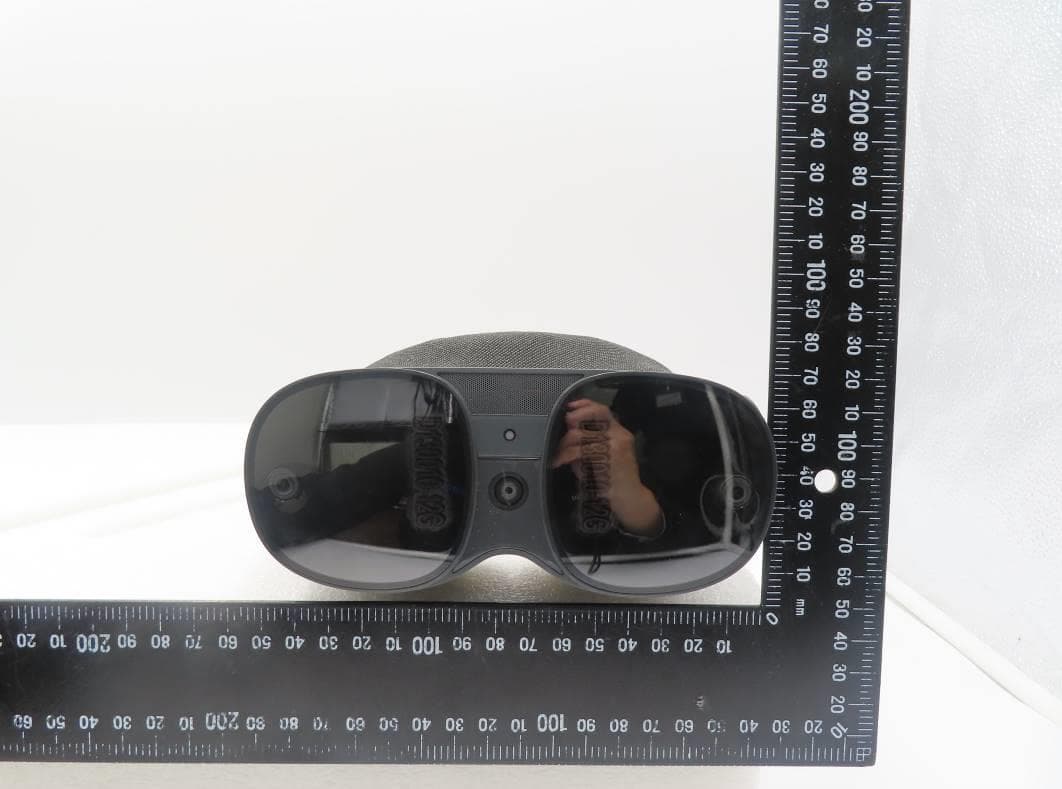
NM82QBB100
Jan 08, 2023Headset
Equipment Class
DTS - Digital Transmission System