NM8CBPocket PC With Bluetooth and WLAN
HTC Corporation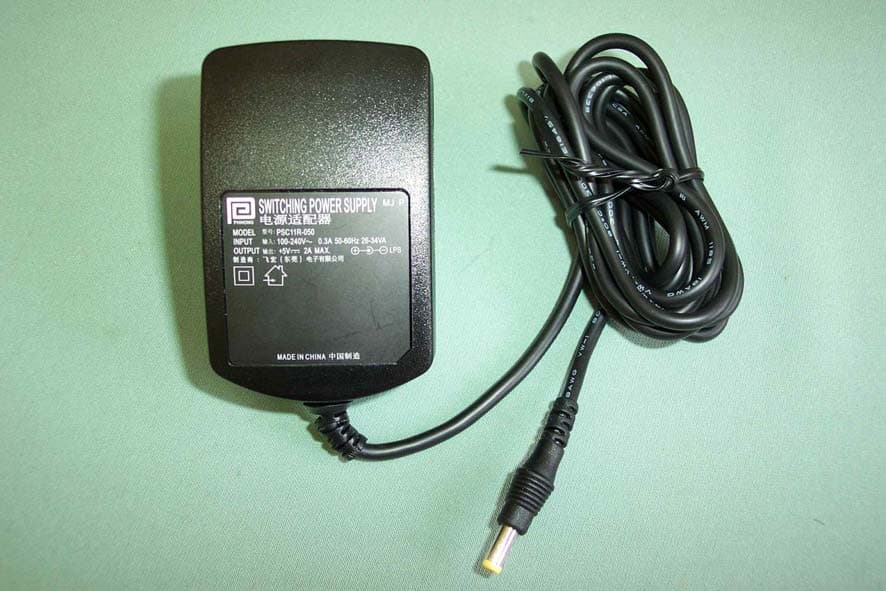
Click to zoom
Application Details
- Equipment Class
- DTS - Digital Transmission System
- Date of Grant
- Apr 25, 2004
- Application Purpose
- Original Equipment
- Date of Application
- Apr 25, 2004
- Equipment Note
- Pocket PC With Bluetooth and WLAN
- Frequency Range
- 2412.00000000 - 2462.00000000
- Company
- HTC Corporation
- Country
- Taiwan
Documents & Files
Document Text
Text extracted from the exhibit documents filed with the FCC. Open a document above to read the original.
Users Manual
EasyGuide Pocket LOOX 400 Series English answers 2 Are there ... ... any technical problems or other questions which you would like to be clarified? Please contact: • your sales partner • your sales outlet Further information can be found in the "Safety and Ergonomics" and "Warranty" manuals. The latest information on our products, tips, updates, etc., can be found on the internet under: http://www.fujitsu-siemens.com Distributed by Fujitsu Siemens Computers GmbH Order No.: A26391-K150-Z120-1-7619 AG 0304 03/04 Pocket LOOX 400 Series Introduction Information before you start Software overview Operating the Pocket PC FSC SpeedMenu - quickly operating Pocket PC Configuring the Pocket PC Connecting and networking the Pocket PC with other devices Troubleshooting and tips Technical data Index March 2004 edition Adobe and Acrobat are trademarks of Adobe systems Incorporated and may be protected in certain countries. Intel is a registered trademark, XScale is trademark of Intel Corporation, U.S.A. Microsoft, Windows and ActiveSync are registered trademarks of the Microsoft Corporation. Windows Mobile is a trademark of Microsoft Corporation. The SD Logo is a trademark of Secure Digital. The Bluetooth trademarks are the property of Bluetooth SIG, Inc., U.S.A. licensed for Fujitsu Siemens Computers GmbH. All other trademarks referenced are trademarks or registered trademarks of their respective owners, whose protected rights are acknowledged. Copyright Fujitsu Siemens Computers GmbH 2004 All rights, including rights of translation, reproduction by printing, copying or similar methods, in part or in whole, are reserved. Offenders will be liable for damages. All rights, including rights created by patent grant or registration of a utility model or design, are reserved. Delivery subject to availability. Right of technical modification reserved. A26391-K150-Z120-2-7619 Contents Your Pocket LOOX...........................................................................................................................1 Information before you start ...........................................................................................................3 To make things clear .........................................................................................................................3 Important notes .................................................................................................................................4 Safety notes...............................................................................................................................4 Energy saving ............................................................................................................................5 Disposal and recycling ...............................................................................................................5 CE marking................................................................................................................................6 European Union Notice..............................................................................................................6 Battery storage ..........................................................................................................................8 Cleaning Pocket PC...................................................................................................................8 Software overview ...........................................................................................................................9 Operating the Pocket PC...............................................................................................................11 Overview of operating elements and connections............................................................................12 Initial start-up...................................................................................................................................13 Inserting battery .......................................................................................................................14 Connecting PSC11R-050 power adapter .................................................................................15 Installing ActiveSync on your PC/notebook..............................................................................16 First data synchronisation between the Pocket PC and the PC/notebook ................................17 Starting Pocket PC the first time ..............................................................................................18 Switching Pocket PC off and on.......................................................................................................19 Switching Pocket PC off and on during normal use .................................................................19 Switching on and off with soft reset (warm boot)......................................................................20 Resetting Pocket PC to delivered state....................................................................................21 Using standard operating elements .................................................................................................22 Using the pen ..........................................................................................................................22 Using navigation key................................................................................................................22 Using the application buttons ...................................................................................................23 Switching display lighting off and on ................................................................................................23 Make sound recordings ...................................................................................................................24 Inserting and removing memory cards...........................................…
Text truncated - open the document above for the full version.
Cover Letter(s)
Mike Kuo From: [email protected] Sent: April2 6 2004 To: Mike Kuo Cc: Lai, Harris (E-mail); Scott Wang; CCS-Taiwan, Ting (E-mail) Subject: FW: High Tech Computer Corp., FCC ID:NM8CB, AN04T3855 4/26/2004 Hi Mike, Here are the responses. Your Question Your reply to Question #1 is not clear. The applicant has not confirmed that will they market PDA with WLAN . Our Reply Attached is a declaration letter, confirming the configuration of PDA with WLAN only will not be marketed. Your Question Your reply to Question #4 and #6 is not clear. Based upon technical description submitted, WLAN and Bluetooth CAN transmit simultaneously as described in section 4 of technical description. Please explain. Our Reply After confirming with the manufacturer, simultaneous tranmission of WLAN and Bluetooth does happen although the interference is actually reduced. Co-location-specific tests with both WLAN and Bluetooth being turned on are performed and their test results are included in the revised test reports - two RF reports and one SAR report. Thank you for your supports. Best Rgds, WK Hi Ting and W.K.: Mike Kuo <[email protected]> 2004/04/25 07:47 AM "CCS-Taiwan, Ting (E-mail)" <[email protected]>, "CCS-Taiwan, Wklo (E-mail)" <[email protected]> "Lai, Harris (E-mail)" <[email protected]>, Scott Wang <[email protected]> Your reply to Question #1 is not clear. The applicant has not confirmed that will they market PDA with WLAN . Your reply to Question #4 and #6 is not clear. Based upon technical description submitted, WLAN and Bluetooth CAN transmit simultaneously as described in section 4 of technical description. Please explain. Best Regards Mike Kuo -----Original Message----- From: Sent: None Subject: Hi Mike, Question #1: This device is portable device which consists of Bluetooth and WLAN transmitters. Two separate test reports are submitted under one FCC ID number and intend to be certified under one radio category ( Digital Transmission System - DTS ). Please confirm the following : A. The proposed FCC ID:NM8CB is only applicable for PDA with Bluetooth and WLAN radio installed. Since the applicant has filed another application for PDA with Bluetooth only under FCC ID:NM8CBBT / AN04T3857. PDA with Bluetooth function will be reviewed separately. Based upon description in the page 49 of user manual, this PDA can be sold as PDA with Bluetooth or PDA with WLAN. Based upon FCC policy, the applicant must be informed the following FCC rules and regulations: PDA with Bluetooth and WLAN installed : FCC ID:NM8CB PDA with Bluetooth only : FCC ID:NM8CBBT PDA with WLAN only : not certified. If the applicant would like to label FCC ID :NM8CB, then BT portion of components can not be depopulated and can only be disabled via firmware by the applicant. Ans #1: The device is to be marketed with BT and/or WLAN. WLAN is optional and will be removed if the end user does not order one. The wordings on Page 49 have been revised to stress that WLAN is optional. Please refere to the attached user manual. Question #2: Please provide a clear copy of FCC ID label format. Ans #2: The clear copy FCC ID label fomat is attached, please refer to it. Question #3: PDA is this application is considered as portable device with handheld operation only due the size of PDA and functions described in the user manual. Please remove section 7.7 of test report use MPE estimate to justify RF exposure compliance. During the previous TCB review, I have pointed out many times that do not use MPE estimate to justify RF exposure compliance for portable device. RF exposure condition for portable device is near field exposure not the far field exposure. MPE estimate calculation can only be used to address RF exposure condition for far field exposure. Since the Bluetooth output power is below " low power threshold ", SAR evaluation is not required for Bluetooth portion. Please delete MPE estimate and submit revised Bluetooth Test report. Ans #3: The test report is revised for deletion of the MPE estimate. Please refer to it. 4/26/2004 Question #4: In page 6 section 3.5 of test report, "the co-location test is not required because manufacturer has declare to use software to control BT and WLAN function " Co-location test is required when there are multiple transmitters separated less than 20 cm from transmitting antennas. The BT and WLAN are using separate antennas and there is no technical description to justify why BT and WLAN will not be transmitting simultaneously. Please provide strong justification why co-location is not tested. Ans #4: Please refer to the attached Technical specification. Solution applied to solve the "co-location" issue is described on Pages 1, 3 and 4. Question #5: Page 15 Body/ permittivity measured value is 51.95 but during SAR evaluation, 51.05 was used. Please explain and provide revised test data/report. Ans #5: The SAR report is modified. Please refer to the attached. Question #6: No co-location tests for BT and WLAN transmitting simultaneously. Please refer to question #4. Ans #6: No "co-location" test is done since appropriate solution is applied for avoiding simultaneous transmission of BT and WLAN. Please refer to Ans #4. ----- ting/ccsemc 2004/04/26 01:41 PM ----- -----Original Message----- From: CERTADM Sent: Thursday, April 22, 2004 11:16 AM To: Mike Kuo Subject: High Tech Computer Corp., FCC ID:NM8CB, AN04T3855 Notice_content ------------- Administrative portion : Question #1: This device is portable device which consists of Bluetooth and WLAN transmitters. Two separate test reports are submitted under one FCC ID number and intend to be certified under one radio category ( Digital Transmission System - DTS ). Please confirm the following : A. The proposed FCC ID:NM8CB is only applicable for PDA with Bluetooth and WLAN radio installed. Since the applicant has filed another application for PDA with Bluetooth only under FCC ID:NM8CBBT / AN04T3857. PDA with Bluetooth function will be reviewed separately. Based upon de…
Text truncated - open the document above for the full version.
Cover Letter(s)
Address: No. 23, Hsin Hua Rd, Taoyuan City, Taoyuan 330, Taiwan, R.O.C. Declaration Letter Date: 2004/4/23 To: Whom It May Concern We confirm that the product, PL400MD, will come with the Bluetooth function and/or the WLAN function, which is optional and will not be marketed and shipped alone. Signed on behalf of High Tech computer Corporation, 2004-04-23 Name: Daniel Lee Title: Project Manger
External Photos
Compliance Certification Services Inc. Report No: B40226204 Date of Issue: March 25, 2004 Page 1 External Photo Compliance Certification Services Inc. Report No: B40226204 Date of Issue: March 25, 2004 Page 2 Compliance Certification Services Inc. Report No: B40226204 Date of Issue: March 25, 2004 Page 3 Compliance Certification Services Inc. Report No: B40226204 Date of Issue: March 25, 2004 Page 4 Compliance Certification Services Inc. Report No: B40226204 Date of Issue: March 25, 2004 Page 5 Compliance Certification Services Inc. Report No: B40226204 Date of Issue: March 25, 2004 Page 6 Compliance Certification Services Inc. Report No: B40226204 Date of Issue: March 25, 2004 Page 7
Internal Photos
Compliance Certification Services Inc. Report No: B40226204 Date of Issue: March 25, 2004 Page 8 Internal Photo Compliance Certification Services Inc. Report No: B40226204 Date of Issue: March 25, 2004 Page 9 Compliance Certification Services Inc. Report No: B40226204 Date of Issue: March 25, 2004 Page 10 Compliance Certification Services Inc. Report No: B40226204 Date of Issue: March 25, 2004 Page 11 Main board – Wireless LAN Wireless LAN Module Compliance Certification Services Inc. Report No: B40226204 Date of Issue: March 25, 2004 Page 12 Main board - Bluetooh Bluetooh Module Compliance Certification Services Inc. Report No: B40226204 Date of Issue: March 25, 2004 Page 13 Compliance Certification Services Inc. Report No: B40226204 Date of Issue: March 25, 2004 Page 14
Operational Description
November, 2003 TI Proprietary Information - Strictly Private – Under NDA Version 1.11 Page 1 Texas Instruments Technical Specification for Soft Gemini 1.0 WLAN/Bluetooth Coexistence Enhancement November, 2003 TI Proprietary Information - Strictly Private – Under NDA Version 1.11 Page 2 Table of Contents 1. Introduction___________________________________________________ 3 1.1 Technical Summary ____________________________________________________________________________ 3 1.1.1 Solution Overview ________________________________________________________________________ 3 1.1.2 BT-Data / WLAN-Data Scenario _____________________________________________________________ 3 1.1.3 BT-Voice / WLAN-Data Scenario ____________________________________________________________ 4 1.2 Product Description ____________________________________________________________________________ 5 2. Product Description ____________________________________________ 6 2.1 Bluetooth Applications/Profiles Support ____________________________________________________________ 6 2.2 Bluetooth Lower Level features support ____________________________________________________________ 6 2.3 Bluetooth Connection build-up support _____________________________________________________________ 6 2.4 “Soft Gemini” Limitations _______________________________________________________________________ 7 2.5 “Soft Gemini” Scope ___________________________________________________________________________ 7 2.6 “Soft Gemini” Operation modes __________________________________________________________________ 7 3. Baseline Performance ___________________________________________ 8 3.1 Data rate_____________________________________________________________________________________ 8 3.1.1 WLAN-Normal-Data Baseline Performance ____________________________________________________ 8 3.1.2 WLAN ELP-Data Baseline Performance _______________________________________________________ 8 3.1.3 BT-Data Baseline Performance ______________________________________________________________ 8 3.2 Bluetooth connection build-up time________________________________________________________________ 8 4. “Soft Gemini” Product Performance Specification____________________ 9 4.1 Data rate specification in BT Data mode ____________________________________________________________ 9 4.1.1 Bluetooth-Data / WLAN-Normal-Data scenario _________________________________________________ 9 4.1.2 Bluetooth-Data / WLAN-ELP™ Data scenario _________________________________________________ 10 4.2 Data rate specification in BT Voice mode __________________________________________________________ 12 4.2.1 Bluetooth-Voice / WLAN-Normal-Data scenario _______________________________________________ 12 4.2.2 Bluetooth-Voice / WLAN-ELP-Data scenario __________________________________________________ 12 4.3 Bluetooth connection build-up time specification ____________________________________________________ 12 4.4 Bluetooth sniff mode specification _______________________________________________________________ 13 4.4.1 Bluetooth-Sniff / WLAN-Normal-Data scenario ________________________________________________ 13 4.4.2 Bluetooth-Sniff / WLAN-ELP-Data scenario___________________________________________________ 13 5. Appendix A: Performance without coexistence (informative) __________ 15 6. References ___________________________________________________ 15 November, 2003 TI Proprietary Information - Strictly Private – Under NDA Version 1.11 Page 3 1. Introduction 1.1 Technical Summary 1.1.1 Solution Overview This enhancement is a software-only coexistence mechanism to keep the co-located WLAN and Bluetooth radios from interfering with each other, as both occupy the 2.4GHz band. TI has implemented this enhancement such that the algorithm resides completely in WLAN firmware running on the embedded CPU of the TNETW1100B MAC/BBP. Using a simple 3-pin interface, as shown in Figure 1, the WLAN is able to control both it’s own transmissions as well as the Bluetooth transmissions. TI TNETW1100b BRF6100 2.4 GHz Radio BT_TX_OR_RX BT_RF_SD WLAN Host Interface Bluetooth Host Interface BT_HIGH_PRI Figure 1: Soft Gemini Architecture 1.1.2 BT-Data / WLAN-Data Scenario In Data-only mode (WLAN-Data and BT-Data), Soft Gemini employs a Time Division Multiplexing (TDM) algorithm on a even priority basis. This means that the throughput of both technologies will be effectively reduced, but the ability to communicate will be protected. November, 2003 TI Proprietary Information - Strictly Private – Under NDA Version 1.11 Page 4 1.1.3 BT-Voice / WLAN-Data Scenario In Bluetooth-Voice mode, this algorithm treats the Bluetooth voice signal as a no-compromise feature given the non- retransmitting, time-critical nature of HV3 packets. The algorithm attempts to insert WLAN packets in between the “gaps”, as shown in Figure 2, of the Bluetooth HV-3 packets to allow a limited, but maintained WLAN throughput. Long TCP packets (in the order of 1500 bytes), can fit into these "gaps" between HV-3 packets only if a rate of 11Mbps (or higher) is used. This is why the STA uses a fixed rate of 11Mbps in coexistence mode. On the other hand, if an Access Point initiates rate fallback due to a non-response from the WLAN (which is self-blocked to protect the HV-3 signal) then the AP will often enforce a rate-fallback mechanism down to lower rate / greater range modes (1, 2, 5.5Mbps). The net effect of this is that the WLAN packet will now be too long to fit in the HV-3 “gaps”, and WLAN throughput will no longer be possible. It should be noted that even in the event of rate-fallback, testing has shown that the WLAN connection is maintained so the user will not need to re-authenticate to the network, though this ability could conceivably vary based on the Access Point itself. Soft Gemini does not support HV2 or HV1 packets for Bluetooth-Voice, and enforces high-rate mode for WLAN upstream at all times for the maximum airtime efficiency, as shown in Figur…
Text truncated - open the document above for the full version.
Parts List/Tune Up Info
Radiation Pattern of Casablanca PDA positions (1) X-Y plane pattern x ˆ y ˆ z ˆ (2) X-Z plane pattern x ˆ y ˆ z ˆ (3) Y-Z plane pattern x ˆ y ˆ z ˆ Bluetooth antenna Ant. Type:PIFA (1) X-Y plane pattern 0 30 60 90 120 150 180 210 240 270 300 330 -40 -30 -20 -10 0 10 -40 -30 -20 -10 0 10 Y Axis Standing H pol gain Standing V pol gain Standing Total gain 2450 MHz Offset = 41.66 dB Max. Gain = 0.78 dB Ave. Gain = -3.85 dB X Axis (dB) (2) X-Z plane pattern 0 30 60 90 120 150 180 210 240 270 300 330 -40 -30 -20 -10 0 10 -40 -30 -20 -10 0 10 2450 MHz Offset = 41.66 dB Max. Gain = -1.17 dB Ave. Gain = -5.30 dB (dB) Z Axis X Axis Broadside H pol gain Broadside V pol gain Broadside Total gain (3) Y-Z plane pattern 0 30 60 90 120 150 180 210 240 270 300 330 -40 -30 -20 -10 0 10 -40 -30 -20 -10 0 10 2450 MHz Offset = 41.66 dB Max. Gain = -2.49 dB Ave. Gain = -7.26 dB (dB) Z Axis Y Axis Tabletop H pol gain Tabletop V pol gain Tabletop Total gain WLAN antenna Ant. Type:PIFA (1) X-Y plane pattern 0 30 60 90 120 150 180 210 240 270 300 330 -40 -30 -20 -10 0 10 -40 -30 -20 -10 0 10 Y Axis Standing H pol gain Standing V pol gain Standing Total gain 2450 MHz Offset = 41.66 dB Max. Gain = 2.97 dB Ave. Gain = -2.44 dB X Axis (dB) (2) X-Z plane pattern 0 30 60 90 120 150 180 210 240 270 300 330 -40 -30 -20 -10 0 10 -40 -30 -20 -10 0 10 2450 MHz Offset = 41.66 dB Max. Gain = 3.26 dB Ave. Gain = -1.09 dB (dB) Z Axis X Axis Broadside H pol gain Broadside V pol gain Broadside Total gain (3) Y-Z plane pattern 0 30 60 90 120 150 180 210 240 270 300 330 -40 -30 -20 -10 0 10 -40 -30 -20 -10 0 10 2450 MHz Offset = 41.66 dB Max. Gain = 4.41 dB Ave. Gain = -2.77 dB (dB) Z Axis Y Axis Tabletop H pol gain Tabletop V pol gain Tabletop Total gain
RF Exposure Info
Compliance Certification Services Inc. Report No: B40226204-SF FCC ID: NM8CB Date of Issue: March 23, 2004 Note: This report shall not be reproduced except in full, without the written approval of Compliance Certification Services Inc. This document may be altered or revised by Compliance Certification Services Inc. personnel only, and shall be noted in the revision section of the document. Page1 of 25 ANSI/IEEE Std. C95.1-1992 in accordance with the requirements of FCC Report and Order: ET Docket 93-62, and OET Bulletin 65 Supplement C FCC SAR TEST REPORT For High Tech Computer Corp. POCKET PC Model: PL400MD Trade Name: FUJITSU SIEMENS COMPUTER Prepared for High Tech Computer Corp. 23 Hsin Hua Rd., Taoyuan 330, Taiwan, R.O.C. Prepared by Compliance Certification Services Inc. No. 81-1, Lane 210, Bade Rd. 2, Luchu Hsiang, Taoyuan Hsien, (338) Taiwan, R.O.C. TEL: 886-3-324-0332 FAX: 886-3-324-5235 Compliance Certification Services Inc. Report No: B40226204-SF Date of Issue: March 23, 2004 Page 3 TABLE OF CONTENTS 1. EUT DESCRIPTION ..................................................................................................... 4 2. REQUIREMENTS FOR COMPLIANCE TESTING DEFINED BY THE FCC .... 5 3. DOSIMETRIC ASSESSMENT SYSTEM ................................................................... 5 3.1 MEASUREMENT SYSTEM DIAGRAM .........................................................................6 3.2 SYSTEM COMPONENTS.................................................................................................7 DASY4 Measurement Server.............................................................................................7 Data Acquisition Electronics (DAE)..................................................................................7 ET3DV6 Isotropic E-Field Probe for Dosimetric Measurements ......................................7 ES3DV2 Isotropic E-Field Probe for Dosimetric Measurements ......................................8 SAM Phantom (V4.0) ........................................................................................................8 Device Holder for SAM Twin Phantom ............................................................................8 System Validation Kits ......................................................................................................9 4. EVALUATION PROCEDURES................................................................................. 10 5. MEASUREMENT UNCERTAINTY ......................................................................... 13 6. EXPOSURE LIMIT ..................................................................................................... 14 7. MEASUREMENT RESULTS ..................................................................................... 15 7.1 SYSTEM PERFORMANCE CHECK..............................................................................15 7.2 TEST LIQUID CONFIRMATION ..................................................................................17 7.3 EUT TUNE-UP PROCEDURES......................................................................................19 7.4 SAR MEASUREMENTS RESULTS...............................................................................20 8. EUT PHOTOS .............................................................................................................. 22 9. EQUIPMENT LIST & CALIBRATION STATUS ................................................... 23 10. FACILITIES ................................................................................................................. 24 11. REFERENCES ............................................................................................................. 24 12. ATTACHMENTS ......................................................................................................... 25 Compliance Certification Services Inc. Report No: B40226204-SF Date of Issue: March 23, 2004 Page 4 1. EUT DESCRIPTION Applicant: High Tech Computer Corp. 23 Hsin Hua Rd., Taoyuan 330, Taiwan, R.O.C. Model Number: PL400MD Device Category: PORTABLE DEVICES Exposure Category: GENERAL POPULATION/UNCONTROLLED EXPOSURE Test Sample is a: Production unit Modulation type: 802.11b Direct Sequence Spread Spectrum Tx Frequency: 2412 ~ 2462 MHz Max. O/P Power: (Conducted/Peak) 17.39dBm Max. SAR (1g): 0.709W/kg Application Type: Certification FCC Rule Part(s): 15C Antennas: PIFA Ant. Compliance Certification Services Inc. Report No: B40226204-SF Date of Issue: March 23, 2004 Page 5 2. REQUIREMENTS FOR COMPLIANCE TESTING DEFINED BY THE FCC The US Federal Communications Commission has released the report and order “Guidelines for Evaluating the Environmental Effects of RF Radiation", ET Docket No. 93-62 in August 1996 [1]. The order requires routine SAR evaluation prior to equipment authorization of portable transmitter devices, including portable telephones. For consumer products, the applicable limit is 1.6 mW/g for an uncontrolled environment and 8.0 mW/g for an occupational/controlled environment as recommended by the ANSI/IEEE standard C95.1-1992 [6]. According to the Supplement C of OET Bulletin 65 “Evaluating Compliance with FCC Guide-lines for Human Exposure to Radio frequency Electromagnetic Fields", released on Jun 29, 2001 by the FCC, the device should be evaluated at maximum output power (radiated from the antenna) under “worst-case” conditions for normal or intended use, incorporating normal antenna operating positions, device peak performance frequencies and positions for maximum RF energy coupling. 3. DOSIMETRIC ASSESSMENT SYSTEM These measurements were performed with the automated near-field scanning system DASY4 from Schmid & Partner Engineering AG (SPEAG). The system is based on a high precision robot (working range greater than 0.9 m) which positions the probes with a positional repeatability of better than ± 0.02 mm. Special E- and H-field probes have been developed for measurements close to material discontinu…
Text truncated - open the document above for the full version.
Test Report
Compliance Certification Services Inc. Report No: B40226204-RP FCC ID: NM8CB Date of Issue: March 24, 2004 Note: This report shall not be reproduced except in full, without the written approval of Compliance Certification Services Inc. This document may be altered or revised by Compliance Certification Services Inc. personnel only, and shall be noted in the revision section of the document. Page 1 of 50 FCC 47 CFR PART 15 SUBPART C TEST REPORT For High Tech Computer Corp. Pocket PC Model: PL400MD Trade Name: FUJITSU SIEMENS COMPUTER Prepared for High Tech Computer Corp. 6F, No. 23, Hsin Hua Rd., Taoyuan 330, Taiwan, R.O.C. Prepared by Compliance Certification Services Inc. No. 81-1, Lane 210, Bade Rd. 2, Luchu Hsiang, Taoyuan Hsien, (338) Taiwan, R.O.C. TEL: 886-3-324-0332 FAX: 886-3-324-5235 Compliance Certification Services Inc. Report No: B40226204-RP FCC ID: NM8CB Date of Issue: March 24, 2004 Page 2 TABLE OF CONTENTS 1. TEST RESULT CERTIFICATION....................................................................................................3 2. EUT DESCRIPTION ...........................................................................................................................4 3. TEST METHODOLOGY ....................................................................................................................5 3.1 EUT CONFIGURATION........................................................................................................................5 3.2 EUT EXERCISE....................................................................................................................................5 3.3 GENERAL TEST PROCEDURES.............................................................................................................5 3.4 FCC PART 15.205 RESTRICTED BANDS OF OPERATIONS........................................................6 3.5 DESCRIPTION OF TEST MODES...........................................................................................................6 4. INSTRUMENT CALIBRATION........................................................................................................7 5. FACILITIES AND ACCREDITATIONS ..........................................................................................8 5.1 FACILITIES..............................................................................................…
Text truncated - open the document above for the full version.
Contact Information
Applicant
Sylvia Shen
Test Firm
Compliance Certification Services Inc.Tony Houng
Technical Specifications
| # | Rule Parts | Frequency Range | Power Output |
|---|---|---|---|
| 2 | 15C | 2.41 GHz - 2.46 GHz | 55.00 mW |
Other Applications from HTC Corporation
NM82QDJ100
Dec 31, 2025VIVE Headset
Equipment Class
DSS - Part 15 Spread Spectrum TransmitterNM82QD4100
Sep 01, 2024Headset
Equipment Class
6XD - 15E 6 GHz Low Power Indoor Client
NM82QBP100
May 10, 2023Tracker
Equipment Class
DTS - Digital Transmission System
NM82QCD100
May 07, 2023Dongle
Equipment Class
DTS - Digital Transmission System
NM82QBB100
Jan 08, 2023Headset
Equipment Class
DTS - Digital Transmission System