NM8ROADSTERPocket PC With 802.11b WLAN and Bluetooth
HTC Corporation
Click to zoom
Application Details
- Equipment Class
- DTS - Digital Transmission System
- Date of Grant
- Aug 06, 2004
- Application Purpose
- Original Equipment
- Date of Application
- Aug 06, 2004
- Equipment Note
- Pocket PC With 802.11b WLAN and Bluetooth
- Frequency Range
- 2412.00000000 - 2462.00000000
- Company
- HTC Corporation
- Country
- Taiwan
Documents & Files
Document Text
Text extracted from the exhibit documents filed with the FCC. Open a document above to read the original.
Users Manual
User’s Guide HP iPAQ hx4700 series Pocket PC Document Part Number: 361966-001 June 2004 Note: Not all models described are available in all regions. Model shown in illustrations is HP iPAQ hx4700 series Pocket PC © 2004 Hewlett-Packard Development Company, L.P. HP, Hewlett Packard, and the Hewlett-Packard logo are trademarks of Hewlett-Packard Company in the U.S. and other countries. iPAQ is a trademark of Hewlett-Packard Development Company, L.P. in the U.S. and other countries. Microsoft, Windows, the Windows logo, Outlook, and ActiveSync are trademarks of Microsoft Corporation in the U.S. and other countries. HP iPAQ Pocket PC is Powered by Microsoft® Windows®. SD logo is a trademark of Secure Digital. Bluetooth TM is a trademark owned by the Bluetooth SIG, Inc. All other product names mentioned herein may be trademarks of their respective companies. Hewlett-Packard Company shall not be liable for technical or editorial errors or omissions contained herein. The information is provided “as is” without warranty of any kind and is subject to change without notice. The warranties for Hewlett-Packard products are set forth in the express limited warranty statements accompanying such products. Nothing herein should be construed as an additional warranty. This document contains proprietary information that is protected by copyright. No part of this document may be photocopied, reproduced, or translated to another language without the prior written consent of Hewlett-Packard Company. Å WARNING: Text set off in this manner indicates that failure to follow directions could result in bodily harm or loss of life. Ä CAUTION: Text set off in this manner indicates that failure to follow directions could result in damage to equipment or loss of information. User’s Guide HP iPAQ hx4700 series Pocket PC First Edition (June 2004) Document Part Number: 361966-001 User’s Guidei Contents 1 Getting to Know Your iPAQ Pocket PC Using the Stylus . . . . . . . . . . . . . . . . . . . . . . . . . . . . . . . . 1–1 Aligning the Screen . . . . . . . . . . . . . . . . . . . . . . . . . . . . . 1–2 Adjusting Text Size . . . . . . . . . . . . . . . . . . . . . . . . . . 1–2 Changing the Screen from Portrait to Landscape Mode . . . . . . . . . . . . . . . . . . . . . . . . . . . . 1–3 Setting the Date and Time . . . . . . . . . . . . . . . . . . . . . . . . 1–4 Setting the Time for Home and Locations You Are Visiting . . . . . . . . . . . . . . . . . . . . . . . . . . . . 1–4 Setting the Date . . . . . . . . . . . . . . . . . . . . . . . . . . . . . 1–5 Entering Owner Information . . . . . . . . . . . . . . . . . . . . . . 1–5 Resetting the Unit. . . . . . . . . . . . . . . . . . . . . . . . . . . . . . . 1–6 Performing a Soft (“Normal”) Reset . . . . . . . . . . . . . 1–6 Performing a Hard (“Full”) Reset . . . . . . . . . . . . . . . 1–7 Understanding the Touchpad and Cursor. . . . . . . . . . . . . 1–9 Removing Your Pocket PC Cover . . . . . . . . . . . . . . . . . 1–10 Installing Your Pocket PC Cover . . . . . . . . . . . . . . . . . . 1–11 Routine Care. . . . . . . . . . . . . . . . . . . . . . . . . . . . . . . . . . 1–12 Traveling with Your Pocket PC . . . . . . . . . . . . . . . . . . . 1–13 2 Synchronizing with Your Computer Using Microsoft ActiveSync . . . . . . . . . . . . . . . . . . . . . . 2–1 Installing ActiveSync . . . . . . . . . . . . . . . . . . . . . . . . . . . . 2–1 Synchronizing Your Pocket PC with Your Computer . . . 2–3 Changing Synchronization Settings. . . . . . . . . . . . . . 2–3 Using the Fast Infrared (FIR) Connection . . . . . . . . . 2–4 Contents User’s Guideii Copying Files . . . . . . . . . . . . . . . . . . . . . . . . . . . . . . . . . . 2–5 Installing Programs . . . . . . . . . . . . . . . . . . . . . . . . . . . . . 2–5 Backing up and Restoring Files . . . . . . . . . . . . . . . . . . . . 2–6 Synchronizing Links . . . . . . . . . . . . . . . . . . . . . . . . . . . . 2–6 Sending and Receiving E-mail. . . . . . . . . . . . . . . . . . . . . 2–6 Requesting Meetings . . . . . . . . . . . . . . . . . . . . . . . . . . . . 2–7 3 Managing the Battery Installing the Battery . . . . . . . . . . . . . . . . . . . . . . . . . . . . 3–2 Removing the Battery . . . . . . . . . . . . . . . . . . . . . . . . . . . 3–6 Charging with the AC Adapter . . . . . . . . . . . . . . . . . . . . 3–8 Charging with the HP Desktop Cradle and AC Adapter . . . . . . . . . . . . . . . . . . . . . . . . . . . . . . . . . . 3–10 Charging with the HP Desktop Cradle and USB Cable . . . . . . . . . . . . . . . . . . . . . . . . . . . . . . . . . . . 3–12 Manually Checking the Battery Charge Level. . . . . . . . 3–13 Battery Saving Tips . . . . . . . . . . . . . . . . . . . . . . . . . . . . 3–13 Changing the Backlight Settings . . . . . . . . . . . . . . . 3–15 Disabling Buttons . . . . . . . . . . . . . . . . . . . . . . . . . . 3–16 4 Learning the Basics Using the Today Screen . . . . . . . . . . . . . . . . . . . . . . . . . . 4–1 Navigation Bar and Command Bar . . . . . . . . . . . . . . . . . 4–2 Status Icons . . . . . . . . . . . . . . . . . . . . . . . . . . . . . . . . . . . 4–3 Pop-Up Menus . . . . . . . . . . . . . . . . . . . . . . . . . . . . . . . . . 4–4 Creating Information . . . . . . . . . . . . . . . . . . . . . . . . . 4–5 Customizing the Today Screen . . . . . . . . . . . . . . . . . 4–5 Changing the Screen Orientation . . . . . . . . . . . . . . . . . . . 4–7 Opening and Closing Applications . . . . . . . . . . . . . . . . . 4–8 Closing with iTask. . . . . . . . . . . . . . . . . . . . . . . . . . . 4–9 Closing Manually . . . . . . . . . . . . . . . . . . . . . . . . . . . 4–9 Installing Applications . . . . . . . . . . . . . . . . . . . . . . . . . . 4–10 Deleting Applications. . . . . . . . . . . . . . . . . . . . . . . . . . . 4–10 Backing Up Information . . . . . . . . . . . . . . . . . . . . . . . . 4–11 Contents User’s Guideiii Using the iPAQ File Store Folder . . . . . . . . . . . . . . …
Text truncated - open the document above for the full version.
Cover Letter(s)
1 Mike Kuo From: Claire Hoque Sent: August032004Tuesday 10:17 AM To: Mike Kuo Cc: Helen Zhao; Sunny Shih Subject: RE: High Tech Computer, Corp., FCC ID: NM8ROADSTER, Assessment NO.: AN04T3969, Notice#1 Hi Mike, Here are the answers. 1. Based on user manual, this PDA has optional extended battery. Though the additional battery is noted on the report, yet there has no information on which battery was used during final Sar evaluation and RF test. So please clarify and provide the test data to approve the additional battery can comply with SAR and RF test. <answer>pls see revised SAR report package. 04T2727 SAR Report(revised 7-2... 1_System Performance Check Plo... 2_SAR Test Plots.pdf 3_Probe_ ES3DV2 SN 3021.pdf 4_Validation Dipole_D2450V2 SN... 5_Probe Cetificate (EX3DV3SN35... 2. RF exposure warning statement does not include collocated transmitting restriction. Suggest text can be " This PDA has been tested and demonstrated compliance when Bluetooth and WLAN are transmitting simultaneously. This PDA must not be co-located or operating in conjunction with any other antenna or transmitter." <answer>pls see revised user's manual. User_manual_HSTN H-H02C(revised... 3. The schematics are not complete, please provide the complete one including all portions of EUT. <answer>pls see full schematics. Schematics_Roadst er(revised).p... 4.The user manual seems not the final one that many corrected notes are still on it. Please provide final version of user manual <answer>pls see revised user's manual. Thanks, Claire
ID Label/Location Info
PROPOSED FCC ID LABEL AND LOCATION FCC ID Label High Tech Computer Corp. This device complies with Part 15 of the FCC Rules. Operation is subject to the following two conditions: (1) this device may not cause harmful interference, and (2) this device must accept any interference received, including interference that may cause undesired operation. FCC ID: NM8ROADSTER
Internal Photos
REPORT NO: 04T2727-2 DATE: May 20, 2004 FCC ID: NM8ROADSTER COMPLIANCE CERTIFICATION SERVICES Page: 21 of 25 This report shall not be reproduced except in full, without the written approval of CCS. This document may be altered or revised by Compliance Certification Services personnel only, and shall be noted in the revision section of the document. EQUIPMENT UNDER TEST (3/3) Wireless LAN card Antenna Bluetooth (integrated in main board)
RF Exposure Info
Date/Time: 05/20/04 10:53:38 Test Laboratory: The name of your organization File Name: D2450V2SN706_Probe 3021_052004.da4 DUT: Dipole 2450 MHz; Type: D2450V2; Serial: D2450V2 - SN:706 Program Name: System Performance Check at 2450 MHz Ambient Temp.: 24.0 deg. C; Liquid Temp.: 23.0 deg. C Communication System: CW - 2450 MHz; Frequency: 2450 MHz;Duty Cycle: 1:1 Medium parameters used: f = 2450 MHz; σ = 1.88 mho/m; ε r = 39.6; ρ = 1000 kg/m 3 Phantom section: Flat Section DASY4 Configuration: - Probe: ES3DV2 - SN3021; ConvF(4.5, 4.5, 4.5); Calibrated: 7/29/2003 - Sensor-Surface: 4mm (Mechanical Surface Detection) - Electronics: DAE3 Sn500; Calibrated: 12/23/2003 - Phantom: SAM 1; Type: SAM 1; Serial: 1185 - Measurement SW: DASY4, V4.2 Build 44; Postprocessing SW: SEMCAD, V1.8 Build 112 d=10mm, Pin=250mW/Area Scan (7x7x1): Measurement grid: dx=15mm, dy=15mm Reference Value = 91.9 V/m; Power Drift = -0.0 dB Maximum value of SAR (measured) = 15.2 mW/g d=10mm, Pin=250mW/Zoom Scan (5x5x7)/Cube 0: Measurement grid: dx=7.5mm, dy=7.5mm, dz=5mm Reference Value = 91.9 V/m; Power Drift = -0.0 dB Maximum value of SAR (measured) = 15 mW/g Peak SAR (extrapolated) = 28.6 W/kg SAR(1 g) = 13.5 mW/g; SAR(10 g) = 6.25 mW/g 0 dB = 15mW/g Date/Time: 05/20/04 10:53:38 Test Laboratory: The name of your organization File Name: D2450V2SN706_Probe 3021_052004.da4 DUT: Dipole 2450 MHz; Type: D2450V2; Serial: D2450V2 - SN:706 Program Name: System Performance Check at 2450 MHz Communication System: CW - 2450 MHz; Frequency: 2450 MHz;Duty Cycle: 1:1 Medium parameters used: f = 2450 MHz; σ = 1.88 mho/m; ε r = 39.6; ρ = 1000 kg/m 3 Phantom section: Flat Section d=10mm, Pin=250mW/Z Scan (1x1x51): Measurement grid: dx=20mm, dy=20mm, dz=2mm Reference Value = 91.9 V/m; Power Drift = -0.0 dB Maximum value of SAR (measured) = 15.2 mW/g Date/Time: 07/29/04 09:18:15 Test Laboratory: Compliance Certification Services File Name: D2450V2SN748_ES3DV2SN3023_072904.da4 DUT: Dipole 2450 MHz; Type: D2450V2; Serial: D2450V2 - SN:748 Program Name: System Performance Check at 2450 MHz Ambient Temp.: 25.0 deg. C; Liquid Temp.: 24.0 deg. C Communication System: CW - 2450 MHz; Frequency: 2450 MHz;Duty Cycle: 1:1 Medium parameters used: f = 2450 MHz; σ = 1.92 mho/m; ε r = 52.2; ρ = 1000 kg/m 3 Phantom section: Flat Section DASY4 Configuration: - Probe: EX3DV3 - SN3531; ConvF(8.32, 8.32, 8.32); Calibrated: 7/18/2004 - Sensor-Surface: 4mm (Mechanical Surface Detection) - Electronics: DAE3 Sn500; Calibrated: 12/23/2003 - Phantom: SAM 2; Type: SAM 2; Serial: 1050 - Measurement SW: DASY4, V4.2 Build 44; Postprocessing SW: SEMCAD, V1.8 Build 112 d=10mm, Pin=250mW/Area Scan (7x7x1): Measurement grid: dx=15mm, dy=15mm Reference Value = 87.3 V/m; Power Drift = -0.1 dB Maximum value of SAR (measured) = 14.3 mW/g d=10mm, Pin=250mW/Zoom Scan (5x5x7)/Cube 0: Measurement grid: dx=7.5mm, dy=7.5mm, dz=5mm Reference Value = 87.3 V/m; Power Drift = -0.1 dB Maximum value of SAR (measured) = 13.9 mW/g Peak SAR (extrapolated) = 24.4 W/kg SAR(1 g) = 12.4 mW/g; SAR(10 g) = 5.9 mW/g 0 dB = 13.9mW/g Date/Time: 07/29/04 09:18:15 Test Laboratory: Compliance Certification Services File Name: D2450V2SN748_ES3DV2SN3023_072904.da4 DUT: Dipole 2450 MHz; Type: D2450V2; Serial: D2450V2 - SN:748 Program Name: System Performance Check at 2450 MHz Communication System: CW - 2450 MHz; Frequency: 2450 MHz;Duty Cycle: 1:1 Medium parameters used: f = 2450 MHz; σ = 1.92 mho/m; ε r = 52.2; ρ = 1000 kg/m 3 Phantom section: Flat Section d=10mm, Pin=250mW/Z Scan (1x1x51): Measurement grid: dx=20mm, dy=20mm, dz=2mm Reference Value = 87.3 V/m; Power Drift = -0.1 dB Maximum value of SAR (measured) = 15.4 mW/g
RF Exposure Info
Date/Time: 05/20/04 15:41:01 Test Laboratory: The name of your organization File Name: Body-worn Configuration.da4 DUT: High Tech Computer; Type: HSINH-H02C; Serial: N/A Program Name: Body-worn Configuration Ambient Temp.: 24.0 deg. C; Liquid Temp.: 23.0 deg. C Communication System: 802.11b; Frequency: 2412 MHz;Duty Cycle: 1:1 Medium parameters used (interpolated): f = 2412 MHz; σ = 1.89 mho/m; ε r = 52.6; ρ = 1000 kg/m 3 Phantom section: Flat Section DASY4 Configuration: - Probe: ES3DV2 - SN3021; ConvF(4.1, 4.1, 4.1); Calibrated: 7/29/2003 - Sensor-Surface: 4mm (Mechanical Surface Detection) - Electronics: DAE3 Sn500; Calibrated: 12/23/2003 - Phantom: SAM 2; Type: SAM 2; Serial: 1050 - Measurement SW: DASY4, V4.2 Build 44; Postprocessing SW: SEMCAD, V1.8 Build 112 d=5mm_L-ch/Area Scan (8x11x1): Measurement grid: dx=15mm, dy=15mm Reference Value = 5.75 V/m; Power Drift = 0.1 dB Maximum value of SAR (measured) = 0.633 mW/g Info: Interpolated medium parameters used for SAR evaluation! d=5mm_L-ch/Zoom Scan (5x5x7)/Cube 0: Measurement grid: dx=7.5mm, dy=7.5mm, dz=5mm Reference Value = 5.75 V/m; Power Drift = 0.1 dB Maximum value of SAR (measured) = 1.06 mW/g Peak SAR (extrapolated) = 2.14 W/kg SAR(1 g) = 0.882 mW/g; SAR(10 g) = 0.399 mW/g Info: Interpolated medium parameters used for SAR evaluation! 0 dB = 1.06mW/g Date/Time: 05/20/04 15:41:01 Test Laboratory: The name of your organization File Name: Body-worn Configuration.da4 DUT: High Tech Computer; Type: HSINH-H02C; Serial: N/A Program Name: Body-worn Configuration Ambient Temp.: 24.0 deg. C; Liquid Temp.: 23.0 deg. C Communication System: 802.11b; Frequency: 2437 MHz;Duty Cycle: 1:1 Medium parameters used (interpolated): f = 2437 MHz; σ = 1.92 mho/m; ε r = 52.6; ρ = 1000 kg/m 3 Phantom section: Flat Section DASY4 Configuration: - Probe: ES3DV2 - SN3021; ConvF(4.1, 4.1, 4.1); Calibrated: 7/29/2003 - Sensor-Surface: 4mm (Mechanical Surface Detection) - Electronics: DAE3 Sn500; Calibrated: 12/23/2003 - Phantom: SAM 2; Type: SAM 2; Serial: 1050 - Measurement SW: DASY4, V4.2 Build 44; Postprocessing SW: SEMCAD, V1.8 Build 112 d=5mm_M-ch/Area Scan (8x11x1): Measurement grid: dx=15mm, dy=15mm Reference Value = 6.05 V/m; Power Drift = 0.1 dB Maximum value of SAR (measured) = 0.798 mW/g Info: Interpolated medium parameters used for SAR evaluation! d=5mm_M-ch/Zoom Scan (5x5x7)/Cube 0: Measurement grid: dx=7.5mm, dy=7.5mm, dz=5mm Reference Value = 6.05 V/m; Power Drift = 0.1 dB Maximum value of SAR (measured) = 1.07 mW/g Peak SAR (extrapolated) = 2.11 W/kg SAR(1 g) = 0.878 mW/g; SAR(10 g) = 0.415 mW/g Info: Interpolated medium parameters used for SAR evaluation! 0 dB = 1.07mW/g Date/Time: 05/20/04 15:41:01 Test Laboratory: The name of your organization File Name: Body-worn Configuration.da4 DUT: High Tech Computer; Type: HSINH-H02C; Serial: N/A Program Name: Body-worn Configuration Ambient Temp.: 24.0 deg. C; Liquid Temp.: 23.0 deg. C Communication System: 802.11b; Frequency: 2462 MHz;Duty Cycle: 1:1 Medium parameters used (interpolated): f = 2462 MHz; σ = 1.95 mho/m; ε r = 52.5; ρ = 1000 kg/m 3 Phantom section: Flat Section DASY4 Configuration: - Probe: ES3DV2 - SN3021; ConvF(4.1, 4.1, 4.1); Calibrated: 7/29/2003 - Sensor-Surface: 4mm (Mechanical Surface Detection) - Electronics: DAE3 Sn500; Calibrated: 12/23/2003 - Phantom: SAM 2; Type: SAM 2; Serial: 1050 - Measurement SW: DASY4, V4.2 Build 44; Postprocessing SW: SEMCAD, V1.8 Build 112 d=5mm_H-ch/Area Scan (8x11x1): Measurement grid: dx=15mm, dy=15mm Reference Value = 5.44 V/m; Power Drift = 0.12 dB Maximum value of SAR (measured) = 0.647 mW/g Info: Interpolated medium parameters used for SAR evaluation! d=5mm_H-ch/Zoom Scan (5x5x7)/Cube 0: Measurement grid: dx=7.5mm, dy=7.5mm, dz=5mm Reference Value = 5.44 V/m; Power Drift = 0.12 dB Maximum value of SAR (measured) = 1.1 mW/g Peak SAR (extrapolated) = 2.32 W/kg SAR(1 g) = 0.937 mW/g; SAR(10 g) = 0.421 mW/g Info: Interpolated medium parameters used for SAR evaluation! 0 dB = 1.1mW/g Date/Time: 05/20/04 15:41:01 Test Laboratory: The name of your organization File Name: Body-worn Configuration.da4 DUT: High Tech Computer; Type: HSINH-H02C; Serial: N/A Program Name: Body-worn Configuration Ambient Temp.: 24.0 deg. C; Liquid Temp.: 23.0 deg. C Communication System: 802.11b; Frequency: 2462 MHz;Duty Cycle: 1:1 Medium parameters used (interpolated): f = 2462 MHz; σ = 1.95 mho/m; ε r = 52.5; ρ = 1000 kg/m 3 Phantom section: Flat Section DASY4 Configuration: - Probe: ES3DV2 - SN3021; ConvF(4.1, 4.1, 4.1); Calibrated: 7/29/2003 - Sensor-Surface: 4mm (Mechanical Surface Detection) - Electronics: DAE3 Sn500; Calibrated: 12/23/2003 - Phantom: SAM 2; Type: SAM 2; Serial: 1050 - Measurement SW: DASY4, V4.2 Build 44; Postprocessing SW: SEMCAD, V1.8 Build 112 Co-location d=5mm_H-ch/Area Scan (8x11x1): Measurement grid: dx=15mm, dy=15mm Reference Value = 5.64 V/m; Power Drift = -0.13 dB Maximum value of SAR (measured) = 0.624 mW/g Info: Interpolated medium parameters used for SAR evaluation! Co-location d=5mm_H-ch/Zoom Scan (5x5x7)/Cube 0: Measurement grid: dx=7.5mm, dy=7.5mm, dz=5mm Reference Value = 5.64 V/m; Power Drift = -0.13 dB Maximum value of SAR (measured) = 1.11 mW/g Peak SAR (extrapolated) = 2.54 W/kg SAR(1 g) = 1.03 mW/g; SAR(10 g) = 0.465 mW/g Info: Interpolated medium parameters used for SAR evaluation! 0 dB = 1.11mW/g Date/Time: 05/20/04 15:41:01 Test Laboratory: The name of your organization File Name: Body-worn Configuration.da4 DUT: High Tech Computer; Type: HSINH-H02C; Serial: N/A Program Name: Body-worn Configuration Communication System: 802.11b; Frequency: 2462 MHz;Duty Cycle: 1:1 Medium parameters used (interpolated): f = 2462 MHz; σ = 1.95 mho/m; ε r = 52.5; ρ = 1000 kg/m 3 Phantom section: Flat Section Co-location d=5mm_H-ch/Z Scan (1x1x51): Measurement grid: dx=20mm, dy=20mm, dz=2mm Reference Value = 5.64 V/m; Power Drift = -0.13 dB Maximum value of SAR (measured) = 1.19 mW/g Info: Interpolated medium parameters used for SAR evaluation!…
Text truncated - open the document above for the full version.
RF Exposure Info
1 We reserve all rights in this document and in the information contained therein. Reproduction, use or disclosure to third parties without express authority is strictly forbidden. gigaAnt PRELIMINARY TECHNICAL REPORT Prepared by: Ola Carmonius & Elisabeth Wieslander File name: Specifications of iPAQX BT/WLAN Antenna Creation date: 2004-01-13 Page: 1 Approved by: Rune Nilsson Document number: AA040002 Last rev. date: 2004-04-21 Revision: PA4 Distribution: EA Specification Of iPAQX BT/WLAN Antenna 2 We reserve all rights in this document and in the information contained therein. Reproduction, use or disclosure to third parties without express authority is strictly forbidden. gigaAnt PRELIMINARY TECHNICAL REPORT Prepared by: Ola Carmonius & Elisabeth Wieslander File name: Specifications of iPAQX BT/WLAN Antenna Creation date: 2004-01-13 Page: 1 Approved by: Rune Nilsson Document number: AA040002 Last rev. date: 2004-04-21 Revision: PA4 Distribution: EA Contents 1 OVERVIEW 4 1.1 Definitions 4 2 INTERFACES 5 2.1 Electrical 5 2.2 Mechanical 5 2.2.1 Dimensions 5 2.2.2 Connector 5 2.2.3 PDA Frame 5 2.3 Hardware platform 5 3 ELECTRICAL SPECIFICATION 6 3.1 Electrical measurement methods 6 3.1.1 General 6 3.1.2 Output Power 6 3.1.3 Return Loss 6 3.1.4 Efficiency 6 3.1.5 Gain and Radiation Patterns 6 3.2 Electrical Requirements 6 3.2.1 Frequency 6 3.2.2 Output Power 6 3.2.3 Return Loss 7 3.2.4 Efficiency 9 3.2.5 Gain and Radiation Patterns 9 4 MECHANICAL SPECIFICATION 12 4.1 Mechanical Performance 12 4.2 Mechanical test methods 12 4.2.1 Drop Test 12 4.3 Mechanical requirements 13 4.3.1 Drop Test 13 4.4 Environmental Performance 13 4.4.1 Temperature, Steady state 13 4.4.2 Temperature, Cycling 13 4.4.3 Salt Mist Resistance 14 3 We reserve all rights in this document and in the information contained therein. Reproduction, use or disclosure to third parties without express authority is strictly forbidden. gigaAnt PRELIMINARY TECHNICAL REPORT Prepared by: Ola Carmonius & Elisabeth Wieslander File name: Specifications of iPAQX BT/WLAN Antenna Creation date: 2004-01-13 Page: 1 Approved by: Rune Nilsson Document number: AA040002 Last rev. date: 2004-04-21 Revision: PA4 Distribution: EA 4.4.4 Damp heat, steady state 14 4.4.5 Vibration Test 14 4.5 Environmental requirements 14 4.5.1 Temperature, Steady state 14 4.5.2 Temperature, Cycling 14 4.5.3 Salt Mist Resistance 15 4.5.4 Damp heat, steady state 15 4.5.5 Vibration Test 15 5 VERIFICATION TEST SEQUENCE 16 6 MATERIAL SPECIFICATION 18 6.1 Antenna Radiator 18 6.2 Antenna Carrier 18 7 PACKAGING SPECIFICATION 18 8 MARKING 18 9 DESIGN CHANGES 18 10 ENCLOSURES 19 11 APPROVAL 19 12 REVISION HISTORY 19 4 We reserve all rights in this document and in the information contained therein. Reproduction, use or disclosure to third parties without express authority is strictly forbidden. gigaAnt PRELIMINARY TECHNICAL REPORT Prepared by: Ola Carmonius & Elisabeth Wieslander File name: Specifications of iPAQX BT/WLAN Antenna Creation date: 2004-01-13 Page: 1 Approved by: Rune Nilsson Document number: AA040002 Last rev. date: 2004-04-21 Revision: PA4 Distribution: EA 1 Overview This is the specification for a gigaAnt dual-band antenna. The antenna is to be used in an iPAQ Personal Digital Assistant (PDA) for the BT and WLAN band. 1.1 Definitions dBi Decibel relative isotropic antenna Tx Transmit frequency Rx Receive frequency R.L. Return Loss PCB Printed Circuit Board TBD To Be Defined TBA To Be Advised TBF To Be Finalized ASD Acceleration Spectral Density CW Continuous Wave PDA Personal Digital Assistant BT Bluetooth WLAN Wireless Local Area Network 5 We reserve all rights in this document and in the information contained therein. Reproduction, use or disclosure to third parties without express authority is strictly forbidden. gigaAnt PRELIMINARY TECHNICAL REPORT Prepared by: Ola Carmonius & Elisabeth Wieslander File name: Specifications of iPAQX BT/WLAN Antenna Creation date: 2004-01-13 Page: 1 Approved by: Rune Nilsson Document number: AA040002 Last rev. date: 2004-04-21 Revision: PA4 Distribution: EA 2 Interfaces 2.1 Electrical Nominal antenna impedance: 50Ω 2.2 Mechanical 2.2.1 Dimensions gigaAnt interface drawing B5969 defines the mechanical interface of the antenna. The drawing can be seen in Enclosure 1. Encircled dimensions represent critical parameters and will be measured. 2.2.2 Connector The antenna is connected via an external separate connector, manufactured by Acon. A specification of this connector can be seen in Enclosure 2. The nominal stroke length of the connector legs is 1.5mm. 2.2.3 PDA Frame The antenna will be mounted in the PDA frame. Three snap hooks are used for fastening the antenna. 2.3 Hardware platform The chassis used for the development and verification of this antenna is an iPAQ (PDA) that consists of the customer handset reference number (TBA). 6 We reserve all rights in this document and in the information contained therein. Reproduction, use or disclosure to third parties without express authority is strictly forbidden. gigaAnt PRELIMINARY TECHNICAL REPORT Prepared by: Ola Carmonius & Elisabeth Wieslander File name: Specifications of iPAQX BT/WLAN Antenna Creation date: 2004-01-13 Page: 1 Approved by: Rune Nilsson Document number: AA040002 Last rev. date: 2004-04-21 Revision: PA4 Distribution: EA 3 Electrical Specification The electrical performance is dependent on the proper fixation of the antenna in order to ensure stable electrical characteristics. 3.1 Electrical measurement methods 3.1.1 General All measurements are performed at room temperature, 20°C ± 3,0°C. 3.1.2 Output Power The power is measured during a period of 10 minutes. The frequency is the middle frequency of the BT/WLAN band. The test signal is a CW signal. 3.1.3 Return Loss The Return Loss is measured with a Network Analyser. The Return Loss is measured in free space. 3.1.4 Efficiency The efficiency is measured in a calibrated 3D anechoic chamber. The efficie…
Text truncated - open the document above for the full version.
RF Exposure Info
in accordance with the requirements of FCC Report and Order: ET Docket 93-62, and OET Bulletin 65 Supplement C for Wireless Pocket PC Model: HSTNH-H02C FCC ID: NM8ROADSTER July 29, 2004 REPORT NO: 04T2727-2 Prepared for High Tech Computer Corp 23, Hsin-Hua Rd Taoyuan, 330, Taiwan Prepared by COMPLIANCE CERTIFICATION SERVICES 561F MONTEREY ROAD MORGAN HILL, CA 95037 USA TEL: (408) 463-0885 REPORT NO: 04T2727-2 DATE: July 29, 2004 FCC ID: NM8ROADSTER COMPLIANCE CERTIFICATION SERVICES Page: 2 of 28 This report shall not be reproduced except in full, without the written approval of CCS. This document may be altered or revised by Compliance Certification Services personnel only, and shall be noted in the revision section of the document. CERTIFICATE OF COMPLIANCE (SAR EVALUATION) Dates of Tests: May 20 & July 29, 2004 APPLICANT: High Tech Computer Corp 23, Hsin-Hua Rd Taoyuan, 330, Taiwan MODEL: HSTNH-H02C FCC ID: NM8ROADSTER DEVICE CATEGORY: PORTABLE DEVICES EXPOSURE CATEGORY: GENERAL POPULATION/UNCONTROLLED EXPOSURE Test Sample is a: Production unit Modulation type: Direct Sequence Spread Spectrum (DSSS) for 802.11b Tx Frequency: 2412 to 2462 MHz Max. O/P Power: 13.99 dBm (Conducted/Average) Max. SAR (1g): 0.937 mW/g 1.03 mW/g for Co-location with Bluetooth radio card FCC Rule Part(s): 15C This wireless portable device has been shown to be capable of compliance for localized specific absorption rate (SAR) for uncontrolled environment/general population exposure limits specified in ANSI/IEEE Std. C95.1-1992 and had been tested in accordance with the measurement procedures specified in FCC OET 65 Supplement C (released on 6/29/2001 see Test Report). I attest to the accuracy of data. All measurements reported herein were performed by me or were made under my supervision and are correct to the best of my knowledge and belief. I assume full responsibility for the completeness of these measurements and vouch for the qualifications of all persons taking them. Hsin-Fu Shih (Sunny Shih) Senior Engineer REPORT NO: 04T2727-2 DATE: July 29, 2004 FCC ID: NM8ROADSTER COMPLIANCE CERTIFICATION SERVICES Page: 3 of 28 This report shall not be reproduced except in full, without the written approval of CCS. This document may be altered or revised by Compliance Certification Services personnel only, and shall be noted in the revision section of the document. TABLE OF CONTENTS 1. EQUIPMENT UNDER TEST (EUT) DESCRIPTION................................................. 4 2. REQUIREMENTS FOR COMPLIANCE TESTING DEFINED BY THE FCC............... 4 3. DOSIMETRIC ASSESSMENT SYSTEM................................................................ 4 3.1. MEASUREMENT SYSTEM DIAGRAM.............................................................................................5 3.2. SYSTEM COMPONENTS.................................................................................................................6 4. EVALUATION PROCEDURES.............................................................................. 8 5. MEASUREMENT UNCERTAINTY....................................................................... 12 6. EXPOSURE LIMIT............................................................................................. 13 7. PROCEDURES USED TO ESTABLISH TEST SIGNALS...................................... 13 8. MEASUREMENT RESULTS............................................................................... 14 8.1. SIMULATING LIQUIDS PARAMETER CHECK ..............................................................................14 8.2. SYSTEM PERFORMANCE CHECK ...............................................................................................18 8.3. SAR MEASUREMENTS RESULTS ................................................................................................20 SAR MEASUREMENTS RESULTS ...........................................................................................................21 9. PHOTOS........................................................................................................... 22 10. EQUIPMENT LIST & CALIBRATION STATUS..................................................... 26 11. REFERENCES.................................................................................................. 27 12. ATTACHMENTS................................................................................................ 28 REPORT NO: 04T2727-2 DATE: July 29, 2004 FCC ID: NM8ROADSTER COMPLIANCE CERTIFICATION SERVICES Page: 4 of 28 This report shall not be reproduced except in full, without the written approval of CCS. This document may be altered or revised by Compliance Certification Services personnel only, and shall be noted in the revision section of the document. 1. EQUIPMENT UNDER TEST (EUT) DESCRIPTION The EUT is a Wireless Packet PC with 802.11b transceiver card. Including co-location with the Bluetooth radio card. Battery - Lithium-Ion Battery, P/N: 359113-001, Rating 3.7Vdc, 1800mAh 2. REQUIREMENTS FOR COMPLIANCE TESTING DEFINED BY THE FCC The US Federal Communications Commission has released the report and order “Guidelines for Evaluating the Environmental Effects of RF Radiation", ET Docket No. 93-62 in August 1996 [1]. The order requires routine SAR evaluation prior to equipment authorization of portable transmitter devices, including portable telephones. For consumer products, the applicable limit is 1.6 mW/g for an uncontrolled environment and 8.0 mW/g for an occupational/controlled environment as recommended by the ANSI/IEEE standard C95.1-1992 [6]. According to the Supplement C of OET Bulletin 65 “Evaluating Compliance with FCC Guide-lines for Human Exposure to Radio frequency Electromagnetic Fields", released on Jun 29, 2001 by the FCC, the device should be evaluated at maximum output power (radiated from the antenna) under “worst-case” conditions for normal or intended use, incorporating normal antenna operating positions, device peak performance frequencies and position…
Text truncated - open the document above for the full version.
Contact Information
Applicant
Sylvia Shen
Test Firm
Compliance Certification Services IncSteve Cheng
Technical Specifications
| # | Rule Parts | Frequency Range | Power Output |
|---|---|---|---|
| 2 | 15C | 2.41 GHz - 2.46 GHz | 59.90 mW |
Other Applications from HTC Corporation
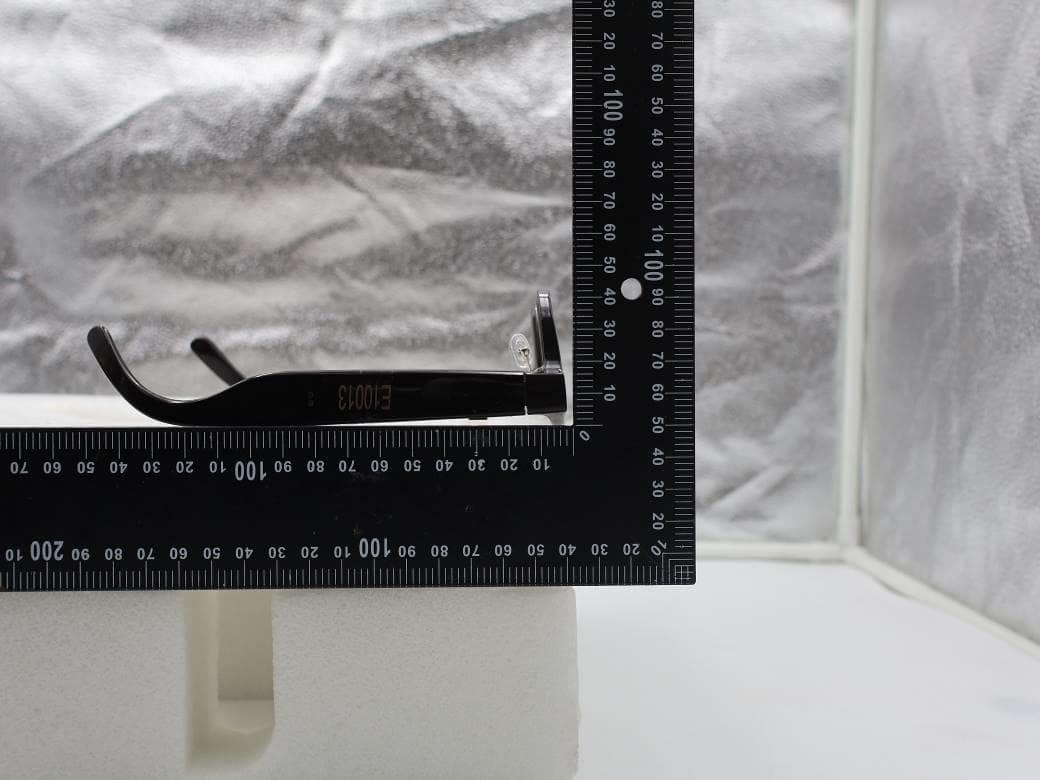
NM82QDJ100
Dec 31, 2025VIVE Headset
Equipment Class
DSS - Part 15 Spread Spectrum TransmitterNM82QD4100
Sep 01, 2024Headset
Equipment Class
6XD - 15E 6 GHz Low Power Indoor Client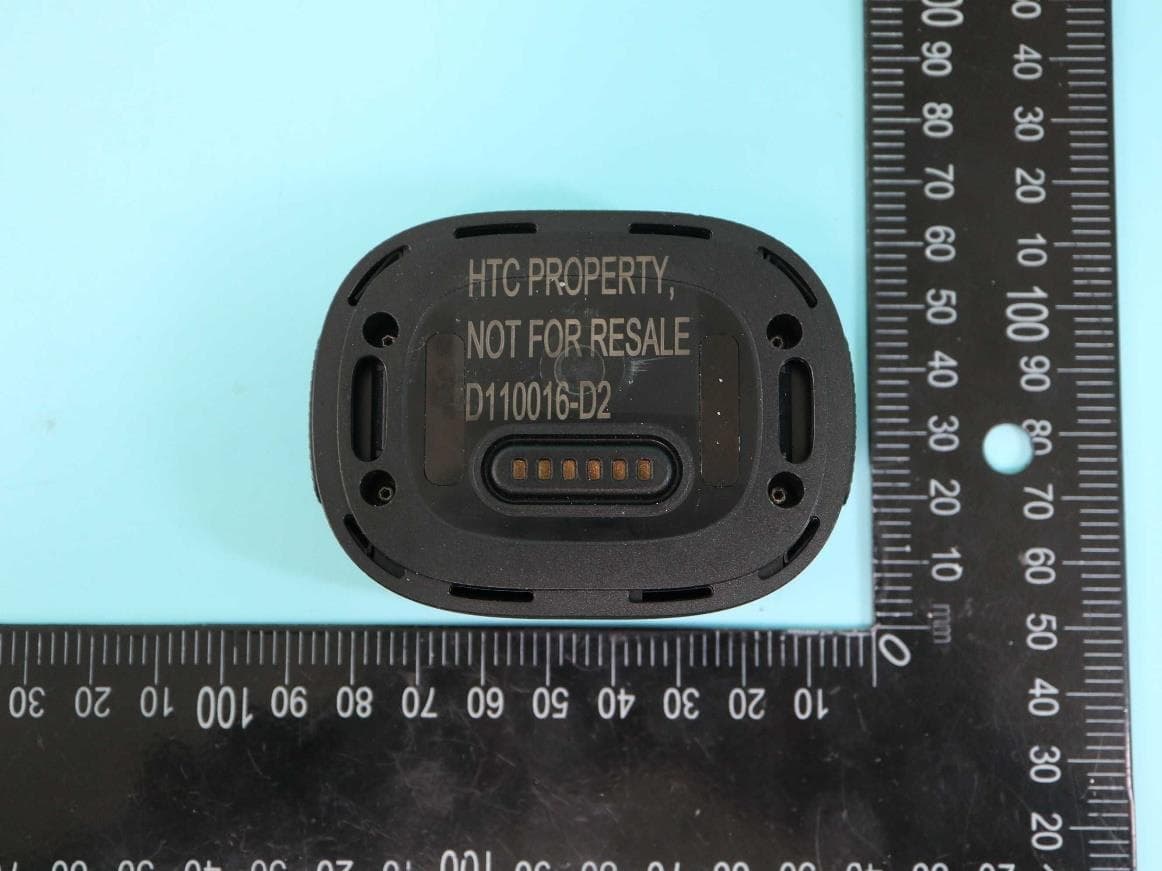
NM82QBP100
May 10, 2023Tracker
Equipment Class
DTS - Digital Transmission System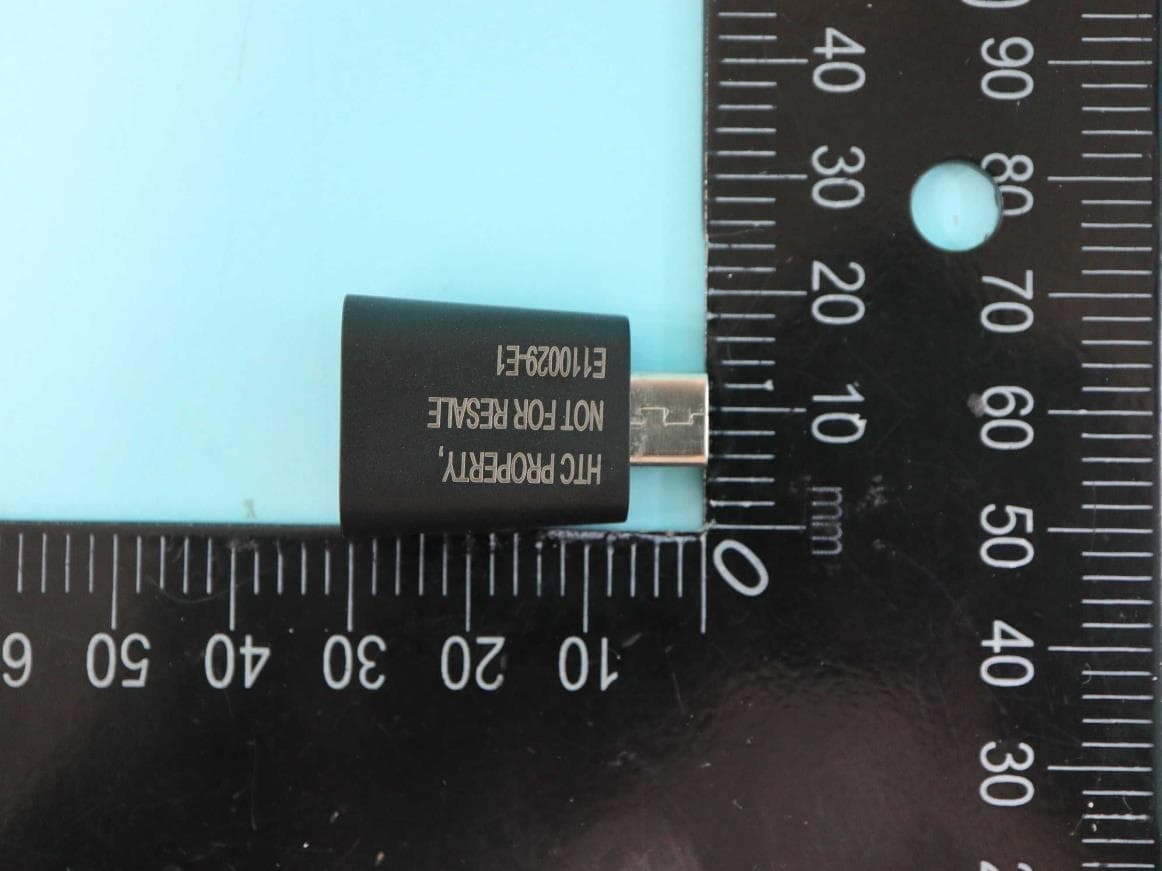
NM82QCD100
May 07, 2023Dongle
Equipment Class
DTS - Digital Transmission System
NM82QBB100
Jan 08, 2023Headset
Equipment Class
DTS - Digital Transmission System