NM8TNDFSmart Phone W/Bluetooth
HTC Corporation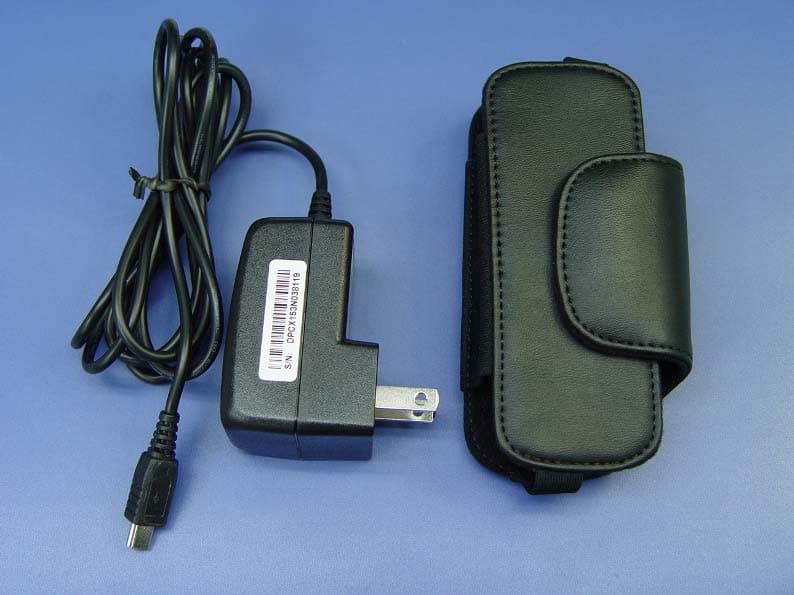
Click to zoom
Application Details
- Equipment Class
- PCE - PCS Licensed Transmitter held to ear
- Date of Grant
- Aug 30, 2005
- Application Purpose
- Original Equipment
- Date of Application
- Aug 30, 2005
- Equipment Note
- Smart Phone W/Bluetooth
- Frequency Range
- 824.20000000 - 848.80000000
- Company
- HTC Corporation
- Country
- Taiwan
Documents & Files
Document Text
Text extracted from the exhibit documents filed with the FCC. Open a document above to read the original.
Users Manual
Smart User Manual 2 Congratulations on the purchase of your new Windows Mobile™ Smartphone! Microsoft, MS-DOS, Windows, Windows NT, Windows Server, Windows Mobile, ActiveSync, Excel, Internet Explorer, MSN, Outlook, PowerPoint, and Word are either registered trademarks or trademarks of Microsoft Corporation in the United States and/or other countries. Please read before operating your device. THE DEVICE IS NOT CHARGED WHEN YOU TAKE IT OUT OF THE BOX. DO NOT REMOVE THE BATTERY PACK WHEN THE DEVICE IS CHARGING. WHEN INSERTING YOUR SIM CARD, MAKE SURE THE DEVICE IS POWERED OFF, AND THAT THE SIM CARD SNAPS INTO THE SOCKET SECURELY. YOUR WARRANTY IS INVALIDATED IF YOU OPEN OR TAMPER WITH THE DEVICE’S OUTER CASING. (For more information, see the enclosed warranty statement.) EXPLOSIVE ATMOSPHERES When in any area with a potentially explosive atmosphere or where flammable materials exist, the product should be turned off and the user should obey all signs and instructions. Sparks in such areas could cause an explosion or fire resulting in bodily injury or even death. Users are advised not to use the equipment at refueling points such as service or gas stations. Users are reminded of the need to observe restrictions on the use of radio equipment in fuel depots, chemical plants or where blasting operations are in progress. Areas with a potentially explosive atmosphere are often, but not always, clearly marked. These include fueling areas, below deck on boats, fuel or chemical transfer or storage facilities, and areas where the air contains chemicals or particles, such as grain, dust, or metal powders. 3 Contents Chapter 1 Getting Started 1.1 The Home Screen ............................................8 1.2 Status Indicators and Program Icons ............9 1.3 Using the Start Menu ..................................... 12 1.4 Using the Quick List ...................................... 12 1.5 Entering Information ..................................... 13 1.6 Battery Information ....................................... 16 Chapter 2 Using Phone Features 2.1 Using the Phone ............................................20 2.2 Making a Call .................................................21 2.3 Receiving a Call .............................................25 2.4 In-Call Options ...............................................25 2.5 Additional Dialing Information .....................27 2.6 Using Voice Tags ...........................................29 4 Chapter 3 Synchronizing your Phone 3.1 About ActiveSync ..........................................32 3.2 Setting Up A ctiveSync ..................................32 3.3 Synchronizing Information ........................... 33 3.4 Synchronizing via Infrared and Bluetooth .. 36 3.5 Synchronizing Music, Video, and Pictures ..37 Chapter 4 Managing your Phone 4.1 Personalizing your Phone ............................40 4.2 Adding and Removing Programs ................. 46 4.3 Using Task Manager and Managing Memory .........................48 4.4 Managing and Backing Up Files .................. 49 4.5 Protecting your Phone .................................. 54 4.6 Resetting your Phone ................................... 56 Chapter 5 Getting Connected 5.1 Connecting to the Internet ............................58 5.2 Using Internet Explorer Mobile .................... 61 5.3 Using Bluetooth ............................................. 64 5.4 Using Modem Link .........................................68 5.5 Using Wireless Manager ............................... 73 5 Chapter 6 Exchanging Messages an d Using Outlook 6.1 Using E-mail and Text Messages .................76 6.2 Using MMS Messages ...................................82 6.3 Using Pocket MSN Messenger ..................... 88 6.4 Using Calendar ..............................................90 6.5 Using Contacts ............................................. 91 6.6 Using Tasks .................................................... 94 6.7 Using Voice Notes .........................................95 Chapter 7 Experiencing Multimedia 7.1 Using Camera and Camcorder .....................98 7.2 Using Pictures & Videos .............................105 7.3 Using Windows Media Player .....................110 7.4 Using MIDlet Manager .................................119 Appendix A.1 Regulatory Notices ......................................126 A.2 PC Requirement to Run ActiveSync 4.x ..........133 A.3 Specifications ..............................................133 A.4 Index ............................................................. 136 6 Chapter 1 Getting Started 1.1 The Home Screen 1.2 Status Indicators and Program Icons 1.3 Using the Start Menu 1.4 Using the Quick List 1.5 Entering Information 1.6 Battery Information 8 1 Getting Started 1.1 The Home Screen The Home screen displays important information, such as upcoming appointments, status indicators, the current date, time, and profile, and icons of programs that you have recently used. You can open a program directly by selecting its icon and pressing ENTER. • To access the Home screen from anywhee, press HOME. • To customize the Home screen display, including the background, click Start > Settings > Home Screen. 7 Click to open the Messages folder. 8. Click to display all program icons. 9. Displays notifications, such as missed calls or new messages. 10. Displays the GPRS or GSM network status. 11. Displays the power status. 12. Displays the network signal strength. 13. Click to open Contacts, Call History, or Messages. 1. Select a recently-used program, and open it directly from the Home screen. 2. Displays the name of your wireless service provider. 3. Displays the current date and time. 4. Click to view the details of a missed call. 5. Click to see the time of your next appointment. 6. Displays the current profile. Click to change the profile. Home Screen 2 1 3 4 5 6 7 8 12 13 91011 9 1 Getting Started 1.2 Status Indicators and Program Icons The following table …
Text truncated - open the document above for the full version.
Cover Letter(s)
Chris Harvey From: Claire Hoque [[email protected]] Sent: Friday, August 19, 2005 1:37 PM To: Chris Harvey Cc: Kathy Yao; Thu Chan Subject: answer: High Tech Computer, Corp., FCC ID: NM8TNDF, Assessment NO.: AN05T4982, Notice#1 Page 1 of 1 8/20/2005 Hi Chris, Pls see our answer below. 1. Several documents state that this device may be capable of operating in the European modes for GSM900 and DCS1800. Please state whether this device has these capabilities. [Response] ST22B is a quad-band smartphone. It could be operated in EU (900/1800), but the target market is north America only.(It will be launched to North America only! ) 2. The Occupied Bandwidth values in the tables on pages 11 & 12 of 80 in the 22/24 test report do not match the values in the plots of pages 13 to 18 of 80. Please correct the report and the Form 731 entries for Emission Designator (bandwidth values) as appropriate. [Response] The values in the tables on page 11 & 12 match the 26 dB bandwidth readings on the plots, as per FCC requirement. Please re-examine. 3. The highest reported Peak Conducted Power in SAR Report is (Part 22H) 32.3dBm and (Part 24E) 29.8dBm; however the highest reported Peak Conducted Power in 22/24 RF Report is (Part 22H) 32.85dBm and (Part 24E) 30.74dBm. SAR testing is required to be performed at the highest power available in the device. Please describe this discrepancy in power values and show compliance with the FCC requirements for testing SAR at the highest available power (Conducted power in SAR report should be greater than or equal to what's in EMC report, but not exceeding tune-up/tolerance). [Response] The original reported peak Conducted Power in 22/24 RF Report were reading off from the Wireless Communications Test Set (Agilent E5515C), it has now been re-measured by using a Peak Power Meter, which now matches the reading reported in the SAR report. See attached for revised report. 4. The tabulation of SAR data is only worst case, not all data as required by FCC. Please revise the SAR Report to tabulate all SAR data. [Response]pls see revised SAR report(only photos are deleted) HTC requests to extend their short term confidentialty to Sep.30(see revised confidentialty letter as attached). HTC also requests defer date for ST22B is Aug. 30. Thanks, Claire
External Photos
REPORT NO: 05T3458-4 DATE: July 15, 2005 FCC ID: NM8TNDF COMPLIANCE CERTIFICATION SERVICES Page: 1 of 6 Equipment under Test (EUT) REPORT NO: 05T3458-4 DATE: July 15, 2005 FCC ID: NM8TNDF COMPLIANCE CERTIFICATION SERVICES Page: 2 of 6 REPORT NO: 05T3458-4 DATE: July 15, 2005 FCC ID: NM8TNDF COMPLIANCE CERTIFICATION SERVICES Page: 3 of 6 Interior View Bluetooth Antenna GSM Antenna REPORT NO: 05T3458-4 DATE: July 15, 2005 FCC ID: NM8TNDF COMPLIANCE CERTIFICATION SERVICES Page: 4 of 6 REPORT NO: 05T3458-4 DATE: July 15, 2005 FCC ID: NM8TNDF COMPLIANCE CERTIFICATION SERVICES Page: 5 of 6 EUT with Pouch - model: HTC-180-3 REPORT NO: 05T3458-4 DATE: July 15, 2005 FCC ID: NM8TNDF COMPLIANCE CERTIFICATION SERVICES Page: 6 of 6 Headset – model: TS888-03206N USB cable
Parts List/Tune Up Info
H/W Specification PROPRIETARY NOTE THIS DOCUMENT CONTAINS INFORMATION CONFIDENTIAL AND PROPRIETARY TO HIGH TECH COMPUTER CORP. AND SHALL NOT BE REPRODUCED OR TRANSFERRED TO OTHER DOCUMENTS OR DISCLOSED TO OTHERS OR USED FOR ANY PURPOSE OTHER THAN THAT FOR WHICH IT WAS OBTAINED WITHOUT THE EXPRESSED WRITTEN CONSENT OF HIGH TECH COMPUTER CORP. HTC CONFIDENTIAL Page 1 of 10 IS-DCC-GEN-009-1.2 High Tech Computer, Antenna H/W Specification Project Name : Dunton Date: 07/07/2005 Project Manager: Mason Chiang Rev.: 1.2 Countersign: Chung-I Chou H/W Specification PROPRIETARY NOTE THIS DOCUMENT CONTAINS INFORMATION CONFIDENTIAL AND PROPRIETARY TO HIGH TECH COMPUTER CORP. AND SHALL NOT BE REPRODUCED OR TRANSFERRED TO OTHER DOCUMENTS OR DISCLOSED TO OTHERS OR USED FOR ANY PURPOSE OTHER THAN THAT FOR WHICH IT WAS OBTAINED WITHOUT THE EXPRESSED WRITTEN CONSENT OF HIGH TECH COMPUTER CORP. HTC CONFIDENTIAL Page 2 of 10 IS-DCC-GEN-009-1.2 High Tech Computer, Revision History Revision Revision History Date Author(s) 1.0 01/24/2005 Chung-I Chou 1.1 Spec modification 06/24/2005 Chung-I Chou 1.2 Spec modification 07/07/2005 Chung-I Chou H/W Specification PROPRIETARY NOTE THIS DOCUMENT CONTAINS INFORMATION CONFIDENTIAL AND PROPRIETARY TO HIGH TECH COMPUTER CORP. AND SHALL NOT BE REPRODUCED OR TRANSFERRED TO OTHER DOCUMENTS OR DISCLOSED TO OTHERS OR USED FOR ANY PURPOSE OTHER THAN THAT FOR WHICH IT WAS OBTAINED WITHOUT THE EXPRESSED WRITTEN CONSENT OF HIGH TECH COMPUTER CORP. HTC CONFIDENTIAL Page 3 of 10 IS-DCC-GEN-009-1.2 High Tech Computer, CONTENTS Embedded Penta-Band Antenna Specification ................................... P.4 Embedded Bluetooth Antenna Specification...................................... P.10 H/W Specification PROPRIETARY NOTE THIS DOCUMENT CONTAINS INFORMATION CONFIDENTIAL AND PROPRIETARY TO HIGH TECH COMPUTER CORP. AND SHALL NOT BE REPRODUCED OR TRANSFERRED TO OTHER DOCUMENTS OR DISCLOSED TO OTHERS OR USED FOR ANY PURPOSE OTHER THAN THAT FOR WHICH IT WAS OBTAINED WITHOUT THE EXPRESSED WRITTEN CONSENT OF HIGH TECH COMPUTER CORP. HTC CONFIDENTIAL Page 4 of 10 IS-DCC-GEN-009-1.2 High Tech Computer, Embedded Penta-Band Antenna 1. Overview The document is the specification of the embedded Penta-band antenna for PHONE applications. Penta-band includes GSM850, GSM900, DCS1800, PCS1900, WLAN2400. 1.1 Denotations dBi: Decibel relative isotropic antenna VSWR: Voltage Standing Wave Ratio Tx: Transmit frequency Rx: Receive frequency GSM: Global Service for Mobile communication PCS: Personal Communication System DCS: Digital Communication System WLAN: Wireless Local Area Network SAR: Specific Absorption Rate Peak Gain: The peak value of the antenna gain Average Gain: The average value of the antenna gain 2. Measurement Parameters 2.1 VSWR VSWR indicates the matching characteristics of the antenna. VSWR can be measured by a network analyzer. 2.2 Antenna Gain and Pattern Antenna gain and far-field pattern can be determined by two measurement skills, depending on the own equipments. One is the far-field measurement; the other is the 3-D measurement system. H/W Specification PROPRIETARY NOTE THIS DOCUMENT CONTAINS INFORMATION CONFIDENTIAL AND PROPRIETARY TO HIGH TECH COMPUTER CORP. AND SHALL NOT BE REPRODUCED OR TRANSFERRED TO OTHER DOCUMENTS OR DISCLOSED TO OTHERS OR USED FOR ANY PURPOSE OTHER THAN THAT FOR WHICH IT WAS OBTAINED WITHOUT THE EXPRESSED WRITTEN CONSENT OF HIGH TECH COMPUTER CORP. HTC CONFIDENTIAL Page 5 of 10 IS-DCC-GEN-009-1.2 High Tech Computer, 3. Electrical Requirements 3.1 VSWR GSM850 GSM900 DCS1800 PCS1900 WLAN2400 Free space 2.5:1 2.5:1 2.5:1 2.5:1 2.5:1 Notably: The VSWR value will be degraded due to mechanical and space constrains. 3.2 Gain and Patterns (Total Field) GSM850 GSM900 DCS1800 PCS1900 WLAN2400 Peak gain 0.0 dBi 0.0 dBi 0.0 dBi 0.0 dBi 0.0 dBi Average gain -4.0 dBi -4.0 dBi -4.0 dBi -4.0 dBi -4.0 dBi Notably: The target values (peak and average gains) will be degraded due to mechanical and space constrains. 3.3 Total Efficiency GSM900 DCS1800 PCS1900 WLAN2400 Total efficiency 50% 40% 40% 40% Notably: The antenna total efficiency will be degraded due to mechanical and space constrains. H/W Specification PROPRIETARY NOTE THIS DOCUMENT CONTAINS INFORMATION CONFIDENTIAL AND PROPRIETARY TO HIGH TECH COMPUTER CORP. AND SHALL NOT BE REPRODUCED OR TRANSFERRED TO OTHER DOCUMENTS OR DISCLOSED TO OTHERS OR USED FOR ANY PURPOSE OTHER THAN THAT FOR WHICH IT WAS OBTAINED WITHOUT THE EXPRESSED WRITTEN CONSENT OF HIGH TECH COMPUTER CORP. HTC CONFIDENTIAL Page 6 of 10 IS-DCC-GEN-009-1.2 High Tech Computer, 4. Environmental Performance 4.1 Test Methods All of the tests should be carried out with the antenna mounted on the real PHONE to the maximum extent that is possible. Notably, T o is 20 o C±3 o C (T o : room temperature). 4.1.1 Temperature (steady state) The test is according to IEC 60068-2-1 Test Ab (Cold) and IEC 60068-2-2 Test Bb (Dry heat). The antenna is stored in a climatic camber with the following climate and time periods (Figs. 1 and 2): Low temperature/Duration: T 1 =-5 o C/t 1 =48hr (Fig. 1) High temperature/Duration: T 2 =+45 o C/t 2 =48hr (Fig. 2) t 1 T 1 T o Time Temperature ( o C) Fig. 1 H/W Specification PROPRIETARY NOTE THIS DOCUMENT CONTAINS INFORMATION CONFIDENTIAL AND PROPRIETARY TO HIGH TECH COMPUTER CORP. AND SHALL NOT BE REPRODUCED OR TRANSFERRED TO OTHER DOCUMENTS OR DISCLOSED TO OTHERS OR USED FOR ANY PURPOSE OTHER THAN THAT FOR WHICH IT WAS OBTAINED WITHOUT THE EXPRESSED WRITTEN CONSENT OF HIGH TECH COMPUTER CORP. HTC CONFIDENTIAL Page 7 of 10 IS-DCC-GEN-009-1.2 High Tech Computer, 4.1.2 Temperature (cycling) The test is according to IEC 60068-2-14 Test Na (Change of temperature, Fig. 3) Low temperature (T 1 ): -5 o C High temperature (T 2 ): +45 o C Steady state time (t 1 ): 1hr Transition time (t 2 ): <5 min Duration: 4cycles t 2 T o T 2 Time Temperature ( o C) Fig. 2 H/W Specification PROPRIETARY NOTE THIS DOCUMENT CONTAINS INFORMATION CONFIDENTIAL AND…
Text truncated - open the document above for the full version.
RF Exposure Info
IN ACCORDANCE WITH THE REQUIREMENTS OF FCC REPORT AND ORDER: ET DOCKET 93-62, AND OET BULLETIN 65 SUPPLEMENT C FOR Smart Phone MODEL: ST22B FCC ID: NM8TNDF REPORT NUMBER: 05T3458-4 ISSUE DATE: July 14, 2005 Prepared for High Tech Computer Corp. 23 Hsin Hua Road Taoyuan 330, Taiwan, R. O. C. Prepared by COMPLIANCE CERTIFICATION SERVICES 561F MONTEREY ROAD, MORGAN HILL, CA 95037, USA TEL: (408) 463-0885 REPORT NO: 05T3458-4 DATE: July 14, 2005 FCC ID: NM8TNDF COMPLIANCE CERTIFICATION SERVICES Page: 2 of 42 This report shall not be reproduced except in full, without the written approval of CCS. Revision History Rev. Revisions Revised By A Initial issue HS REPORT NO: 05T3458-4 DATE: July 14, 2005 FCC ID: NM8TNDF COMPLIANCE CERTIFICATION SERVICES Page: 3 of 42 This report shall not be reproduced except in full, without the written approval of CCS. CERTIFICATE OF COMPLIANCE (SAR EVALUATION) DATES OF TEST: July 13 -14, 2005 APPLICANT: High Tech Computer Corp. ADDRESS: 23 Hsin Hua Road, Taoyuan 330, Taiwan, R. O. C FCC ID: NM8TNDF MODEL: ST22B DEVICE CATEGORY: Portable Device EXPOSURE CATEGORY: General Population/Uncontrolled Exposure Smart Phone (GSM850/1900 with Bluetooth radio) Test Sample is a: Production unit FCC Rule Parts Frequency Range [MHz] The Highest SAR Values 22H 824.2 – 848.8 • The highest reported SAR values are: Head: 0.941 W/kg and Body-worn: 1.499 W/kg • The highest reported collocated SAR values are Head: 0.941 W/kg and body: 1.499 W/kg. 24E 1850.2 – 1909.8 • The highest reported SAR values are Head: 1.316 W/kg; Body-worn: 1.443 W/kg • The highest reported collocated SAR values are Head: 1.316 W/kg and body: 1.443 W/kg. 15C 2402 - 2480 • The highest reported SAR values are head: 0.00179 W/kg and body: 0.000 W/kg This wireless portable device has been shown to be capable of compliance for localized specific absorption rate (SAR) for General Population/Uncontrolled Exposure limits specified in ANSI/IEEE Std. C95.1-1992 and had been tested in accordance with the measurement procedures specified in FCC OET 65 Supplement C (Edition 01-01). And RSS-102 Issue 1 (Provisional) September 25, 1999. The maximum 1g SAR level measured for all the tests performed did not exceed the limits for General Population/Uncontrolled Exposure (W/kg) Partial Body of 1.6 W/kg. Level defined in Supplement C (Edition 01-01) to OET Bulletin 65 (97-01). Note: The results documented in this report apply only to the tested sample, under the conditions and modes of operation as described herein. This document may not be altered or revised in any way unless done so by Compliance Certification Services and all revisions are duly noted in the revisions section. Any alteration of this document not carried out by Compliance Certification Services will constitute fraud and shall nullify the document. No part of this report may be used to claim product certification, approval, or endorsement by NVLAP, NIST, or any government agency. Released for CCS By: Hsin Fu Shih (Sunny Shih) COMPLIANCE CERTIFICATION SERVICES REPORT NO: 05T3458-4 DATE: July 14, 2005 FCC ID: NM8TNDF COMPLIANCE CERTIFICATION SERVICES Page: 4 of 42 This report shall not be reproduced except in full, without the written approval of CCS. TABLE OF CONTENTS 1 Equipment Under Test (EUT) Description............................................................................................ 6 2 FACILITIES AND ACCREDITATION ................................................................................................... 6 3 System Description............................................................................................................................... 7 4 System Component .............................................................................................................................. 8 4.1 DASY4 Measurement Server........................................................................................................ 8 4.2 Data Acquisition Electronics (DAE)............................................................................................... 8 4.3 EX3DV3 Isotropic E-Field Probe for Dosimetric Measurements .................................................. 8 4.4 Light Beam Unit............................................................................................................................. 9 4.5 SAM Phantom (V4.0) .................................................................................................................... 9 4.6 Device Holder for SAM Twin Phantom ....................................................................................... 10 4.7 System Validation Kits ................................................................................................................ 10 4.8 Composition of Ingredients for tissue simulating liquid ............................................................... 10 5 Test positions for devices Operating Next To A Person’s Ear ........................................................... 11 5.1 Cheek/Touch Position ................................................................................................................. 12 5.2 Ear/Tilt Position ........................................................................................................................... 13 6 Test Positions For Body-worn And Other Similar Configurations ...................................................... 14 7 Simulating Liquid Parameters Check ................................................................................................. 15 7.1 Simulating Liquid Parameter Check Result ................................................................................ 16 8 System Performance Check............................................................................................................... 21 8.1 System Performance Check Result for 835 MHz ....................................................................... 22 8.2 System Performance Check Result fo…
Text truncated - open the document above for the full version.
RF Exposure Info
Date/Time: 7/14/2005 9:48:19 AMDate/Time: 7/14/2005 9:53:53 AM Test Laboratory: Compliance Certification Services System Performance Check @ 835MHz DUT: Dipole 835 MHz; Type: D835V2; Serial: D835V2 - SN:4d002 Communication System: CW; Frequency: 835 MHz;Duty Cycle: 1:1 Medium parameters used: f = 835 MHz; σ = 0.923 mho/m; ε r = 41.1; ρ = 1000 kg/m 3 Phantom section: Flat Section Room Ambient Temperature: 24 deg. C; Liquid Temperature: 23 deg. C DASY4 Configuration: - Area Scan setting - Find Secondary Maximum Within: 2.0 dB and with a peak SAR value greater than 0.0012W/kg - Probe: EX3DV4 - SN3552 ; ConvF(9.75, 9.75, 9.75); Calibrated: 3/19/2005 - Sensor-Surface: 2.5mm (Mechanical Surface Detection) - Electronics: DAE3 Sn500; Calibrated: 2/7/2005 - Phantom: SAM 1; Type: SAM 1; Serial: 1185 - Measurement SW: DASY4, V4.5 Build 19; Postprocessing SW: SEMCAD, V1.8 Build 146 d=15mm, Pin=250mW/Area Scan (7x9x1): Measurement grid: dx=15mm, dy=15mm Maximum value of SAR (measured) = 2.95 mW/g d=15mm, Pin=250mW/Zoom Scan (5x5x7)/Cube 0: Measurement grid: dx=7.5mm, dy=7.5mm, dz=5mm Reference Value = 57.2 V/m; Power Drift = -0.017 dB Peak SAR (extrapolated) = 3.71 W/kg SAR(1 g) = 2.44 mW/g; SAR(10 g) = 1.58 mW/g Maximum value of SAR (measured) = 2.99 mW/g Date/Time: 7/14/2005 10:00:00 AM Test Laboratory: Compliance Certification Services System Performance Check @ 835MHz DUT: Dipole 835 MHz; Type: D835V2; Serial: D835V2 - SN:4d002 Communication System: CW; Frequency: 835 MHz;Duty Cycle: 1:1 d=15mm, Pin=250mW/Z Scan (1x1x41): Measurement grid: dx=20mm, dy=20mm, dz=2.5mm Maximum value of SAR (measured) = 3.01 mW/g Date/Time: 7/13/2005 9:38:27 AMDate/Time: 7/13/2005 9:42:44 AM Test Laboratory: Compliance Certification Services System Performance Check @ 1900MHz DUT: Dipole 1900 MHz; Type: D1900V2; Serial: D1900V2 - SN:5d043 Communication System: CW; Frequency: 1900 MHz;Duty Cycle: 1:1 Medium parameters used: f = 1900 MHz; σ = 1.43 mho/m; ε r = 41.1; ρ = 1000 kg/m 3 Phantom section: Flat Section Room Ambient Temperature: 24 deg. C; Liquid Temperature: 23 deg. C DASY4 Configuration: - Area Scan setting - Find Secondary Maximum Within: 2.0 dB and with a peak SAR value greater than 0.0012W/kg - Probe: EX3DV4 - SN3552 ; ConvF(7.95, 7.95, 7.95); Calibrated: 3/19/2005 - Sensor-Surface: 2.5mm (Mechanical Surface Detection) - Electronics: DAE3 Sn500; Calibrated: 2/7/2005 - Phantom: SAM 1; Type: SAM 1; Serial: 1185 - Measurement SW: DASY4, V4.5 Build 19; Postprocessing SW: SEMCAD, V1.8 Build 146 d=10mm; Pin=250mW/Area Scan (7x7x1): Measurement grid: dx=15mm, dy=15mm Maximum value of SAR (measured) = 13.1 mW/g d=10mm; Pin=250mW/Zoom Scan (5x5x7)/Cube 0: Measurement grid: dx=7.5mm, dy=7.5mm, dz=5mm Reference Value = 97.4 V/m; Power Drift = -0.108 dB Peak SAR (extrapolated) = 17.8 W/kg SAR(1 g) = 9.93 mW/g; SAR(10 g) = 5.18 mW/g Maximum value of SAR (measured) = 13.2 mW/g 0 dB = 13.2mW/g Date/Time: 7/13/2005 9:48:45 AM Test Laboratory: Compliance Certification Services System Performance Check @ 1900MHz DUT: Dipole 1900 MHz; Type: D1900V2; Serial: D1900V2 - SN:5d043 Communication System: CW; Frequency: 1900 MHz;Duty Cycle: 1:1 d=10mm; Pin=250mW/Z Scan (1x1x41): Measurement grid: dx=20mm, dy=20mm, dz=2.5mm Maximum value of SAR (measured) = 17.4 mW/g Date/Time: 7/14/2005 6:40:57 PMDate/Time: 7/14/2005 6:45:12 PM Test Laboratory: Compliance Certification Services System Performance Check @ 2450MHz (Head Tissue) DUT: Dipole 2450 MHz; Type: D2450V2; Serial: D2450V2 - SN:748 Communication System: CW - 2450 MHz; Frequency: 2450 MHz;Duty Cycle: 1:1 Medium parameters used: f = 2450 MHz; σ = 1.81 mho/m; ε r = 38.6; ρ = 1000 kg/m 3 Phantom section: Flat Section Room Ambient Temperature: 24 deg. C; Liquid Temperature: 23 deg. C DASY4 Configuration: - Area Scan setting - Find Secondary Maximum Within: 2.0 dB and with a peak SAR value greater than 0.0012W/kg - Probe: EX3DV4 - SN3552 ; ConvF(7.33, 7.33, 7.33); Calibrated: 3/19/2005 - Sensor-Surface: 2.5mm (Mechanical Surface Detection) - Electronics: DAE3 Sn500; Calibrated: 2/7/2005 - Phantom: SAM 1; Type: SAM 1; Serial: 1185 - Measurement SW: DASY4, V4.5 Build 19; Postprocessing SW: SEMCAD, V1.8 Build 146 d=10mm, Pin=250mW/Area Scan (7x7x1): Measurement grid: dx=15mm, dy=15mm Maximum value of SAR (measured) = 17.9 mW/g d=10mm, Pin=250mW/Zoom Scan (5x5x7)/Cube 0: Measurement grid: dx=7.5mm, dy=7.5mm, dz=5mm Reference Value = 100.0 V/m; Power Drift = -0.135 dB Peak SAR (extrapolated) = 27.4 W/kg SAR(1 g) = 13.1 mW/g; SAR(10 g) = 6 mW/g Maximum value of SAR (measured) = 18.0 mW/g 0 dB = 18.0mW/g Date/Time: 7/14/2005 6:51:15 PM Test Laboratory: Compliance Certification Services System Performance Check @ 2450MHz (Head Tissue) DUT: Dipole 2450 MHz; Type: D2450V2; Serial: D2450V2 - SN:748 Communication System: CW - 2450 MHz; Frequency: 2450 MHz;Duty Cycle: 1:1 d=10mm, Pin=250mW/Z Scan (1x1x41): Measurement grid: dx=20mm, dy=20mm, dz=2.5mm Maximum value of SAR (measured) = 17.9 mW/g
RF Exposure Info
Date/Time: 7/14/2005 11:06:11 AMDate/Time: 7/14/2005 11:12:26 AM Test Laboratory: Compliance Certification Services Left Hand Side DUT: High Tech Computer Corp; Type: ST22B; Serial: N/A Communication System: GSM850; Frequency: 824.2 MHz;Duty Cycle: 1:8 Medium parameters used (interpolated): f = 824.2 MHz; σ = 0.911 mho/m; ε r = 41.2; ρ = 1000 kg/m 3 Phantom section: Left Section Room Ambient Temperature: 24 deg. C; Liquid Temperature: 23 deg. C DASY4 Configuration: - Area Scan setting - Find Secondary Maximum Within: 2.0 dB and with a peak SAR value greater than 0.0012W/kg - Probe: EX3DV4 - SN3552 ; ConvF(9.75, 9.75, 9.75); Calibrated: 3/19/2005 - Sensor-Surface: 2.5mm (Mechanical Surface Detection) - Electronics: DAE3 Sn500; Calibrated: 2/7/2005 - Phantom: SAM 1; Type: SAM 1; Serial: 1185 - Measurement SW: DASY4, V4.5 Build 19; Postprocessing SW: SEMCAD, V1.8 Build 146 Touch - L-ch/Area Scan (6x11x1): Measurement grid: dx=15mm, dy=15mm Info: Interpolated medium parameters used for SAR evaluation! Maximum value of SAR (measured) = 0.870 mW/g Touch - L-ch/Zoom Scan (5x5x7)/Cube 0: Measurement grid: dx=7.5mm, dy=7.5mm, dz=5mm Reference Value = 24.8 V/m; Power Drift = -0.023 dB Peak SAR (extrapolated) = 1.05 W/kg SAR(1 g) = 0.806 mW/g; SAR(10 g) = 0.569 mW/g Info: Interpolated medium parameters used for SAR evaluation! Maximum value of SAR (measured) = 0.915 mW/g Date/Time: 7/14/2005 10:49:23 AMDate/Time: 7/14/2005 10:55:36 AM Test Laboratory: Compliance Certification Services Left Hand Side DUT: High Tech Computer Corp; Type: ST22B; Serial: N/A Communication System: GSM850; Frequency: 836.6 MHz;Duty Cycle: 1:8 Medium parameters used (interpolated): f = 836.6 MHz; σ = 0.924 mho/m; ε r = 41.1; ρ = 1000 kg/m 3 Phantom section: Left Section Room Ambient Temperature: 24 deg. C; Liquid Temperature: 23 deg. C DASY4 Configuration: - Area Scan setting - Find Secondary Maximum Within: 2.0 dB and with a peak SAR value greater than 0.0012W/kg - Probe: EX3DV4 - SN3552 ; ConvF(9.75, 9.75, 9.75); Calibrated: 3/19/2005 - Sensor-Surface: 2.5mm (Mechanical Surface Detection) - Electronics: DAE3 Sn500; Calibrated: 2/7/2005 - Phantom: SAM 1; Type: SAM 1; Serial: 1185 - Measurement SW: DASY4, V4.5 Build 19; Postprocessing SW: SEMCAD, V1.8 Build 146 Touch - M-ch/Area Scan (6x11x1): Measurement grid: dx=15mm, dy=15mm Info: Interpolated medium parameters used for SAR evaluation! Maximum value of SAR (measured) = 0.965 mW/g Touch - M-ch/Zoom Scan (5x5x7)/Cube 0: Measurement grid: dx=7.5mm, dy=7.5mm, dz=5mm Reference Value = 26.1 V/m; Power Drift = -0.089 dB Peak SAR (extrapolated) = 1.17 W/kg SAR(1 g) = 0.893 mW/g; SAR(10 g) = 0.628 mW/g Info: Interpolated medium parameters used for SAR evaluation! Maximum value of SAR (measured) = 1.02 mW/g Date/Time: 7/14/2005 11:22:14 AMDate/Time: 7/14/2005 11:28:52 AM Test Laboratory: Compliance Certification Services Left Hand Side DUT: High Tech Computer Corp; Type: ST22B; Serial: N/A Communication System: GSM850; Frequency: 848.8 MHz;Duty Cycle: 1:8 Medium parameters used (interpolated): f = 848.8 MHz; σ = 0.934 mho/m; ε r = 40.9; ρ = 1000 kg/m 3 Phantom section: Left Section Room Ambient Temperature: 24 deg. C; Liquid Temperature: 23 deg. C DASY4 Configuration: - Area Scan setting - Find Secondary Maximum Within: 2.0 dB and with a peak SAR value greater than 0.0012W/kg - Probe: EX3DV4 - SN3552 ; ConvF(9.75, 9.75, 9.75); Calibrated: 3/19/2005 - Sensor-Surface: 2.5mm (Mechanical Surface Detection) - Electronics: DAE3 Sn500; Calibrated: 2/7/2005 - Phantom: SAM 1; Type: SAM 1; Serial: 1185 - Measurement SW: DASY4, V4.5 Build 19; Postprocessing SW: SEMCAD, V1.8 Build 146 Touch - H-ch/Area Scan (6x11x1): Measurement grid: dx=15mm, dy=15mm Info: Interpolated medium parameters used for SAR evaluation! Maximum value of SAR (measured) = 0.984 mW/g Touch - H-ch/Zoom Scan (5x5x7)/Cube 0: Measurement grid: dx=7.5mm, dy=7.5mm, dz=5mm Reference Value = 25.6 V/m; Power Drift = -0.…
Text truncated - open the document above for the full version.
Contact Information
Applicant
Sylvia Shen
Test Firm
Compliance Certification Services IncSteve Cheng
Technical Specifications
| # | Rule Parts | Frequency Range | Power Output | Emission | Tolerance |
|---|---|---|---|---|---|
| 2 | 22H | 824.2 MHz - 848.8 MHz | 1.122 W | 319KGXW | 0.025 ppm |
Other Applications from HTC Corporation
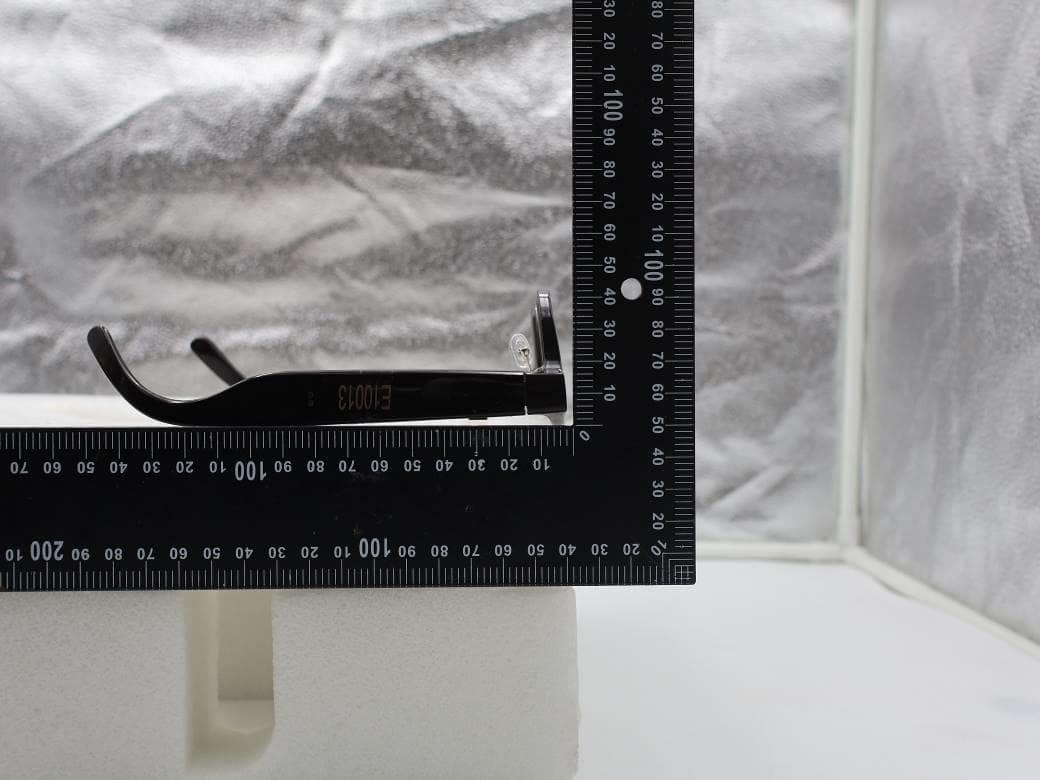
NM82QDJ100
Dec 31, 2025VIVE Headset
Equipment Class
DSS - Part 15 Spread Spectrum TransmitterNM82QD4100
Sep 01, 2024Headset
Equipment Class
6XD - 15E 6 GHz Low Power Indoor Client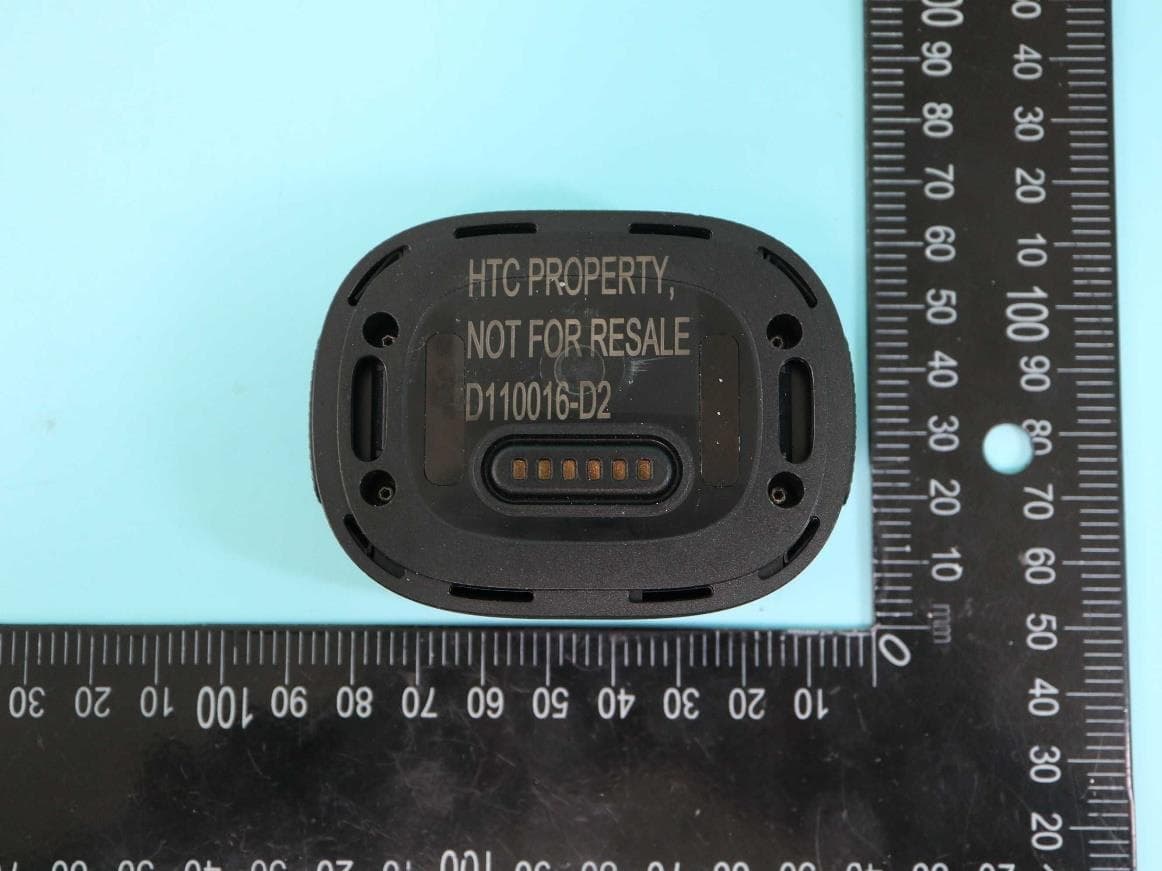
NM82QBP100
May 10, 2023Tracker
Equipment Class
DTS - Digital Transmission System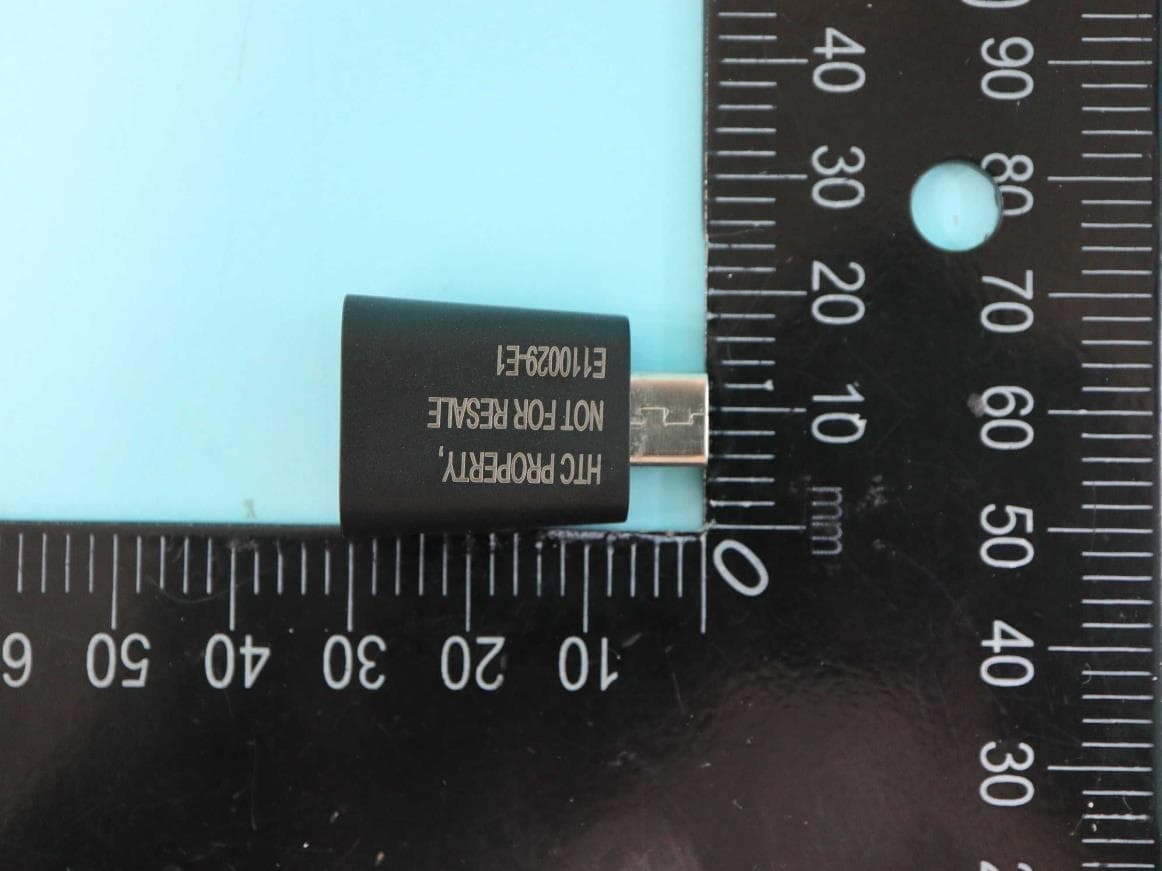
NM82QCD100
May 07, 2023Dongle
Equipment Class
DTS - Digital Transmission System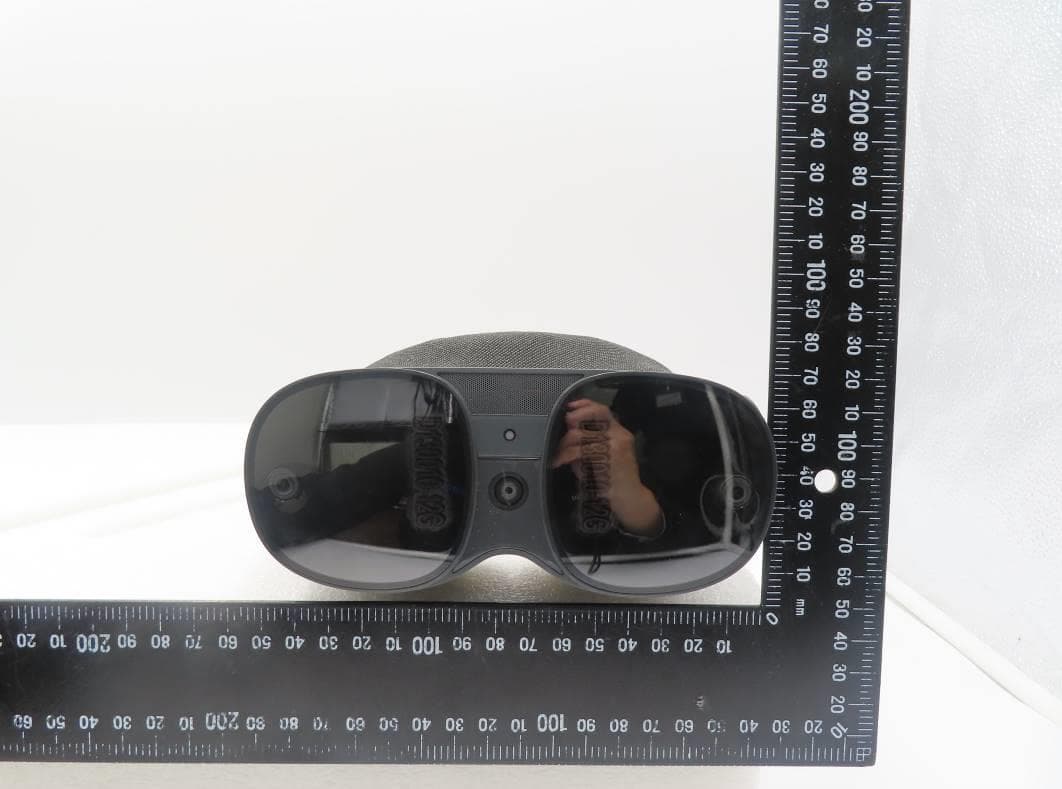
NM82QBB100
Jan 08, 2023Headset
Equipment Class
DTS - Digital Transmission System