NRA002TER98RXPool Monitor Alarm Receiver
Terrapin Communications Inc.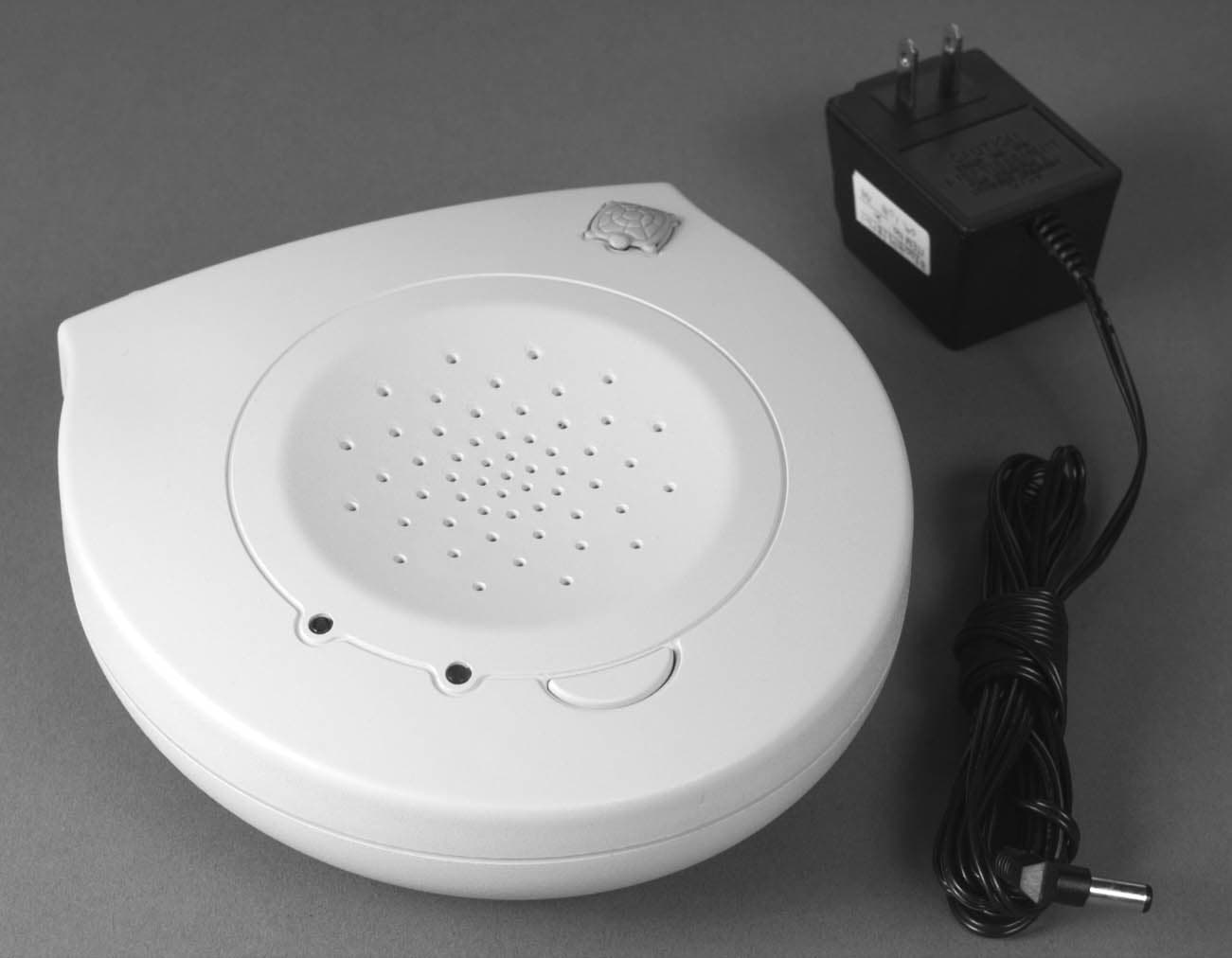
Click to zoom
Application Details
- Equipment Class
- CYY - Communications Receiver used w/Pt 15 Transmitter
- Date of Grant
- Oct 28, 1998
- Application Purpose
- Original Equipment
- Date of Application
- Sep 16, 1998
- Equipment Note
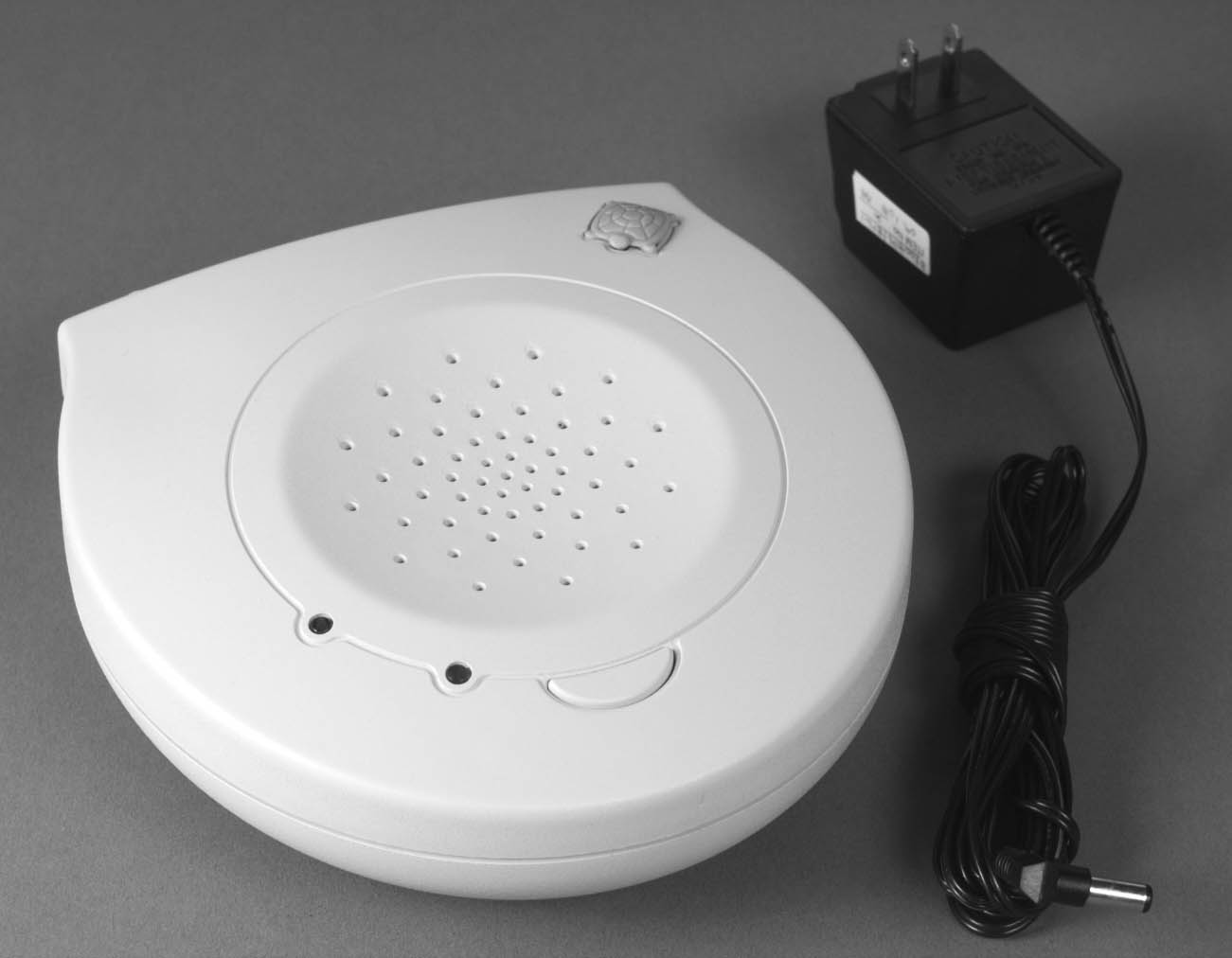
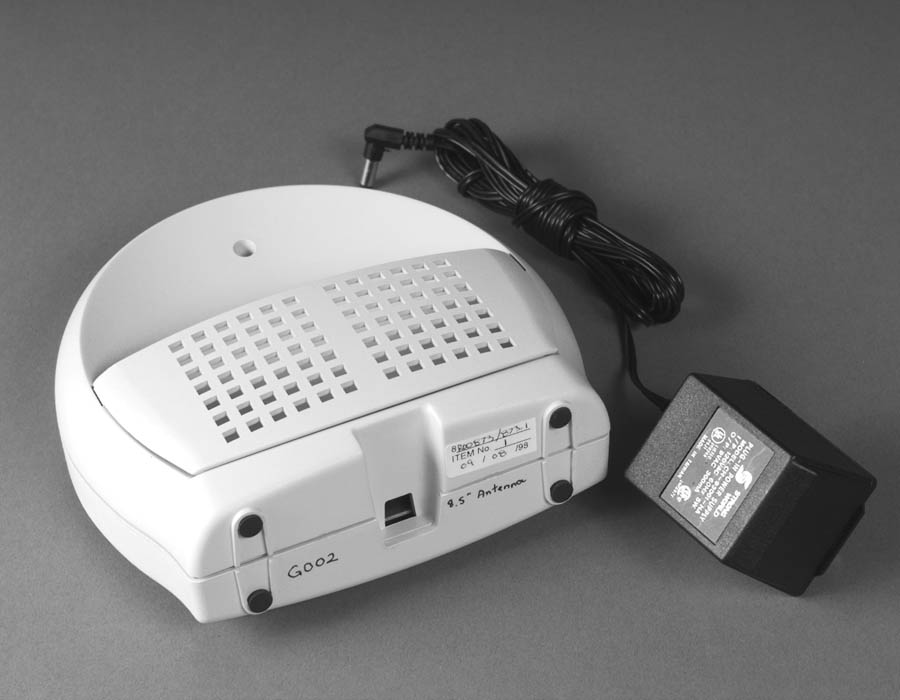
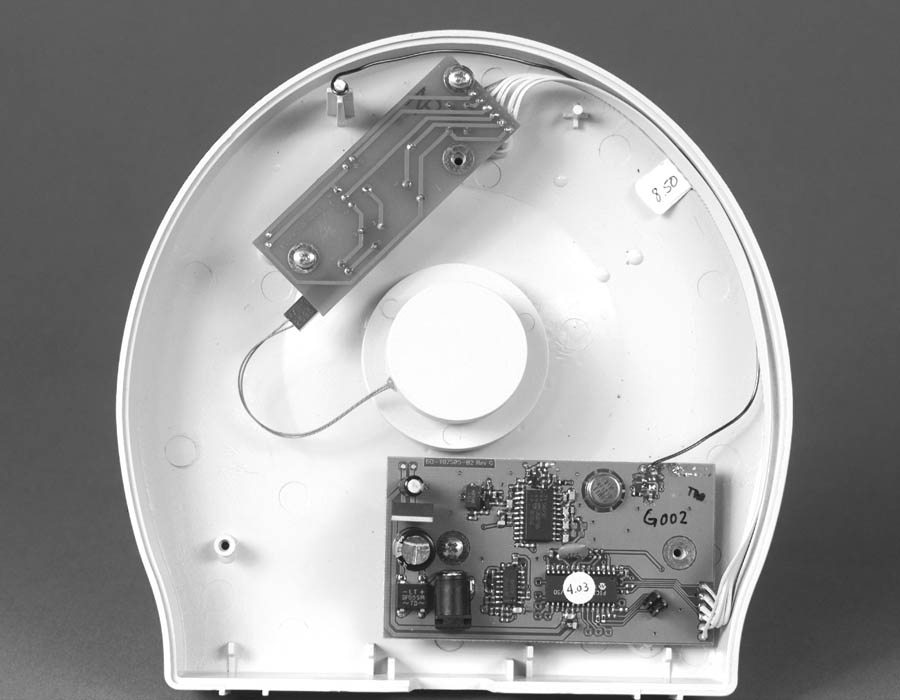
- Pool Monitor Alarm Receiver
- Frequency Range
- 318.00000000 - 318.00000000
- Company
- Terrapin Communications Inc.
- Country
- Canada
Documents & Files
Document Text
Text extracted from the exhibit documents filed with the FCC. Open a document above to read the original.
Users Manual
Draft User’s Guide (2.1) Safety Turtle™ User’s Guide Yet to be Completed Page 1 (Cover) – will show an illustration of the product, the product’s name and the name of the company. Page 2 (Folded-in part of the cover) – will show page number for each language. Page 3 (Back of fold out) – schematic of products with components labeled. When folded out, can be referenced while reading instructions. This schematic (Exhibit 1) would only show numbers and not writing as it is referenced by all three languages (English, French and Spanish).. Congratulations Congratulations on purchasing the Safety Turtle™ product. This state-of-the-art product, while not a substitute for diligent supervision and pool access barriers, provides an additional “line of defense” for you and your children in using your swimming pool. Limitations The Safety Turtle™ product is not effective in seawater. Effectiveness diminishes with increasing pool salinity. Federal Communications Commission (FCC) Notice This device complies with FCC Part 15 Rules and Industry Canada RSS 210 Issue 2 Regulations.. Operation is subject to the following two conditions: (1) this device may not cause harmful interference; and, (2) this device must accept any interference received, including interference that may cause undesired operation. Changes or modifications not expressly approved by Terrapin Communications Inc. could void the user’s authority to operate the equipment. Important – Read Instructions Carefully Please take the time to read these instructions carefully before using your Safety Turtle™ product. Ensure that you pay particular attention to the instructions related to product testing, which is both important in setting up the system and in daily use. Your Safety Turtle™ product is designed as a “last line of defense” to help prevent drownings of young children. The product is not a substitute for dilige nt supe rvision or pool acce ss barrie rs. The Safety Turtle™ alarm system consists of a Base Station plus one or more Turtles of the same color. • The Base and Turtles are purchased in separate packages, allowing the purchaser to buy more than one Turtle to be used with the same Base. • The Turtle package also includes a Turtle Plug to be used with the Base, so that the Base will recognize the color of Turtle(s) purchased. The Safety Turtle™ alarm system has two modes of operation: Active Mode and Test Mode. • Active Mode is the operating mode for the system. If a Turtle is immersed in water, the full alarm sound is produced. The alarm sound can be reduced at any time by pressing the large button on the Base. • Test Mode is provided for system testing, without producing the full alarm sound. Test Mode is entered by pressing the large button on the Base, and is identified when the amber light is lit. Active Mode is re- entered by again pressing the large button (amber light will no longer be lit). Initial Setup and Testing • Please read these instructions in conjunction with the illustration(s) before using the Safety Turtle™ alarm system. • Ensure that all Turtles to be used with a base unit are the same color. • Firmly insert a colored Turtle Plug, supplied with each Turtle, into the receptacle on the Base. If you purchased more than one Turtle, only one Turtle Plug is required. • Locate Base indoors in a location near to the pool. A window facing the pool is a good location • For best reception, place the Base with its rear surface towards the pool. Do not put your ear close to the Base, as the alarm is extremely loud and could cause permanent hearing damage. • Plug the power adapter into a standard 115/120V AC power source. Connect the other end into the Base. Ensure that the green power light is on. • To ensure that the Turtle works with your pool, set the Base to Test Mode by pressing the large button on the Base (amber light will be lit) and dip the Turtle in all corners of the pool and check that the alarm sounds. Test the farthest point in the pool from the Base, to make sure that it will alarm if the Turtle is immersed at that location. If the alarm fails to sound, unfortunately the Safety Turtle™ product will not work with your pool, and you should return the product to where it was purchased with proof of purchase for a full refund. Reasons why the product may not work in your situation are the distance between the Turtle and the Base Station, a high concentration of chemicals in your pool, the pool water is sea water, and interference from other communications devices in your neighborhood. • Following testing the Turtle in your pool, press the large button on the Base to return to Active Mode (amber light is no longer lit.) • Check that the alarm, w hen in Active Mode (amber light is not lit), can be heard throughout the house. To mute the alarm, press the large button on the Base. • If the Base does not sound an alarm when tested, see Troubleshooting section. Daily Use and Testing • Ensure that the Base is plugged into an AC pow er source, and that the green pow er light is on. • Use Test Mode (entered by pressing the large button on the Base), to check Turtle by immersing it in the pool. (Test Mode is indicated when the amber light is lit.) When finished, lightly shake the Turtle to remove any excess water. • Following testing, press the large button on the Base to return to Active Mode (amber light is no longer lit.) • Attach Turtle wristband comfortably but firmly to the child’s wrist. Use a small coin (dime) in the slot provided to secure the strap. Ensure that the wristband is secured and cannot slip over the child’s hand. • If the Base does not sound an alarm when tested, see Troubleshooting section. Troubleshooting In the event that you experience a problem with the Safety Turtle™ system, several possible problems and solutions are provided below: Problem : Alarm does not sound when Turtle is immersed in water. Solution : If you have just purchased the product, please refer to the instructions on Initial Set…
Text truncated - open the document above for the full version.
Cover Letter(s)
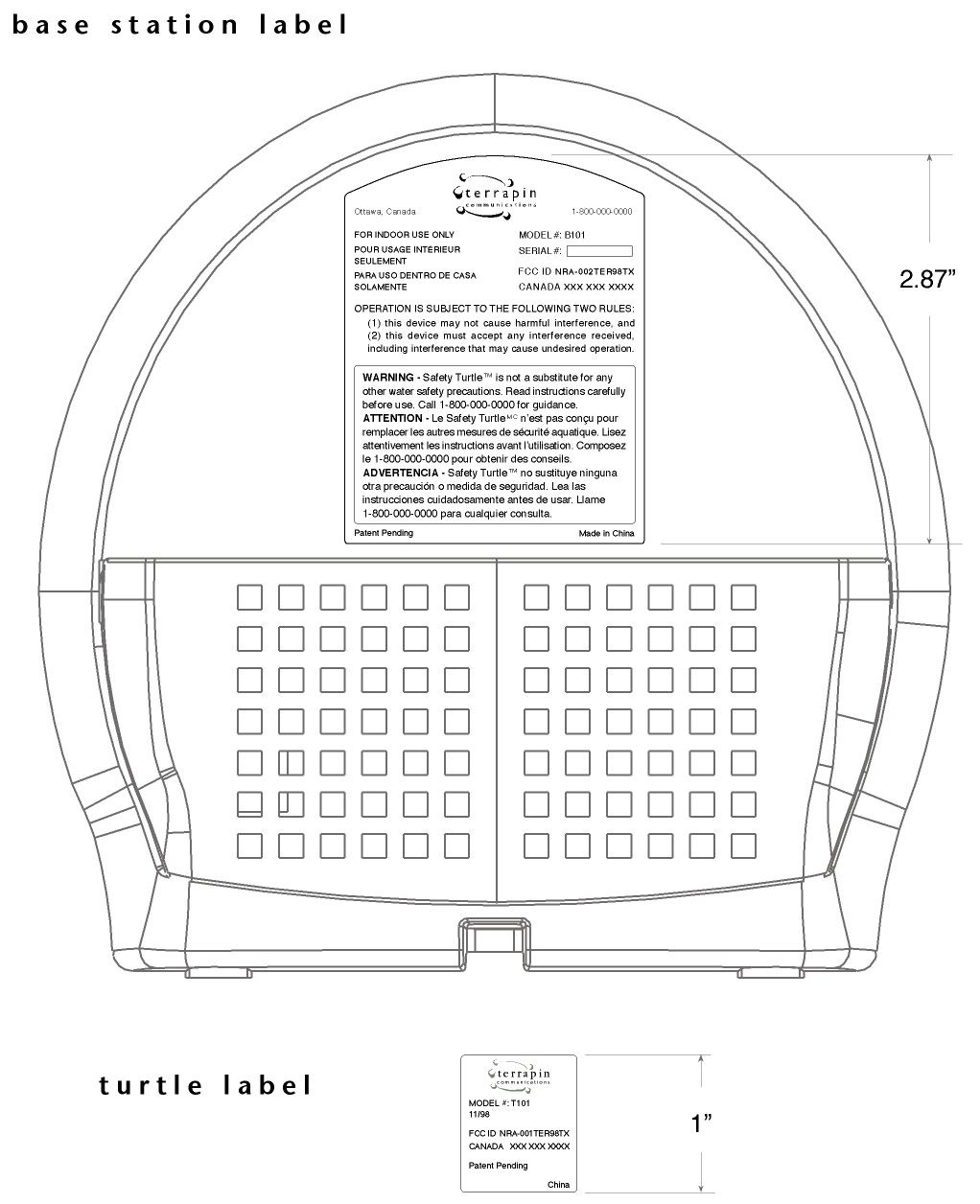
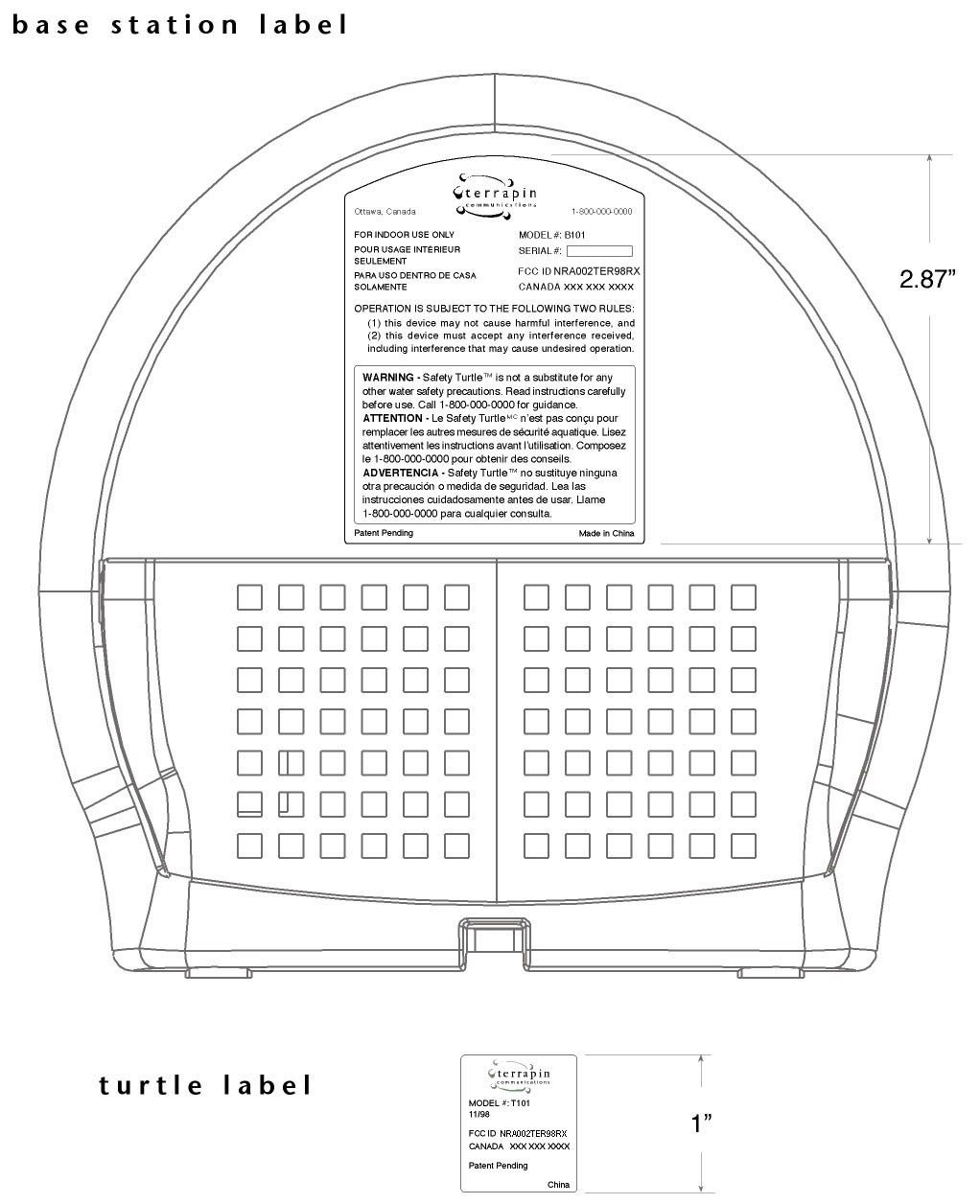
July 13, 2001 Federal Communications Commission 7435 Oakland Mills Road Columbia, MD 21046 USA Authority to Act as Agent to the Federal Communications Commission On our behalf, I appoint KTL Ottawa to act as agent in the preparation of this application for equipment authorization to the Federal Communications Commission. I certify that submitted Exhibits properly describe the device or system for which equipment authorization is sought. I also certify that each unit manufactured, imported or marketed, as defined in the Commission’s regulations will have affixed to it a label identical to that submitted for approval with this application. Dated this 8th Day of September 1998 Agency Agreement Expiration Date: September 8, 1999 By: __________________________ Robert G. Lyons Title: President Telephone: 613-820-4486 Applicant: Terrapin Communications Inc.
Cover Letter(s)
July 13, 2001 Federal Communications Commission 7435 Oakland Mills Road Columbia, MD 21046 USA Request for Confidentiality pursuant to 47 CFR S0.459 - RECEIVER Terrapin requests that that the following portions of the data contained in this application be treated confidential because they embody trade secrets of commercial value to Terrapin Communications Inc.: 1. Schematics and Bill of Materials (5 pages), 2. Technical Description of the Unit, DC-120702 V1.0 (6 pages). Dated this 8th Day of September 19 98 TERRAPIN COMMUNICATIONS INC. By: __________________________ Robert G. Lyons Title: President Telephone: 613-820-4486 Applicant: Terrapin Communications Inc.
Test Report
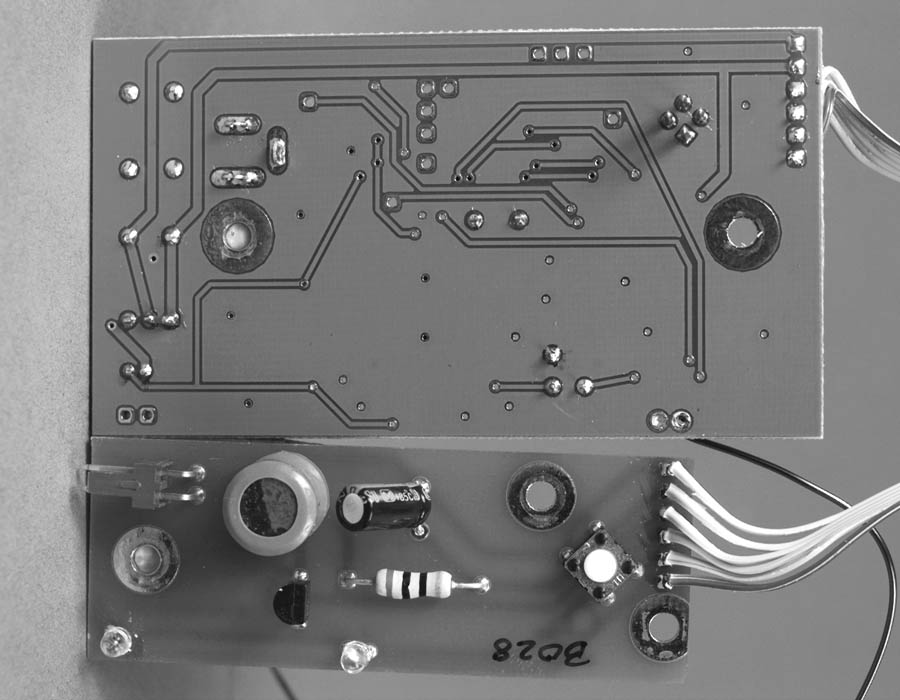
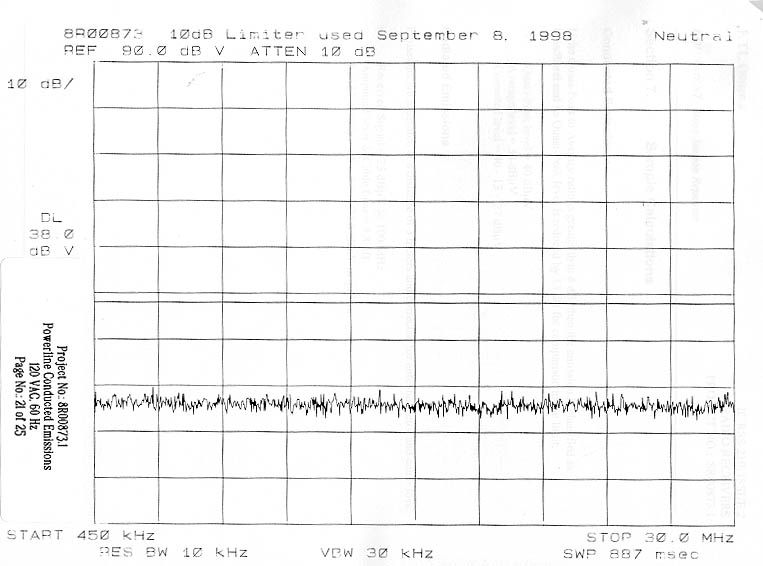
KTL Ottawa Safety - EMI - Telecom - ISO Guide 25 Master: ktlPT15BR Date: July 28, 1998 ENGINEERING TEST REPORT ON: THE SQUARE PEG COMMUNICATIONS INC. "BASE STATION REPEATER" FCC ID: NRA002TER98RX IN ACCORDANCE WITH: FCC PART 15, SUBPART B RADIO RECEIVERS PROJECT NO.: 8R00873 TESTED FOR: SQUARE PEG COMMUNICATIONS INC. 3701 CARLING AVENUE BUILDING 6 OTTAWA, ONTARIO K2H 8S2 TESTED BY: KTL OTTAWA INC. 3325 RIVER ROAD, R.R. 5 OTTAWA, ONTARIO K1V 1H2 NVLAP LAB CODE: 100351-0 SEPTEMBER 1998 This document contains 25 pages including this one. KTL Ottawa Inc. authorizes the above named company to reproduce this report provided it is reproduced in its entirety and for use by the company’s employees only. Any use which a third party makes of this report, or any reliance on or decisions to be made based on it, are the responsibility of such third parties. KTL Ottawa Inc. accepts no responsibility for damages, if any, suffered by any third party as a result of decisions made or actions based on this report. This report applies only to the items tested. KTL OttawaFCC PART 15, SUBPART B RADIO RECEIVERS PROJECT NO.: 8R00873 EQUIPMENT: Base Station Repeater FCC ID: NRA002TER98RX Page 2 of 25 TABLE OF CONTENTS Section 1. Summary of Test Results General Summary of Tests Section 2. Equipment Under Test (E.U.T.) Equipment Details Description of E.U.T. Modifications Incorporated in E.U.T. Theory of Operation Justification Exercise Program Section 3. Equipment Configuration Equipment Configuration List Inter-connection Cables Configuration of the Equipment Under Test (E.U.T.) Block Diagram Section 4. Receiver Antenna Conducted Emissions Test Conditions Test Results Receiver Antenna Conducted Plots Section 5. Radiated Emissions Test Conditions Test Results Test Data-Radiated Emissions Radiated Photographs Radiated Emissions Plots Section 6. Powerline Conducted Emissions Test Conditions Test Results Powerline Conducted Photographs Powerline Conducted Plots KTL OttawaFCC PART 15, SUBPART B RADIO RECEIVERS PROJECT NO.: 8R00873 EQUIPMENT: Base Station Repeater FCC ID: NRA002TER98RX Page 3 of 25 TABLE OF CONTENTS, continued Section 7. Sample Calculations Conducted Emissions Radiated Emissions Section 8. Block Diagrams Conducted Emissions Radiated Emissions Section 9. Test Equipment List Equipment List - Powerline Conducted Emissions Equipment List - Radiated Emissions KTL OttawaFCC PART 15, SUBPART B RADIO RECEIVERS PROJECT NO.: 8R00873 EQUIPMENT: Base Station Repeater FCC ID: NRA002TER98RX Page 4 of 25 Section 1.Summary of Test Results General: All measurements are traceable to national standards. These tests were conducted on a sample of the equipment for the purpose of demonstrating compliance with FCC Part 15, Subpart B. Measurement procedure ANSI C63.4-1992 was used for all tests. Radiated Emissions were measured on an open area test site. Abstract: Name Of TestPara. No.Results Antenna Conducted Emissions15.111Not Applicable Radiated Emissions15.109Complies Powerline Conducted Emissions15.107Complies THIS REPORT APPLIES ONLY TO THE ITEM(S) TESTED. THE FOLLOWING DEVIATIONS FROM, ADDITIONS TO, OR EXCLUSIONS FROM THE TEST SPECIFICATIONS HAVE BEEN MADE. Antenna Conducted Emissions were not performed because the unit has a non-detachable antenna. NVLAP Lab Code: 100351-0 It is recommended that the margin of compliance be improved to allow for manufacturing tolerances. TESTED BY:_____________________________________ DATE:_________________ Kevin Carr, Technologist TECHNICAL REVIEW:____________________________ DATE:_________________ Tom Tidwell, Senior Technologist APPROVED BY:__________________________________ DATE:________________ W. Waterhouse, RF Engineering Lab Manager KTL OttawaFCC PART 15, SUBPART B RADIO RECEIVERS PROJECT NO.: 8R00873 EQUIPMENT: Base Station Repeater FCC ID: NRA002TER98RX Page 5 of 25 Section 2.Equipment Under Test (E.U.T.) Manufacturer:Square Peg Communications Inc. Model No.:B101 Serial No.:G002 Class IINewProductionPre-Production Permissive ChangeSubmissionUnitUnit Equipment Details Frequency Range:318 MHz (Fixed) Number of Channels:1 Operating Frequency(ies) of Sample:318 MHz Crystal Frequency(ies):20.00 MHz Primary Power Requirement:9 VAC via AC to AC plug in power supply. Bandwidth and Emission Designator:Not Applicable Intermediate Frequency(ies):Not Applicable KTL OttawaFCC PART 15, SUBPART B RADIO RECEIVERS PROJECT NO.: 8R00873 EQUIPMENT: Base Station Repeater FCC ID: NRA002TER98RX Page 6 of 25 Description of E.U.T. The E.U.T. is a base station receiver for the Turtle Transmitter. Modifications Incorporated in E.U.T. The EUT has not been modified from what is described by the brand name and unique type identification stated above. KTL OttawaFCC PART 15, SUBPART B RADIO RECEIVERS PROJECT NO.: 8R00873 EQUIPMENT: Base Station Repeater FCC ID: NRA002TER98RX Page 7 of 25 Theory of Operation The base station sounds an audible alarm upon receiving a signal from the transmitter. The unit is a super regenerative receiver with a 315 MHz SAW resonator. KTL OttawaFCC PART 15, SUBPART B RADIO RECEIVERS PROJECT NO.: 8R00873 EQUIPMENT: Base Station Repeater FCC ID: NRA002TER98RX Page 8 of 25 Justification The E.U.T. was configured for testing as per typical installation. Position and bundling of cables were investigated to establish maximum amplitude of emissions. The following combinations were investigated to establish worst case configuration: (1) Normal operating orientation. Exercise Program The E.U.T. exercise program used during radiated and conducted testing was designed to exercise the various system components in a manner similar to typical use. Exercise mode: (1) Normal operating configuration. KTL OttawaFCC PART 15, SUBPART B RADIO RECEIVERS PROJECT NO.: 8R00873 EQUIPMENT: Base Station Repeater FCC ID: NRA002TER98RX Page 9 of 25 Section 3.Equipment Configuration Equipment Configuration List: ItemDescriptionModel No.Serial.Rev. (A)Base Station ReceiverB101G002 (B)AC to AC AdaptorCH-93001N/…
Text truncated - open the document above for the full version.
Contact Information
Applicant
Robert G. Lyons(President)
Technical Contact
Non-Technical Contact
KTL OTTAWAJOANNE A BACKES
[email protected]1-800-563-6336
Test Firm
Nemko Canada Inc.Stuart Beck
Technical Specifications
| # | Rule Parts | Frequency Range | Power Output |
|---|---|---|---|
| 1 | 15B | 318 MHz - 318 MHz | - |
Other Applications from Terrapin Communications Inc.

NRA-002TER06TX
Jul 27, 2006Gate Alarm Transmitter
Equipment Class
DSC - Part 15 Security/Remote Control Transmitter
NRA-002TER04RX
May 25, 2004Pool Monitor Alarm Receiver
Equipment Class
CYY - Communications Receiver used w/Pt 15 Transmitter
NRA001TER98TX
Oct 18, 1998Alarm Transmitter
Equipment Class
DSC - Part 15 Security/Remote Control Transmitter