OGUVER3522Event Tag
Midmark RTLS Solutions, Inc.
Click to zoom
Application Details
- Equipment Class
- DSC - Part 15 Security/Remote Control Transmitter
- Date of Grant
- Apr 05, 2015
- Application Purpose
- Original Equipment
- Date of Application
- Apr 05, 2015
- Equipment Note
- Event Tag
- Frequency Range
- 433.90000000 - 433.90000000
- Company
- Midmark RTLS Solutions, Inc.
- Country
- United States
Documents & Files
Document Text
Text extracted from the exhibit documents filed with the FCC. Open a document above to read the original.
Users Manual
Versus TM Information System User Guide Versus Information System User Guide Proprietary Information – Do Not Distribute Page 2 Copyright 1991-2015 Versus Technology, Inc. This document contains user’s information on technology that is proprietary to Versus Technology, Inc. Permitted transmittal, receipt or possession of this document does not express license or imply any rights to use, sell, design or manufacture this information. No reproduction, publication or disclosure of this information, in part or in whole, shall be made without prior written authorization from an officer of Versus Technology, Inc. WARNING! This product is not designed, intended, authorized or warranted for use in any life support or other application where product failure could cause or contribute to personal injury, death or severe property damage. This product or its systems are covered by one or more of the U.S. and Europe patents and trademarks listed at www.versustech.com. All patient, staff and asset names in this document are fictional. Note: Versus Sensory Network (VSN™) VSN™ uses Infrared and Radio Frequency technology to deliver precise location-specific information. VSN™ is marketed directly to medical facilities and through a network of authorized System Integrators. Because Versus Technology, Inc. is constantly improving its products, specifications within all Versus manuals are subject to change without notice. Revision Date: March 2015 Proprietary Information – Do Not Distribute Versus Information System User Guide Proprietary Information – Do Not Distribute Page 3 FCC STATEMENT: Components comply with part 15 of the FCC Rules. Operation is subject to the following two conditions: 1) These devices may not cause harmful interference, and 2) These devices must accept any interference received, including interference that may cause undesired operation. FCC CLASS A STATEMENT regarding the Versus Ethernet Concentrator: This equipment has been tested and found to comply with the limits for a Class A digital device, pursuant to part 15 of the FCC Rules. These limits are designed to provide reasonable protection against harmful interference when the equipment is operated in a commercial environment. This equipment generates, uses, and can radiate radio frequency energy and, if not installed and used in accordance with the instruction manual, may cause harmful interference to radio communications. Operation of this equipment in a residential area is likely to cause harmful interference in which case the user will be required to correct the interference at his own expense. FCC CLASS B STATEMENT regarding the Versus Collector: This equipment has been tested and found to comply with the limits for a Class B digital device, pursuant to part 15 of the FCC Rules. These limits are designed to provide reasonable protection against harmful interference in a residential installation. This equipment generates, uses, and can radiate radio frequency energy and, if not installed and used in accordance with the instruction manual, may cause harmful interference to radio communications. However, there is no guarantee that interference will not occur in a particular installation. If this equipment does cause harmful interference to radio or television reception, which can be determined by turning the equipment off and on, the user is encouraged to try to correct the interference by one or more of the following measures: Reorient or relocate the receiving antenna Increase the separation between the equipment and receiver Connect the equipment into an outlet on a circuit different from that to which the receiver is connected Consult the dealer or an experienced radio / TV technician for help Modifying or tampering with the transceivers’ or receivers’ internal components can cause malfunction, invalidate the warranty and void FCC authorization to use these products. CANADA STATEMENT: This device complies with RSS-210 of the Industry Canada Rules. Operation is subject to the following two conditions: (1) This device may not cause harmful interference, and (2) this device must accept any interference received, including interference that may cause undesired operation. Ce dispositif est conforme à la norme CNR-210 d'Industrie Canada applicable aux appareils radio exempts de licence. Son fonctionnement est sujet aux deux conditions suivantes: (1) le dispositif ne doit pas produire de brouillage préjudiciable, et (2) ce dispositif doit accepter tout brouillage reçu, y compris un brouillage susceptible de provoquer un fonctionnement indésirable. Versus Information System User Guide Proprietary Information – Do Not Distribute Page 4 Versus Information System User Guide Proprietary Information – Do Not Distribute Page 5 Table of Contents 1. Introduction ............................................................................................................................................ 6 A. Purpose of This Guide ...................................................................................................................... 6 B. Computer Requirements ................................................................................................................... 6 1. Versus Application Server ............................................................................................................. 6 2. Microsoft SQL Server Requirements ............................................................................................ 7 3. Client Workstations ....................................................................................................................... 7 C. Terms and Definitions ....................................................................................................................... 8 2. System Description ............................................................................................................................... 9 A. Infrared (IR) Tracking ....................…
Text truncated - open the document above for the full version.
Cover Letter(s)
FCC ID: OGUVER3520 Request for Confidentiality In accordance with 47 C.F.R. Section 0.459, we, (Versus Technology, Inc.), hereby request confidentiality for the block diagram, schematic and product description presented for certification. In support of the Request for Confidentiality, the following is stated: Enclosed within this application is technical information which we deem to be trade secrets and proprietary. If made public, the information might be used to our disadvantage. To assist in assuring that we receive the full value of our product and protect its competitive posture, we respectfully request this grant of confidentiality. Robert Wiser Versus Technology, Inc.
Test Report
Engineering Test Report No. 1401290-01 Measurement of RF Emissions from an Event Tag Transmitter, Model Numbers: 3520 and 3522 For Versus Technology, Inc. 2600 Miller Creek Road Traverse City, MI 49684 P.O. Number VTI-2014-272 Date Tested May 7, 2014, May 8, 2014, and February 17, 2015 Test Personnel Mark E. Longinotti Test Specification FCC "Code of Federal Regulations” Title 47 Part15, Subpart C Industry Canada RSS-GEN Industry Canada RSS-210 Test Report By: Mark Longinotti EMC Engineer Requested By: Robert Wiser Versus Technology, Inc. Approved By: Raymond J. Klouda Registered Professional Engineer of Illinois - 44894 Elite Electronic Engineering, Inc. 1516 Centre Circle Downers Grove, IL 60515 Tel : (630) 495-9770 Fax: (630) 495-9785 www.elitetest.com Engineering Test Report No. 1401290-01 TABLE OF CONTENTS PARAGRAPH DESCRIPTION OF CONTENTS PAGE NO. THIS REPORT SHALL NOT BE REPRODUCED, EXCEPT IN FULL, WITHOUT THE WRITTEN APPROVAL OF ELITE ELECTRONIC ENGINEERING INCORPORATED. Page 2 of 32 1. Introduction ................................................................................................................................................... 5 1.1. Scope of Tests ..................................................................................................................................... 5 1.2. Purpose ............................................................................................................................................... 5 1.3. Deviations, Additions and Exclusions .................................................................................................. 5 1.4. EMC Laboratory Identification ............................................................................................................. 5 1.5. Laboratory Conditions.......................................................................................................................... 5 2. Applicable Documents .................................................................................................................................. 5 3. EUT Setup and Operation ............................................................................................................................ 6 3.1. General Description ............................................................................................................................. 6 3.1.1. Power Input ................................................................................................................................. 6 3.1.2. Peripheral Equipment ................................................................................................................. 6 3.1.3. Signal Input/Output Leads .......................................................................................................... 6 3.1.4. Grounding ................................................................................................................................... 6 3.2. Software ............................................................................................................................................... 6 3.3. Operational Mode ................................................................................................................................ 6 3.4. EUT Modifications ................................................................................................................................ 6 4. Test Facility and Test Instrumentation ......................................................................................................... 6 4.1. Shielded Enclosure .............................................................................................................................. 6 4.2. Test Instrumentation ............................................................................................................................ 6 4.3. Calibration Traceability ........................................................................................................................ 6 4.4. Measurement Uncertainty ................................................................................................................... 6 5. Test Procedures ........................................................................................................................................... 7 5.1. Timing Measurements ......................................................................................................................... 7 5.1.1. Requirements .............................................................................................................................. 7 5.1.2. Procedures .................................................................................................................................. 7 5.1.3. Results ........................................................................................................................................ 7 5.2. Duty Cycle Factor Measurements ....................................................................................................... 7 5.2.1. Procedures .................................................................................................................................. 7 5.2.2. Results ........................................................................................................................................ 7 5.3. Radiated Measurements ..................................................................................................................... 8 5.3.1. Requirements .............................................................................................................................. 8 5.3.2. Procedures .................................................................................................................................. 9 5.3.3. Results ...........................................................................................................................…
Text truncated - open the document above for the full version.
Test Setup Photos
Engineering Test Report No. 1401290-01 Page 13 of 32 Figure 2 Test Setup for Radiated Emissions, 3520 Test Setup for Radiated Emissions, 3522 Engineering Test Report No. 1401290-01 Page 14 of 32 Figure 3 3520 Test Setup for Radiated Emissions, 30MHz to 1GHz – Horizontal Polarization 3520 Test Setup for Radiated Emissions, 30MHz to 1GHz – Vertical Polarization Engineering Test Report No. 1401290-01 Page 15 of 32 Figure 4 3520 Test Setup for Radiated Emissions, 1GHz to 5GHz – Horizontal Polarization 3520 Test Setup for Radiated Emissions, 1GHz to 5GHz – Vertical Polarization Engineering Test Report No. 1401290-01 Page 16 of 32 Figure 5 3522 Test Setup for Radiated Emissions, 30MHz to 1GHz – Horizontal Polarization 3522 Test Setup for Radiated Emissions, 30MHz to 1GHz – Vertical Polarization Engineering Test Report No. 1401290-01 Page 17 of 32 Figure 6 3522 Test Setup for Radiated Emissions, 1GHz to 5GHz – Horizontal Polarization 3522 Test Setup for Radiated Emissions, 1GHz to 5GHz – Vertical Polarization
Contact Information
Applicant
Robert Wiser(Design Engineer)
Non-Technical Contact
Versus Technology Inc.Henry Tenavitz
[email protected]2319465868
Test Firm
Elite Electronic Engineering Inc.Kevin Halpin
Technical Specifications
| # | Rule Parts | Frequency Range | Power Output |
|---|---|---|---|
| 1 | 15.231 | 433.9 MHz - 433.9 MHz | - |
Other Applications from Midmark RTLS Solutions, Inc.
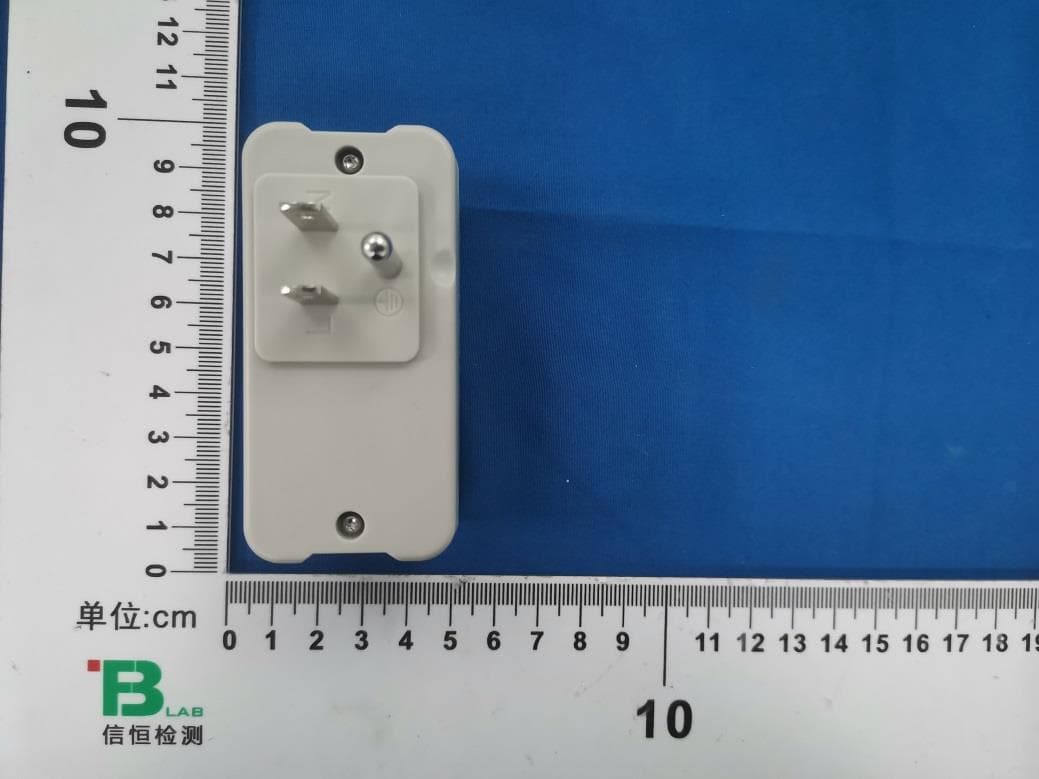
OGUVER5810
Jul 21, 2024BLE Dual band plug-in sensor
Equipment Class
NII - Unlicensed National Information Infrastructure TX
OGU722022
Oct 05, 2022Clearview BLE/IR Badge
Equipment Class
DTS - Digital Transmission System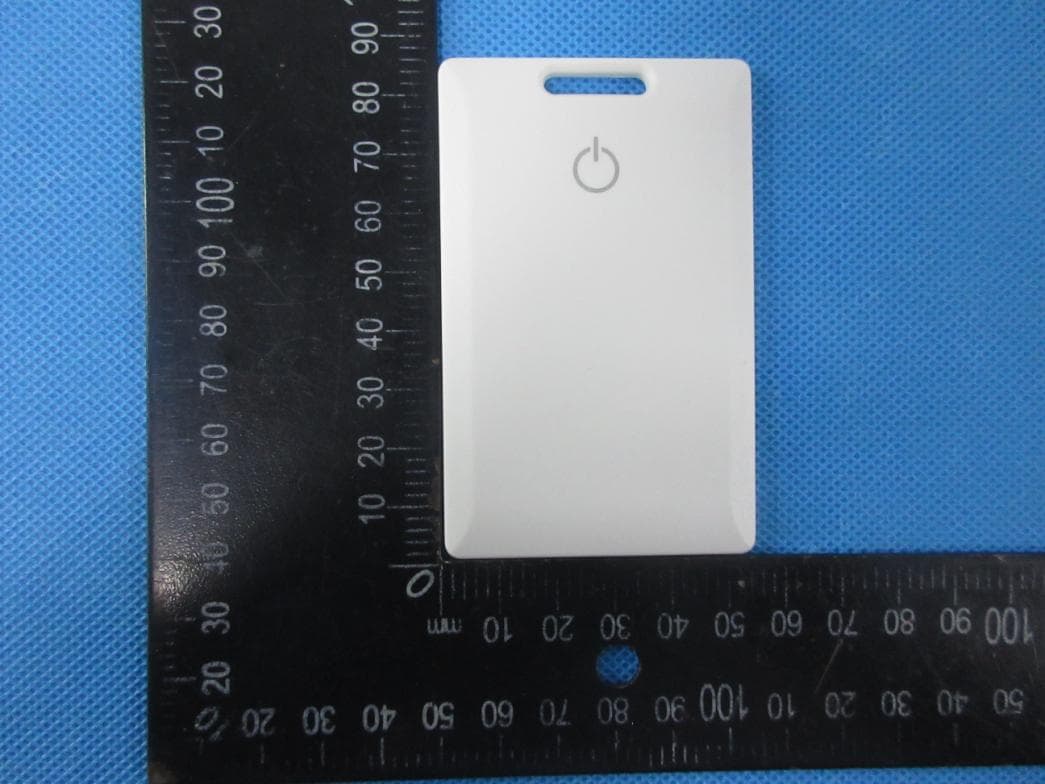
OGU702022
May 06, 2022BLE Badge
Equipment Class
DTS - Digital Transmission System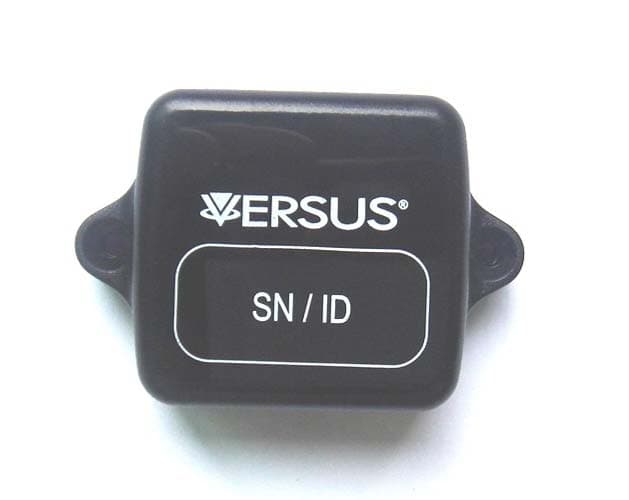
OGUVER188X
Sep 02, 2014MiniAssetTag
Equipment Class
DSC - Part 15 Security/Remote Control Transmitter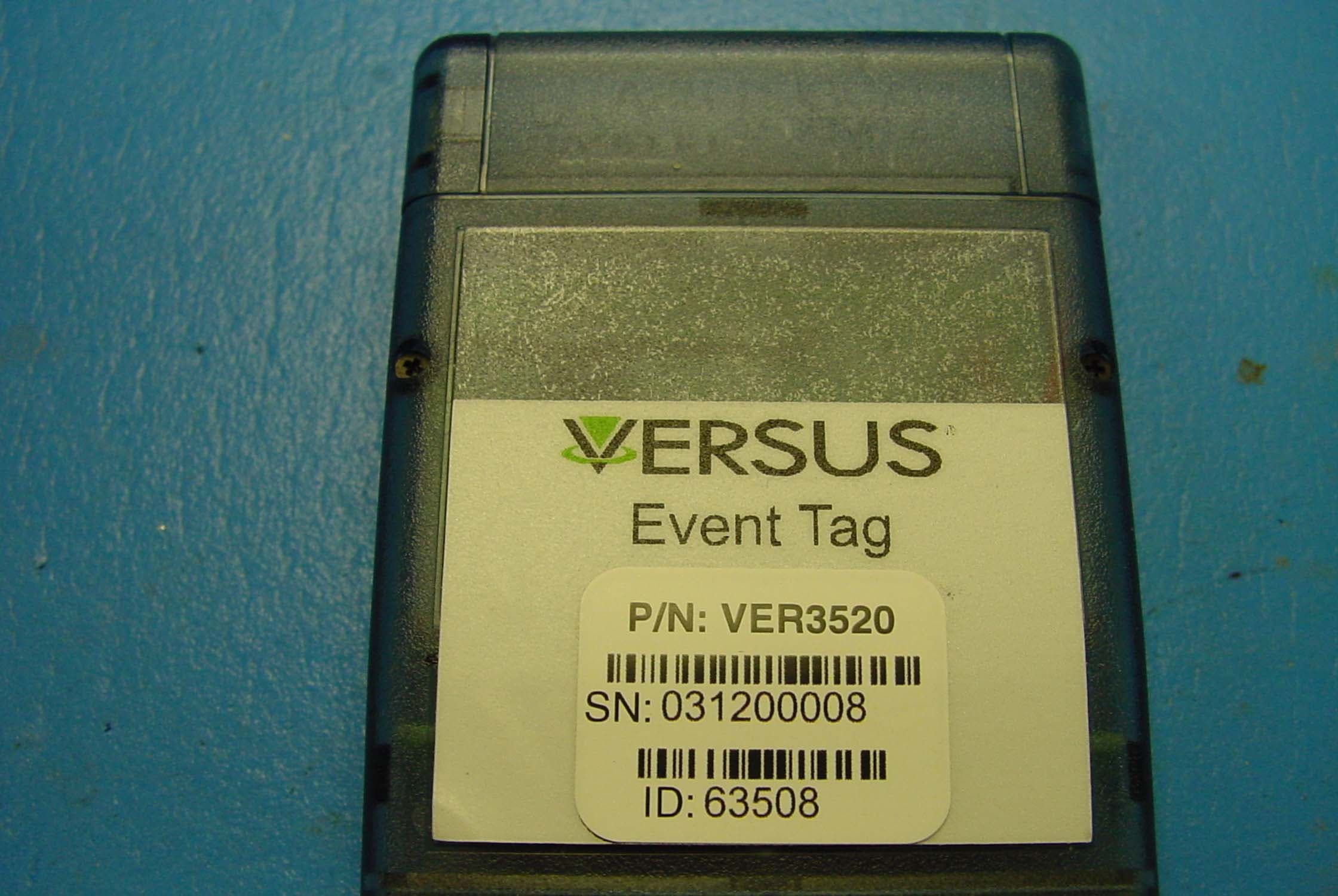
OGUVER3520
Apr 15, 2012Personnel Alert Badge
Equipment Class
DSC - Part 15 Security/Remote Control Transmitter