OVF-K5302Tri-Band CDMA Cellular Phone with Bluetooth
Kyocera International, Inc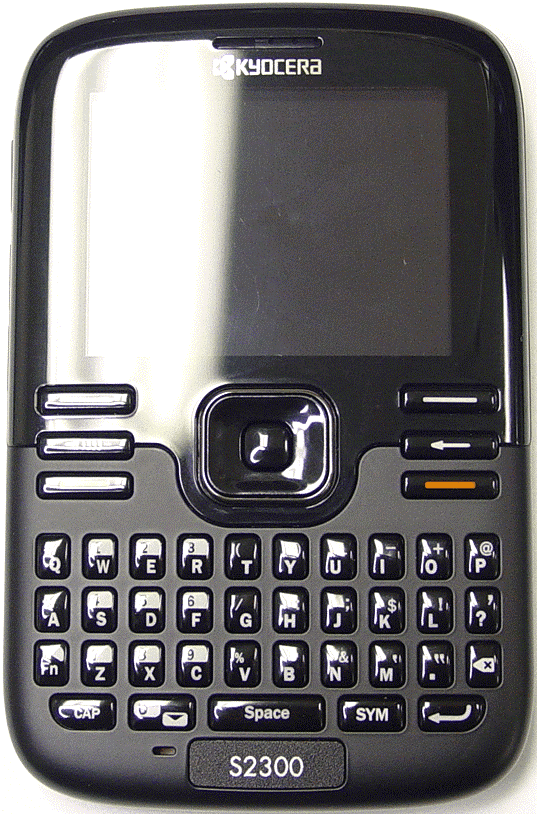
Click to zoom
Application Details
- Equipment Class
- PCE - PCS Licensed Transmitter held to ear
- Date of Grant
- Feb 09, 2010
- Application Purpose
- Original Equipment
- Date of Application
- Feb 09, 2010
- Equipment Note
- Tri-Band CDMA Cellular Phone with Bluetooth
- Frequency Range
- 1711.25000000 - 1753.75000000
- Company
- Kyocera International, Inc
- Country
- United States
Documents & Files
Document Text
Text extracted from the exhibit documents filed with the FCC. Open a document above to read the original.
Users Manual
User Guide1 user guide Torino S2300 DRAFT 2 Torino S2300 User Guide This manual is based on the production version of the Kyocera S2300 phone. Software changes may have occurred after this printing. Kyocera reserves the right to make changes in technical and product specifications without prior notice. The products and equipment described in this documentation are manufactured under license from QUALCOMM Incorporated under one or more of the following U.S. patents: 4,901,307 5,109,390 5,267,262 5,416,797 5,506,865 5,544,196 5,657,420 5,101,501 5,267,261 5,414,796 5,504,773 5,535,239 5,600,754 5,778,338 5,228,054 5,337,338 5,710,784 5,056,109 5,568,483 5,659,569 5,490,165 5,511,073 The Kyocera Communications Inc. (“KCI”) products described in this manual may include copyrighted KCI and third party software stored in semiconductor memories or other media. Laws in the United States and other countries preserve for KCI and third party software providers certain exclusive rights for copyrighted software, such as the exclusive rights to distribute or reproduce the copyrighted software. Accordingly, any copyrighted software contained in the KCI products may not be modified, reverse engineered, distributed or reproduced in any manner not permitted by law. Furthermore, the purchase of the KCI products shall not be deemed to grant—either directly or by implication, estoppel, or otherwise—any license under the copyrights, patents, or patent applications of KCI or any third party software provider, except for the normal, non-exclusive royalty-free license to use that arises by operation of law in the sale of a product. Kyocera is a registered trademark of Kyocera Corporation. Brick Attack and Race 21 are trademarks of Kyocera Wireless Corp. QUALCOMM is a registered trademark of QUALCOMM Incorporated. Openwave is a trademark of Openwave Systems Incorporated. eZiText is a registered trademark of Zi Corporation. TransFlash is a trademark of SanDisk Corporation. Bluetooth trademarks are owned by Bluetooth SIG, Inc. and used by Kyocera Communications Inc. under license. All other trademarks are the property of their respective owners. Copyright © 2010 Kyocera Wireless Corp. All rights reserved. Ringer Tones Copyright © 2000-2010 Kyocera Wireless Corp. 82-A6074-1EN, Rev. 001 IC Notice Operation is subject to the following two conditions: (1) this device may not cause interference, and (2) this device must accept any interference, including interference that may cause undesired operation of the device. The term “IC” before the radio certification number only signifies that Industry Canada technical specifications were met. •This Class B digital apparatus complies with Canadian ICES-003. •Cet appareil numérique de la classe B est confome à la norme NMB-003 du Canada. FCC Notice This device complies with part 15 of the FCC rules. Operation is subject to the following two conditions: (1) This device may not cause harmful interference, and (2) This device must accept any interference received, including interference that may cause undesired operation. To maintain compliance with FCC RF exposure guidelines, if you wear a phone on your body, use the Kyocera Communications Inc. (KCI) supplied and approved accessory designed for this product. Using accessories that are not supplied or approved by KCI may violate FCC RF exposure guidelines. Other accessories used with this device for body-worn operations must not contain any metallic components and must provide at least 15 mm separation distance including the antenna and the user’s body. THIS MODEL PHONE MEETS THE GOVERNMENT’S REQUIREMENTS FOR EXPOSURE TO RADIO WAVES. Your wireless phone is a radio transmitter and receiver. It is designed and manufactured to not exceed the emission limits for NAD DRAFT User Guide3 exposure to radio frequency (RF) energy set by the Federal Communications Commission of the U.S. Government. These limits are part of comprehensive guidelines and establish permitted levels of RF energy for the general population. The guidelines are based on standards that were developed by independent scientific organizations through periodic and thorough evaluation of scientific studies. The standards include a substantial safety margin designed to assure the safety of all persons, regardless of age and health. The exposure standard for wireless mobile phones employs a unit of measurement known as the Specific Absorption Rate, or SAR. The SAR limit set by the FCC is 1.6 W/kg.* Tests for SAR are conducted using standard operating positions specified by the FCC with the phone transmitting at its highest certified power level in all tested frequency bands. Although the SAR is determined at the highest certified power level, the actual SAR level of the phone while operating can be well below the maximum value. This is because the phone is designed to operate at multiple power levels so as to use only the power required to reach the network. In general, the closer you are to a wireless base station antenna, the lower the power output. Before a phone model is available for sale to the public, it must be tested and certified by the FCC that it does not exceed the limit established by the government-adopted requirement for safe exposure. The tests are performed in positions and locations (e.g., at the ear and worn on the body) as required by the FCC for each model. Body-worn measurements differ among phone models, depending upon availability of accessories and FCC requirements. While there may be differences between the SAR levels of various phones and at various positions, they all meet the government requirement for safe exposure. The FCC has granted an Equipment Authorization for this model phone with all reported SAR levels evaluated as in compliance with the FCC RF emission guidelines. SAR information on this model phone is on file with the FCC and can be found under the Display Grant section www.fcc.gov/oet/ea after searching on the FCC ID: OVF-K5302. Add…
Text truncated - open the document above for the full version.
Cover Letter(s)
FCC ID: OVF-K5302 January 25, 2010 Federal Communications Commission Authorization and Evaluation Division 7435 Oakland Mills Road Columbia, Maryland 21046 Re: Application for Cellular Transceiver Certification To Whom It May Concern: Kyocera Wireless Corporation (KWC) herein submits the Application for Equipment Authorization (FCC Form 731) and Exhibits for Certification of a Cellular Transceiver, FCC ID: OVF-K5302. Applicant: Kyocera Wireless Corp. 10300 Campus Point Drive San Diego, CA 92121-1522 Manufacture: Kyocera Wireless Corp. 10300 Campus Point Drive San Diego, CA 92121 The equipment is for mobile station cellular system use. The OVF-K5302 is in full compliance with all parts of EIA/TIA/IS-98-B&D Mobile Station-Land Station Compatibility Specification, issue July 2000 and March 2001, and also in full compliance with all parts of ANSI J-STD-08, Recommended Minimum Performance Requirements for 1.8 to 2 GHz Code Division Multiple Access (CDMA) Personal Stations, issue July 1996. Please contact me at Tel: (858) 882-2137 or Email: [email protected] if there are any questions or if any additional information is needed. Thuy To Regulatory Engineer Kyocera Wireless Corp. Cover Letter 1 Model: K53-02
Cover Letter(s)
FCC ID: OVF-K5302 January 25, 2010 Federal Communications Commission Authorization and Evaluation Division 7435 Oakland Mills Road Columbia, Maryland 21046 Re: Request of Confidentiality for FCC ID: OVF-K5302 To Whom It May Concern: Pursuant to Sections 0.457 and 0.459 of the Commission’s Rules (CFR 47), Kyocera Wireless Corp (KWC) hereby requests confidential and treatment of information accompanying this Application. The materials contain trade secrets and proprietary information not customarily released to the public. The public disclosure of these matters might be harmful to the Applicant and provide unjustified benefits to its competitors. We are also requesting Short-Term Confidentiality as outlined in Public Notice DA 04-1705. This provision will give KWC Temporary Confidentiality of commercially sensitive information prior to product launch. The requested Confidential and Temporary Confidential exhibits are listed in table 1 below: Table 1. Confidential and Short-Term Confidential Exhibit Description 1A, 1B Operation Descriptions, Tune-up Procedure 2 Block diagrams 3 Schematics Confidential 4 Parts Lists 5 Instruction Manual 7 External Photos 8 Internal Photos 9E SAR Test Setup Photos 11B EMC Test Setup Photos 12D HAC RF Test Setup Photos Short-Term Confidential 13E T-Coil Test Setup Photos The Applicant understands that pursuant to Rule 0.457, disclosure of this Application and all accompanying documentation will not be made before the date of the Grant for this Application. Sincerely, Thuy To Regulatory Engineer Kyocera Wireless Corp. Kyocera Wireless Corp. Page 1 of 1 Model: K53-02
External Photos
FCC ID: OVF-K5302 IC #: 3572A-S2300 Exhibit 7: External Photos Front External Photos Page 1 of 2 Model: K53-02, S2300 FCC ID: OVF-K5302 IC #: 3572A-S2300 Back External Photos Page 2 of 2 Model: K53-02, S2300
ID Label/Location Info
FCC ID: OVF-K5302 IC #: 3572A-S2300 Label Information Page 1 of 2 Model: K53-02, S2300 Exhibit 6: ID Label Format Location Phone back view Battery compartment FCC/IC Label FCC ID: OVF-K5302 IC #: 3572A-S2300 Label Information Page 2 of 2 Model: K53-02, S2300 FCC declaration statement Kyocera Wireless Corp. complies with FCC rules Part 2.925(d) that the label shall be permanently affixed to the equipment and shall be readily visible to the purchaser at the time of purchase: 1) This cellular phone has limited label space on the exterior of the unit. The FCC ID label is placed in the battery compartment. 2) The batteries for these devices are designed for easy removal and that the labels will be visible whenever the batteries are removed for charging or replacement. The phone will be market without the battery installed.
Internal Photos
FCC ID: OVF-K5302 IC #: 3572A-S2300 Exhibit 8: Internal Photos Internal Photos Page 1 of 5 Model: K53-02, S2300 FCC ID: OVF-K5302 IC #: 3572A-S2300 Internal Photos Page 2 of 5 Model: K53-02, S2300 FCC ID: OVF-K5302 IC #: 3572A-S2300 Internal Photos Page 3 of 5 Model: K53-02, S2300 FCC ID: OVF-K5302 IC #: 3572A-S2300 Internal Photos Page 4 of 5 Model: K53-02, S2300 FCC ID: OVF-K5302 IC #: 3572A-S2300 Internal Photos Page 5 of 5 Model: K53-02, S2300
RF Exposure Info
FCC ID: OVF-K5302 IC #: 3572A-S2300 SAR Test Report on Tri-Mode CDMA Cellular Phone with Bluetooth FCC Part 22, 27 & 24 Certification FCC ID: OVF-K5302 MODEL: K53-02, S2300 DATE: January 15, 2010 STATEMENT OF COMPLIANCE Kyocera Wireless Corp declares under its sole responsibility that the product, FCC ID: OVF-K5302 to which this declaration relates, is in conformity with the appropriate General Population/Uncontrolled RF exposure standards, recommendations and guidelines. It also declares that the product was tested in accordance with the appropriate measurement standards, guidelines and recommended practices. Any deviations from these standards, guidelines and recommended practices are noted: NONE. Date of Test: Jan 06, 2010 – Jan 15, 2010 Test performed by: Kyocera Wireless Corp. 10300 Campus Point Drive San Diego, CA 92121 Report Prepared by: Thuy To, Regulatory Engineer Report Reviewed by: C.K. Li, Director of Regulatory Engineering SAR Report Page 1 of 20 Model: K53-02, S2300 FCC ID: OVF-K5302 IC #: 3572A-S2300 Table of Contents 1 INTRODUCTION..............................................................................................................................................................3 2 EQUIPMENT UNDER TEST (EUT)...............................................................................................................................3 3 PRODUCT DESCRIPTION.............................................................................................................................................4 4 ACCESSORIES:................................................................................................................................................................4 5 SAR TEST RESULT SUMMARY...................................................................................................................................5 5.1 MAXIMUM RESULTS FOUND DURING SAR EVALUATION..............................................................................................5 5.2 HEAD CONFIGURATION.................................................................................................................................................5 5.3 BODY WORN CONFIGURATION......................................................................................................................................5 5.4 MEASUREMENT UNCERTAINTY.....................................................................................................................................5 6 TEST CONDITIONS.........................................................................................................................................................6 6.1 AMBIENT CONDITIONS..................................................................................................................................................6 6.2 RF CHARACTERISTICS OF THE TEST SITE.......................................................................................................................6 6.3 TEST SIGNAL, FREQUENCIES AND OUTPUT POWER.......................................................................................................6 6.3.1 CDMA2000 Test conditions.................................................................................................................................6 6.4 DEVICE TEST CONDITIONS............................................................................................................................................8 6.5 MULTIPLE TRANSMITTERS AND ANTENNAS SAR EVALUATIONS..................................................................................8 6.5.1 Test requirement determination:..........................................................................................................................8 6.6 SAR TESTS IN MOUTH AND JAW REGIONS OF THE SAM PHANTOM.............................................................................9 7 DESCRIPTION OF THE TEST EQUIPMENT...........................................................................................................10 7.1 DOSIMETRIC SYSTEM..................................................................................................................................................10 7.2 ADDITIONAL EQUIPMENT NEEDED IN VALIDATION......................................................................................................11 7.3 TISSUE STIMULANTS...................................................................................................................................................11 7.4 PHANTOMS DESCRIPTION............................................................................................................................................11 7.5 ISOTROPIC E-FIELD PROBE..........................................................................................................................................12 8 SYSTEM VALIDATION................................................................................................................................................13 9 DESCRIPTION OF THE TEST PROCEDURE...........................................................................................................14 9.1 TEST POSITIONS..........................................................................................................................................................14 9.1.1 Initial Ear Position.............................................................................................................................................14 9.1.2 Cheek Position....................................................................................................................................................15 9.1.3 Tilt Position........................................................................................................................................................15 9.1.4 Body Worn Configuration...................................................................…
Text truncated - open the document above for the full version.
RF Exposure Info
FCC ID: OVF-K5302 IC #: 3572A-S2300 Date: 1/12/2010 Test Laboratory: Kyocera Wireless Corporation 835MHz Validation @ 20dbm, Probe #3035, DAE#494, Dipole #4d019 Communication System: CDMA, Frequency: 835 MHz, Duty Cycle: 1:1 Medium: Head 835 MHz,Medium parameters used (interpolated): f = 835 MHz; σ = 0.89 mho/m; ε r = 40.1; ρ = 1000 kg/m 3 Phantom: SAM 12,Phantom section: Flat Section DASY4 Configuration: Probe: ES3DV3 - SN3035, ConvF(6.12, 6.12, 6.12), Calibrated: 8/20/2009 Sensor-Surface: 4mm (Mechanical Surface Detection), Electronics: DAE3 Sn494,Calibrated: 4/22/2009 Measurement SW: DASY4, V4.7 Build 80 Postprocessing SW: SEMCAD, V1.8 Build 186 Temperature:Room T = 21.8 +/- 1 deg C, Liquid T = 22.0 +/- 1 deg C 835MHz Validation/Zoom Scan (7x7x7)/Cube 0: Measurement grid: dx=5mm, dy=5mm, dz=5mm Reference Value = 33.4 V/m; Power Drift = 0.003 dB Peak SAR (extrapolated) = 1.48 W/kg SAR(1 g) = 0.977 mW/g; SAR(10 g) = 0.633 mW/g Maximum value of SAR (measured) = 1.05 mW/g 0 dB = 1.05mW/g SAR Plots Validation Page 1 of 8 Model: K53-02, S2300 FCC ID: OVF-K5302 IC #: 3572A-S2300 Date: 1/11/2010 Test Laboratory: Kyocera Wireless Corporation 1800MHz Validation, Probe #1618, DAE #675, Dipole #220 Communication System: CW, Frequency: 1800 MHz, Duty Cycle: 1:1 Medium: H1800,Medium parameters used: f = 1800 MHz; σ = 1.44 mho/m; ε r = 39.4; ρ = 1000 kg/m 3 Phantom: SAM 12,Phantom section: Flat Section DASY4 Configuration: Probe: ET3DV6 - SN1618, ConvF(5.52, 5.52, 5.52), Calibrated: 7/15/2009 Sensor-Surface: 4mm (Mechanical Surface Detection), Electronics: DAE4 Sn675,Calibrated: 4/29/2009 Measurement SW: DASY4, V4.7 Build 80 Postprocessing SW: SEMCAD, V1.8 Build 186 Temperature:Room T = 21.8 1 deg C, Liquid T = 22.0 1 deg C 1800Mhz/Zoom Scan (7x7x7)/Cube 0: Measurement grid: dx=5mm, dy=5mm, dz=5mm Reference Value = 55.1 V/m; Power Drift = -0.071 dB Peak SAR (extrapolated) = 6.02 W/kg SAR(1 g) = 3.71 mW/g; SAR(10 g) = 2 mW/g Maximum value of SAR (measured) = 4.20 mW/g 0 dB = 4.53mW/g SAR Plots Validation Page 2 of 8 Model: K53-02, S2300 FCC ID: OVF-K5302 IC #: 3572A-S2300 Date: 1/6/2010 Test Laboratory: Kyocera Wireless Corporation 1900Mhz Validation @ 20dBm Probe 3036, DAE 493 and Dipole 5d016 Communication System: CW, Frequency: 1900 MHz, Duty Cycle: 1:1 Medium: HSL1900,Medium parameters used (interpolated): f = 1900 MHz; σ = 1.43 mho/m; ε r = 39.4; ρ = 1000 kg/m 3 Phantom: SAM 12,Phantom section: Flat Section DASY4 Configuration: Probe: ES3DV3 - SN3036, ConvF(4.92, 4.92, 4.92), Calibrated: 8/20/2009 Sensor-Surface: 4mm (Mechanical Surface Detection), Electronics: DAE3 Sn493,Calibrated: 8/12/2009 Measurement SW: DASY4, V4.7 Build 80 Postprocessing SW: SEMCAD, V1.8 Build 186 Temperature:Room T = 21.8 1 deg C, Liquid T = 22.0 1 deg C 1900MHz Validation @20dBm/Zoom Scan (7x7x7)/Cube 0: Measurement grid: dx=5mm, dy=5mm, dz=5mm Reference Value = 57.2 V/m; Power Drift = 0.006 dB Peak SAR (extrapolated) = 7.68 W/kg SAR(1 g) = 4.09 mW/g; SAR(10 g) = 2.1 mW/g Maximum value of SAR (measured) = 4.59 mW/g 0 dB = 5.01mW/g SAR Plots Validation Page 3 of 8 Model: K53-02, S2300 FCC ID: OVF-K5302 IC #: 3572A-S2300 Date: 1/7/2010 Test Laboratory: Kyocera Wireless Corporation 1900Mhz Validation @ 20dBm Probe 3036, DAE 493 and Dipole 5d016, 01-07-10 Communication System: CW, Frequency: 1900 MHz, Duty Cycle: 1:1 Medium: HSL1900,Medium parameters used (interpolated): f = 1900 MHz; σ = 1.41 mho/m; ε r = 39.2; ρ = 1000 kg/m 3 Phantom: SAM 12,Phantom section: Flat Section DASY4 Configuration: Probe: ES3DV3 - SN3036, ConvF(4.92, 4.92, 4.92), Calibrated: 8/20/2009 Sensor-Surface: 4mm (Mechanical Surface Detection), Electronics: DAE3 Sn493,Calibrated: 8/12/2009 Measurement SW: DASY4, V4.7 Build 80 Postprocessing SW: SEMCAD, V1.8 Build 186 Temperature:Room T = 21.8 1 deg C, Liquid T = 22.0 1 deg C 1900MHz Validation @20dBm/Zoom Scan (7x7x7)/Cube 0: Measurement grid: dx=5mm, dy=5mm, dz=5mm Reference Value = 56.7 V/m; Power Drift = -0.031 dB Peak SAR (extrapolated) = 7.38 W/kg SAR(1 g) = 3.99 mW/g; SAR(10 g) = 2.07 mW/g Maximum value of SAR (measured) = 4.46 mW/g 0 dB = 4.76mW/g SAR Plots Validation Page 4 of 8 Model: K53-02, S2300 FCC ID: OVF-K5302 IC #: 3572A-S2300 MUSCLE SAR Plots Validation Page 5 of 8 Model: K53-02, S2300 FCC ID: OVF-K5302 IC #: 3572A-S2300 Date: 1/15/2010 Test Laboratory: Kyocera Wireless Corporation 835MHz Validation (in Muscle), Probe #3036, DAE #675, Dipole #4d019 Communication System: CW, Frequency: 835 MHz, Duty Cycle: 1:1 Medium: M900,Medium parameters used: f = 835 MHz; σ = 0.96 mho/m; ε r = 54.8; ρ = 1000 kg/m 3 Phantom: SAM 12,Phantom section: Flat Section DASY4 Configuration: Probe: ES3DV3 - SN3036, ConvF(5.8, 5.8, 5.8), Calibrated: 8/20/2009 Sensor-Surface: 4mm (Mechanical Surface Detection), Electronics: DAE4 Sn675,Calibrated: 4/29/2009 Measurement SW: DASY4, V4.7 Build 80 Postprocessing SW: SEMCAD, V1.8 Build 186 Temperature:Room T = 21.8 +/- 1 deg C, Liquid T = 22.0 +/- 1 deg C 835MHz/Zoom Scan (7x7x7)/Cube 0: Measurement grid: dx=5mm, dy=5mm, dz=5mm Reference Value = 32.5 V/m; Power Drift = 0.058 dB Peak SAR (extrapolated) = 1.38 W/kg SAR(1 g) = 0.934 mW/g; SAR(10 g) = 0.616 mW/g Maximum value of SAR (measured) = 1.01 mW/g 0 dB = 1.01mW/g SAR Plots Validation Page 6 of 8 Model: K53-02, S2300 FCC ID: OVF-K5302 IC #: 3572A-S2300 Date: 1/13/2010 Test Laboratory: Kyocera Wireless Corporation 1800MHz Validation (in Muscle), Probe #1618, DAE #675, Dipole #220 Communication System: CW, Frequency: 1800 MHz, Duty Cycle: 1:1 Medium: M1800,Medium parameters used: f = 1800 MHz; σ = 1.58 mho/m; ε r = 51.5; ρ = 1000 kg/m 3 Phantom: SAM 12,Phantom section: Flat Section DASY4 Configuration: Probe: ET3DV6 - SN1618, ConvF(4.87, 4.87, 4.87), Calibrated: 7/15/2009 Sensor-Surface: 4mm (Mechanical Surface Detection), Electronics: DAE4 Sn675,Calibrated: 4/29/2009 Measurement SW: DASY4, V4.7 Build 80 Postprocessing SW: SEMCAD, V1.8 Build 186 Temperature:Room T = 21.8 +/- 1 deg C, Liquid T = …
Text truncated - open the document above for the full version.
RF Exposure Info
FCC ID: OVF-K5302 IC #: 3572A-S2300 Appendix B1: SAR Distribution Plots (Head) SAR Plots (Head) Page 1 of 31 Model: K53-02, S2300 FCC ID: OVF-K5302 IC #: 3572A-S2300 CELL SAR Plots (Head) Page 2 of 31 Model: K53-02, S2300 FCC ID: OVF-K5302 IC #: 3572A-S2300 Date: 1/12/2010 Test Laboratory: Kyocera Wireless Corporation FCC K53-02_S2300 CDMA-800 Ch1013, Left Cheek Communication System: CDMA-800, Frequency: 824.7 MHz, Duty Cycle: 1:1 Medium: Head 835 MHz,Medium parameters used (interpolated): f = 824.7 MHz; σ = 0.89 mho/m; ε r = 40.1; ρ = 1000 kg/m 3 Phantom: SAM 12,Phantom section: Left Section DASY4 Configuration: Probe: ES3DV3 - SN3035, ConvF(6.12, 6.12, 6.12), Calibrated: 8/20/2009 Sensor-Surface: 4mm (Mechanical Surface Detection), Electronics: DAE3 Sn494,Calibrated: 4/22/2009 Measurement SW: DASY4, V4.7 Build 80 Postprocessing SW: SEMCAD, V1.8 Build 186 Temperature:Room T = 21.8 1 deg C, Liquid T = 22.0 1 deg C CDMA-800 Ch1013 LC/Zoom Scan (7x7x7)/Cube 0: Measurement grid: dx=5mm, dy=5mm, dz=5mm Reference Value = 14.5 V/m; Power Drift = 0.034 dB Peak SAR (extrapolated) = 1.17 W/kg SAR(1 g) = 0.925 mW/g; SAR(10 g) = 0.690 mW/g Maximum value of SAR (measured) = 0.991 mW/g 0 dB = 0.967mW/g SAR Plots (Head) Page 3 of 31 Model: K53-02, S2300 FCC ID: OVF-K5302 IC #: 3572A-S2300 Date: 1/12/2010 Test Laboratory: Kyocera Wireless Corporation FCC K53-02_S2300 CDMA-800 Ch383, Left Cheek Communication System: CDMA-800, Frequency: 836.49 MHz, Duty Cycle: 1:1 Medium: Head 835 MHz,Medium parameters used (interpolated): f = 836.49 MHz; σ = 0.89 mho/m; ε r = 40.1; ρ = 1000 kg/m 3 Phantom: SAM 12,Phantom section: Left Section DASY4 Configuration: Probe: ES3DV3 - SN3035, ConvF(6.12, 6.12, 6.12), Calibrated: 8/20/2009 Sensor-Surface: 4mm (Mechanical Surface Detection), Electronics: DAE3 Sn494,Calibrated: 4/22/2009 Measurement SW: DASY4, V4.7 Build 80 Postprocessing SW: SEMCAD, V1.8 Build 186 Temperature:Room T = 21.8 1 deg C, Liquid T = 22.0 1 deg C CDMA-800 Ch383 LC/Zoom Scan (7x7x7)/Cube 0: Measurement grid: dx=5mm, dy=5mm, dz=5mm Reference Value = 14.7 V/m; Power Drift = -0.176 dB Peak SAR (extrapolated) = 0.990 W/kg SAR(1 g) = 0.790 mW/g; SAR(10 g) = 0.595 mW/g Maximum value of SAR (measured) = 0.825 mW/g 0 dB = 0.838mW/g SAR Plots (Head) Page 4 of 31 Model: K53-02, S2300 FCC ID: OVF-K5302 IC #: 3572A-S2300 SAR Plots (Head) Page 5 of 31 Model: K53-02, S2300 FCC ID: OVF-K5302 IC #: 3572A-S2300 Date: 1/12/2010 Test Laboratory: Kyocera Wireless Corporation FCC K53-02_S2300 CDMA-800 Ch777, Left Cheek Communication System: CDMA-800, Frequency: 848.31 MHz, Duty Cycle: 1:1 Medium: Head 835 MHz,Medium parameters used (interpolated): f = 848.31 MHz; σ = 0.89 mho/m; ε r = 40.1; ρ = 1000 kg/m 3 Phantom: SAM 12,Phantom section: Left Section DASY4 Configuration: Probe: ES3DV3 - SN3035, ConvF(6.12, 6.12, 6.12), Calibrated: 8/20/2009 Sensor-Surface: 4mm (Mechanical Surface Detection), Electronics: DAE3 Sn494,Calibrated: 4/22/2009 Measurement SW: DASY4, V4.7 Build 80 Postprocessing SW: SEMCAD, V1.8 Build 186 Temperature:Room T = 21.8 1 deg C, Liquid T = 22.0 1 deg C CDMA-800 Ch777 LC/Zoom Scan (7x7x7)/Cube 0: Measurement grid: dx=5mm, dy=5mm, dz=5mm Reference Value = 16.5 V/m; Power Drift = 0.126 dB Peak SAR (extrapolated) = 1.32 W/kg SAR(1 g) = 1.06 mW/g; SAR(10 g) = 0.796 mW/g Maximum value of SAR (measured) = 1.11 mW/g 0 dB = 1.09mW/g SAR Plots (Head) Page 6 of 31 Model: K53-02, S2300 FCC ID: OVF-K5302 IC #: 3572A-S2300 Date: 1/12/2010 Test Laboratory: Kyocera Wireless Corporation FCC K53-02_S2300 CDMA-800 Ch383, Left Tilt Communication System: CDMA-800, Frequency: 836.49 MHz, Duty Cycle: 1:1 Medium: Head 835 MHz,Medium parameters used (interpolated): f = 836.49 MHz; σ = 0.89 mho/m; ε r = 40.1; ρ = 1000 kg/m 3 Phantom: SAM 12,Phantom section: Left Section DASY4 Configuration: Probe: ES3DV3 - SN3035, ConvF(6.12, 6.12, 6.12), Calibrated: 8/20/2009 Sensor-Surface: 4mm (Mechanical Surface Detection), Electronics: DAE3 Sn494,Calibrated: 4/22/2009 Measurement SW: DASY4, V4.7 Build 80 Postprocessing SW: SEMCAD, V1.8 Build 186 Temperature:Room T = 21.8 +/- 1 deg C, Liquid T = 22.0 +/- 1 deg C CDMA-800 Ch383 LT/Zoom Scan (7x7x7)/Cube 0: Measurement grid: dx=5mm, dy=5mm, dz=5mm Reference Value = 16.0 V/m; Power Drift = 0.015 dB Peak SAR (extrapolated) = 0.511 W/kg SAR(1 g) = 0.403 mW/g; SAR(10 g) = 0.304 mW/g Maximum value of SAR (measured) = 0.425 mW/g 0 dB = 0.415mW/g Date: 1/12/2010 SAR Plots (Head) Page 7 of 31 Model: K53-02, S2300 FCC ID: OVF-K5302 IC #: 3572A-S2300 Test Laboratory: Kyocera Wireless Corporation FCC K53-02_S2300 CDMA-800 Ch1013, Right Cheek Communication System: CDMA-800, Frequency: 824.7 MHz, Duty Cycle: 1:1 Medium: Head 835 MHz,Medium parameters used (interpolated): f = 824.7 MHz; σ = 0.89 mho/m; ε r = 40.1; ρ = 1000 kg/m 3 Phantom: SAM 12,Phantom section: Right Section DASY4 Configuration: Probe: ES3DV3 - SN3035, ConvF(6.12, 6.12, 6.12), Calibrated: 8/20/2009 Sensor-Surface: 4mm (Mechanical Surface Detection), Electronics: DAE3 Sn494,Calibrated: 4/22/2009 Measurement SW: DASY4, V4.7 Build 80 Postprocessing SW: SEMCAD, V1.8 Build 186 Temperature:Room T = 21.8 +/- 1 deg C, Liquid T = 22.0 +/- 1 deg C CDMA-800 Ch1013 RC/Zoom Scan (7x7x7)/Cube 0: Measurement grid: dx=5mm, dy=5mm, dz=5mm Reference Value = 15.7 V/m; Power Drift = 0.139 dB Peak SAR (extrapolated) = 1.31 W/kg SAR(1 g) = 1.05 mW/g; SAR(10 g) = 0.787 mW/g Maximum value of SAR (measured) = 1.10 mW/g 0 dB = 1.08mW/g SAR Plots (Head) Page 8 of 31 Model: K53-02, S2300 FCC ID: OVF-K5302 IC #: 3572A-S2300 Date: 1/12/2010 Test Laboratory: Kyocera Wireless Corporation FCC K53-02_S2300 CDMA-800 Ch383, Right Cheek Communication System: CDMA-800, Frequency: 836.49 MHz, Duty Cycle: 1:1 Medium: Head 835 MHz,Medium parameters used (interpolated): f = 836.49 MHz; σ = 0.89 mho/m; ε r = 40.1; ρ = 1000 kg/m 3 Phantom: SAM 12,Phantom section: Right Section DASY4 Configuration: Probe: ES3DV3 - SN3035, ConvF(6.12, 6.12, 6.12), Calibrated: …
Text truncated - open the document above for the full version.
RF Exposure Info
FCC ID: OVF-K5302 IC #: 3572A-S2300 Appendix B2: SAR Distribution Plots (Body) SAR Plots (Head) Page 1 of 13 Model: K53-02, S2300 FCC ID: OVF-K5302 IC #: 3572A-S2300 CELL SAR Plots (Head) Page 2 of 13 Model: K53-02, S2300 FCC ID: OVF-K5302 IC #: 3572A-S2300 Date: 1/15/2010 Test Laboratory: Kyocera Wireless Corporation FCC K53-02_S2300 CDMA-800 Ch383 +SCH, Phone Facing Down Communication System: CDMA-800, Frequency: 836.49 MHz, Duty Cycle: 1:1 Medium: M900,Medium parameters used (interpolated): f = 836.49 MHz; σ = 0.96 mho/m; ε r = 54.8; ρ = 1000 kg/m 3 Phantom: SAM 12,Phantom section: Flat Section DASY4 Configuration: Probe: ES3DV3 - SN3036, ConvF(5.8, 5.8, 5.8), Calibrated: 8/20/2009 Sensor-Surface: 4mm (Mechanical Surface Detection), Electronics: DAE4 Sn675,Calibrated: 4/29/2009 Measurement SW: DASY4, V4.7 Build 80 Postprocessing SW: SEMCAD, V1.8 Build 186 Temperature:Room T = 21.8 1 deg C, Liquid T = 22.0 1 deg C CDMA-800 FLAT Face-Down Ch383 +SCH/Zoom Scan (7x7x7)/Cube 0: Measurement grid: dx=5mm, dy=5mm, dz=5mm Reference Value = 26.4 V/m; Power Drift = -0.173 dB Peak SAR (extrapolated) = 0.947 W/kg SAR(1 g) = 0.704 mW/g; SAR(10 g) = 0.507 mW/g Maximum value of SAR (measured) = 0.743 mW/g 0 dB = 0.762mW/g SAR Plots (Head) Page 3 of 13 Model: K53-02, S2300 FCC ID: OVF-K5302 IC #: 3572A-S2300 SAR Plots (Head) Page 4 of 13 Model: K53-02, S2300 FCC ID: OVF-K5302 IC #: 3572A-S2300 Date: 1/15/2010 Test Laboratory: Kyocera Wireless Corporation FCC K53-02_S2300 CDMA-800 Ch383 +SCH, Phone Facing Up Communication System: CDMA-800, Frequency: 836.49 MHz, Duty Cycle: 1:1 Medium: M900,Medium parameters used (interpolated): f = 836.49 MHz; …
Text truncated - open the document above for the full version.
Contact Information
Applicant
Thuy To(Regulatory Affairs Manager)
Test Firm
Compliance Certification ServicesThu Chan
Technical Specifications
| # | Rule Parts | Frequency Range | Power Output | Emission | Tolerance |
|---|---|---|---|---|---|
| 3 | 27 | 1.71 GHz - 1.75 GHz | 398.00 mW | 1M25F9W | 2.5 ppm |
Other Applications from Kyocera International, Inc
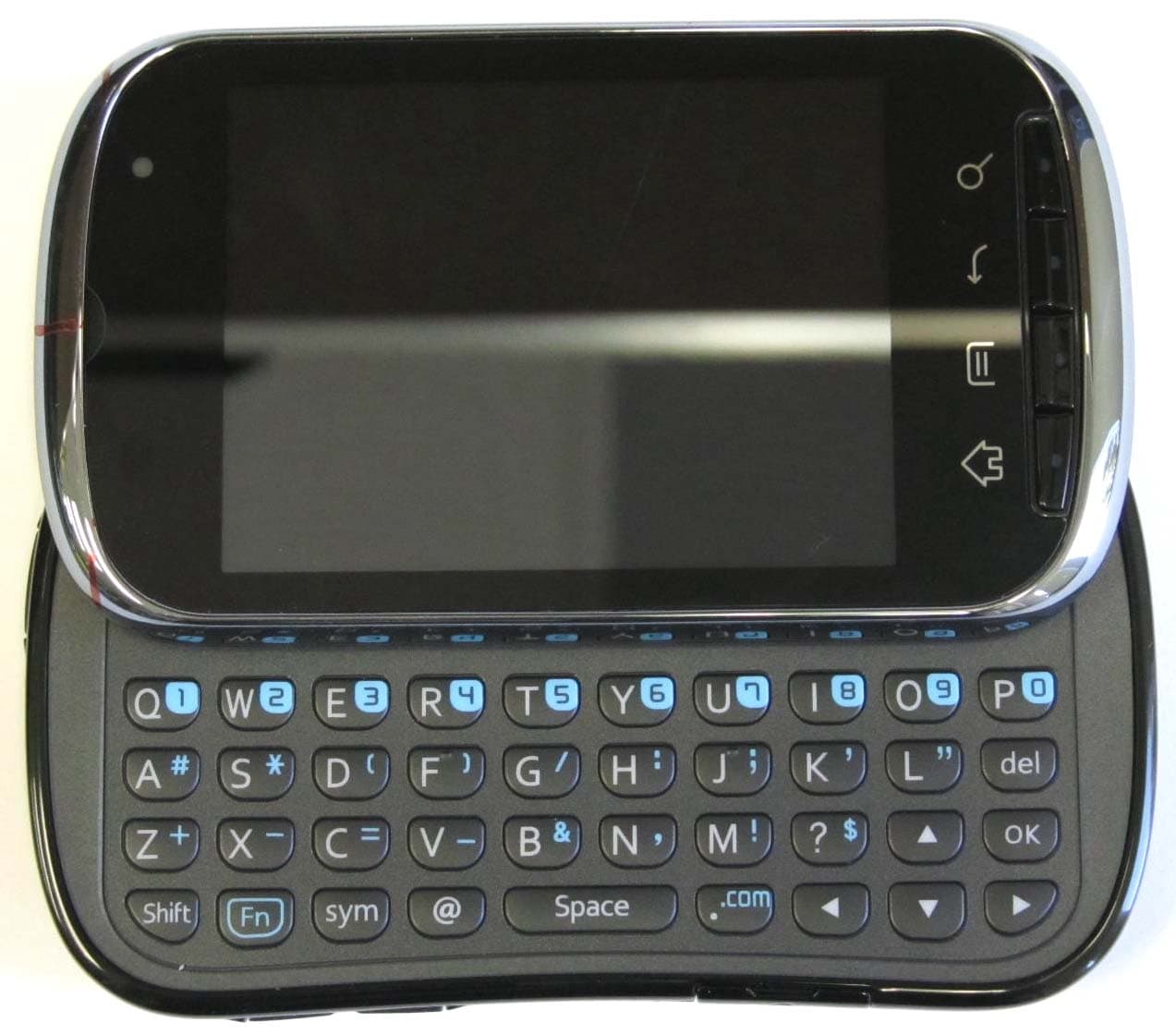
OVFC51213CD
Sep 01, 2011Tri-Band CDMA Mobile Phone with Bluetooth+WiFi
Equipment Class
DTS - Digital Transmission System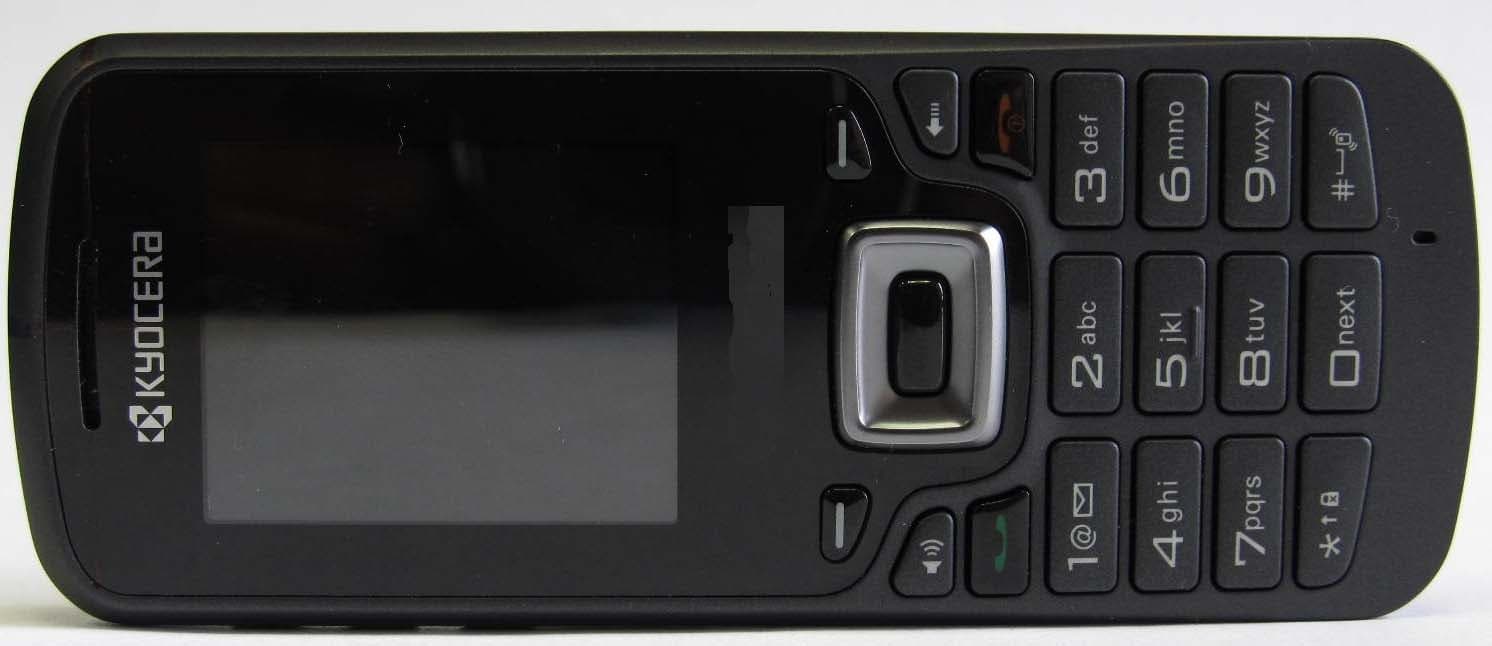
OVFS13503CB
May 17, 2011Tri-Band CDMA Phone
Equipment Class
PCE - PCS Licensed Transmitter held to ear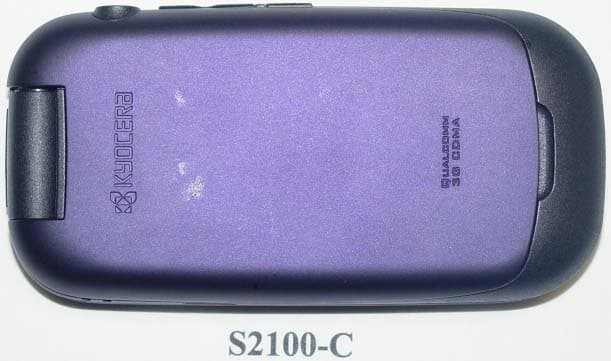
OVF-K5502
Jan 24, 2011Tri-Band CDMA Phone
Equipment Class
PCE - PCS Licensed Transmitter held to ear
OVF-K5501
Nov 07, 2010Single Band CDMA Cellular Phone with Bluetooth
Equipment Class
PCE - PCS Licensed Transmitter held to ear
OVF-C4700
Aug 09, 2010Cellular/PCS WCDMA/GSM/GPRS/EDGE phone with Bluetooth
Equipment Class
PCE - PCS Licensed Transmitter held to ear