OVFKWC-5135Trimode Dual Band Cellular Phone
Kyocera International, Inc
Click to zoom
Application Details
- Equipment Class
- PCE - PCS Licensed Transmitter held to ear
- Date of Grant
- Aug 04, 2002
- Application Purpose
- Original Equipment
- Date of Application
- Aug 04, 2002
- Equipment Note
- Trimode Dual Band Cellular Phone
- Frequency Range
- 1851.25000000 - 1908.75000000
- Company
- Kyocera International, Inc
- Country
- United States
Documents & Files
Document Text
Text extracted from the exhibit documents filed with the FCC. Open a document above to read the original.
Users Manual
User Guide for the Kyocera 5135 Phone This manual is based on the production version of the Kyocera 5135 phone. Software changes may h ave occurred after this printing. Kyocera reserves the right to make changes in technical and product specifications without prior notice. The products and equipment described in this documentation are manufactured under license from QUALCOMM Incorporated under one or more of the following U.S. patents:4,901,307 5,056,109 5,099,204 5,101,501 5,103,4595,107,225 5,109,390 5,193,094 5,228,054 5,257,2835,265,119 5,267,261 5,267,262 5,280,472 5,283,5365,289,527 5,307,405 5,309,474 5,337,338 5,339,0465,341,456 5,383,219 5,392,287 5,396,516 D356,5605,408,697 5,414,728 5,414,796 5,416,797 5,426,3925,437,055 D361,065 5,442,322 5,442,627 5,452,4735,461,639 5,469,115 5,469,471 5,471,497 5,475,8705,479,475 5,483,696 5,485,486 5,487,175 5,490,1655,497,395 5,499,280 5,504,773 5,506,865 5,509,0155,509,035 5,511,067 5,511,073 5,513,176 5,515,1775,517,323 5,519,761 5,528,593 5,530,928 5,533,0115,535,239 5,539,531 5,544,196 5,544,223 5,546,4595,548,812 5,559,881 5,559,865 5,561,618 5,564,0835,566,000 5,566,206 5,566,357 5,568,483 5,574,7735,574,987 D375,740 5,576,662 5,577,022 5,577,265D375,937 5,588,043 D376,804 5,589,756 5,590,0695,590,406 5,590,408 5,592,548 5,594,718 5,596,5705,600,754 5,602,834 5,602,833 5,603,096 5,604,4595,604,730 5,608,722 5,614,806 5,617,060 5,621,7525,621,784 5,621,853 5,625,876 5,627,857 5,629,9555,629,975 5,638,412 5,640,414 5,642,398 5,644,5915,644,596 5,646,991 5,652,814 5,654,979 5,655,2205,657,420 5,659,569 5,663,807 5,666,122 5,673,2595,675,581 5,675,644 5,680,395 5,687,229 D386,1865,689,557 5,691,974 5,692,006 5,696,468 5,697,0555,703,902 5,704,001 5,708,448 5,710,521 5,710,7585,710,768 5,710,784 5,715,236 5,715,526 5,722,0445,722,053 5,722,061 5,722,063 5,724,385 5,727,1235,729,540 5,732,134 5,732,341 5,734,716 5,737,6875,737,708 5,742,734 D393,856 5,748,104 5,751,7255,751,761 5,751,901 5,754,533 5,754,542 5,754,733 5,757,767 5,757,858 5,758,266 5,761,204 5,764,6875,774,496 5,777,990 5,778,024 5,778,338 5,781,5435,781,856 5,781,867 5,784,406 5,784,532 5,790,5895,790,632 5,793,338 D397,110 5,799,005 5,799,2545,802,105 5,805,648 5,805,843 5,812,036 5,812,0945,812,097 5,812,538 5,812,607 5,812,651 5,812,9385,818,871 5,822,318 5,825,253 5,828,348 5,828,6615,835,065 5,835,847 5,839,052 5,841,806 5,842,1245,844,784 5,844,885 5,844,899 5,844,985 5,848,0635,848,099 5,850,612 5,852,421 5,854,565 5,854,7865,857,147 5,859,612 5,859,838 5,859,840 5,861,8445,862,471 5,862,474 5,864,760 5,864,763 5,867,5275,867,763 5,870,427 5,870,431 5,870,674 5,872,4815,872,774 5,872,775 5,872,823 5,877,942 5,878,0365,870,631 5,881,053 5,881,368 5,884,157 5,884,1935,884,196 5,892,178 5,892,758 5,892,774 5,892,8165,892,916 5,893,035 D407,701 5,898,920 5,903,5545,903,862 D409,561 5,907,167 5,909,434 5,910,7525,911,128 5,912,882 D410,893 5,914,950 5,915,2355,917,708 5,917,811 5,917,812 5,917,837 5,920,284D411,823 5,923,650 5,923,705 5,926,143 5,926,4705,926,500 5,926,786 5,930,230 5,930,692 Other patents pending.T9 Text Input is covered by U.S. Pat. 5,818,437, U.S. Pat. 5,953,541, U.S. Pat. 6,011,554, Canadian Pat. 1,331,057 and patents pending worldwide.Kyocera is a registered trademark of Kyocera Corporation. QUALCOMM is a registered trademark of QUALCOMM Incorporated. Brick Attack is a trademark of Kyocera Wireless Corp. Openwave is a registered trademark of Openwave Systems Incorporated. T9 is a registered trademark of Tegic Communications, Inc. Other product and brand names may be trademarks or registered trademarks of their respective owners.Copyright © 2002 Kyocera Wireless Corp. All rights reserved.Ringer Tones Copyright © 2000–2002 Kyocera Wireless Corp. 82-B7933-1ES, Rev. 002 FCC/IC NoticeThis device complies with part 15 of the FCC rules. Operation is subject to the following two conditions: (1) This device may not cause harmful interference, and (2) this device must accept any interference received, including interference that may cause undesired operation. To comply with FCC radiation exposure requirements, use of this device for body-worn operational configurations is limited to accessories tested and approved by Kyocera Wireless Corp. Other accessories used with this device for body-worn operations must not contain any metallic components and must provide at least 13.5 mm separation distance including the antenna and the user’s body. Other accessories that have not been tested for body-worn SAR may not comply with FCC radiation exposure limits and should be avoided.THIS MODEL PHONE MEETS THE GOVERNMENT’S REQUIREMENTS FOR EXPOSURE TO RADIO WAVES.Your wireless phone is a radio transmitter and receiver. It is designed and manufactured not to exceed the emission limits for exposure to radiofrequency (RF) energy set by the Federal Communications Commission of the U.S. Government. These limits are part of comprehensive guidelines and establish permitted levels of RF energy for the general population. The guidelines are based on standards that were developed by independent scientific organizations through periodic and thorough evaluation of scientific studies. The standards include a substantial safety margin designed to assure the safety of all persons, regardless of age and health.The exposure standard for wireless mobile phones employs a unit of measurement known as the Specific Absorption Rate, or SAR. The SAR limit set by the FCC is 1.6W/kg.* Tests for SAR are conducted using standard operating positions specified by the FCC with the phone transmitting at its highest certified power level in all tested frequency bands. Although the SAR is determined at the highest certified power level, the actual SAR level of the phone while operating can be well below the maximum value. This is because the phone is designed to operate at multiple power levels so as to use only the power required to reach the network. In general, the closer you are to a wireless base stat…
Text truncated - open the document above for the full version.
Users Manual
User Guide for the Kyocera 5135 Phone This manual is based on the production version of the Kyocera 5135 phone. Software changes may h ave occurred after this printing. Kyocera reserves the right to make changes in technical and product specifications without prior notice. The products and equipment described in this documentation are manufactured under license from QUALCOMM Incorporated under one or more of the following U.S. patents:4,901,307 5,056,109 5,099,204 5,101,501 5,103,4595,107,225 5,109,390 5,193,094 5,228,054 5,257,2835,265,119 5,267,261 5,267,262 5,280,472 5,283,5365,289,527 5,307,405 5,309,474 5,337,338 5,339,0465,341,456 5,383,219 5,392,287 5,396,516 D356,5605,408,697 5,414,728 5,414,796 5,416,797 5,426,3925,437,055 D361,065 5,442,322 5,442,627 5,452,4735,461,639 5,469,115 5,469,471 5,471,497 5,475,8705,479,475 5,483,696 5,485,486 5,487,175 5,490,1655,497,395 5,499,280 5,504,773 5,506,865 5,509,0155,509,035 5,511,067 5,511,073 5,513,176 5,515,1775,517,323 5,519,761 5,528,593 5,530,928 5,533,0115,535,239 5,539,531 5,544,196 5,544,223 5,546,4595,548,812 5,559,881 5,559,865 5,561,618 5,564,0835,566,000 5,566,206 5,566,357 5,568,483 5,574,7735,574,987 D375,740 5,576,662 5,577,022 5,577,265D375,937 5,588,043 D376,804 5,589,756 5,590,0695,590,406 5,590,408 5,592,548 5,594,718 5,596,5705,600,754 5,602,834 5,602,833 5,603,096 5,604,4595,604,730 5,608,722 5,614,806 5,617,060 5,621,7525,621,784 5,621,853 5,625,876 5,627,857 5,629,9555,629,975 5,638,412 5,640,414 5,642,398 5,644,5915,644,596 5,646,991 5,652,814 5,654,979 5,655,2205,657,420 5,659,569 5,663,807 5,666,122 5,673,2595,675,581 5,675,644 5,680,395 5,687,229 D386,1865,689,557 5,691,974 5,692,006 5,696,468 5,697,0555,703,902 5,704,001 5,708,448 5,710,521 5,710,7585,710,768 5,710,784 5,715,236 5,715,526 5,722,0445,722,053 5,722,061 5,722,063 5,724,385 5,727,1235,729,540 5,732,134 5,732,341 5,734,716 5,737,6875,737,708 5,742,734 D393,856 5,748,104 5,751,7255,751,761 5,751,901 5,754,533 5,754,542 5,754,733 5,757,767 5,757,858 5,758,266 5,761,204 5,764,6875,774,496 5,777,990 5,778,024 5,778,338 5,781,5435,781,856 5,781,867 5,784,406 5,784,532 5,790,5895,790,632 5,793,338 D397,110 5,799,005 5,799,2545,802,105 5,805,648 5,805,843 5,812,036 5,812,0945,812,097 5,812,538 5,812,607 5,812,651 5,812,9385,818,871 5,822,318 5,825,253 5,828,348 5,828,6615,835,065 5,835,847 5,839,052 5,841,806 5,842,1245,844,784 5,844,885 5,844,899 5,844,985 5,848,0635,848,099 5,850,612 5,852,421 5,854,565 5,854,7865,857,147 5,859,612 5,859,838 5,859,840 5,861,8445,862,471 5,862,474 5,864,760 5,864,763 5,867,5275,867,763 5,870,427 5,870,431 5,870,674 5,872,4815,872,774 5,872,775 5,872,823 5,877,942 5,878,0365,870,631 5,881,053 5,881,368 5,884,157 5,884,1935,884,196 5,892,178 5,892,758 5,892,774 5,892,8165,892,916 5,893,035 D407,701 5,898,920 5,903,5545,903,862 D409,561 5,907,167 5,909,434 5,910,7525,911,128 5,912,882 D410,893 5,914,950 5,915,2355,917,708 5,917,811 5,917,812 5,917,837 5,920,284D411,823 5,923,650 5,923,705 5,926,143 5,926,4705,926,500 5,926,786 5,930,230 5,930,692 Other patents pending.T9 Text Input is covered by U.S. Pat. 5,818,437, U.S. Pat. 5,953,541, U.S. Pat. 6,011,554, Canadian Pat. 1,331,057 and patents pending worldwide.Kyocera is a registered trademark of Kyocera Corporation. QUALCOMM is a registered trademark of QUALCOMM Incorporated. Brick Attack is a trademark of Kyocera Wireless Corp. Openwave is a registered trademark of Openwave Systems Incorporated. T9 is a registered trademark of Tegic Communications, Inc. Other product and brand names may be trademarks or registered trademarks of their respective owners.Copyright © 2002 Kyocera Wireless Corp. All rights reserved.Ringer Tones Copyright © 2000–2002 Kyocera Wireless Corp. 82-B7933-1ES, Rev. 002 FCC/IC NoticeThis device complies with part 15 of the FCC rules. Operation is subject to the following two conditions: (1) This device may not cause harmful interference, and (2) this device must accept any interference received, including interference that may cause undesired operation. To comply with FCC radiation exposure requirements, use of this device for body-worn operational configurations is limited to accessories tested and approved by Kyocera Wireless Corp. Other accessories used with this device for body-worn operations must not contain any metallic components and must provide at least 13.5 mm separation distance including the antenna and the user’s body. Other accessories that have not been tested for body-worn SAR may not comply with FCC radiation exposure limits and should be avoided.THIS MODEL PHONE MEETS THE GOVERNMENT’S REQUIREMENTS FOR EXPOSURE TO RADIO WAVES.Your wireless phone is a radio transmitter and receiver. It is designed and manufactured not to exceed the emission limits for exposure to radiofrequency (RF) energy set by the Federal Communications Commission of the U.S. Government. These limits are part of comprehensive guidelines and establish permitted levels of RF energy for the general population. The guidelines are based on standards that were developed by independent scientific organizations through periodic and thorough evaluation of scientific studies. The standards include a substantial safety margin designed to assure the safety of all persons, regardless of age and health.The exposure standard for wireless mobile phones employs a unit of measurement known as the Specific Absorption Rate, or SAR. The SAR limit set by the FCC is 1.6W/kg.* Tests for SAR are conducted using standard operating positions specified by the FCC with the phone transmitting at its highest certified power level in all tested frequency bands. Although the SAR is determined at the highest certified power level, the actual SAR level of the phone while operating can be well below the maximum value. This is because the phone is designed to operate at multiple power levels so as to use only the power required to reach the network. In general, the closer you are to a wireless base stat…
Text truncated - open the document above for the full version.
Cover Letter(s)
Applicant: KWC Corp.FCC ID: OVFKWC-5135 Request of Confidentiality Federal Communications Commission Authorization and Evaluation Division Re:Request of Confidentiality Pursuant to Sections 0.457 and 0.459 of the Commission’s Rules, the Applicant hereby requests confidential treatment of information accompanying this Application as outlined below: All schematics All parts lists The above materials contain trade secrets and proprietary information not customarily released to the public. The public disclosure of these matters might be harmful to the Applicant and provide unjustified benefits to its competitors. The Applicant understands that pursuant to Rule 0.457, disclosure of this Application and all accompanying documentation will not be made before the date of the Grant for this Application. Kyocera Wireless Corporation Robert J Scodellaro EMC Engineer, Senior Staff
Cover Letter(s)
Applicant: KWC Corp.FCC ID: OVFKWC-5135 Exhibit 3 ELECTRONIC SERIAL NUMBERS (ESN) Protection The 5135 Trimode Phone, FCC ID: OVFKWC-5135 uses ESN. The ESN is a unique identification number to each phone which is contained in the Numeric Assignment Module and is automatically transmitted to the base station whenever a call is placed. The ESN is stored in an EPROM and is isolated from fraudulent contact and tampering. Any attempt to change the ESN will render the portable phone inoperative. The phone complies with all requirements for ESN under Part 22.919.
Cover Letter(s)
Applicant: KWC Corp.FCC ID: OVFKWC-5135 Exhibit 1 Certification of Test Data The data, data evaluation and equipment configuration represented herein are a true and accurate representation of the measurements of the sample’s radio frequency interference emissions characteristics as of the dates and at the times of the test under the conditions herein specified. This applies to all tests that where performed that did not require an Open Area Test Site (OATS). Tests that required an OATS site were performed by TUV Product Services. Equipment Tested: 5135 Dates of Test:June 7-21, 2002 Test Performed by: EMC Engineer, Senior Staff: Robert J Scodellaro
Cover Letter(s)
Applicant: KWC Corp.FCC ID: OVFKWC-5135 Cover Letter Federal Communications Commission Authorization and Evaluation Division Re:Application for Cellular and PCS Transceiver Type Acceptance Kyocera Wireless Corporation (KWC) herein submits the Application for Equipment Authorization (FCC Form 731) and Exhibits for Type Acceptance of a Cellular & PCS Transceiver, FCC ID: OVFKWC-5135. Applicant:Kyocera Wireless Corporation 10290 Campus Point Drive San Diego, CA 92121-1522 Manufacture:Kyocera Wireless Corporation 10290 Campus Point Drive San Diego, California 92121 The equipment, KWC model # 5135, is for mobile station cellular and PCS system use. The 5135 is in full compliance with all parts of EIA/TIA/IS-98-B Mobile Station-Land Station Compatibility Specification, issue July 1998, and also in full compliance with all parts of ANSI J-STD-018, Recommended Minimum Performance Requirements for 1.8 to 2 GHz Code Division Multiple Access (CDMA) Personal Stations, issue July 1996. Information concerning how the ESN protection requirements are met is provided in Exhibit 3. Kyocera Wireless Corporation Robert J Scodellaro EMC Engineer, Senior Staff
Cover Letter(s)
American Telecommunications Certification Body Inc. 6731 Whittier Ave, McLean, VA 22101 July 8, 2002 RE: FCC ID: OVFKWC-5135 Attention: Robert Scodelaro I have a few comments on this Application. TEST REPORT 1 The photos on pages 8 and 9 of the internal photo exhibit are unreadable. Please provide the photos on pages 8 and 9 in a readable clear form. 2 Page 5 of report SC203272-03 shows EIRP. However, there is no indication on this table if the data is for Part 22 or Part 24. Please be specific in your reports as to what Part the data applies. Please correct the report to show the proper values for the specific Parts to which compliance is being claimed. 3 Spurious emissions for Part 22 should be in ERP and for Part 24 they should be in EIRP. The report does not clearly indicate how you performed antenna substitution measurements or if it was done. Please provide a detailed explanation of your ERP and EIRP measurement methods. 4 Please separate the attestation and cover letter statements from the report. (e.g. the ESN statement, test setup photos and confidentiality statement needs to be separate files). Please note that the request for confidentiality is not signed. 5 The Audio Frequency curve on page 19 is labeled as 22.917 – this is the Emissions Mask requirement. Please correct the report to reflect the proper paragraphs. 6 Your occupied bandwidth plots in AMP voice mode are not done using a span that easily allows Bessel function analysis to determine if the correct 2500 Hz tone was used. Please provide plots using the correct 2500Hz tone for voice mode with a small enough span (100 or 50kHz) to allow Bessel function analysis, or please explain why the plots do not reflect the expected characteristics of an AMPS 2500Hz audio tone. Also, it would help if you completed the plots by providing a superimposed bandwidth mask. SAR REPORT 1 Page 6 of the SAR report states body worn accessories are listed. However, no such list is given on this page. The SAR report must specify the accessories used when tested. These must be the same as listed in the manual. However, no such specification has been given in the SAR report or the manual. Please provide the model number of the holster used during testing. 2 The model number of the battery used needs to be specified and must be the same as in the manual. However, no such specification has been given in the SAR report nor the manual. Please provide the model number of the battery. 3 While the SAR report states that it was done for compliance to RF exposure to 2.1093, it does not state that it is in compliance. The FCC has stipulated that a statement of compliance to the RF exposure limits must be in the test report. Simply stating that testing was performed to 2.1093 is not an actual statement of compliance to 2.1093. Please provide a statement affirming compliance to 2.1093 in the SAR test report. 4 Was the device tested a production, pre-production or prototype device? l Page 2July 8, 2002 5 The data plots do not have the ambient and liquid temperatures. Please provide if available. 6 The values for power-drift range from +0.41 to –0.39 on the measurement plots. This is a power device power drift of more than 0.7dB or more than 5%. This means that the actual power of the device during testing may have exceeded the 5% variation allowed between SAR power and Part 22/24 reported power values. Please explain the why this should not be of concern. Dennis Ward mailto:[email protected] The items indicated above must be submitted before processing can continue on the above referenced application. Failure to provide the requested information may result in application termination. Correspondence should be considered part of the permanent submission and may be viewed from the Internet after a Grant of Equipment Authorization is issued. Please do not respond to this correspondence using the email reply button. In order for your response to be processed expeditiously, you must submit your documents through the AmericanTCB.com website. Also, please note that partial responses increase processing time and should not be submitted. Any questions about the content of this correspondence should be directed to the sender.
Cover Letter(s)
FCC ID:OVFKWC-5135 Dennis, Here’s the answers to the questions you had. TEST REPORT 1 New internal photos of pages 8 and 9 have been taken and sent. 2 TUV 3 TUV 4 Separate statements have been sent. 5 The label on the Audio Frequency curve has been corrected. 6 Additional AMPS voice mode occupied bandwidth plots have been included in the updated test report. SAR REPORT 1 Body worn accessories are listed on page 6 of the SAR report and on the FCC page in the user’s manual. 2 The model number of the battery is listed on page 5 of the SAR report and on the FCC page in the user’s manual. 3 The statement affirming compliance to FCC 2.1093 RF exposure requirements is included on page 4 of the SAR report. 4 The device tested was pre-production. A statement was included on page 5 of the SAR report. 5 The ambient and liquid temperature is listed on page 7 of the SAR report. 6 Al the SAR measurements were repeated and a tighter tolerance was maintained on the power drift.
Cover Letter(s)
Applicant: Kyocera Wireless Corp. Correspondence Number: 4968 731 Confirmation Number: TC864792 Response to request for additional information 1Q) Updated grant information. Frequency for CDMA 800 appears incorrect. Frequency stability units for PCS appear incorrect. Please correct as appropriate. 1A) An updated grant is included at the end of this document. 2Q) Demonstration of compliance with 911 calling requirements. Information could not be located. 2A) When an emergency 911 call is originated by the user, the mobile will attempt to acquire any available system and originate the emergency call on that system, disregarding restrictions set by the roaming list. The FCC NPRM WT99-13, CC94-102 automatic analog A/B roaming option has been implemented for 911 emergency calls. Note that the KWC-5135 does not have Global Positioning System (GPS) support. 3Q) Plots showing compliance with band-edge requirements for CDMA800 and 1900. 3A) There are no band-edge requirements in Part 22 for CDMA800. The plots for the PCS band-edge requirements were included in Section 9 of the Kyocera test report and have been included at the end of this document. 4Q) Clarification of maximum conducted power. EMC measurements state .318 and .16 W for cell band and PCS respectively. Operational description states 28 and 30 dBm respectively. Please clarify. Further more AMPs plots suggest a conducted power of 26 dBm which differs from the .318 stated above. 4A) The maximum conducted power is .318 and .16 for cell band and PCS respectively. The numbers in the operational description were mistakenly left in from a previous report. SAR 1Q) Updated user manual with revised body-worn statement. The user could easily misunderstand the statement “limited to accessories tested and approved by Kyocera”. Please refer specifically to the accessories tested for compliance. 1A) The specific accessories tested for compliance are included in an updated user’s manual at the end of this document. 2Q) Certificate for probe conversion factors used for muscle tissue. Certified conversion factors were found for head simulating liquid in the posted exhibits. 2A) The answer is on the following page. 2) Probe Factor for Muscle Tissues Based on DASY3-user manual Page 49 and the email from Schmid & Partner Engineering AG, the probe conversion factor in muscle tissue was set to 3% lower than for brain tissue in 835MHz frequency, and 10% lower than for brain tissue in 1800MHz. The related pages of DASY3-user manual, SPEAG email are attached in the proceeding pages. Note, currently, we do not have a probe calibrated for muscle tissues. We are in the progress in buying another new DASY 4 system with two fully calibrated probes. The new system will arrive in the time frame of November or December of this year. We plan to send the existing probe to Schmid & Partner Engineering AG for the calibration in brain tissue as well as in muscle tissue once the new probes arrive. User ManualPage 48 of 66 Schmid & Partner Engineering AG, August 99 4.5.3 Connection between device, liquid, and probe parameters The electric parameters of the simulation liquid are frequency dependent. Unluckily, this frequency dependency in the homogeneous simulation liquid is different than in the complex cellstructure of the simulated tissue. Since each solution can simulate the tissue only within a limited frequency range, several mixtures are necessary to cover the total MTE frequency range. Within a frequency bandwidth of at least 20%, the same solution can be used with small errors in the SAR. However, the measured parameters at the actual frequency should be used in the software (see RG: 2.3 Medium ). The DASY3 software checks the selected solution against the device frequency to prevent incorrect combinations which could lead to undetected measurement errors. To that purpose, each dataset for the media includes frequency range settings. If the frequency of the selected device is not within the range of the selected media, the system will issue an error message. It is highly recommended to use different media datasets for different frequencies, even for the same liquid. If one liquid is used for 835MHz and 900MHz two datasets with the corresponding parameters should be used (e.g., with frequency ranges 800 - 850 MHz and 870 - 920 MHz). The liquid parameters should be remeasured and adjusted in the software regularly (see RG: 2.3 Medium ). The probe conversion factor (and boundary effect) depends on the frequency and the liquid parameters. For each dosimetric probe, many different sets of conversion factors and boundary correction data can be defined (RG: 2.6.1 E-Field Probe). Each set includes range settings for permittivity, conductivity and frequency. The probe conversion factors can be selected manually or automatically (RG: 2.6.1 E-Field Probe). In the (recommended) automatic selection mode, the software searches for the first conversion factor in the list, whose permittivity and conductivity and frequency range covers the selected device frequency and liquid parameters. If no valid conversion factor can be found, the system will issue an error message when trying to measure SAR. The same error message appears if the manually selected conversion factors do not correspond with the device or the media. The conversion factors are determined during probe calibration. SPEAG probes are by default calibrated at 900MHz and 1800MHz in brain simulating tissue. The range settings in the probe configuration file are selected to guarantee the specified probe uncertainties. If you want to perform SAR measurements in other liquids (e.g., 835MHz muscle tissue), the DASY3 system will complain. There are several ways to overcome the problem: lIncrease the range settings in the probe document, leaving the conversion factors as they are. This will permit the measurement, although with increased uncertainty. For small changes in the parameters or frequency the error is small (see box bel…
Text truncated - open the document above for the full version.
External Photos
External Photos Front – phone closed External Photos Front – phone closed External Photos Front – phone closed External Photos Front – phone open External Photos Front w/antenna up External Photos Back w/battery off External Photos Back w/battery on External Photos Back w/antenna extended External Photos Data connector w/dust cover External Photos Data w/out dust cover External Photos Top view External Photos Side view External Photos Side view External Photos Side view – phone open, antenna down External Photos Side view – phone open, antenna up External Photos Side view – phone open, antenna down External Photos Side view – phone open, antenna up
Internal Photos
Internal Photos Internal Photos Internal Photos
Operational Description
Applicant: KWC Corp.FCC ID: OVFKWC-5135 Exhibit 2 General Information 1.Production Plans Quantity Production Planned 2.Technical Description - Section 2.1033 (c) (1) The full name and mailing address of the manufacturer of the device and the applicant Applicant:Kyocera Wireless Corporation 10300 Campus Point Drive San Diego, CA 92121 Manufacture:Kyocera Wireless Corporation 10300 Campus Point Drive San Diego, CA92121 (2) FCC Identifier FCC ID: OVFKWC-5135 (3) User’s Manual Sent separate (4) Types of Emission 40K0F8W 40K0F1D 1M25F9W F3E voice F3D supervisory audio tones, signaling tones F1D wideband data signal (5)Frequency range The frequency range of the equipment in Domestic Public Cellular Radio Telecommunications Service bands, 824 - 849 MHz and 869 - 894 MHz for FM and cellular CDMA. The channel spacing is 30 kHz for FM. The frequency range of the equipment in the Personal Communications Services (PCS) bands, 1850 – 1910 MHz and 1930 – 1990 MHz. The channel spacing is 1.25 MHz for CDMA. (6)Operating power levels Applicant: KWC Corp.FCC ID: OVFKWC-5135 The transmitter output power is independent of whether the equipment operates in the cellular system FM or CDMA mode, or PCS system CDMA mode. The equipment supports Class 3 Cellular Mobile Station Power Class, and Class 2 PCS Mobile Station Power Class. Its power output capability is reported to the Land Station via Station Class Mark. The equipment will respond to commands from the Land Station to change power levels as defined in the EIA/TIA/IS-98 and ANSI J-STD-018 Specification. (7)Maximum output power The equipment supports the maximum output power for Class 3 Cellular Mobile Station which is -2 dBW ERP for a FM mode and in the range of -7 dBW to 0 dBW ERP for a CDMA mode, and meets the 7 W ERP (+8.45 dBW) maximum power limitation of Section 22.913. The equipment supports the maximum output power for Class 2 PCS Mobile Station which is in the range of -7dBW to 0 dBW EIRP, and is within the limited 2 watts E.I.R.P. peak power of CFR 47 Part 24.232 (b). The equipment is able to limit the output power to the minimum necessary for successful communications. (8)Final RF amplifying device power consumption The equipment is powered by lithium ion rechargeable batteries which have a voltage range of 3.4 to 4.2 Vdc. In the Cellular band, the power consumption of the high power amplifier is about 31dBm watts. In the PCS band, the power consumption of the high power amplifier is about 27.9dBm. (9) Tune-up procedure over the power range All frequency and power adjustments are set at the factory and there are no field adjustments for this product. Under digital mode, frequency is locked to the base station and controlled by VCTCXO adjustments to offset any possible errors. (10) Circuit description (a) Circuit diagram and list of semiconductor de…
Text truncated - open the document above for the full version.
Contact Information
Applicant
Thuy To(Regulatory Affairs Manager)
Technical Contact
Kyocera Wireless CorpRobert J Scodellaro
[email protected]858 882-2661
10300 Campus Point Drive · San Diego, California · United States
Non-Technical Contact
Kyocera Wireless CorpRobert J Scodellaro
[email protected]858 882-2661
Test Firm
TUV AmericaJames Owen
Technical Specifications
| # | Rule Parts | Frequency Range | Power Output | Emission | Tolerance |
|---|---|---|---|---|---|
| 4 | 24E | 1.85 GHz - 1.91 GHz | 337.00 mW | 1M25F9W | 2.5 Hz |
Other Applications from Kyocera International, Inc
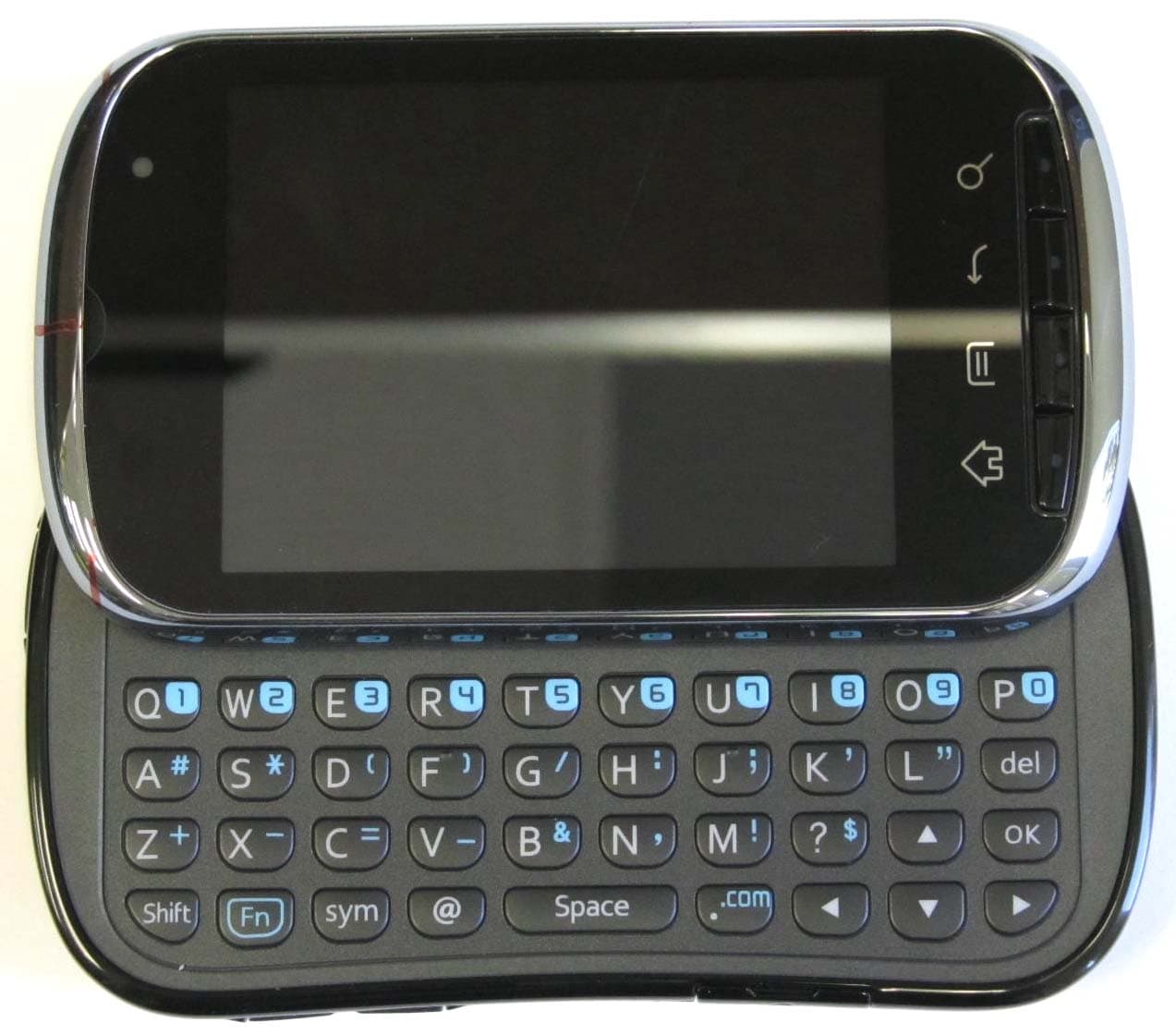
OVFC51213CD
Sep 01, 2011Tri-Band CDMA Mobile Phone with Bluetooth+WiFi
Equipment Class
DTS - Digital Transmission System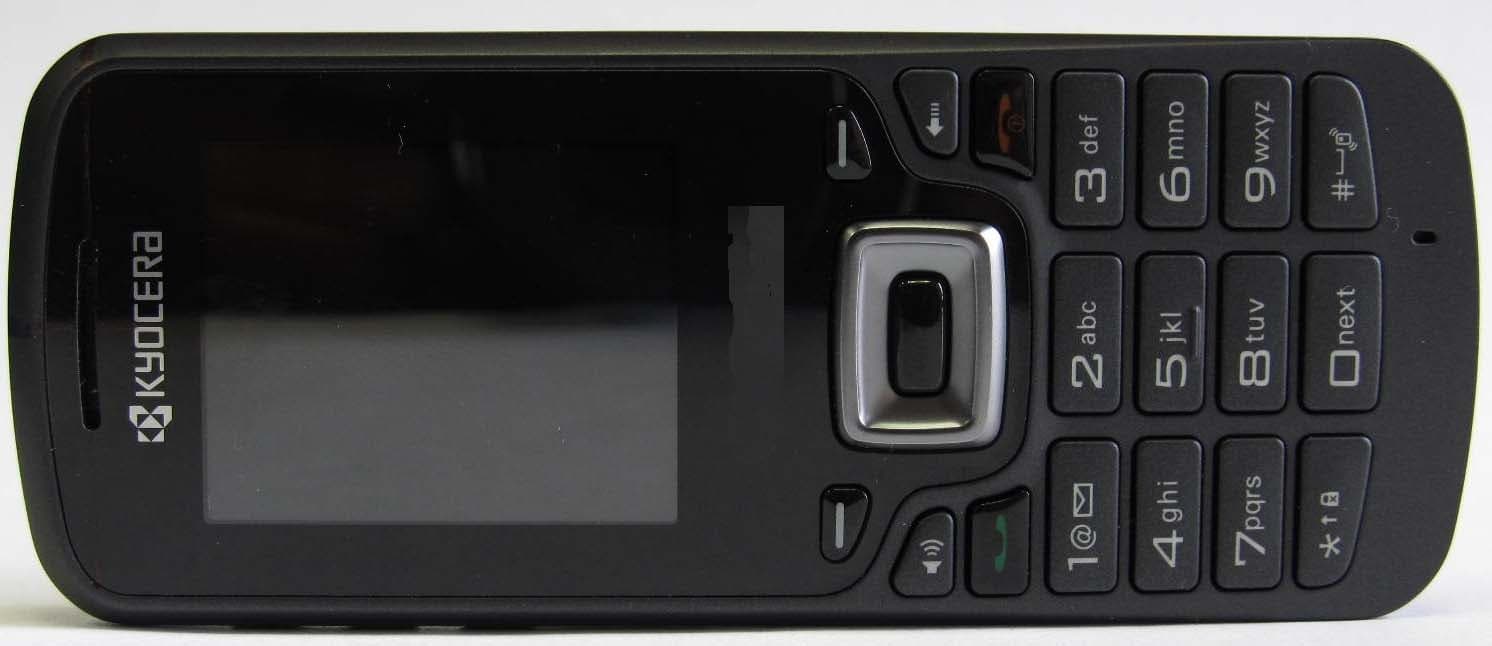
OVFS13503CB
May 17, 2011Tri-Band CDMA Phone
Equipment Class
PCE - PCS Licensed Transmitter held to ear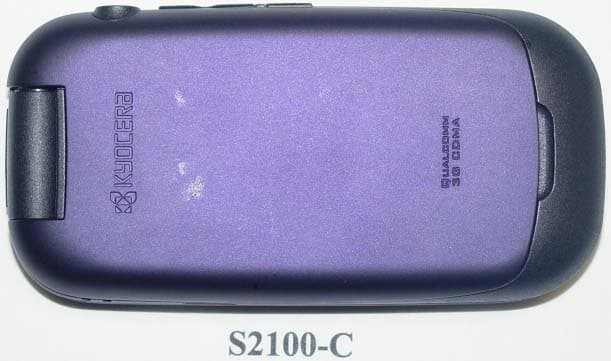
OVF-K5502
Jan 24, 2011Tri-Band CDMA Phone
Equipment Class
PCE - PCS Licensed Transmitter held to ear
OVF-K5501
Nov 07, 2010Single Band CDMA Cellular Phone with Bluetooth
Equipment Class
PCE - PCS Licensed Transmitter held to ear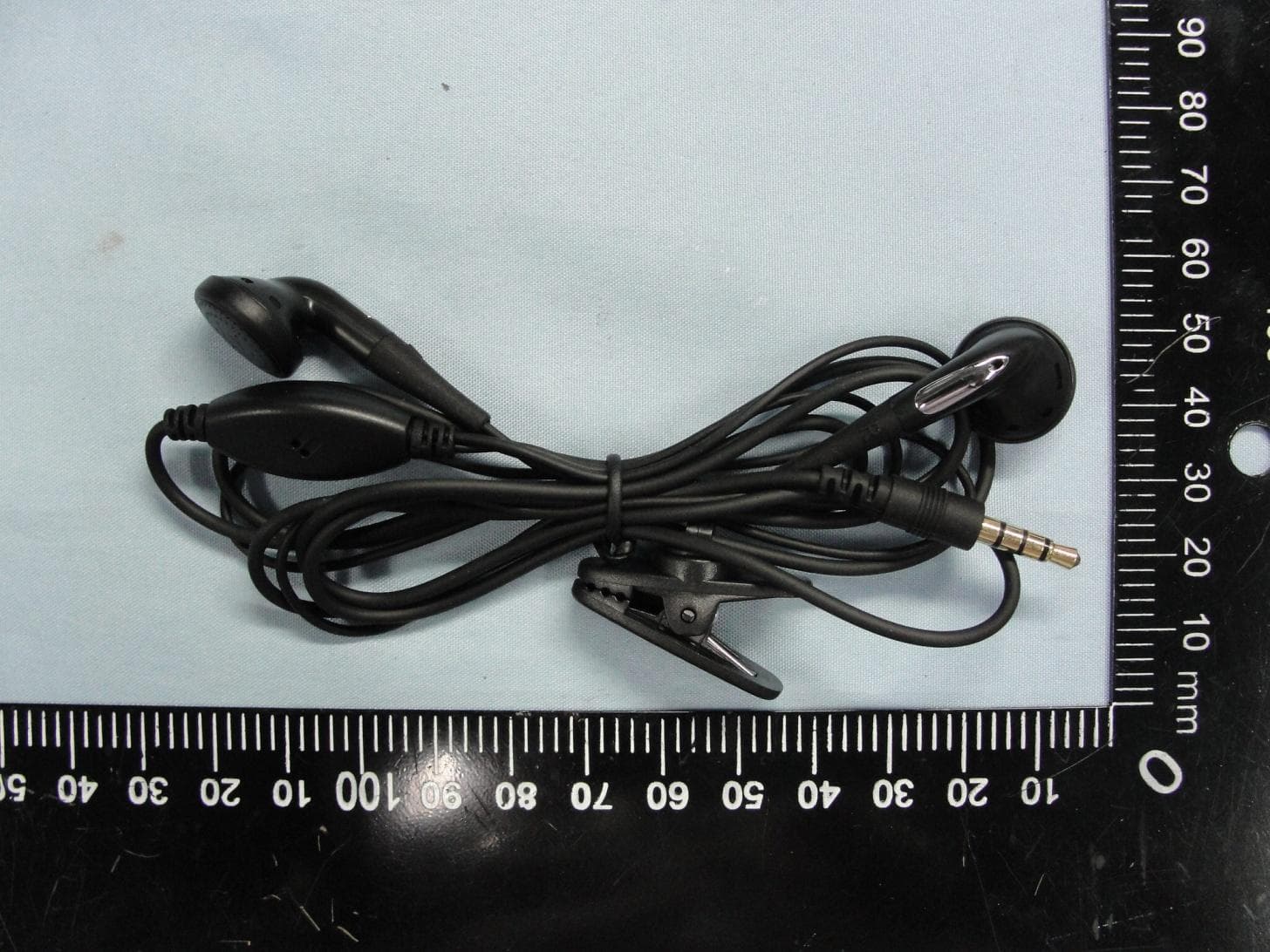
OVF-C4700
Aug 09, 2010Cellular/PCS WCDMA/GSM/GPRS/EDGE phone with Bluetooth
Equipment Class
PCE - PCS Licensed Transmitter held to ear