OVFKWC-KX13Tri-Band Dual-Band CDMA/AMPS Cellular Phone
Kyocera International, Inc
Click to zoom
Application Details
- Equipment Class
- PCE - PCS Licensed Transmitter held to ear
- Date of Grant
- Jun 30, 2005
- Application Purpose
- Original Equipment
- Date of Application
- Jun 30, 2005
- Equipment Note
- Tri-Band Dual-Band CDMA/AMPS Cellular Phone
- Frequency Range
- 824.04000000 - 848.97000000
- Company
- Kyocera International, Inc
- Country
- United States
Documents & Files
Document Text
Text extracted from the exhibit documents filed with the FCC. Open a document above to read the original.
Users Manual
Dorado The software features of this handset are subject to modifications and may have changed since the printing of this guide. ii User Guide for the Kyocera Dorado Phones This manual is based on the production version of the Kyocera KX13 phone. Software changes may have occurred after this printing. Kyocera reserves the right to make changes in technical and product specifications without prior notice. The products and equipment described in this documentation are manufactured under license from QUALCOMM Incorporated under one or more of the following U.S. patents: 4,901,307 5,056,109 5,101,501 5,109,390 5,228,054 5,267,261 5,267,262 5,337,338 5,414,796 5,416,797 5,490,165 5,504,773 5,506,865 5,511,073 5,535,239 5,544,196 5,568,483 5,600,754 5,657,420 5,659,569 5,710,784 5,778,338 Other patents pending. The Kyocera Wireless Corp. ("KWC") products described in this manual may include copyrighted KWC and third party software stored in semiconductor memories or other media. Laws in the United States and other countries preserve for KWC and third party software providers certain exclusive rights for copyrighted software, such as the exclusive rights to distribute or reproduce the copyrighted software. Accordingly, any copyrighted software contained in the KWC products may not be modified, reverse engineered, distributed or reproduced in any manner not permitted by law. Furthermore, the purchase of the KWC products shall not be deemed to grant either directly or by implication, estoppel, or otherwise, any license under the copyrights, patents or patent applications of KWC or any third party software provider, except for the normal, non-exclusive royalty- free license to use that arises by operation of law in the sale of a product. Kyocera is a registered trademark of Kyocera Corporation. Brick Attack, Doodler, and Race 21 are trademarks of Kyocera Wireless Corp. QUALCOMM is a registered trademark, and BREW and BREW shop are trademarks of QUALCOMM, Inc. Openwave is a trademark of Openwave Systems Incorporated. eZiText is a registered trademark of Zi Corporation. Java is a trademark of Sun Microsystems, Inc. All other trademarks are the property of their respective owners. Copyright © 2005 Kyocera Wireless Corp. All rights reserved. Ringer Tones Copyright © 2000-2002 Kyocera Wireless Corp. 82-N8199-1EN, Rev. 001 FCC/IC Notice This device complies with part 15 of the FCC rules. Operation is subject to the following two conditions: (1) This device may not cause harmful interference, and (2) this device must accept any interference received, including interference that may cause undesired operation. To maintain compliance with FCC RF exposure guidelines, if you wear a handset on your body, use the Kyocera Wireless Corp. (KWC) supplied, approved leather case CV90-K0511-01 and belt clip CV90-K0518-01. Other accessories used with this device for body-worn operations must not contain any metallic components and must provide at least 25 mm separation distance including the antenna and the user’s body. THIS MODEL PHONE MEETS THE GOVERNMENT’S REQUIREMENTS FOR EXPOSURE TO RADIO WAVES. Your wireless phone is a radio transmitter and receiver. It is designed and manufactured not to exceed the emission limits for exposure to radio frequency (RF) energy set by the Federal Communications Commission of the U.S. Government. These limits are part of comprehensive guidelines and establish permitted levels of RF energy for the general population. The guidelines are based on standards that were developed by independent scientific organizations through periodic and thorough evaluation of scientific studies. The standards include a substantial safety margin designed to assure the safety of all persons, regardless of age and health. The exposure standard for wireless mobile phones employs a unit of measurement known as the Specific User Guide for the Kyocera Dorado Phoneiii Absorption Rate, or SAR. The SAR limit set by the FCC is 1.6 W/kg.* Tests for SAR are conducted using standard operating positions specified by the FCC with the phone transmitting at its highest certified power level in all tested frequency bands. Although the SAR is determined at the highest certified power level, the actual SAR level of the phone while operating can be well below the maximum value. This is because the phone is designed to operate at multiple power levels so as to use only the power required to reach the network. In general, the closer you are to a wireless base station antenna, the lower the power output. Before a phone model is available for sale to the public, it must be tested and certified to the FCC that it does not exceed the limit established by the government-adopted requirement for safe exposure. The tests are performed in positions and locations (e.g., at the ear and worn on the body) as required by the FCC for each model. While there may be differences between the SAR levels of various phones and at various positions, they all meet the government requirement for safe exposure. The FCC has granted an Equipment Authorization for this model phone with all reported SAR levels evaluated as in compliance with the FCC RF emission guidelines. SAR information on this model phone is on file with the FCC and can be found under the Display Grant section http://www.fcc.gov/oet/fccid after searching on the FCC ID: OVFKWC-KX13. Additional information on SAR can be found on the Cellular Telecommunications and Internet Association (CTIA) web-site at http://www.wow-com.com. * In the United States and Canada, the SAR limit for mobile phones used by the public is 1.6 watts/kg (W/kg) averaged over one gram of tissue. The standard incorporates a substantial margin of safety to give additional protection for the public and to account for any variations in measurements. Caution The user is cautioned that changes or modifications not expressly approved by the party responsible for compliance could void the warranty and user’s authority to oper…
Text truncated - open the document above for the full version.
Attestation Statements
FCC ID: OVFKWC-KX13 Kyocera Wireless Corp. June 13, 2005 Federal Communications Commission Authorization and Evaluation Division 7435 Oakland Mills Road Columbia, Maryland 21046 Re: Application for Cellular and PCS Transceiver Certification To Whom It May Concern: Kyocera Wireless Corporation (KWC) herein submits the Application for Equipment Authorization (FCC Form 731) and Exhibits for Certification of a Cellular & PCS Transceiver, FCC ID: OVFKWC-KX13. Applicant: Kyocera Wireless Corporation 10300 Campus Point Drive San Diego, CA 92121-1522 Manufacture: Kyocera Wireless Corporation 10300 Campus Point Drive San Diego, CA 92121 The equipment is for mobile station cellular and PCS system use. The OVFKWC-KX13 is in full compliance with all parts of EIA/TIA/IS-98-B&D Mobile Station-Land Station Compatibility Specification, issue July 2000 and March 2001, and also in full compliance with all parts of ANSI J-STD-08, Recommended Minimum Performance Requirements for 1.8 to 2 GHz Code Division Multiple Access (CDMA) Personal Stations, issue July 1996. Information concerning how the ESN protection requirements are met is provided in Exhibit 10. Please contact me at Tel: (858) 882-2406 or Email: [email protected] if there are any questions or if any additional information is needed. Kyocera Wireless Corporation Lin Lu Lin Lu Engineer, Principal
Cover Letter(s)
FCC ID: OVFKWC-KX13 Kyocera Wireless Corp. June 13, 2005 Federal Communications Commission Authorization and Evaluation Division 7435 Oakland Mills Road Columbia, Maryland 21046 Re: Request of Confidentiality for FCC ID: OVFKWC-KX13 To Whom It May Concern: Pursuant to Sections 0.457 and 0.459 of the Commission’s Rules (CFR 47), Kyocera Wireless Corp (KWC) hereby requests confidential and treatment of information accompanying this Application. The materials contain trade secrets and proprietary information not customarily released to the public. The public disclosure of these matters might be harmful to the Applicant and provide unjustified benefits to its competitors. We are also requesting Short-Term Confidentiality as outlined in Public Notice DA 04-1705. This provision will give KWC Temporary Confidentiality of commercially sensitive information prior to product launch. The requested Confidential and Temporary Confidential exhibits are listed in table 1 below: Table 1. Confidential and Short-Term Confidential ExhibitDescription 1Operation Descriptions 2Block diagrams 3Schematics Confidential 4Parts Lists 5Instruction Manual 6External Photos Short-Term Confidential 7Internal Photos The Applicant understands that pursuant to Rule 0.457, disclosure of this Application and all accompanying documentation will not be made before the date of the Grant for this Application. Sincerely, Lin Lu Lin Lu Engineer, Principal Kyocera Wireless Corp.
Cover Letter(s)
OVFKWC-KX13 07-20-2005 This document is generated in response to the queries asked in the e-mail from FCC Equipment Authorization Branch titled “FCC ID: OVFKWC-KX13” with Correspondence Reference # 21684, 731 Confirmation # TC734613. The queries asked in the e-mail received by C.K. Li on 15 th of July 2005 are listed below followed by the responses for each of the questions. -----Original Message----- Date: Fri, 15 Jul 2005 16:53:49 -0400 (EDT) From: Generic Office of Engineering Technology <[email protected]> To: [email protected] Subject: audit To: C. K. Li From: Tim Harrington [email protected] FCC Equipment Authorization Branch Re: FCC ID: OVFKWC-KX13 Applicant: Kyocera Wireless Corp. Correspondence Reference Number: 21684 731 Confirmation Number: TC734613 Date of Original Email: 07/15/2005 Subject: audit TCB to address: - fyi op desc, user manual, etc. indicate cdma2000 operation - fyi filings should be clear about transmitter setup & operation capabilities to ensure devices are configured properly according to communication protocol and operating requirements to obtain valid SAR results - fyi 5/12/05 TCB training notes state: "New technologies - TCBs should not process applications for new technologies unless test, review, and approval procedures are available and all TCBs are trained on any new or special requirements - Example new technologies which may need specific procedures CDMA-2000, Ev-Do, WCDMA, (Wi-Max & HSDPA or similar, etc.) - Please consult with FCC Lab before starting application processing" Supporting info should include but may not be limited to: OVFKWC-KX13 07-20-2005 a) CDMA MS Protocol Revision number. b) applicability of test codes to simulate the required test conditions, as defined in 3GPP2, TIA, and other standards. c) Base station simulator and test device configuration info and procedures used to establish maximum output in all applicable modes, including code domain channels, power & relative gain levels. d) Identify CDMA Radio Configurations, Service Options, multiplex options, voice/data, code channel combinations and options used for the SAR tests. e) Because of the different RC's, SO's, data rates, channel combinations and modulations, filing should include justifications on the selection of applicable configurations to establish and maintain maximum output to demonstrate SAR compliance for other configurations that are not tested. Please submit appropriate info, or give pointers to within filing if info is already there. The items indicated above must be submitted before processing can continue on the above referenced application. Failure to provide the requested information within 30 days of the original e-mail date may result in application dismissal pursuant to Section 2.917(c). DO NOT Reply to this email by using the Reply button. In order for your response to be processed expeditiously, you must upload your response via the Internet at www.fcc.gov, E- Filing, OET TCB Electronic Filing, TCB Login. If the response is submitted through Add Attachments, a message which informs the processing staff that a new exhibit has been submitted must also be submitted via Submit Correspondence. Also, please note that partial responses increase processing time and should not be submitted. Any questions about the content of this correspondence should be directed to the e-mail address listed below the name of the sender. OVFKWC-KX13 07-20-2005 Question: a) CDMA MS Protocol Revision number. KX13 is supporting CDMA MS Protocol revision 6. Question: b) applicability of test codes to simulate the required test conditions, as defined in 3GPP2, TIA, and other standards. The test code was used to generate IS-95 based CDMA waveform and bandwidth, transmitter power levels in all modes. Question: c) Base station simulator and test device configuration info and procedures used to establish maximum output in all applicable modes, including code domain channels, power & relative gain levels. The technical description of KX13 has been included in the Exhibit 1, which was submitted with the original application. KX13 can operate in the CDMA mode specified in IS-2000.2 standard, release 0. It can only invoke a Spreading Rate 1 (SR1) operational mode. SR1 is defined as a 1.2288 Mcps chip rate- based system using a direct-spread single carrier, which limits the bandwidth to the same 1.25MHz bandwidth occupied by the legacy IS-95/8-A/B system. Thus, for SR1 in IS-2000, the frequency response is identical to the legacy IS-95 B system standard. For Part 22 and 24, all of CDMA measurements were conducted with Agilent 8960 as a base station simulator. The base station simulator establishes a CDMA link with the test device. The CDMA link was configured via 8960 for all of measurements as follows. Radio Configuration: RC1 Service Options: SO2 Code domain channels: R-FCH + R-PICH Cell Power: -100 dBm/1.23MHz to –103 dBm/1.23MHz Data Rate: full rate OVFKWC-KX13 07-20-2005 Question: d) Identify CDMA Radio Configurations, Service Options, multiplex options, voice/data, code channel combinations and options used for the SAR tests. To perform SAR tests, the phone was placed in test code mode to transmit maximum power at full rate for the specified channel. The CDMA signal tested was IS-95B based, i.e. RC1, SR1 and R-FCH only and full rate. Question: e) Because of the different RC's, SO's, data rates, channel combinations and modulations, filing should include justifications on the selection of applicable configurations to establish and maintain maximum output to demonstrate SAR compliance for other configurations that are not tested. SAR value depends on the transmitter power level and the duty cycle of the power being transmitted. The test device was placed in the test code mode in order to maintain the maximum outputs in all applicable modes during the entire SAR testing. Since the tests were conducted at all channels with phone transmitting maximum power and at full rate,…
Text truncated - open the document above for the full version.
External Photos
FCC ID: OVFKWC-KX13 External Photos Page 1 of 2 Model: KX13 Exhibit 7: OVFKWC-KX13 External Photos TOP AND BOTTOM VIEWS SIDE VIEWS FCC ID: OVFKWC-KX13 External Photos Page 2 of 2 Model: KX13 Open Rear and Remove Battery
ID Label/Location Info
FCC ID: OVFKWC-KX13 Label Information Page 1 of 1 Model: KX13 Exhibit 6: OVFKWC-KX13 ID Label Label Format Label Location
Internal Photos
FCC ID: OVFKWC-KX13 Internal Photos Page 1 of 3 Model: KX13 Exhibit 8: OVFKWC-KX13 Internal Photos FCC ID: OVFKWC-KX13 Internal Photos Page 2 of 3 Model: KX13 FCC ID: OVFKWC-KX13 Internal Photos Page 3 of 3 Model: KX13
RF Exposure Info
FCC ID: OVFKWC-KX13 SAR Report Page 1 of 23 Model: KX13 SAR Test Report on Dual-Band Tri-mode AMPS/CDMA Cellular Phone FCC Part 22 & 24 Certification FCC ID:OVFKWC-KX13 MODEL:KX13 DATE:June 13, 2005 STATEMENT OF COMPLIANCE Kyocera Wireless Corp declares under its sole responsibility that the product, FCC ID: OVFKWC- KX9 to which this declaration relates, is in conformity with the appropriate General Population/Uncontrolled RF exposure standards, recommendations and guidelines. It also declares that the product was tested in accordance with the appropriate measurement standards, guidelines and recommended practices. Any deviations from these standards, guidelines and recommended practices are noted: NONE. Date of Test:June 6-9, 2005 Test performed by: Kyocera Wireless Corp 10300 Campus Point Drive San Diego, CA 92121 Report Prepared by:Fernando Calimbahin, Engineer Report Reviewed by:Lin Lu, Principal Engineer FCC ID: OVFKWC-KX13 SAR Report Page 2 of 23 Model: KX13 Table of Contents 1INTRODUCTION.......................................................................................................................................................................................4 2EQUIPMENT UNDER TEST (EUT)..........................................................................................................................................................4 3PRODUCT DESCRIPTION.......................................................................................................................................................................5 4ACCESSORIES:.........................................................................................................................................................................................6 5SAR TEST RESULT SUMMARY..............................................................................................................................................................7 5.1MAXIMUM RESULTS FOUND DURING SAR EVALUATION........................................................................................................................7 5.2HEAD CONFIGURATION..........................................................................................................................................................................7 5.3BODY WORN CONFIGURATION (WITH KWC BODY WORN ACCESSORIES)................................................................................................7 5.4MEASUREMENT UNCERTAINTY..............................................................................................................................................................7 6TEST CONDITIONS.................................................................................................................................................................................8 6.1AMBIENT CONDITIONS............................................................................................................................................................................8 6.2RF CHARACTERISTICS OF THE TEST SITE...................................................................................................................................................8 6.3TEST SIGNAL, FREQUENCIES AND OUTPUT POWER................................................................................................................................8 6.4DEVICE TEST CONDITIONS......................................................................................................................................................................8 7DESCRIPTION OF THE TEST EQUIPMENT........................................................................................................................................9 7.1DOSIMETRIC SYSTEM..............................................................................................................................................................................9 7.2ADDITIONAL EQUIPMENT NEEDED IN VALIDATION..................................................................................................................................9 7.3TISSUE STIMULANTS...............................................................................................................................................................................9 7.4PHANTOMS DESCRIPTION.....................................................................................................................................................................10 7.5ISOTROPIC E-FIELD PROBE...................................................................................................................................................................10 8SYSTEM VALIDATION...........................................................................................................................................................................11 9DESCRIPTION OF THE TEST PROCEDURE.....................................................................................................................................12 9.1TEST POSITIONS....................................................................................................................................................................................12 9.1.1Initial Ear Position.....................................................................................................................................................................12 9.1.2Cheek Position............................................................................................................................................................................13 9.1.3Tilt Position................................................................................................................................................................................13 9.1.4Body Worn Configuration.......................................................................................................…
Text truncated - open the document above for the full version.
RF Exposure Info
Appendix A: Validation Test Plots FCC ID: OVFKWC-KX13 Validation Test PlotsPage 1 of 6Model: KX13 Date/Time: 06/06/05 08:37:43 Test Laboratory: Kyocera 835MHz [email protected], Probe#1713, DAE#602, Dipole#454, 06-06-05 Communication System: CW, Frequency: 835 MHz, Duty Cycle: 1:1 Medium: HSL900,Medium parameters used: f = 835 MHz; σ = 0.89 mho/m; ε r = 41.4; ρ = 1000 kg/m 3 Phantom: SAM 12,Phantom section: Flat Section DASY4 Configuration: Probe: ET3DV6 - SN1713, ConvF(6.29, 6.29, 6.29), Calibrated: 5/19/2005 Sensor-Surface: 4mm (Mechanical And Optical Surface Detection), Electronics: DAE4 Sn602,Calibrated: 8/27/2004 Measurement SW: DASY4, V4.4 Build 3 Postprocessing SW: SEMCAD, V1.8 Build 130 Temperature: Room T = 21.8 +/− 1 deg C, Liquid T = 22.0 +/− 1 deg C Validation Flat/Zoom Scan (7x7x7)/Cube 0: Measurement grid: dx=5mm, dy=5mm, dz=5mm Reference Value = 36.9 V/m; Power Drift = -0.0 dB Peak SAR (extrapolated) = 1.57 W/kg SAR(1 g) = 1.05 mW/g; SAR(10 g) = 0.682 mW/g Maximum value of SAR (measured) = 1.13 mW/g 0 dB = 1.13mW/g FCC ID: OVFKWC-KX13 Validation Test PlotsPage 2 of 6Model: KX13 Date/Time: 06/07/05 00:14:46 Test Laboratory: Kyocera 835MHz [email protected], Probe#1713, DAE#602, Dipole#454, 06-07-05 Communication System: CW, Frequency: 835 MHz, Duty Cycle: 1:1 Medium: HSL900,Medium parameters used: f = 835 MHz; σ = 0.898 mho/m; ε r = 42; ρ = 1000 kg/m 3 Phantom: SAM 12,Phantom section: Flat Section DASY4 Configuration: Probe: ET3DV6 - SN1713, ConvF(6.29, 6.29, 6.29), Calibrated: 5/19/2005 Sensor-Surface: 4mm (Mechanical And Optical Surface Detection), Electronics: DAE4 Sn602,Calibrated: 8/27/2004 Measurement SW: DASY4, V4.4 Build 3 Postprocessing SW: SEMCAD, V1.8 Build 130 Temperature: Room T = 21.8 +/− 1 deg C, Liquid T = 22.0 +/− 1 deg C Validation Flat/Zoom Scan (7x7x7)/Cube 0: Measurement grid: dx=5mm, dy=5mm, dz=5mm Reference Value = 36 V/m; Power Drift = 0.0 dB Peak SAR (extrapolated) = 1.53 W/kg SAR(1 g) = 1.03 mW/g; SAR(10 g) = 0.668 mW/g Maximum value of SAR (measured) = 1.11 mW/g 0 dB = 1.11mW/g FCC ID: OVFKWC-KX13 Validation Test PlotsPage 3 of 6Model: KX13 Date/Time: 06/09/05 14:16:31 Test Laboratory: Kyocera 835MHz [email protected], Probe#1713, DAE#602, Dipole#454, 06-09-05 Communication System: CW, Frequency: 835 MHz, Duty Cycle: 1:1 Medium: HSL900,Medium parameters used: f = 835 MHz; σ = 0.897 mho/m; ε r = 42; ρ = 1000 kg/m 3 Phantom: SAM 12,Phantom section: Flat Section DASY4 Configuration: Probe: ET3DV6 - SN1713, ConvF(6.29, 6.29, 6.29), Calibrated: 5/19/2005 Sensor-Surface: 4mm (Mechanical And Optical Surface Detection), Electronics: DAE4 Sn602,Calibrated: 8/27/2004 Measurement SW: DASY4, V4.4 Build 3 Postprocessing SW: SEMCAD, V1.8 Build 130 Temperature: Room T = 21.8 +/− 1 deg C, Liquid T = 22.0 +/− 1 deg C Validation Flat/Zoom Scan (7x7x7)/Cube 0: Measurement grid: dx=5mm, dy=5mm, dz=5mm Reference Value = 36.6 V/m; Power Drift = -0.004 dB Peak SAR (extrapolated) = 1.54 W/kg SAR(1 g) = 1.03 mW/g; SAR(10 g) = 0.672 mW/g Maximum value of SAR (measured) = 1.12 mW/g 0 dB = 1.12mW/g FCC ID: OVFKWC-KX13 Validation Test PlotsPage 4 of 6Model: KX13 Date/Time: 06/08/05 10:52:34 Test Laboratory: Kyocera 1900MHz [email protected], Probe#1713, DAE#602, Dipole#5d005, 06-08-05 Communication System: CW, Frequency: 1900 MHz, Duty Cycle: 1:1 Medium: HSL1800,Medium parameters used: f = 1900 MHz; σ = 1.39 mho/m; ε r = 41.1; ρ = 1000 kg/m 3 Phantom: SAM 12,Phantom section: Flat Section DASY4 Configuration: Probe: ET3DV6 - SN1713, ConvF(5.18, 5.18, 5.18), Calibrated: 5/19/2005 Sensor-Surface: 4mm (Mechanical And Optical Surface Detection), Electronics: DAE4 Sn602,Calibrated: 8/27/2004 Measurement SW: DASY4, V4.4 Build 3 Postprocessing SW: SEMCAD, V1.8 Build 130 Temperature: Room T = 21.8 +/− 1 deg C, Liquid T = 22.0 +/− 1 deg C Validation Flat/Zoom Scan (7x7x7)/Cube 0: Measurement grid: dx=5mm, dy=5mm, dz=5mm Reference Value = 62.1 V/m; Power Drift = -0.0 dB Peak SAR (extrapolated) = 7.34 W/kg SAR(1 g) = 4.22 mW/g; SAR(10 g) = 2.23 mW/g Maximum value of SAR (measured) = 4.73 mW/g 0 dB = 4.73mW/g FCC ID: OVFKWC-KX13 Validation Test PlotsPage 5 of 6Model: KX13 Date/Time: 06/09/05 00:34:42 Test Laboratory: Kyocera 1900MHz [email protected], Probe#1713, DAE#602, Dipole#5d005, 06-09-05 Communication System: CW, Frequency: 1900 MHz, Duty Cycle: 1:1 Medium: HSL1800,Medium parameters used: f = 1900 MHz; σ = 1.38 mho/m; ε r = 41; ρ = 1000 kg/m 3 Phantom: SAM 12,Phantom section: Flat Section DASY4 Configuration: Probe: ET3DV6 - SN1713, ConvF(5.18, 5.18, 5.18), Calibrated: 5/19/2005 Sensor-Surface: 4mm (Mechanical And Optical Surface Detection), Electronics: DAE4 Sn602,Calibrated: 8/27/2004 Measurement SW: DASY4, V4.4 Build 3 Postprocessing SW: SEMCAD, V1.8 Build 130 Temperature: Room T = 21.8 +/− 1 deg C, Liquid T = 22.0 +/− 1 deg C Validation Flat/Zoom Scan (7x7x7)/Cube 0: Measurement grid: dx=5mm, dy=5mm, dz=5mm Reference Value = 61.3 V/m; Power Drift = -0.0 dB Peak SAR (extrapolated) = 7.37 W/kg SAR(1 g) = 4.19 mW/g; SAR(10 g) = 2.22 mW/g Maximum value of SAR (measured) = 4.71 mW/g 0 dB = 4.71mW/g FCC ID: OVFKWC-KX13 Validation Test PlotsPage 6 of 6Model: KX13
RF Exposure Info
Appendix B: SAR Distribution Plots FCC ID: OVFKWC-KX13 SAR Distribution PlotsPage 1 of 28Model: KX13 Date/Time: 06/07/05 10:48:05 Test Laboratory: Kyocera KX13 #6SXC Left Cheek AMPS ch383, EXTENDED BATTERY Communication System: AMPS, Frequency: 836.49 MHz, Duty Cycle: 1:1 Medium: HSL900,Medium parameters used (interpolated): f = 836.49 MHz; σ = 0.898 mho/m; ε r = 42; ρ = 1000 kg/m 3 Phantom: SAM 12,Phantom section: Left Section DASY4 Configuration: Probe: ET3DV6 - SN1713, ConvF(6.29, 6.29, 6.29), Calibrated: 5/19/2005 Sensor-Surface: 4mm (Mechanical And Optical Surface Detection), Electronics: DAE4 Sn602,Calibrated: 8/27/2004 Measurement SW: DASY4, V4.4 Build 3 Postprocessing SW: SEMCAD, V1.8 Build 130 Temperature: Room T = 21.8 +/− 1 deg C, Liquid T = 22.0 +/− 1 deg C AMPS Ch383 LC/Zoom Scan (7x7x7)/Cube 0: Measurement grid: dx=5mm, dy=5mm, dz=5mm Reference Value = 30.5 V/m; Power Drift = -0.1 dB Peak SAR (extrapolated) = 1.86 W/kg SAR(1 g) = 1.4 mW/g; SAR(10 g) = 1.000 mW/g Info: Interpolated medium parameters used for SAR evaluation! Maximum value of SAR (measured) = 1.48 mW/g 0 dB = 1.48mW/g FCC ID: OVFKWC-KX13 SAR Distribution PlotsPage 2 of 28Model: KX13 Date/Time: 06/07/05 10:48:05 Test Laboratory: Kyocera KX13 #6SXC Left Tilt AMPS ch383, EXTENDED BATTERY Communication System: AMPS, Frequency: 836.49 MHz, Duty Cycle: 1:1 Medium: HSL900,Medium parameters used (interpolated): f = 836.49 MHz; σ = 0.898 mho/m; ε r = 42; ρ = 1000 kg/m 3 Phantom: SAM 12,Phantom section: Left Section DASY4 Configuration: Probe: ET3DV6 - SN1713, ConvF(6.29, 6.29, 6.29), Calibrated: 5/19/2005 Sensor-Surface: 4mm (Mechanical And Optical Surface Detection), Electronics: DAE4 Sn602,Calibrated: 8/27/2004 Measurement SW: DASY4, V4.4 Build 3 Postprocessing SW: SEMCAD, V1.8 Build 130 Temperature: Room T = 21.8 +/− 1 deg C, Liquid T = 22.0 +/− 1 deg C AMPS Ch383 LT/Zoom Scan (7x7x7)/Cube 0: Measurement grid: dx=5mm, dy=5mm, dz=5mm Reference Value = 31.8 V/m; Power Drift = -0.2 dB Peak SAR (extrapolated) = 1.2 W/kg SAR(1 g) = 0.898 mW/g; SAR(10 g) = 0.646 mW/g Info: Interpolated medium parameters used for SAR evaluation! Maximum value of SAR (measured) = 0.948 mW/g AMPS Ch383 LT/Zoom Scan (7x7x7)/Cube 1: Measurement grid: dx=5mm, dy=5mm, dz=5mm Reference Value = 31.8 V/m; Power Drift = -0.2 dB Peak SAR (extrapolated) = 1.27 W/kg SAR(1 g) = 0.817 mW/g; SAR(10 g) = 0.548 mW/g Info: Interpolated medium parameters used for SAR evaluation! Maximum value of SAR (measured) = 0.910 mW/g 0 dB = 0.910mW/g FCC ID: OVFKWC-KX13 SAR Distribution PlotsPage 3 of 28Model: KX13 Date/Time: 06/07/05 13:11:44 Test Laboratory: Kyocera KX13 #6SXC Right Cheek AMPS ch383, EXTENDED BATTERY Communication System: AMPS, Frequency: 836.49 MHz, Duty Cycle: 1:1 Medium: HSL900,Medium parameters used (interpolated): f = 836.49 MHz; σ = 0.898 mho/m; ε r = 42; ρ = 1000 kg/m 3 Phantom: SAM 12,Phantom section: Right Section DASY4 Configuration: Probe: ET3DV6 - SN1713, ConvF(6.29, 6.29, 6.29), Calibrated: 5/19/2005 Sensor-Surface: 4mm (Mechanical And Optical Surface Detection), Electronics: DAE4 Sn602,Calibrated: 8/27/2004 Measurement SW: DASY4, V4.4 Build 3 Postprocessing SW: SEMCAD, V1.8 Build 130 Temperature: Room T = 21.8 +/− 1 deg C, Liquid T = 22.0 +/− 1 deg C AMPS Ch383 RC/Zoom Scan (7x7x7)/Cube 0: Measurement grid: dx=5mm, dy=5mm, dz=5mm Reference Value = 30.4 V/m; Power Drift = -0.2 dB Peak SAR (extrapolated) = 1.85 W/kg SAR(1 g) = 1.43 mW/g;…
Text truncated - open the document above for the full version.
Contact Information
Applicant
Thuy To(Regulatory Affairs Manager)
Test Firm
Nemko USA, Inc.Rhonda Saxon
Technical Specifications
| # | Rule Parts | Frequency Range | Power Output | Emission | Tolerance |
|---|---|---|---|---|---|
| 4 | 22H | 824.04 MHz - 848.97 MHz | 257.00 mW | 40K0F1D | 2.5 ppm |
Other Applications from Kyocera International, Inc
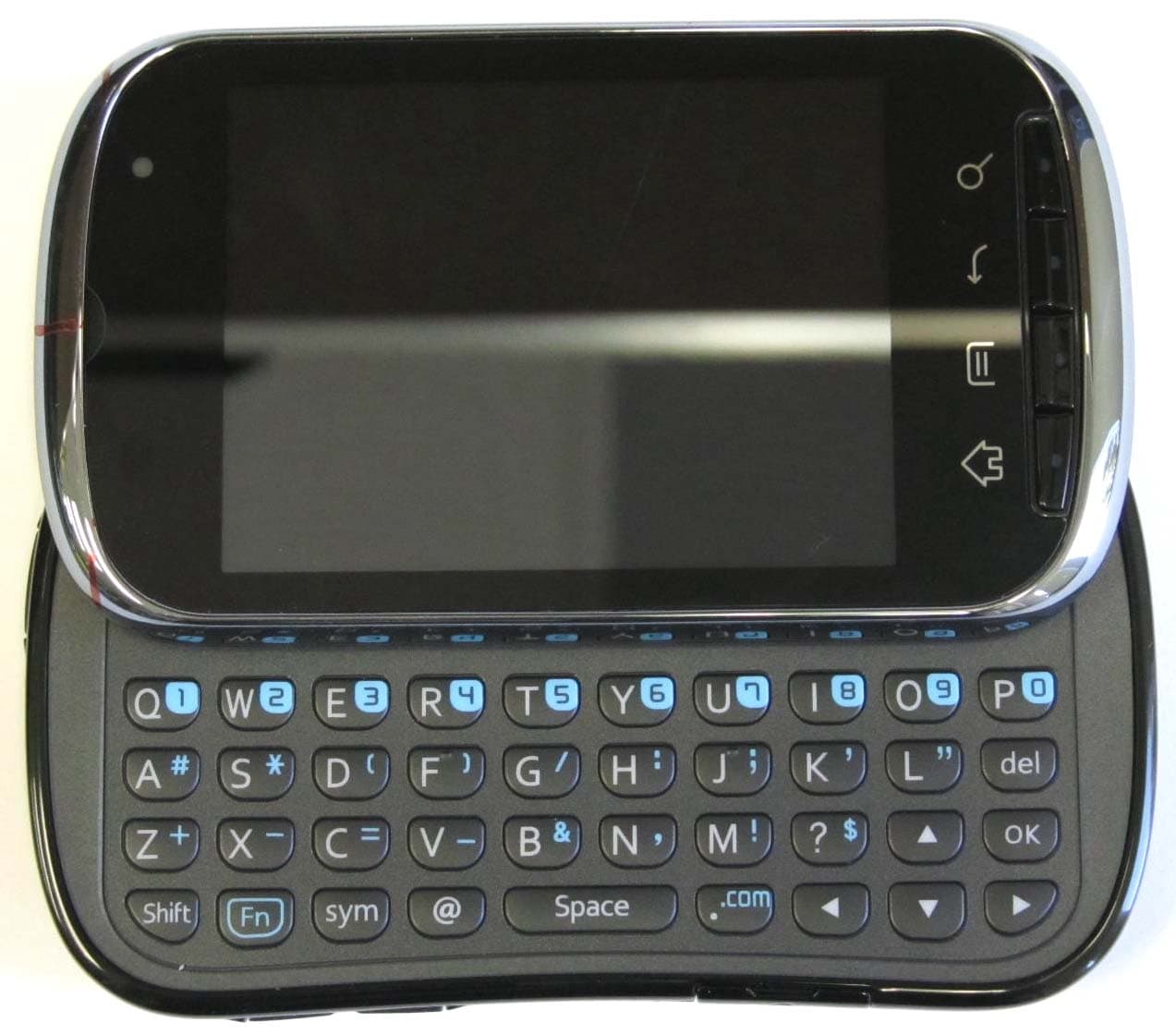
OVFC51213CD
Sep 01, 2011Tri-Band CDMA Mobile Phone with Bluetooth+WiFi
Equipment Class
DTS - Digital Transmission System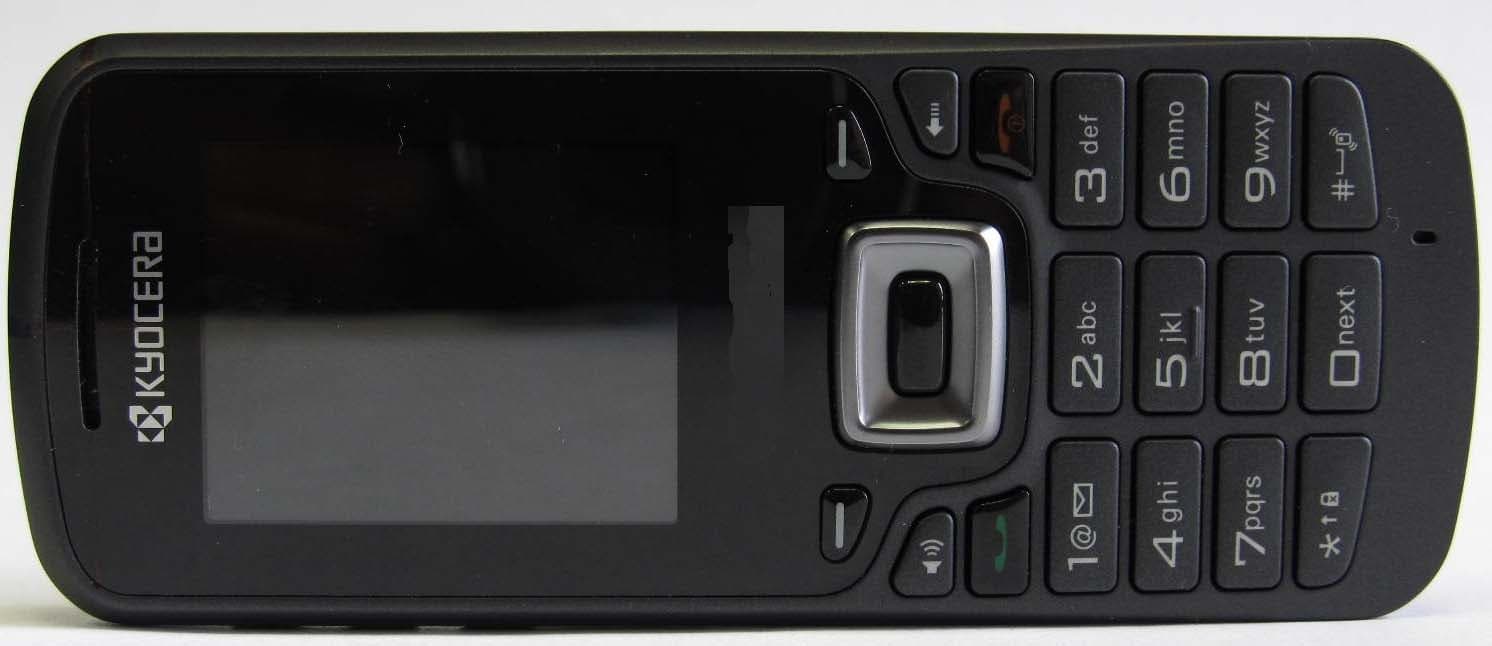
OVFS13503CB
May 17, 2011Tri-Band CDMA Phone
Equipment Class
PCE - PCS Licensed Transmitter held to ear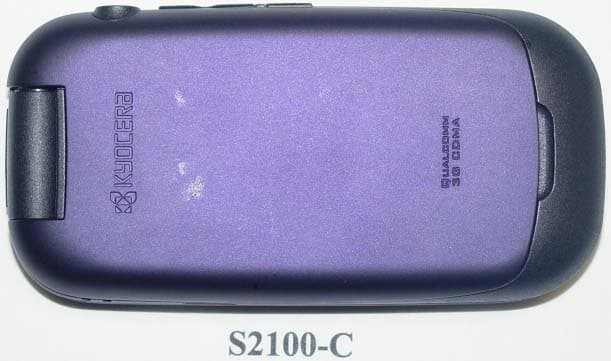
OVF-K5502
Jan 24, 2011Tri-Band CDMA Phone
Equipment Class
PCE - PCS Licensed Transmitter held to ear
OVF-K5501
Nov 07, 2010Single Band CDMA Cellular Phone with Bluetooth
Equipment Class
PCE - PCS Licensed Transmitter held to ear
OVF-C4700
Aug 09, 2010Cellular/PCS WCDMA/GSM/GPRS/EDGE phone with Bluetooth
Equipment Class
PCE - PCS Licensed Transmitter held to ear