PD8S1Bluetooth Keyboard
SHENZHEN CTECH SCIENCE & TECHNOLOGY CO. LTD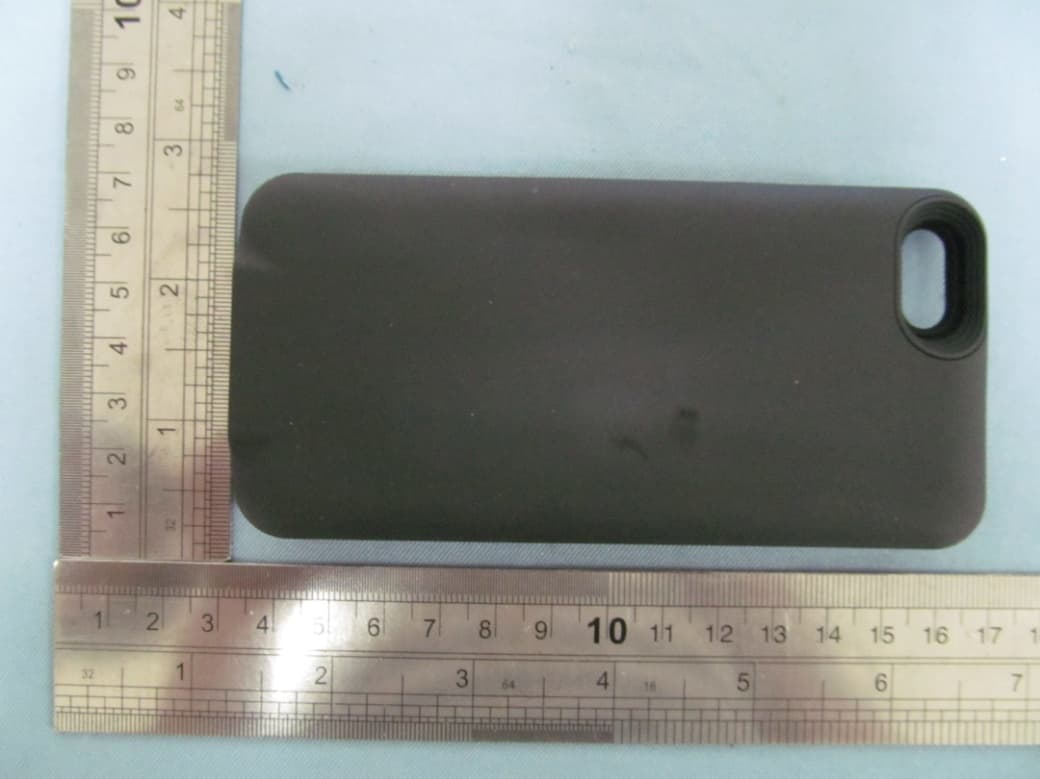
Click to zoom
Application Details
- Equipment Class
- DSS - Part 15 Spread Spectrum Transmitter
- Date of Grant
- Jan 06, 2013
- Application Purpose
- Original Equipment
- Date of Application
- Jan 06, 2013
- Equipment Note
- Bluetooth Keyboard
- Frequency Range
- 2402.00000000 - 2480.00000000
- Country
- China
Documents & Files
Document Text
Text extracted from the exhibit documents filed with the FCC. Open a document above to read the original.
Users Manual
Bluetooth Keyboard FCC ID : PD8S1 Model:S1,S2,S3,S4,S5,S6,S7,S8,S9 FCC RF EXPOSURE INFORMATION: WARNING!! Read this information before using your phone In August 1986 the Federal Communications Commission (FCC) of the United States with its action in Report and order FCC 96-326 adopted an updated safety standard for human exposure to radio frequency (RF) electromagnetic energy emitted by FCC regulated transmitters. Those guidelines are consistent with the safety standard previously set by both U.S. and international standards bodies. The design of this devidevice complies with the FCC guidelines and these international standards. Use only the supplied or an approved antenna. Unauthorized antennas modifications, or attachments could impair call quality, damage the phone, or result in violation of FCC regulations. Do not use the phone with a damaged antenna. If a damaged antenna comes into contact with the skin, a minor burn may result. Please contact your local dealer for replacement antenna. BODY-WORN OPERATION: This device was tested for typical body-worn operations with the back of the iphone5 kept 1cm from the body. To comply with FCC RF exposure requirements, a minimum separation distance of 1cm must be maintained between the user's body and the back of keyboard with iphone5, Third-party belt-clips, holsters and similar accessories containing metallic components shall not be used. Body-worn accessories that cannot maintain 1cm separation distance between the user’s body and the back of the back of keyboard with iphone5, and have not been tested for typical body-worn operations may not comply with FCC RF exposure limits and should be avoided. For more information about RF exposure, please visit the FCC website at www.fcc.gov Your wireless handheld portable telephone is a low power radio transmitter and receiver. When it is ON, it receives and also sends out radio frequency (RF) signals. In August, 1996, the Federal Communications Commissions (FCC) adopted RF exposure guidelines with safety levels for hand-held wireless phones. Those guidelines are consistent with the safety standards previously set by both U.S. and international standards bodies: <ANSIC95.1> (1992) / <NCRP Report 86> (1986) / <ICIMIRP> (1996) Those standards were based on comprehensive and periodic evaluations of the relevant scientific literature. For example, over 120 scientists, engineers, and physicians from universities, government health agencies, and industry reviewed the available body of research to develop the ANSI Standard (C95.1). Nevertheless, we recommend that you use a hands-free kit with your phone (such as an earpiece or headset) to avoid potential exposure to RF energy. The design of your phone complies with the FCC guidelines (and those standards). NORMAL POSITION: Hold the phone as you would any other telephone with the antenna pointed up and over your shoulder. RF Exposure Information: FCC RF Exposure requirements: The highest SAR value reported under this standard during product certification for use next to the user is 1.504W/kg. This transmitter must not be collocated or operating in conjunction with any other antenna or transmitter.
Attestation Statements
SHENZHEN CTECH SCIENCE & TECHNOLOGY CO. LTD B-511,Business Building , Shenzhen Garden Hi-Tech Park, Nanshan , Shenzhen , China Jan.03,2013 Federal Communication Commission Authorization and Evaluation Division Subject: Compliance for Accessories FCC ID: PD8S1 To Whom It May Concern: We SHENZHEN CTECH SCIENCE & TECHNOLOGY CO. LTD hereby acknowledges that our product (FCC ID: PD8S1) contains transmitter in the accessories. In Addition, the accessories have potentials to change the exposure characteristics of approved host devices. The BT keyboard decreases the SAR test results of iPhone 5. Sincerely, SHENZHEN CTECH SCIENCE & TECHNOLOGY CO. LTD Contact: Wen Hai
Cover Letter(s)
Oct Fed Aut FCC Re: Pur s requ 1: B 2: C 3: O 4: P Th e rele app Th e all a app Sin c SHE Con t.18, 2012 deral Comm thorization C ID: PD8S : Confiden suant to Se uests confid Block Diagra Circuit Diagra Operational D Parts List e above mat ased to the licant and p e Applicant u accompanyi lication. cerely, ENZHEN CTE ntact: Wen munication and Evalu S1 ntiality Re ctions 0.457 ential treatm m am Description terials conta e public. The rovide unjus understands ng docume n ECH SCIENCE n Hai n Commiss uation Divis quest 7 and 0.459 ment of infor ain trade se e public dis stified benef that pursua ntation will E & TECHNO sion sion 9 of the Com rmation appl ecrets and p sclosure of t fits to its com nt to Rules 0 not be mad LOGY CO. LT mmission’s R ied this app proprietary these matte mpetitors. 0.457, disclo e before th TD Rules, the a lication as o information ers might be osure of this e date of th applicant he outlined belo not custom e harmful to s Application he Grant for ereby ow: marily o the n and r this
External Photos
PHOTOGRAPHS OF THE EUT WHOLE VIEW OF EUT TOP VIEW OF EUT BOTTOM VIEW OF EUT LEFT VIEW OF EUT RIGHT VIEW OF EUT FRONT VIEW OF EUT BACK VIEW OF EUT
ID Label/Location Info
Lable&Lable Location Bluetooth Keyboard FCC ID: PD8S1 This device complies with Part 15 of the FCC Rules: Operation is subject to the following two conditions:1. This device may not cause harmful interference and 2. This device must accept any interference that is received, including any interference that may cause undesired operation.
Internal Photos
OPEN VIEW OF EUT1 OPEN VIEW OF EUT2 OPEN VIEW OF EUT3 INTERNAL VIEW OF EUT Bluetooth Antenna
RF Exposure Info
Report No.: AGC020121001-2S1 Page 1 of 57 SAR Test Report Report No.: AGC020121001‐2S1 FCC ID : PD8S1 PRODUCT DESIGNATION : Bluetooth Keyboard BRAND NAME : N/A MODEL NAME : S1,S2,S3,S4,S5,S6,S7,S8,S9 CLIENT : SHENZHEN CTECH SCIENCE & TECHNOLOGY CO.,LTD DATE OF ISSUE : Jan.3, 2013 STANDARD(S) : FCC Oet65 Supplement C June 2001 IEEE Std. 1528‐2003, 47CFR § 2.1093 REPORT VERSION : V1.0 Attestation of Global Compliance(Shenzhen) Co., Ltd. CAUTION: This report shall not be reproduced except in full without the written permission of the test laboratory and shall not be quoted out of context. Applica Applica Manufa Manufa Product Brand N Model N Differen EUT Vo Applica Te s t Da Te s t Re Perform nt Name nt Address cturer Name cturer Addre t Designatio Name Name nt Descriptio oltage ble Standard ate esults med Location Tes S B - D e FA ess B - D n B N/ S on A D d FC IE 47 J a M 1. n At 2 G Docume Check e Authoriz st Rep HENZHEN C -511,Busine istrict, Shen ALGSHIP IN -511,Busine istrict, Shen luetooth Key /A 1,S2,S3,S4, ll the same e C3.7V by ba CC Oet65 S EEE Std. 152 7CFR § 2. an.3, 2013 MAX SAR ME .504W/Kg ttestation of F, Building 2 ushu, Xixian nted By ed By zed By port C CTECH SC ess Building nzhen, China NDUSTRIAL ess Building nzhen, China yboard ,S5,S6,S7,S except for th attery Supplement 28-2003, .1093 EASUREME fGlobal Com 2, No.1-No.4 ng Street, B Vivi Ze Angel a Solger Z Certific IENCE & TE , Shennan a L DESING C , Shennan a S8,S9 he appearan C June 200 ENT(1g) mpliance(Sh 4, Chaxi San ao’an Distric eng a Li hang Repo cation ECHNOLOG Garden, K CO., LTD Garden, K nce 1 enzhen) Co nwei Techni ct, Shenzhe Jan.3, 2013 Jan.3, 2013 Jan.3, 2013 ort No.: AGC n GY CO.,LTD Kexing Road Kexing Road o., Ltd. cal Industria n, China 3 3 3 C020121001 Page 2 d, Nanshan d, Nanshan al Park, 1-2S1 of 57 Report No.: AGC020121001-2S1 Page 3 of 57 TABLE OF CONTENTS 1. GENERAL INFORMATION ...................................................................................................... 4 1.1. EUT DESCRIPTION ................................................................................................................ 4 1.2. TEST PROCEDURE ................................................................................................................. 5 1.3. TEST ENVIRONMENT .............................................................................................................. 5 2. SAR MEASUREMENT SYSTEM ............................................................................................... 6 2.1. COMOSAR SYSTEM DESCRIPTION ......................................................................................... 6 2.2. COMOSAR E-FIELD PROBE .................................................................................................. 8 2.3. ROBOT ................................................................................................................................. 8 2.4. VIDEO POSITIONING SYSTEM ................................................................................................... 9 2.5. DEVICE HOLDER .................................................................................................................... 9 2.6. SAM TWIN PHANTOM ........................................................................................................... 10 3. TISSUE SIMULATING LIQUID ................................................................................................ 11 3.1. THE COMPOSITION OF THE TISSUE SIMULATING LIQUID ................................................................ 11 3.2. TISSUE CALIBRATION RESULT ................................................................................................ 12 3.3. TISSUE DIELECTRIC PARAMETERS FOR HEAD AND BODY PHANTOMS .......................................... 13 4. SAR MEASUREMENT PROCEDURE ................................................................................... 14 4.1. SAR SYSTEM VALIDATION ..................................................................................................... 14 4.2. SAR MEASUREMENT PROCEDURE ......................................................................................... 16 5. SAR EXPOSURE LIMITS ...................................................................................................... 17 6. TEST EQUIPMENT LIST ....................................................................................................... 18 7. MEASUREMENT UNCERTAINTY .......................................................................................... 19 8. CONDUCTED POWER MEASUREMENT .............................................................................. 20 9. TEST RESULTS .................................................................................................................... 21 9.1. SAR TEST RESULTS SUMMARY ............................................................................................. 21 APPENDIX A. SAR SYSTEM VALIDATION DATA .................................................................... 23 APPENDIX B. SAR MEASUREMENT DATA ............................................................................. 25 APPENDIX C. TEST SETUP PHOTOGRAPHS &EUT PHOTOGRAPHS .................................. 31 APPENDIX D. PROBE CALIBRATION DATA ........................................................................... 39 APPENDIX E. DIPOLE CALIBRATION DATA ........................................................................... 49 Report No.: AGC020121001-2S1 Page 4 of 57 1. General Information 1.1. EUT Description Operation Frequency 2.402 GHz to 2.480GHz Test model S1 Iphone5 FCC ID BCG-E2599A Max. Output Power 3.52dBm for GFSK modulation Bluetooth Version V3.0 Modulation GFSK Number of channels 79 Antenna Designation Integrated Antenna Antenna Gain 0.8dBi Hardware Version N/A Software Version N/A Power Supply DC3.7V by Built-in Li-ion Battery Note: 1 The sample used for testing is end product. 2 This is a variant report whic…
Text truncated - open the document above for the full version.
Test Setup Photos
PHOTOGRAPHS OF THE TEST SETUP CONDUCTED EMISSION BAND EDGES EMISSION
Contact Information
Applicant
Zhou ShengLiang
Test Firm
Attestation of Global Compliance Shenzhen Co. Ltd.Forrest Lei
Technical Specifications
| # | Rule Parts | Frequency Range | Power Output |
|---|---|---|---|
| 1 | 15C | 2.40 GHz - 2.48 GHz | 2.25 mW |
Other Applications from SHENZHEN CTECH SCIENCE & TECHNOLOGY CO. LTD
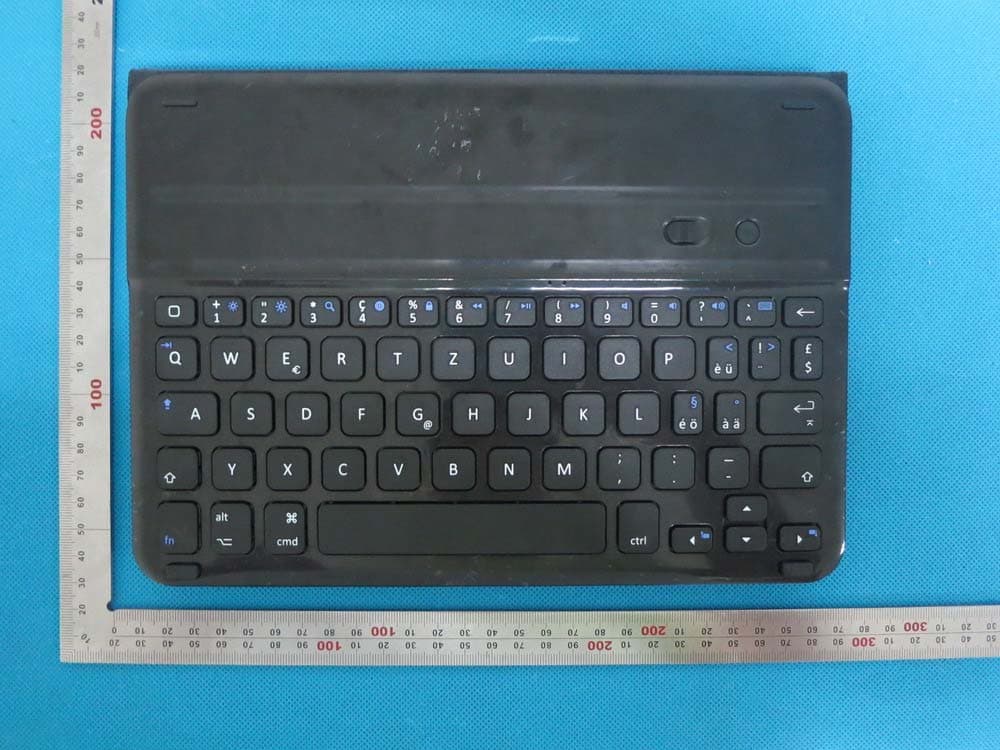
PD8X323
Aug 25, 2014Bluetooth Keyboard
Equipment Class
DSS - Part 15 Spread Spectrum Transmitter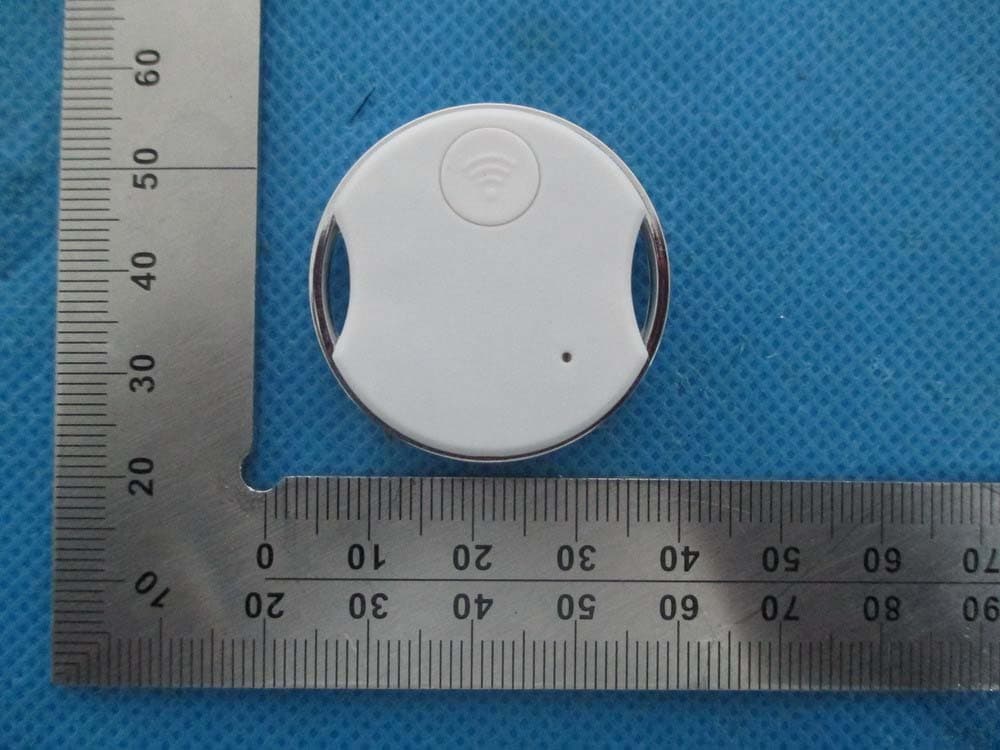
PD8X71
Jul 02, 2014Bluetooth remote shutter
Equipment Class
DSS - Part 15 Spread Spectrum Transmitter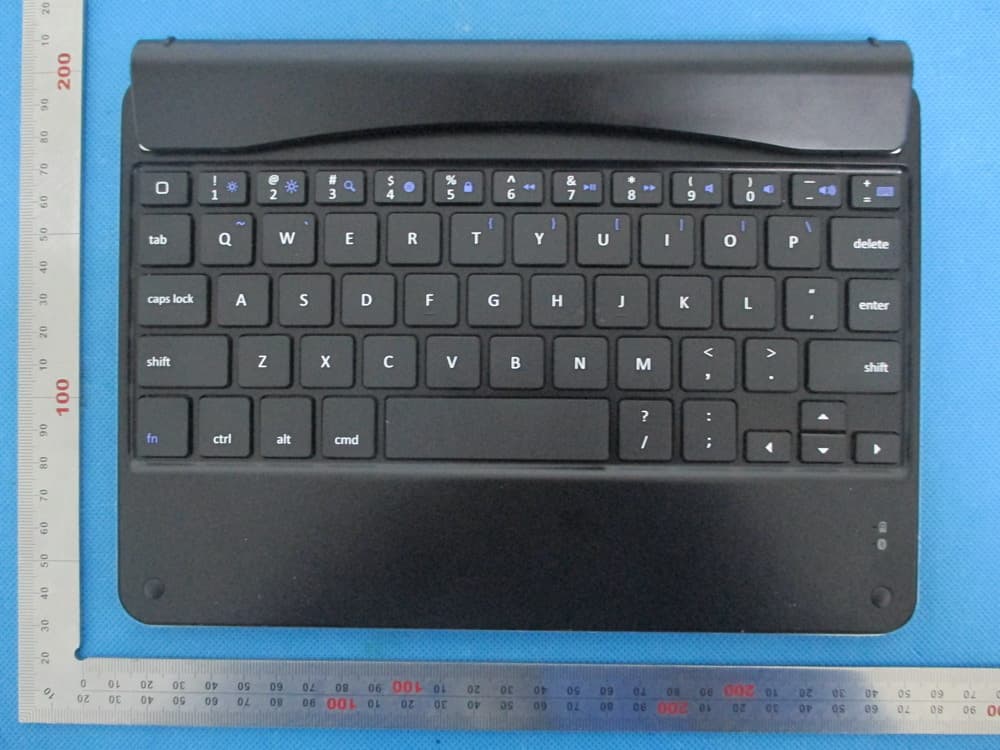
PD8X9003-AIR
Feb 13, 2014Bluetooth Keyboard
Equipment Class
DSS - Part 15 Spread Spectrum Transmitter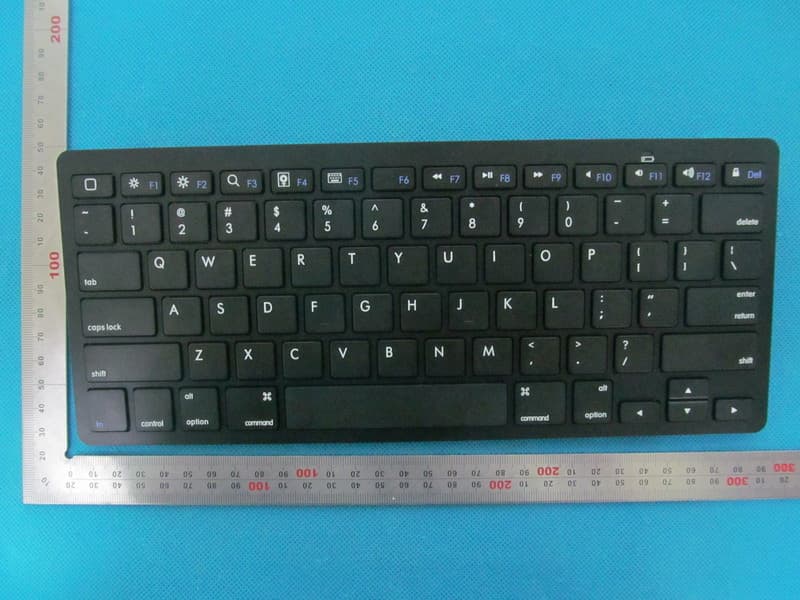
PD8X7004
Aug 21, 2013Bluetooth Keyboard
Equipment Class
DSS - Part 15 Spread Spectrum Transmitter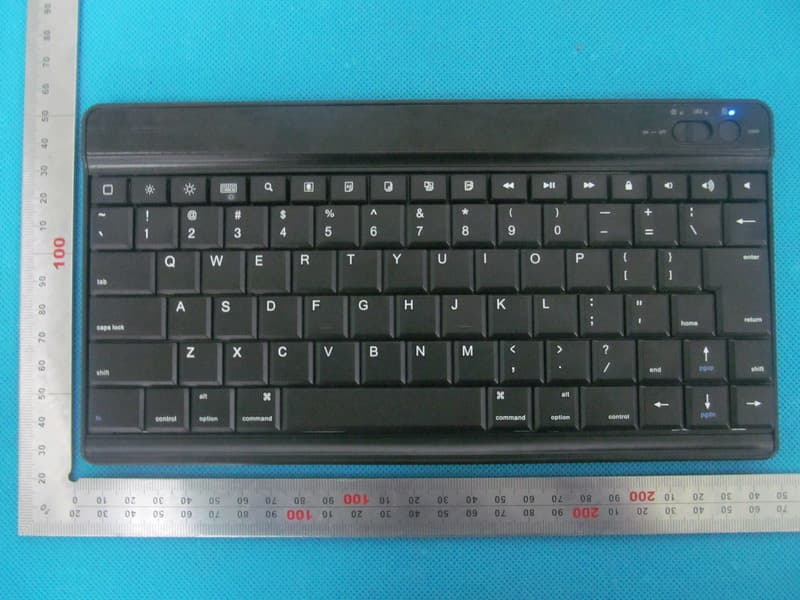
PD8X706
Aug 20, 2013Bluetooth Keyboard
Equipment Class
DSS - Part 15 Spread Spectrum Transmitter