QE6IH-NEOSNAP04Digital still camera
Infohand Co., Ltd.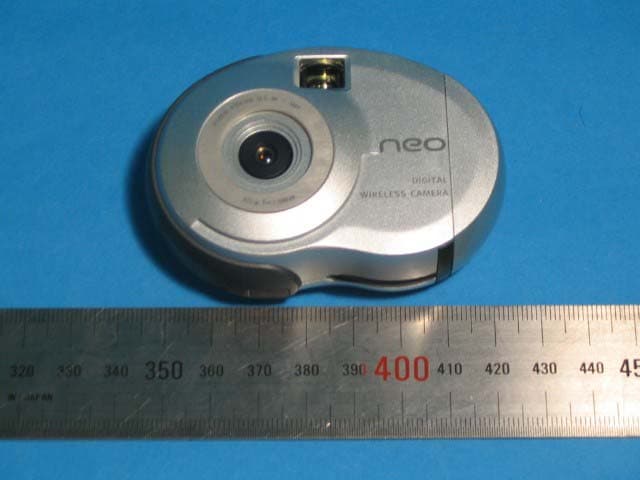
Click to zoom
Application Details
- Equipment Class
- DSS - Part 15 Spread Spectrum Transmitter
- Date of Grant
- Jun 13, 2004
- Application Purpose
- Original Equipment
- Date of Application
- Jun 13, 2004
- Equipment Note
- Digital still camera
- Frequency Range
- 2402.00000000 - 2480.00000000
- Company
- Infohand Co., Ltd.
- Country
- South Korea
Documents & Files
Document Text
Text extracted from the exhibit documents filed with the FCC. Open a document above to read the original.
Block Diagram
<< neoSnap >> <Sensor> Bluetooth Connection HV7131E1 SDRAM Flash <Power> <Memory> VCC(+3.3V) DVDD(+3.3V) AVDD(+3.3V) CR123A Battery Ext. BUS Ext. BUS Ext. BUS Regulator ( Joy02 ) 48MHz <Clock> CVDD(+2.5V) (2MB) (2MB) <Display> Buzzer LCD <Interface> Bluetooth Module PMG
Cover Letter(s)
Chief, Equipment Approval Services Federal Communications Commission PO Box 358315 Pittsburg, PA 15251-5315 Seongnam , May 19, 2004 Authorization Letter Dear Sir or Madam: We, Infohand Co., Ltd, hereby authorize TÜV Rheinland Korea Ltd. 2F., Sehwa Bldg. 157-16 Samsung-dong, Gwangnam-Gu, Seoul 135-090, R.O.K. To act as our agent and to process and sign on our behalf for equipment authorization under FCC Part 15, Subpart C. This authorization is applicable for the product: neoSnap (NS-10 ) with FCC ID: QE6IH- NEOSNAP04. Sincerely, Signature: Printed Name: Jin-Gu Yoon Title: Assistant Research Engineer
Cover Letter(s)
Federal Communications Commission Authorization and Evaluation Division 7435 Oakland Mills Road Columbia, MD 21046 Seongnam, May 19, 2004 REQUEST FOR CONFIDENTIALITY, FCC ID: QE6IH-NEOSNAP04 Pursuant to Sections 0.457(d)(1)(ii) and 0.459 of the Commission's Rules, the Applicant hereby requests confidential treatment of information accompanying as outlined below: • Schematic drawing • Bill of Materials The above materials contain trade secrets and proprietary information not customarily released to the public. Public disclosure of these matters might be harmful to the Applicant and provide unjustified benefits to its competitors. The Applicant understands that pursuant to Rule 0.457(d)(1)(ii), disclosure of this Application and accompanying documentation will not be made before the date of the Grant for this application. Sincerely, Signature : Printed Name : Jin-Gu Yoon Title : Assistant Research Engineer Company Stamp:
External Photos
TÜV Rheinland Product Safety GmbH External Photos 13002911 Revision No : 1.0 Page: 1 of 2 1. External view 1.1 Front side TÜV Rheinland Product Safety GmbH External Photos 13002911 Revision No : 1.0 Page: 2 of 2 1.2 Rear side
ID Label/Location Info
FCC Label and Location * Label Position * Label 18.5mm 7.5mm
Internal Photos
TÜV Rheinland Product Safety GmbH Internal Photos 13002911 Revision No : 1.0 Page: 1 of 2 1. Internal view 1.1 Front side TÜV Rheinland Product Safety GmbH Internal Photos 13002911 Revision No : 1.0 Page: 2 of 2 1.2 Rear side
Operational Description
The neoSnap (EUT) operational description 1. Product Feature The neoSnap is a connected digital camera that links with the neoPone to send all your neoSnap images automatically to the myneo.com Website. Users can have their images sent from the Web to their friends and relatives via e-mail. 2. Turning the neoSnap On and Off z To turn on the neoSnap, press and hold the power and shutter button until the status LCD is active z To turn off the neoSnap, press and hold the power and shutter button until the status LCD turns off. The neoSnap is equipped with an automatic power-off feature which automatically shuts off the neoSnap if it is inactive for more than two minutes. 3. Display The status LCD displays the battery indicator and the picture counter. The picture counter indicates the picture capacity remaining. When the camera memory is empty, the picture counter displays “30.” When the camera memory is full the picture counter displays “0.” 4. Initial Linking (Paring) In order for the neoSnap to send the pictures to the neoFone, the neoSnap and the neoFone must be linked (paired) and configured. The first time users turn on the neoSnap, the status LCD displays “dS,” indicating “discoverable mode.” This means that the neoSnap is not yet linked to the neoFone. The neoSnap remains in discoverable mode indefinitely until it is successfully linked to the neoFone. If users turn off the neoSnap before linking it with the neoFone, the neoSnap will still be in discoverable mode the next time users turn it on. Once the neoSnap is linked to the neoFone, the pictures users take with the neoSnap are sent to the Web album via the neoFone. If users take pictures while the neoSnap is still in discoverable mode, the images are saved in the neoSnap. When users link the neoSnap to the neoFone, the images stored in the neoSnap are sent to the Web album. After completing the linking process, the status LCD displays the picture counter. 5. Taking Pictures - Position the subject in the viewfinder and hold the neoSnap steady. - Press the shutter button until the neoSnap beeps. The neoSnap can store up to 30 pictures. The neoSnap status LCD displays the picture counter, the number of pictures that can be taken. The status LCD displays “0” when the storage memory is full. The pictures that have been taken and stored are automatically transferred to the Web album. If the neoSnap fails to send a picture, the picture is stored in the neoSnap and the picture counter decreases by one. If the neoSnap successfully sends all stored pictures, the picture counter displays “30.” 6. Replacing the neoSnap or neoFone If users replace the neoSnap with a new one, follow the linking procedure described in initial linking (paring). The previous neoSnap remains registered with the neoFone, unless removed via the neoFone or the server. If users replace the neoFone with a new one, users must return the neoSnap to discoverable mode, and then link the neoSnap to the new neoFone, following the linking procedure described in initial linking (paring). To return the neoSnap to discoverable mode, turn on the neoSnap and press the power button and the shutter button simultaneously until the status LCD of the neoSnap displays “dS.” 7. Connection Status If users push the power button twice, the status LCD displays a code for the connection status: z CO: indicates that the connection is OK. z NC: indicates that there is no connection. z dS: indicates that the neoSnap is in discoverable mode. After a few seconds, the status LCD displays the picture counter again.
RF Exposure Info
TÜV Rheinland Product Safety GmbH SAR Declaration 13002911 Revision No : 1.0 Page: 1 of 1 To : Federal Communications Commission SAR Declaration 1. Regulations According to § 15.247(b)(5) Systems operating under the provisions of this Section shall be operated in a manner that ensures that the public is not exposed to radio frequency energy levels in excess of the Commission's guidelines. See § 1.1307(b)(1) of this Chapter. 2. SAR Calculation This device is a handheld camera equipment using Bluetooth Technologies. Therefore the distance between radiating parts of device and human body is more than 1cm typically. The maximum output power of the device measured at the antenna connector is 0.62dBm and the maximum antenna gain is 0dBi. Therefore the maximum radiated power is 0.62dBm EIRP which equals 1.15mW The maximum power in 1cm distance can be calculated as follows: S= EIRP/( 4л R 2 ) = 1.15/( 4л* 1 ) = 0.092 mW/cm 2 which is far below the MPE limits of 1 mW/cm 2 Therefore the device meets the requirements of the clause 1 regulations. June 4,2004 TUV Rheinland Korea Ltd. Uon-Chae Song
Test Report
TÜV Rheinland Product Safety GmbH REPROT NO : 13002911 Revision No : 1.0 Page: 1 of 25 FCC Part 15 TEST REPORT EUT : neoSnap MODEL : NS-10 FCC ID : QE6IH-NEOSNAP04 APPLICANT : INFOHAND Co., Ltd. ADDRESS : #1207 Kranz-Techno bldg., 5442-1, Sangdaewon-dong, Jungwon-gu Seongnam-si, Gyeonggi-do, Korea May 20, 2004 TUV Rheinland Korea Ltd. TÜV Rheinland Product Safety GmbH REPROT NO : 13002911 Revision No : 1.0 Page: 2 of 25 TEST REPROT CERTIFICATION Applicant : INFOHAND Co., Ltd Adderss : #1207 Kranz-Techno bldg., 5442-1, Sangdaewon-dong, Jungwon-gu, Seongnam-si, Gyeonggi-do, Korea EUT Name : neoSnap Model no. : NS-10 Serial No. : Engineering Sample FCCID : QE6IH-NEOSNAP04 Testing location : LG Innotek Co.,Ltd. 133, Gongdan-dong, Gumi-City , Gyeongbuk 730-703, R.O.K Applied specification : FCC Part 15 , ANSI C63.4-2001 , CISPR 22:1997 Test result : The above mentioned test item passed. Tested by : Gui-Lim Woo Date Signature Reviewed by : Uon-Chae Song Date Signature I HEREBY CERTIFY THAT the data shown in this report were made in accordance with the Procedures given in the applied specification and I assume full responsibility for accuracy and completeness of these data. Note : This test report relates to the a. m. test item. Without permission of the test center this test report is not permitted to be duplicated in extracts. This test report does not entitle to carry any test mark on this or similar products. May 24,2004 May 17,2004 TÜV Rheinland Product Safety GmbH REPROT NO : 13002911 Revision No : 1.0 Page: 3 of 25 Contents 1. General Information -------------------------------------------------------------------5 1.1 Product Description ---------------------------------------------------------------------5 1.2 Project data---------------------------------------------------------------------------------5 1.3 Applicant-------------------------------------------------------------------------------------5 1.4 Manufacturer--------------------------------------------------------------------------------5 2. EUT Information---------------------------------------------------------------------------6 2.1 General EUT Information--------------------------------------------------------------6 2.2 Center Frequency of Tested Channel---------------------------------------------6 2.3 Test Environment------------------------------------------------------------------------6 2.4 Accessories and Ancillary Equipment--------------------------------------------6 3. Testing Facilities --------------------------------------------------------------------------7 4. EUT Description and Operational Description-----------------------------------7 4.1 General Description----------------------------------------------------------------------7 4.2 Product Function and Intended use------------------------------------------------7 5. Test Set-up-----------------------------------------------------------------------------------8 5.1 Principle of configuration-------------------------------------------------------------8 5.2 Operational Modes-----------------------------------------------------------------------8 5.3 Applied Specification-------------------------------------------------------------------8 6. Test Report Summary--------------------------------------------------------------------9 7. Test Results---------------------------------------------------------------------------------10 7.1 Antenna Connector Requirements-------------------------------------------------10 7.2 AC C ONNECTED EMISSION----------------------------------------------------------------11 7.3 Carrier Frequency Separation-------------------------------------------------------12 7.4 Time of Occupancy(Dwell time)----------------------------------------------------13 7.5 20dB Bandwidth-------------------------------------------------------------------------14 7.6 Number of Hopping Frequencies Requirements-----------------------------15 7.7 Pseudorandom Frequency Hopping Sequence and Equal Hopping Frequency use Requirements ----------------------------------------16 TÜV Rheinland Product Safety GmbH REPROT NO : 13002911 Revision No : 1.0 Page: 4 of 25 7.8 Receiver Input Bandwidth Requirements-------------------------------------18 7.9 Peak Output Power ------------------------------------------------------------------19 7.10 Band-edge Compliance------------------------------------------------------------20 7.11 Spurious Conducted emissions -----------------------------------------------21 7.12 Spurious Radiated emissions --------------------------------------------------22 8. List of Test and Measurement Instruments -----------------------------24 9. complementary Materials------------------------------------------------------------25 TÜV Rheinland Product Safety GmbH REPROT NO : 13002911 Revision No : 1.0 Page: 5 of 25 1. General Information 1.1 Product Description Product Name : neoSnap Product ID : NS-10 Serial No. : Engineering Sample FCC ID : QE6IH-NEOSNAP04 1.2 Project data Receipt of EUT : May 2,2003 Date of Test : May 12, 2004 Data of report : May 17,2004 1.3 Applicant Company Name : INFOHAND Co., Ltd Address : #1207 Kranz-Techno bldg., 5442-1, Sangdaewon-dong, Jungwon-gu, Seongnam-si, Gyeonggi-do, Korea Contact Person : Jin-Gu Yoon 1.4 Manufacturer Company Name : INFOHAND co., Ltd Address : #1207 Kranz-Techno bldg., 5442-1, Sangdaewon-dong, Jungwon-gu, Seongnam-si, Gyeonggi-do, Korea Contact Person : Jin-Gu Yoon TÜV Rheinland Product Safety GmbH REPROT NO : 13002911 Revision No : 1.0 Page: 6 of 25 2. EUT Information 2.1 General EUT Information Type Transmitter Receiver FCC Classification FHSS Sequence Spread Spectrum ( FHSS) FHSS Sequence Spread Spectrum ( FHSS) Frequency Range 2402 – 2480 MHz 2402 – 2480 MHz Number of Channels 79 79 Channel Separation 1MHz 1MHz Type of Antenna Surface Mountable Chip Antenna Surface Mountable Chip Antenna Power Supply DC 3.7V Lithum Polymer DC 3.7V Lithum Polymer 2.2 Center Frequency of Tested Channel Freque…
Text truncated - open the document above for the full version.
Test Report
TÜV Rheinland Product Safety GmbH Appendix1 : 13002911 Revision No : 1.0 Page: 1 of 26 Carrier Frequency Separation Op. mode: Hopping on Reference frequency (MHz) Channel Separation (MHz)Results 2441.000 998 Pass TÜV Rheinland Product Safety GmbH Appendix1 : 13002911 Revision No : 1.0 Page: 2 of 26 Time of Occupancy (Dwell time) Op. mode: Hopping on Burst Duration (ms) Results 2.8900 Pass TÜV Rheinland Product Safety GmbH Appendix1 : 13002911 Revision No : 1.0 Page: 3 of 26 20dB Bandwidth Op. mode: TX mode, DH5 with PRBS9 payload Tx frequency (MHz) |∆f | (MHz) Results 2402 0.995 Pass 2441 0.985 Pass 2480 0.975 Pass Tx frequency: 2402MHz TÜV Rheinland Product Safety GmbH Appendix1 : 13002911 Revision No : 1.0 Page: 4 of 26 Tx frequency: 2441MHz TÜV Rheinland Product Safety GmbH Appendix1 : 13002911 Revision No : 1.0 Page: 5 of 26 Tx frequency: 2480MHz TÜV Rheinland Product Safety GmbH Appendix1 : 13002911 Revision No : 1.0 Page: 6 of 26 Number of Hopping Frequencies Requirements Op. mode: hopping mode, DH1 with PRBS9 payload TÜV Rheinland Product Safety GmbH Appendix1 : 13002911 Revision No : 1.0 Page: 7 of 26 Peak Output Power Op. mode: TX mode, DH1 with PRBS9 payload Tx Frequency (MHz) Cable Attenuation (dB) Power P PK (dBm) Actual Peak Power (dBm) Results 2402 1.80 -1.176 0.62 Pass 2441 1.83 -2.616 -0.82 Pass 2480 1.85 -2.989 -1.14 Pass Tx frequency: 2402MHz TÜV Rheinland Product Safety GmbH Appendix1 : 13002911 Revision No : 1.0 Page: 8 of 26 Tx frequency: 2441MHz TÜV Rheinland Product Safety GmbH Appendix1 : 13002911 Revision No : 1.0 Page: 9 of 26 Tx frequency: 2480MHz TÜV Rheinland Product Safety GmbH Appendix1 : 13002911 Revision No : 1.0 Page: 10 of 26 Band-edge Compliance Op. mode: TX mode, DH1 with PRBS9 payload Tx Frequency (MHz) RF power outside 100kHz BW (MHz) RF power difference outside 100kHz BW (dB) Results 2402 No peak above 20dB 20dB below Pass 2441 No peak above 20dB 20dB below Pass 2480 No peak above 20dB 20dB below Pass Tx frequency: 2402MHz TÜV Rheinland Product Safety GmbH Appendix1 : 13002911 Revision No : 1.0 Page: 11 of 26 Tx frequency: 2441MHz TÜV Rheinland Product Safety GmbH Appendix1 : 13002911 Revision No : 1.0 Page: 12 of 26 Tx frequency: 2480MHz TÜV Rheinland Product Safety GmbH Appendix1 : 13002911 Revision No : 1.0 Page: 13 of 26 Spurious Conducted emissions Op. mode: TX mode, DH1 with PRBS9 payload Tx frequency : 2402MHz Spurious Frequency (MHz) Power level (dBm) Reference value (dBm) Delta to reference level (dB) Results No peak found - - - Pass Tx frequency : 2441MHz Spurious Frequency (MHz) Power level (dBm) Reference value (dBm) Delta to reference level (dB) Results No peak found - - - Pass Tx frequency : 2480MHz Spurious Frequency (MHz) Power level (dBm) Reference value (dBm) Delta to reference level (dB) Results No peak found - - - Pass TÜV Rheinland Product Safety GmbH Appendix1 : 13002911 Revision No : 1.0 Page: 14 of 26 Tx frequency: 2402MHz Tx frequency: 2402MHz TÜV Rheinland Product Safety GmbH Appendix1 : 13002911 Revision No : 1.0 Page: 15 of 26 Tx frequency: 2402MHz TÜV Rheinland Product Safety GmbH Appendix1 : 13002911 Revision No : 1.0 Page: 16 of 26 Tx frequency: 2441MHz Tx frequency: 2441MHz TÜV Rheinland Product Safety GmbH Appendix1 : 13002911 Revision No : 1.0 Page: 17 of 26 Tx frequency: 2441MHz TÜV Rheinland Product Safety GmbH Appendix1 : 13002911 Revision No : 1.0 Page: 18 of 26 Tx frequency: 2480MHz Tx frequency: 2480MHz TÜV Rheinland Product Safety GmbH Appendix1 : 13002911 Revision No : 1.0 Page: 19 of 26 frequency: 2480MHz TÜV Rheinland Product Safety GmbH Appendix1 : 13002911 Revision No : 1.0 Page: 20 of 26 Spurious Radiated emissions Op. mode: TX mode, DH1 with PRBS9 payload Comments: 1. High power : maximum output power 2. Low Frequency : 2402MHz 3. Middle Frequency : 2441MHz 4. High Frequency : 2480MHz Tx frequency (MHz) Polarization Spurious Frequency (MHz) Power Level (dBuV/m) Detector (Peak) 2402 Horizontal - No Peak above the limit - Tx frequency (MHz) Polarization Spurious Frequency (MHz) Power Level (dBuV/m) Detector (Peak) 2402 Vertical - No Peak above the limit - Tx frequency (MHz) Polarization Spurious Frequency (MHz) Power Level (dBuV/m) Detector (Peak) 2441 Horizontal - No Peak above the limit - Tx frequency (MHz) Polarization Spurious Frequency (MHz) Power Level (dBuV/m) Detector (Peak) 2441 Vertical - No Peak above the limit - Tx frequency (MHz) Polarization Spurious Frequency (MHz) Power Level (dBuV/m) Detector (Peak) 2480 Horizontal - No Peak above the limit - Tx frequency (MHz) Polarization Spurious Frequency (MHz) Power Level (dBuV/m) Detector (Peak) 2480 Vertical - No Peak above the limit - TÜV Rheinland Product Safety GmbH Appendix1 : 13002911 Revision No : 1.0 Page: 21 of 26 2402 Mhz Horizontal May 13,2004 -20 0 20 40 60 80 100 Level [dB /m] 킮 30M100M 200M 400M1G2G 3G 5G10G25G Frequency [Hz] Marker: 6.963927856 GHz 64.07 dB /m킮 MES 20040513_011_pre LIM FCC Part 15.247 PEAK Level [dBuV/m] dBuV/m TÜV Rheinland Product Safety GmbH Appendix1 : 13002911 Revision No : 1.0 Page: 22 of 26 2402 Mhz Vertical May 13, 2004 -20 0 20 40 60 80 100 Level [dB /m] 킮 30M100M 200M 400M1G2G 3G 5G10G25G Frequency [Hz] Marker: 6.963927856 GHz 64.47 dB /m킮 MES 20040513_016_pre LIM FCC Part 15.247 PEAK Level [dBuV/m] dBuV/m TÜV Rheinland Product Safety GmbH Appendix1 : 13002911 Revision No : 1.0 Page: 23 of 26 2441 Mhz Horizontal May 13,2004 -20 0 20 40 60 80 100 Level [dB /m] 킮 30M100M 200M 400M1G2G 3G 5G10G25G Frequency [Hz] Marker: 6.963927856 GHz 64.13 dB /m킮 MES 20040513_012_pre LIM FCC Part 15.247 PEAK Level [dBuV/m] dBuV/m TÜV Rheinland Product Safety GmbH Appendix1 : 13002911 Revision No : 1.0 Page: 24 of 26 2441 Mhz Vertical May 13,2004 -20 0 20 40 60 80 100 Level [dB /m] 킮 30M100M 200M 400M1G2G 3G 5G10G25G Frequency [Hz] Marker: 6.963927856 GHz 64.35 dB /m킮 MES 20040513_015_pre LIM FCC Part 15.247 PEAK Level [dBuV/m] dBuV/m TÜV Rheinland Product Safety GmbH Appendix1 : 13002911 Revision No : 1.0 Page: 25 of 26 248…
Text truncated - open the document above for the full version.
Test Setup Photos
TÜV Rheinland Product Safety GmbH Test setup photos 13002911 Revision No : 1.0 Page: 1 of 6 1 Test set-up 1.1 Conducted Emissions TÜV Rheinland Product Safety GmbH Test setup photos 13002911 Revision No : 1.0 Page: 2 of 6 1.2 Spurious Radiated Emissions 1.2.1 Radiated test Sample TÜV Rheinland Product Safety GmbH Test setup photos 13002911 Revision No : 1.0 Page: 3 of 6 1.2.2 Radiated test ( 30 MHz ~ 1GHz ) TÜV Rheinland Product Safety GmbH Test setup photos 13002911 Revision No : 1.0 Page: 4 of 6 1.2.3 Radiated test ( 1 GHz ~ 13GHz ) TÜV Rheinland Product Safety GmbH Test setup photos 13002911 Revision No : 1.0 Page: 5 of 6 1.2.4 Radiated test ( 13 GHz ~ 18GHz ) TÜV Rheinland Product Safety GmbH Test setup photos 13002911 Revision No : 1.0 Page: 6 of 6 1.2.4 Radiated test ( 18 GHz ~ 25GHz )
Contact Information
Applicant
TaeHun Kim(General Manager)
Technical Contact
T�V Rheinland Korea Ltd.Uon-Chae Song
[email protected]+82 2 539 1781
2F., Sehwa Bldg. 157-16 · Seoul · South Korea
Non-Technical Contact
Infohand Co., Ltd.Jin-Gu Yoon
[email protected]+82 31 733 9440
Test Firm
LIG Nex1 Co., Ltd.Hyo-Jeung Cho
Technical Specifications
| # | Rule Parts | Frequency Range | Power Output |
|---|---|---|---|
| 1 | 15C | 2.40 GHz - 2.48 GHz | 760.00 µW |
Other Applications from Infohand Co., Ltd.
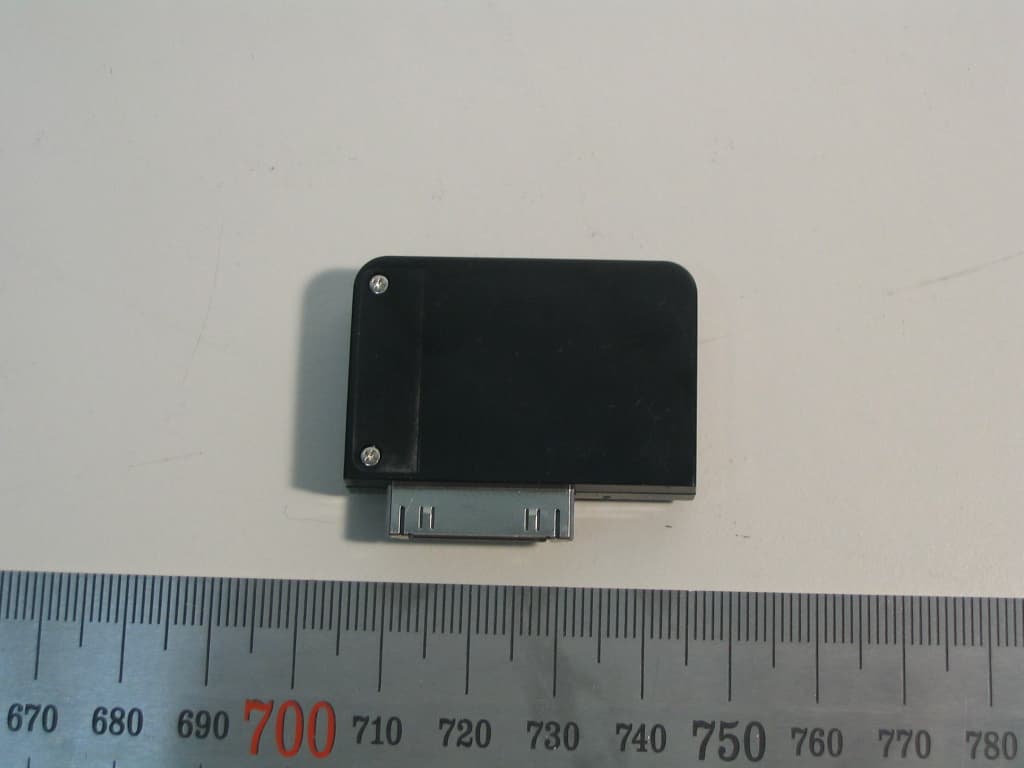
QE6IBSD-A100
Oct 01, 2006Wireless Dongle
Equipment Class
DSS - Part 15 Spread Spectrum Transmitter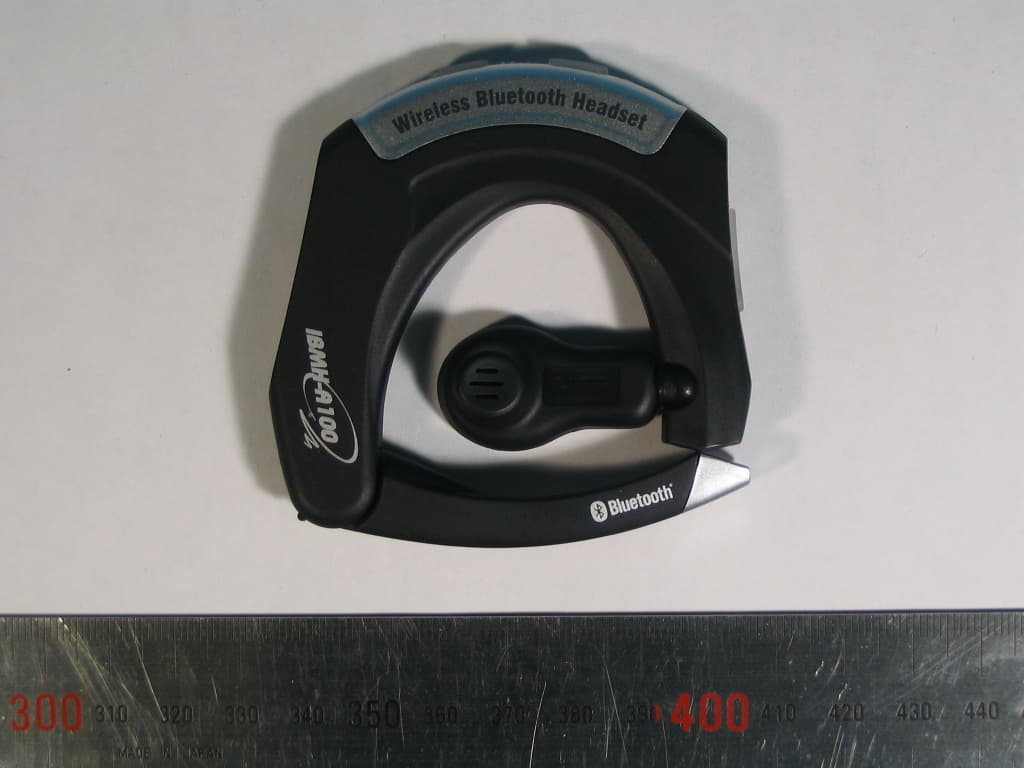
QE6IBMH-A100
Oct 23, 2005Wireless Bluetooth Headset
Equipment Class
DSS - Part 15 Spread Spectrum Transmitter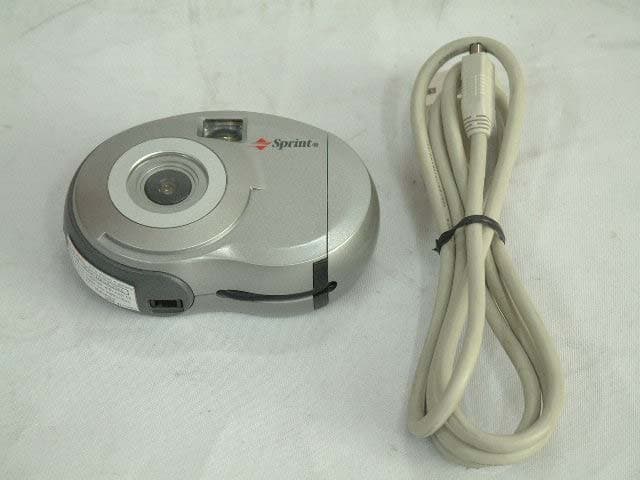
QE6IH-MAGIC03AA
Apr 07, 2003Digital Camera
Equipment Class
JBP - Part 15 Class B Computing Device Peripheral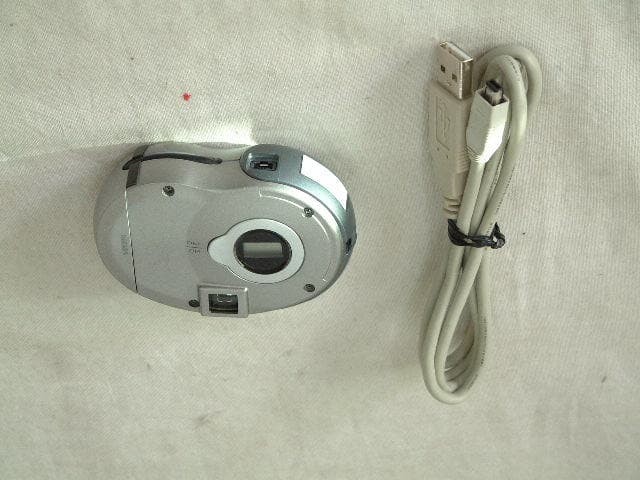
QE6IH-MAGIC02AA
Jul 07, 2002Digital Camera
Equipment Class
JBP - Part 15 Class B Computing Device Peripheral